About Special Breakthrough Prize in Fundamental Physics
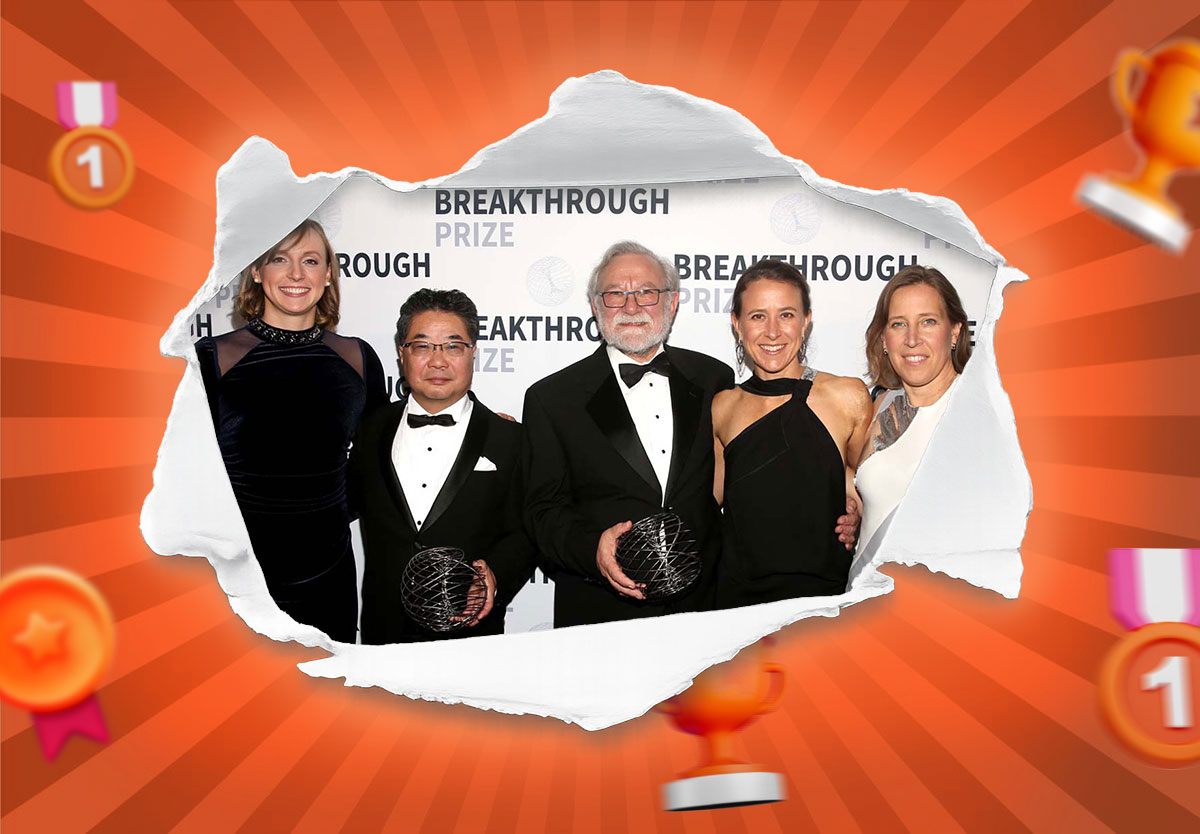
The Breakthrough Prize in Life Sciences are given annually. Each winner receives $3 million. The life science prizes have been sponsored by the personal foundations established by Sergey Brin, Priscilla Chan and Mark Zuckerberg, Ma Huateng, Jack Ma, Yuri and Julia Milner, and Anne Wojcicki.
List of Special Breakthrough Prize in Fundamental Physics Winners (2012-2025)
The Special Breakthrough Prize in Fundamental Physics category has honored 17 recipients between 2012 and 2025 under the Breakthrough Prize, presented by the Breakthrough Prize Organization. Explore the complete list of award winners, recipients, and year-wise details.
| Images | Year | Winner Name | Affiliation | |
|---|---|---|---|---|
 |
2013 | Peter Jenni | CERN Research institute | |
For his leadership role in the scientific endeavour that led to the discovery of the new Higgs-like particle by the ATLAS and CMS collaborations at CERN's Large Hadron Collider. |
||||
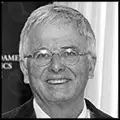 |
2013 | Michel Della Negra | CERN Research institute | |
For his leadership role in the scientific endeavour that led to the discovery of the new Higgs-like particle by the ATLAS and CMS collaborations at CERN's Large Hadron Collider. |
||||
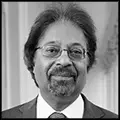 |
2013 | Tejinder Singh Virdee | CERN Research institute | |
For his leadership role in the scientific endeavour that led to the discovery of the new Higgs-like particle by the ATLAS and CMS collaborations at CERN's Large Hadron Collider. |
||||
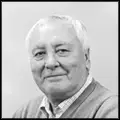 |
2013 | Lyn Evans | CERN Research institute | |
For his leadership role in the scientific endeavour that led to the discovery of the new Higgs-like particle by the ATLAS and CMS collaborations at CERN's Large Hadron Collider. |
||||
 |
2013 | Guido Tonelli | CERN Research institute | |
For his leadership role in the scientific endeavor that led to the discovery of the new Higgs-like particle by the ATLAS and CMS collaborations at CERN's Large Hadron Collider. |
||||
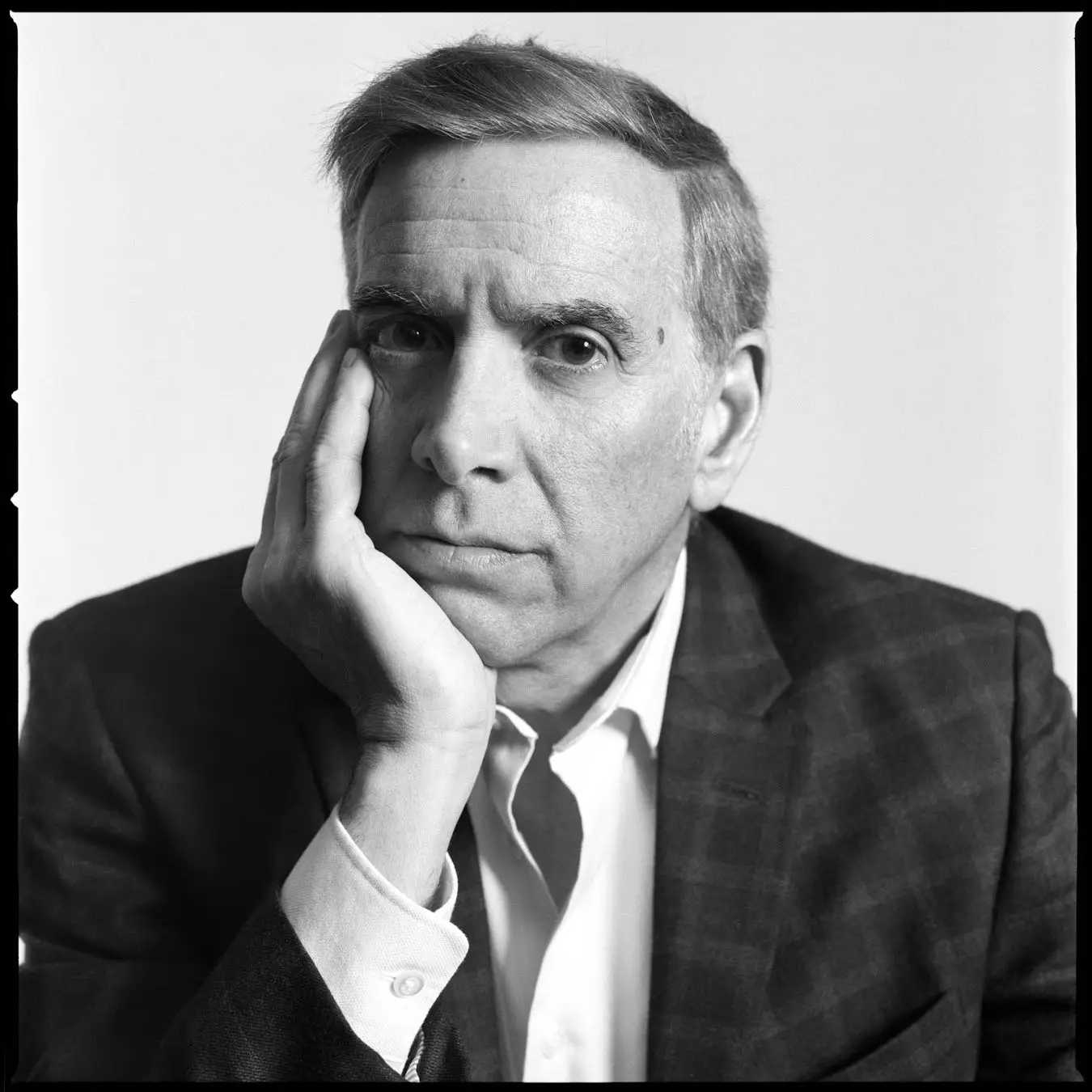 |
2013 | Joe Incandela | CERN Research institute | |
For his leadership role in the scientific endeavor that led to the discovery of the new Higgs-like particle by the ATLAS and CMS collaborations at CERN's Large Hadron Collider. |
||||
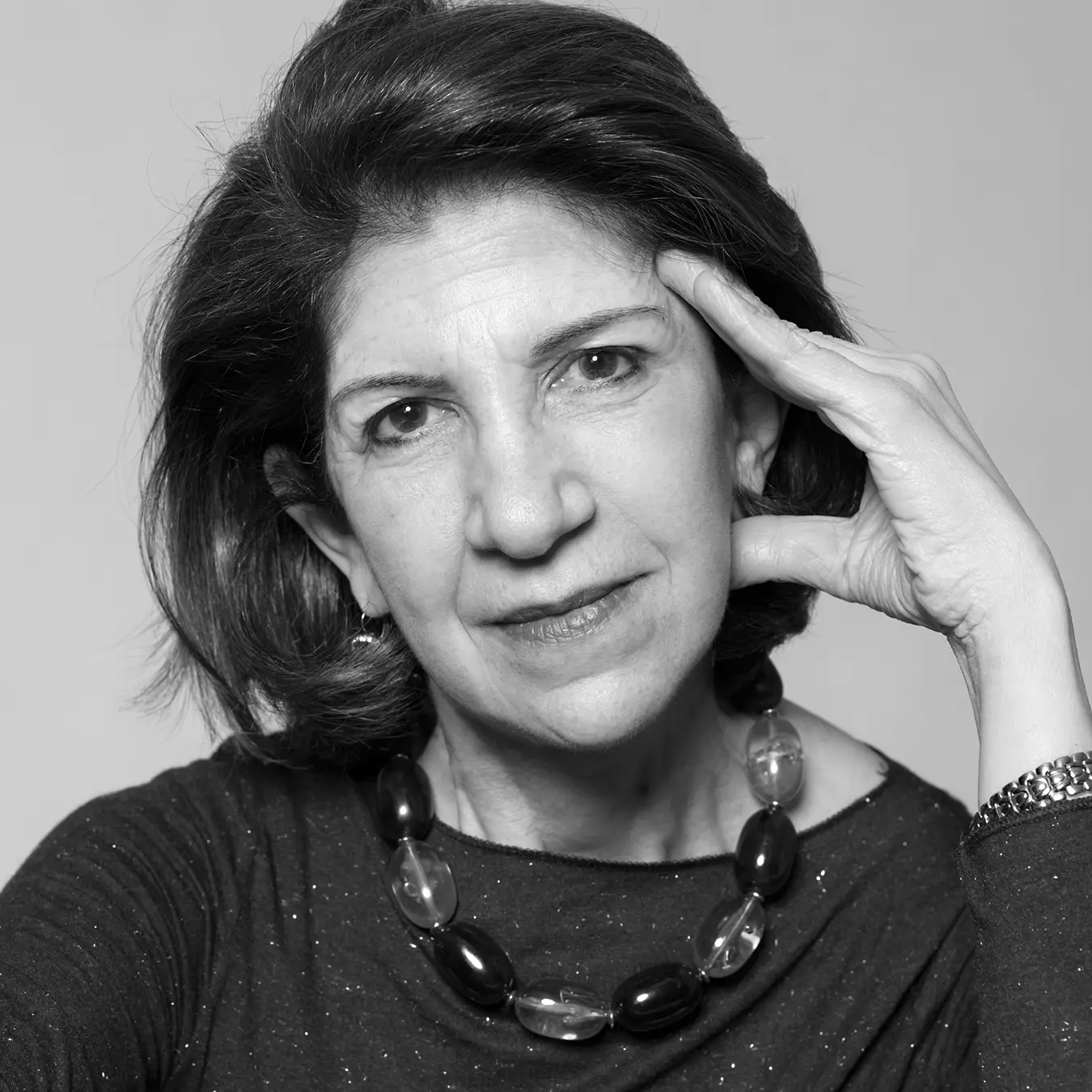 |
2013 | Fabiola Gianotti | CERN Research institute | |
For her leadership role in the scientific endeavour that led to the discovery of the new Higgs-like particle by the ATLAS and CMS collaborations at CERN's Large Hadron Collider. |
||||
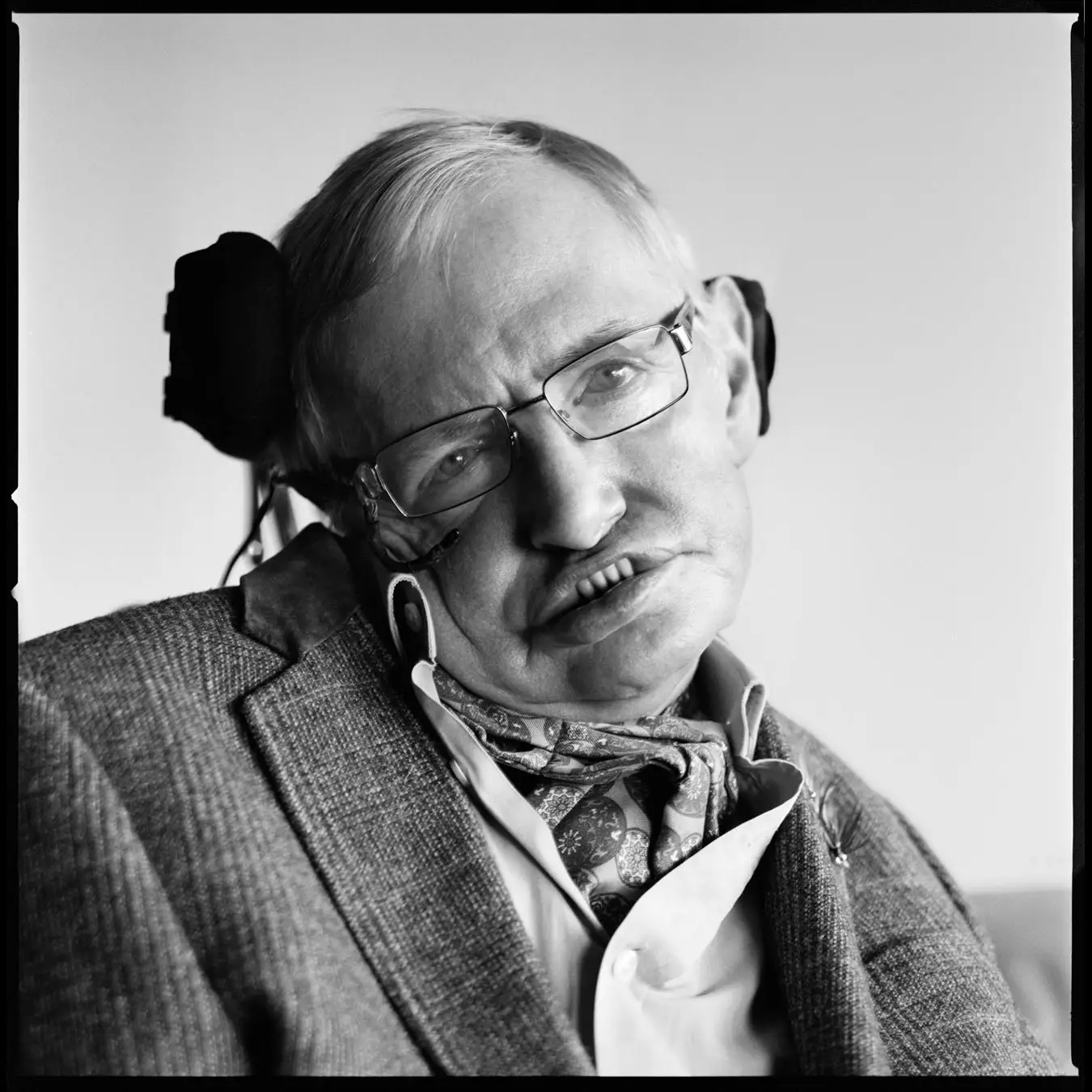 |
2013 | Stephen Hawking | University of Cambridge | |
For his discovery of Hawking radiation from black holes, and his deep contributions to quantum gravity and quantum aspects of the early Universe. |
||||
 |
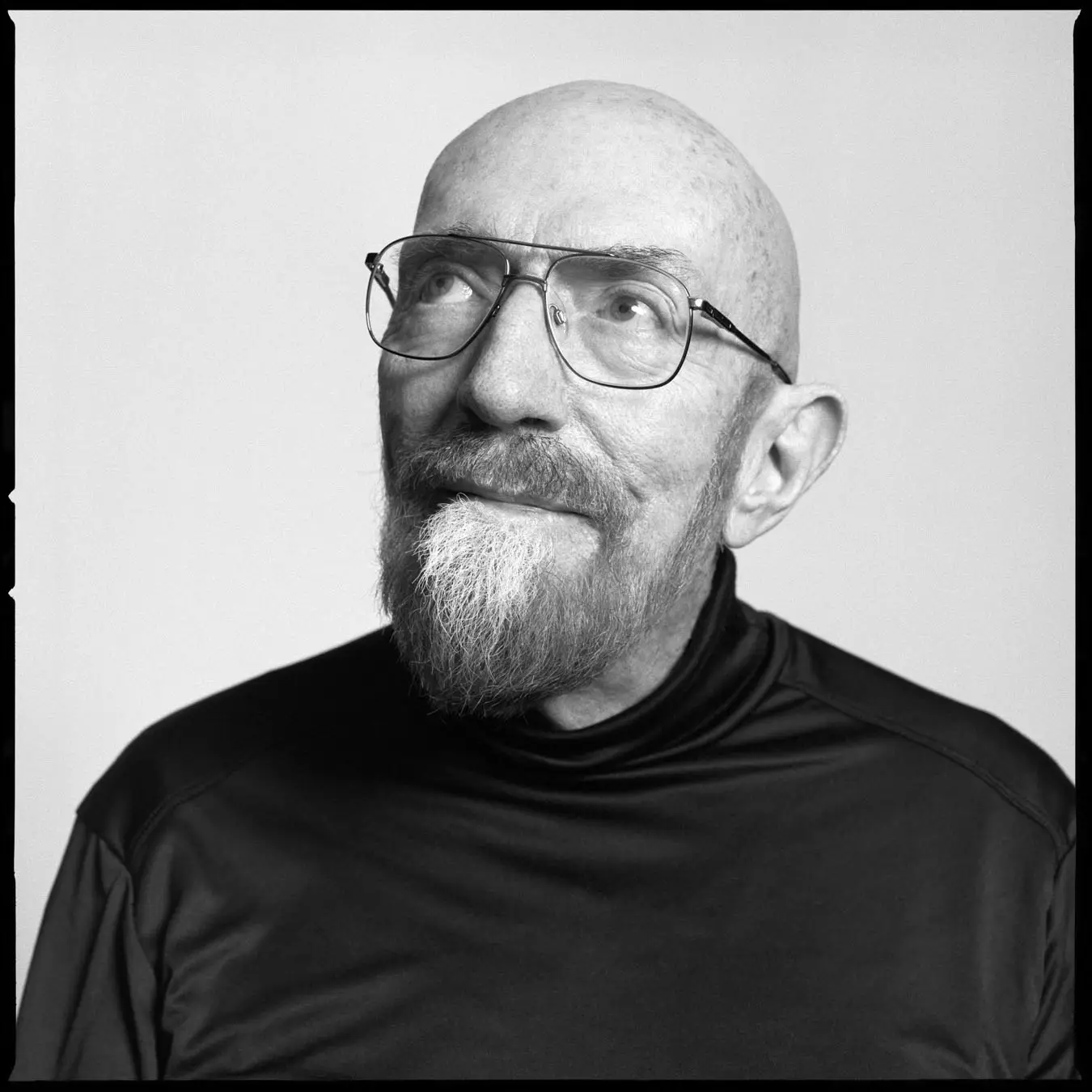
2016 | Ronald W. P. Drever and the LIGO Contributors | California Institute of Technology | |
For the observation of gravitational waves, opening new horizons in astronomy and physics. |
||||
 |
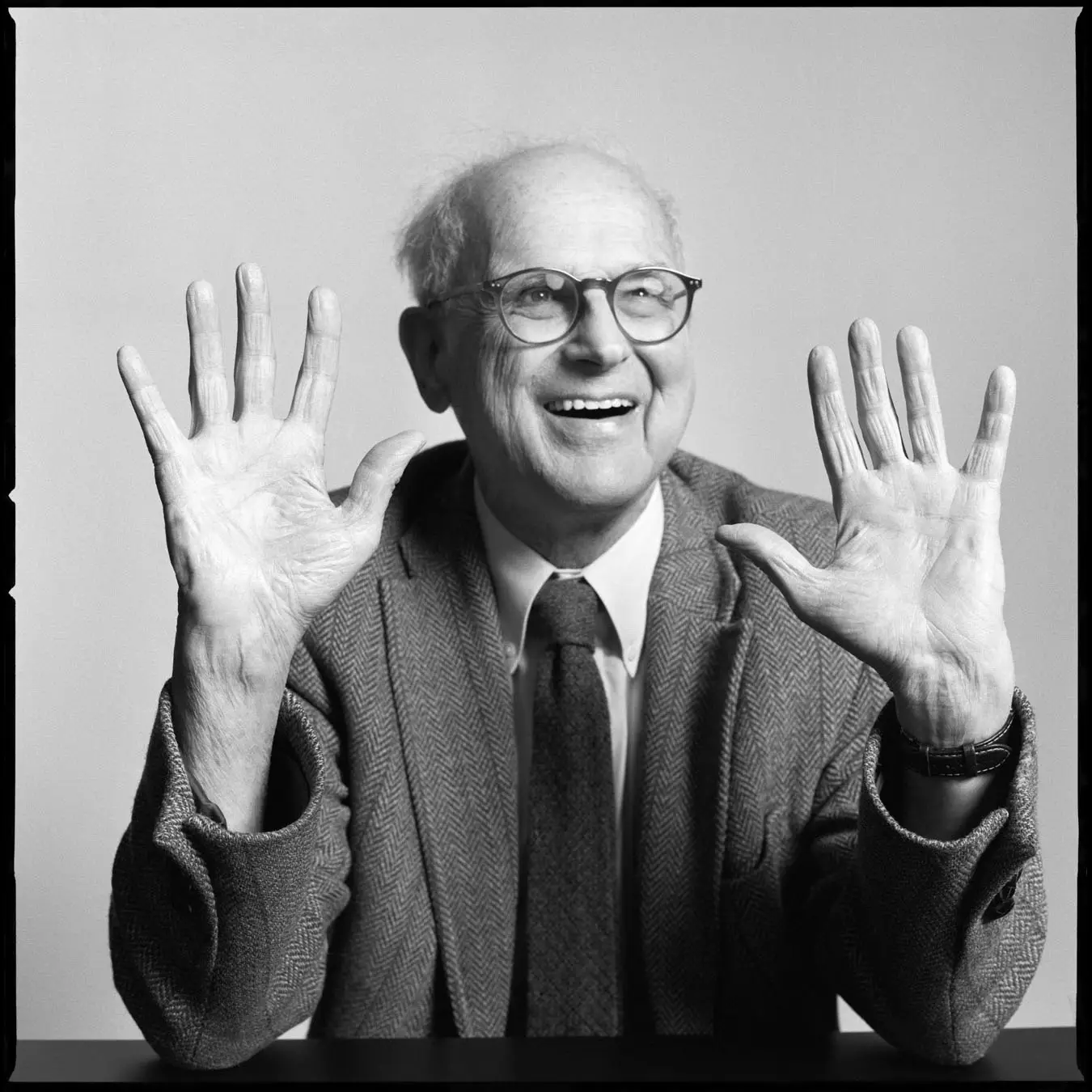
2016 | Kip S. Thorne and the LIGO Contributors | California Institute of Technology | |
For the observation of gravitational waves, opening new horizons in astronomy and physics. |
||||
 |
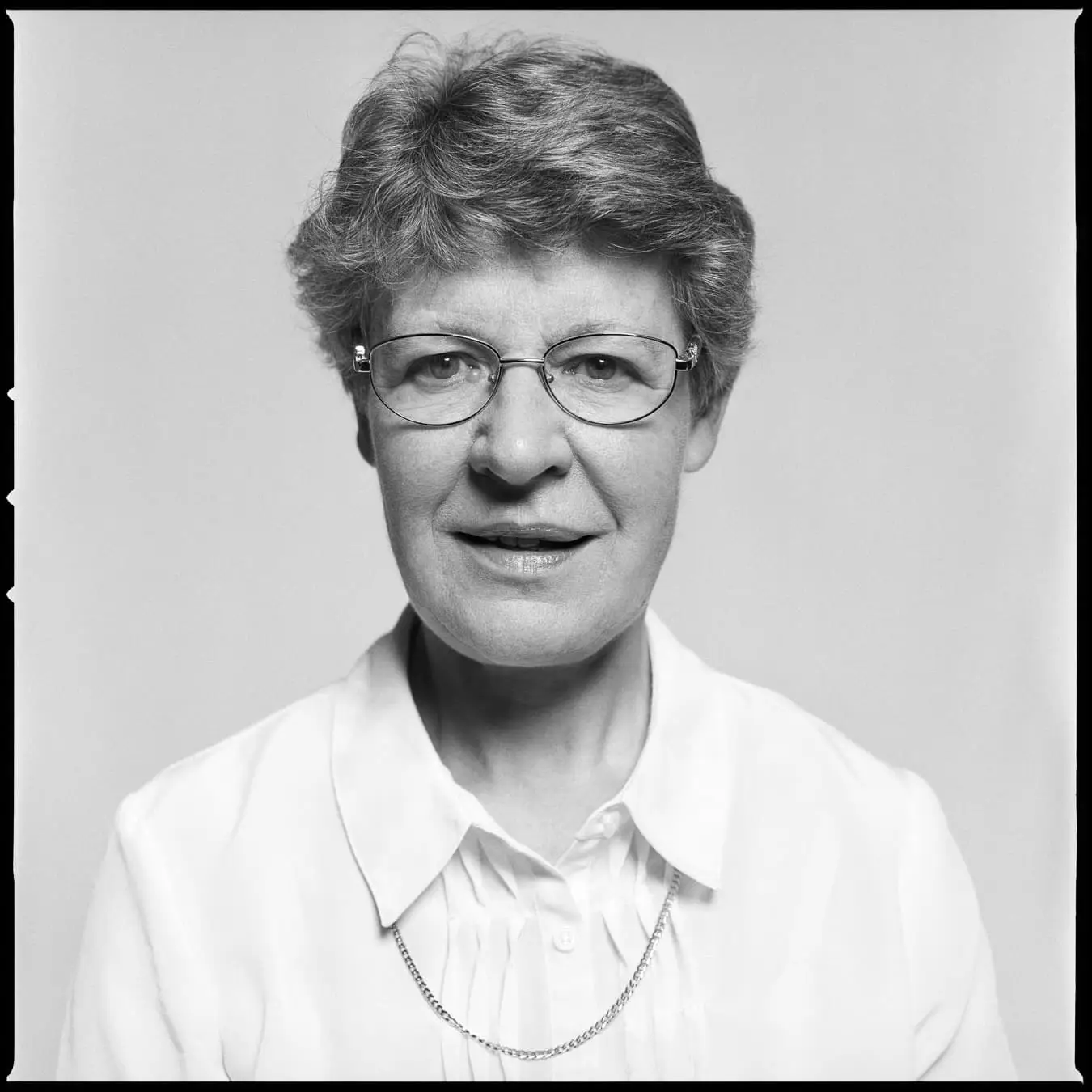
2016 | Rainer Weiss and the LIGO Contributors | Massachusetts Institute of Technology | |
For the observation of gravitational waves, opening new horizons in astronomy and physics. |
||||
 |
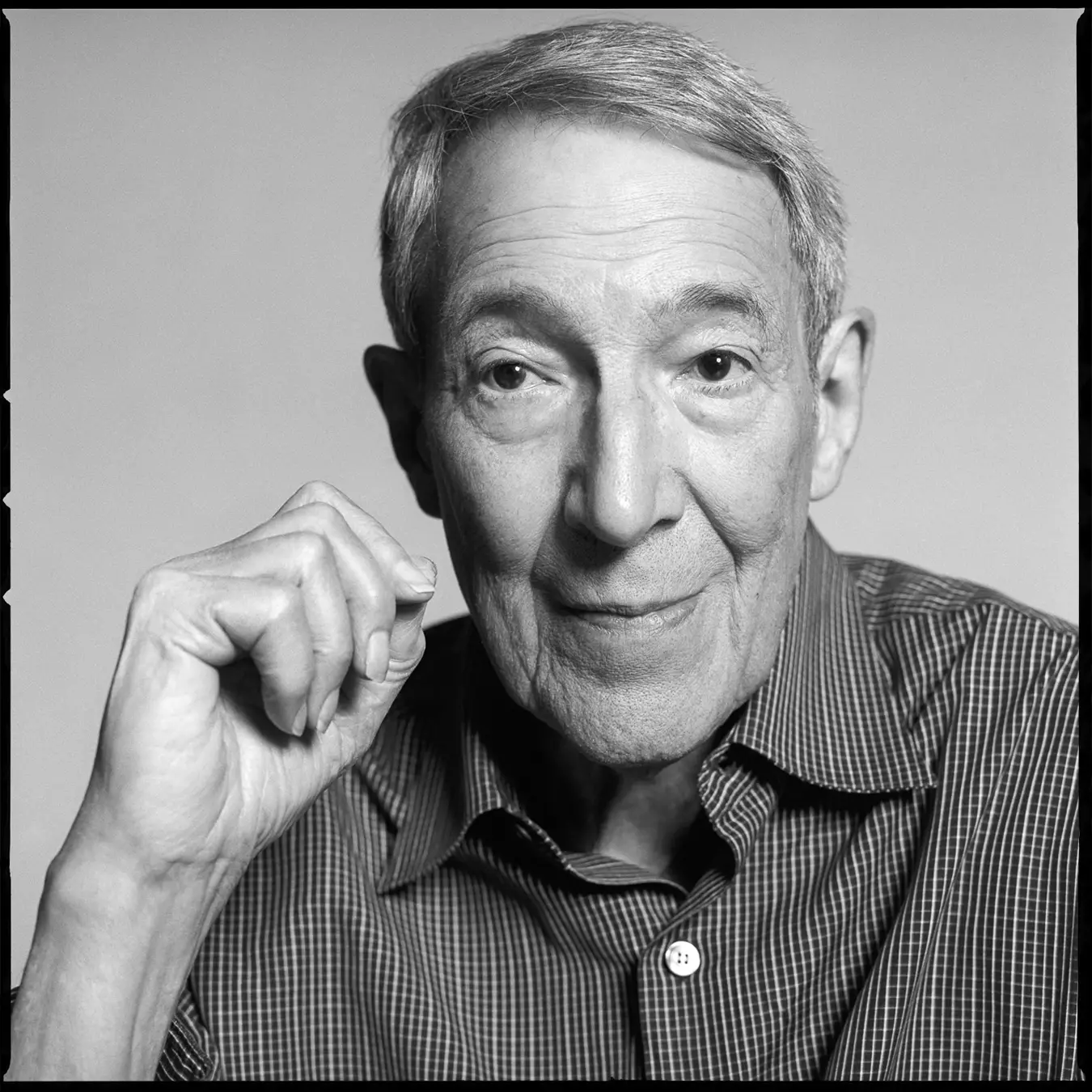
2018 | Jocelyn Bell Burnell | University of Dundee and University of Oxford | |
For fundamental contributions to the discovery of pulsars, and a lifetime of inspiring leadership in the scientific community. |
||||
 |
2019 | Daniel Z. Freedman | Massachusetts Institute of Technology and Stanford University | |
For the invention of supergravity, in which quantum variables are part of the description of the geometry of spacetime. |
||||
 |
2019 | Peter van Nieuwenhuizen | Stony Brook University | |
For the invention of supergravity, in which quantum variables are part of the description of the geometry of spacetime. |
||||
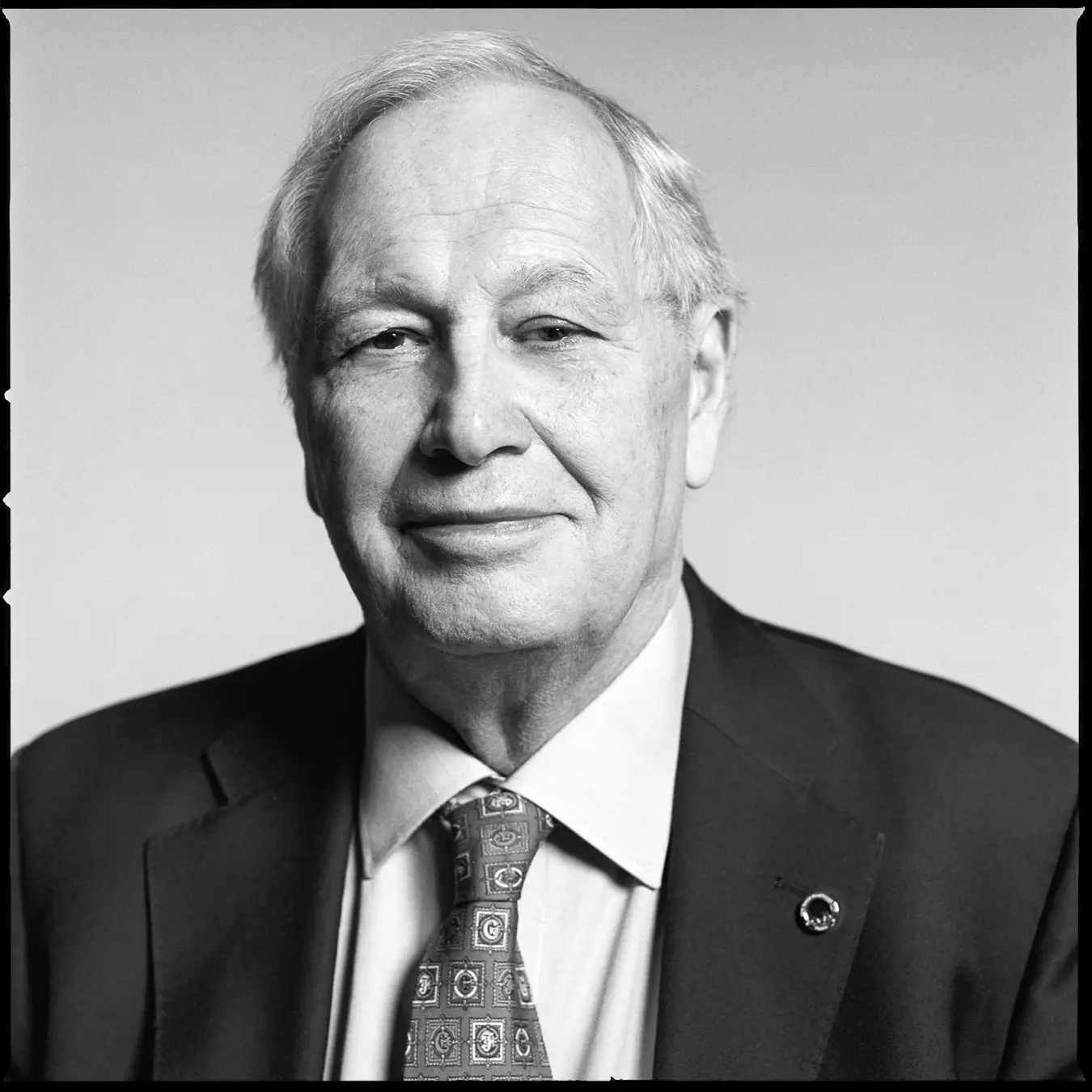 |
2019 | Sergio Ferrara | CERN Research institute, Istituto Nazionale di Fisica Nucleare - Laboratori Nazionali di Frascati LNF | |
For the invention of supergravity, in which quantum variables are part of the description of the geometry of spacetime. |
||||
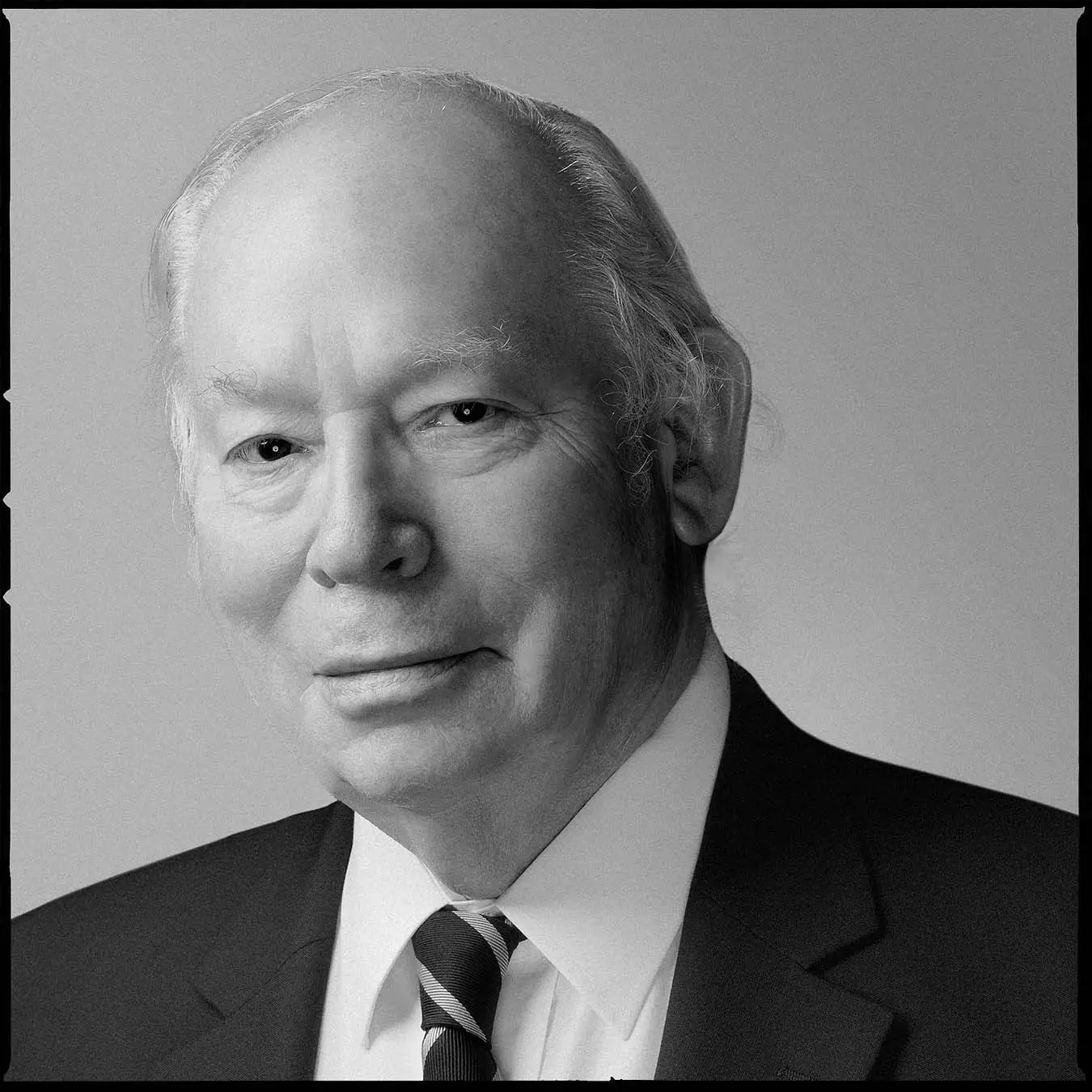 |
2020 | Steven Weinberg | The University of Texas at Austin | |
For continuous leadership in fundamental physics, with broad impact across particle physics, gravity and cosmology, and for communicating science to a wider audience. |
||||
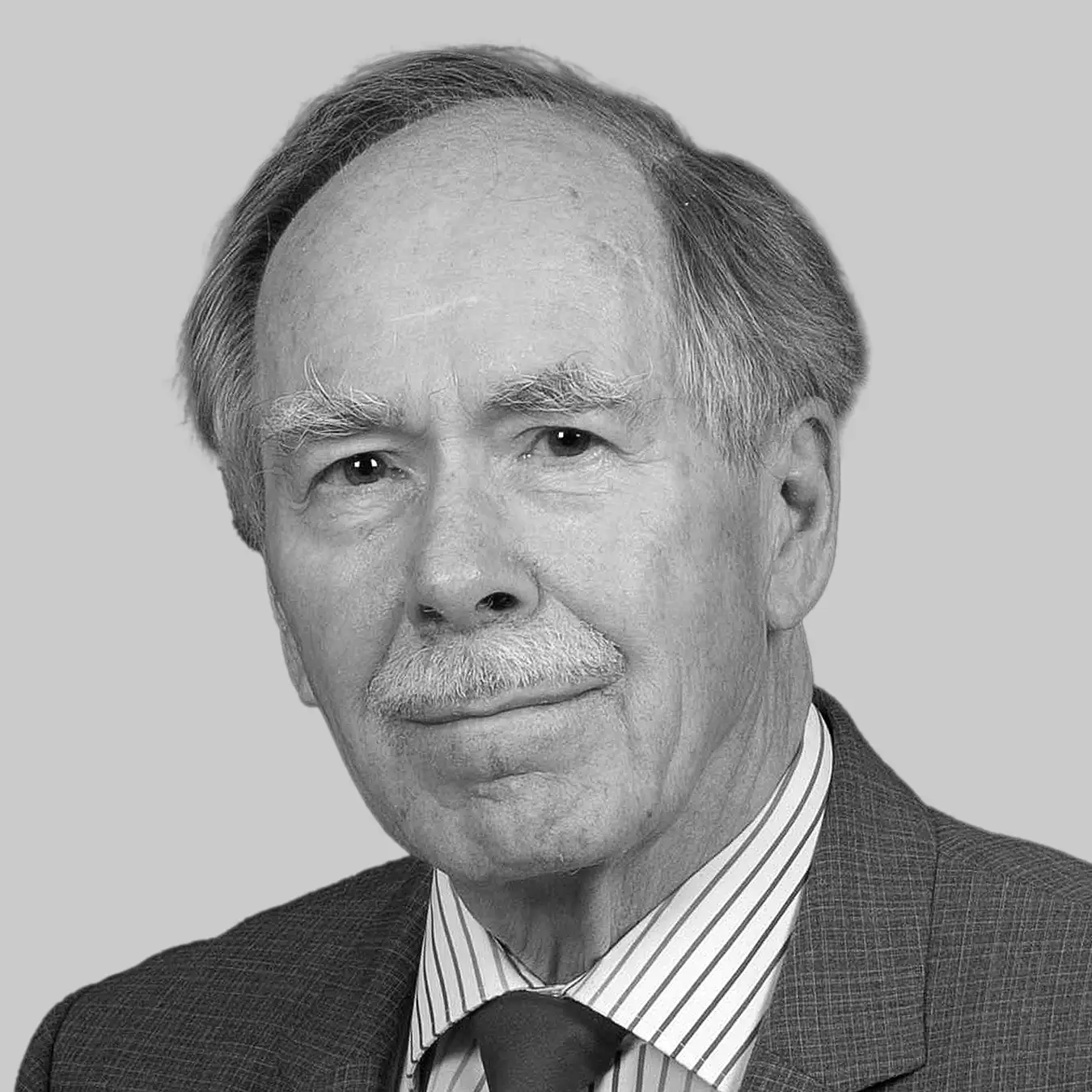 |
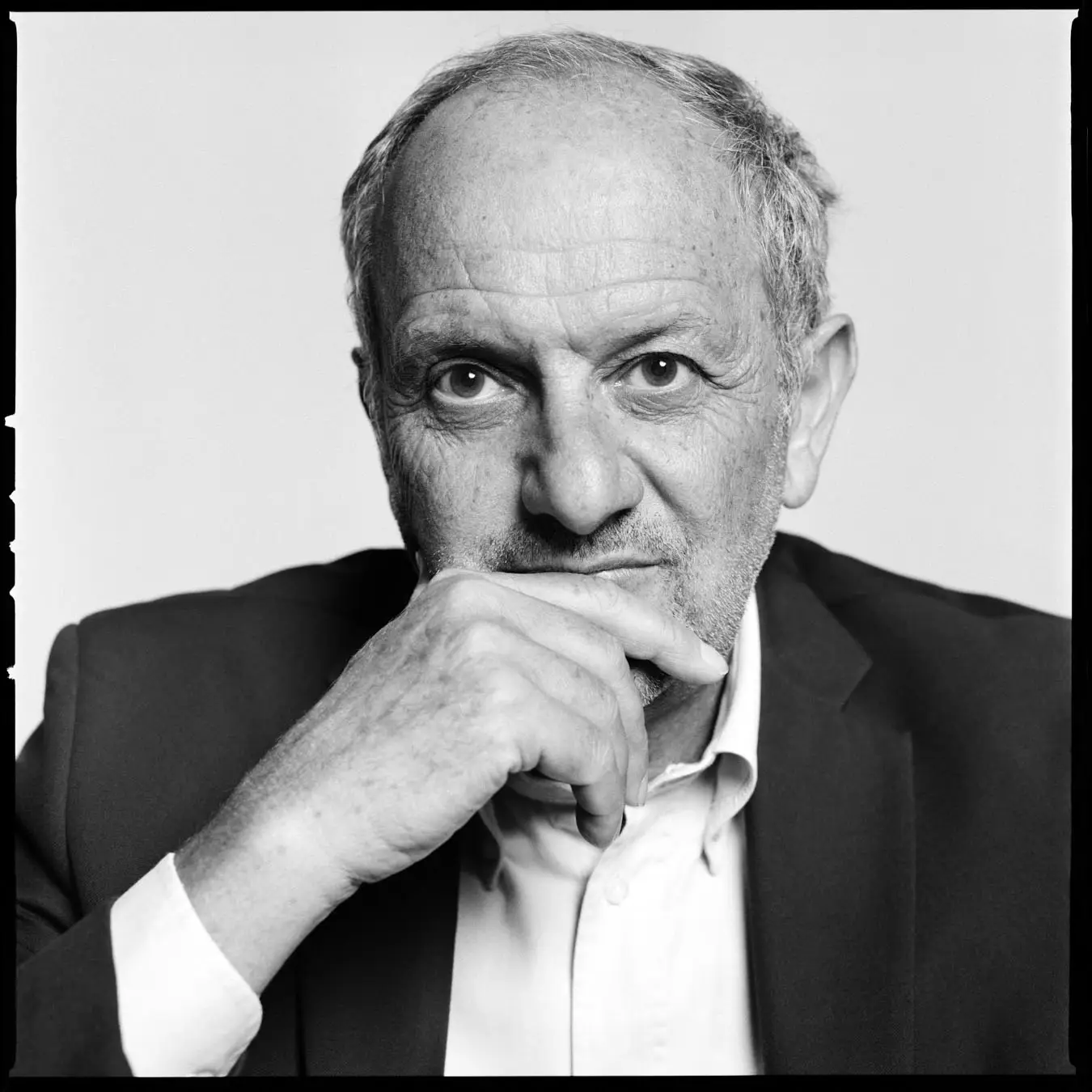
2025 | Gerard 't Hooft | Utrecht University | |
For fundamental insights into gauge theory and the standard model. |
||||
Frequently Asked Questions
Award research specialist focused on news analysis, fact-checking, and creating accurate content about national and international awards.
Rohit Chauhan has extensive experience in researching awards, honors, recognitions, and achievement-based news. He specializes in verifying information from trusted sources, analyzing award records, and creating well-structured, informative content for readers. His work focuses on delivering accurate and up-to-date information about award winners, award histories, nominations, and notable achievements across various fields.