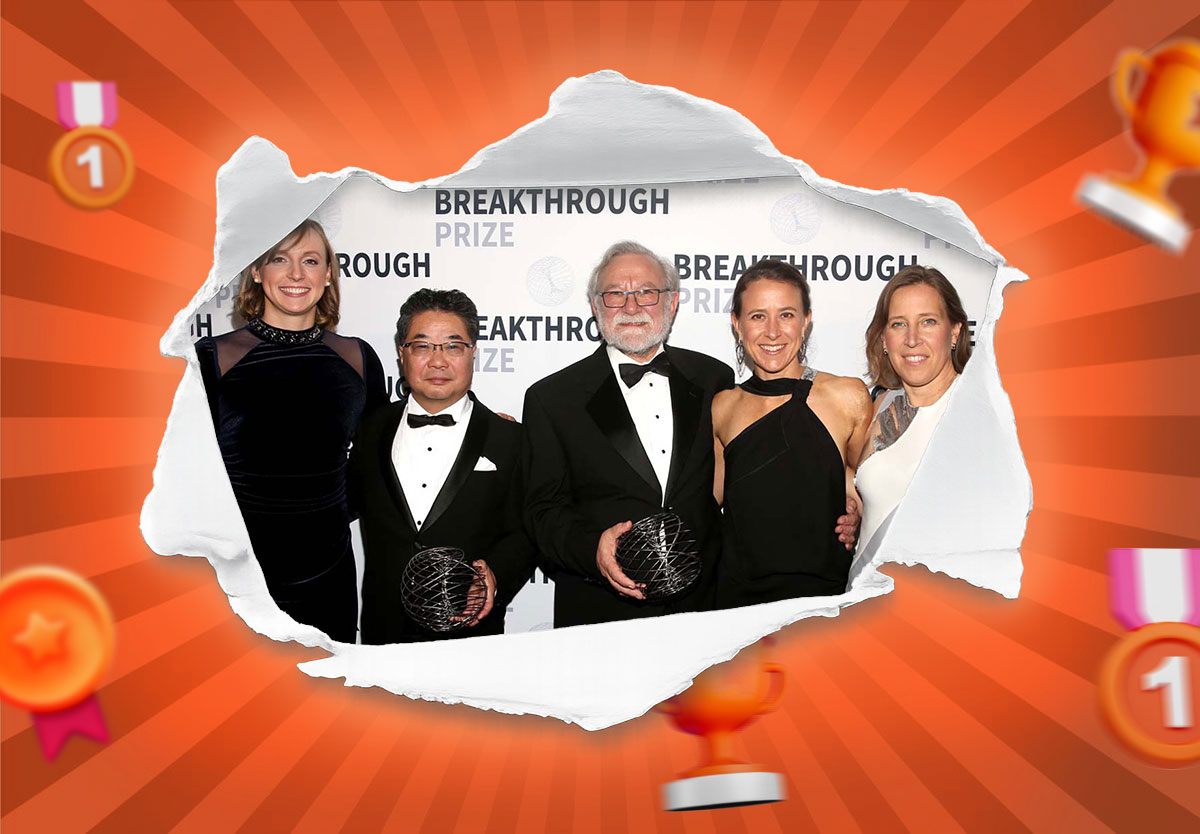
About Breakthrough Prize in Mathematics
The Breakthrough Prize in Mathematics is an annual award of the Breakthrough Prize series announced in 2013. It is funded by Yuri Milner and Mark Zuckerberg and others. The annual award comes with a cash gift of $3 million.
List of Breakthrough Prize in Mathematics Winners (2012-2025)
The Breakthrough Prize in Mathematics category has honored 16 recipients between 2012 and 2025 under the Breakthrough Prize, presented by the Breakthrough Prize Organization. Explore the complete list of award winners, recipients, and year-wise details.
| Images | Year | Winner Name | Country | Affiliation | |
|---|---|---|---|---|---|
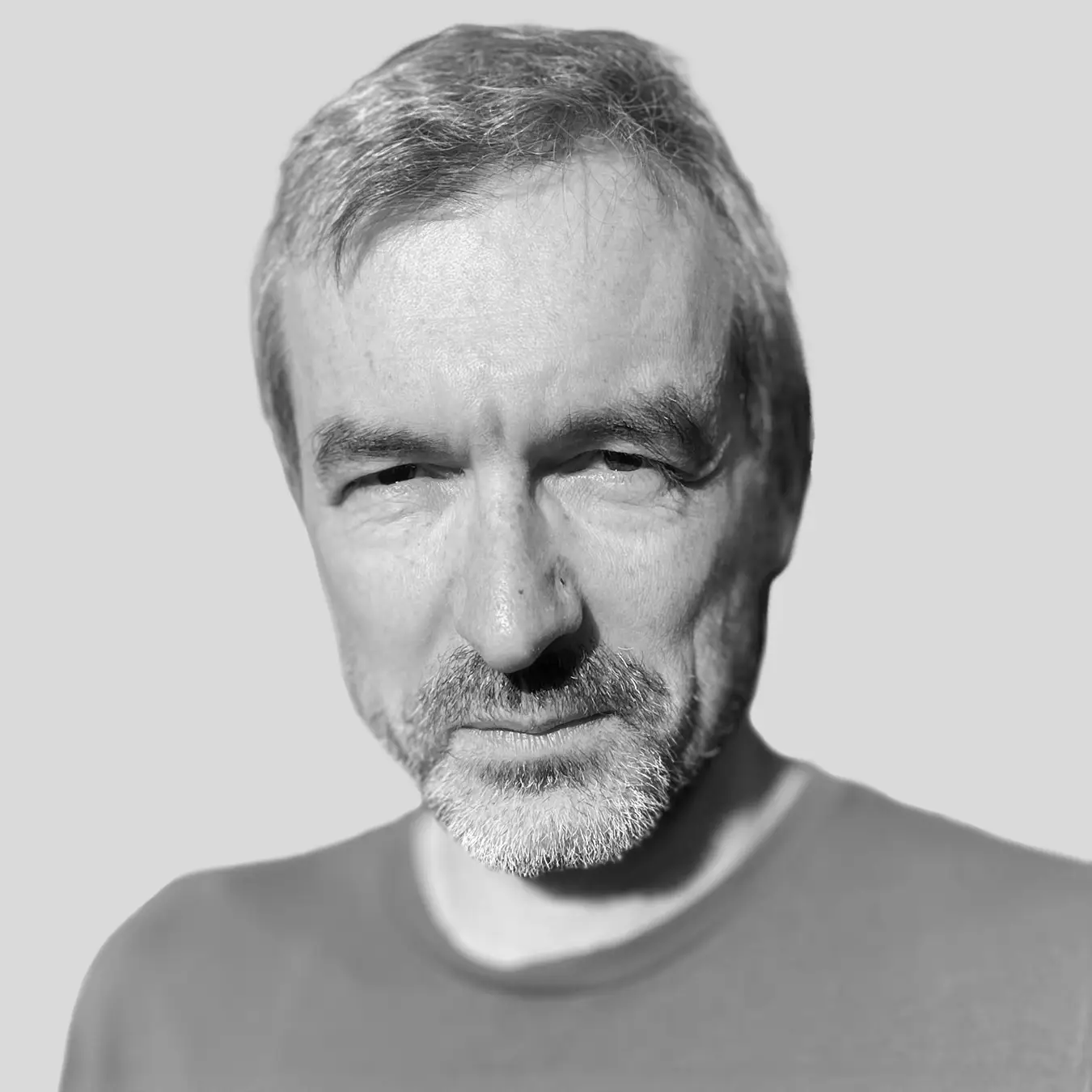 |
2025 | Dennis Gaitsgory | Israel, United States | Max Planck Institute for Mathematics | |
for his central role in the proof of the geometric Langlands conjecture. |
|||||
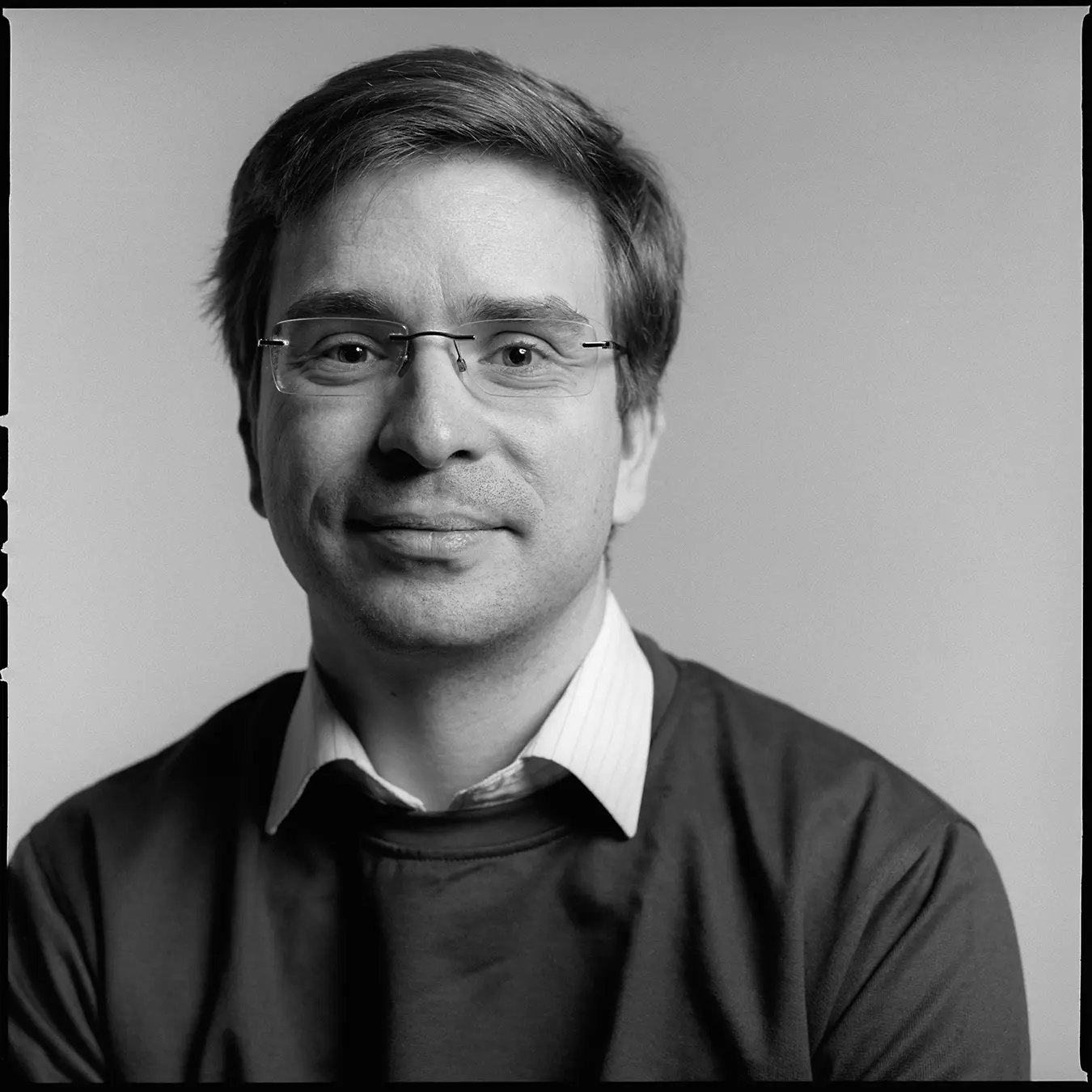 |
2024 | Simon Brendle | Germany, United States | Columbia University | |
for transformative contributions to differential geometry, including sharp geometric inequalities, many results on Ricci flow and mean curvature flow and the Lawson conjecture on minimal tori in the 3-sphere. |
|||||
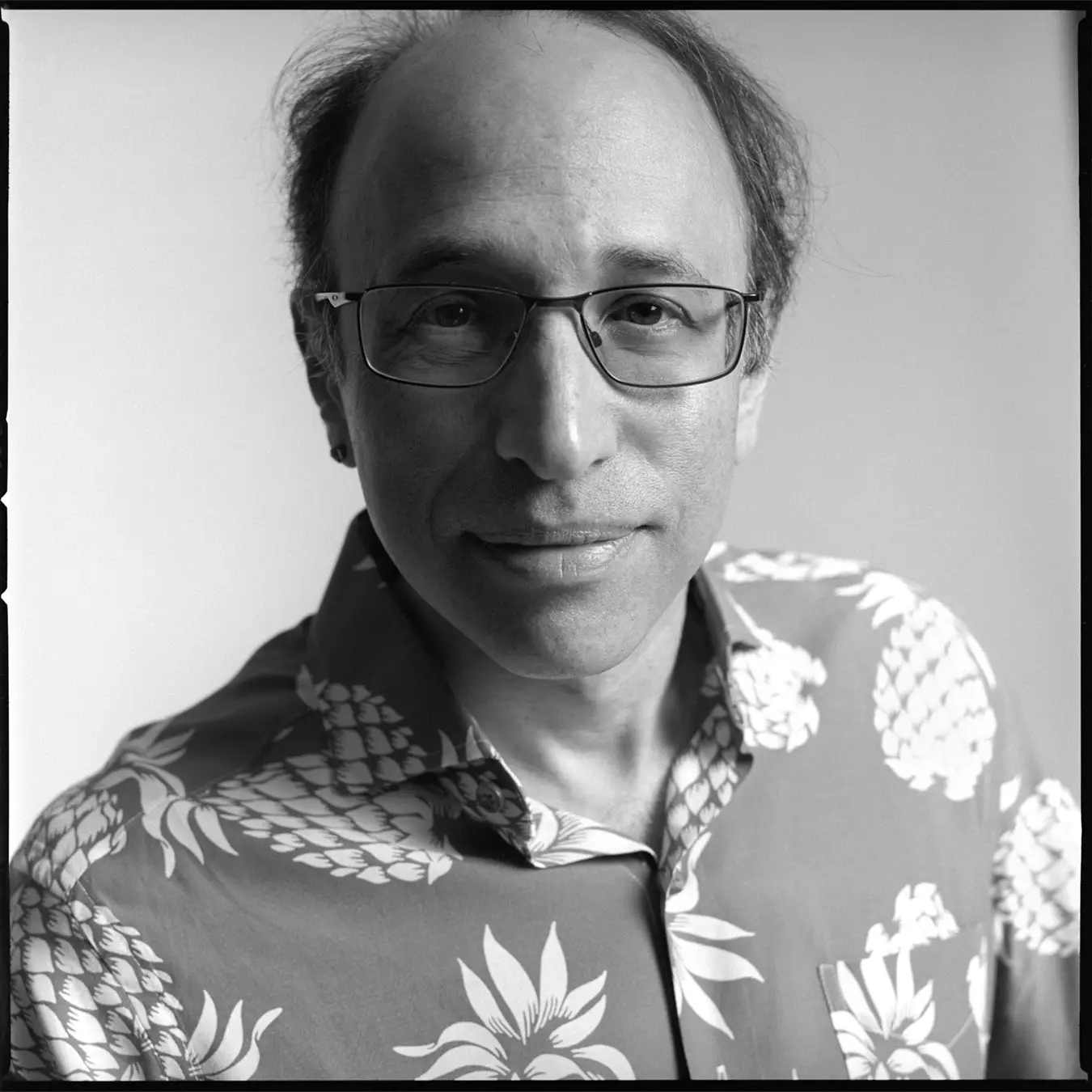 |
2023 | Daniel Spielman | United States | Yale University | |
for breakthrough contributions to theoretical computer science and mathematics, including to spectral graph theory, the Kadison-Singer problem, numerical linear algebra, optimization, and coding theory. |
|||||
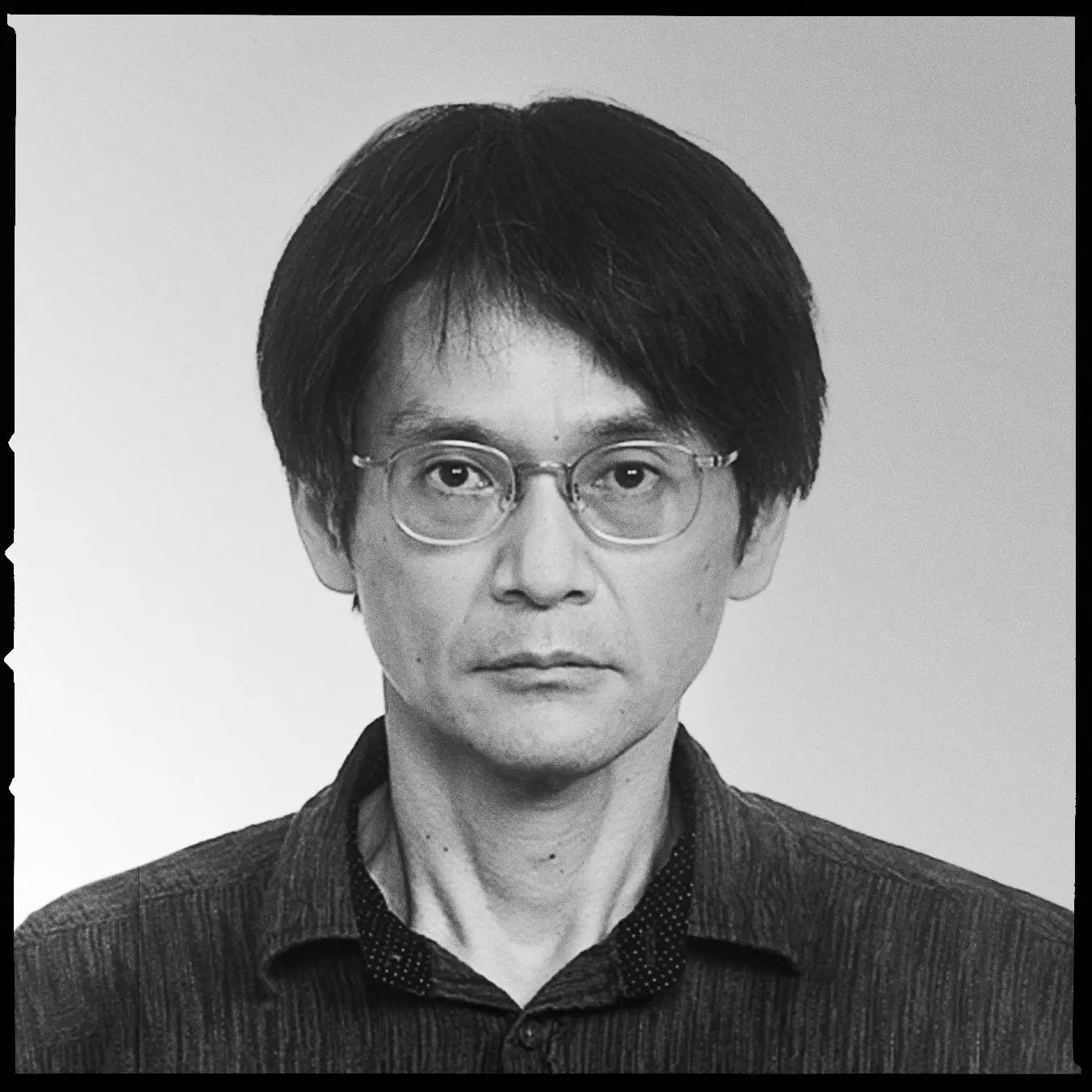 |
2022 | Takurō Mochizuki | Japan | Kyoto University | |
for monumental work leading to a breakthrough in our understanding of the theory of bundles with flat connections over algebraic varieties, including the case of irregular singularities. |
|||||
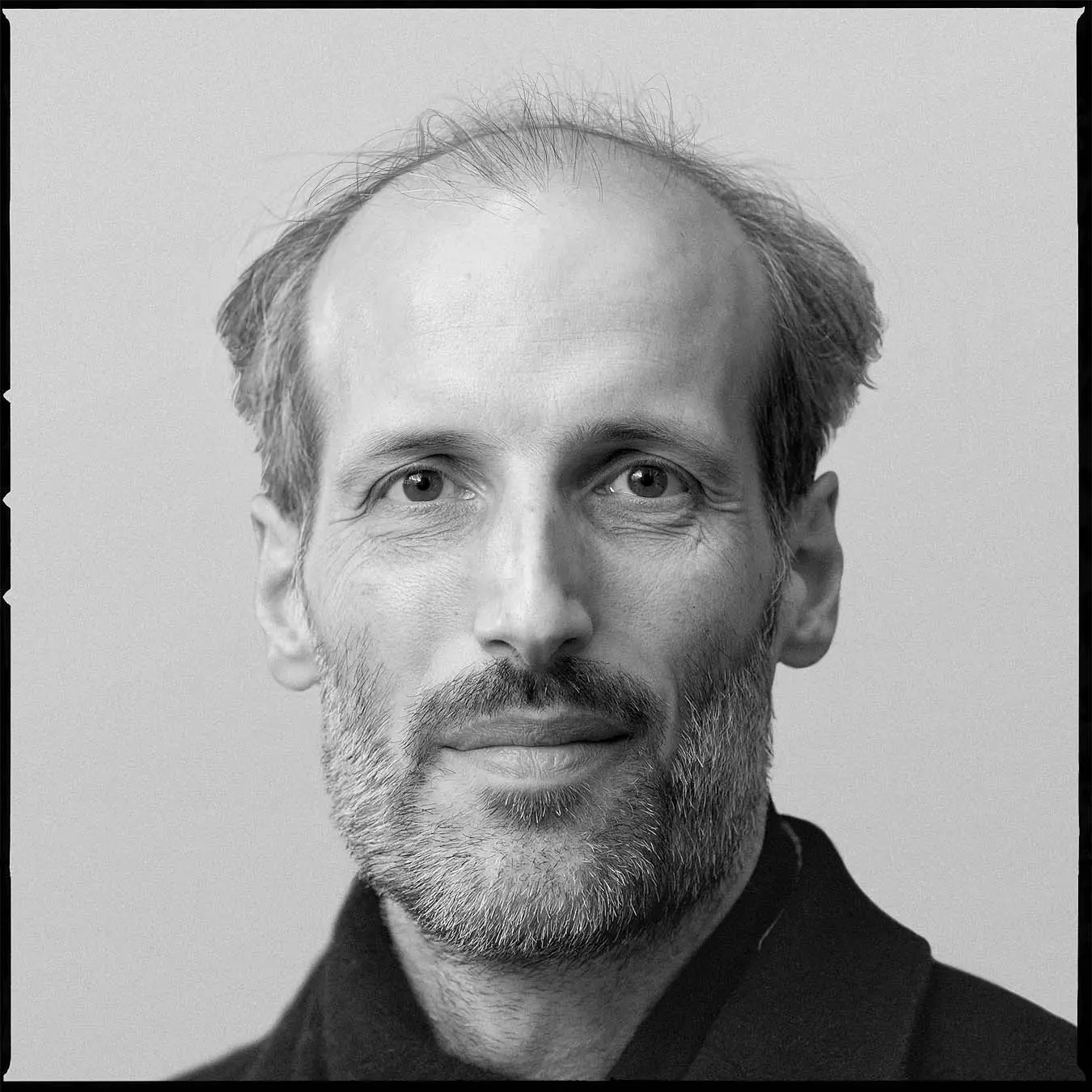 |
2021 | Martin Hairer | Austria, United Kingdom | Imperial College London | |
for transformative contributions to the theory of stochastic analysis, particularly the theory of regularity structures in stochastic partial differential equations. |
|||||
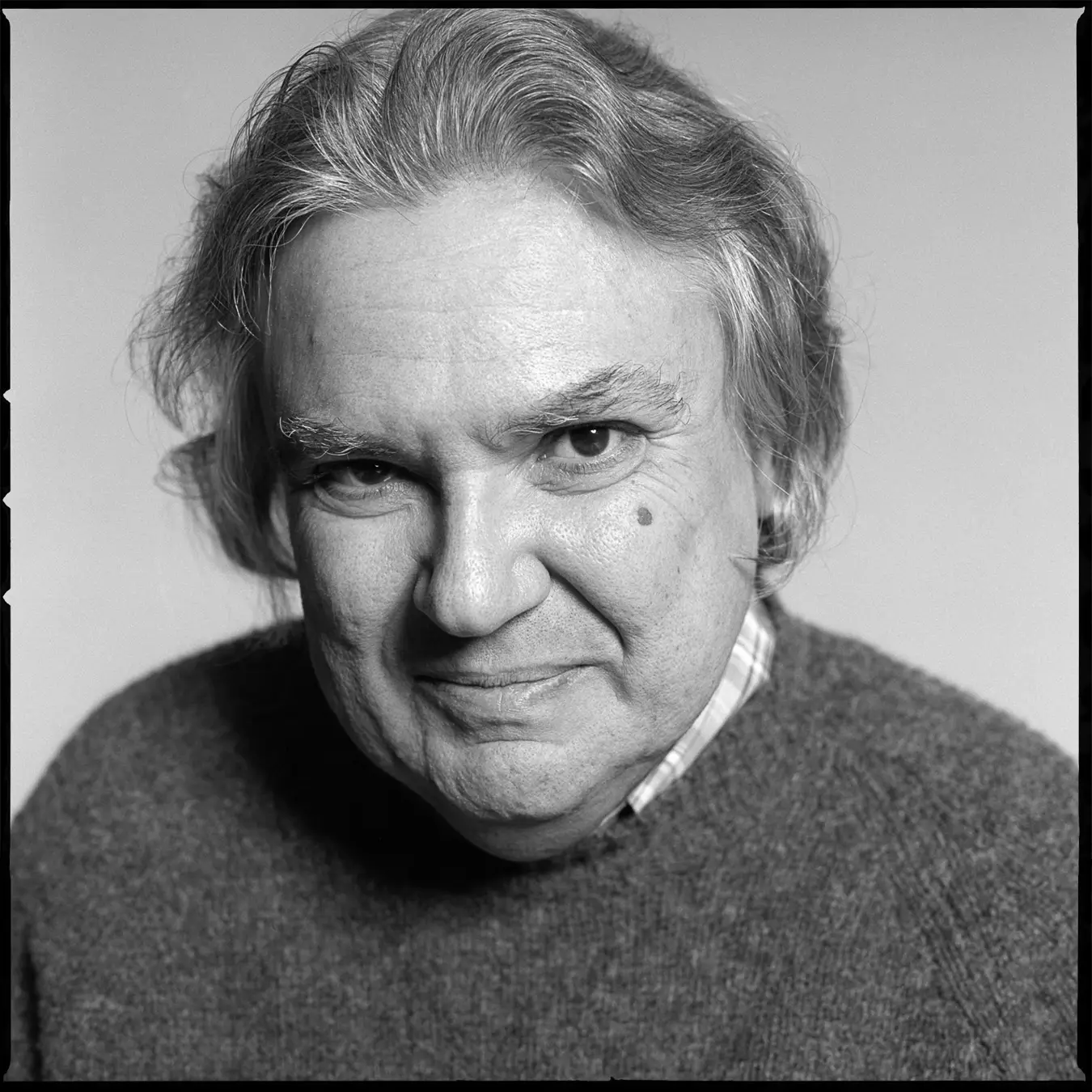 |
2020 | Alex Eskin | United States | University of Chicago | |
for revolutionary discoveries in the dynamics and geometry of moduli spaces of Abelian differentials, including the proof of the 'magic wand theorem'. |
|||||
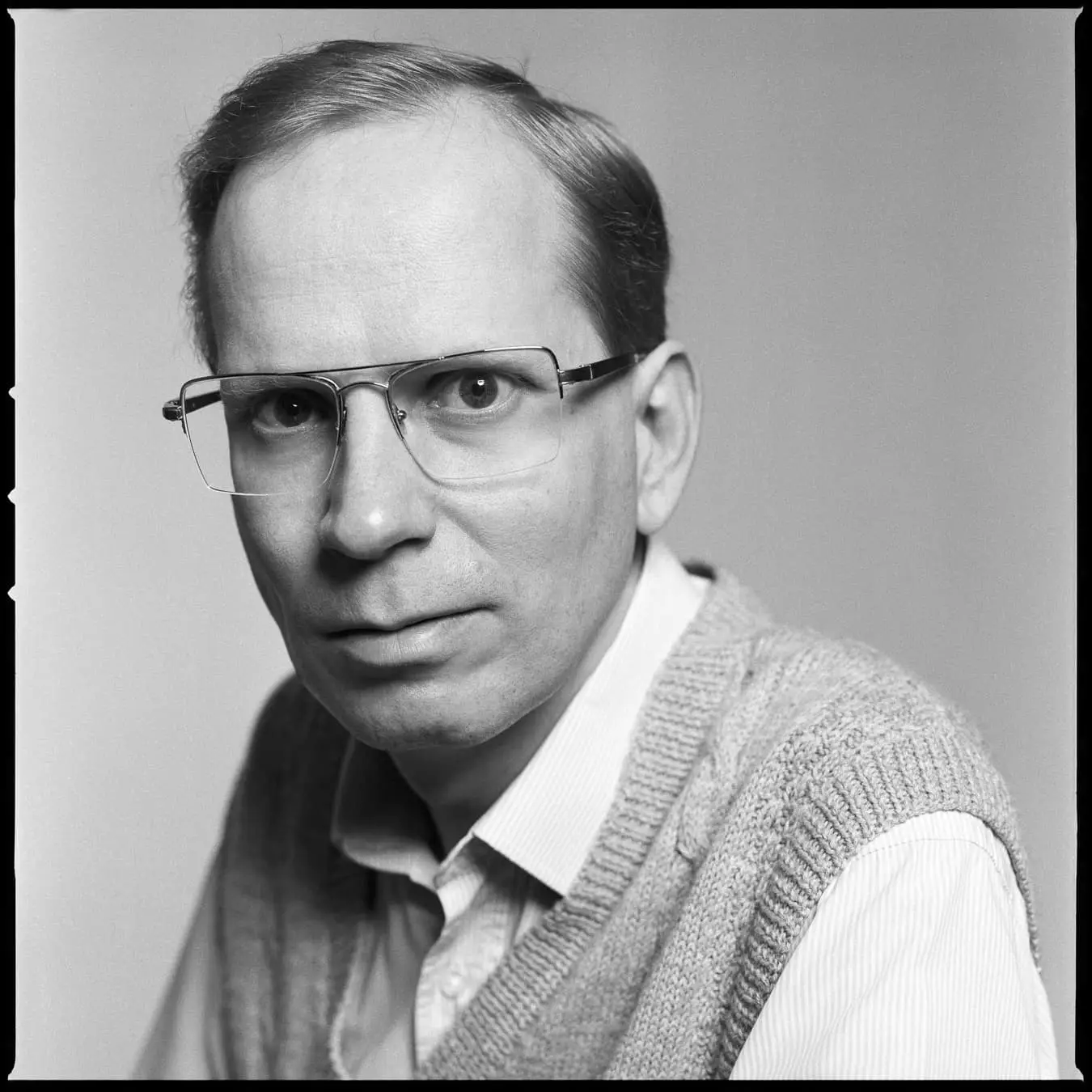 |
2019 | Vincent Lafforgue | France | Centre national de la recherche scientifique (CNRS), Université Grenoble-Alpes | |
for ground breaking contributions to several areas of mathematics, in particular to the Langlands program in the function field case. |
|||||
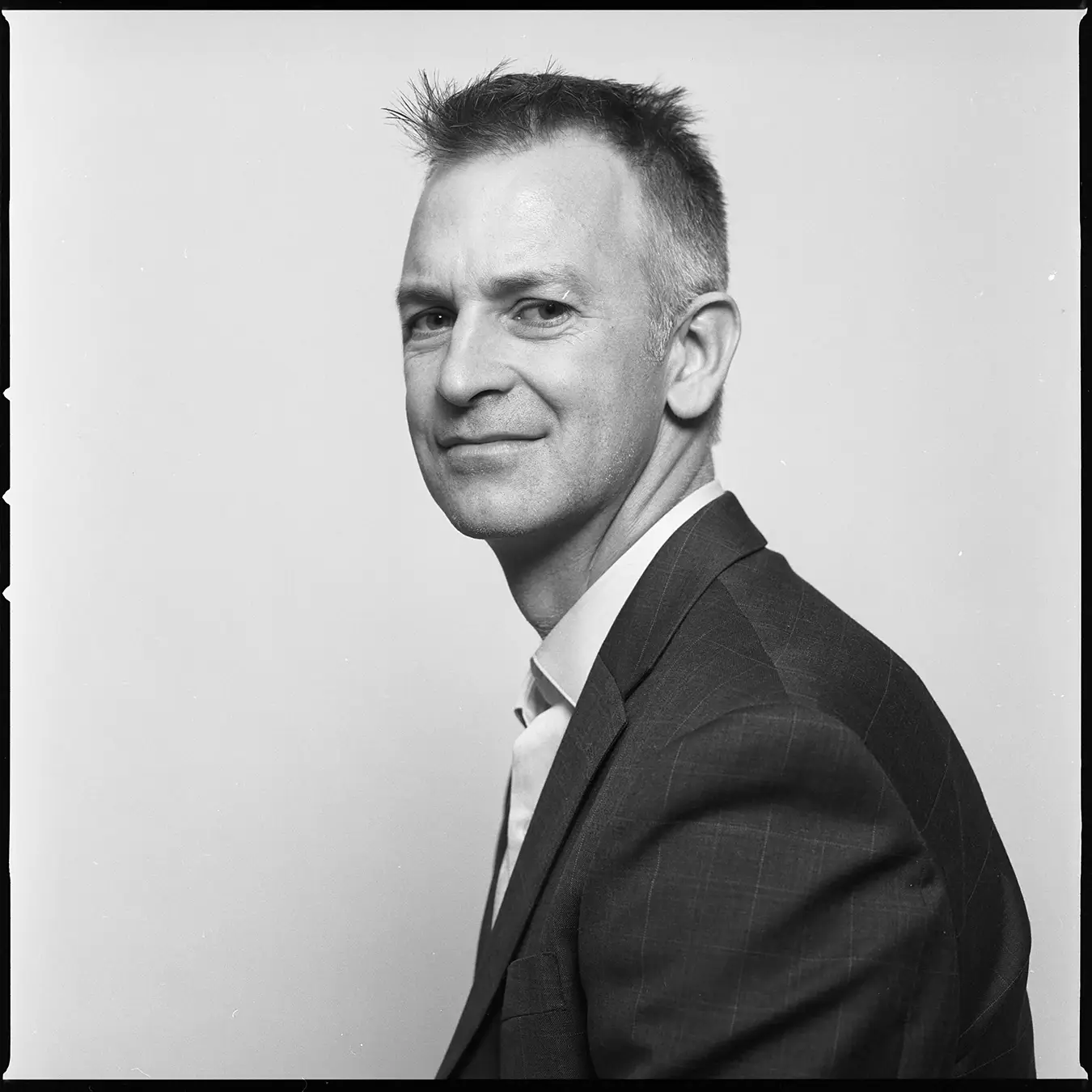 |
2018 | Christopher Hacon | United Kingdom, United States | University of Utah | |
for transformational contributions to birational algebraic geometry, especially to the minimal model program in all dimensions. |
|||||
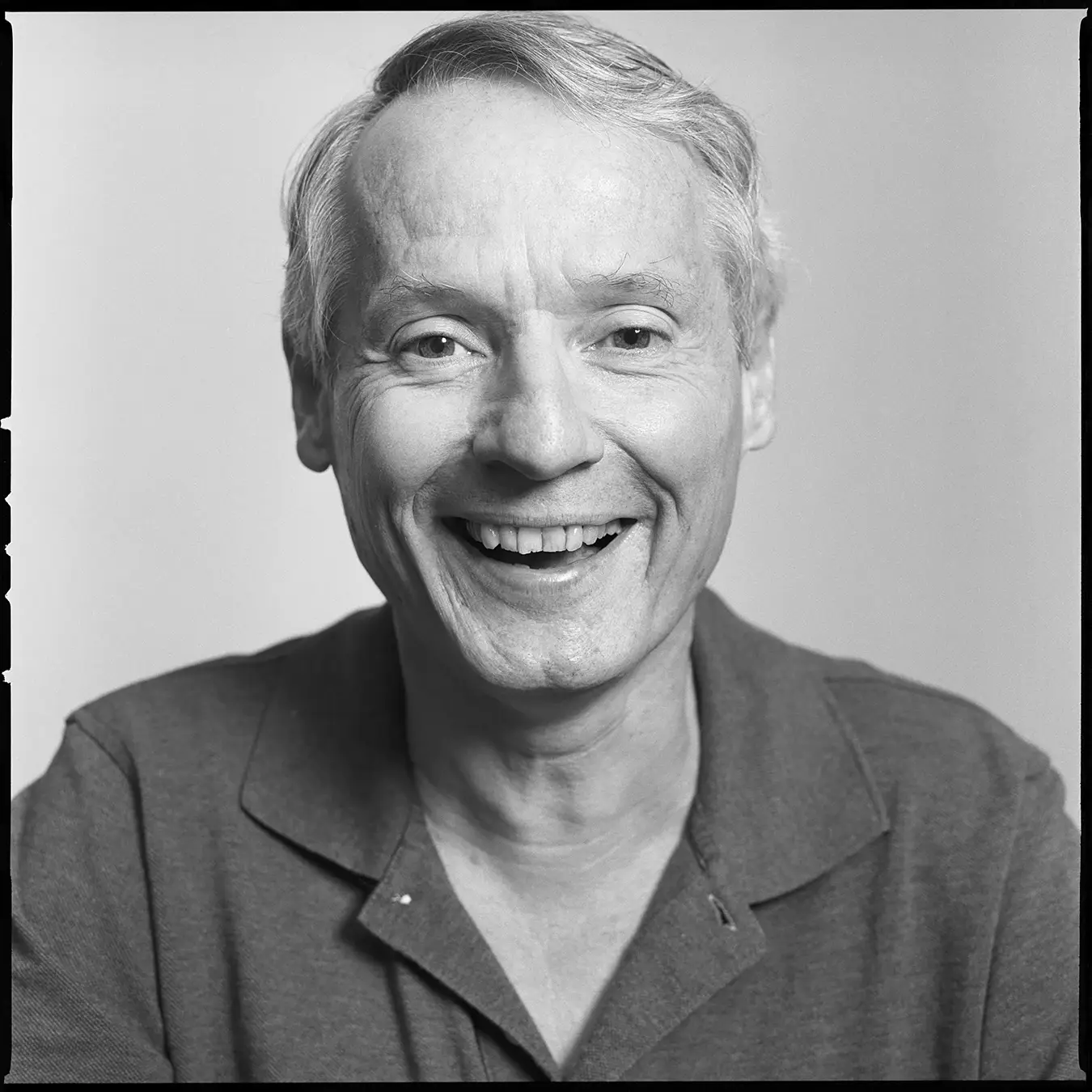 |
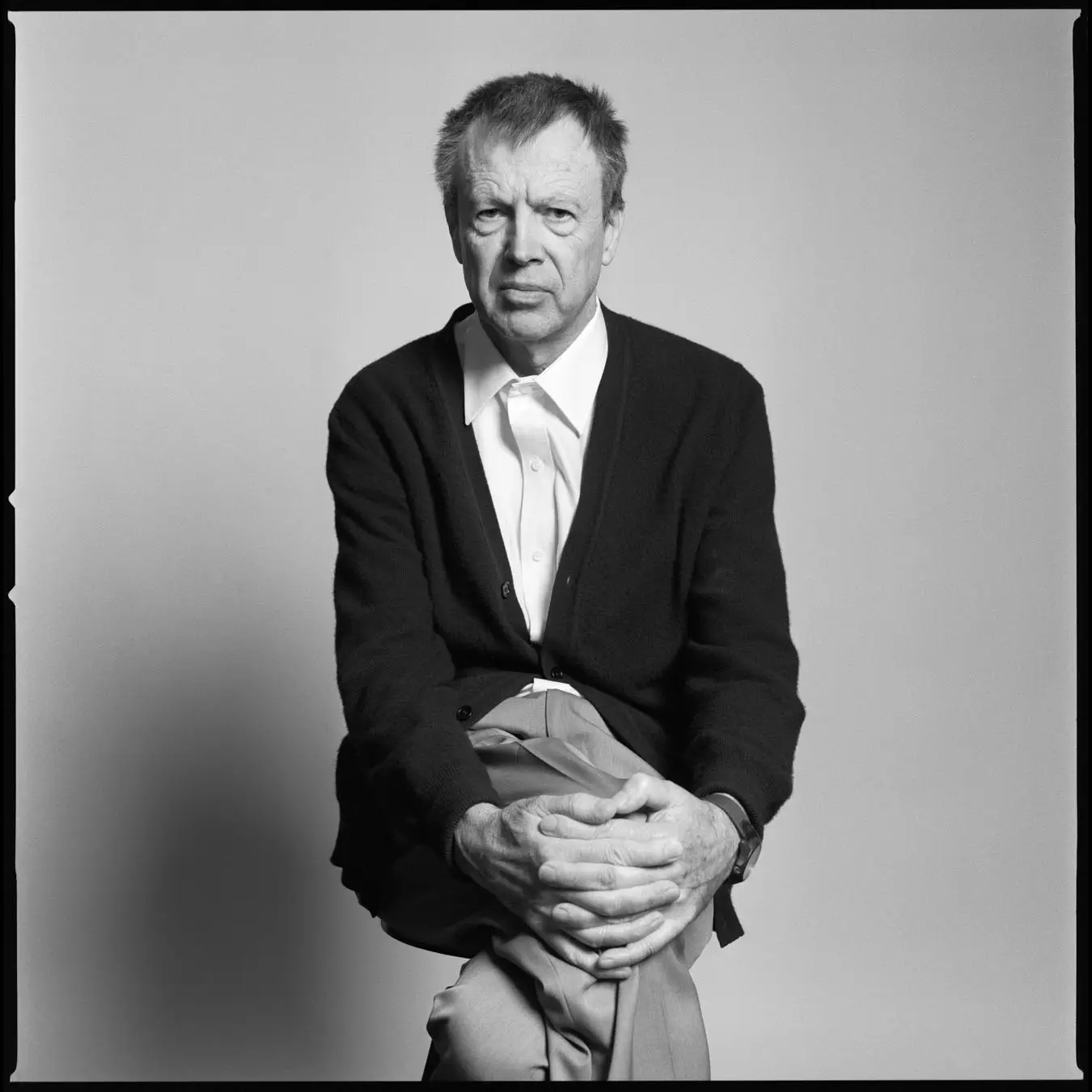
2018 | James McKernan | United Kingdom | University of California San Diego | |
for transformational contributions to birational algebraic geometry, especially to the minimal model program in all dimensions. |
|||||
 |
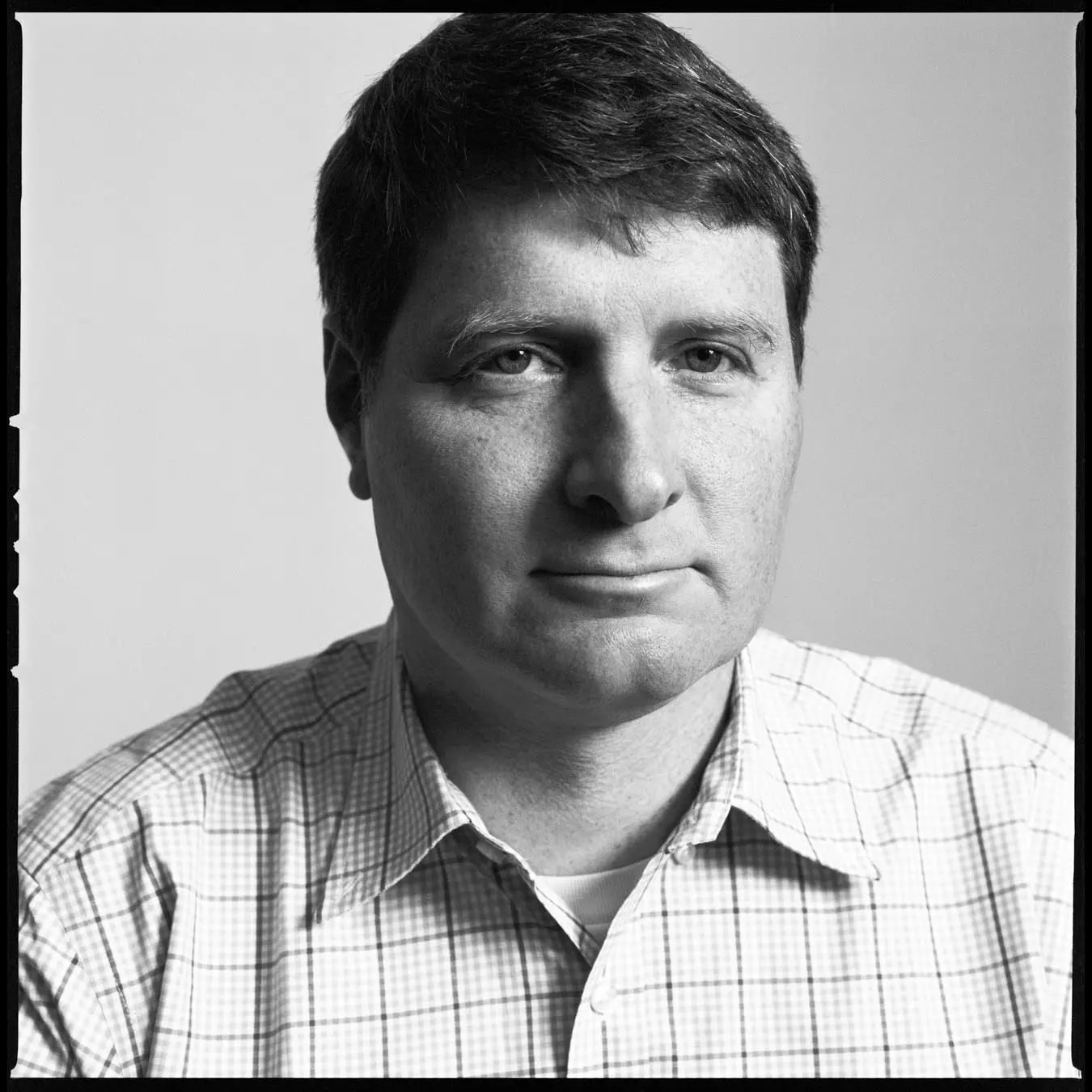
2017 | Jean Bourgain | Belgium | Institute for Advanced Study | |
for multiple transformative contributions to analysis, combinatorics, partial differential equations, high-dimensional geometry and number theory. |
|||||
 |
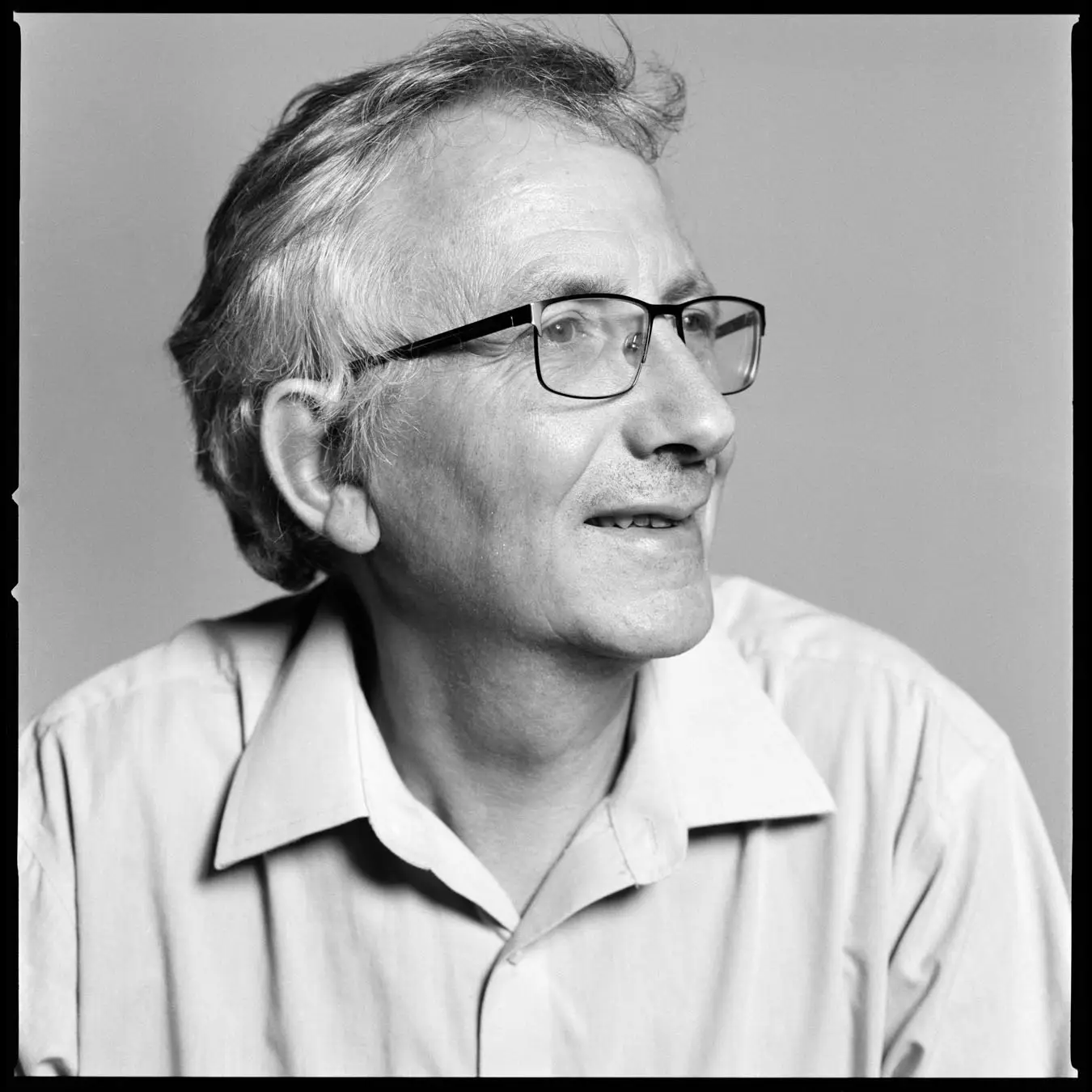
2016 | Ian Agol | United States | University of California, Berkeley Institute for Advanced Study | |
for spectacular contributions to low dimensional topology and geometric group theory, including work on the solutions of the tameness, virtually Haken and virtual fibering conjectures. |
|||||
 |
2015 | Simon Donaldson | United Kingdom | Stony Brook University, Imperial College London | |
for the new revolutionary invariants of 4-dimensional manifolds and for the study of the relation between stability in algebraic geometry and in global differential geometry, both for bundles and for Fano varieties. |
|||||
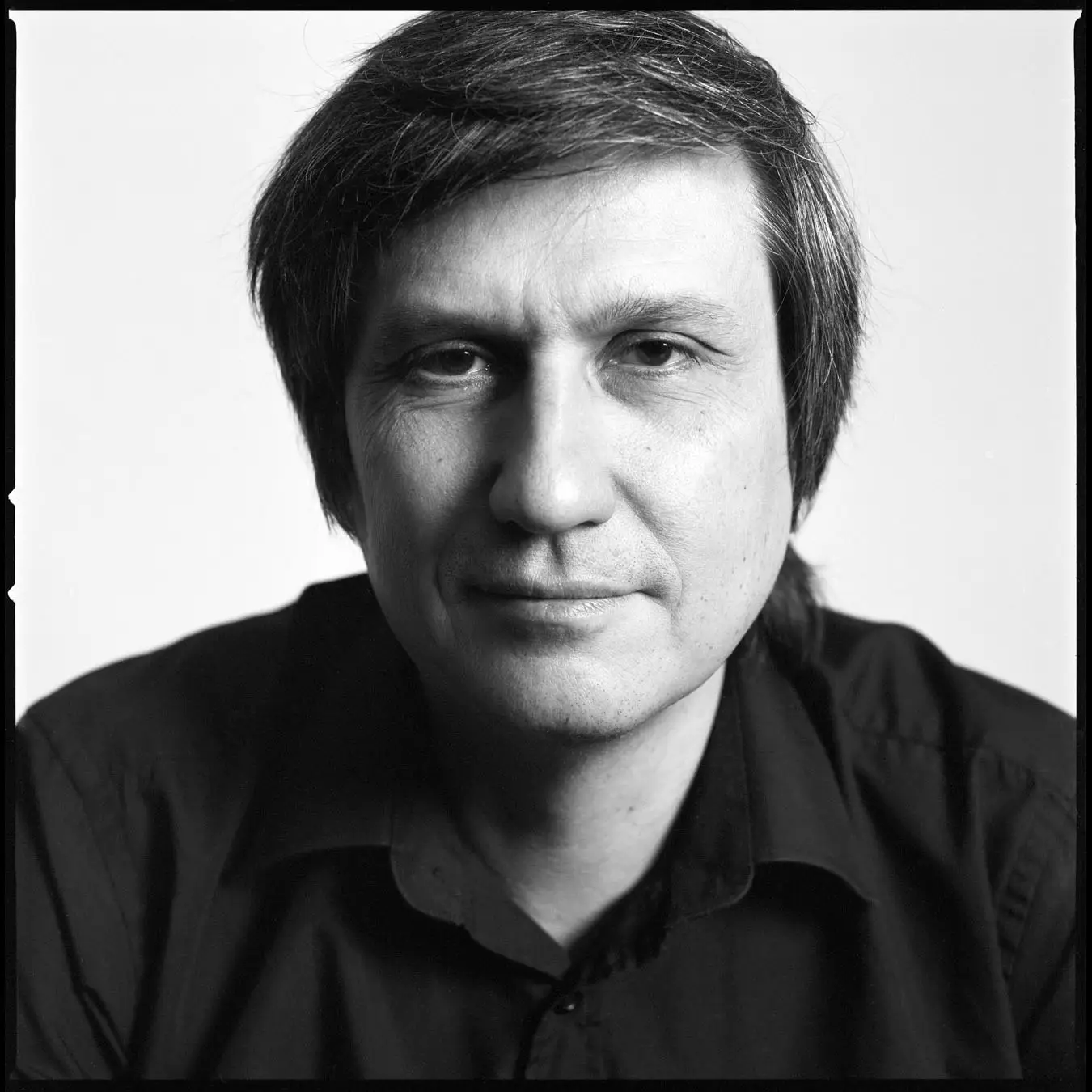 |
2015 | Maxim Kontsevich | France, Russia | Institut des Hautes Études Scientifiques | |
for work making a deep impact in a vast variety of mathematical disciplines, including algebraic geometry, deformation theory, symplectic topology, homological algebra and dynamical systems. |
|||||
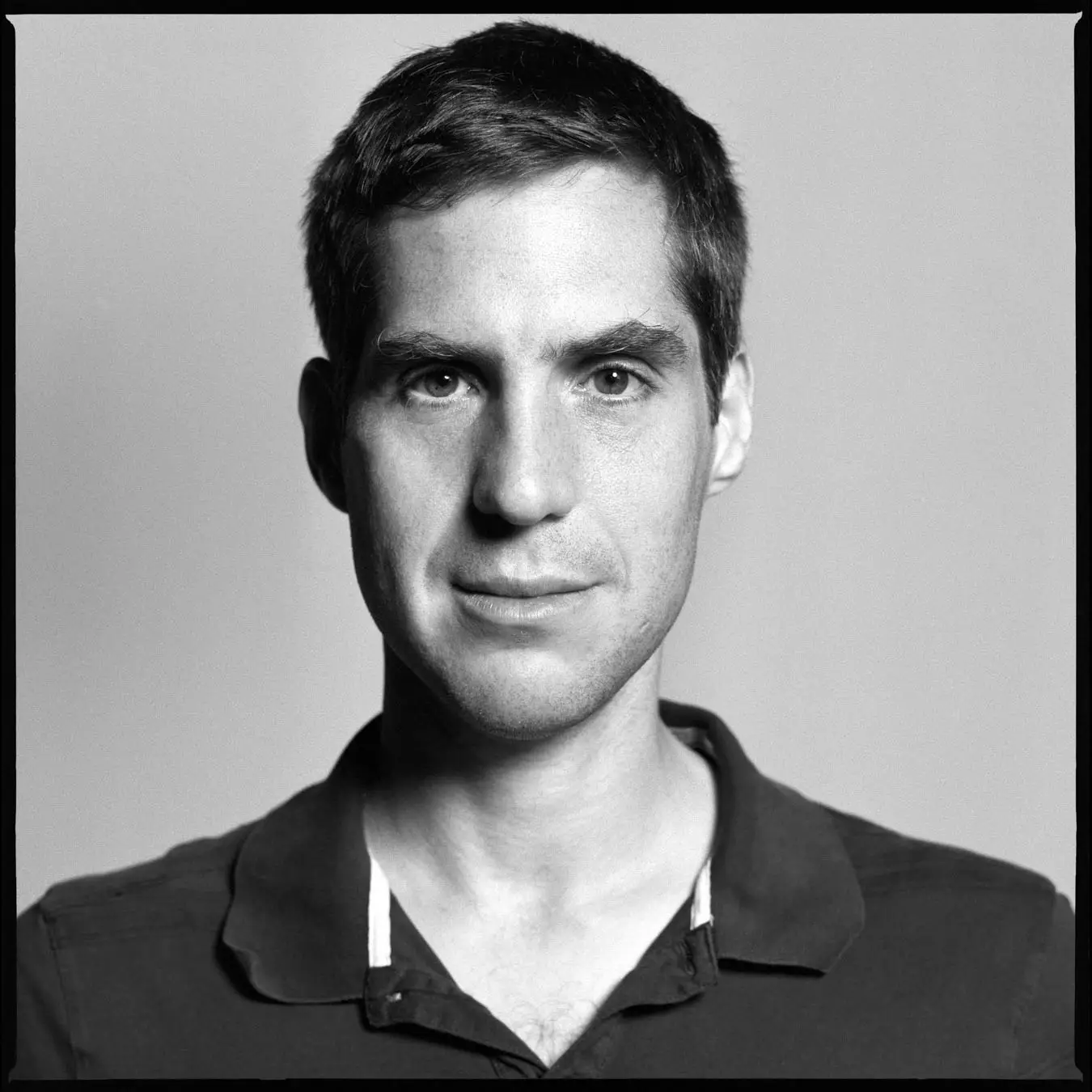 |
2015 | Jacob Lurie | United States | Harvard University | |
for his work on the foundations of higher category theory and derived algebraic geometry; for the classification of fully extended topological quantum field theories; and for providing a moduli-theoretic interpretation of elliptic cohomology. |
|||||
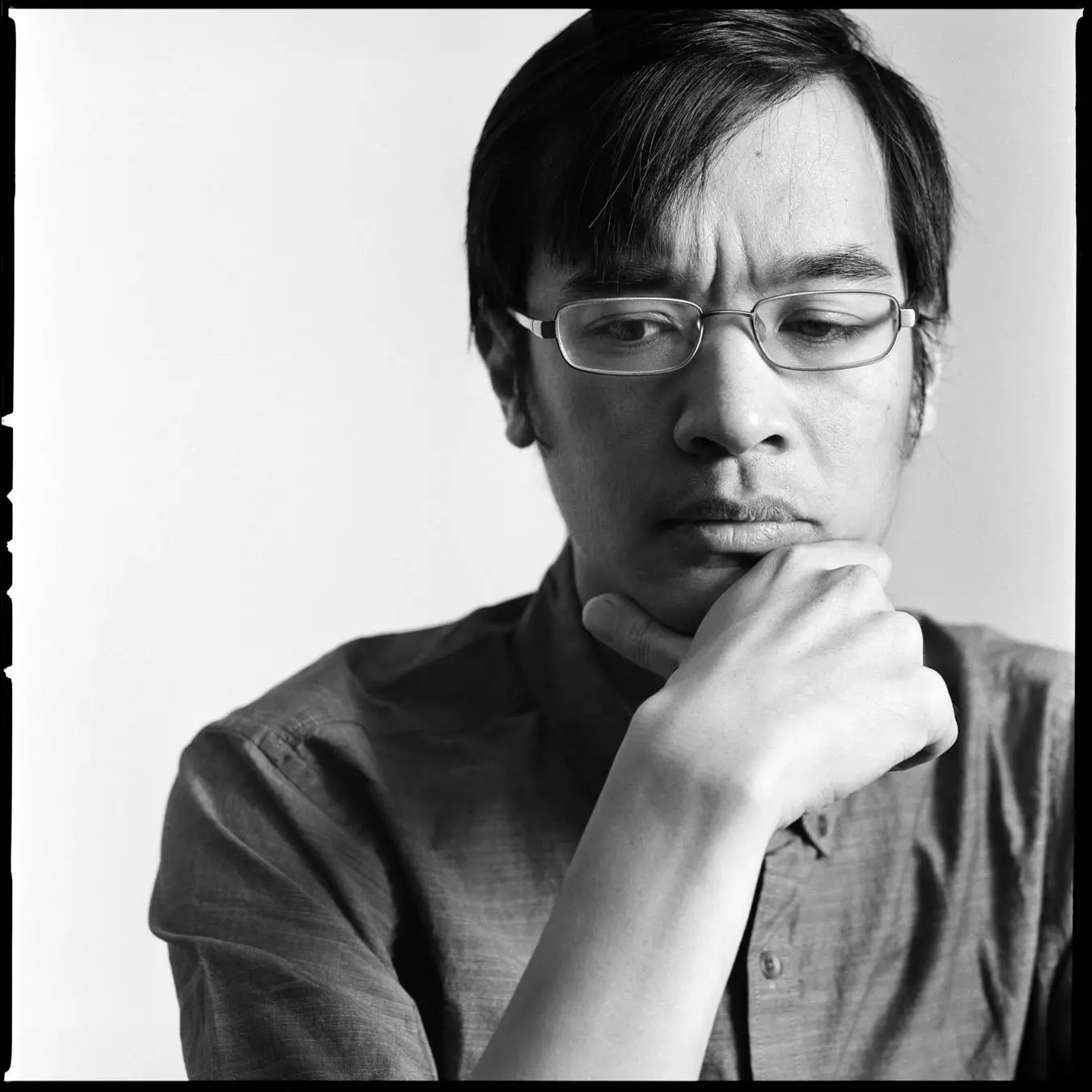 |
2015 | Terence Tao | Australia, United States | University of California Los Angeles | |
for numerous breakthrough contributions to harmonic analysis, combinatorics, partial differential equations and analytic number theory. |
|||||
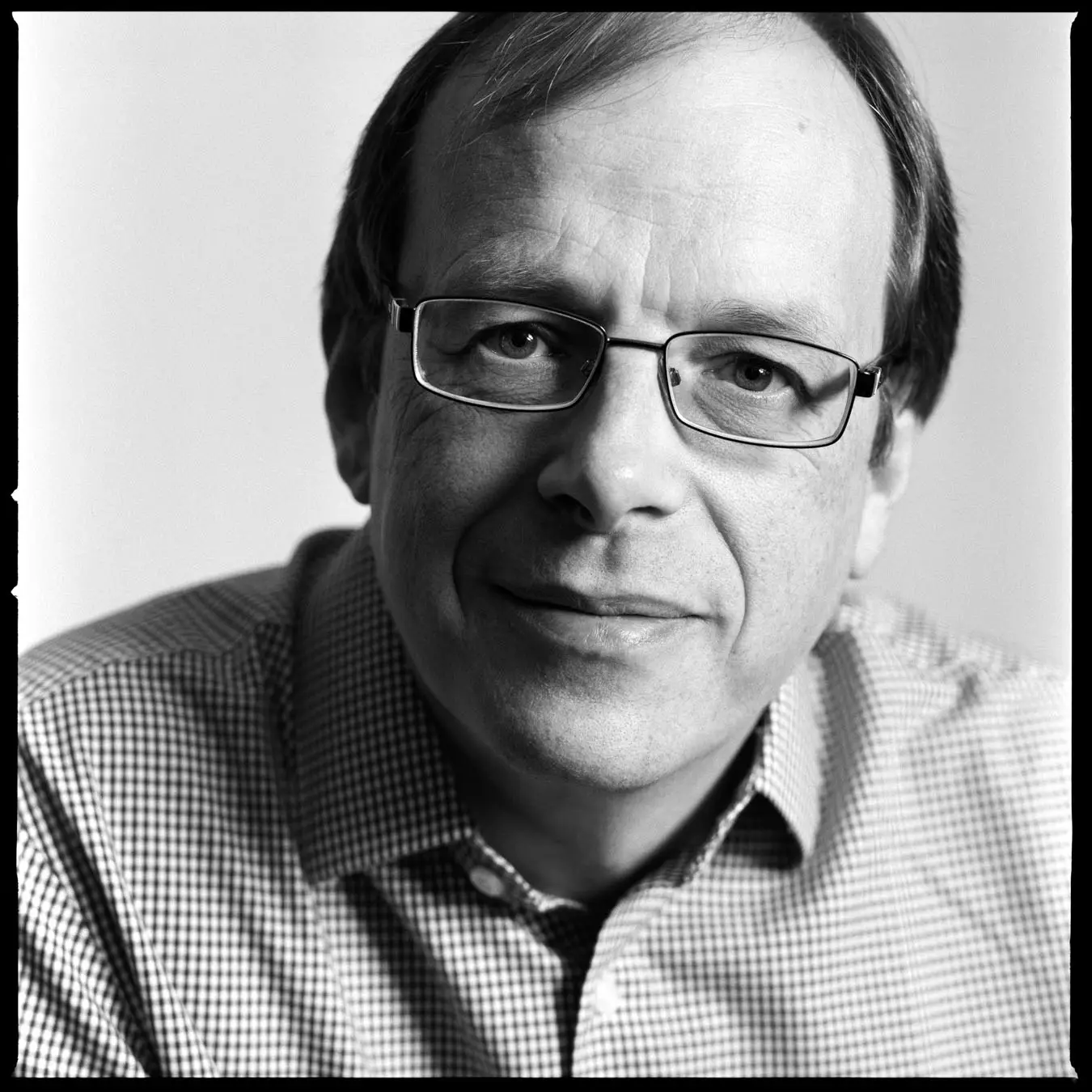 |
2015 | Richard Taylor | United Kingdom, United States | Institute for Advanced Study | |
for numerous breakthrough results in the theory of automorphic forms, including the Taniyama–Weil conjecture, the local Langlands conjecture for general linear groups, and the Sato–Tate conjecture. |
|||||
Frequently Asked Questions
Award research specialist focused on news analysis, fact-checking, and creating accurate content about national and international awards.
Rohit Chauhan has extensive experience in researching awards, honors, recognitions, and achievement-based news. He specializes in verifying information from trusted sources, analyzing award records, and creating well-structured, informative content for readers. His work focuses on delivering accurate and up-to-date information about award winners, award histories, nominations, and notable achievements across various fields.