About World Food Prize
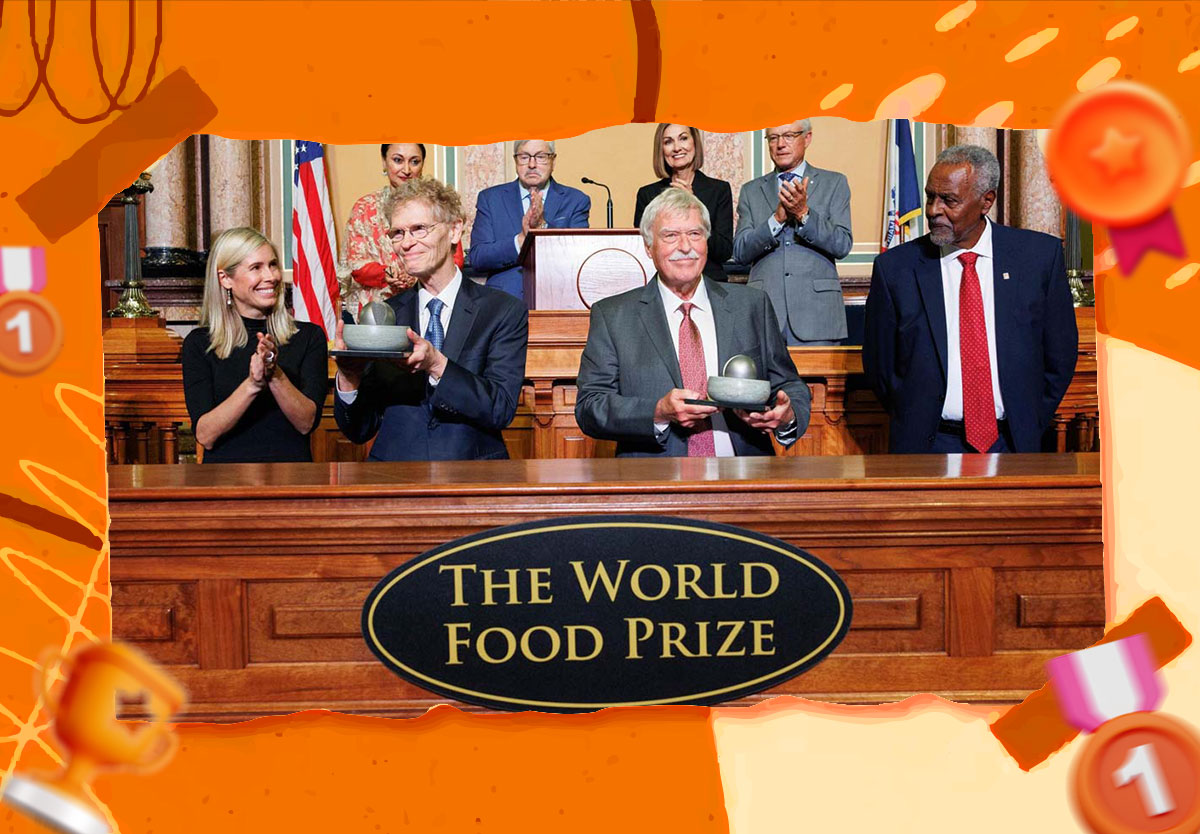
The World Food Prize is an international award recognizing the achievements of individuals who have advanced human development by improving the quality, quantity, or availability of food in the world. Conceived by Nobel Peace Prize laureate Norman Borlaug and established in 1986 through the support of General Foods, the prize is envisioned and promoted as the Nobel or the highest honors in the field of food and agriculture.
World Food Prize Winners List (1987-2025)
| Images | Year | Winner Name | Country | |
|---|---|---|---|---|
|
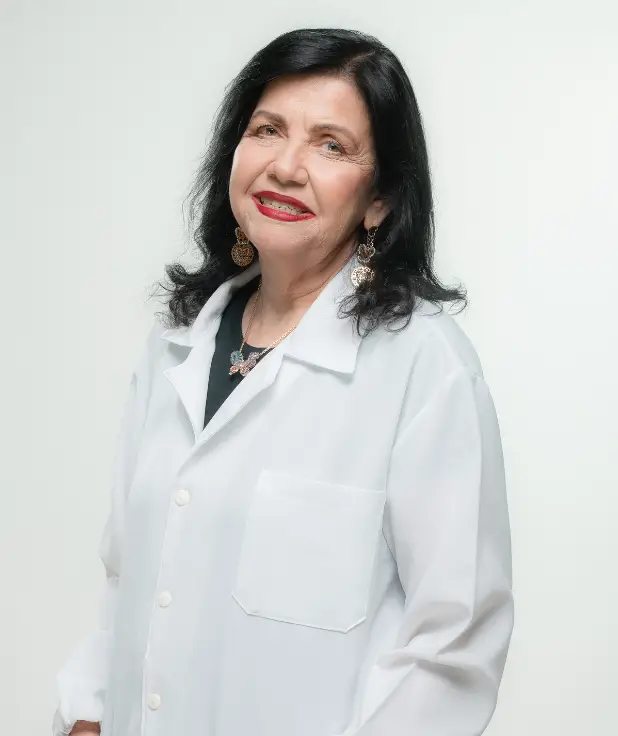
2025 | Mariangela Hungria | Brazil | |
|
For her extraordinary scientific advancements in biological nitrogen fixation, transforming the sustainability of soil health and crop nutrition for tropical agriculture.
|
||||
|
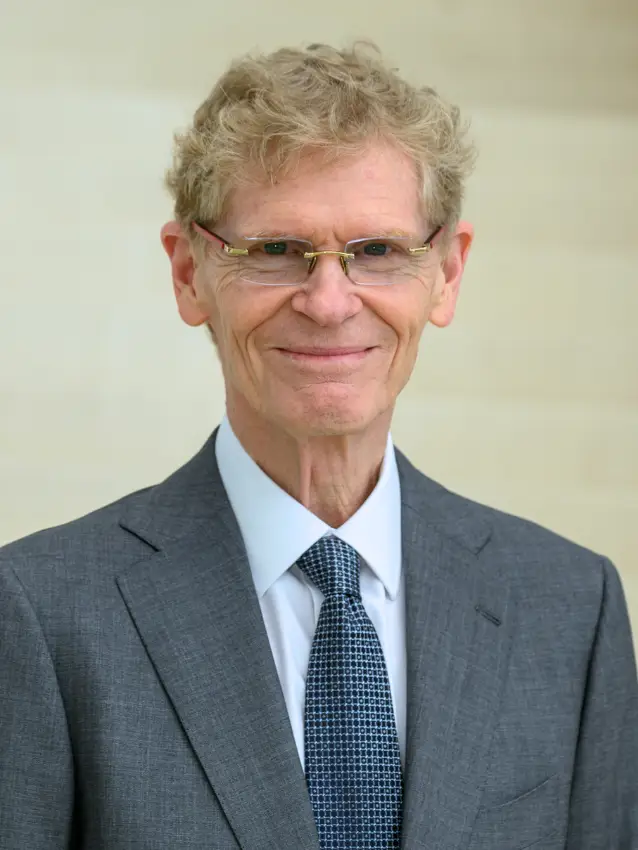
2024 | Cary Fowler | United States | |
|
For their extraordinary leadership in preserving and protecting the world's heritage of crop biodiversity and mobilizing this critical resource to defend against threats to global food security.
|
||||
|
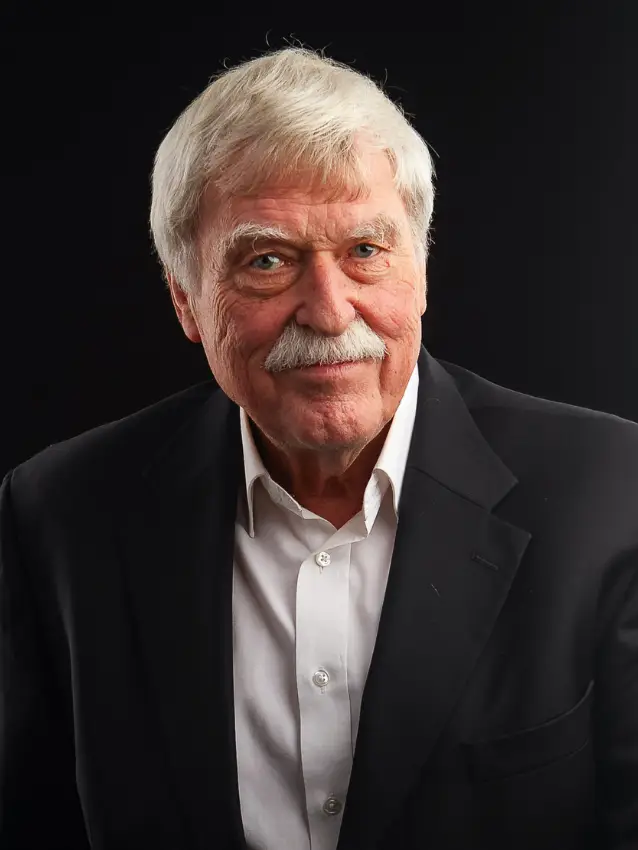
2024 | Geoffrey Hawtin | Canada, United Kingdom | |
|
For their extraordinary leadership in preserving and protecting the world's heritage of crop biodiversity and mobilizing this critical resource to defend against threats to global food security.
|
||||
|
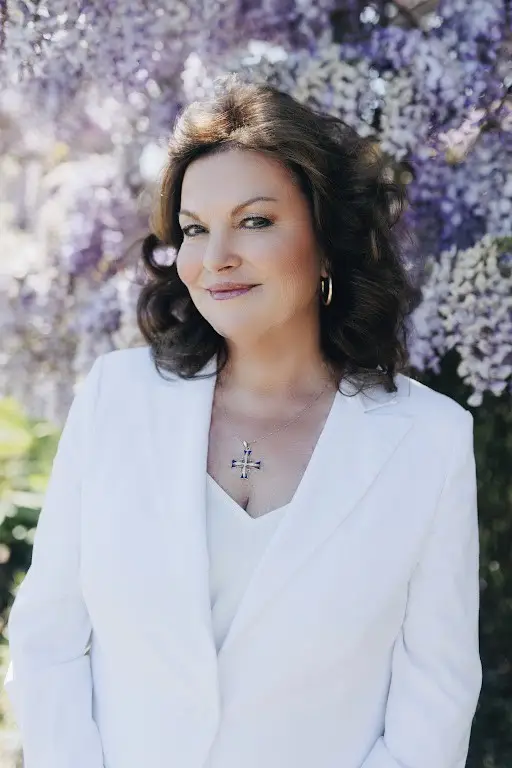
2023 | Heidi Kühn | United States | |
|
For her farmer-focused development model that revitalizes farmland, food security, livelihoods and resilience after devastating conflict.
|
||||
|
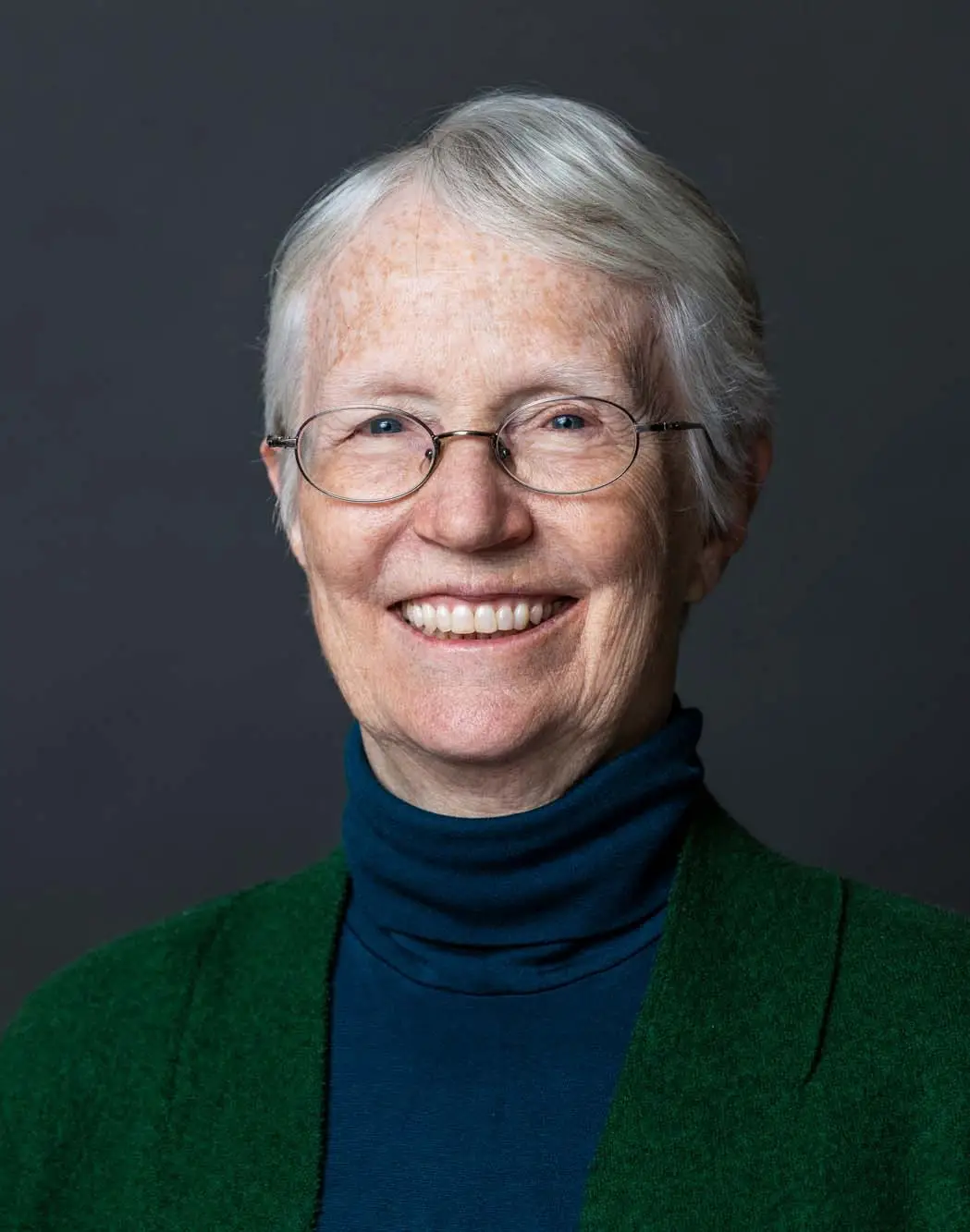
2022 | Cynthia Rosenzweig | United States | |
|
For her pioneering work in modeling the impact of climate change on food production worldwide
|
||||
|
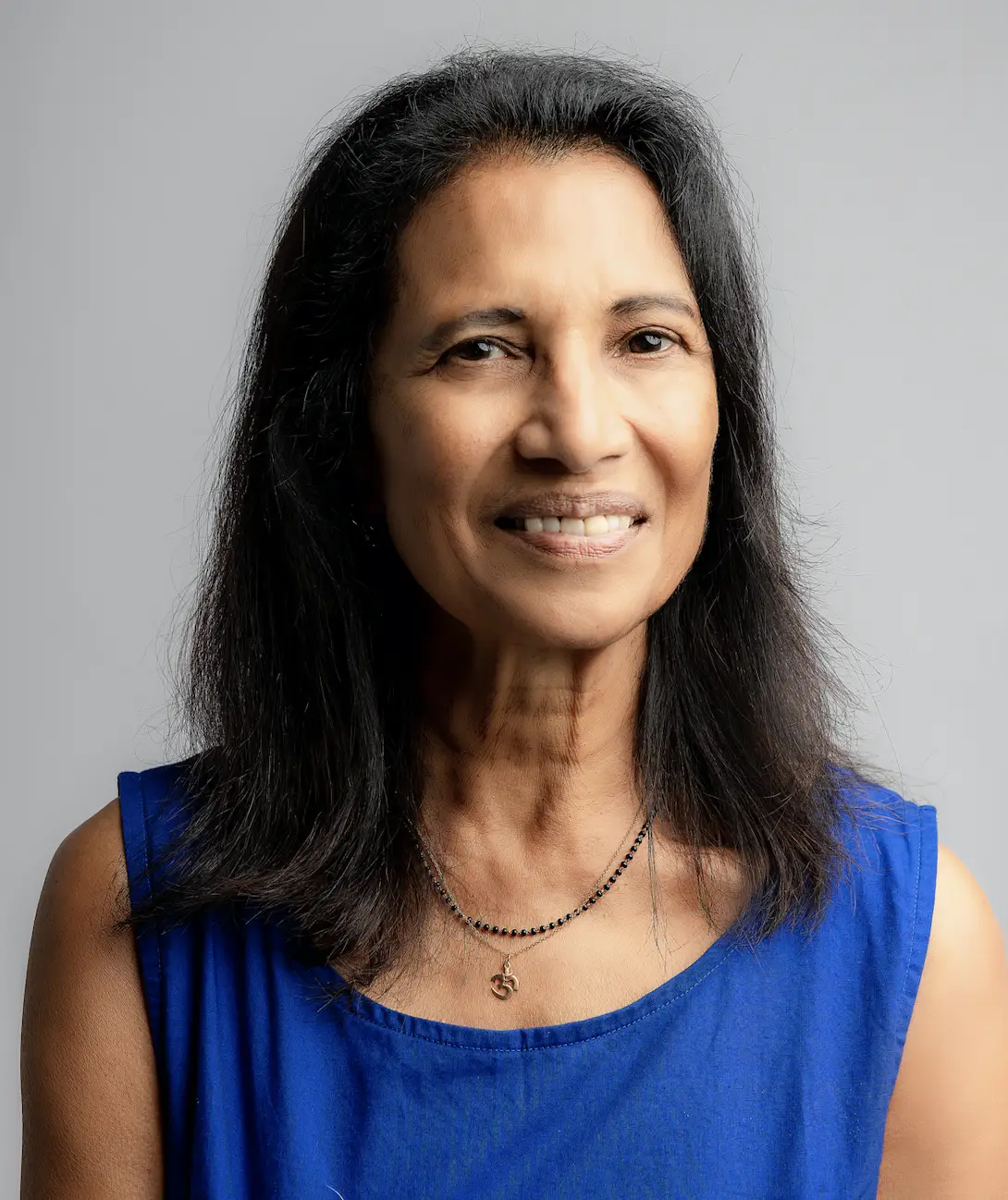
2021 | Shakuntala H. Thilsted | Denmark, Trinidad And Tobago | |
|
For achievements in pioneering fish-based nutrition-sensitive approaches to food systems
|
||||
|
2020 | Rattan Lal | India, United States | |
|
For a soil-centric approach to sustainably increasing food production
|
||||
|
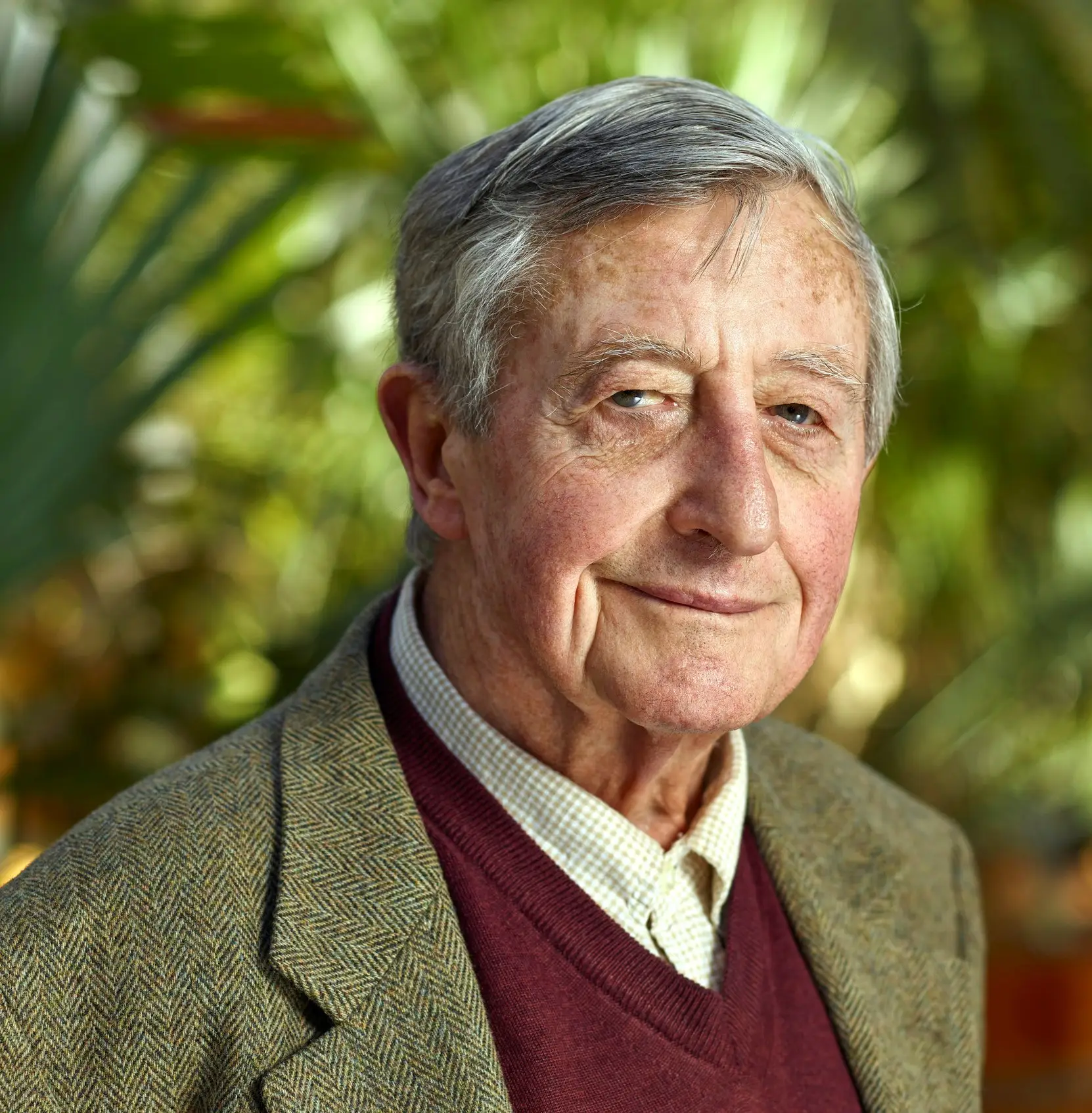
2019 | Simon N. Groot | Netherlands | |
|
For empowering smallholder farmers in more than 60 countries through enhanced vegetable production
|
||||
|
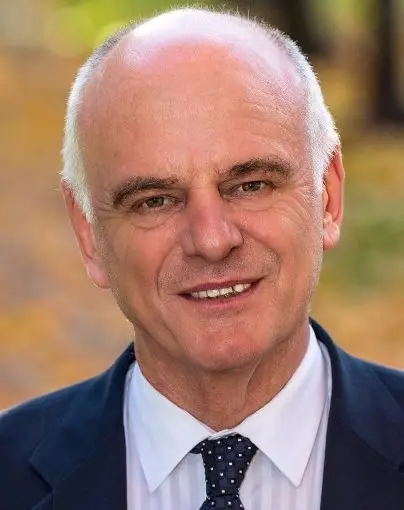
2018 | David Nabarro | United Kingdom, United Nations | |
|
For elevating maternal and child malnutrition to a central issue at national and international levels
|
||||
|
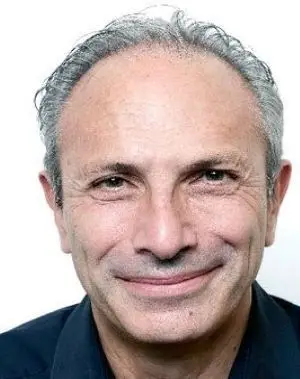
2018 | Lawrence Haddad | South Africa, United Kingdom | |
|
For elevating maternal and child malnutrition to a central issue at national and international levels
|
||||
|
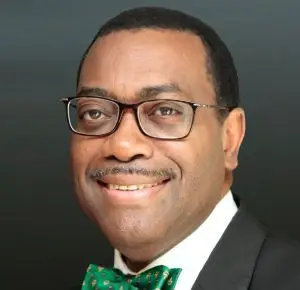
2017 | Akinwumi Adesina | Nigeria | |
|
For leadership and innovation in building political will to transform African agriculture at all levels
|
||||
|
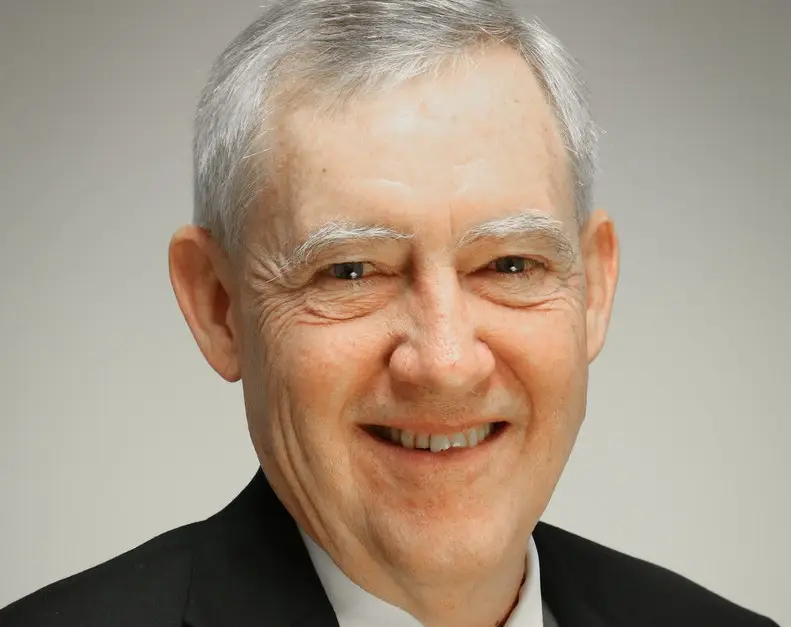
2016 | Howarth Bouis | United States | |
|
For "the implementation of a multi-institutional approach to biofortification as a global plant breeding strategy"
|
||||
|
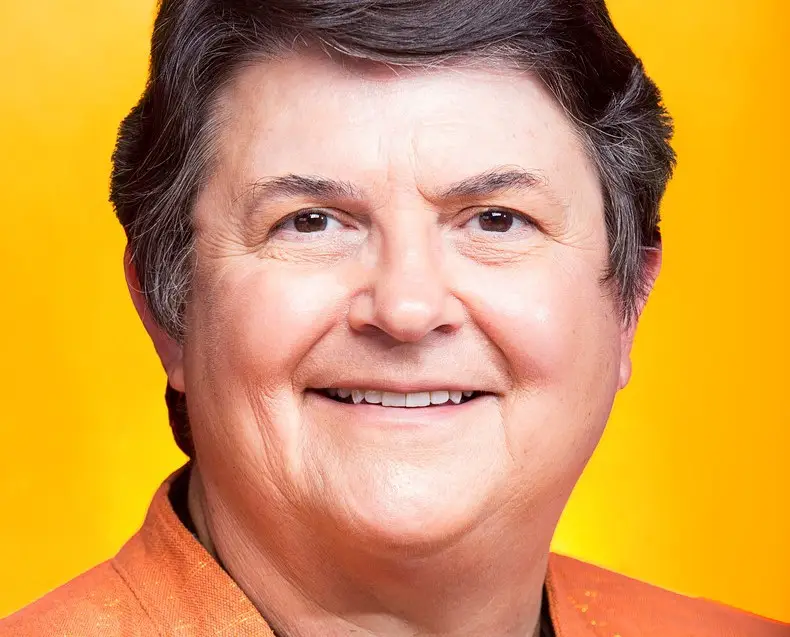
2016 | Jan Low | United States | |
|
For the "single most successful example of biofortification" in the form of biofortified orange-fleshed sweet potato that is resistant, tolerant and high yielding
|
||||
|
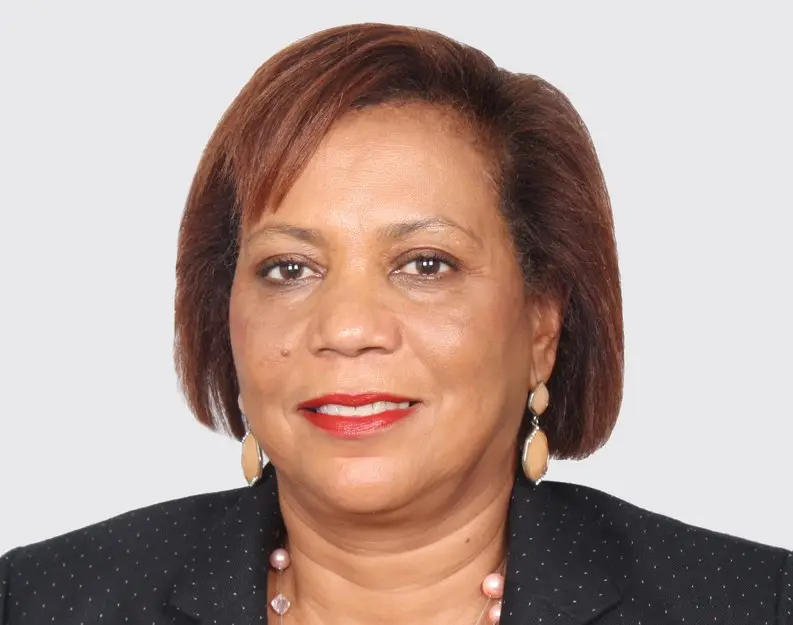
2016 | Maria Andrade | Cabo Verde | |
|
For the "single most successful example of biofortification" in the form of biofortified orange-fleshed sweet potato that is resistant, tolerant and high yielding
|
||||
|
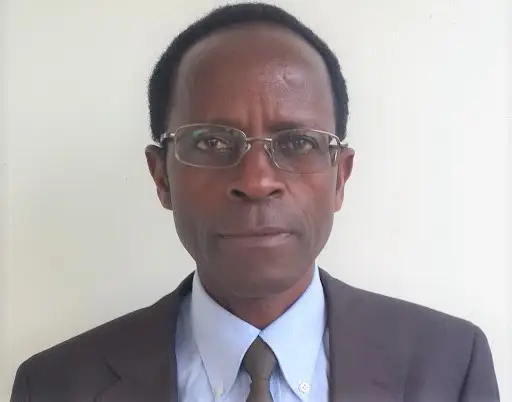
2016 | Robert Mwanga | Uganda | |
|
For the "single most successful example of biofortification" in the form of biofortified orange-fleshed sweet potato that is resistant, tolerant and high yielding
|
||||
|
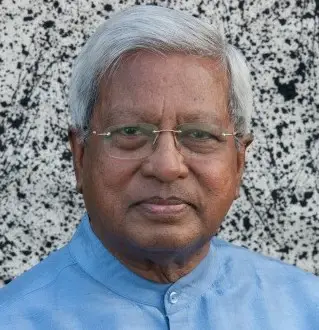
2015 | Fazle Hasan Abed | Bangladesh | |
|
For building an organization that is effective in reducing poverty in Bangladesh and 10 other countries
|
||||
|
2014 | Dr. Sanjaya Rajaram (Posthumous) | India, Mexico | |
|
For developing 480 varieties of disease resistant wheat and increasing global production by 200 million tons
|
||||
|
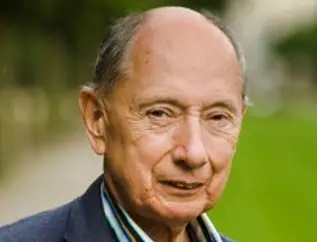
2013 | Marc Van Montagu | Belgium | |
|
For their individual achievements in modern agricultural biotechnology supporting sustainability and global food security
|
||||
|
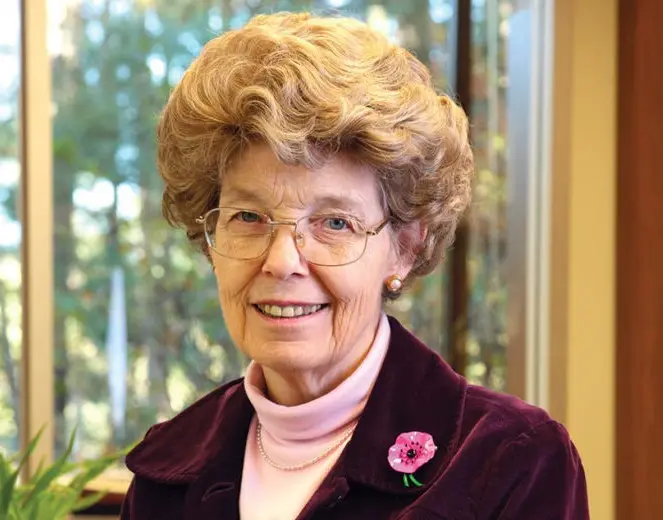
2013 | Mary-Dell Chilton | United States | |
|
For their individual achievements in modern agricultural biotechnology supporting sustainability and global food security
|
||||
|
2013 | Robert Fraley | United States | |
|
For their individual achievements in modern agricultural biotechnology supporting sustainability and global food security
|
||||
|
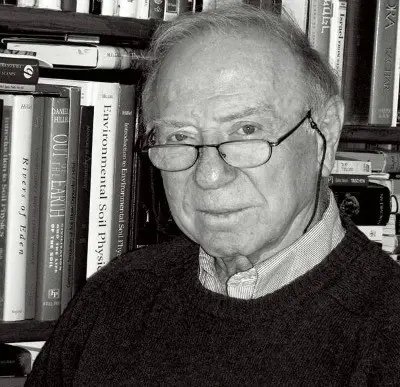
2012 | Daniel Hillel | Israel | |
|
For conceiving and implementing micro-irrigation in arid and dry land regions
|
||||
|
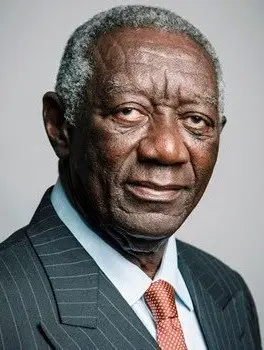
2011 | John Kufuor | Ghana | |
|
For creating and implementing government policies to alleviate hunger and poverty in their countries
|
||||
|
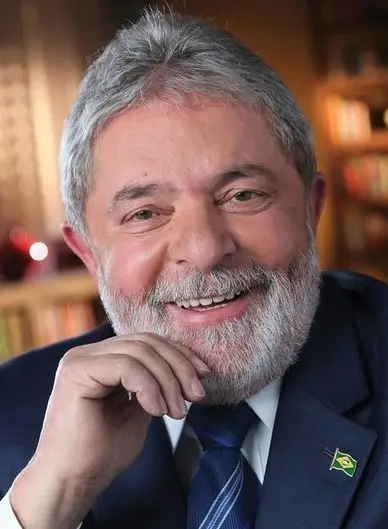
2011 | Luiz Inácio Lula da Silva | Brazil | |
|
For creating and implementing government policies to alleviate hunger and poverty in their countries
|
||||
|
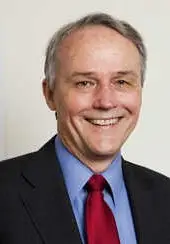
2010 | David M. Beckmann | United States | |
|
For their leadership in two grassroots organisations tackling hunger and nutrition
|
||||

|
2010 | Jo Luck | United States | |
|
For their leadership in two grassroots organisations tackling hunger and nutrition
|
||||
|
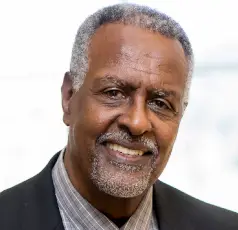
2009 | Gebisa Ejeta | Ethiopia | |
|
For developing Africa's first sorghum hybrids resistant to drought and the parasitic witchweed
|
||||
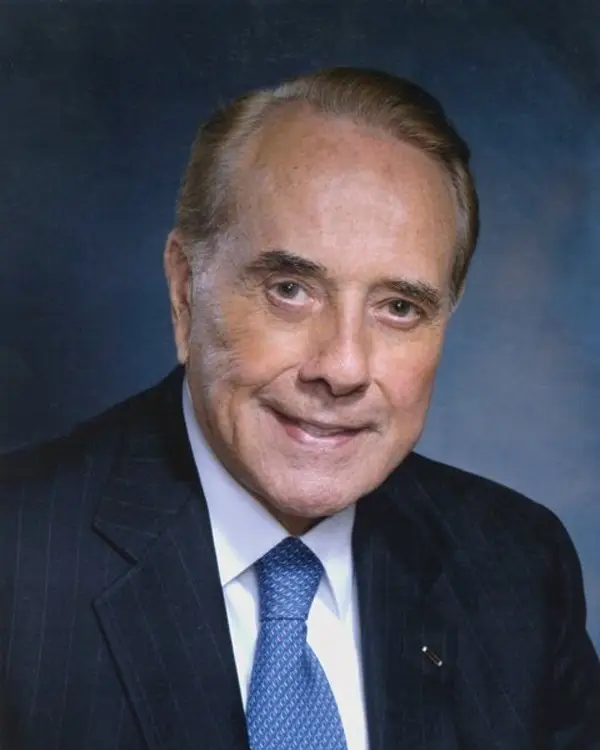
|
2008 | Bob Dole | United States | |
|
For leadership towards encouraging global commitment to school feeding
|
||||
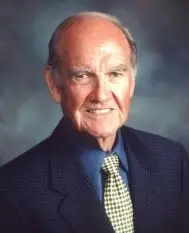
|
2008 | George McGovern | United States | |
|
For leadership towards encouraging global commitment to school feeding
|
||||
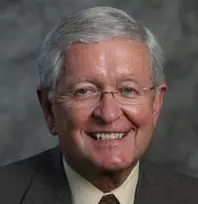
|
2007 | Philip E. Nelson | United States | |
|
For improving aseptic packaging and spreading the technology worldwide.
|
||||
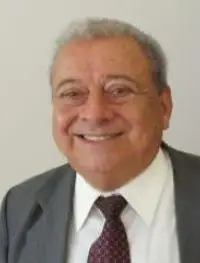
|
2006 | Alysson Paolinelli | Brazil | |
|
For individual efforts in science and policy that opened the Cerrado region of Brazil to agricultural
|
||||
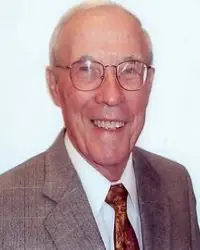
|
2006 | Andrew Colin McClung | United States | |
|
For individual efforts in science and policy that opened the Cerrado region of Brazil to agricultural
|
||||
|
2006 | Edson Lobato | Brazil | |
|
For individual efforts in science and policy that opened the Cerrado region of Brazil to agricultural
|
||||
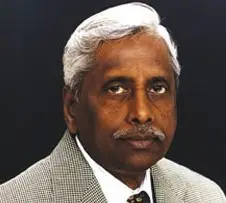
|
2005 | Modadugu Vijay Gupta | India | |
|
For development and dissemination of low-cost techniques for freshwater fish farming
|
||||
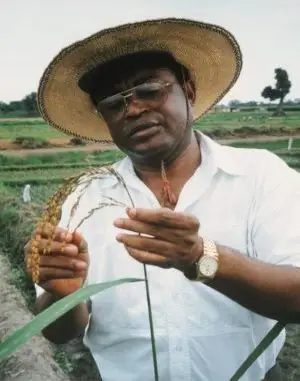
|
2004 | Monty Jones | Sierra Leone | |
|
For the development of New Rice for Africa, with the potential to increase rice yields in Africa
|
||||
|
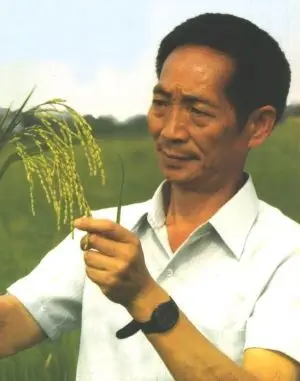
2004 | Yuan Longping | China | |
|
For the development of the first hybrid rice varieties including the technologies needed for it
|
||||

|
2003 | Catherine Bertini | United Nations | |
|
For transforming the World Food Programme into an effective humanitarian food relief organization
|
||||
|
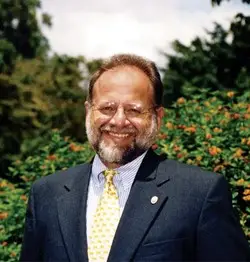
2002 | Pedro A. Sanchez | United States | |
|
For development of methods to restore fertility to degraded soils in Africa and South America.
|
||||
|
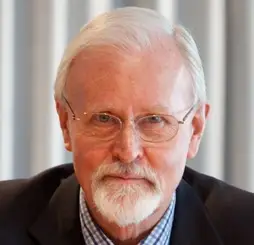
2001 | Per Pinstrup-Andersen | Denmark | |
|
For research efforts leading to changes in policy in several countries related to food subsidy
|
||||
|
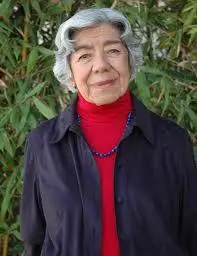
2000 | Evangelina Villegas | Mexico | |
|
For research and leadership in improving the productivity and nutritional content of maize through development of quality protein maize
|
||||
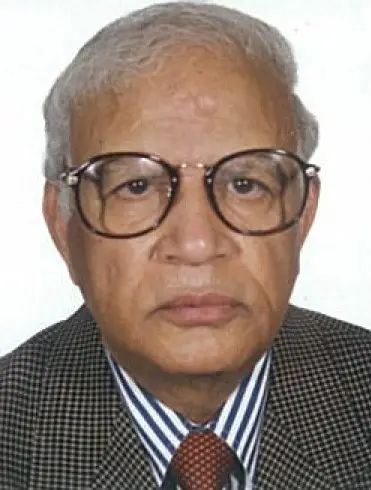
|
2000 | Surinder Vasal | India | |
|
For research and leadership in improving the productivity and nutritional content of maize through development of quality protein maize
|
||||
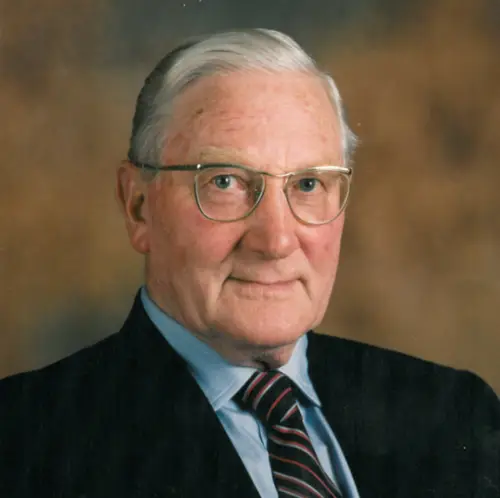
|
1999 | Walter Plowright | United Kingdom | |
|
For developing a vaccine against the cattle plague rinderpest
|
||||
|
1998 | Badrinarayan Ramulal Barwale | India | |
|
For improving commercial access to high quality seeds throughout India
|
||||

|
1997 | Perry Adkisson | United States | |
|
For individual and joint efforts in developing sustainable integrated pest management techniques
|
||||
|
1997 | Ray F. Smith | United States | |
|
For individual and joint efforts in developing sustainable integrated pest management techniques
|
||||
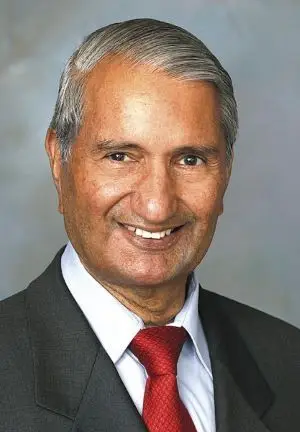
|
1996 | Gurdev Khush | India | |
|
For advances in rice breeding leading to substantially increased rice production benefitting numerous countries
|
||||
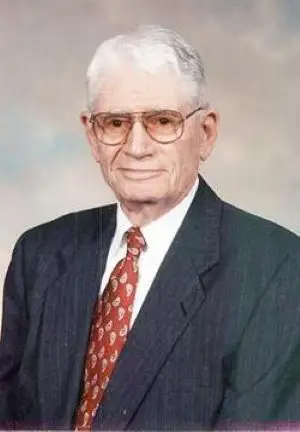
|
1996 | Henry Beachell | United States | |
|
For advances in rice breeding leading to substantially increased rice production benefitting numerous countries
|
||||
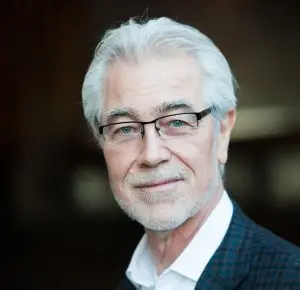
|
1995 | Hans Rudolf Herren | Switzerland | |
|
For developing a pest control program for the cassava mealybug, which could destroy African cassava crop
|
||||
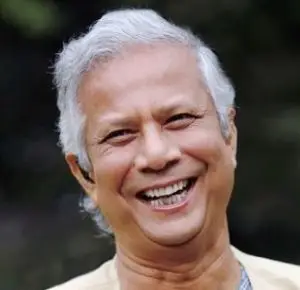
|
1994 | Muhammad Yunus | Bangladesh | |
|
For innovative micro loan programs for the poor, providing millions of people access to more food and better nutrition
|
||||
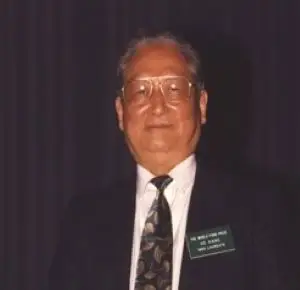
|
1993 | He Kang | China | |
|
For reforms as head of the Ministry of Agriculture which made China self-sufficient in food production
|
||||
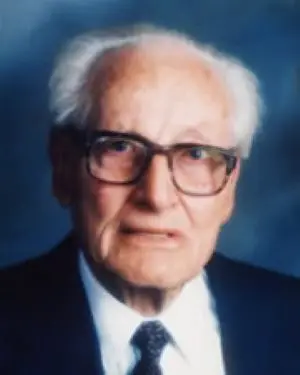
|
1992 | Edward F. Knipling | United States | |
|
For developing the sterile insect technique to control insect parasites that harm food supply
|
||||
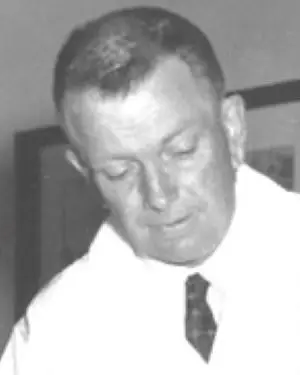
|
1992 | Raymond Bushland | United States | |
|
For developing the sterile insect technique to control insect parasites that harm food supply
|
||||
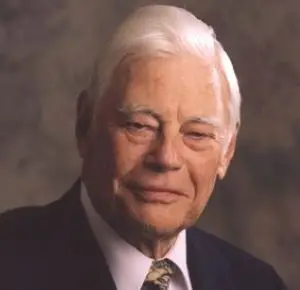
|
1991 | Nevin S. Scrimshaw | United States | |
|
For human nutrition studies combatting protein, iodine, and iron deficiencies and developing nutrition rich foods
|
||||
|
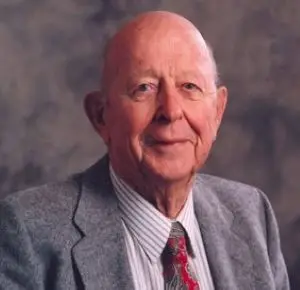
1990 | John Niederhauser | United States | |
|
For leadership and science research in potato production and improving its resistance to disease
|
||||
|
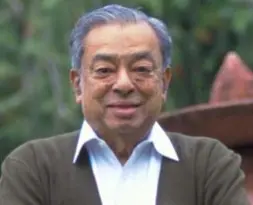
1989 | Dr. Verghese Kurien Ramon Magsaysay Award | India | |
|
For leadership during Operation Flood, for making the farmer the owner of his cooperative, resulting in India emerging as the largest producer of milk
|
||||
|
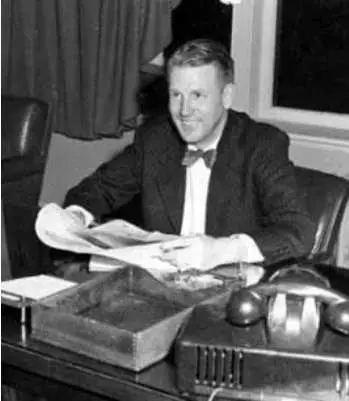
1988 | Robert F. Chandler | United States | |
|
For leadership in setting up the International Rice Research Institute and World Vegetable Center, paving the way for creation of CGIAR, and science leading to the development of high yield rice
|
||||
|
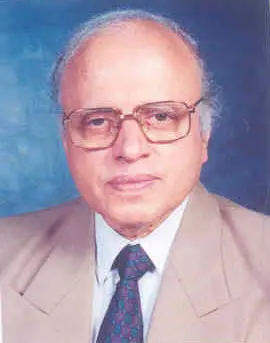
1987 | Dr. Monkombu Sambasiva Swaminathan Ramon Magsaysay AwardIndira Gandhi PrizeBharat Ratna | India | |
|
For leadership and science in introducing high-yielding wheat and rice varieties to India in the 1960s starting India's Green Revolution, and for leadership at International Rice Research Institute
|
||||
World Food Prize FAQs
World Food Prize is a recognized award honoring excellence and achievements in Humanities category, awarded to deserving individuals or organizations worldwide.
It is a Humanities award category, recognizing outstanding contributions, performance, and excellence in Humanities field or domain globally.
This award is given for A specific, exceptionally significant, individual achievement that advances human development with a demonstrable increase in the quantity, quality, availability of, or access to food, honoring individuals or groups who have demonstrated exceptional achievements and contributions in this area.
The World Food Prize is presented by World Food Prize Foundation, recognizing excellence and honoring individuals for their significant achievements and contributions.
World Food Prize was first awarded in 1987, marking the beginning of recognizing excellence and achievements in its respective category.
The most recent World Food Prize was awarded in 23 October 2025, continuing its tradition of recognizing excellence and outstanding achievements globally.
Currently, the World Food Prize is Continue, indicating whether the award is actively presented or has been discontinued officially.
World Food Prize is awarded by International, recognizing achievements and honoring individuals or organizations associated with International country and its excellence.