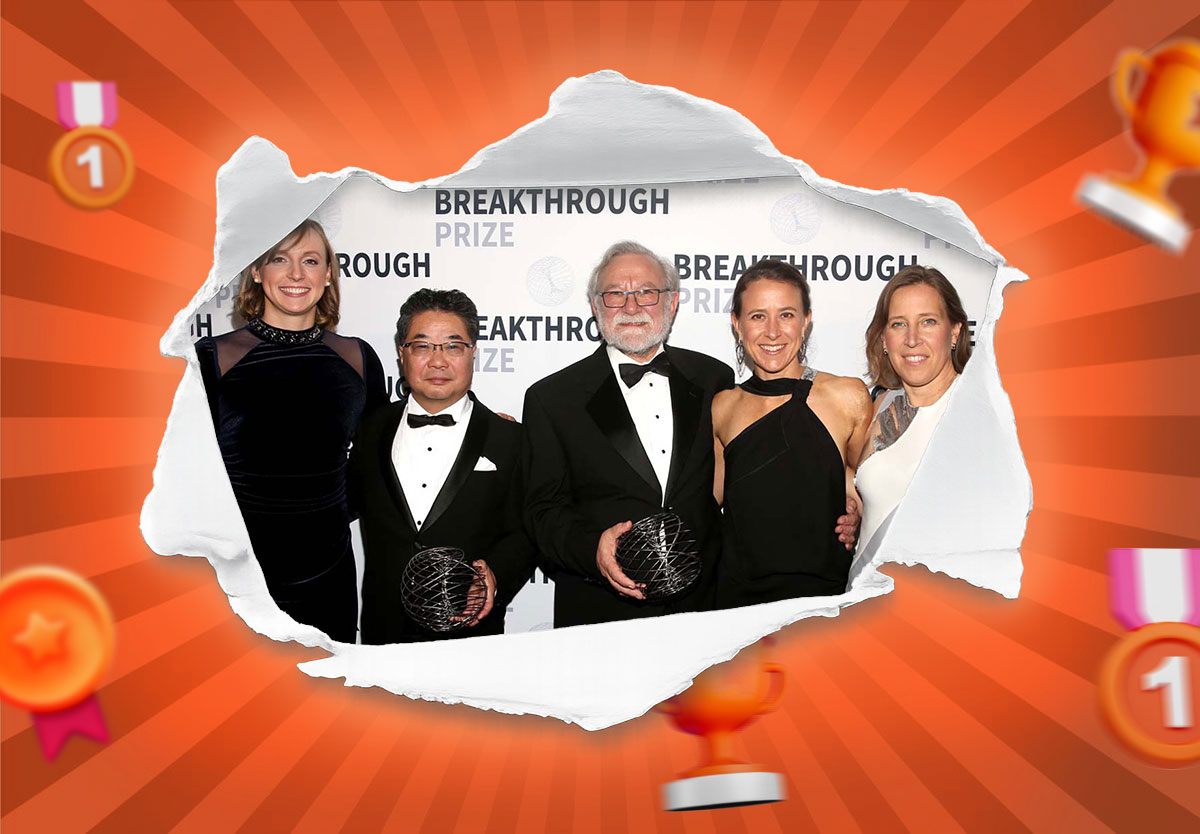
About Breakthrough New Horizons in Physics Prize
The New Horizons in Mathematics Prize of $100,000 is awarded to promising early-career researchers who have already produced important work. Each year, up to three New Horizons in Mathematics Prizes are awarded.
List of Breakthrough New Horizons in Physics Prize Winners (2012-2025)
The Breakthrough New Horizons in Physics Prize category has honored 84 recipients between 2012 and 2025 under the Breakthrough Prize, presented by the Breakthrough Prize Organization. Explore the complete list of award winners, recipients, and year-wise details.
| Images | Year | Winner Name | Affiliation | |
|---|---|---|---|---|
 |
2025 | Sebastiaan Haffert | Leiden University (Leiden Observatory), University of Arizona (Steward Observatory) | |
For demonstrating new extreme adaptive optics techniques that will allow the direct detection of the smallest exoplanets. |
||||
 |
2025 | Rebecca Jensen-Clem | University of California Santa Cruz | |
For demonstrating new extreme adaptive optics techniques that will allow the direct detection of the smallest exoplanets. |
||||
 |
2025 | Maaike van Kooten | National Research Council Canada | |
For demonstrating new extreme adaptive optics techniques that will allow the direct detection of the smallest exoplanets. |
||||
 |
2025 | Waseem Bakr | Princeton University | |
For the realization of quantum gas microscopes for atoms and molecules, providing a microscopic view on correlations and transport in strongly interacting quantum systems. |
||||
 |
2025 | Jeongwan Haah | Stanford University | |
For the discovery of Haah's code, in which fractal conservation laws emerge, and other models bringing discrete mathematical structures to physics. |
||||
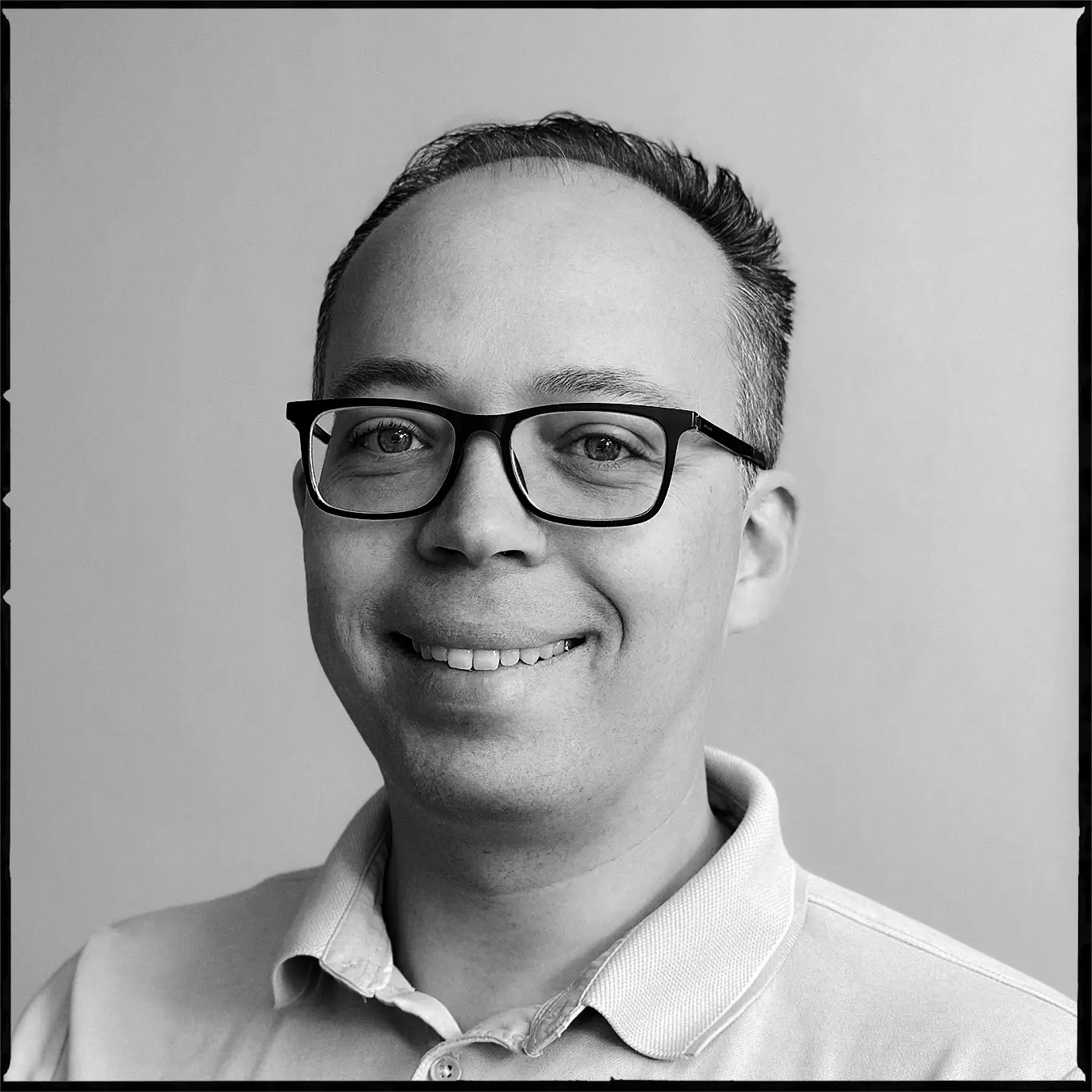 |
2024 | Til Birnstiel | Ludwig-Maximilians-Universität München | |
For the prediction, discovery, and modeling of dust traps in young circumstellar disks, solving a long-standing problem in planet formation. |
||||
 |
2024 | Laura M. Pérez | Universidad de Chile | |
For the prediction, discovery, and modeling of dust traps in young circumstellar disks, solving a long-standing problem in planet formation. |
||||
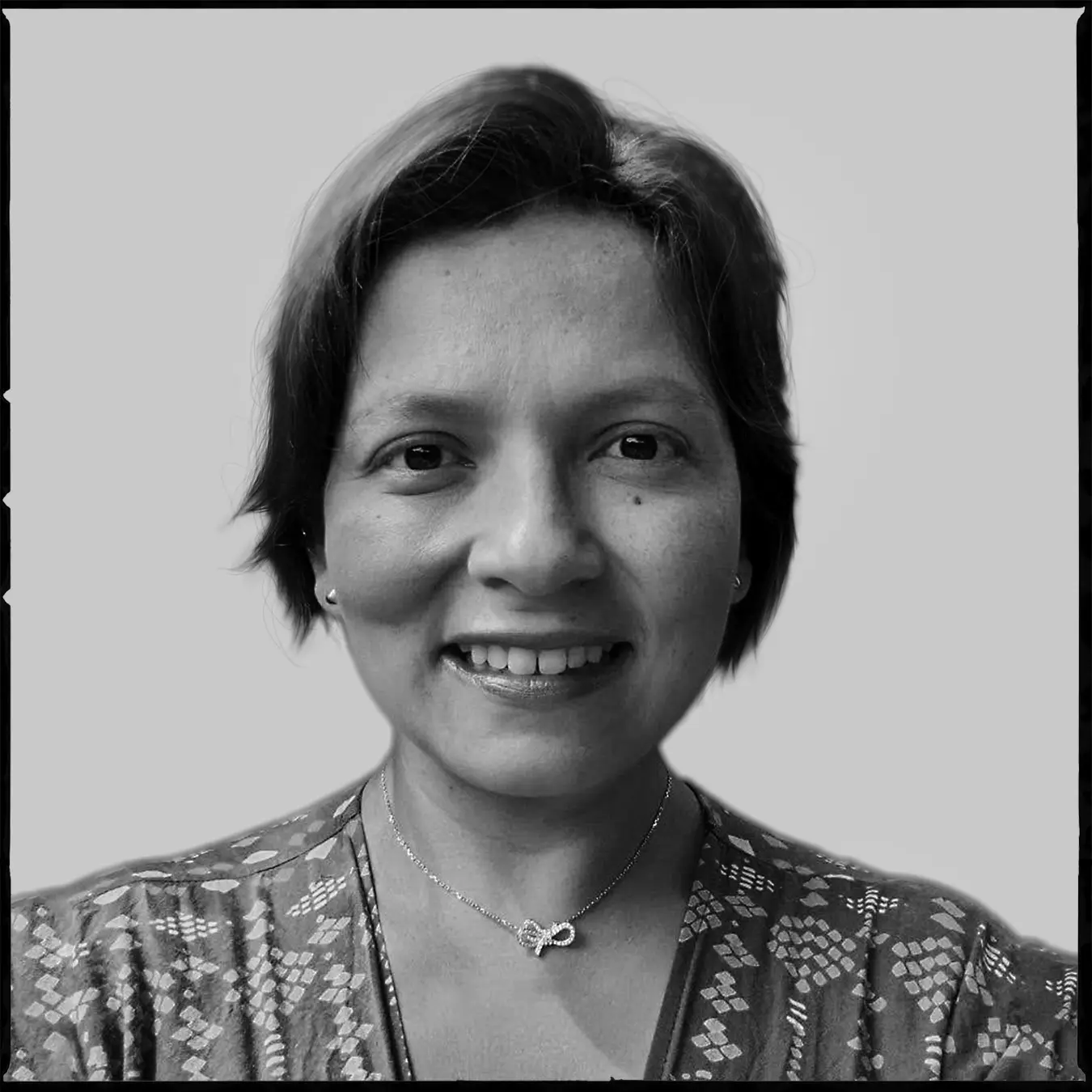 |
2024 | Paola Pinilla | University College London | |
For the prediction, discovery, and modeling of dust traps in young circumstellar disks, solving a long-standing problem in planet formation. |
||||
 |
2024 | Nienke van der Marel | Leiden Observatory | |
For the prediction, discovery, and modeling of dust traps in young circumstellar disks, solving a long-standing problem in planet formation. |
||||
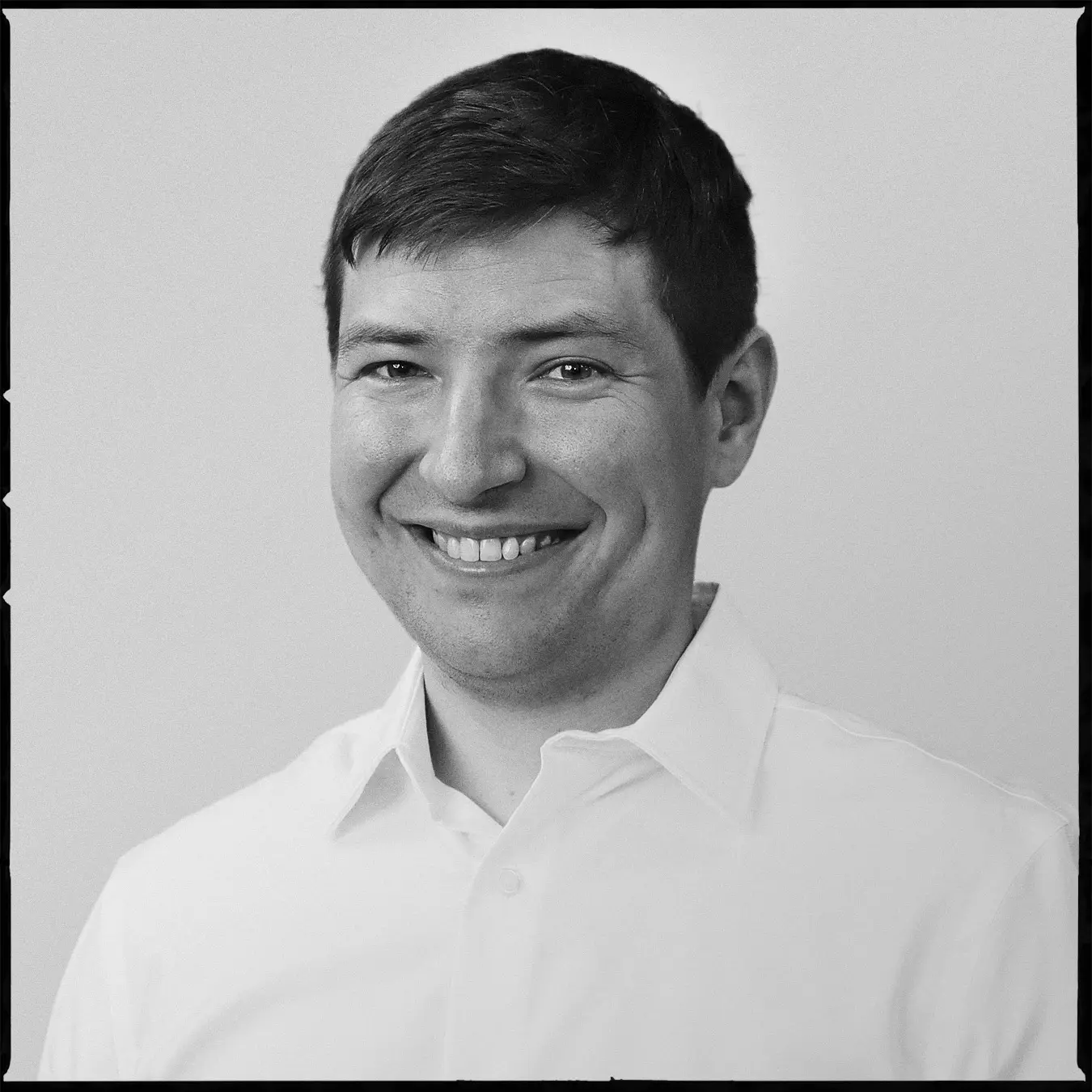 |
2024 | Mikhail Ivanov | Massachusetts Institute of Technology | |
For contributions to our understanding of the large-scale structure of the universe and the development of new tools to extract fundamental physics from galaxy surveys. |
||||
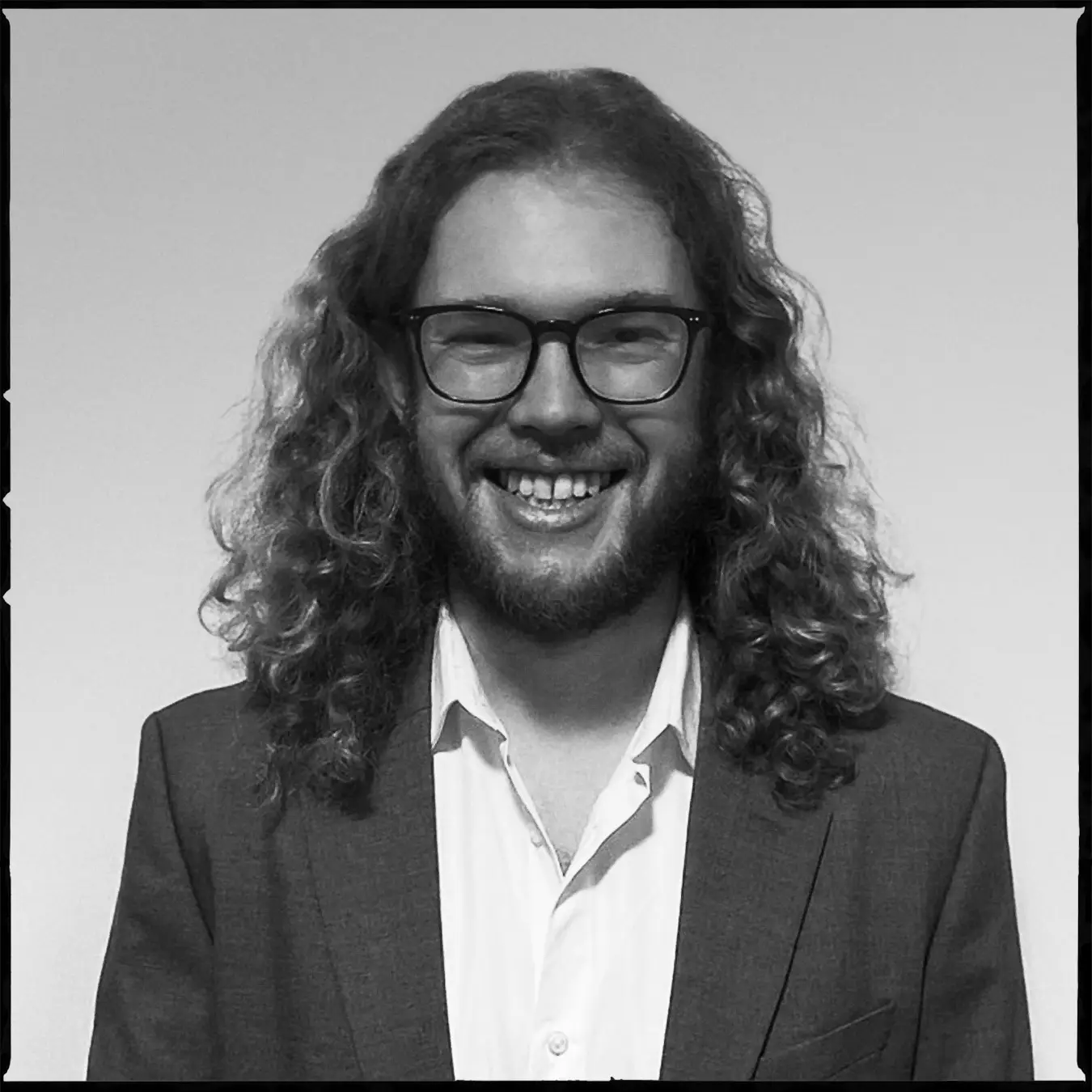 |
2024 | Oliver Philcox | Columbia University and Simons Foundation | |
For contributions to our understanding of the large-scale structure of the universe and the development of new tools to extract fundamental physics from galaxy surveys. |
||||
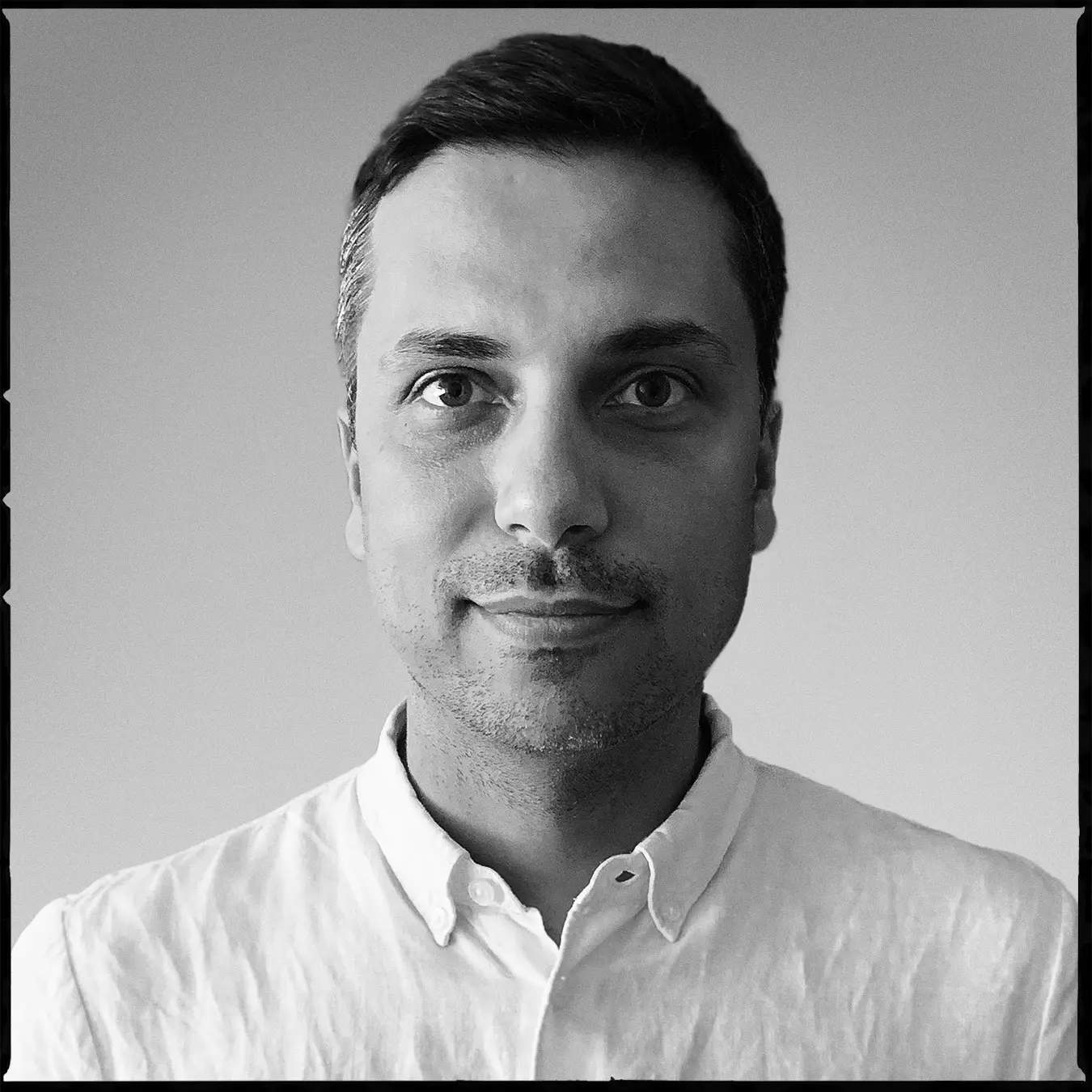 |
2024 | Marko Simonović | University of Florence | |
For contributions to our understanding of the large-scale structure of the universe and the development of new tools to extract fundamental physics from galaxy surveys. |
||||
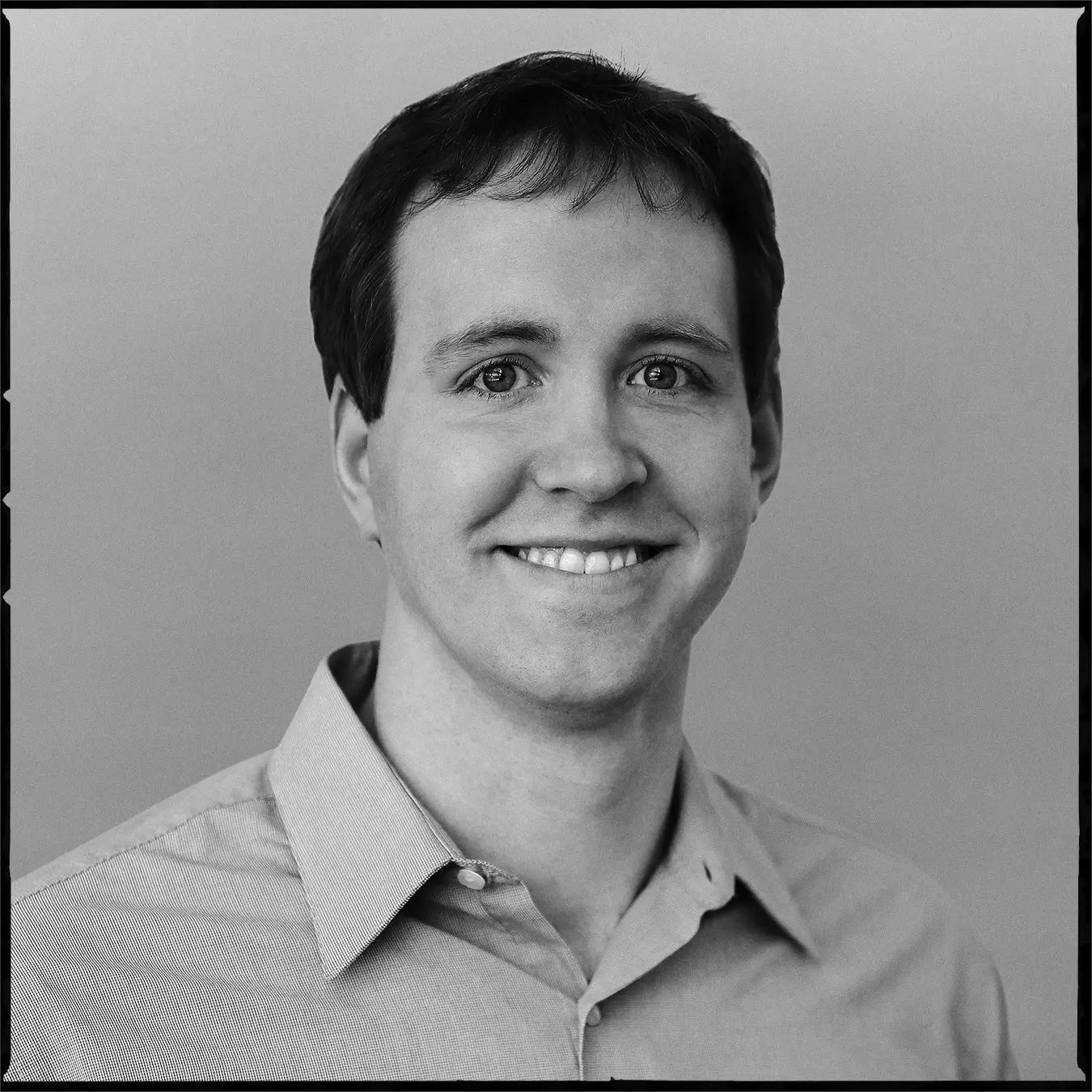 |
2024 | Michael Johnson | Center for Astrophysics | Harvard & Smithsonian | |
For elucidating the sub-structure and universal characteristics of black hole photon rings, and their proposed detection by next-generation interferometric experiments. |
||||
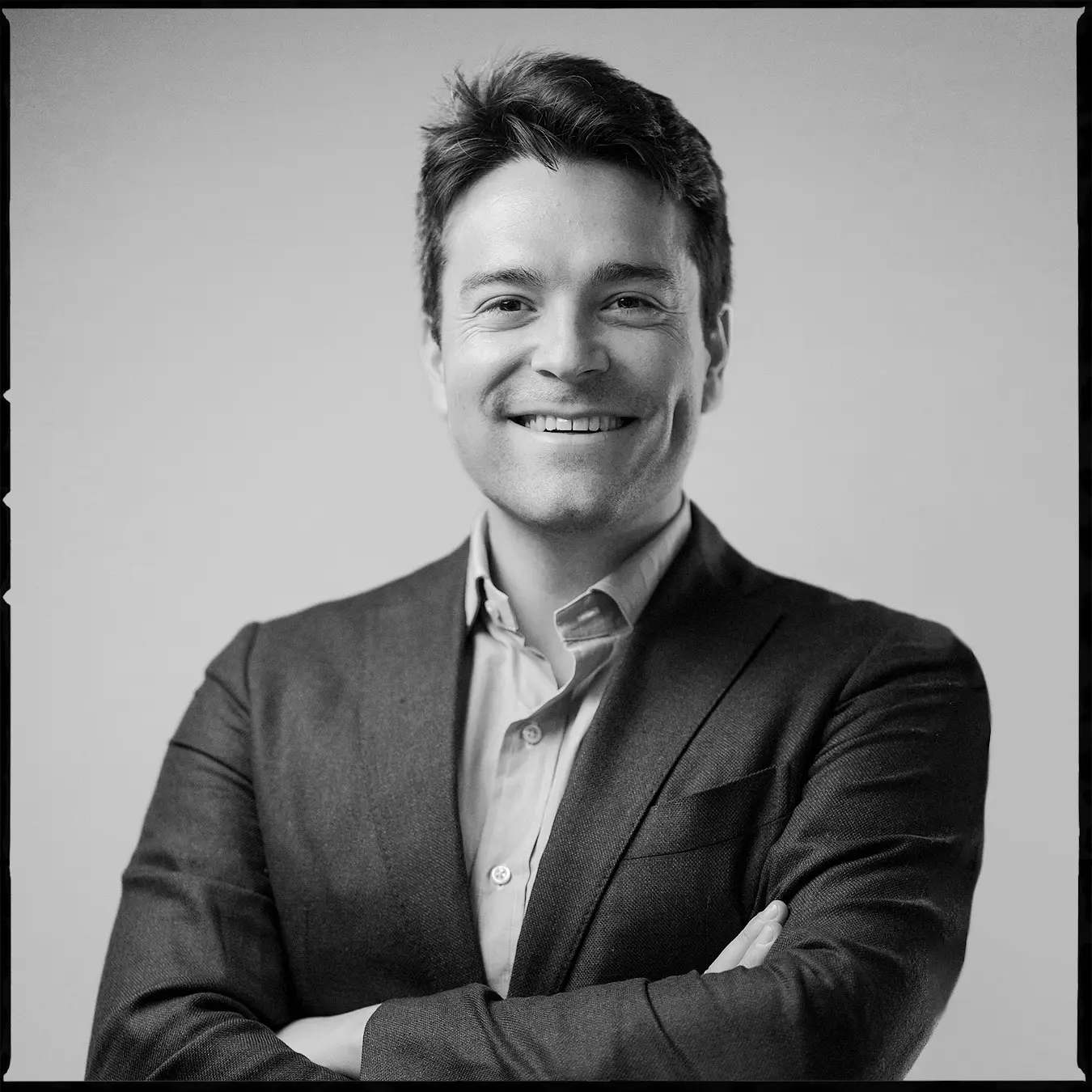 |
2024 | Alexandru Lupsasca | Vanderbilt University | |
For elucidating the sub-structure and universal characteristics of black hole photon rings, and their proposed detection by next-generation interferometric experiments. |
||||
 |
2023 | Anna Grassellino | Fermi National Accelerator Laboratory | |
For the discovery of major performance enhancements to niobium superconducting radio-frequency cavities, with applications ranging from accelerator physics to quantum devices. |
||||
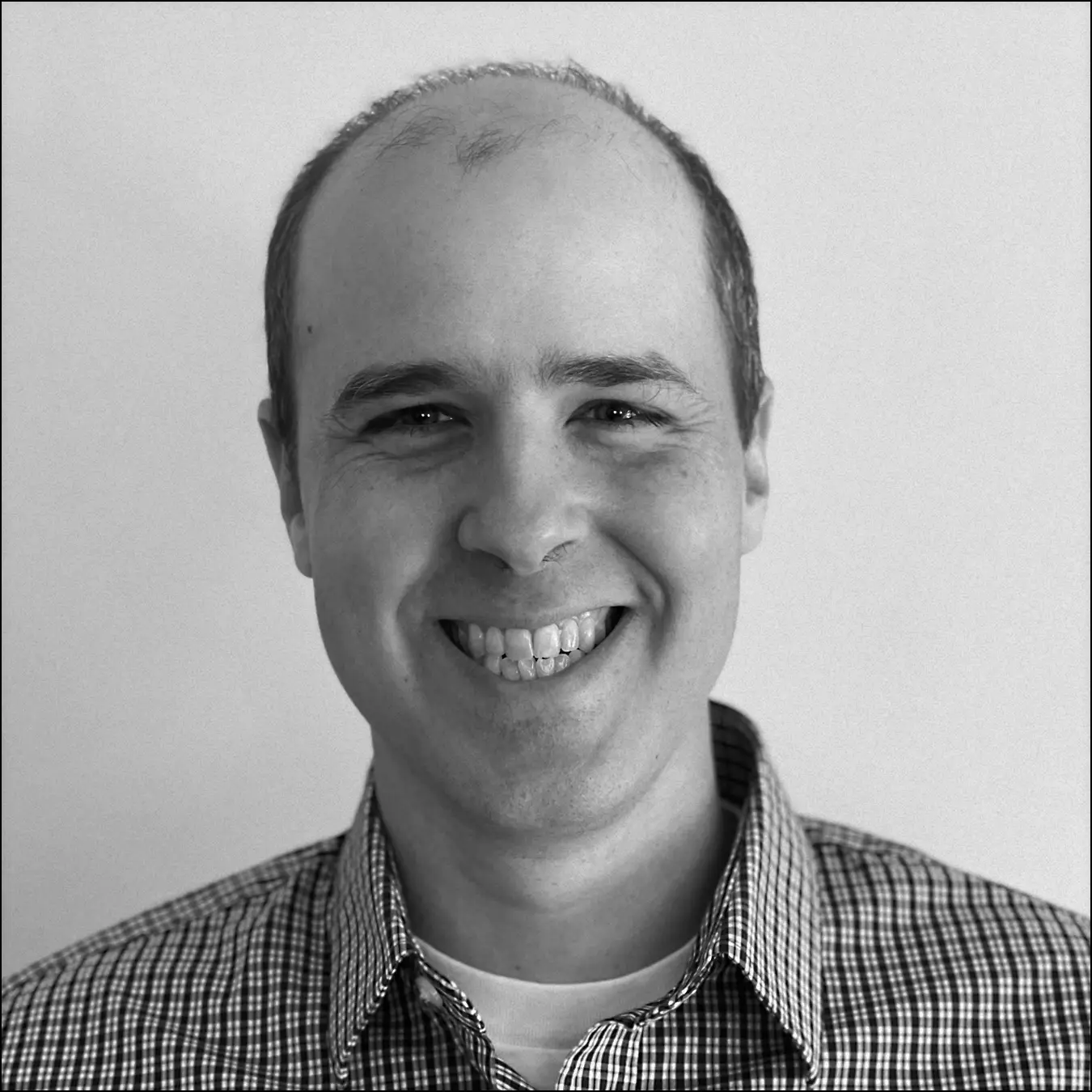 |
2023 | David Simmons-Duffin | California Institute of Technology | |
For the development of analytical and numerical techniques to study conformal field theories, including the ones describing the liquid vapor critical point and the superfluid phase transition. |
||||
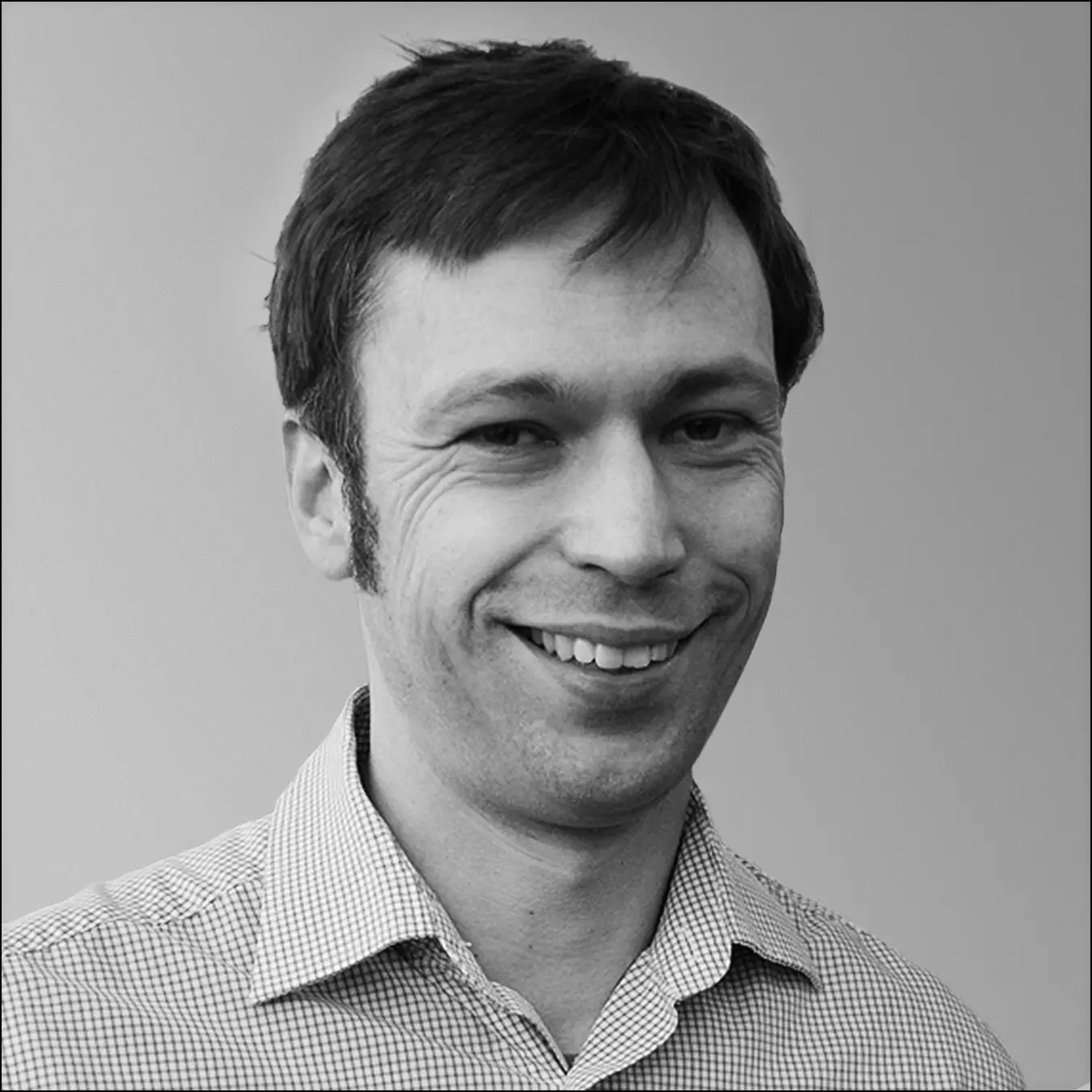 |
2023 | Hannes Bernien | University of Chicago | |
For the development of optical tweezer arrays to realize control of individual atoms for applications in quantum information science, metrology, and molecular physics. |
||||
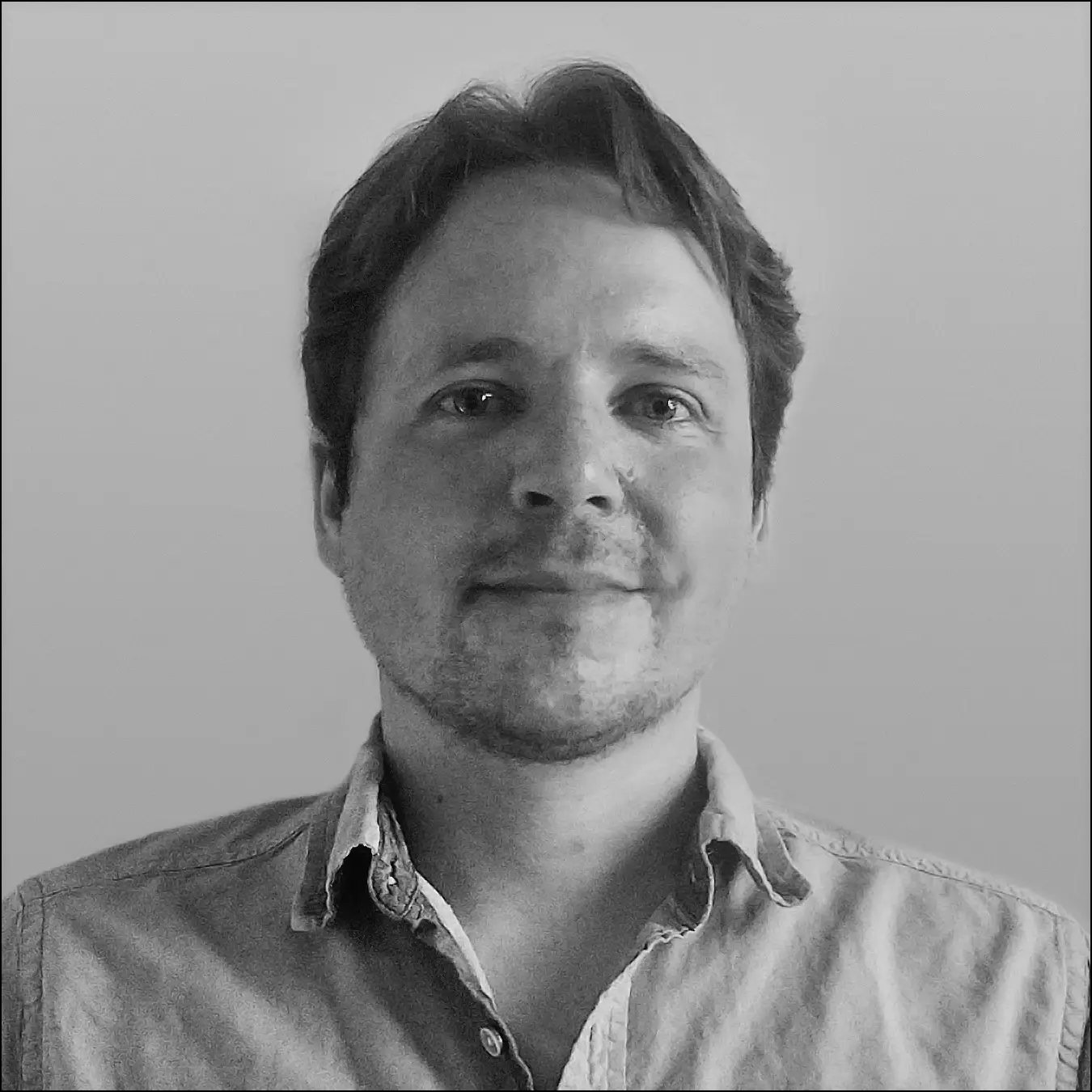 |
2023 | Manuel Endres | California Institute of Technology | |
For the development of optical tweezer arrays to realize control of individual atoms for applications in quantum information science, metrology, and molecular physics. |
||||
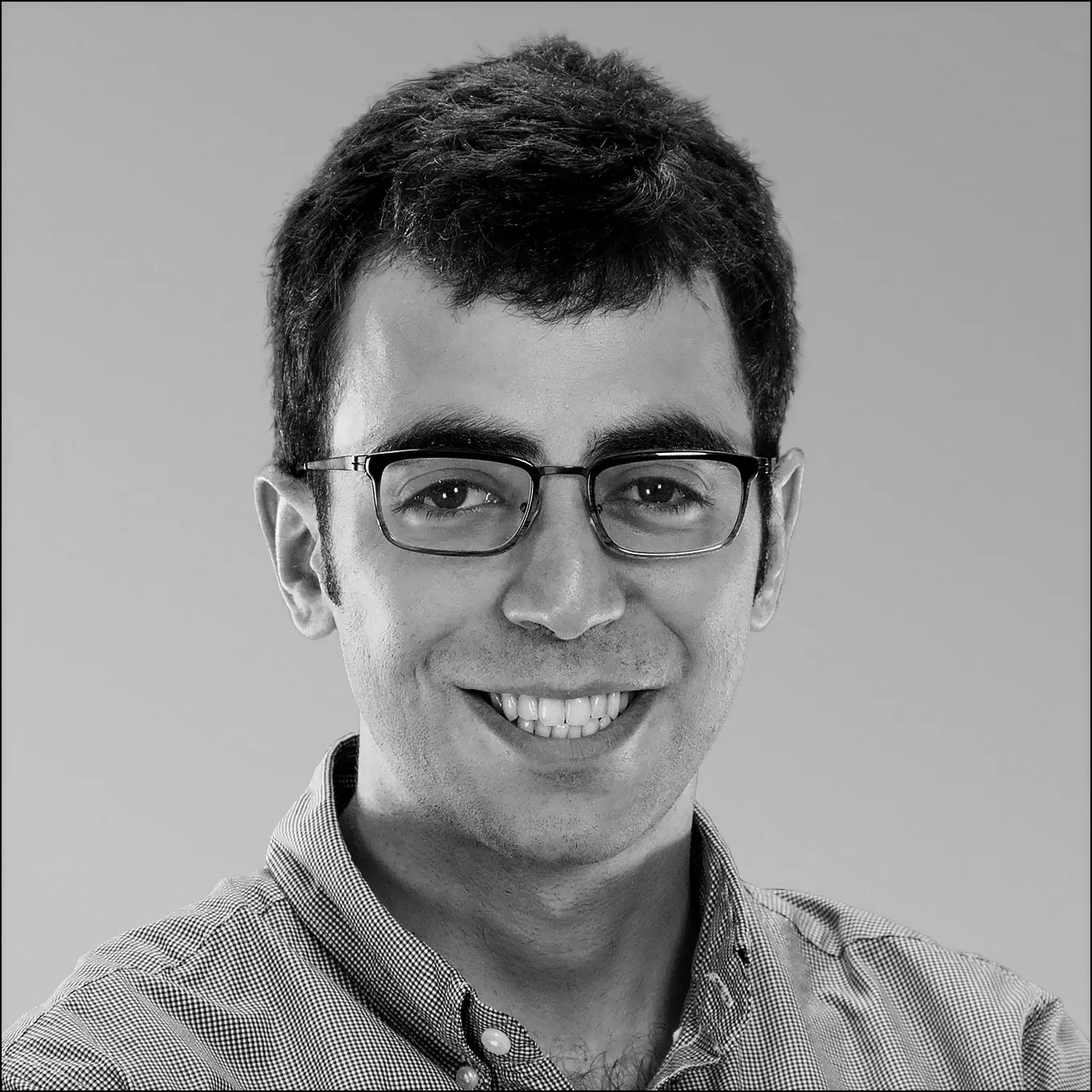 |
2023 | Adam M. Kaufman | National Institute of Standards and Technology and University of Colorado, Joint Institute for Laboratory Astrophysics | |
For the development of optical tweezer arrays to realize control of individual atoms for applications in quantum information science, metrology, and molecular physics. |
||||
 |
2023 | Kang-Kuen Ni | Harvard University | |
For the development of optical tweezer arrays to realize control of individual atoms for applications in quantum information science, metrology, and molecular physics. |
||||
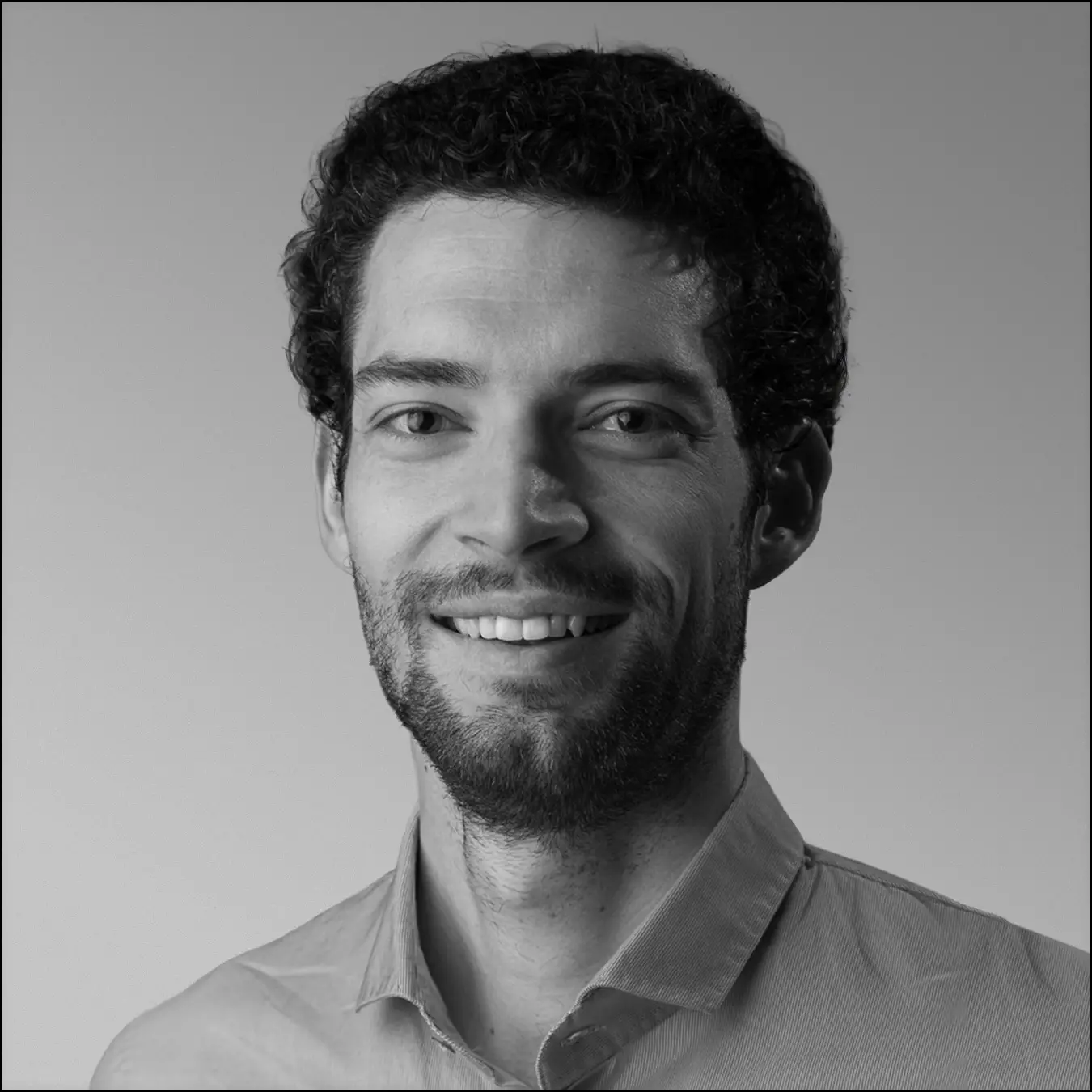 |
2023 | Hannes Pichler | University of Innsbruck and Austrian Academy of Sciences | |
For the development of optical tweezer arrays to realize control of individual atoms for applications in quantum information science, metrology, and molecular physics. |
||||
 |
2023 | Jeff Thompson | Princeton University | |
For the development of optical tweezer arrays to realize control of individual atoms for applications in quantum information science, metrology, and molecular physics. |
||||
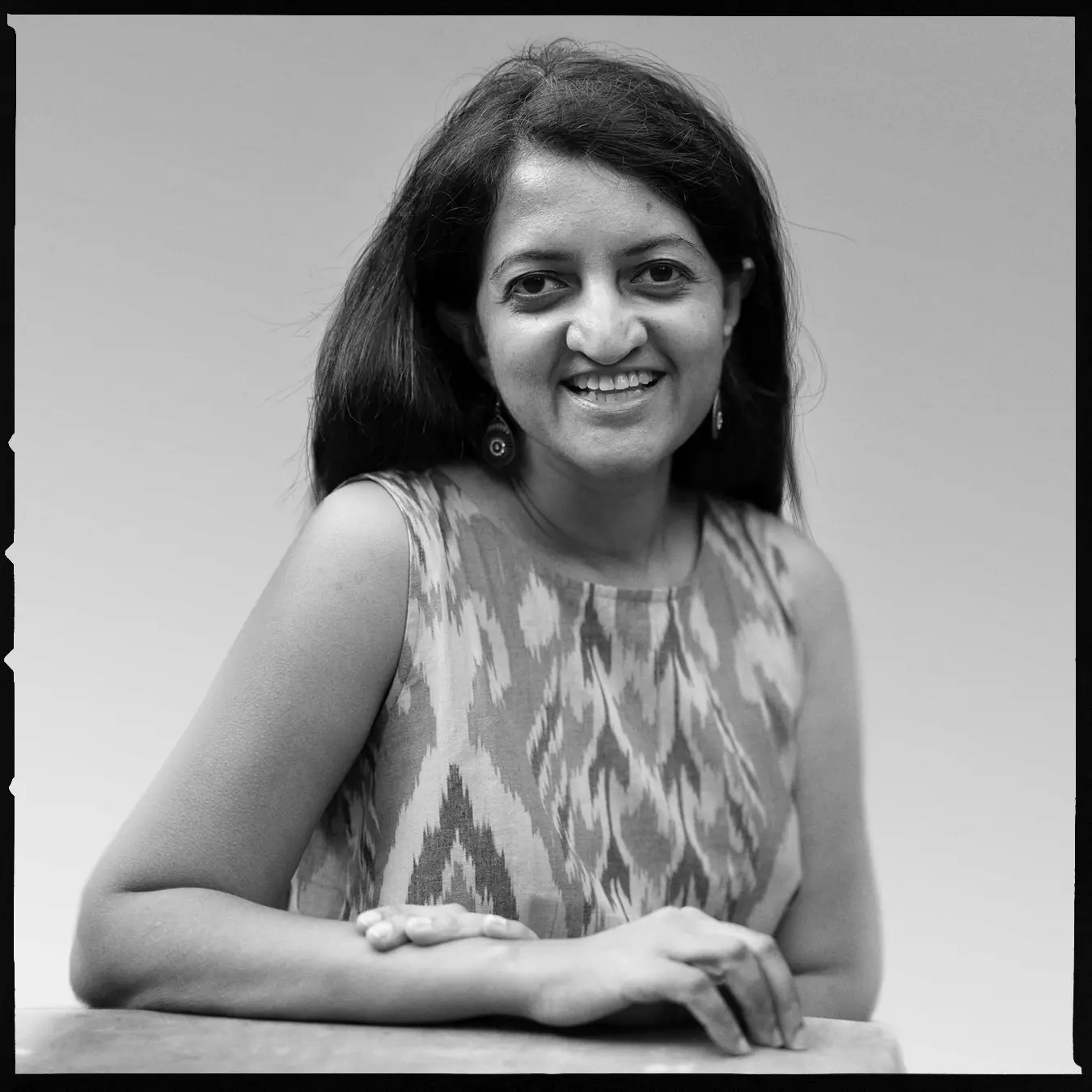 |
2022 | Suchitra Sebastian | University of Cambridge | |
For high precision electronic and magnetic measurements that have profoundly changed our understanding of high temperature superconductors and unconventional insulators. |
||||
 |
2022 | Alessandra Corsi | Texas Tech University | |
For leadership in laying foundations for electromagnetic observations of sources of gravitational waves, and leadership in extracting rich information from the first observed collision of two neutron stars. |
||||
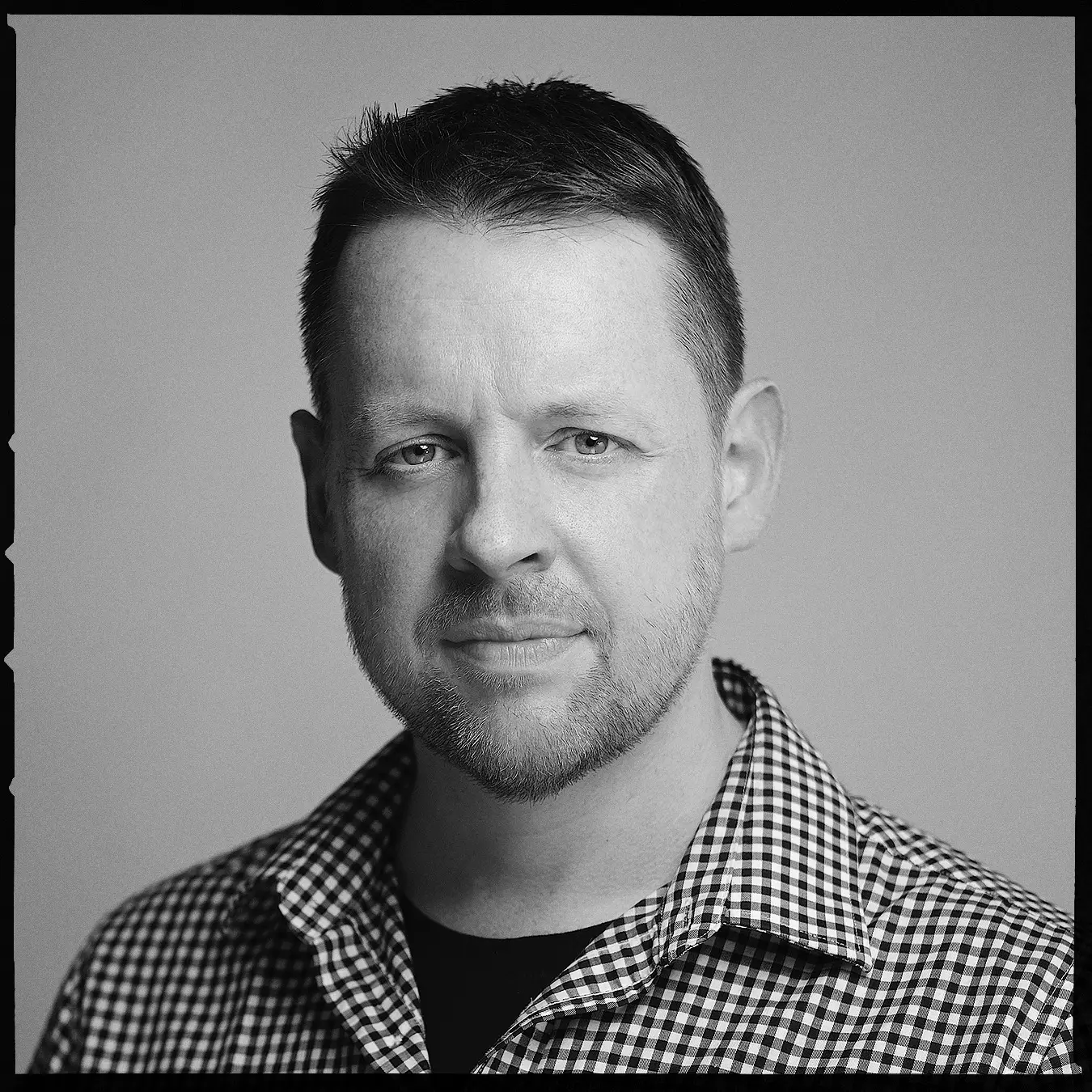 |
2022 | Gregg Hallinan | California Institute of Technology | |
For leadership in laying foundations for electromagnetic observations of sources of gravitational waves, and leadership in extracting rich information from the first observed collision of two neutron stars. |
||||
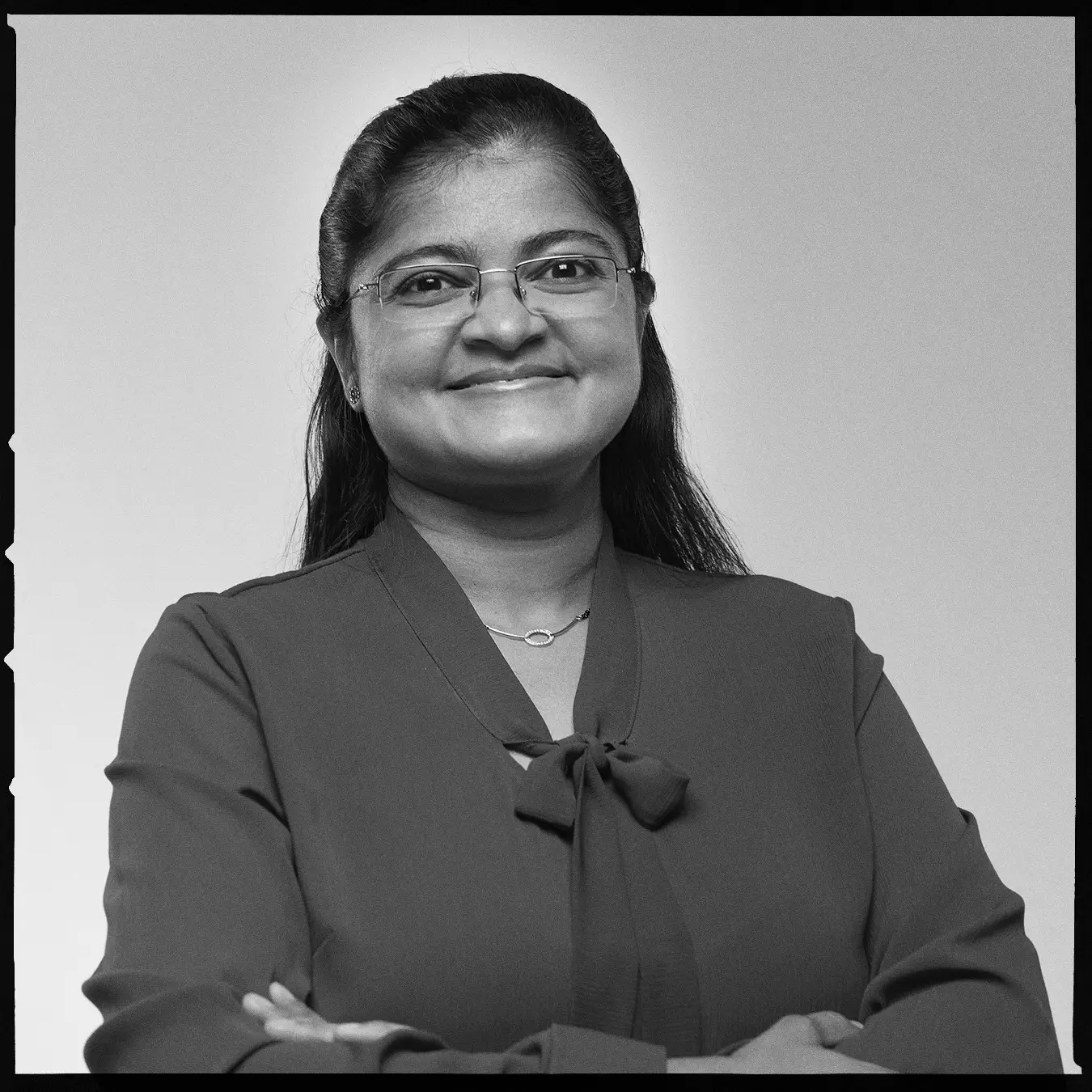 |
2022 | Mansi Manoj Kasliwal | California Institute of Technology | |
For leadership in laying foundations for electromagnetic observations of sources of gravitational waves, and leadership in extracting rich information from the first observed collision of two neutron stars. |
||||
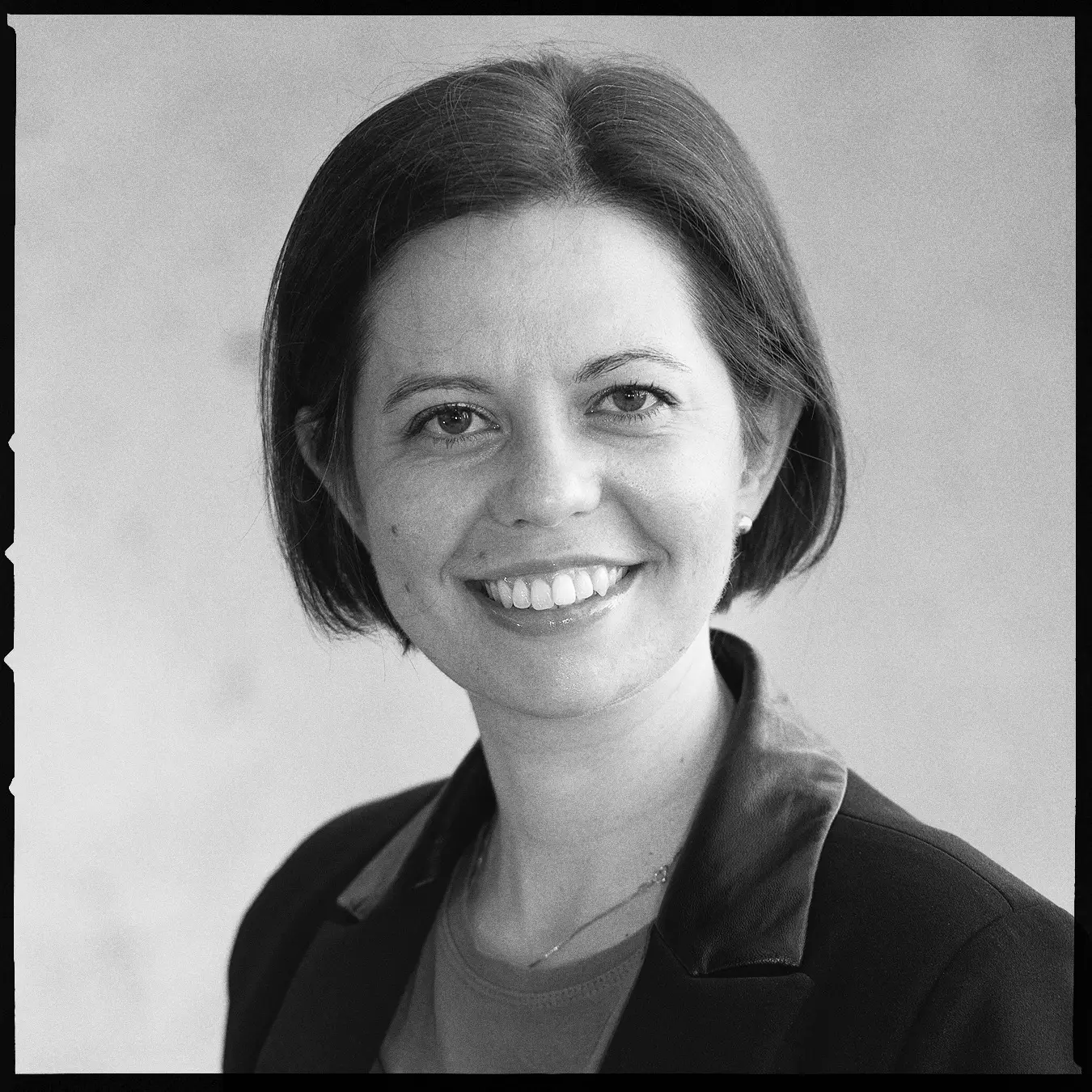 |
2022 | Raffaella Margutti | University of California | |
For leadership in laying foundations for electromagnetic observations of sources of gravitational waves, and leadership in extracting rich information from the first observed collision of two neutron stars. |
||||
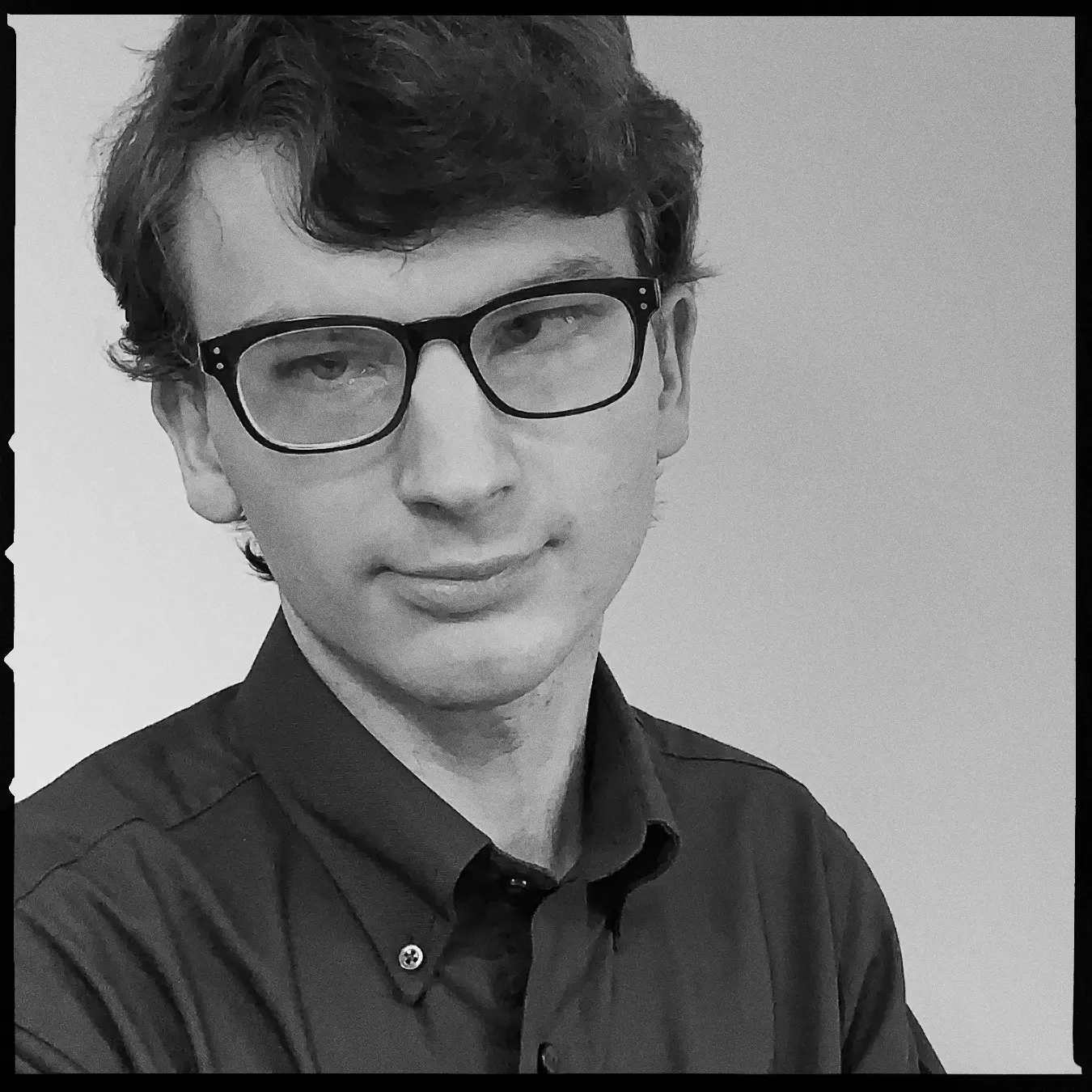 |
2022 | Dominic Else | Harvard University | |
For pioneering theoretical work formulating novel phases of non-equilibrium quantum matter, including time crystals. |
||||
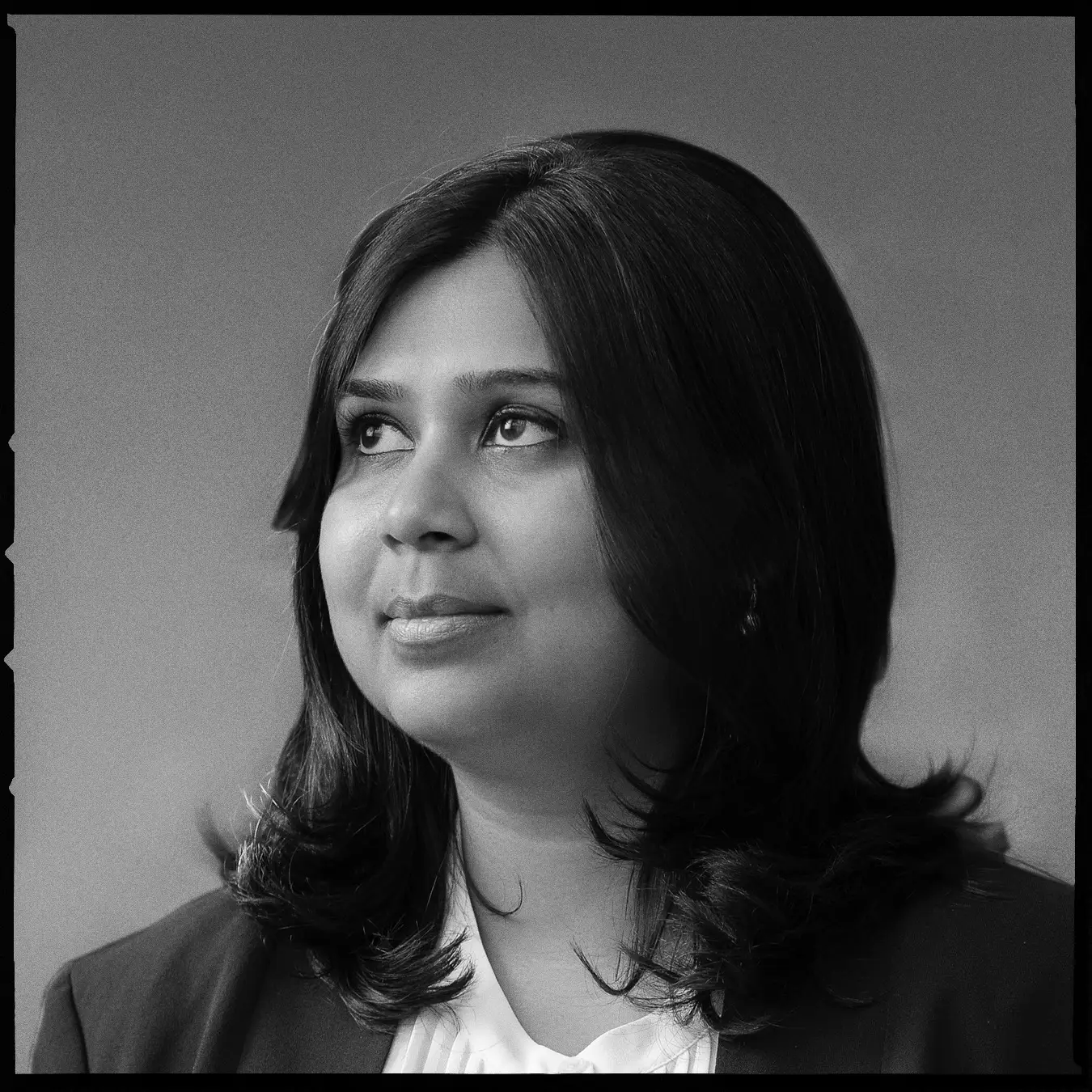 |
2022 | Vedika Khemani | Stanford University | |
For pioneering theoretical work formulating novel phases of non-equilibrium quantum matter, including time crystals. |
||||
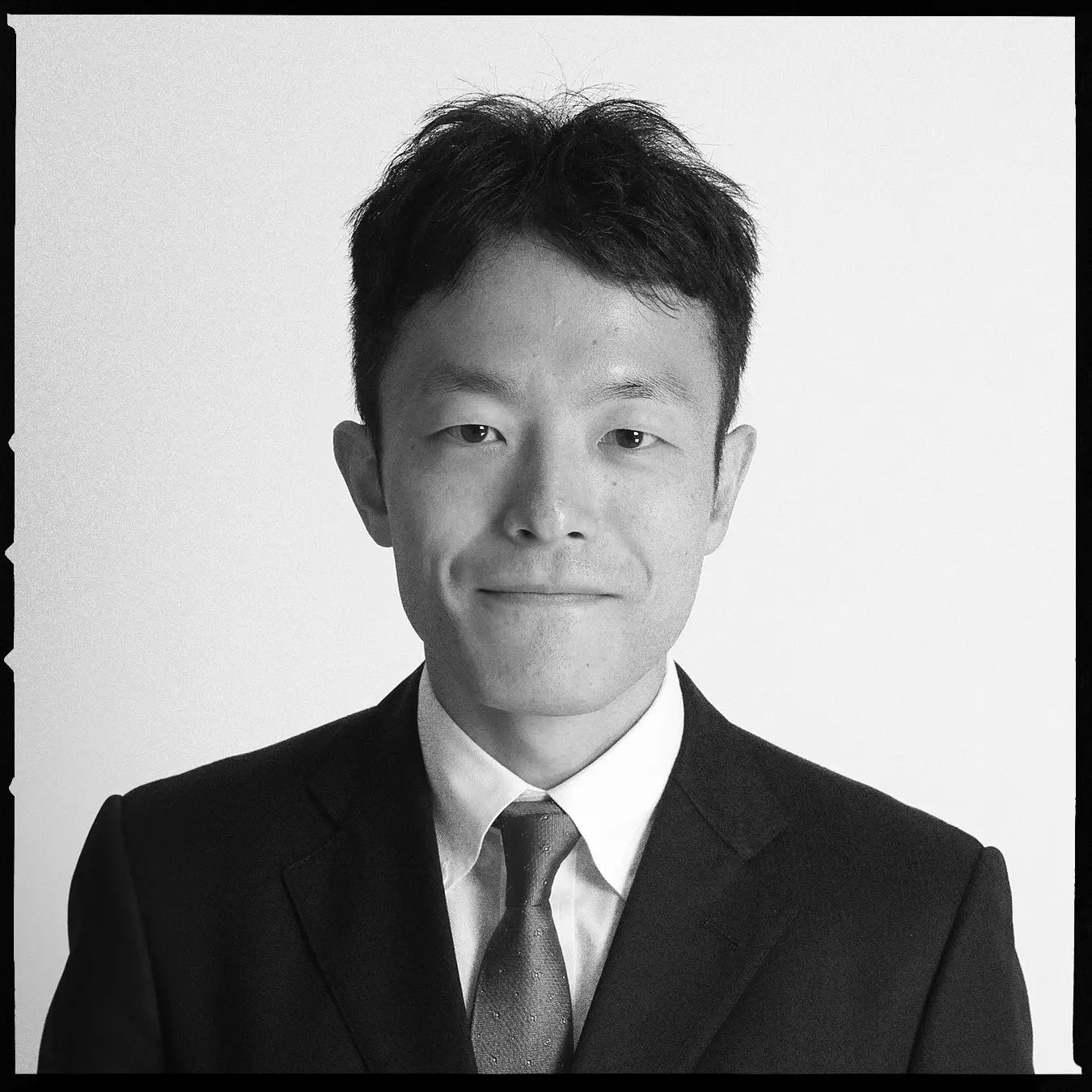 |
2022 | Haruki Watanabe | The University of Tokyo | |
For pioneering theoretical work formulating novel phases of non-equilibrium quantum matter, including time crystals. |
||||
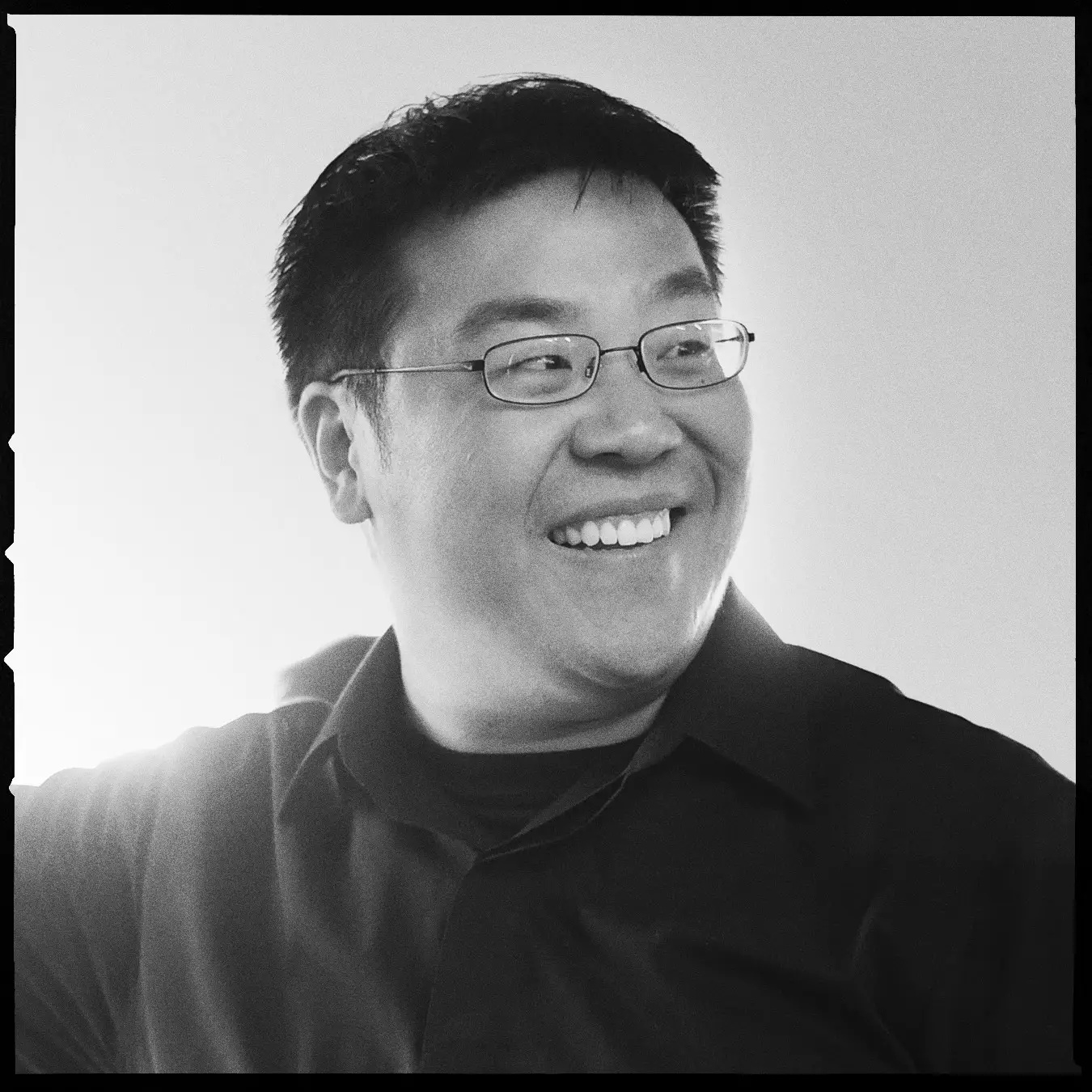 |
2022 | Norman Y. Yao | University of California | |
For pioneering theoretical work formulating novel phases of non-equilibrium quantum matter, including time crystals. |
||||
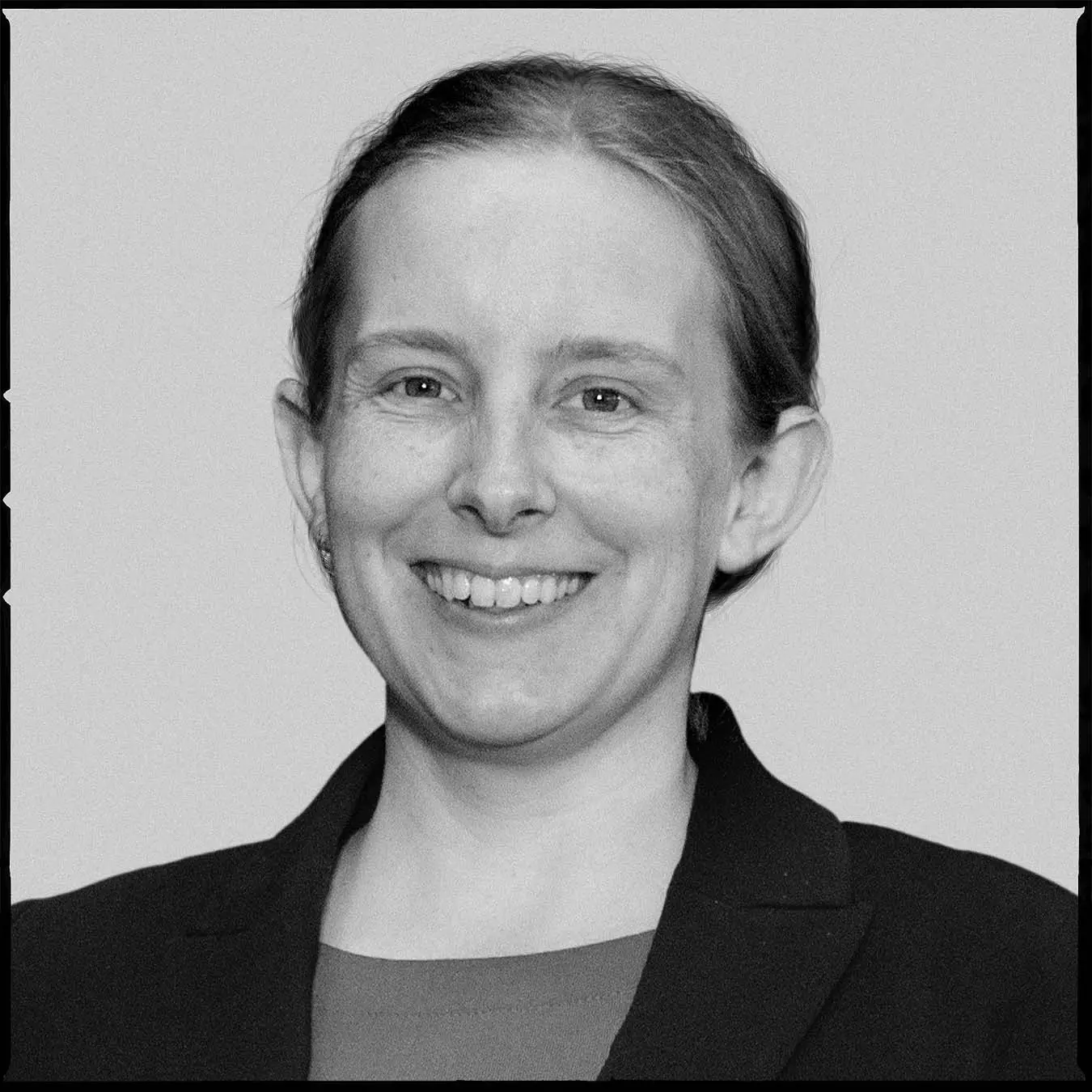 |
2021 | Tracy Slatyer | Massachusetts Institute of Technology | |
For major contributions to particle astrophysics, from models of dark matter to the discovery of the “Fermi Bubbles.” |
||||
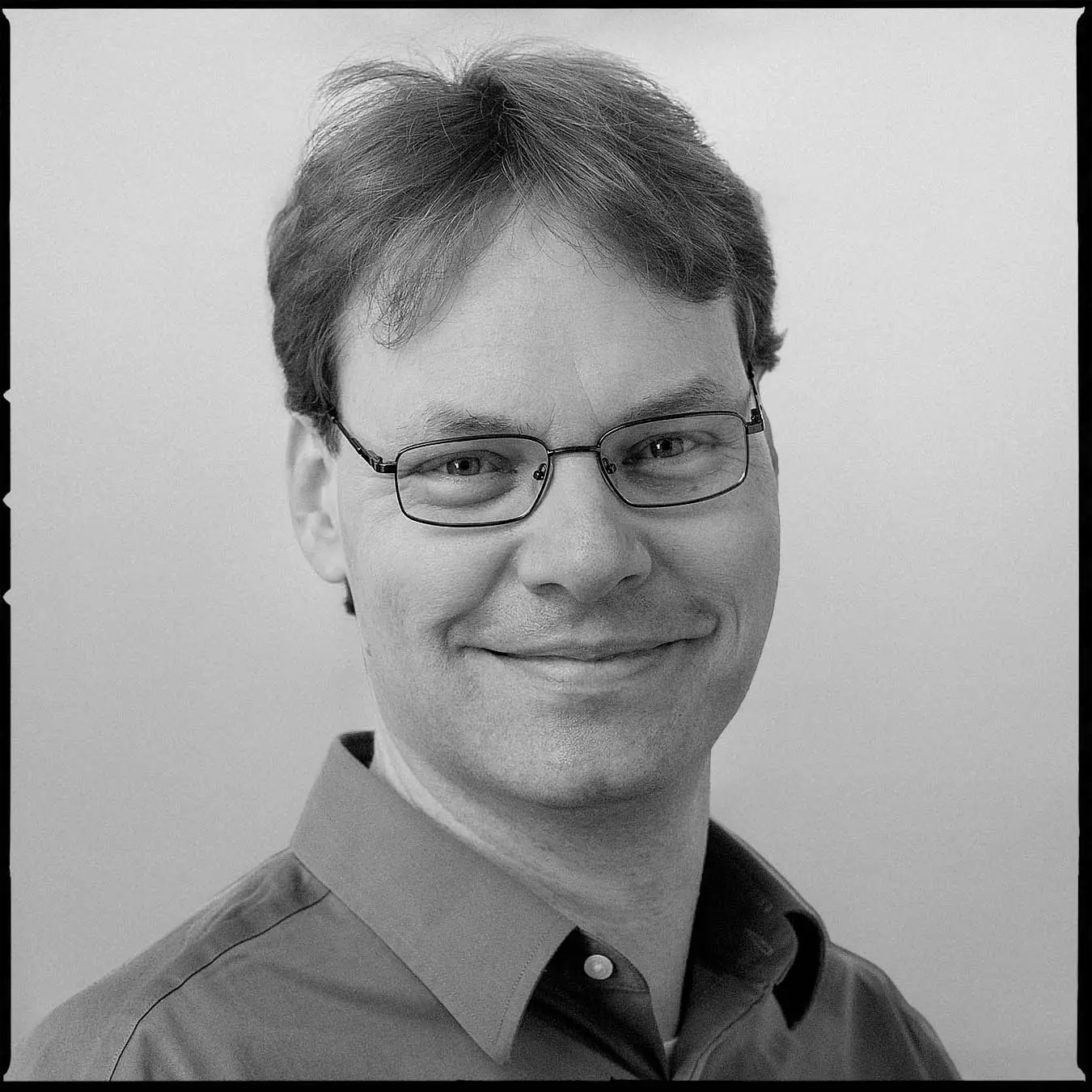 |
2021 | Rouven Essig | Stony Brook University | |
For advances in the detection of sub-GeV dark matter especially in regards to the SENSEI experiment. |
||||
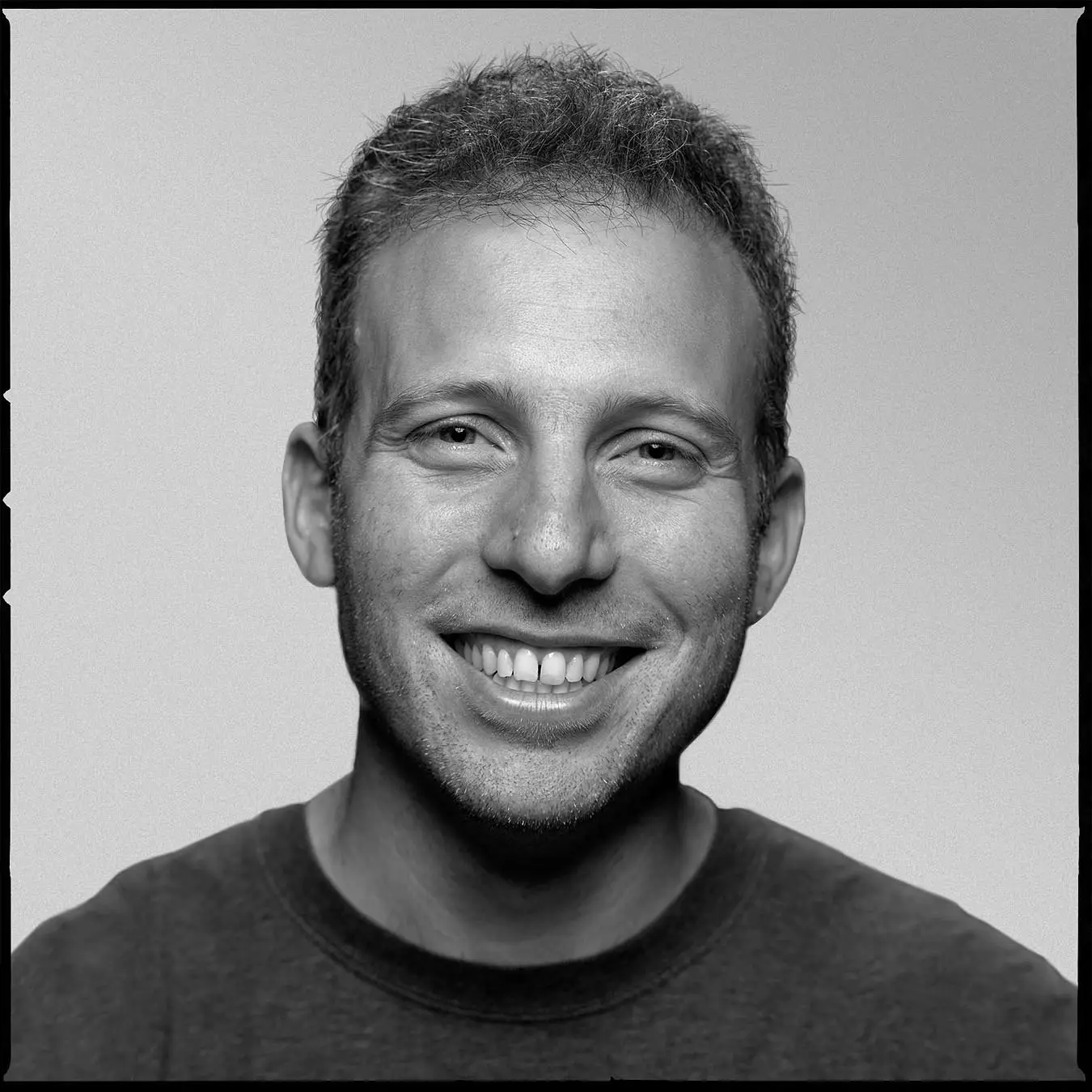 |
2021 | Javier Tiffenberg | Fermi National Accelerator Laboratory | |
For advances in the detection of sub-GeV dark matter especially in regards to the SENSEI experiment. |
||||
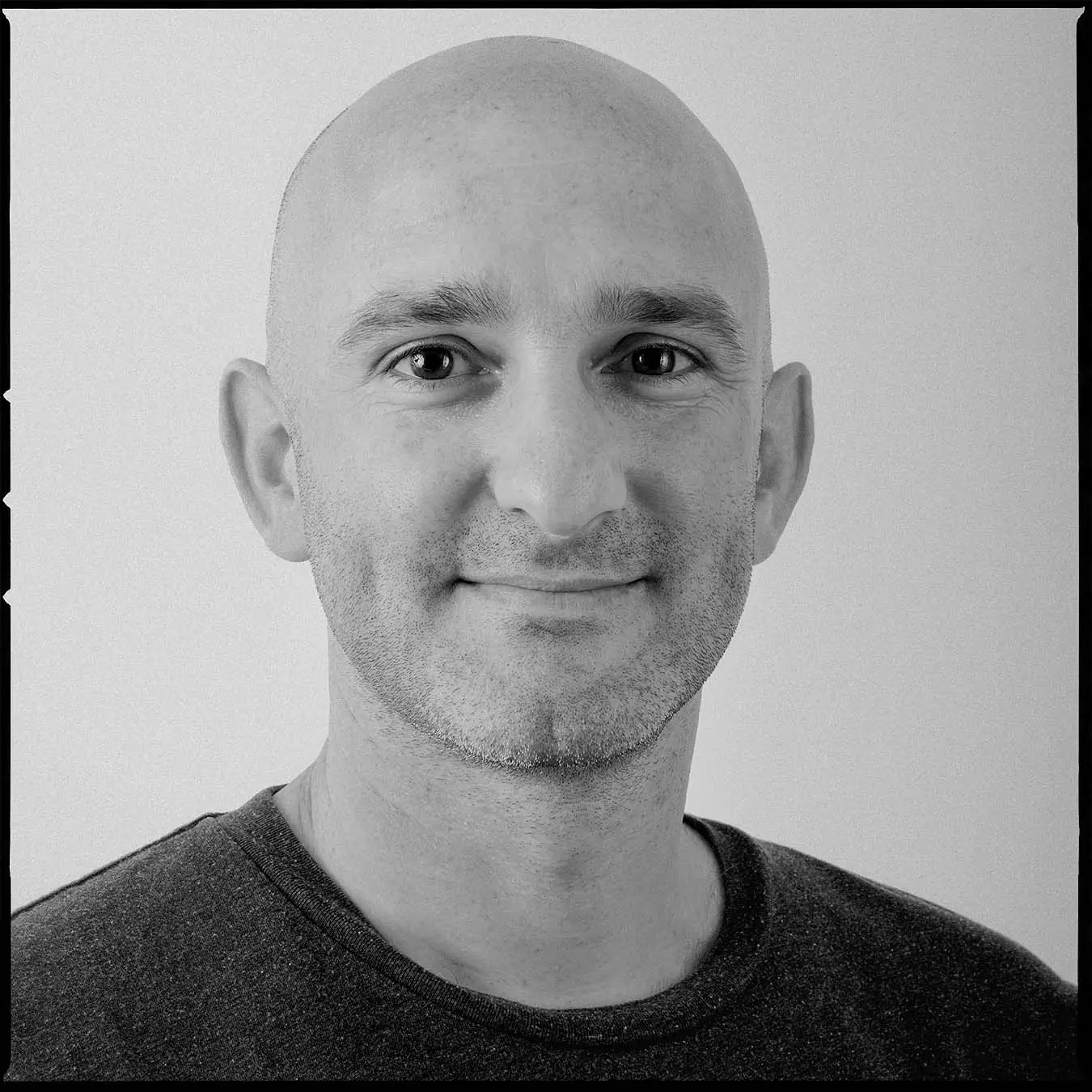 |
2021 | Tomer Volansky | Tel Aviv University | |
For advances in the detection of sub-GeV dark matter especially in regards to the SENSEI experiment. |
||||
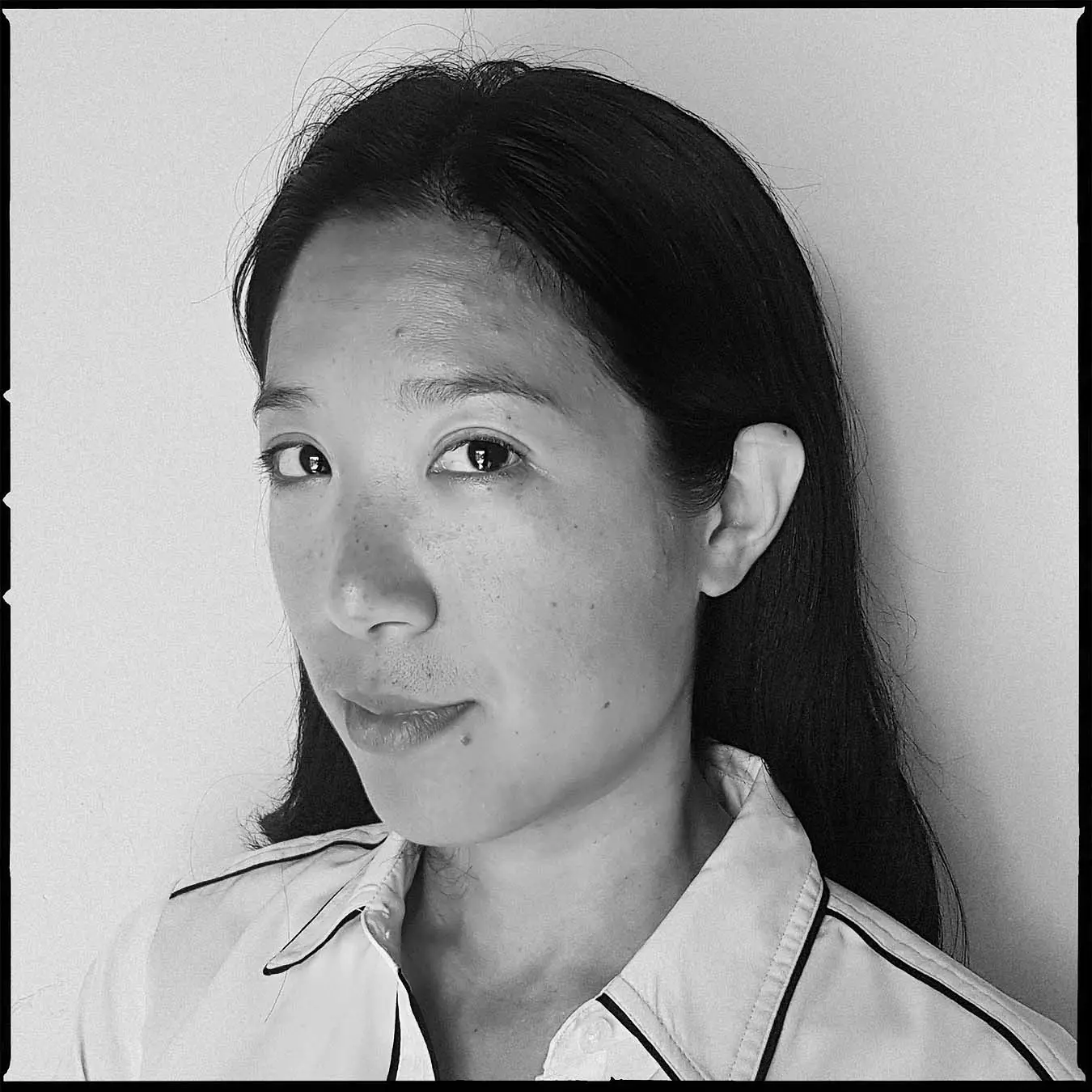 |
2021 | Tien-Tien Yu | University of Oregon | |
For advances in the detection of sub-GeV dark matter especially in regards to the SENSEI experiment. |
||||
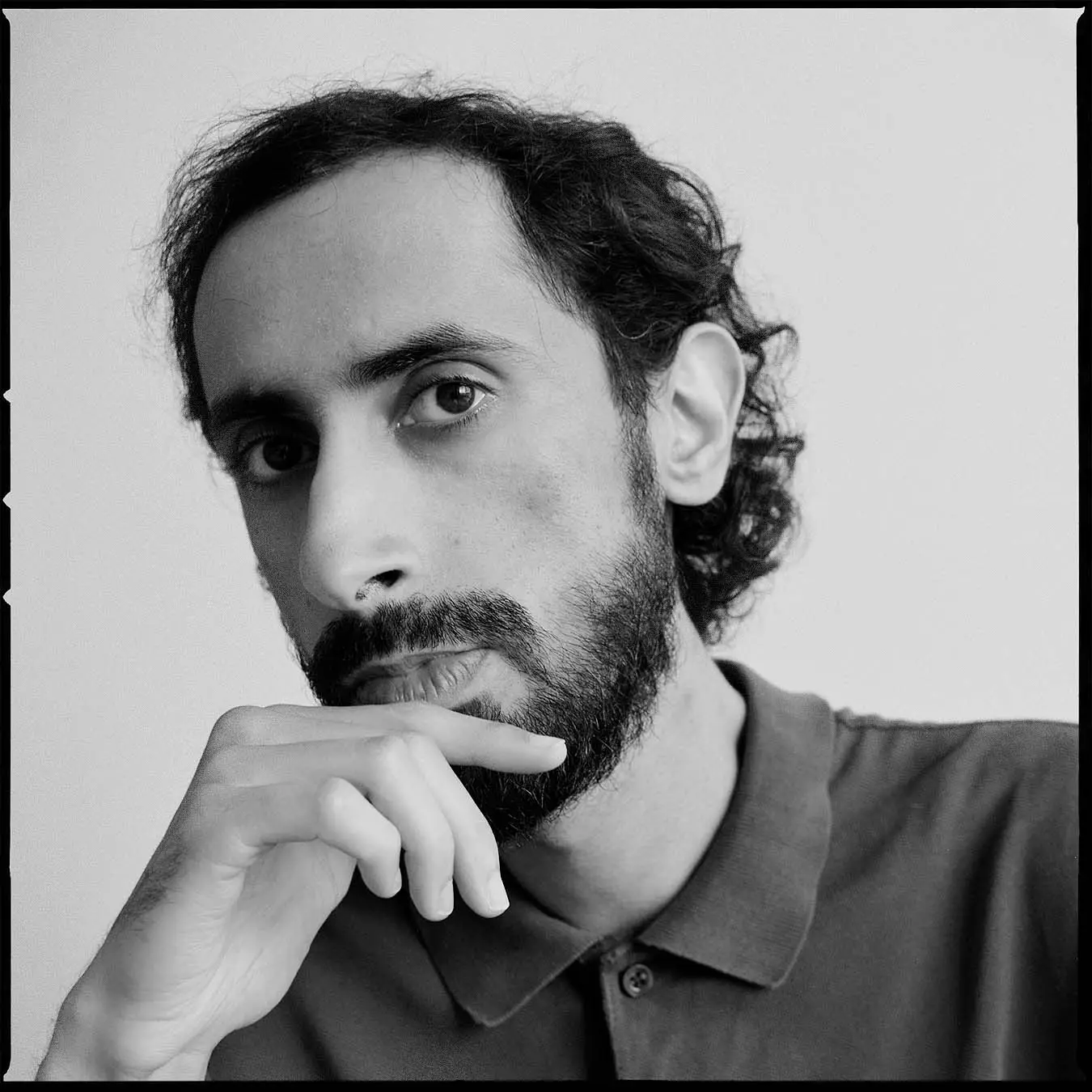 |
2021 | Ahmed Almheiri | Institute for Advanced Study | |
For calculating the quantum information content of a black hole and its radiation. |
||||
 |
2021 | Netta Engelhardt | Massachusetts Institute of Technology | |
For calculating the quantum information content of a black hole and its radiation. |
||||
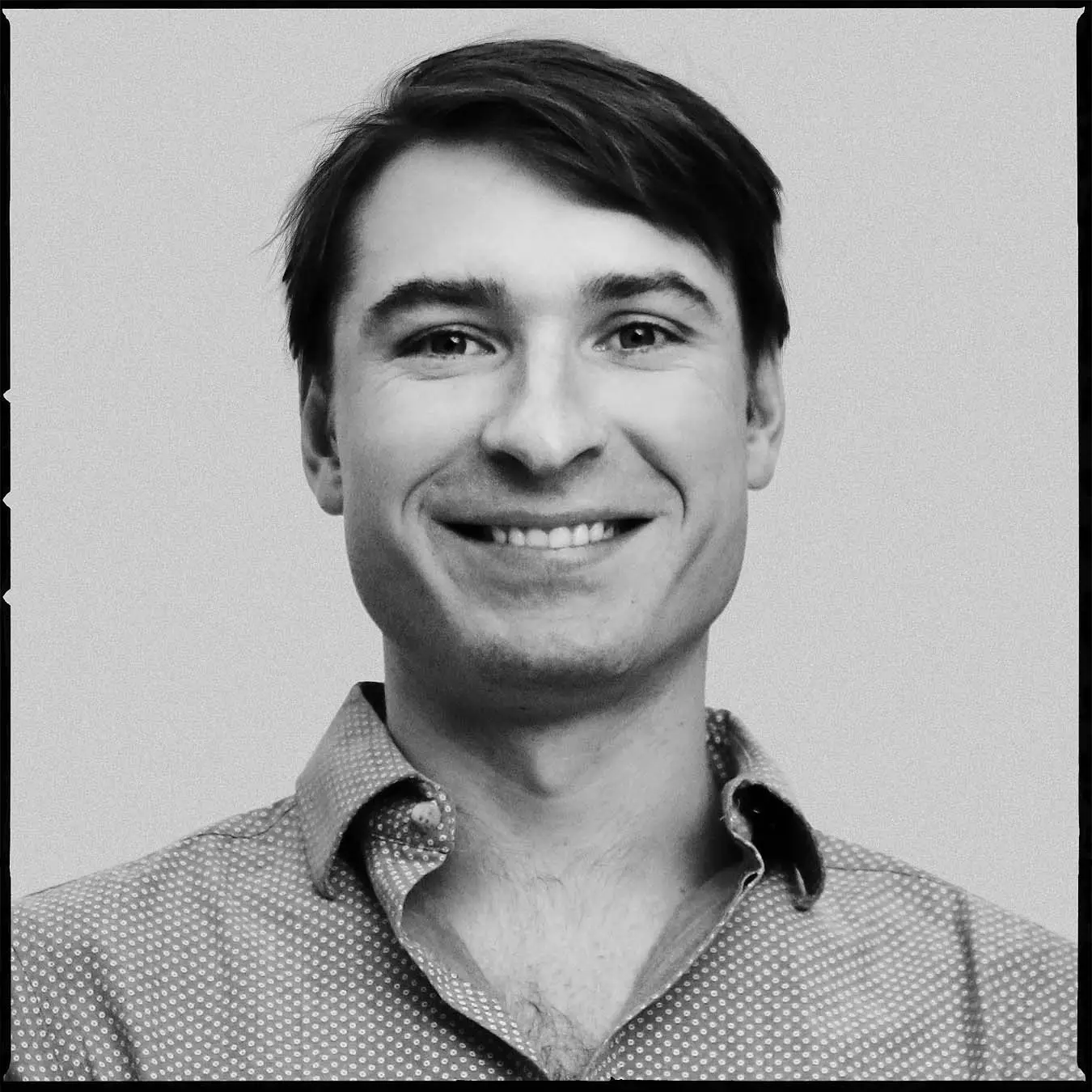 |
2021 | Henry Maxfield | University of California Santa Barbara | |
For calculating the quantum information content of a black hole and its radiation. |
||||
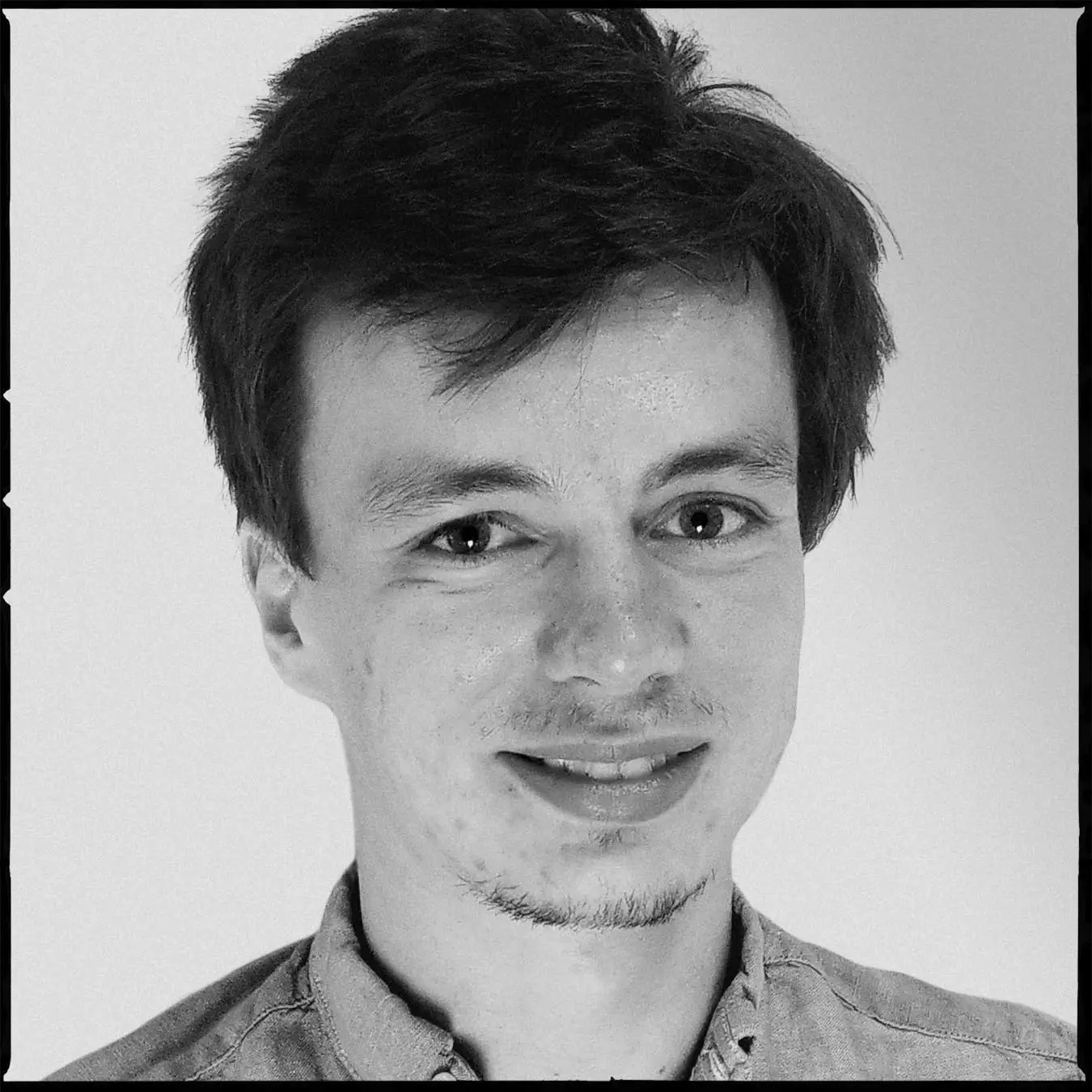 |
2021 | Geoff Penington | University of California | |
For calculating the quantum information content of a black hole and its radiation. |
||||
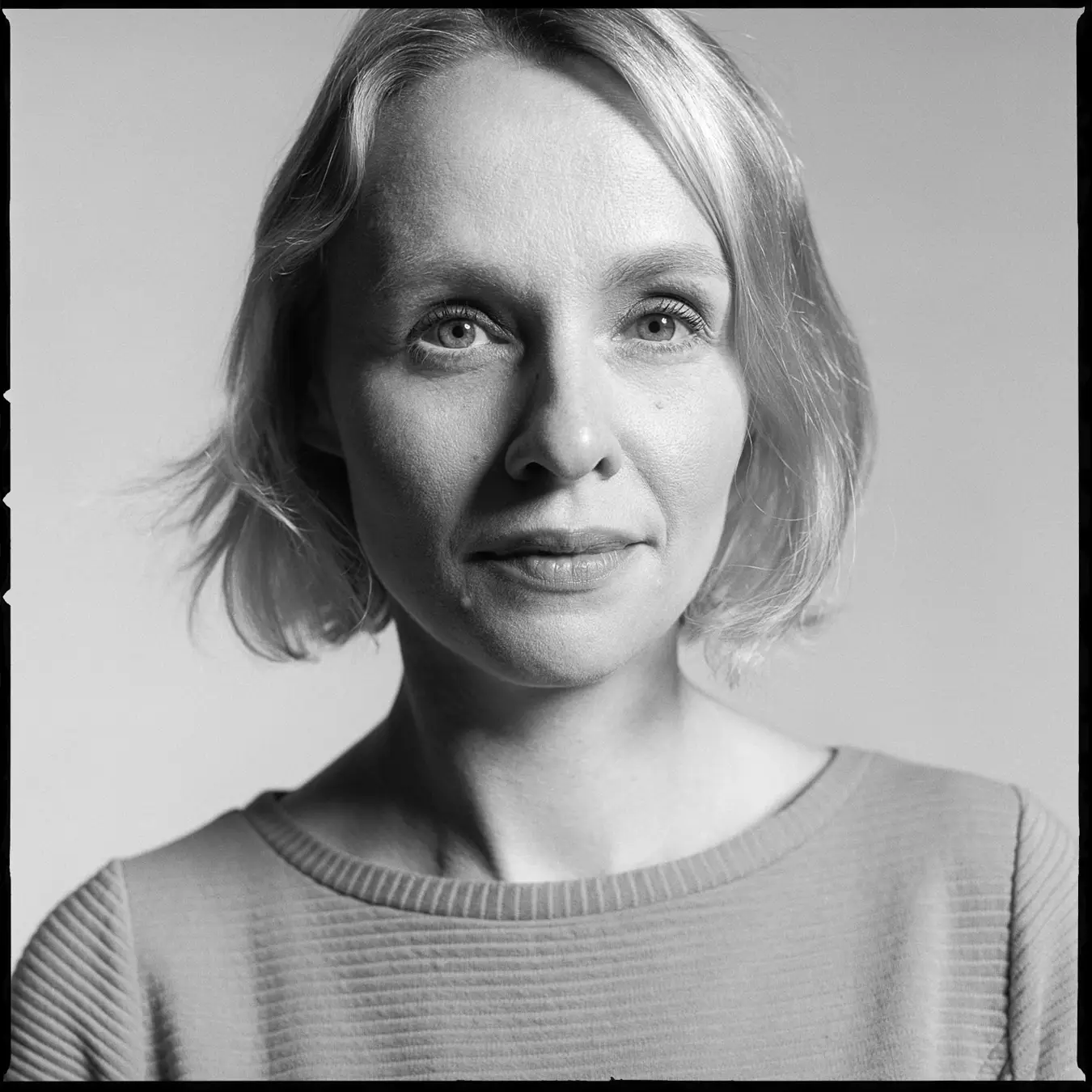 |
2020 | Jo Dunkley | Princeton University | |
For the development of novel techniques to extract fundamental physics from astronomical data. |
||||
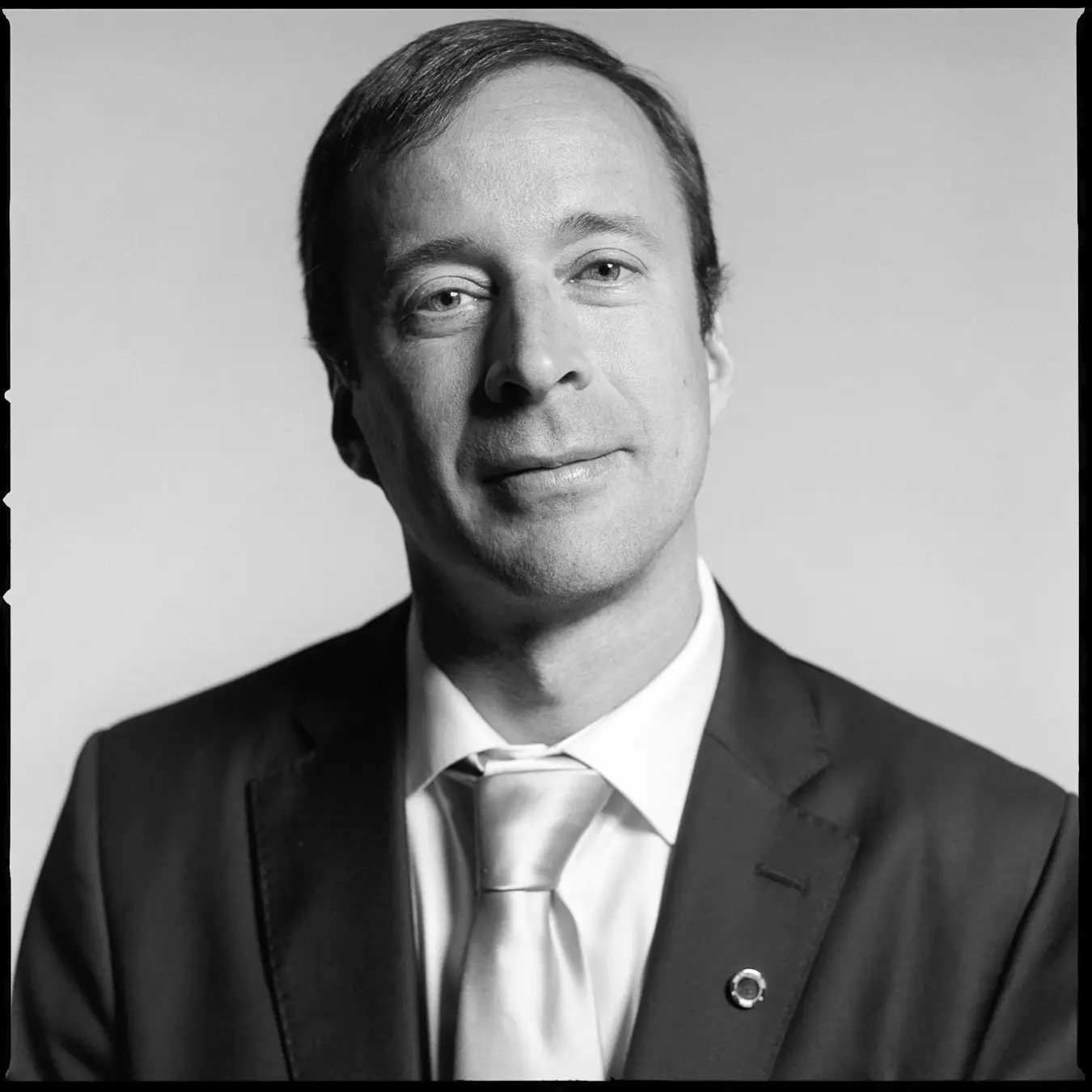 |
2020 | Kendrick Smith | Perimeter Institute | |
For the development of novel techniques to extract fundamental physics from astronomical data. |
||||
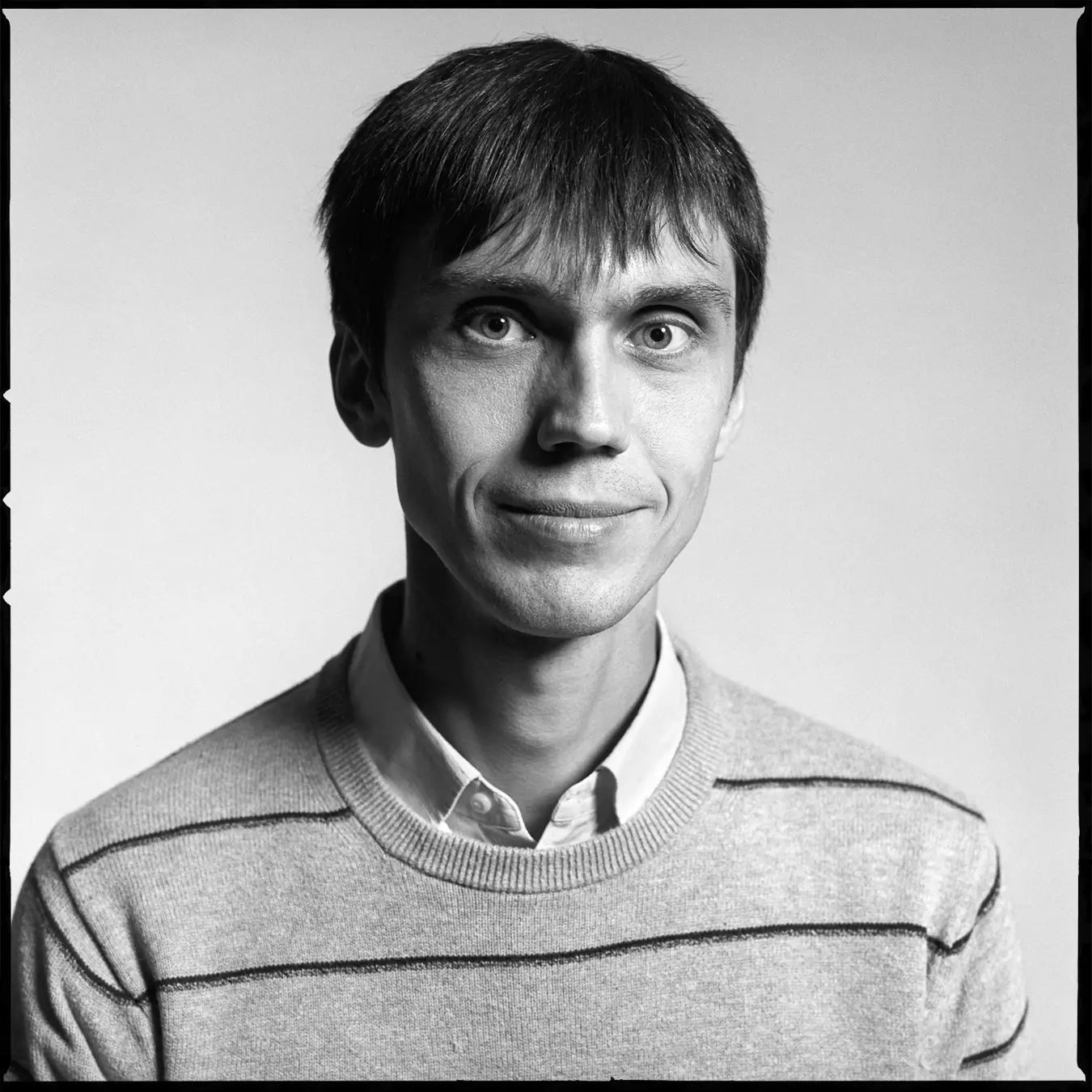 |
2020 | Lukasz Fidkowski | University of Washington | |
For incisive contributions to the understanding of topological states of matter and the relationships between them. |
||||
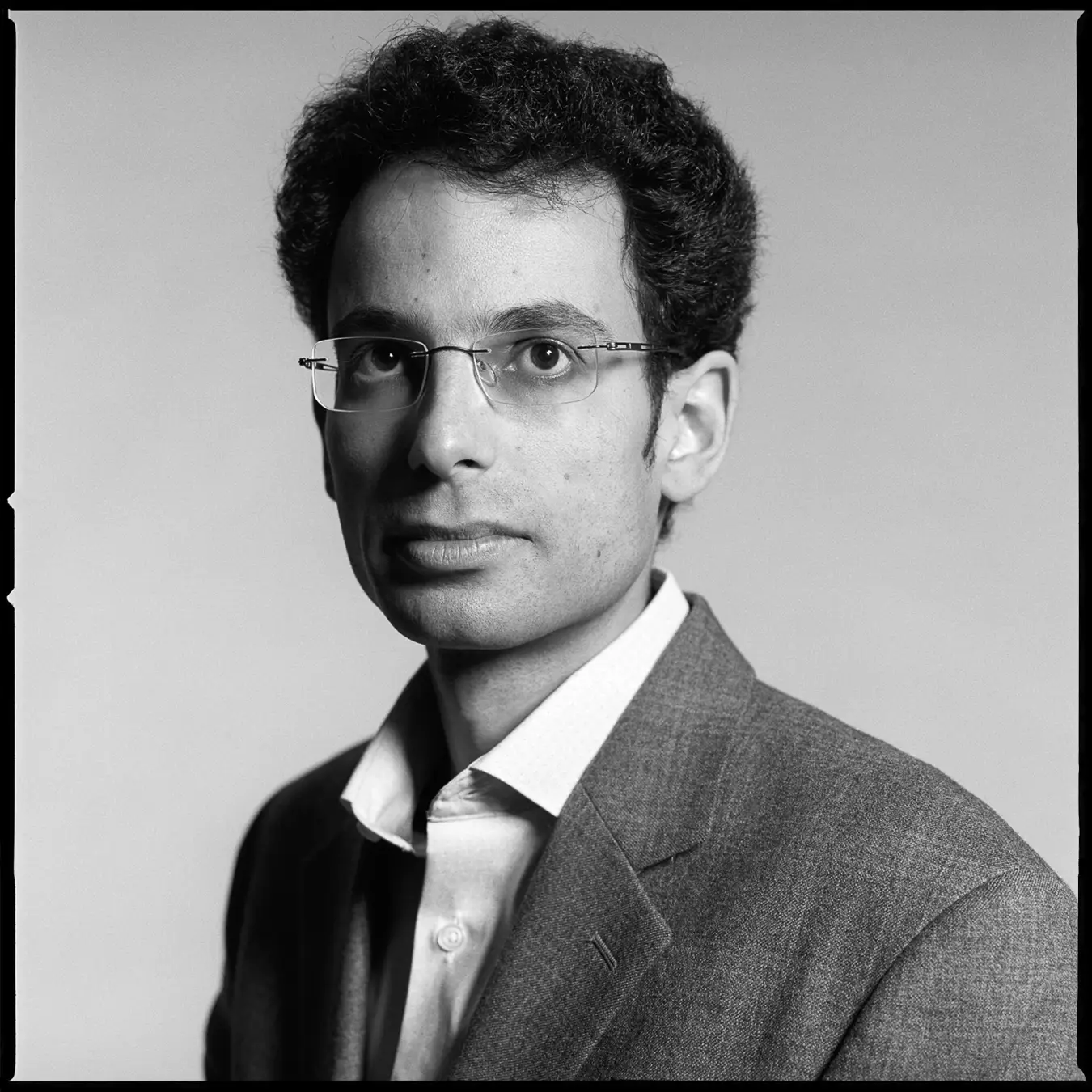 |
2020 | Max A. Metlitski | Massachusetts Institute of Technology | |
For incisive contributions to the understanding of topological states of matter and the relationships between them. |
||||
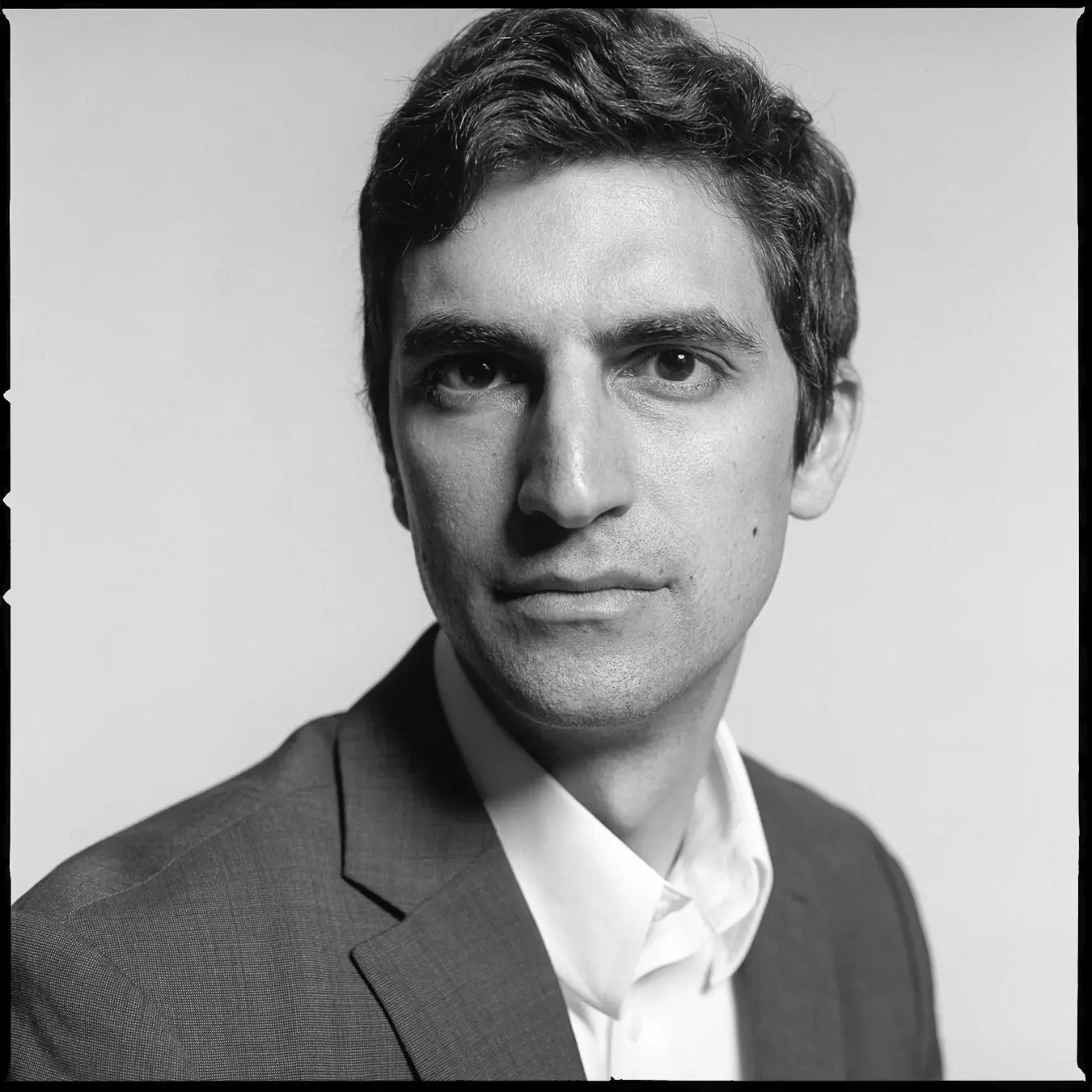 |
2020 | Michael Levin | University of Chicago | |
For incisive contributions to the understanding of topological states of matter and the relationships between them. |
||||
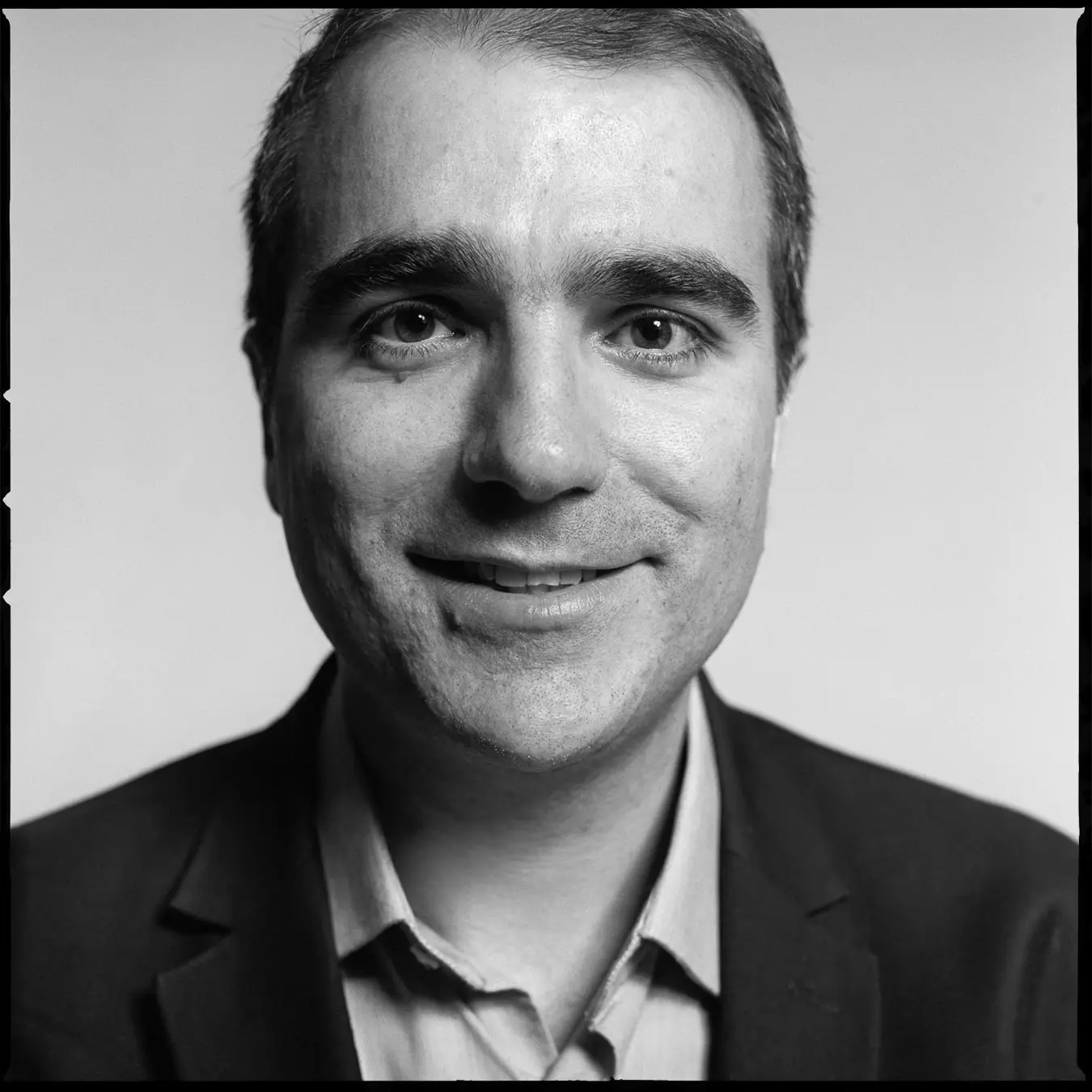 |
2020 | Pedro Vieira | Perimeter Institute and ICTP-SAIFR | |
For profound contributions to the understanding of quantum field theory. |
||||
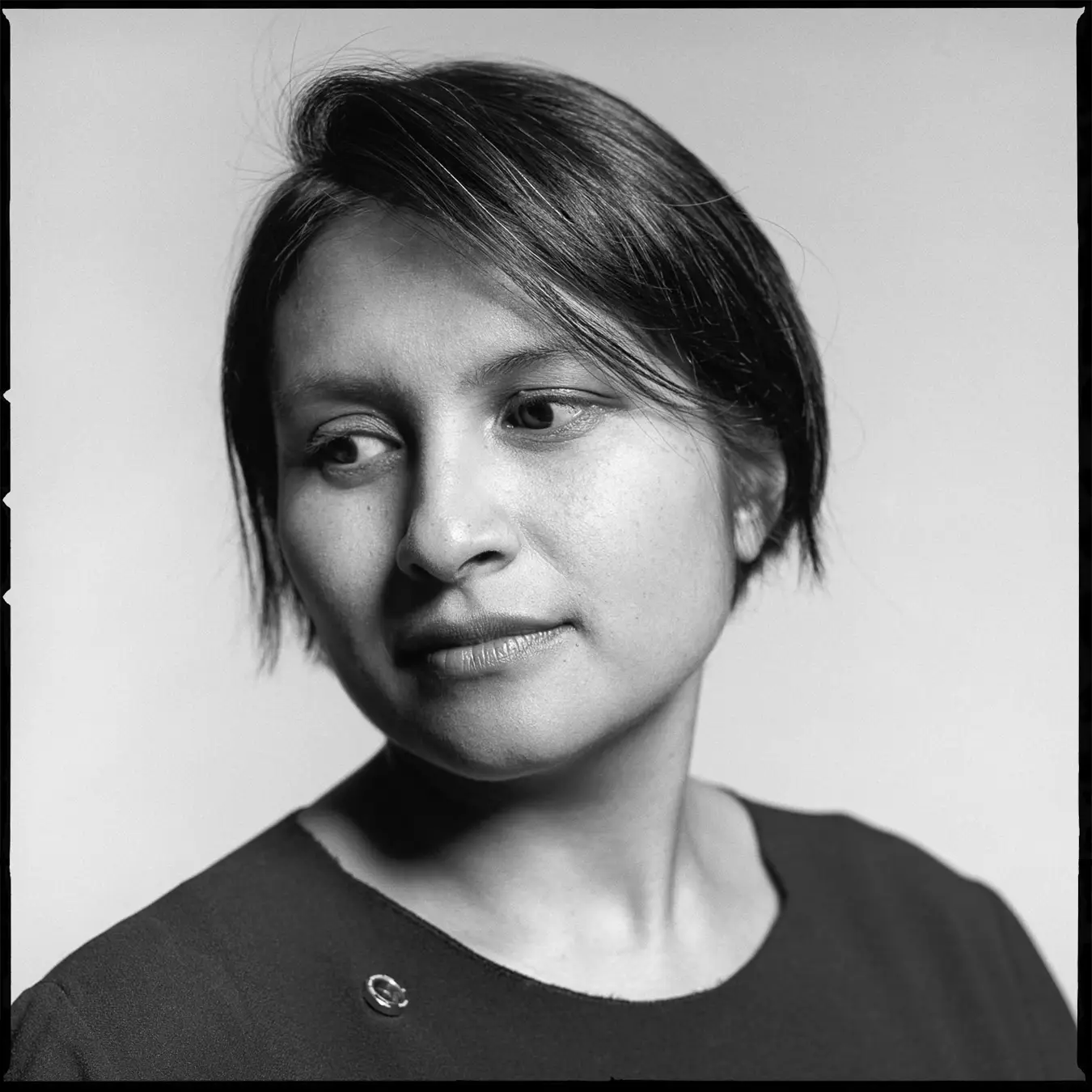 |
2020 | Samaya Nissanke | University of Amsterdam | |
For the development of novel techniques to extract fundamental physics from astronomical data. |
||||
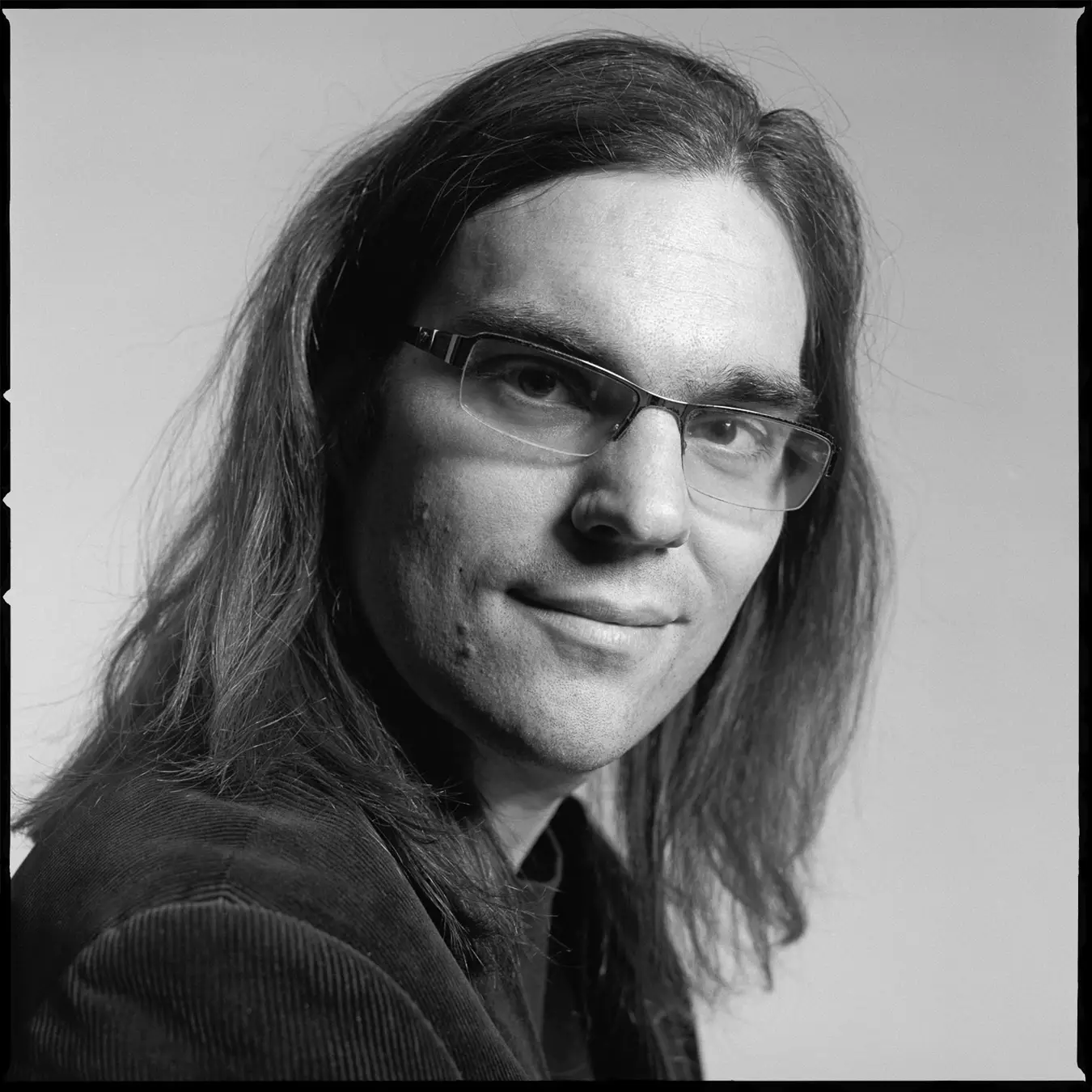 |
2020 | Simon Caron-Huot | McGill University | |
For profound contributions to the understanding of quantum field theory. |
||||
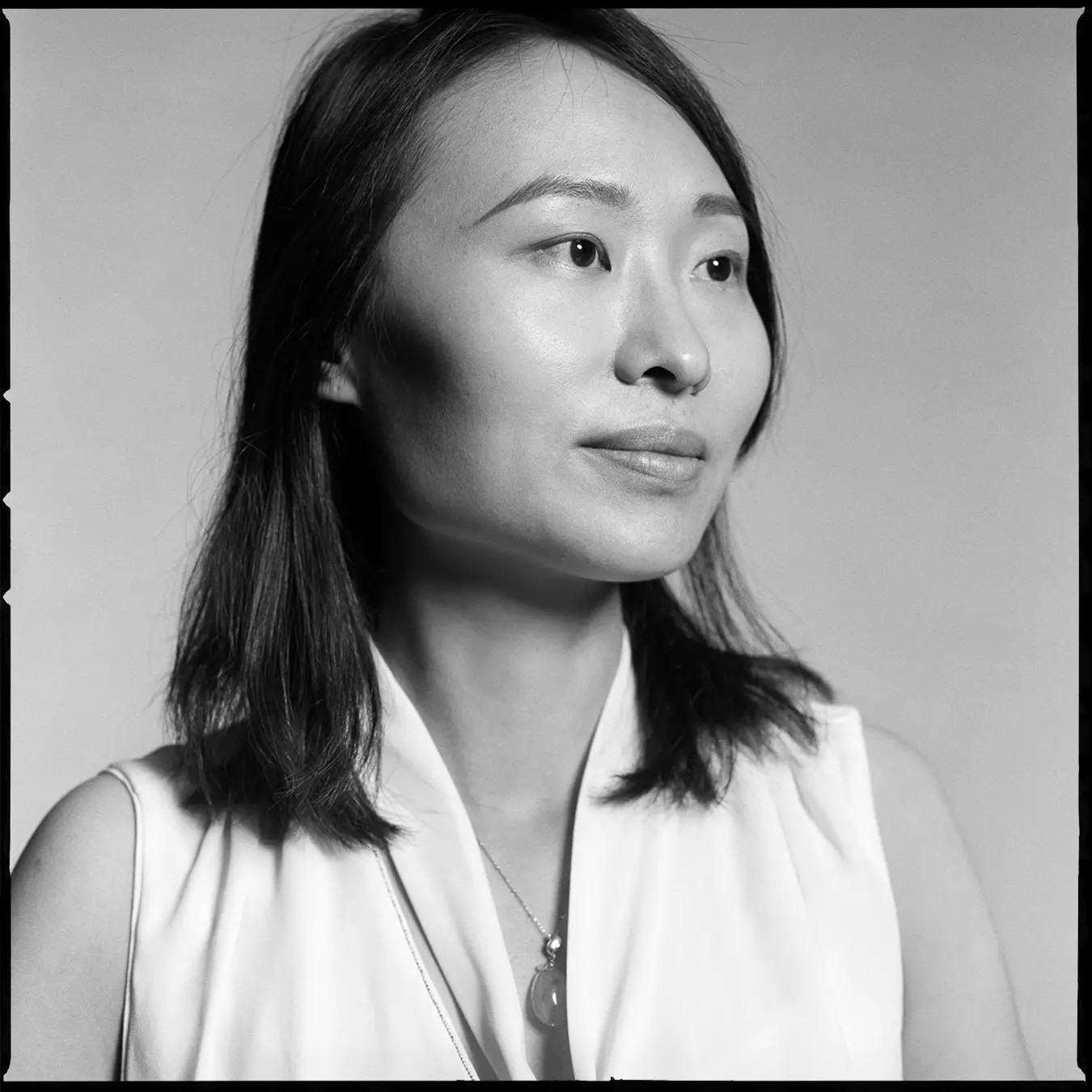 |
2020 | Xie Chen | California Institute of Technology | |
For incisive contributions to the understanding of topological states of matter and the relationships between them. |
||||
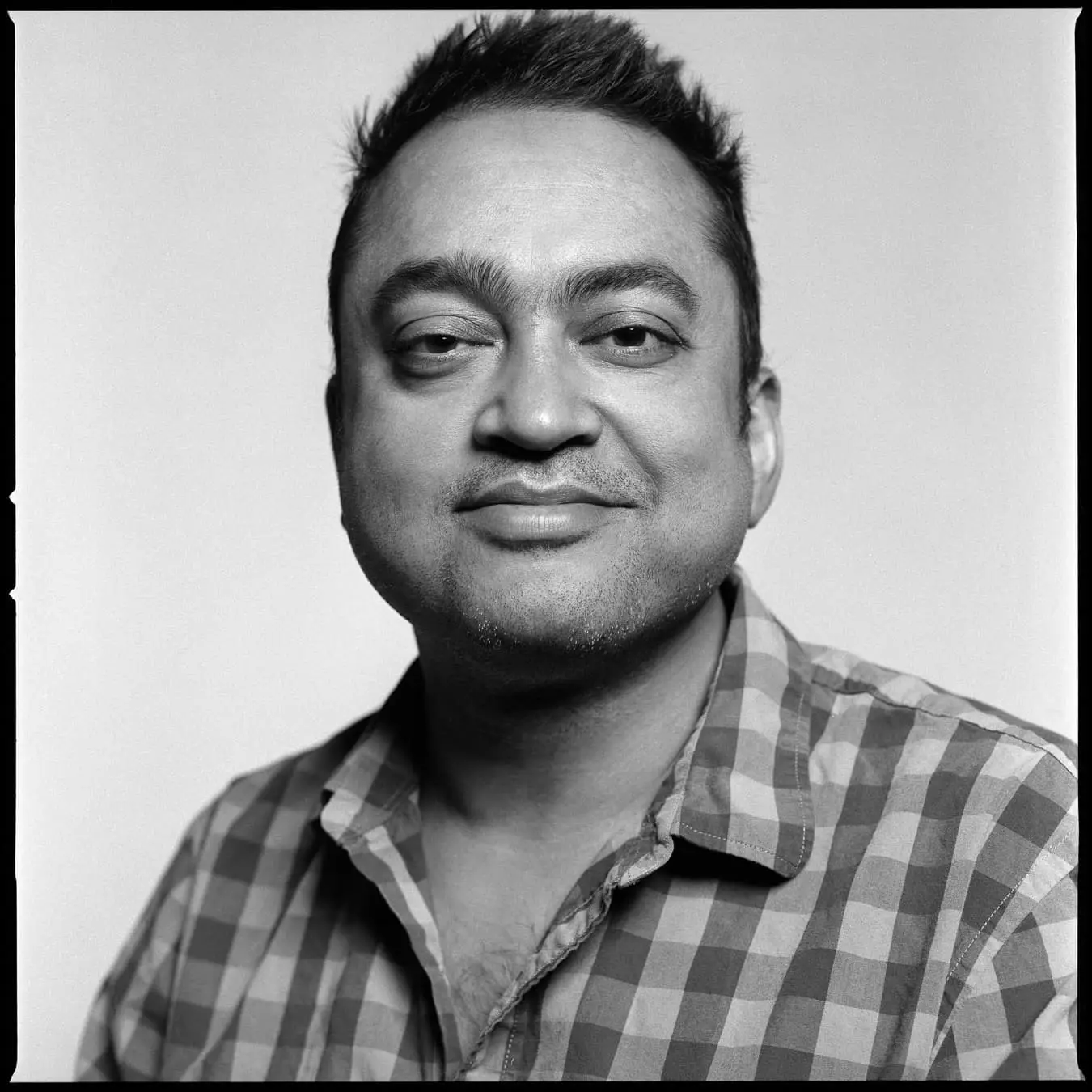 |
2019 | Rana Adhikari | California Institute of Technology | |
For research on present and future ground-based detectors of gravitational waves. |
||||
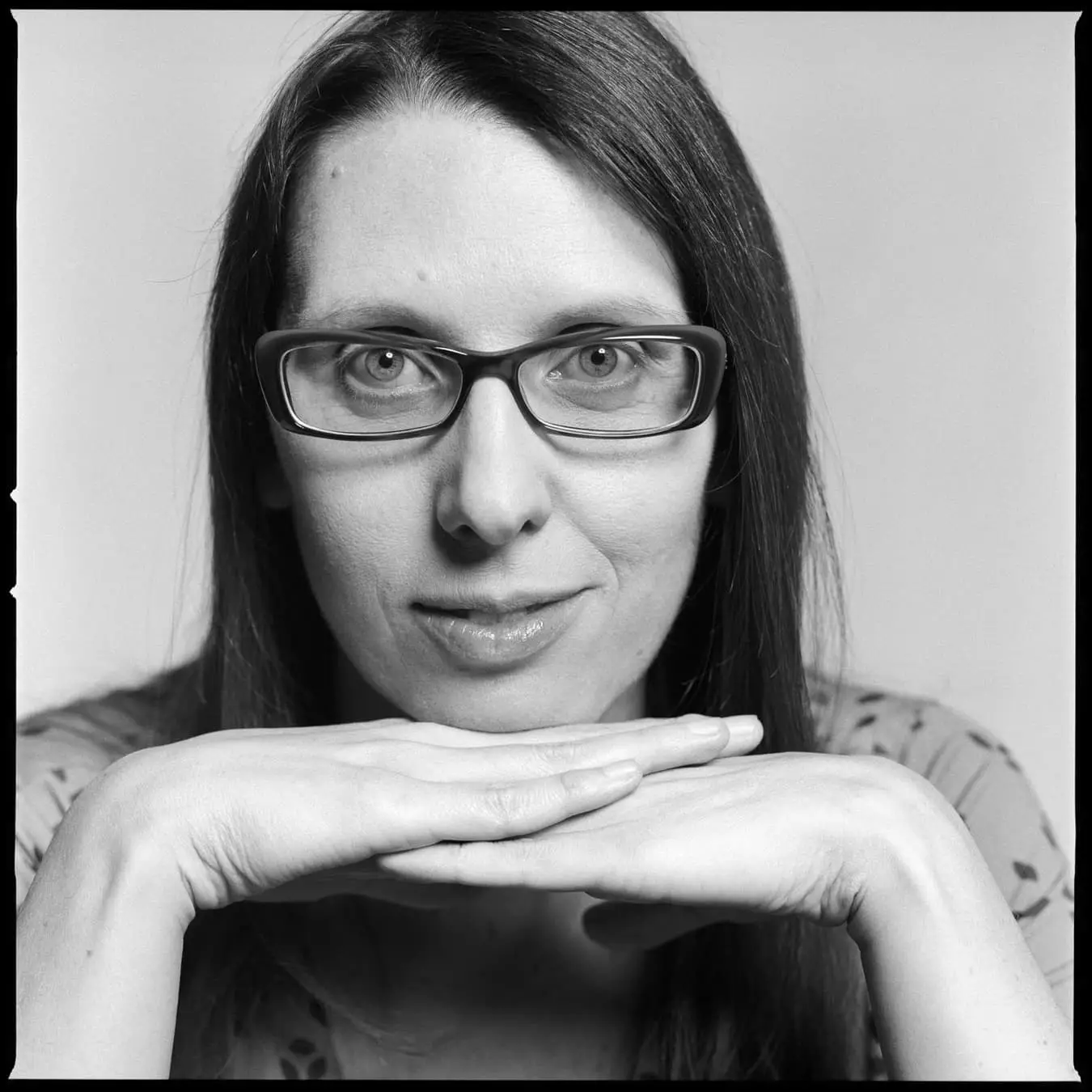 |
2019 | Lisa Barsotti | Massachusetts Institute of Technology | |
For research on present and future ground-based detectors of gravitational waves. |
||||
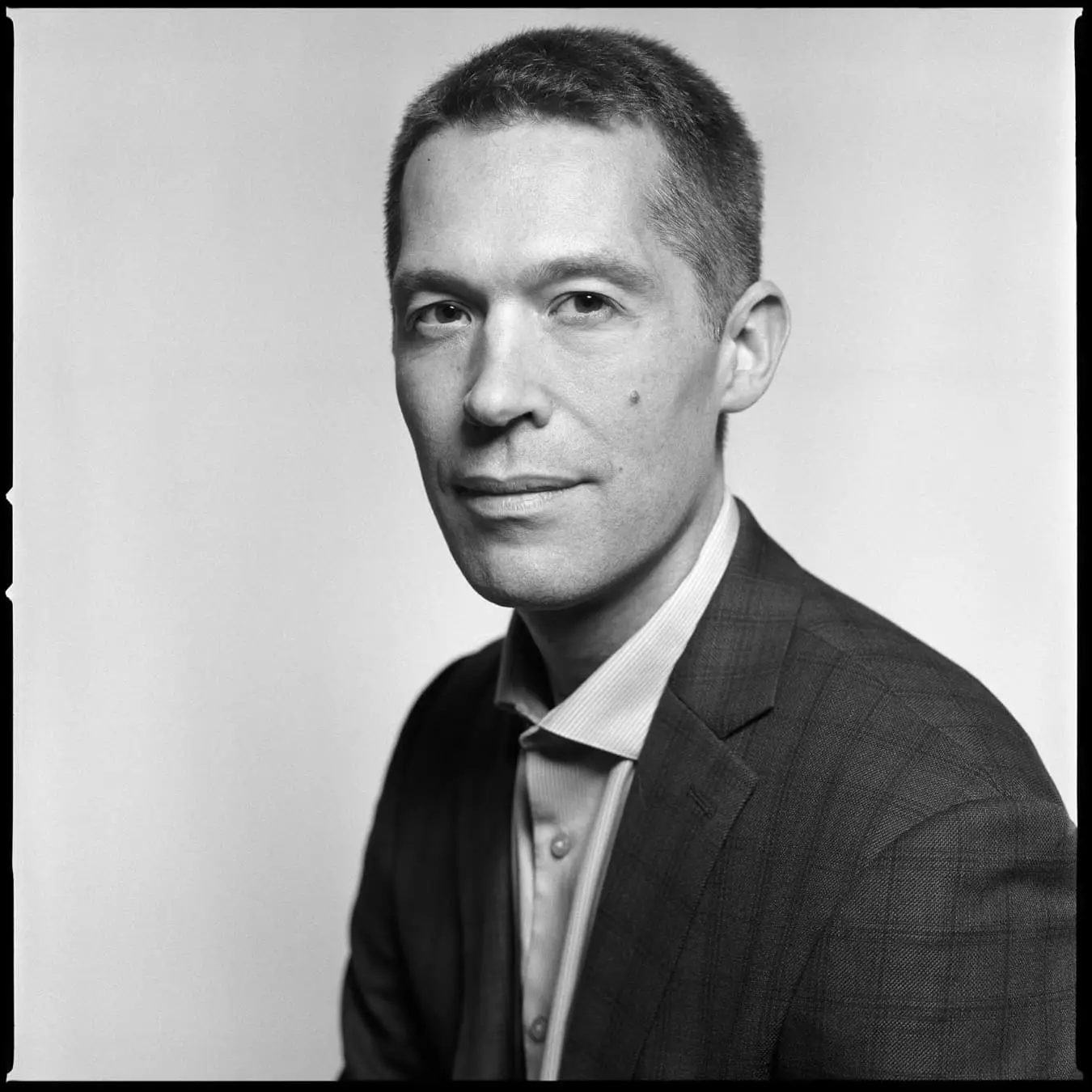 |
2019 | Matthew Evans | Massachusetts Institute of Technology | |
For research on present and future ground-based detectors of gravitational waves. |
||||
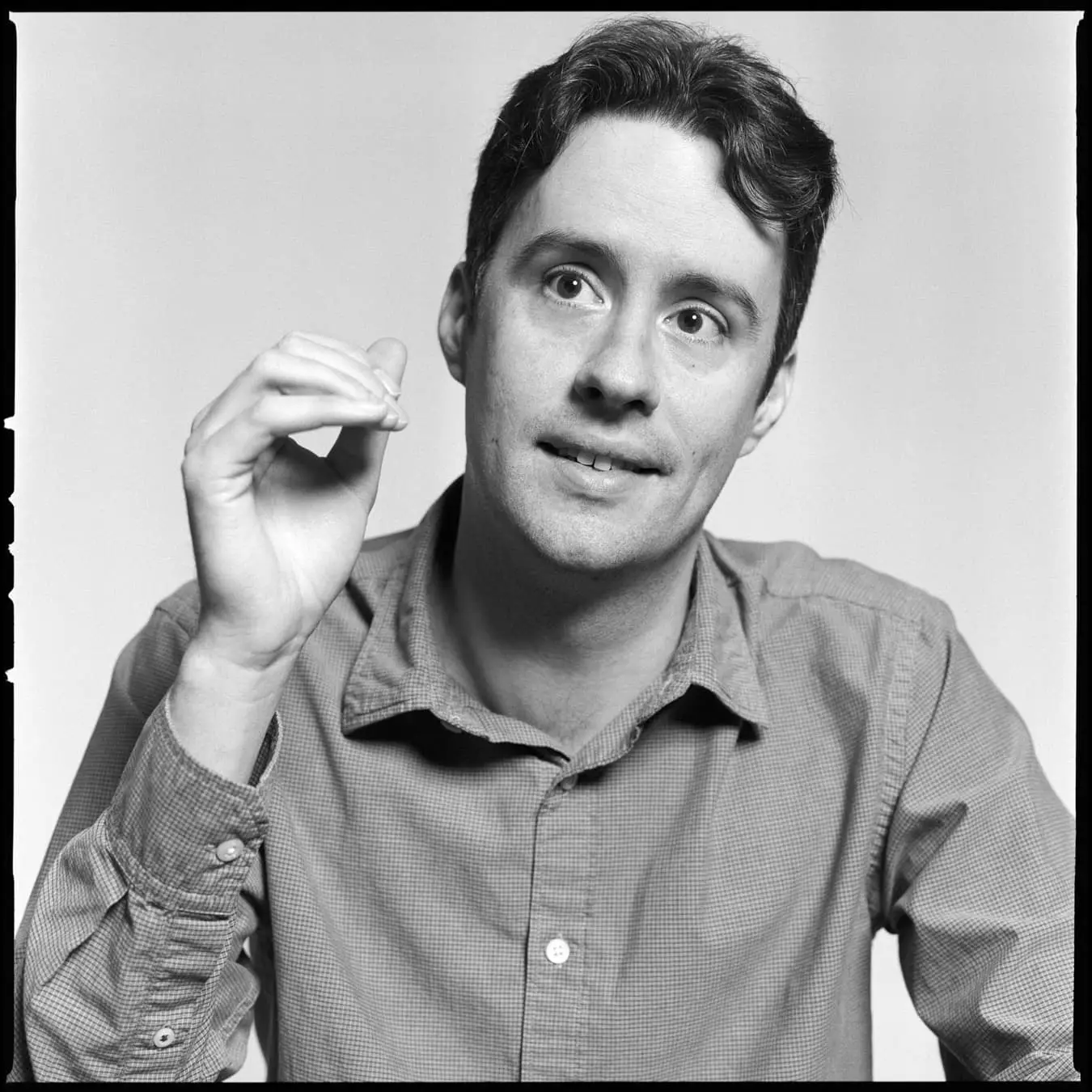 |
2019 | Daniel Harlow | Massachusetts Institute of Technology | |
For fundamental insights about quantum information, quantum field theory, and gravity. |
||||
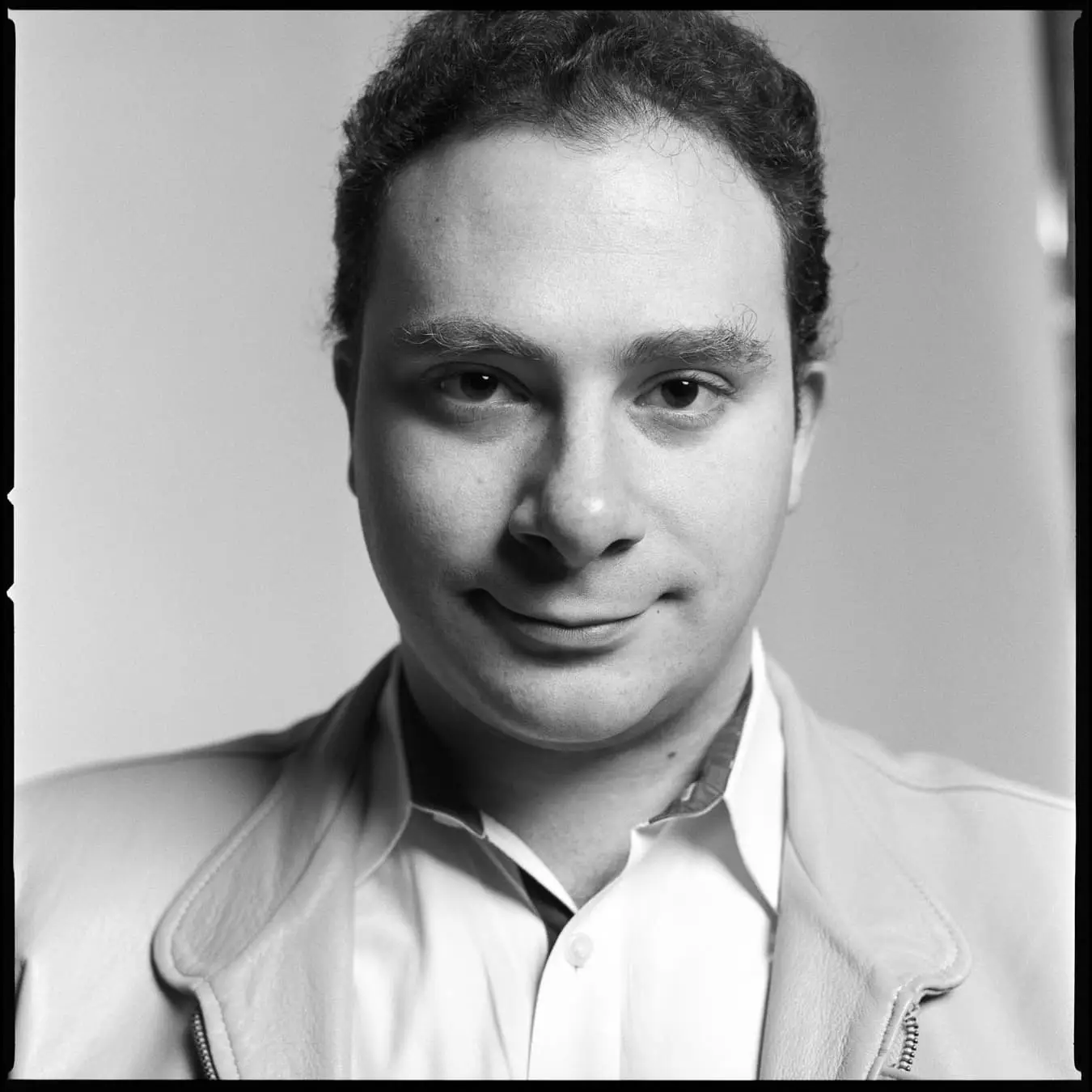 |
2019 | Daniel L. Jafferis | Harvard University | |
For fundamental insights about quantum information, quantum field theory, and gravity |
||||
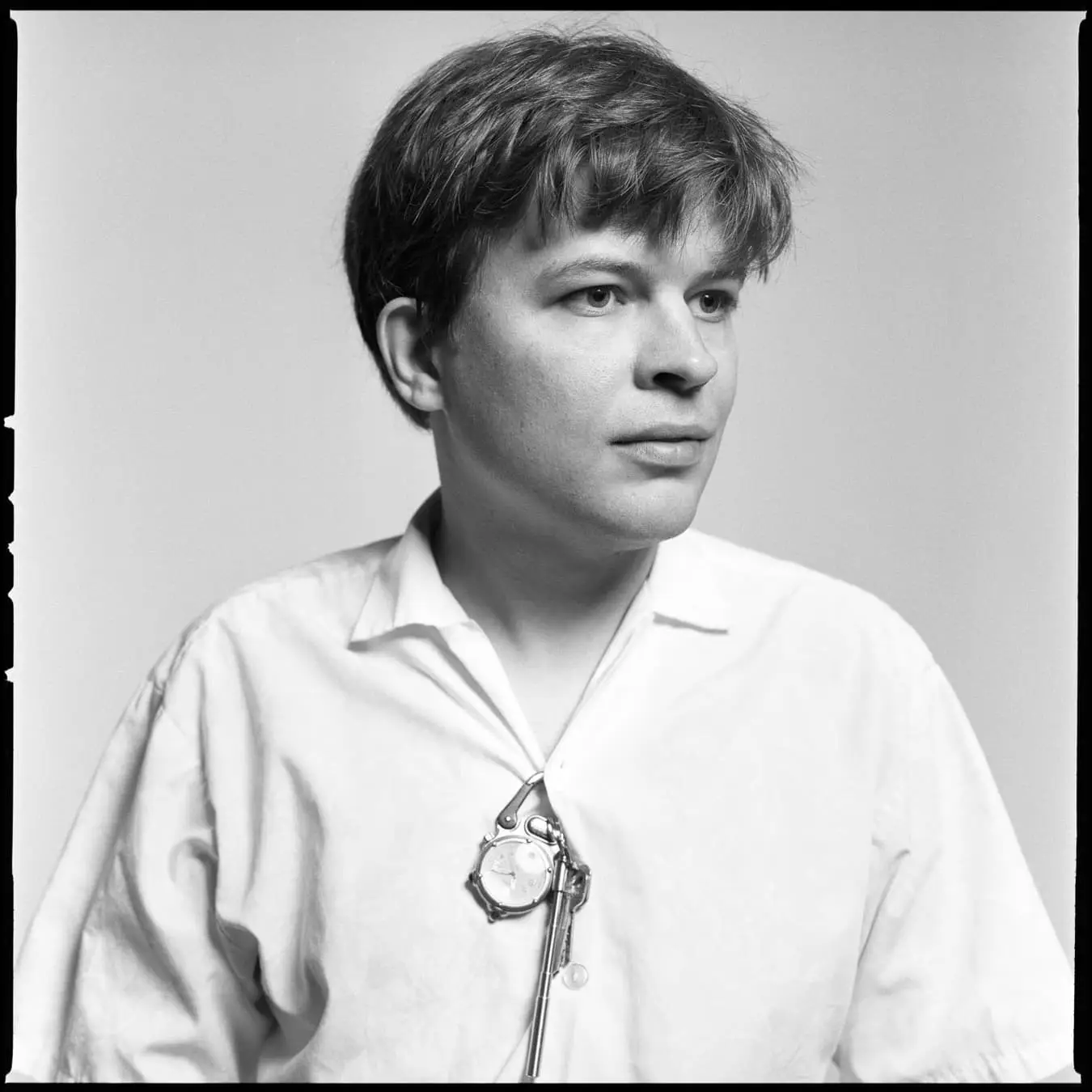 |
2019 | Aron Wall | Stanford University | |
For fundamental insights about quantum information, quantum field theory, and gravity. |
||||
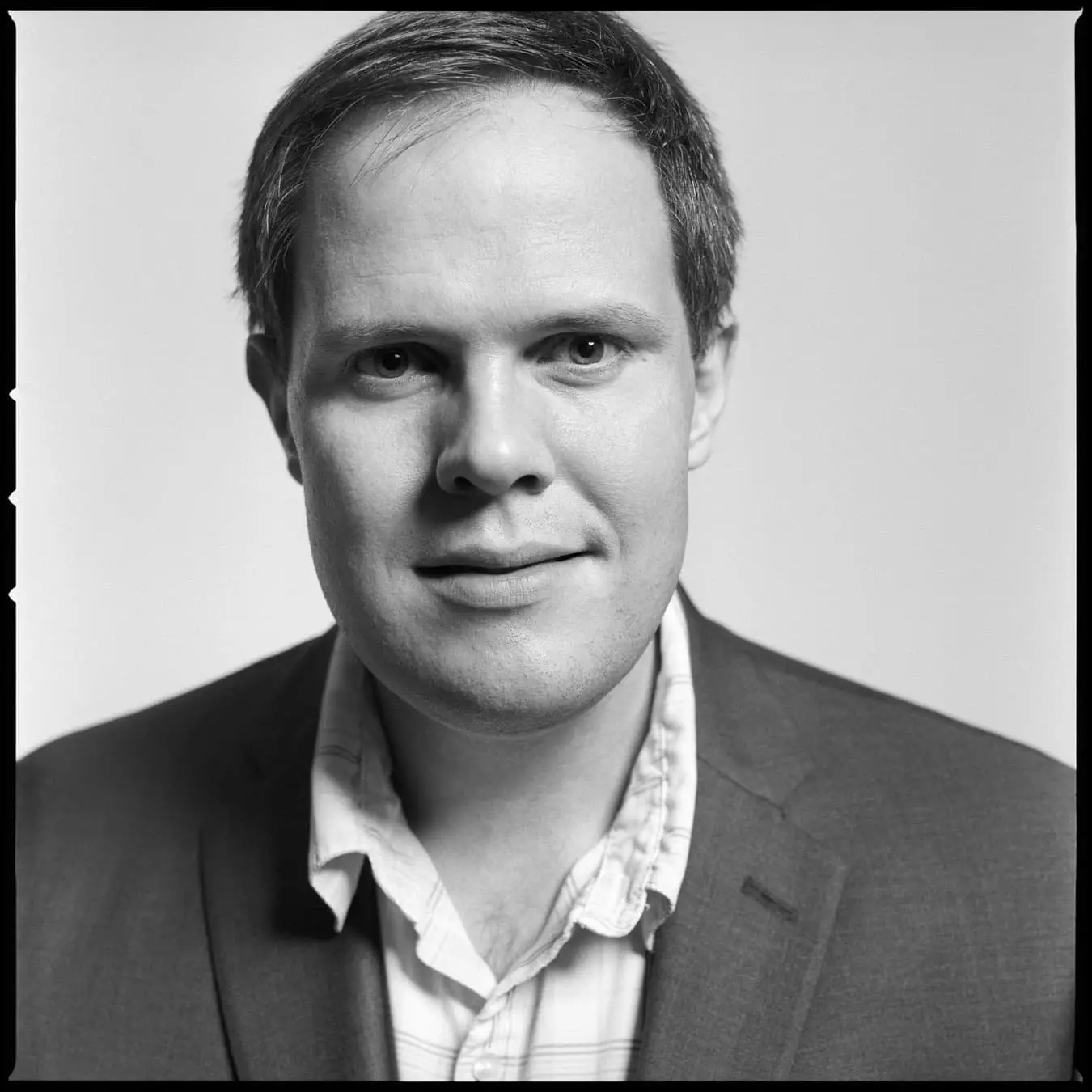 |
2019 | Brian Metzger | Columbia University | |
For pioneering predictions of the electromagnetic signal from a neutron star merger, and for leadership in the emerging field of multi-messenger astronomy. |
||||
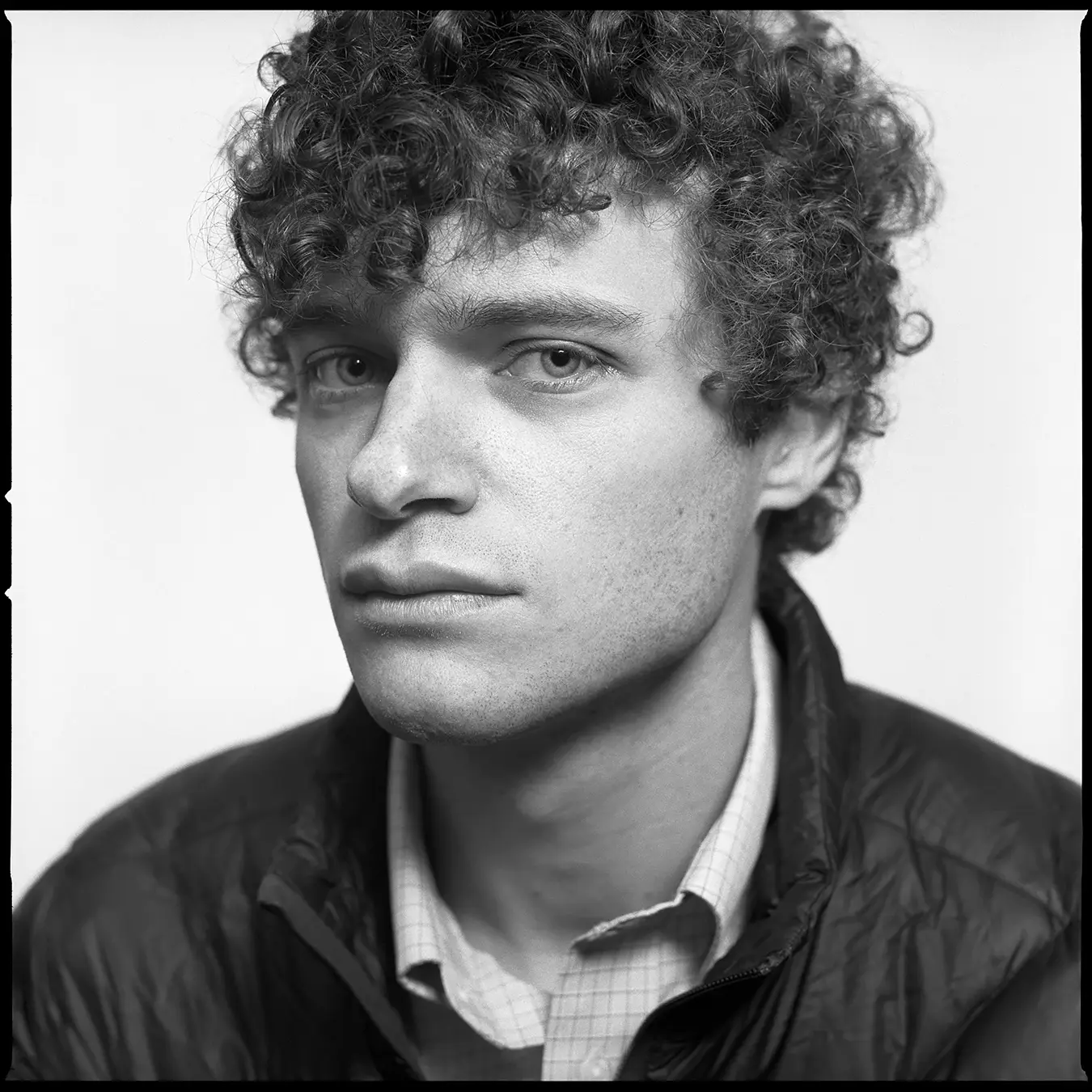 |
2018 | Douglas Stanford | Institute for Advanced Study and Stanford University | |
For profound new insights on quantum chaos and its relation to gravity. |
||||
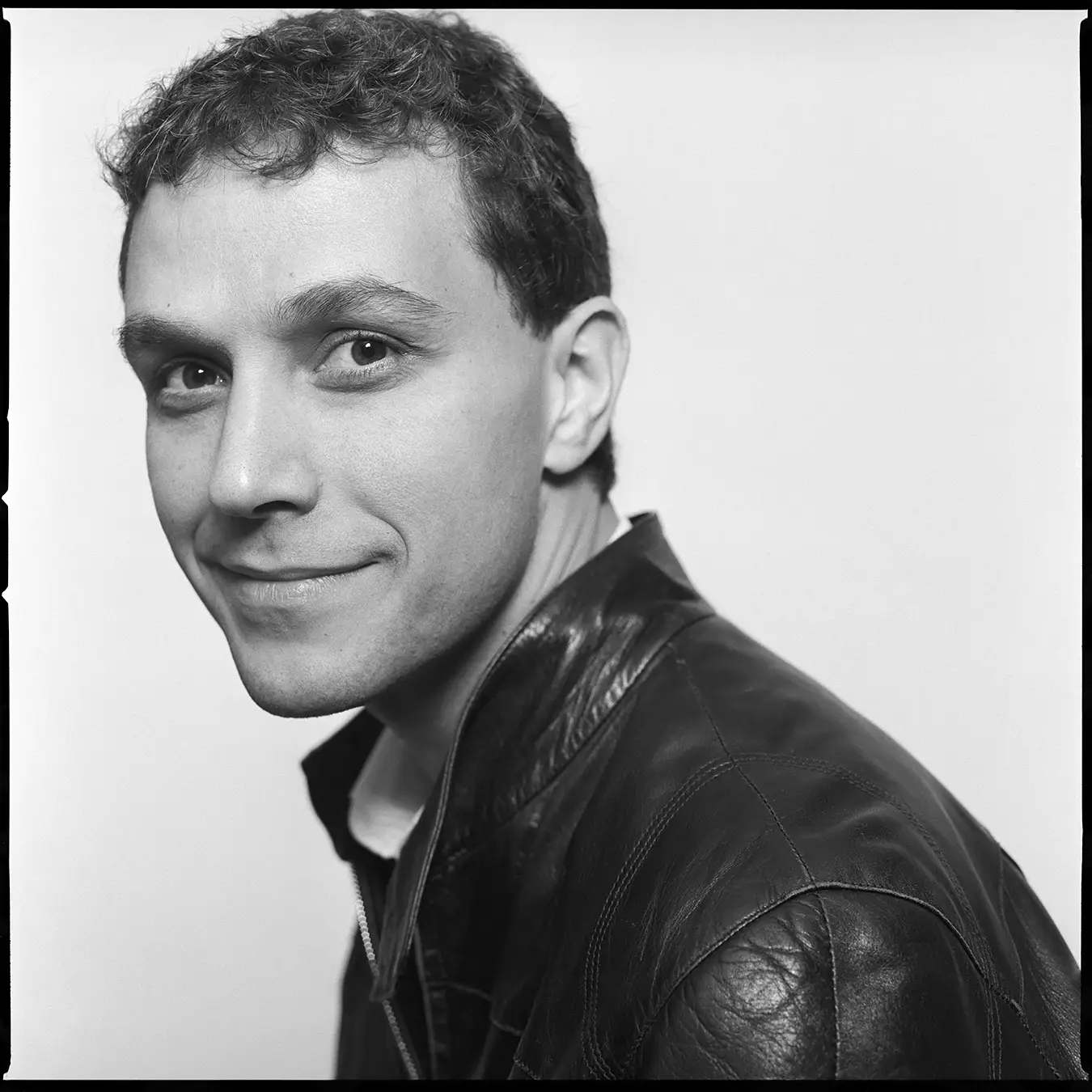 |
2018 | Andrea Young | University of California Santa Barbara | |
For the co-invention of van der Waals heterostructures, and for the new quantum Hall phases that he discovered with them. |
||||
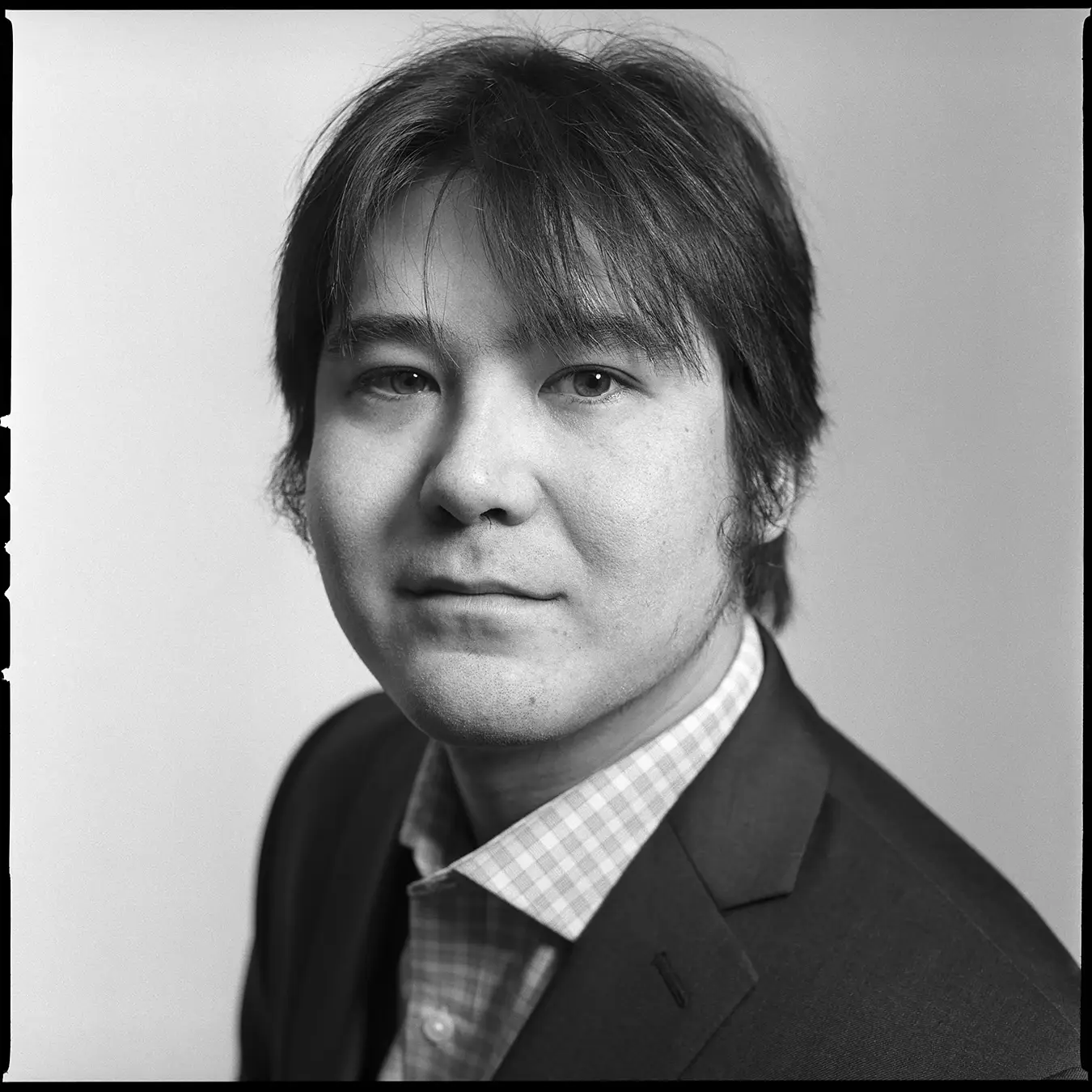 |
2018 | Christopher Hirata | Ohio State University | |
For fundamental contributions to understanding the physics of early galaxy formation and to sharpening and applying the most powerful tools of precision cosmology.' |
||||
 |
2017 | Frans Pretorius | Princeton University | |
For creating the first computer code capable of simulating the inspiral and merger of binary black holes, thereby laying crucial foundations for interpreting the recent observations of gravitational waves; and for opening new directions in numerical relativity. |
||||
 |
2017 | Xi Yin | Harvard University | |
For imaginative joint work on higher spin gravity and its holographic connection to a new soluble field theory. |
||||
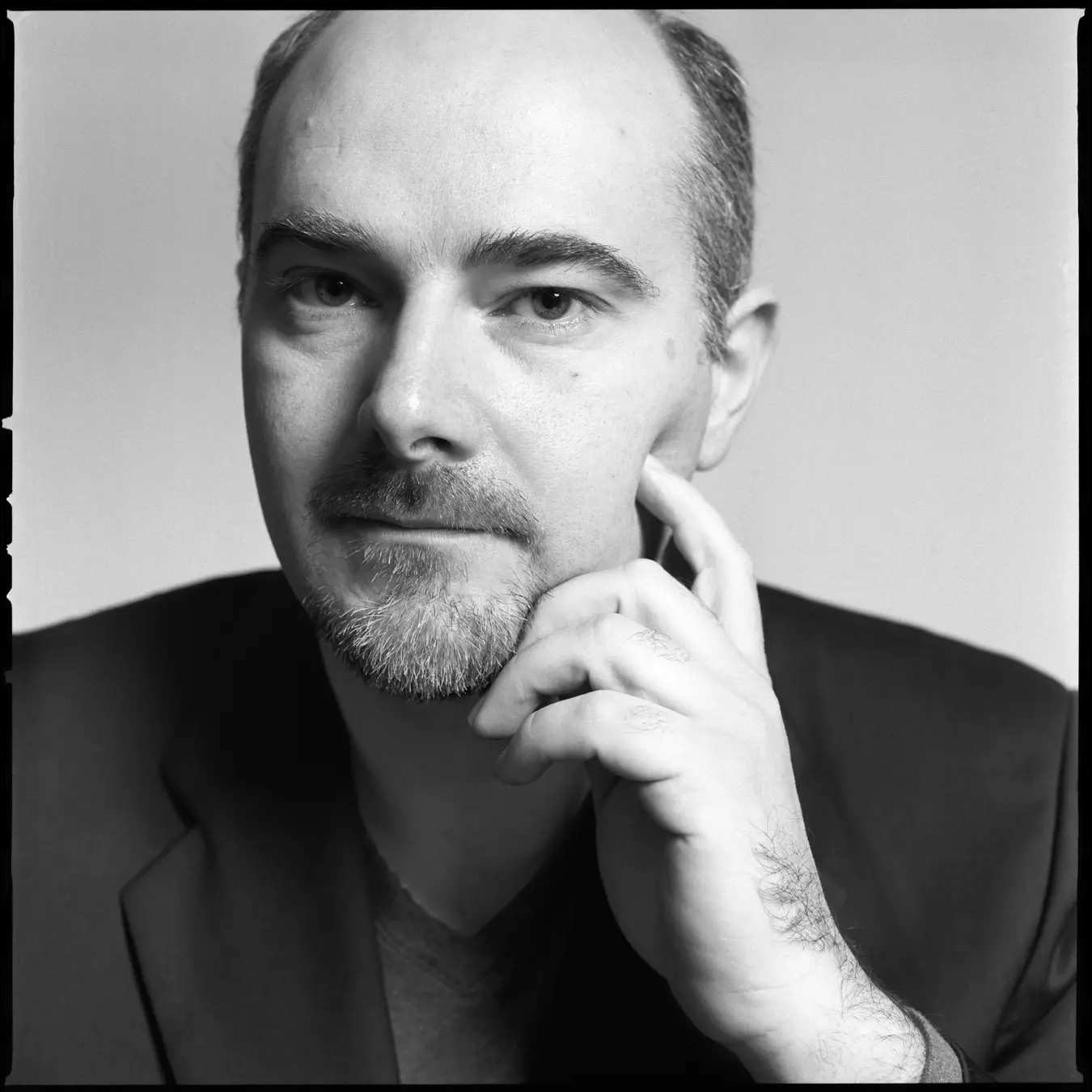 |
2017 | Simone Giombi | Princeton University | |
For imaginative joint work on higher spin gravity and its holographic connection to a new soluble field theory. |
||||
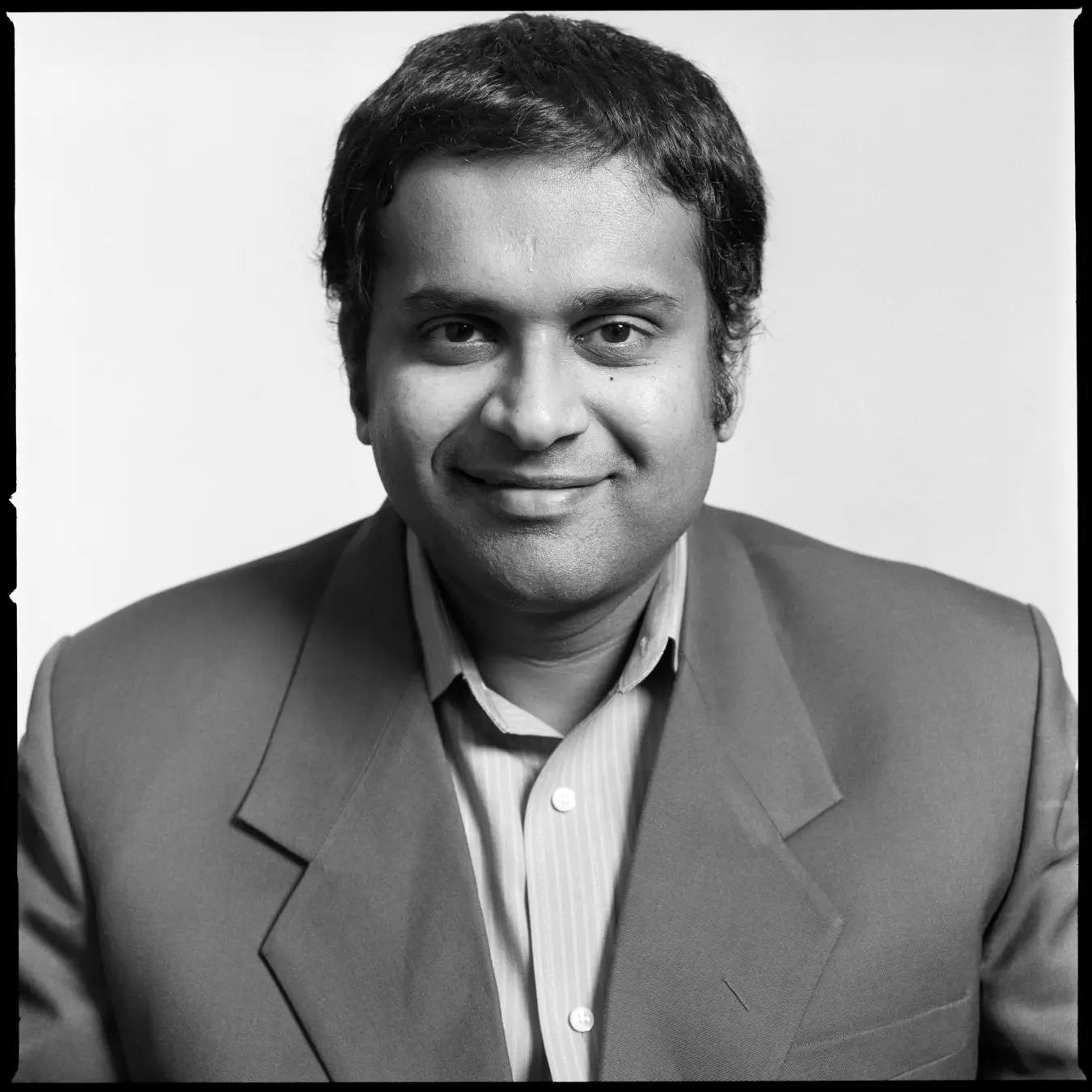 |
2017 | Surjeet Rajendran | University of California | |
For pioneering a wide range of new experimental probes of fundamental physics. |
||||
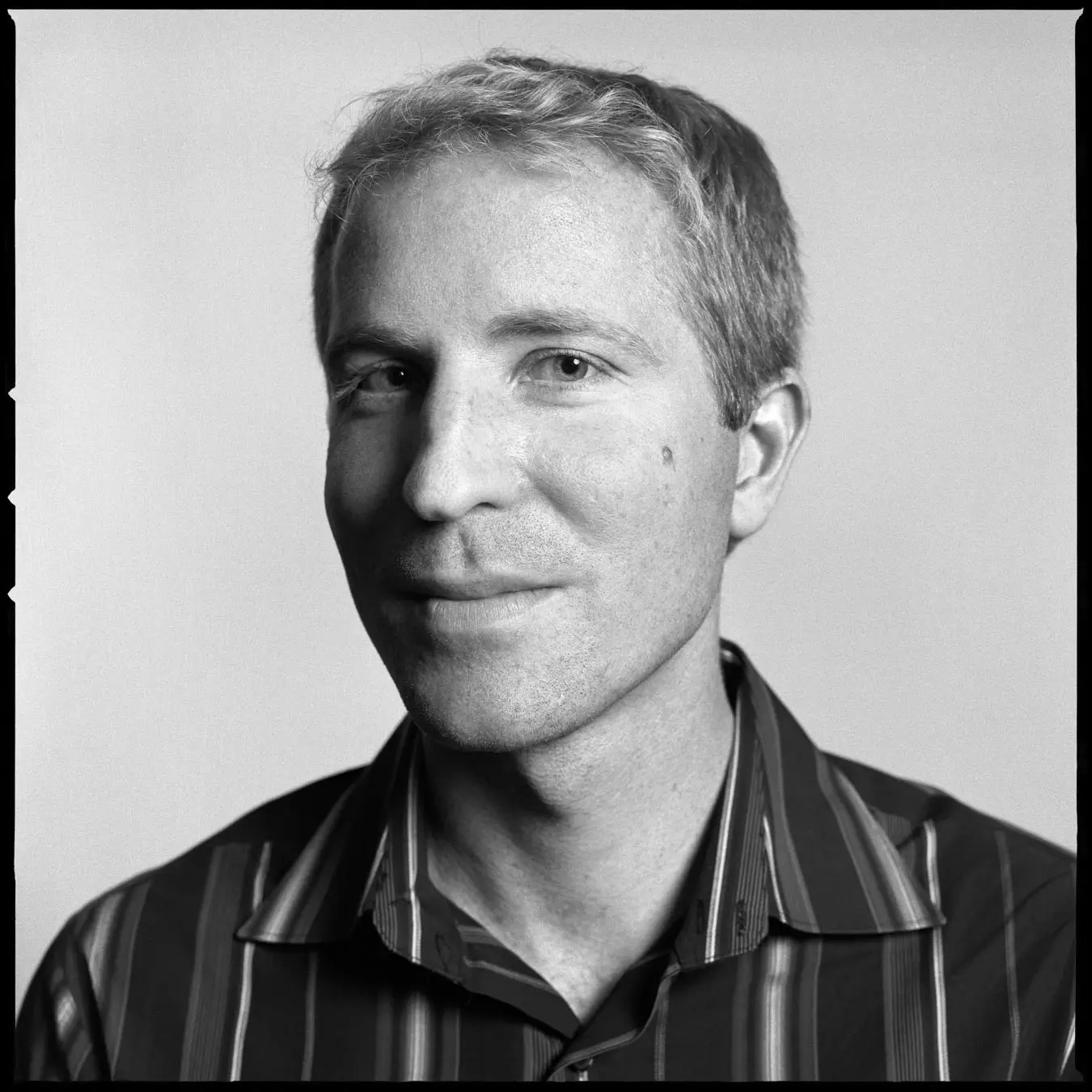 |
2017 | Peter W. Graham | Stanford University | |
For pioneering a wide range of new experimental probes of fundamental physics. |
||||
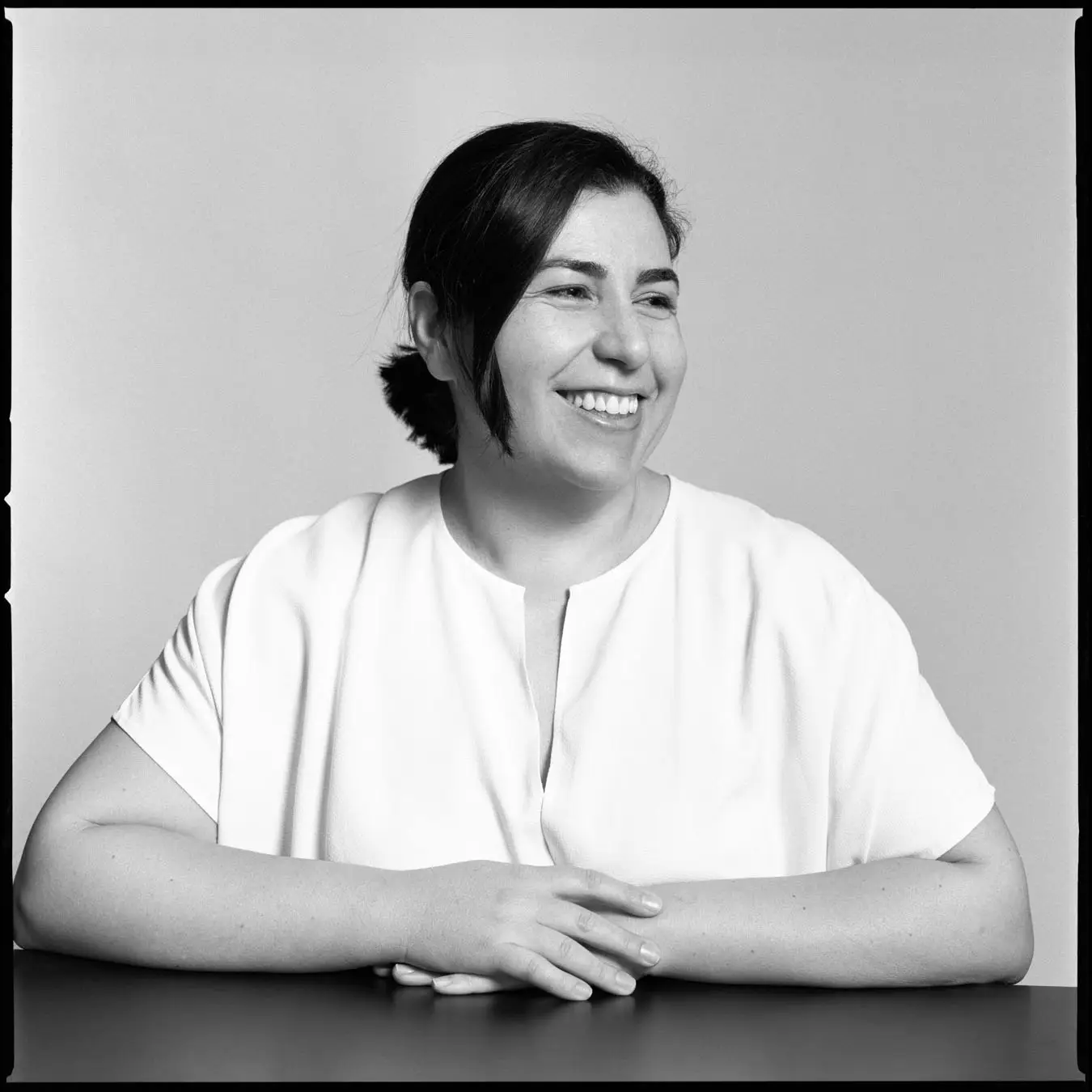 |
2017 | Asimina Arvanitaki | Perimeter Institute | |
For pioneering a wide range of new experimental probes of fundamental physics. |
||||
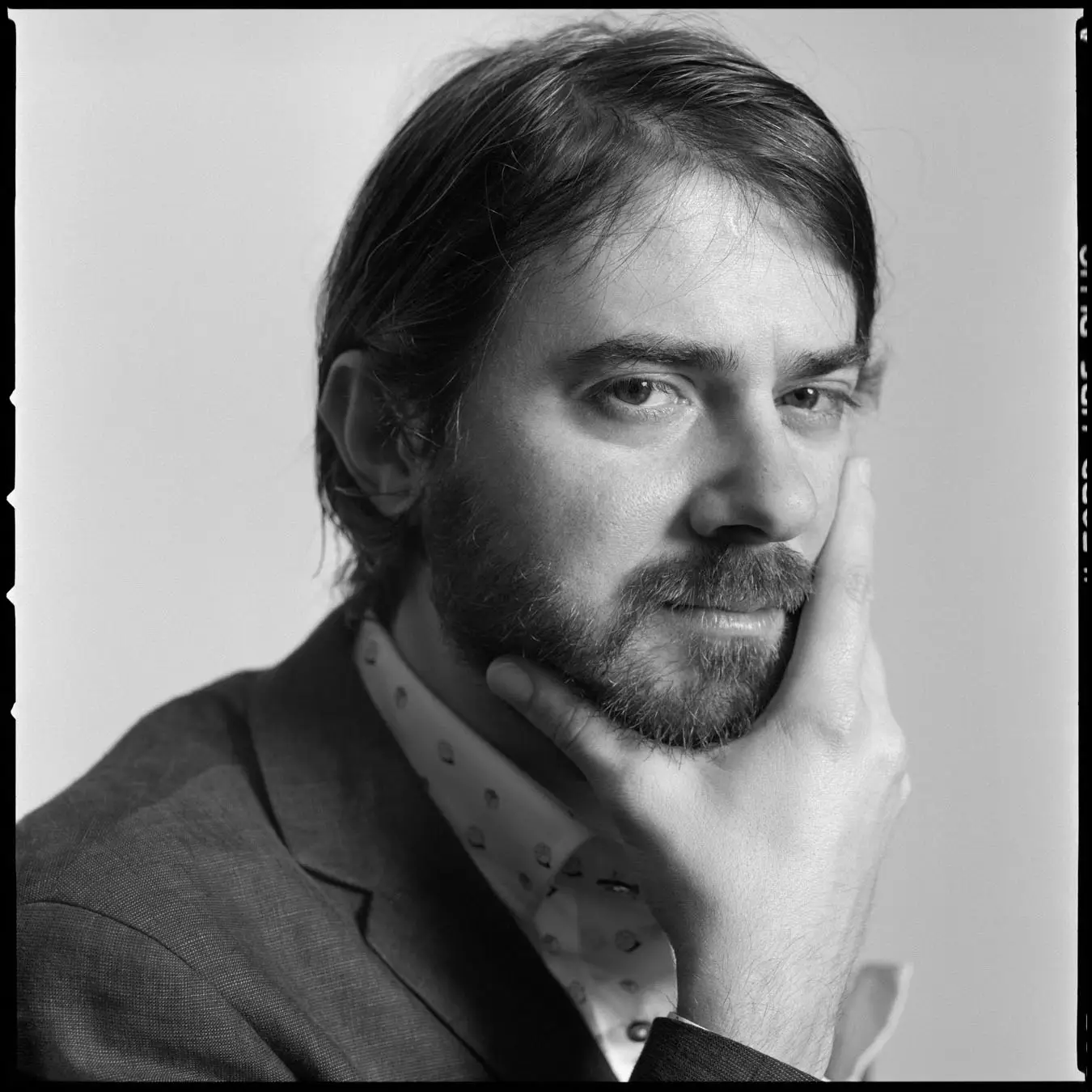 |
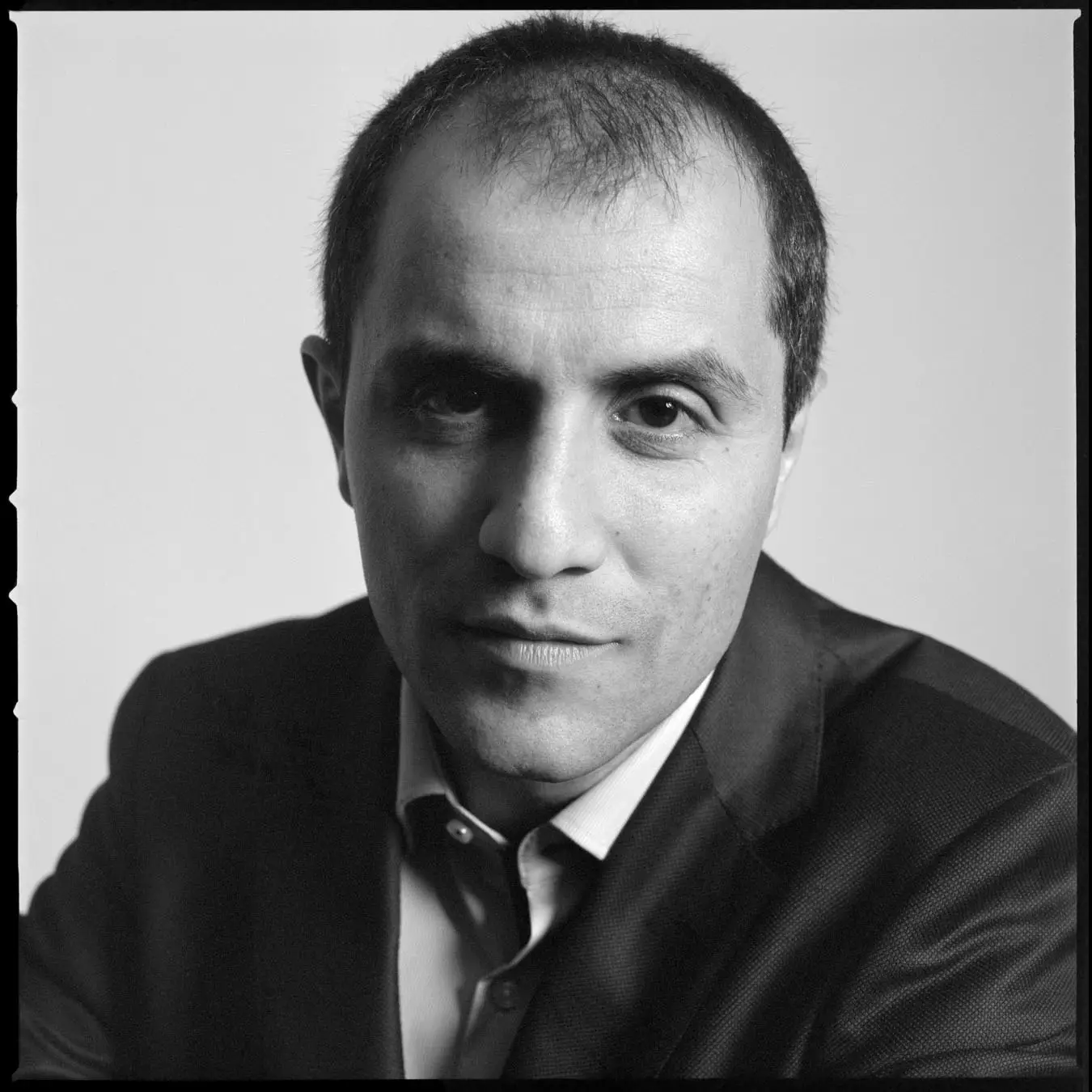
2016 | B. Andrei Bernevig | Princeton University | |
For outstanding contributions to condensed matter physics, especially involving the use of topology to understand new states of matter. |
||||
 |
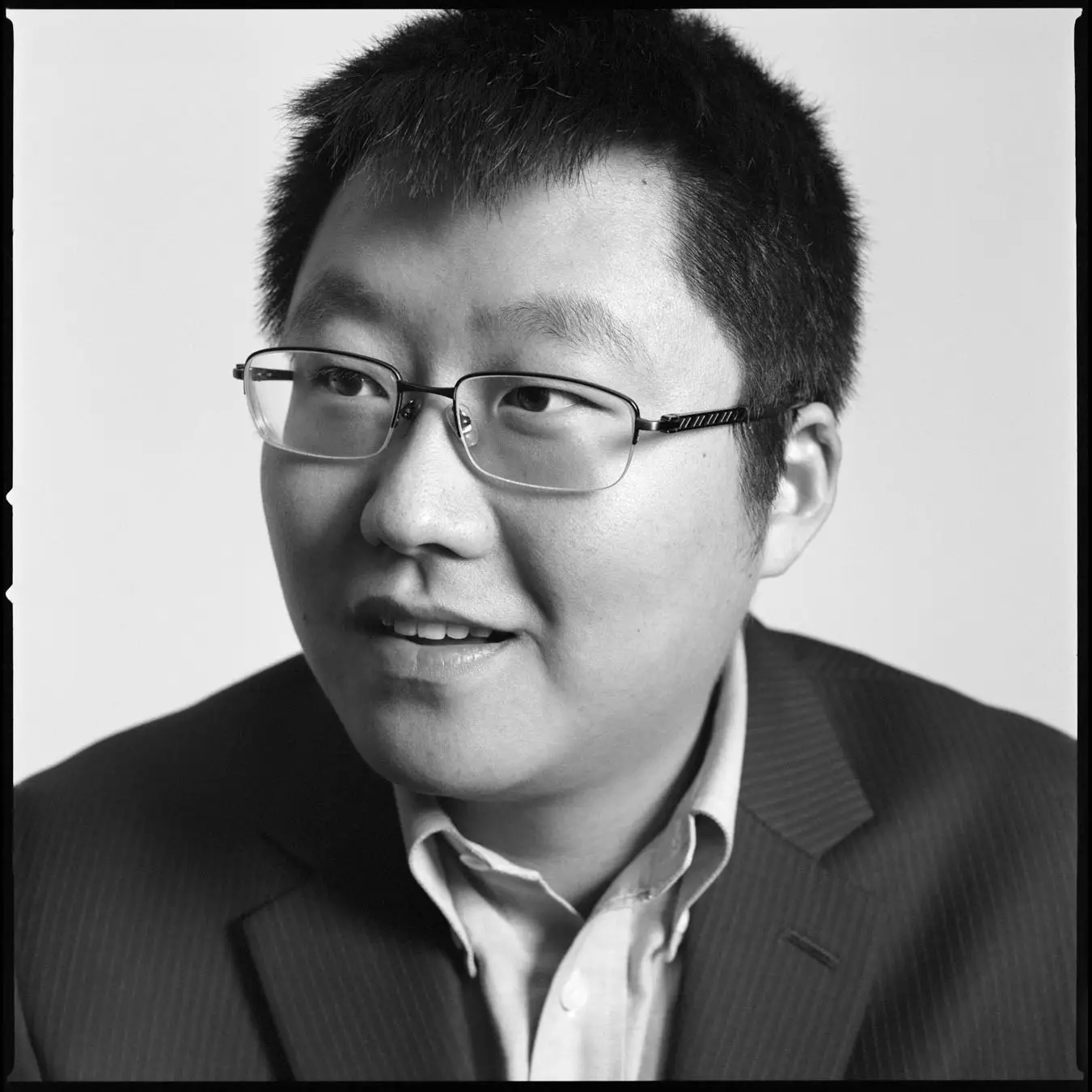
2016 | Leonardo Senatore | Stanford University | |
For outstanding contributions to theoretical cosmology. |
||||
 |
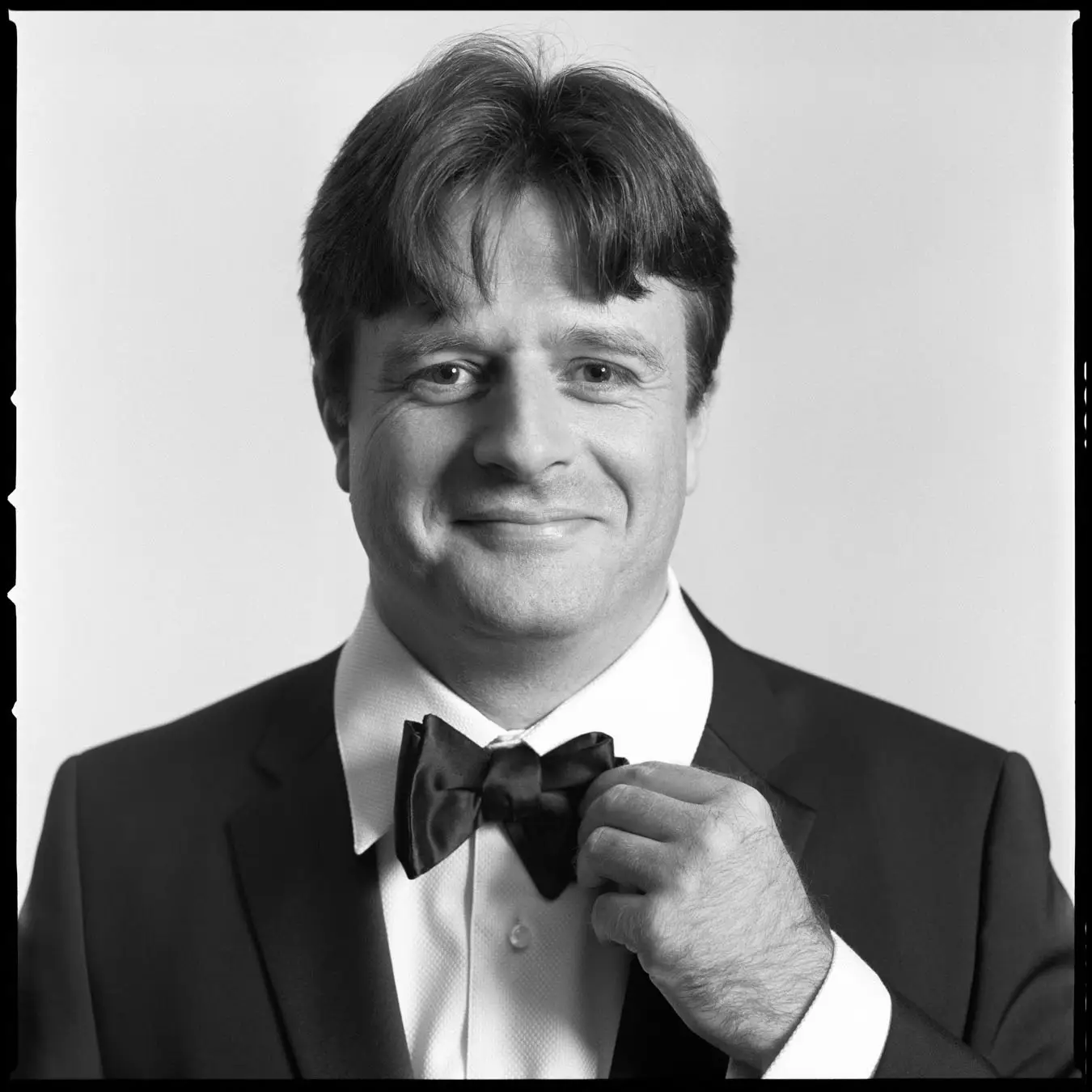
2016 | Liang Fu | Massachusetts Institute of Technology | |
For outstanding contributions to condensed matter physics, especially involving the use of topology to understand new states of matter. |
||||
 |
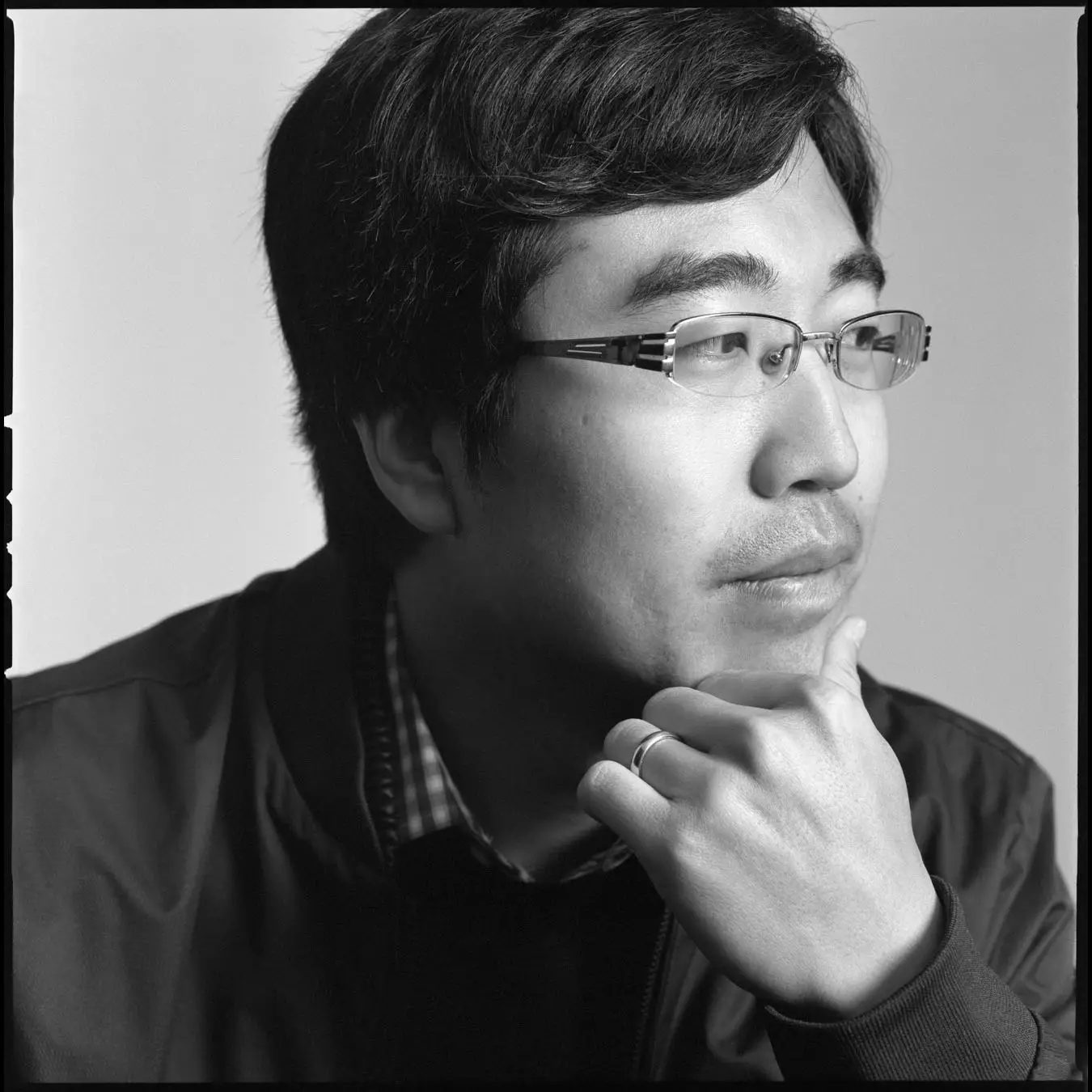
2016 | Raphael Flauger | The University of Texas at Austin | |
For outstanding contributions to theoretical cosmology. |
||||
 |
2016 | Xiao-Liang Qi | Stanford University | |
For outstanding contributions to condensed matter physics, especially involving the use of topology to understand new states of matter. |
||||
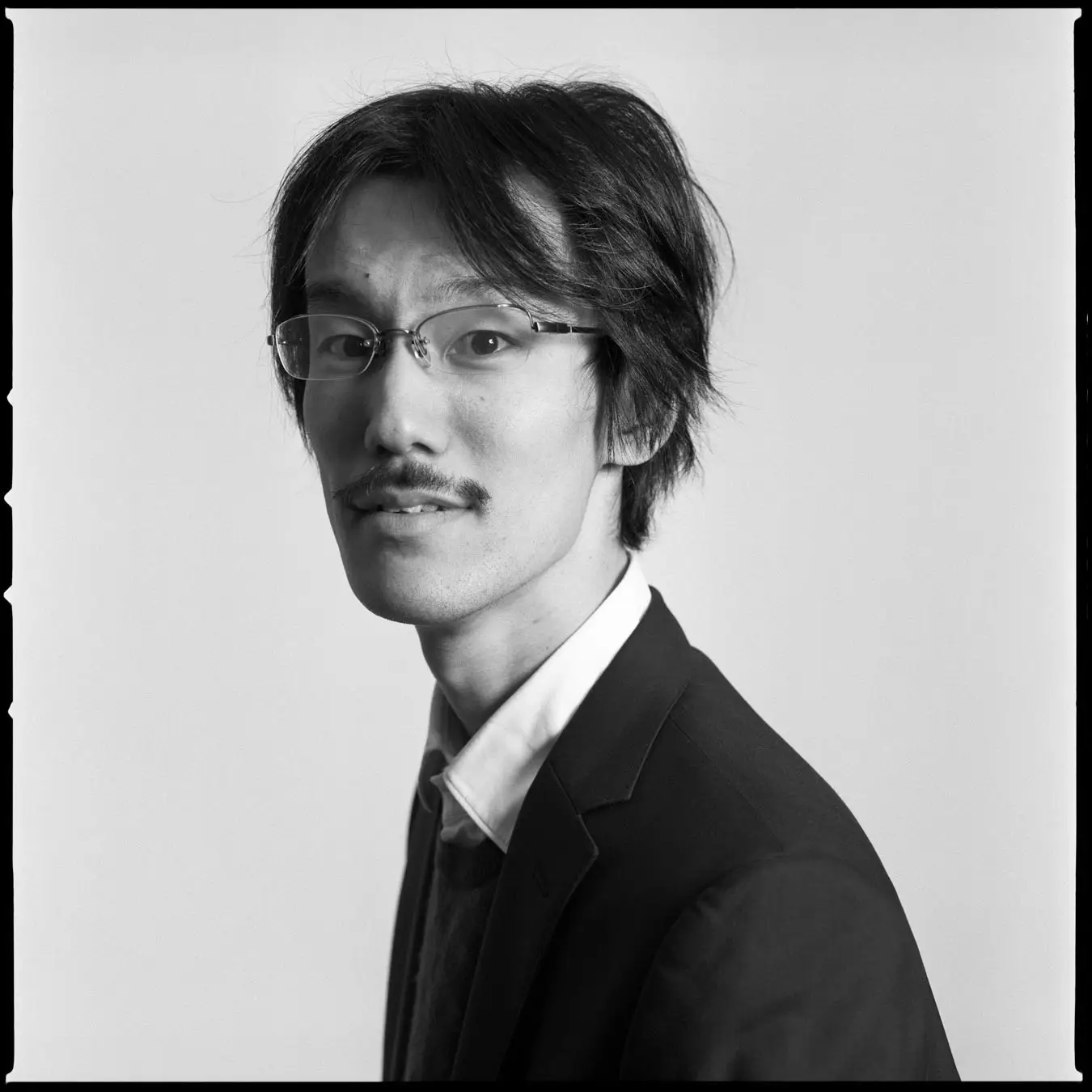 |
2016 | Yuji Tachikawa | University of Tokyo | |
For penetrating and incisive studies of supersymmetric quantum field theories. |
||||
 |
2015 | Tadashi Takayanagi | Kyoto University | |
For fundamental ideas about entropy in quantum field theory and quantum gravity. |
||||
 |
2015 | Shinsei Ryu | University of Illinois at Urbana-Champaign | |
For fundamental ideas about entropy in quantum field theory and quantum gravity. |
||||
 |
2015 | Marina Huerta | National Scientific and Technical Research Council, Instituto Balseiro, Universidad Nacional de Cuyo | |
For fundamental ideas about entropy in quantum field theory and quantum gravity. |
||||
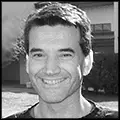 |
2015 | Horacio Casini | National Scientific and Technical Research Council, Instituto Balseiro, Universidad Nacional de Cuyo | |
For fundamental ideas about entropy in quantum field theory and quantum gravity. |
||||
 |
2015 | Natalia Toro | Perimeter Institute | |
For pioneering the “simplified models” framework for new physics searches at the Large Hadron Collider, as well as spearheading new experimental searches for dark sectors using high-intensity electron beams. |
||||
 |
2015 | Philip C. Schuster | Perimeter Institute | |
For pioneering the "simplified models" framework for new physics searches at the Large Hadron Collider, as well as spearheading new experimental searches for dark sectors using high-intensity electron beams. |
||||
 |
2015 | Sean Hartnoll | Stanford University | |
For applying holographic methods to obtain remarkable new insights into strongly interacting quantum matter. |
||||
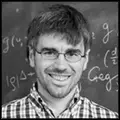 |
2014 | Vyacheslav Rychkov | CERN Research institute, Pierre-and-Marie-Curie University and École Normale Supérieure | |
For developing new techniques in conformal field theory, reviving the conformal bootstrap program for constraining the spectrum of operators and the structure constants in 3D and 4D CFT’s. |
||||
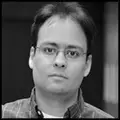 |
2014 | Freddy Cachazo | Perimeter Institute | |
For uncovering numerous structures underlying scattering amplitudes in gauge theories and gravity. |
||||
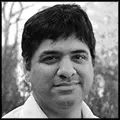 |
2014 | Shiraz Naval Minwalla | Tata Institute of Fundamental Research | |
For his pioneering contributions to the study of string theory and quantum field theory; and in particular his work on the connection between the equations of fluid dynamics and Albert Einstein’s equations of general relativity. |
||||
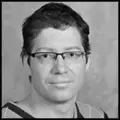 |
2013 | Zohar Komargodski | Weizmann Institute | |
For his work on the dynamics of four-dimensional field theories. In particular, his proof (with Schwimmer) of the “a-theorem” has solved a long-standing problem, leading to deep new insights. |
||||
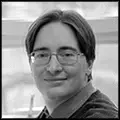 |
2013 | Davide Gaiotto | Perimeter Institute | |
For far-reaching new insights about duality, gauge theory, and geometry, and especially for his work linking theories in different dimensions in most unexpected ways. |
||||
 |
2013 | Niklas Beisert | ETH Zurich | |
For the development of powerful exact methods to describe a quantum gauge theory and its associated string theory. |
||||
Frequently Asked Questions
Award research specialist focused on news analysis, fact-checking, and creating accurate content about national and international awards.
Rohit Chauhan has extensive experience in researching awards, honors, recognitions, and achievement-based news. He specializes in verifying information from trusted sources, analyzing award records, and creating well-structured, informative content for readers. His work focuses on delivering accurate and up-to-date information about award winners, award histories, nominations, and notable achievements across various fields.