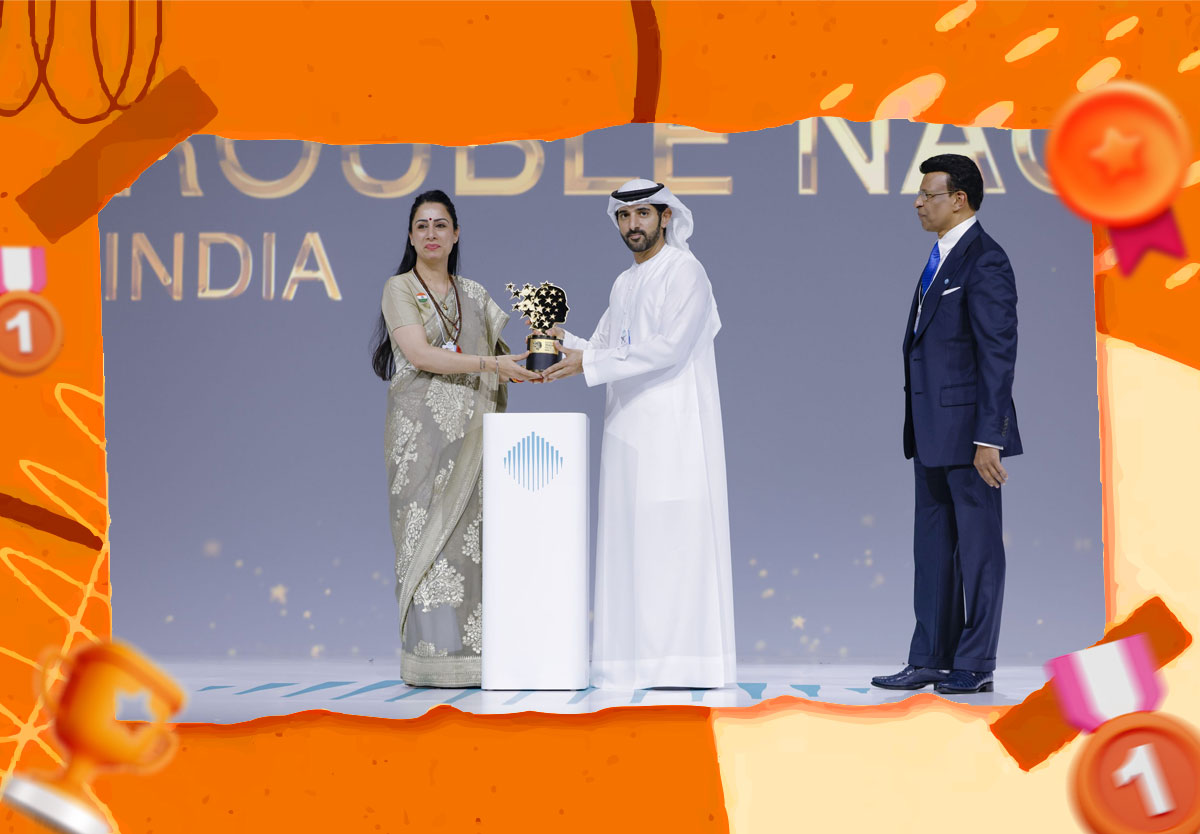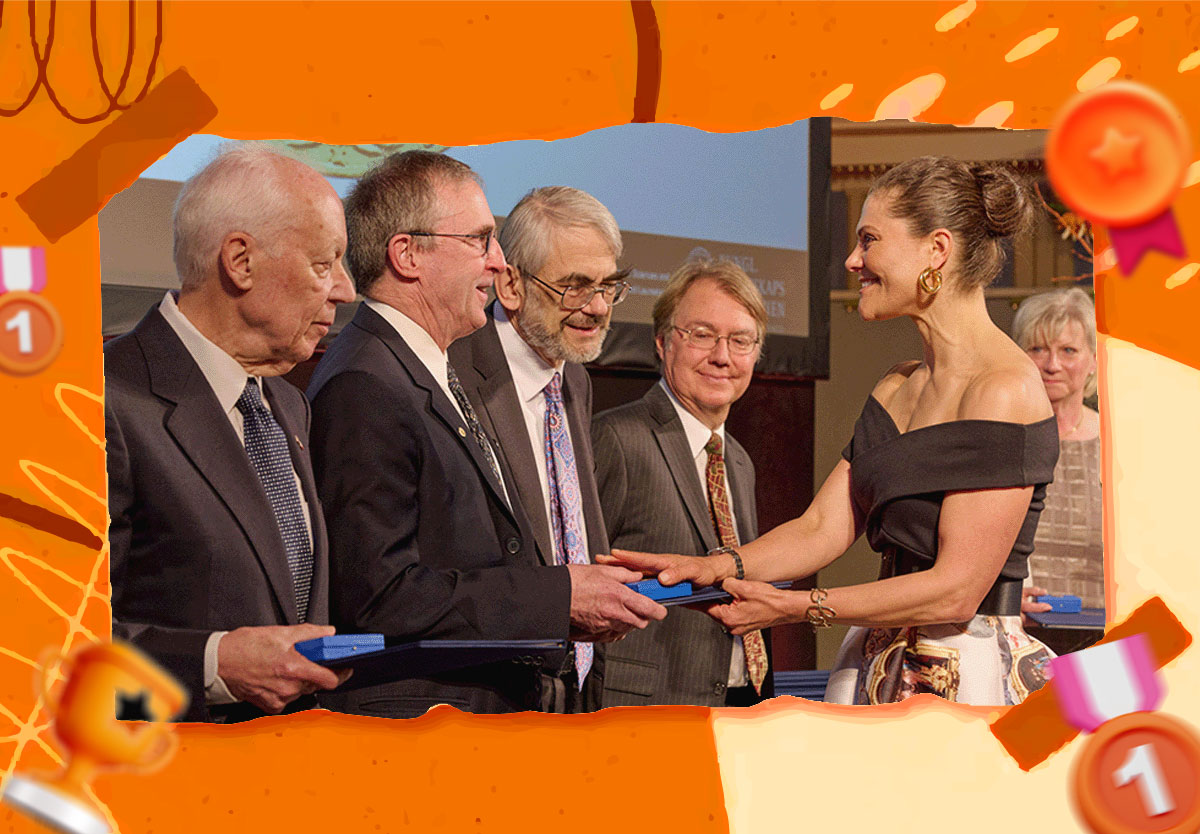
About Abel Prize
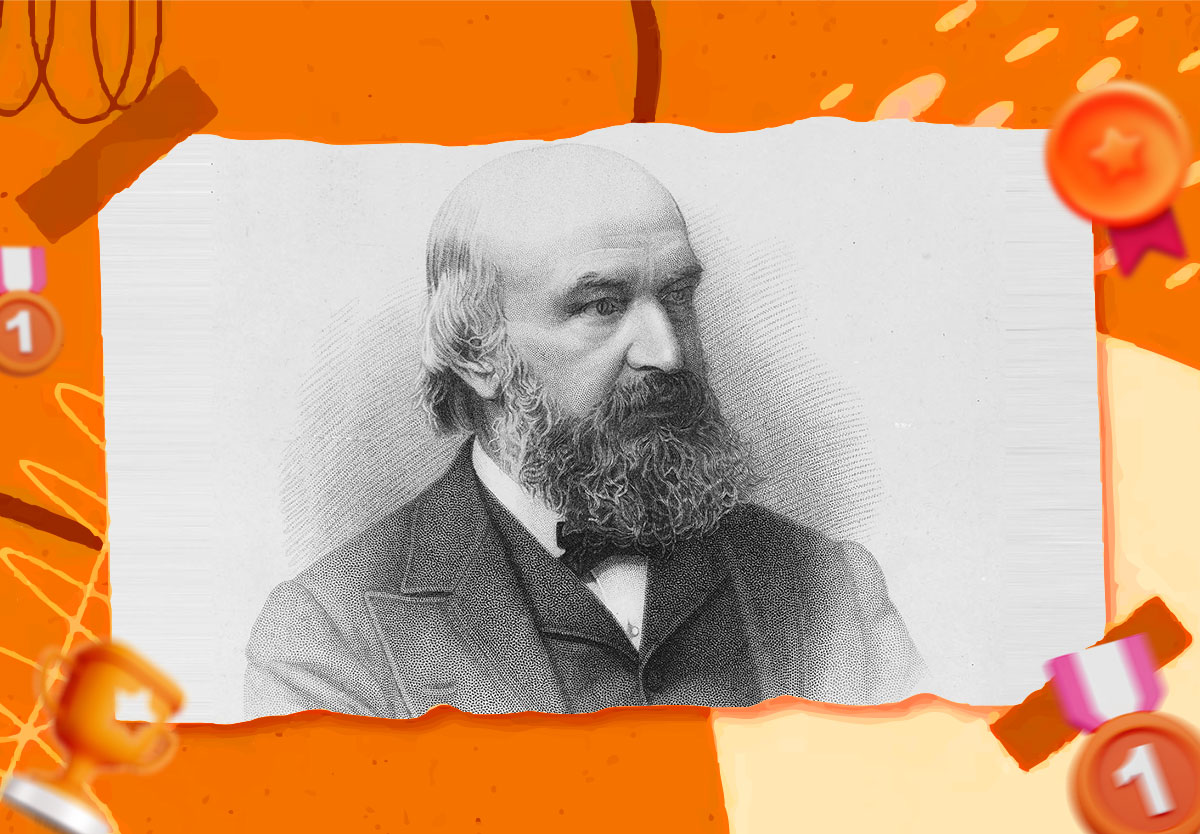
The Abel Prize is named after Niels Henrik Abel, Norway’s greatest mathematician throughout the times. Abel left lasting marks on the mathematical world. His mathematics have served as a base for a number of major technological breakthroughs, there amongst the development of the internet. The Abel Prize was established by the Norwegian Parliament (The Storting) in 2002, on the occasion the 200-year anniversary of his birth.
Abel Prize Winners List (2003-2026)
| Images | Year | Winner Name | Institute/Organisation/University | |
|---|---|---|---|---|

|
2026 | Gerd Faltings | Max Planck Institute for Mathematics | |
|
For introducing powerful tools in arithmetic geometry and resolving long-standing diophantine conjectures of Mordell and Lang.
|
||||
|
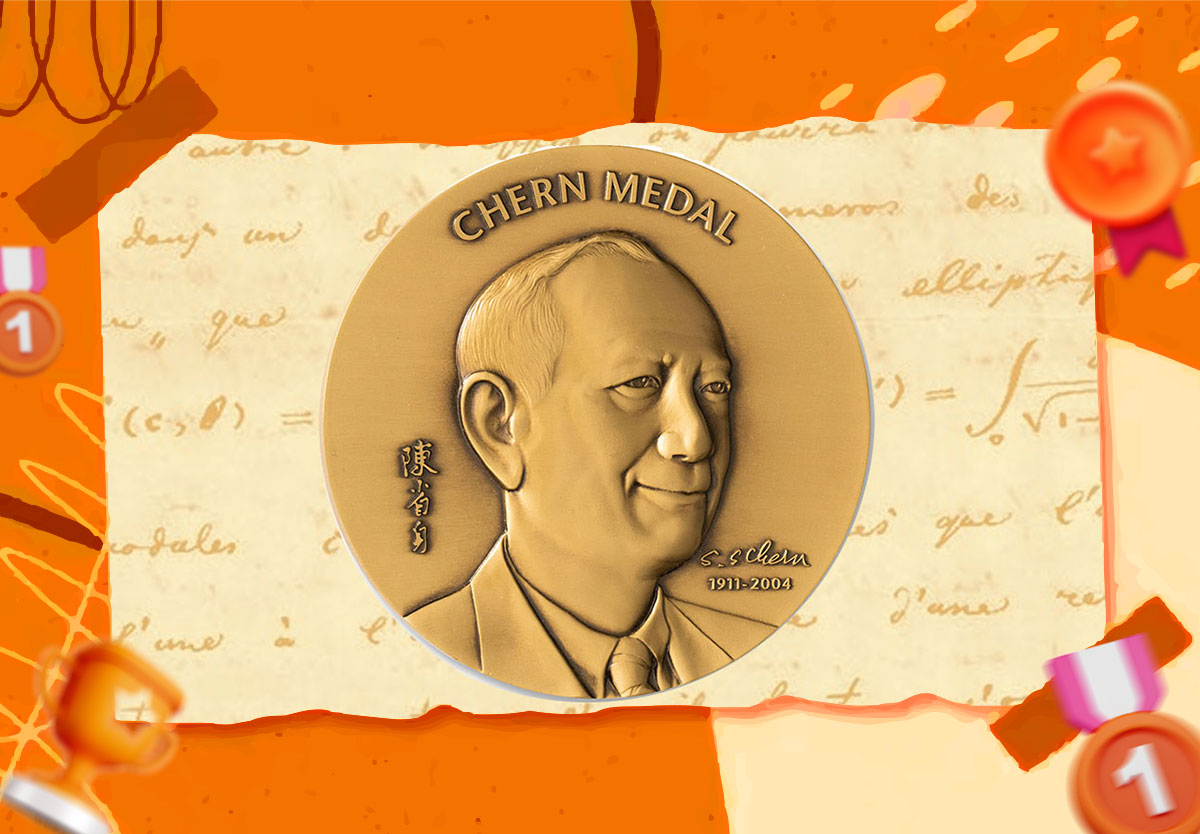
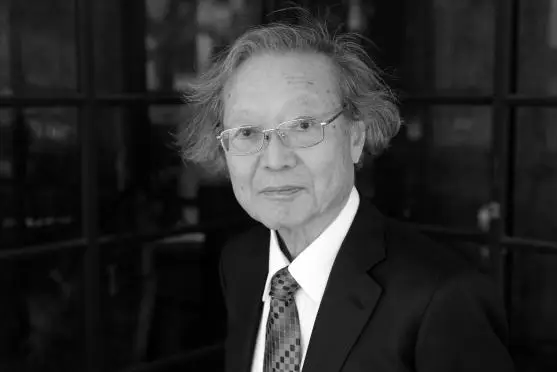
2025 | Masaki Kashiwara Chern Medal | Kyoto University (Research Institute for Mathematical Sciences) Kyoto, Japan, Kyoto University (Institute for Advanced Study) Kyoto, Japan | |
|
For his fundamental contributions to algebraic analysis and representation theory, in particular the development of the theory of D-modules and the discovery of crystal bases.
|
||||
|
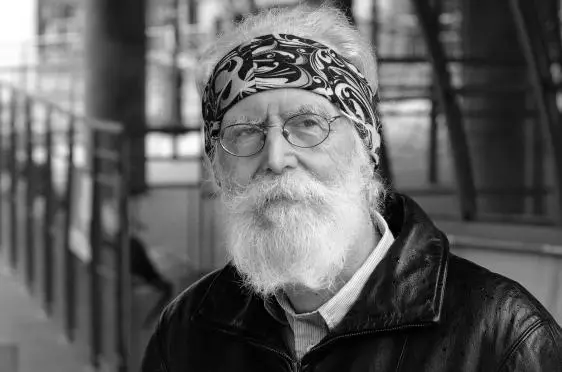
2024 | Michel Talagrand | Centre national de la recherche scientifique (CNRS) Paris, France | |
|
For his groundbreaking contributions to probability theory and functional analysis, with outstanding applications in mathematical physics and statistics.
|
||||
|
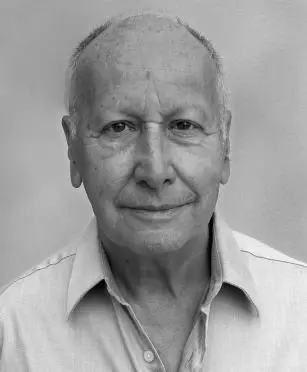
2023 | Luis A. Caffarelli | The University of Texas at Austin Texas, USA | |
|
For his seminal contributions to regularity theory for nonlinear partial differential equations including free-boundary problems and the Monge–Ampère equation.
|
||||
|
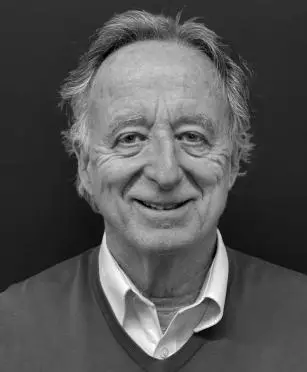
2022 | Dennis Parnell Sullivan | Stony Brook University New York, USA, Graduate School and University Center of the City University of New York New York, USA | |
|
For his groundbreaking contributions to topology in its broadest sense, and in particular its algebraic, geometric and dynamical aspects.
|
||||
|
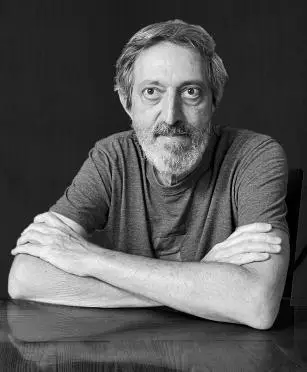
2021 | Avi Wigderson | Institute for Advanced Study Princeton, USA | |
|
For their foundational contributions to theoretical computer science and discrete mathematics, and their leading role in shaping them into central fields of modern mathematics.
|
||||
|
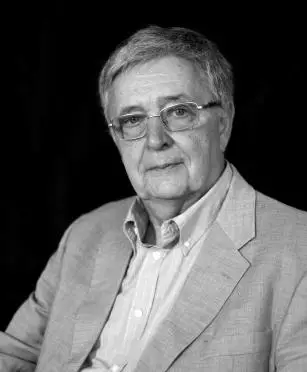
2021 | László Lovász | Alfréd Rényi Institute of Mathematics Budapest, Hungary, Institute for Advanced Study Princeton, USA, Eötvös Loránd Research Network (ELKH) Hungary | |
|
For their foundational contributions to theoretical computer science and discrete mathematics, and their leading role in shaping them into central fields of modern mathematics.
|
||||
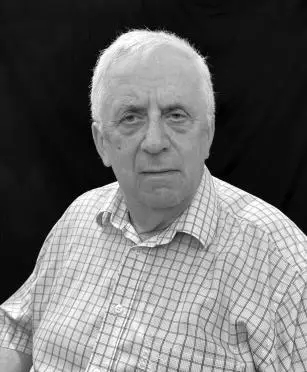
|
2020 | Gregory Margulis | Yale University Connecticut, USA | |
|
For pioneering the use of methods from probability and dynamics in group theory, number theory and combinatorics.
|
||||
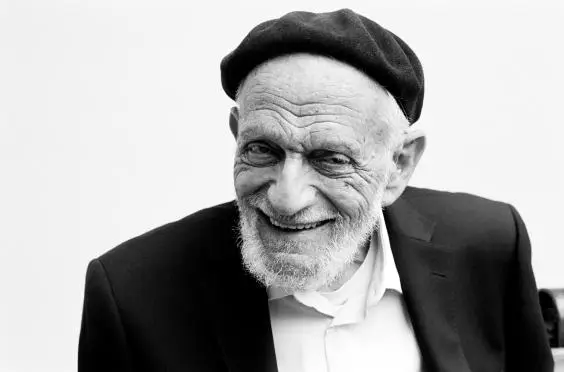
|
2020 | Hillel Furstenberg | Hebrew University of Jerusalem Jerusalem, Israel | |
|
For pioneering the use of methods from probability and dynamics in group theory, number theory and combinatorics.
|
||||
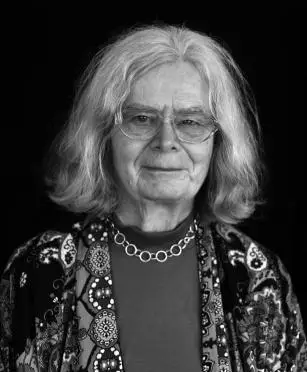
|
2019 | Karen Keskulla Uhlenbeck | University of Texas Texas, USA | |
|
For her pioneering achievements in geometric partial differential equations, gauge theory and integrable systems, and for the fundamental impact of her work on analysis, geometry and mathematical physics.
|
||||
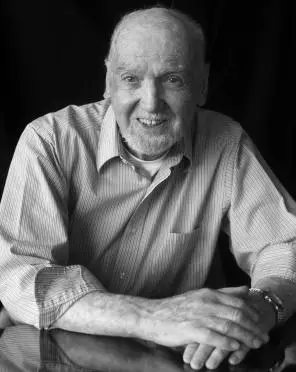
|
2018 | Robert P. Langlands | Institute for Advanced Study Princeton, USA | |
|
For his visionary program connecting representation theory to number theory.
|
||||
|
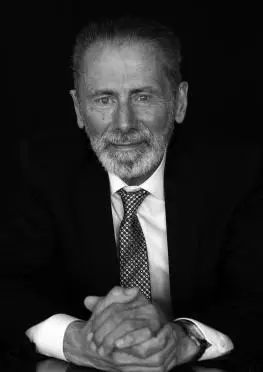
2017 | Yves Meyer | École Normale Supérieure Paris-Saclay Paris, France | |
|
For his pivotal role in the development of the mathematical theory of wavelets.
|
||||
|
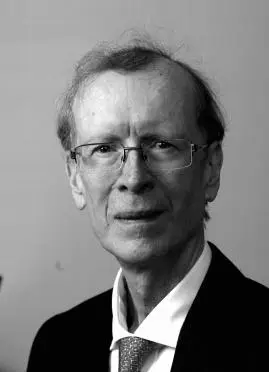
2016 | Sir Andrew J. Wiles Copley Medal | University of Oxford England | |
|
For his stunning proof of Fermat's Last Theorem by way of the modularity conjecture for semistable elliptic curves, opening a new era in number theory.
|
||||
|
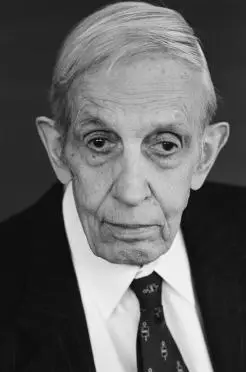
2015 | John F. Nash | Princeton University USA | |
|
For striking and seminal contributions to the theory of nonlinear partial differential equations and its applications to geometric analysis.
|
||||
|
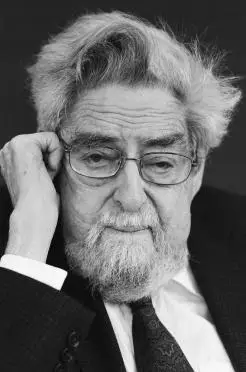
2015 | Louis Nirenberg Chern MedalThe Crafoord Prize | New York University (Courant Institute of Mathematical Sciences) USA | |
|
For striking and seminal contributions to the theory of nonlinear partial differential equations and its applications to geometric analysis.
|
||||
|
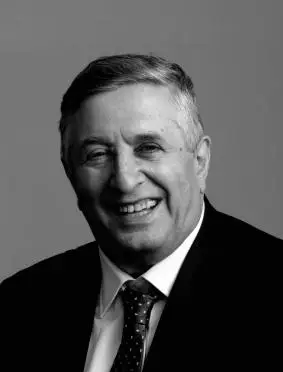
2014 | Yakov G. Sinai | Princeton University USA, Russian Academy of Sciences (Landau Institute for Theoretical Physics) Moscow, Russia | |
|
For his fundamental contributions to dynamical systems, ergodic theory, and mathematical physics.
|
||||
|
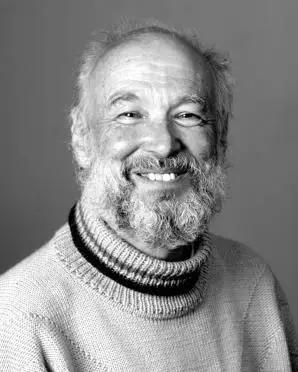
2013 | Pierre Deligne | University in Princeton (Institute for Advanced Study) New Jersey, United States | |
|
For seminal contributions to algebraic geometry and for their transformative impact on number theory, representation theory, and related fields.
|
||||
|
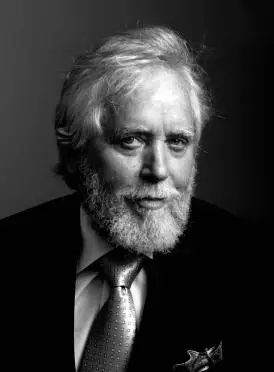
2012 | Endre Szemerédi | Alfréd Rényi Institute of Mathematics Budapest, Hungary, Hungarian Academy of Sciences Hungary, The State University of New Jersey Rutgers, USA | |
|
For his fundamental contributions to discrete mathematics and theoretical computer science, and in recognition of the profound and lasting impact of these contributions on additive number theory and ergodic theory.
|
||||
|
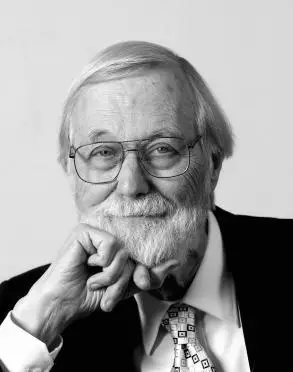
2011 | John Milnor | Stony Brook University New York, USA | |
|
For pioneering discoveries in topology, geometry, and algebra.
|
||||
|
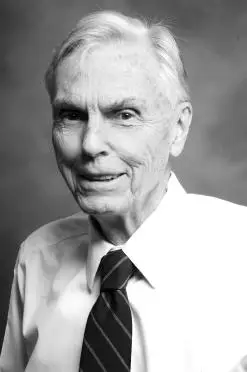
2010 | John Torrence Tate | University of Texas Texas, USA | |
|
For his vast and lasting impact on the theory of numbers.
|
||||
|
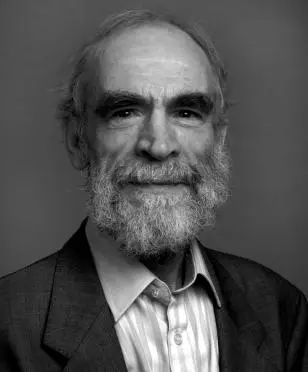
2009 | Mikhail Leonidovich Gromov | Institut des Hautes Études Scientifiques Bures-sur-Yvette, France | |
|
For his revolutionary contributions to geometry.
|
||||
|
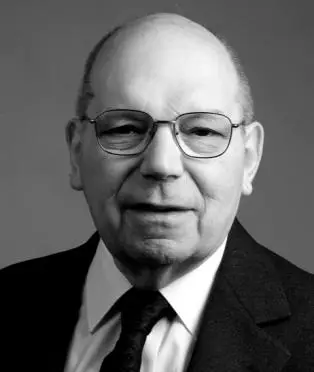
2008 | Jacques Tits | Collège de France Paris, France | |
|
For their profound achievements in algebra and in particular for shaping modern group theory.
|
||||
|
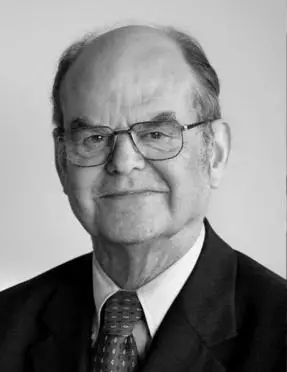
2008 | John Griggs Thompson | University of Florida Florida, USA | |
|
For their profound achievements in algebra and in particular for shaping modern group theory.
|
||||
|
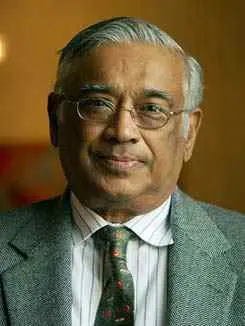
2007 | Prof. Srinivasa Varadhan | New York University (Courant Institute of Mathematical Sciences) USA | |
|
For his fundamental contributions to probability theory and in particular for creating a unified theory of large deviation.
|
||||
|
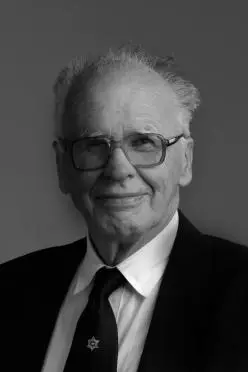
2006 | Lennart Carleson | Royal Institute of Technology Sweden | |
|
For his profound and seminal contributions to harmonic analysis and the theory of smooth dynamical systems.
|
||||
|
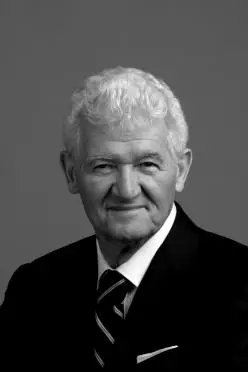
2005 | Peter D. Lax | New York University (Courant Institute of Mathematical Sciences) USA | |
|
For his groundbreaking contributions to the theory and application of partial differential equations and to the computation of their solutions.
|
||||
|
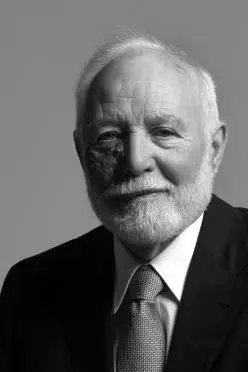
2004 | Isadore M. Singer | Massachusetts Institute of Technology USA | |
|
For their discovery and proof of the index theorem, bringing together topology, geometry and analysis, and their outstanding role in building new bridges between mathematics and theoretical physics.
|
||||
|
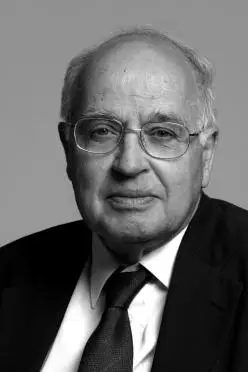
2004 | Sir Michael Francis Atiyah | University of Edinburgh Scotland | |
|
For their discovery and proof of the index theorem, bringing together topology, geometry and analysis, and their outstanding role in building new bridges between mathematics and theoretical physics.
|
||||
|
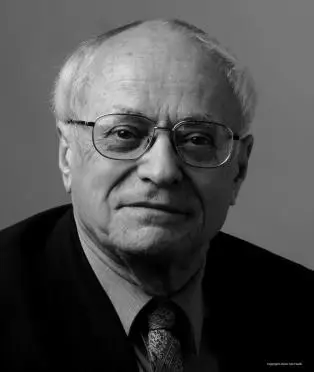
2003 | Jean-Pierre Serre | Collège de France Paris, France | |
|
For playing a key role in shaping the modern form of many parts of mathematics, including topology, algebraic geometry and number theory.
|
||||
Abel Prize FAQs
Abel Prize is a recognized award honoring excellence and achievements in Mathematics category, awarded to deserving individuals or organizations worldwide.
It is a Mathematics award category, recognizing outstanding contributions, performance, and excellence in Mathematics field or domain globally.
This award is given for Outstanding scientific work in the field of mathematics, honoring individuals or groups who have demonstrated exceptional achievements and contributions in this area.
The Abel Prize is presented by Government of Norway, recognizing excellence and honoring individuals for their significant achievements and contributions.
Abel Prize was first awarded in 2003, marking the beginning of recognizing excellence and achievements in its respective category.
The most recent Abel Prize was awarded in 26 May 2026, continuing its tradition of recognizing excellence and outstanding achievements globally.
Currently, the Abel Prize is Continue, indicating whether the award is actively presented or has been discontinued officially.
Abel Prize is awarded by International, recognizing achievements and honoring individuals or organizations associated with International country and its excellence.