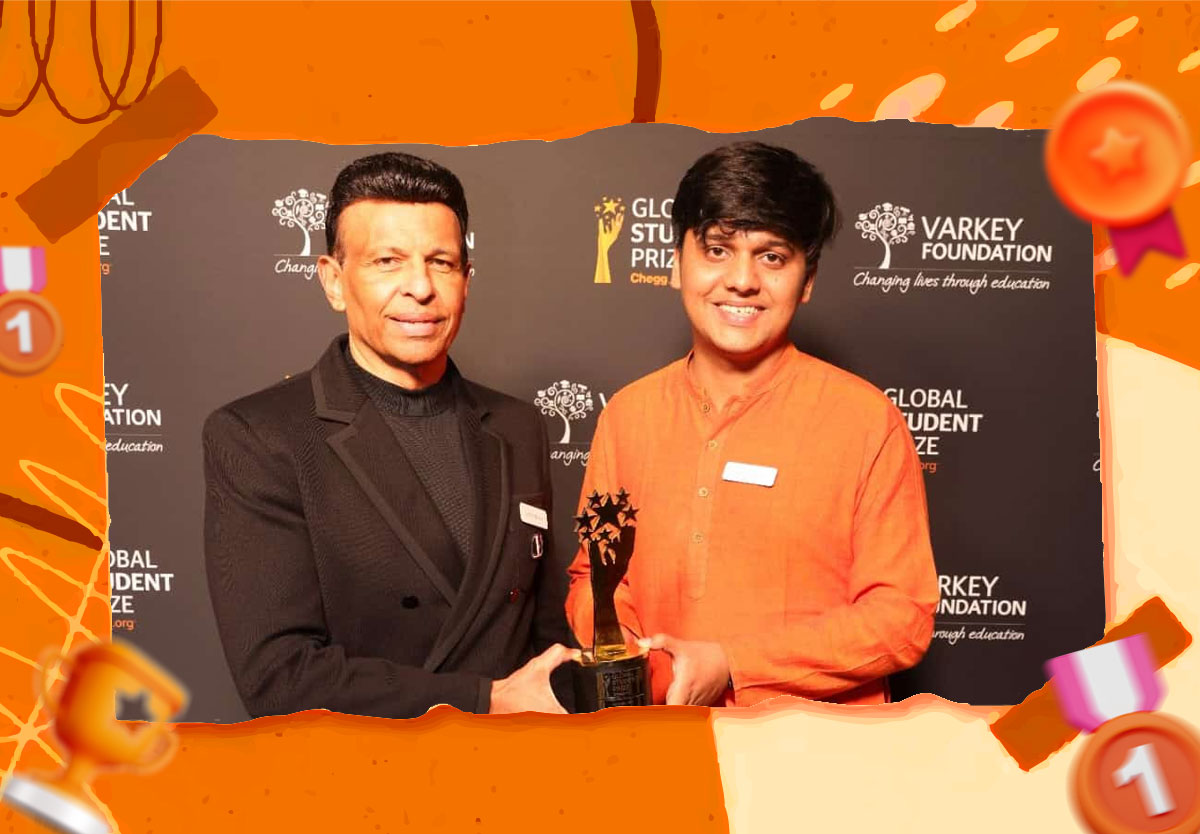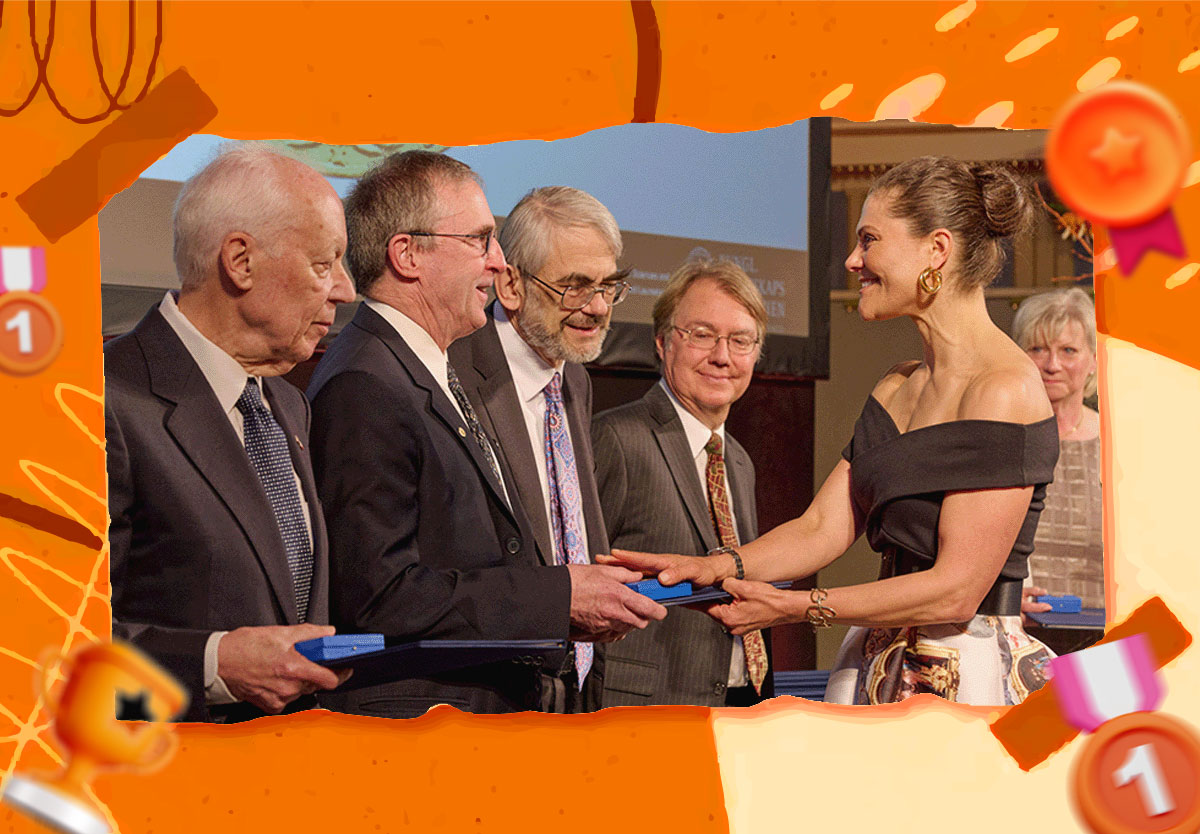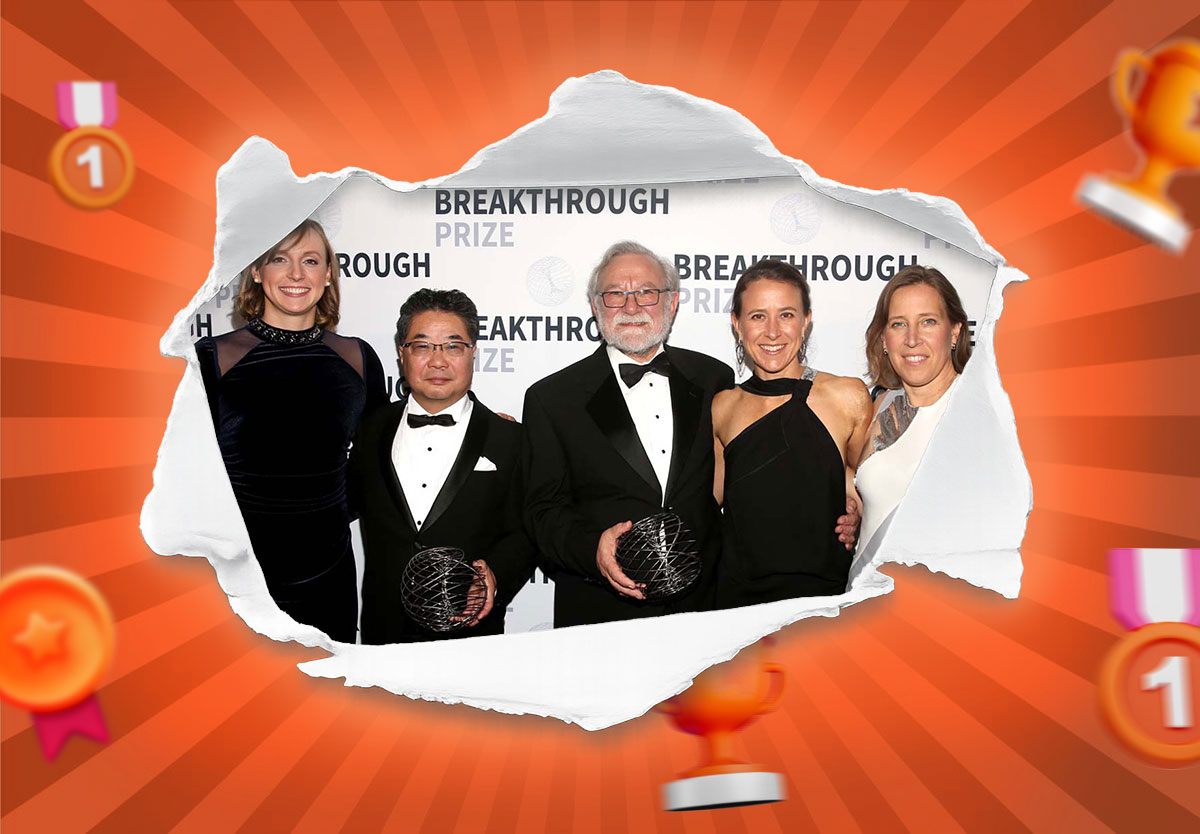
About Breakthrough Life Sciences Prize
The Breakthrough Prize in Life Sciences is a scientific award, funded by internet entrepreneurs Mark Zuckerberg and Priscilla Chan of Facebook; Sergey Brin of Google; entrepreneur and venture capitalist Yuri Milner; and Anne Wojcicki, one of the founders of the genetics company 23andMe.
List of Breakthrough Life Sciences Prize Winners (2012-2025)
The Breakthrough Life Sciences Prize category has honored 80 recipients between 2012 and 2025 under the Breakthrough Prize, presented by the Breakthrough Prize Organization. Explore the complete list of award winners, recipients, and year-wise details.
| Images | Year | Winner Name | Country | Affiliation | |
|---|---|---|---|---|---|
 |
2025 | Daniel J. Drucker | Canada | University of Toronto, Lunenfeld-Tanenbaum Research Institute | |
For the discovery and characterization of GLP-1 and revealing its physiology and potential in treating diabetes and obesity. |
|||||
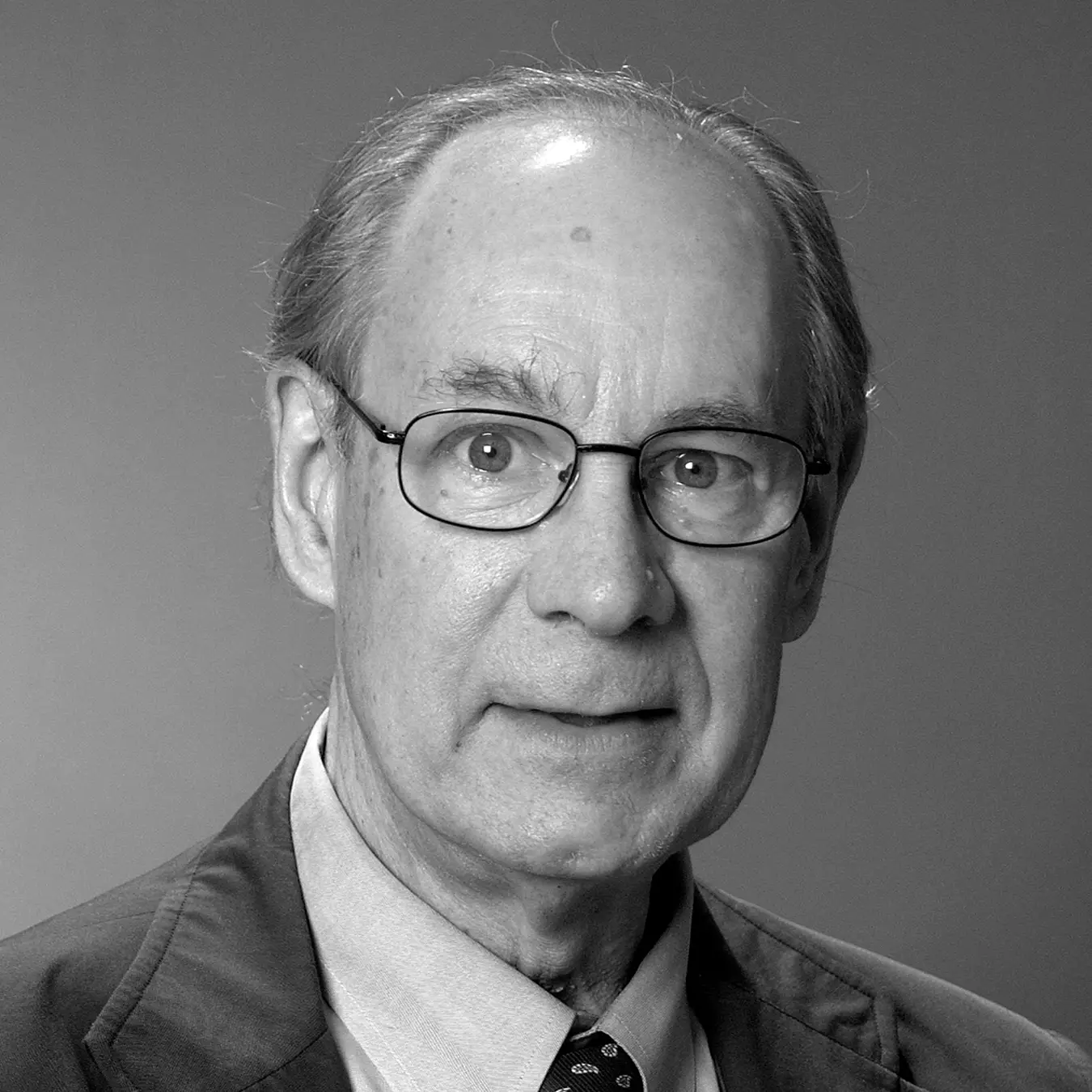 |
2025 | Joel Habener | United States | Massachusetts General Hospital, Harvard Medical School | |
For the discovery and characterization of GLP-1 and revealing its physiology and potential in treating diabetes and obesity. |
|||||
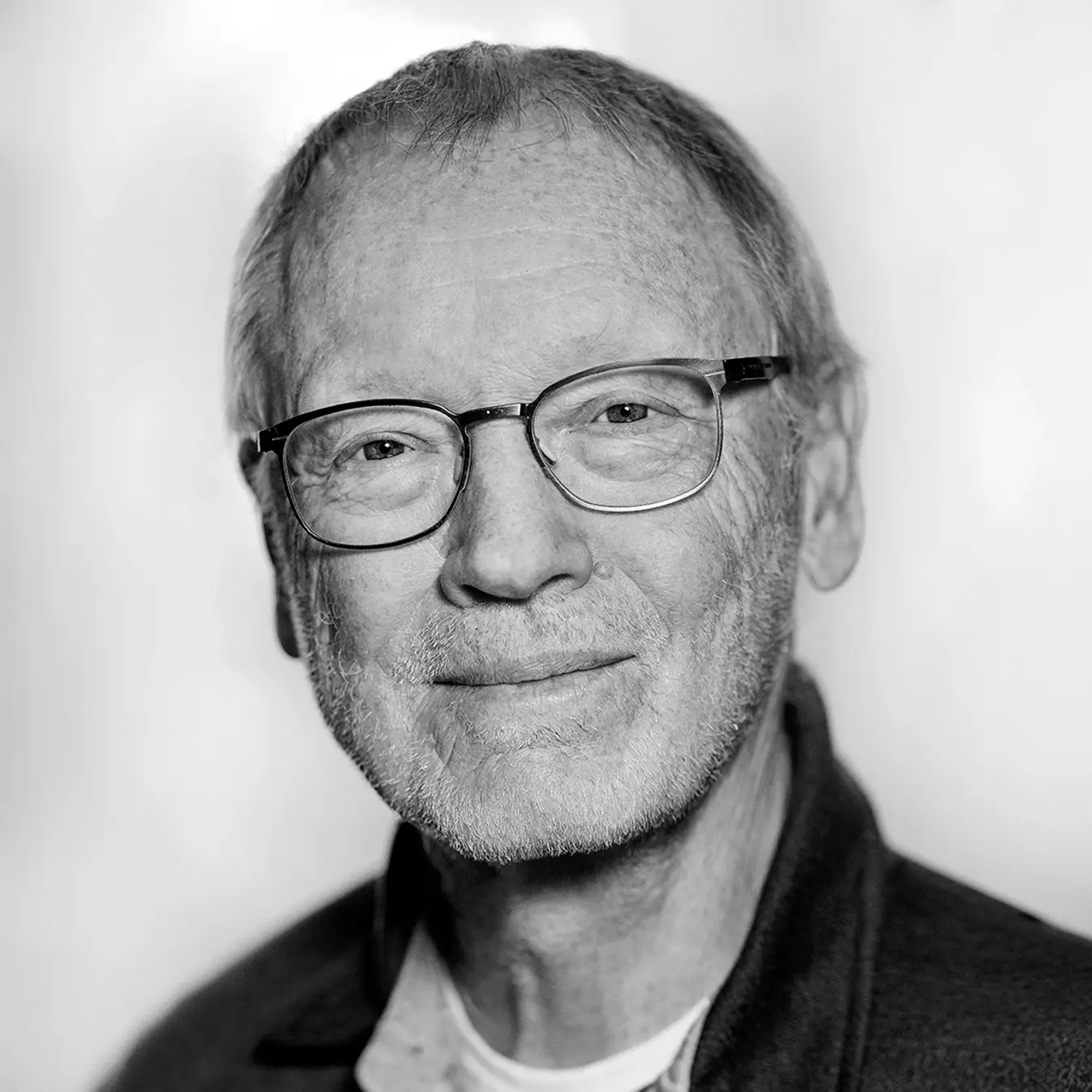 |
2025 | Jens Juul Holst | Denmark | University of Copenhagen, Novo Nordisk | |
For the discovery and characterization of GLP-1 and revealing its physiology and potential in treating diabetes and obesity. |
|||||
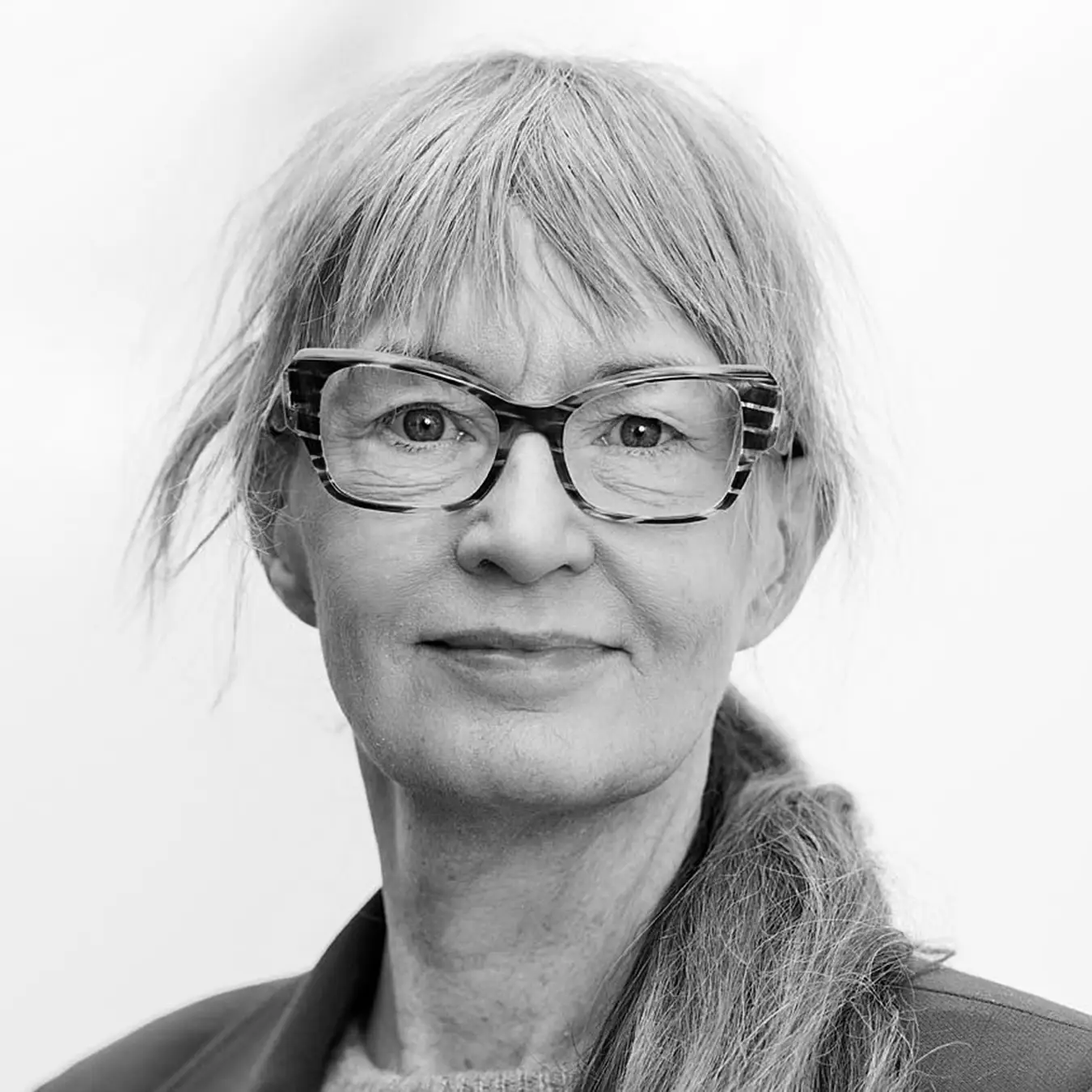 |
2025 | Lotte Bjerre Knudsen | Denmark | University of Copenhagen, Novo Nordisk | |
For the discovery and characterization of GLP-1 and revealing its physiology and potential in treating diabetes and obesity. |
|||||
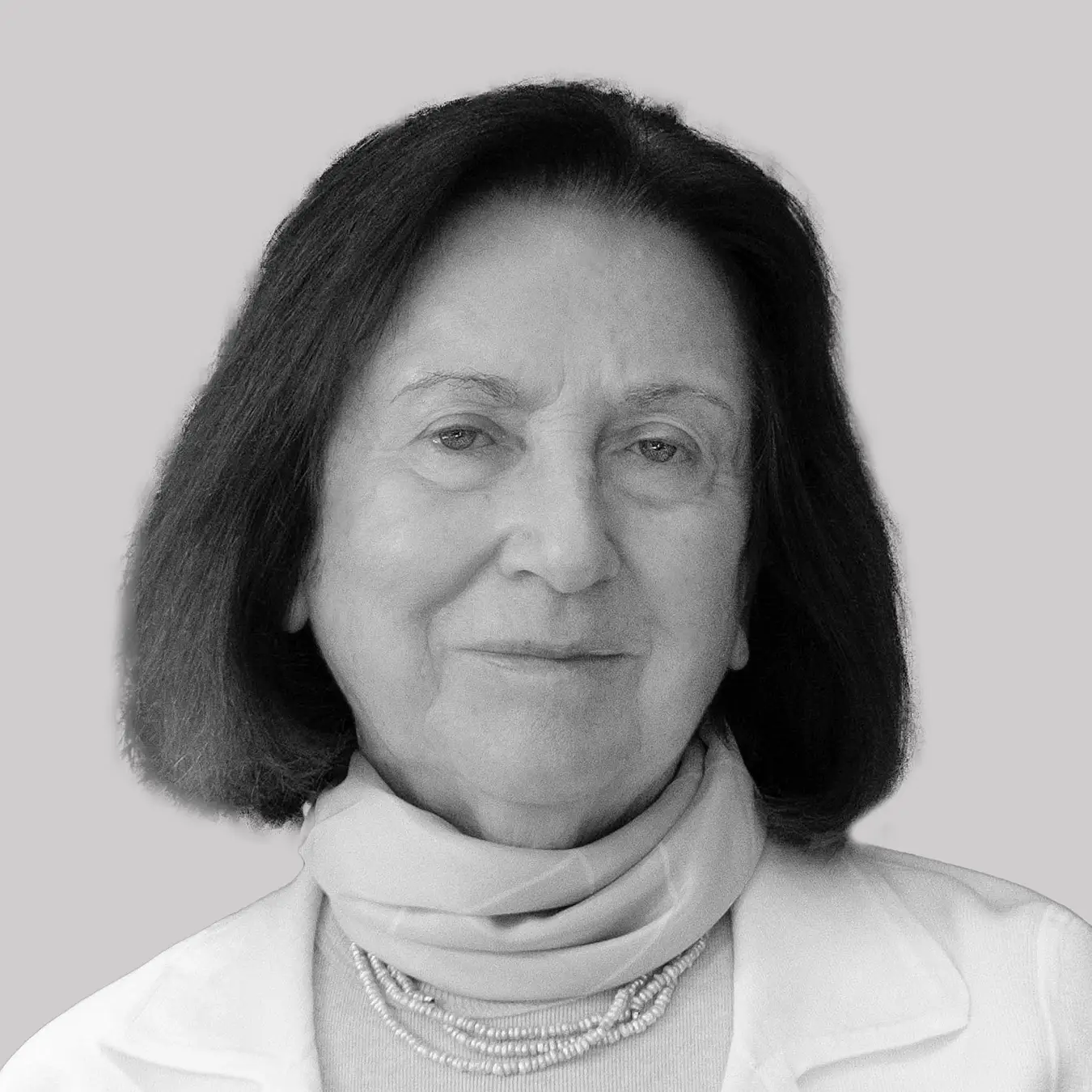 |
2025 | Svetlana Mojsov | United States, North Macedonia | Rockefeller University | |
For the discovery and characterization of GLP-1 and revealing its physiology and potential in treating diabetes and obesity. |
|||||
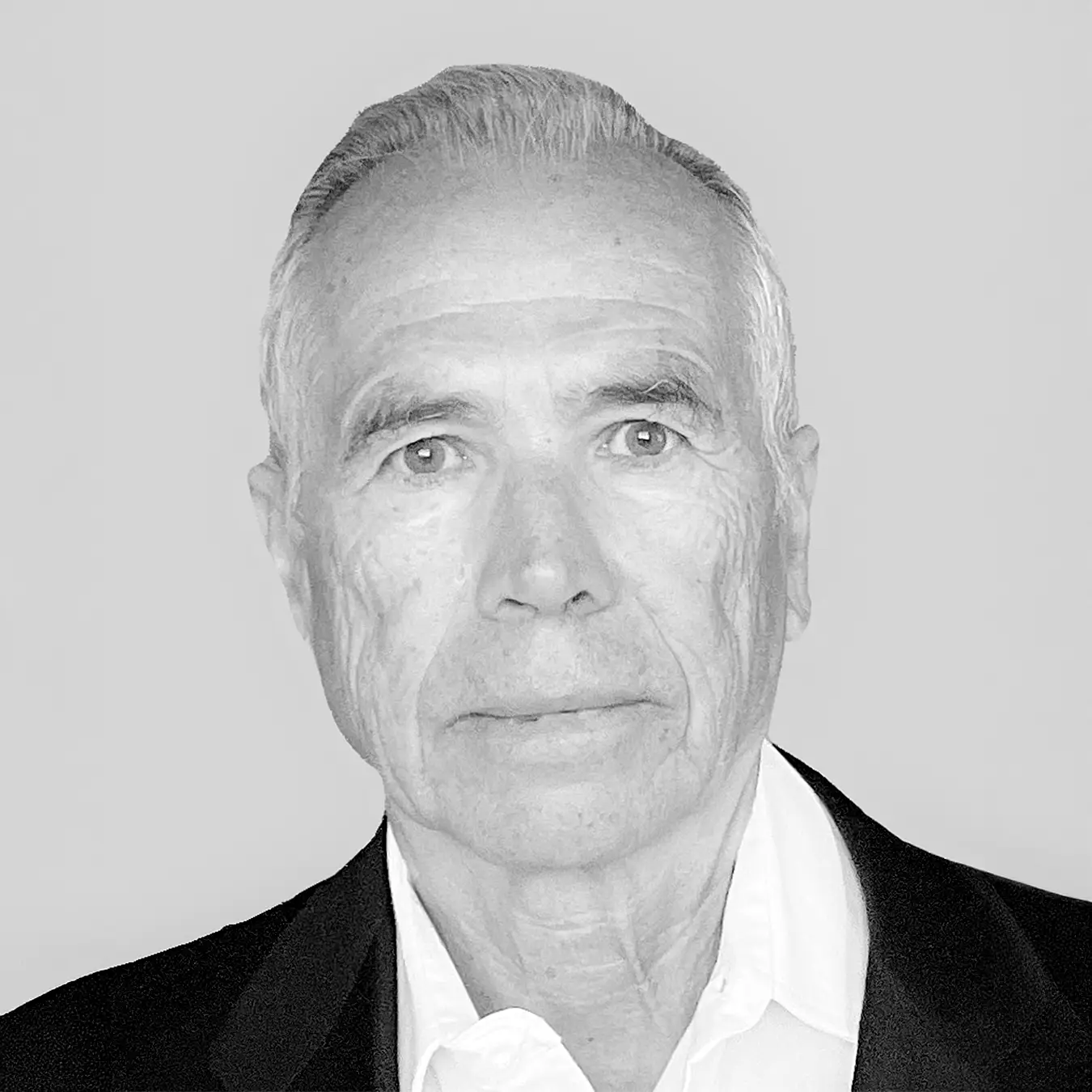 |
2025 | Alberto Ascherio | United States | Harvard University | |
For establishing the role of B cells in multiple sclerosis and developing B-cell based treatments, and for revealing that Epstein-Barr virus infection is the leading risk for multiple sclerosis. |
|||||
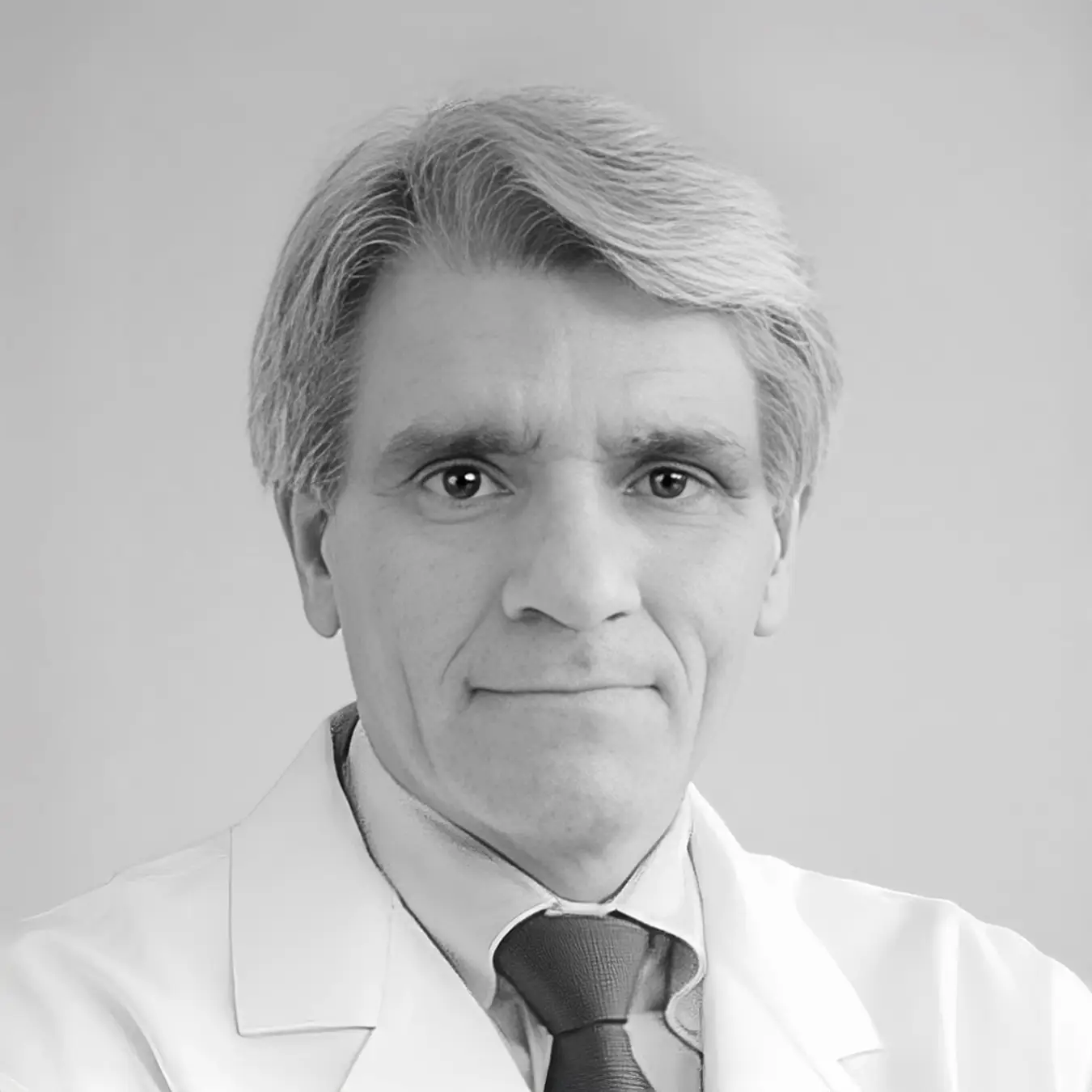 |
2025 | Stephen L. Hauser | United States | University of California San Francisco | |
For establishing the role of B cells in multiple sclerosis and developing B-cell based treatments, and for revealing that Epstein-Barr virus infection is the leading risk for multiple sclerosis. |
|||||
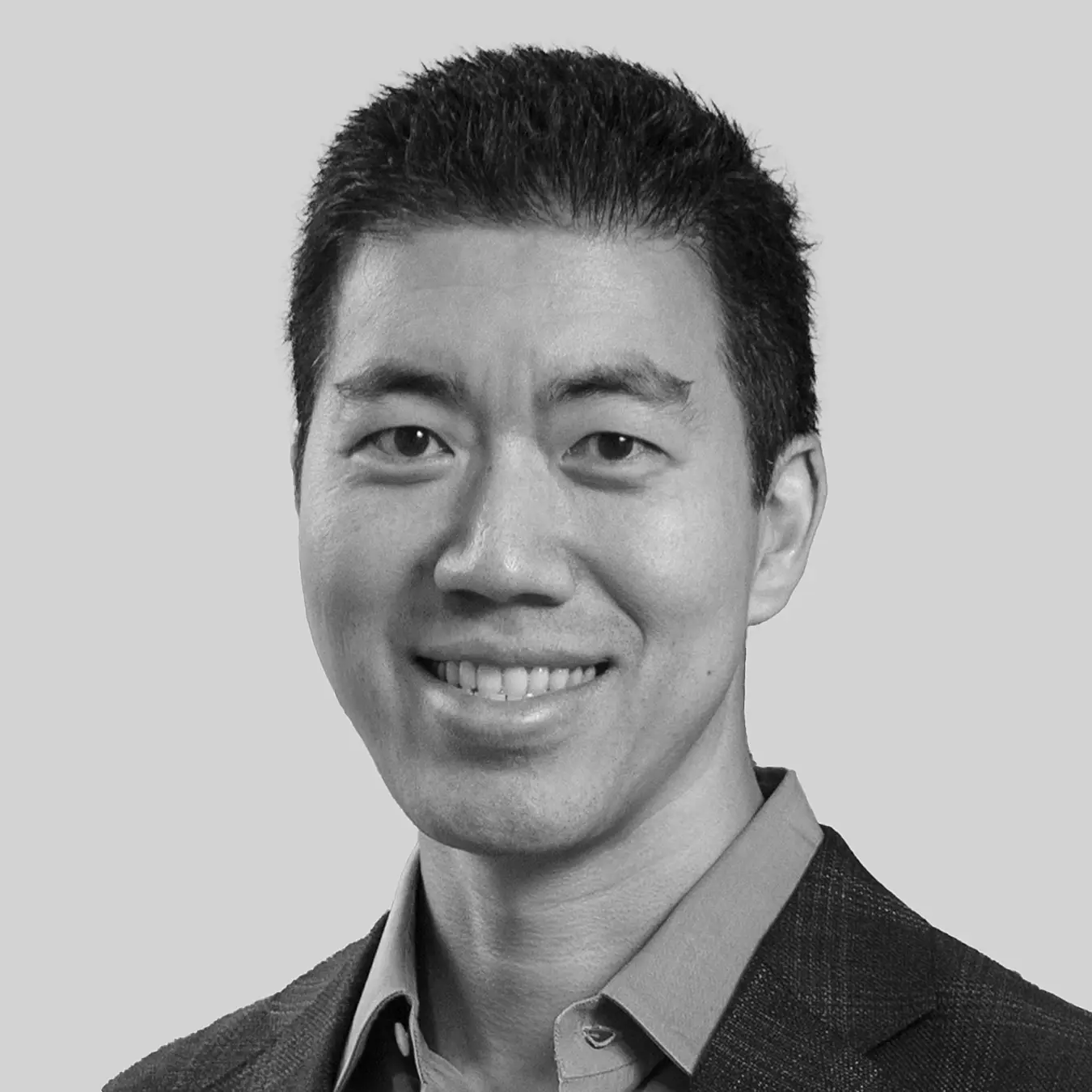 |
2025 | David R. Liu | United States | Harvard University, Merkin Institute for Transformative Technologies, Howard Hughes Medical Institute | |
For developing base editing and prime editing, technologies that edit the DNA of living systems without cutting the DNA double helix, and rewrite segments of genes at their native locations, enabling the correction or replacement of virtually any mutation. |
|||||
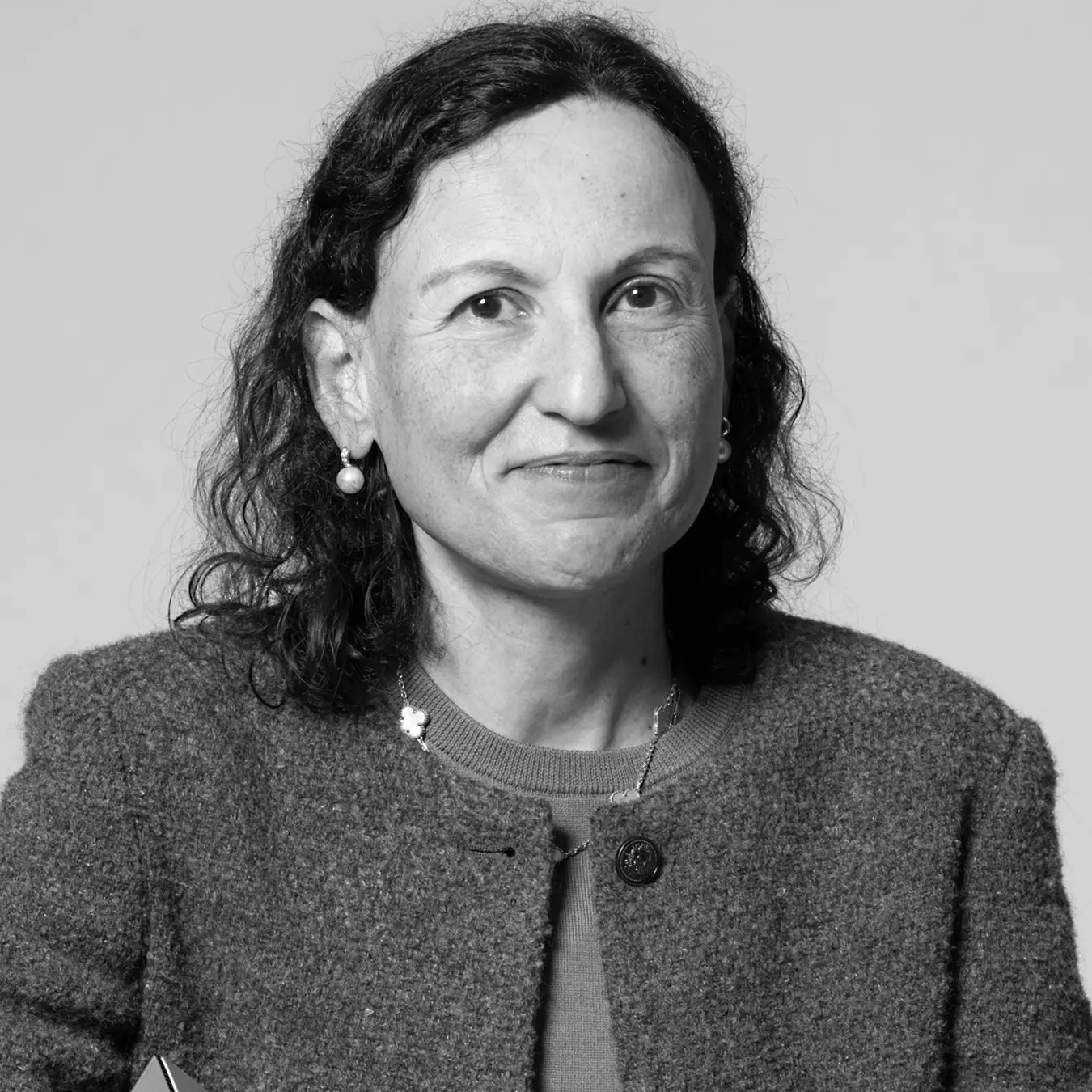 |
2024 | Sabine Hadida | Spain, United States | Vertex Pharmaceuticals | |
for developing life-transforming drug combinations that repair the defective chloride channel protein in patients with cystic fibrosis. |
|||||
 |
2024 | Thomas Gasser | Germany | Hertie Institute for Clinical Brain Research (University of Tübingen), German Center for Neurodegenerative Diseases | |
for identifying GBA1 and LRRK2 as risk genes for Parkinson's disease, implicating autophagy and lysosomal biology as critical contributors to the pathogenesis of the disease. |
|||||
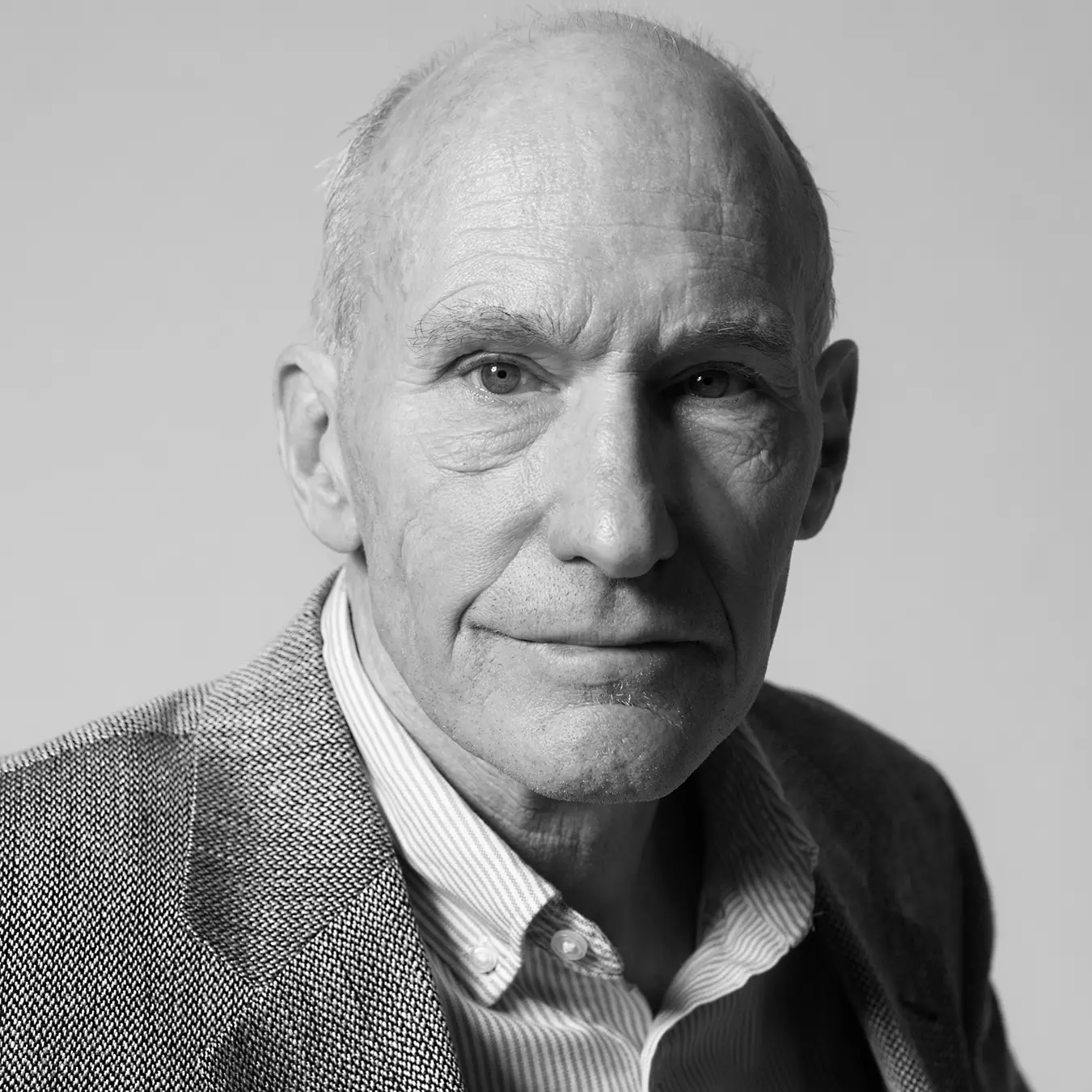 |
2024 | Carl H. June | United States | University of Pennsylvania, Perelman School of Medicine | |
for the development of chimeric antigen receptor T cell immunotherapy whereby the patient's T cells are modified to target and kill cancer cells. |
|||||
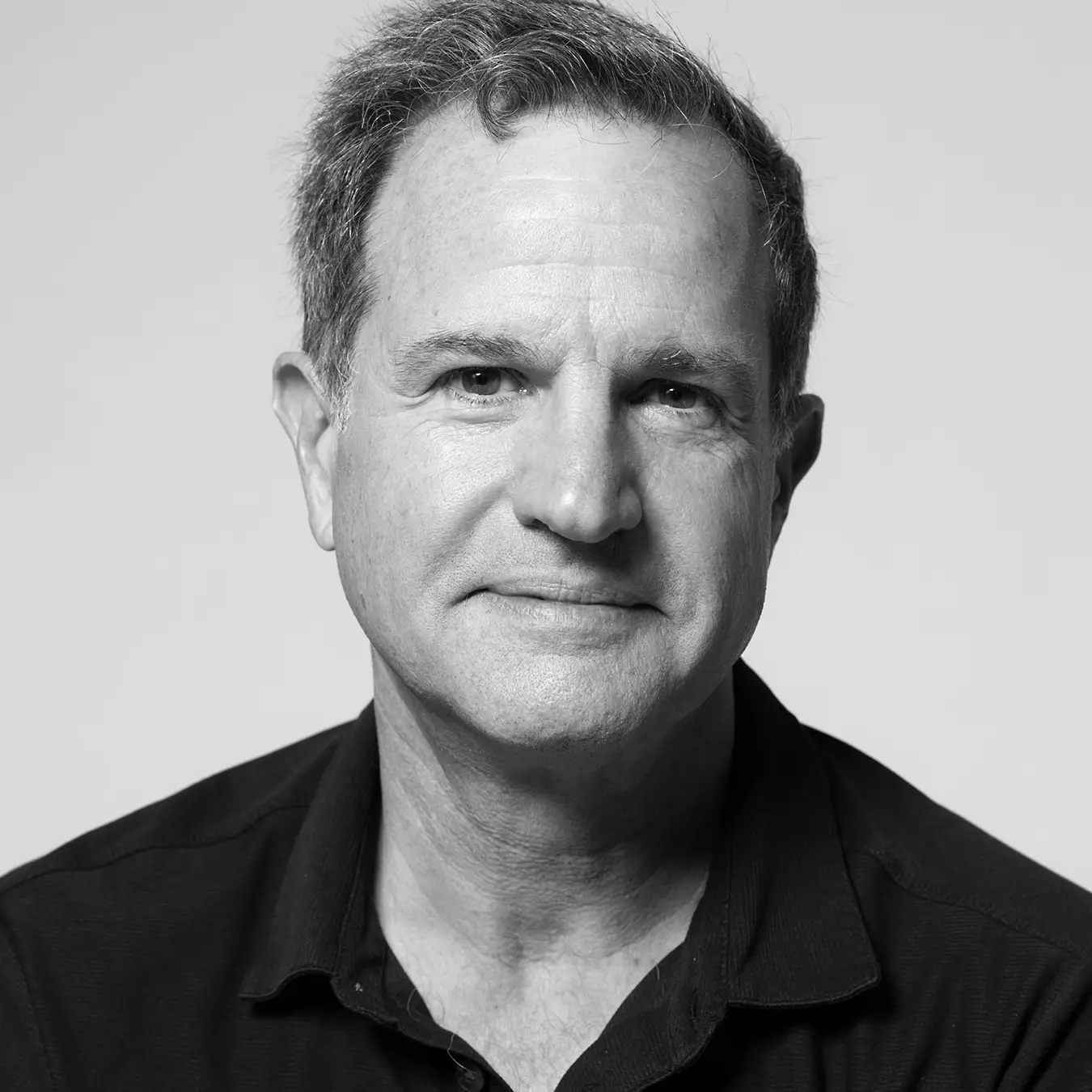 |
2024 | Paul Negulescu | United States | Vertex Pharmaceuticals | |
for developing life-transforming drug combinations that repair the defective chloride channel protein in patients with cystic fibrosis. |
|||||
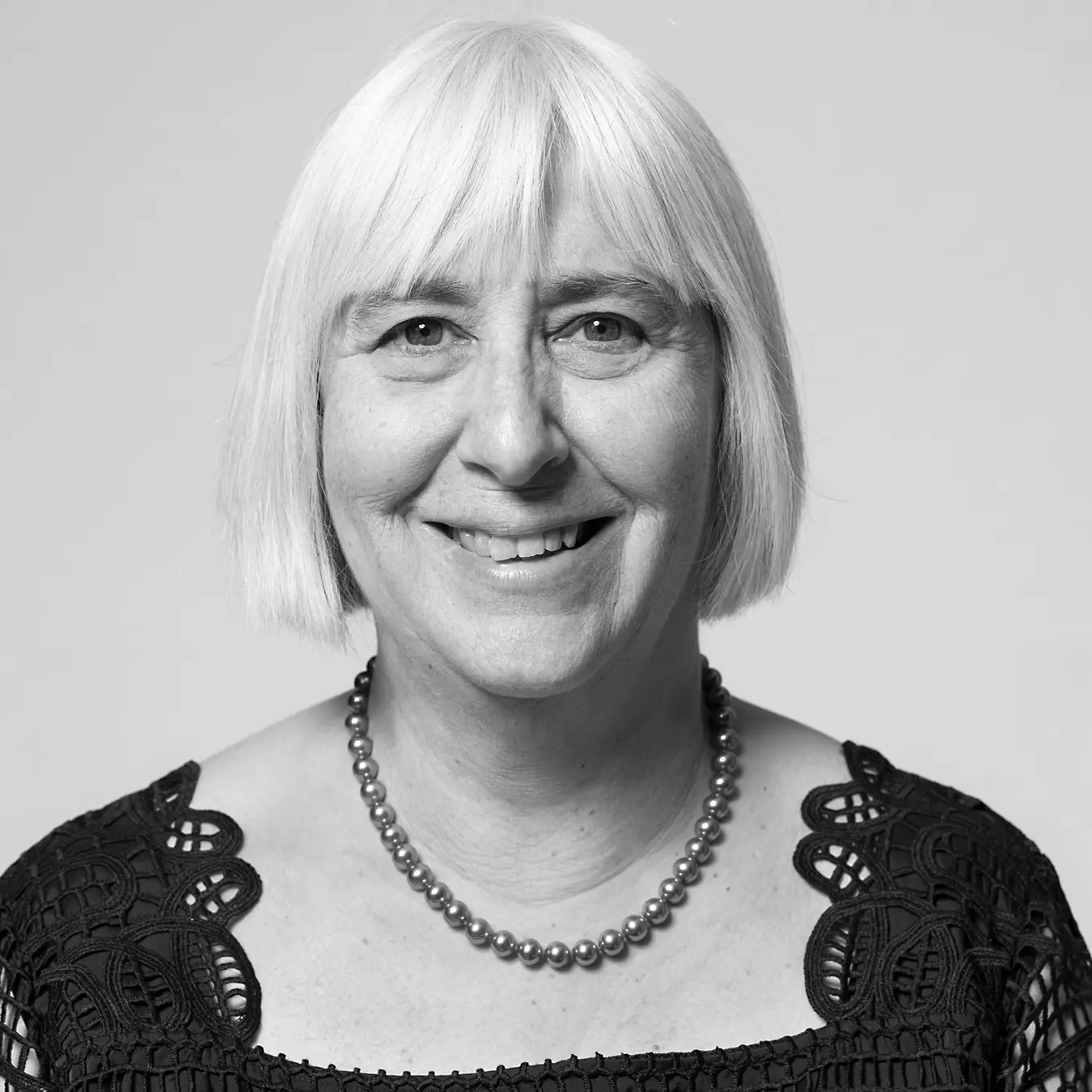 |
2024 | Ellen Sidransky | United States | National Human Genome Research Institute | |
for identifying GBA1 and LRRK2 as risk genes for Parkinson's disease, implicating autophagy and lysosomal biology as critical contributors to the pathogenesis of the disease. |
|||||
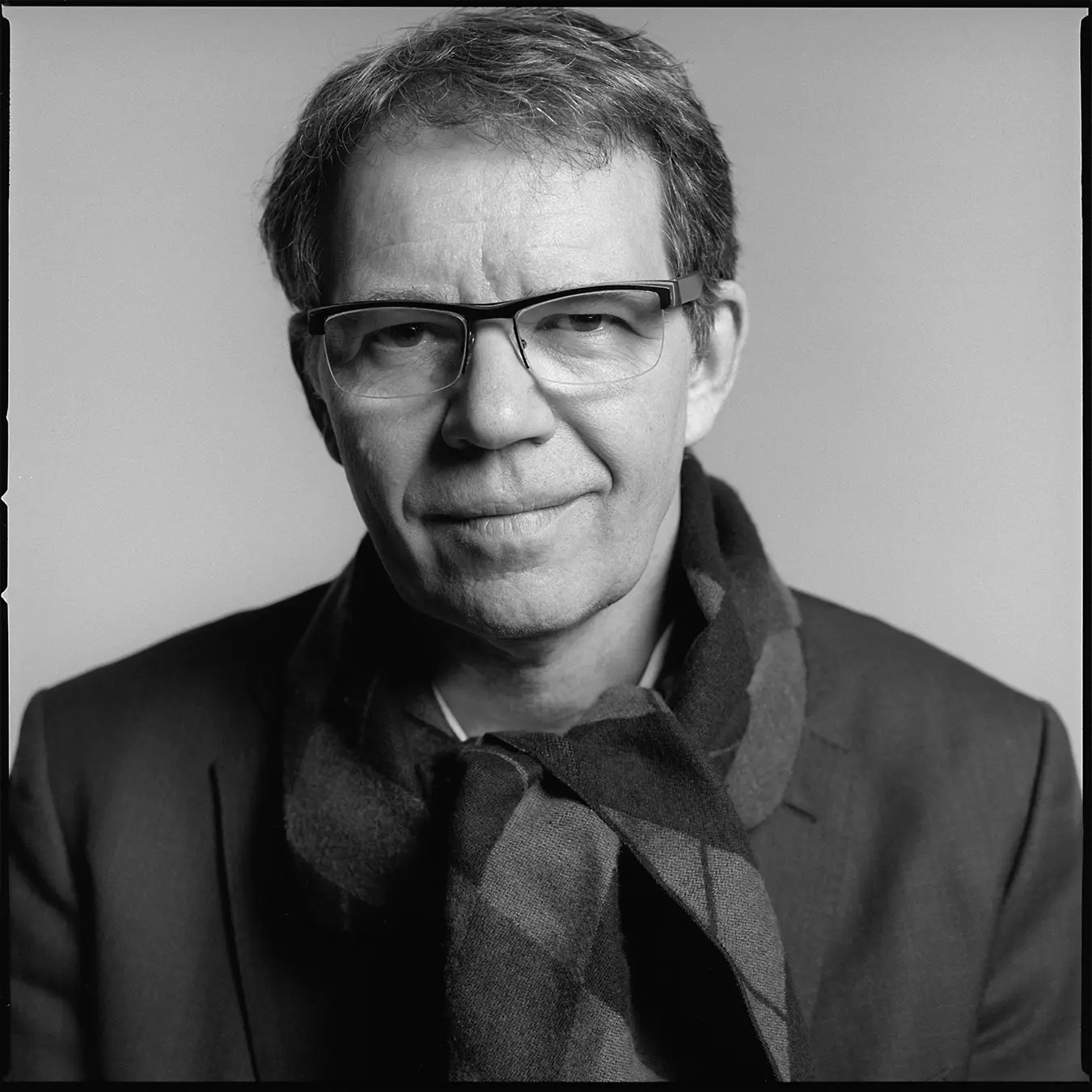 |
2024 | Michel Sadelain | France | Memorial Sloan Kettering Cancer Center | |
for the development of chimeric antigen receptor T cell immunotherapy whereby the patient's T cells are modified to target and kill cancer cells. |
|||||
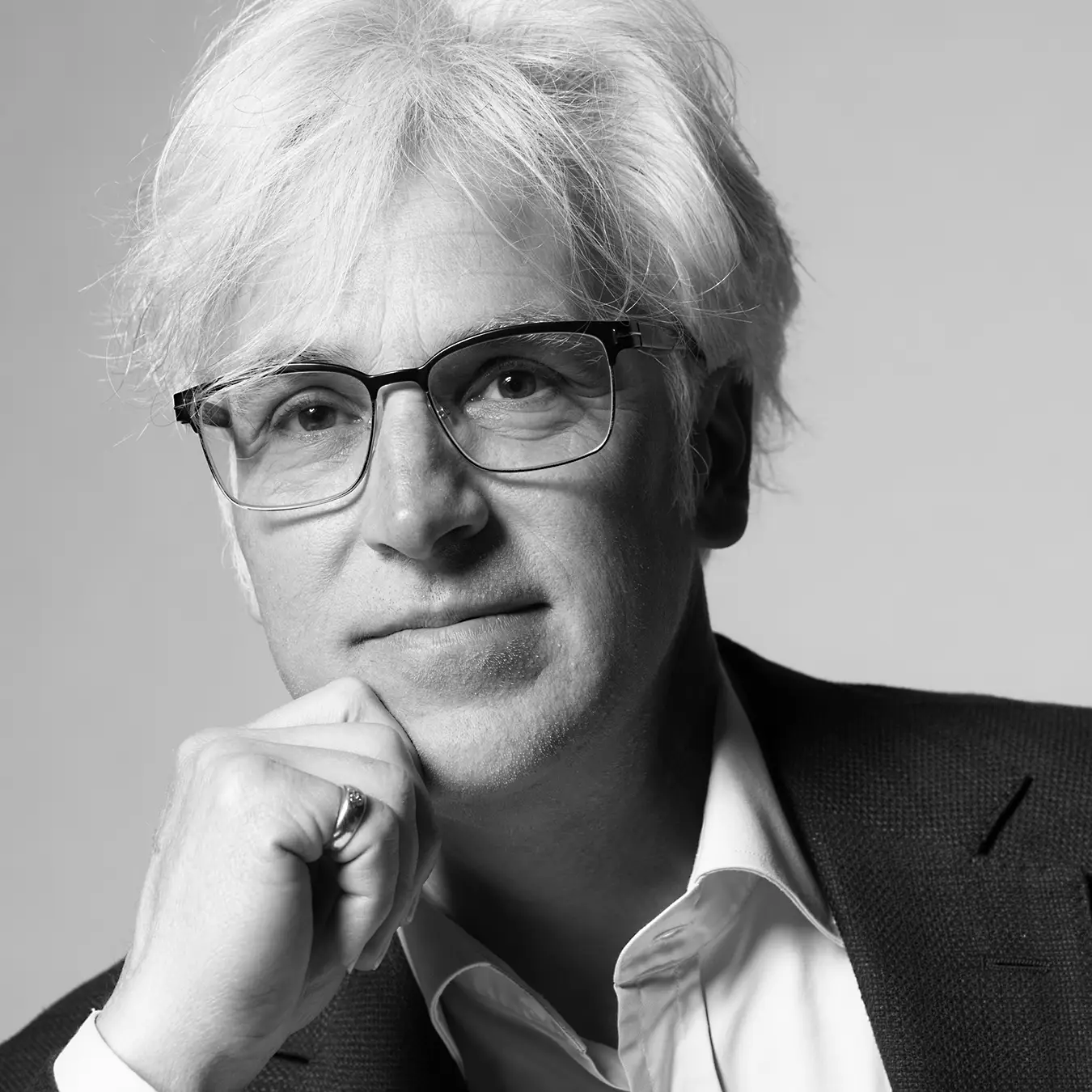 |
2024 | Fredrick Van Goor | United States | Vertex Pharmaceuticals | |
for developing life-transforming drug combinations that repair the defective chloride channel protein in patients with cystic fibrosis. |
|||||
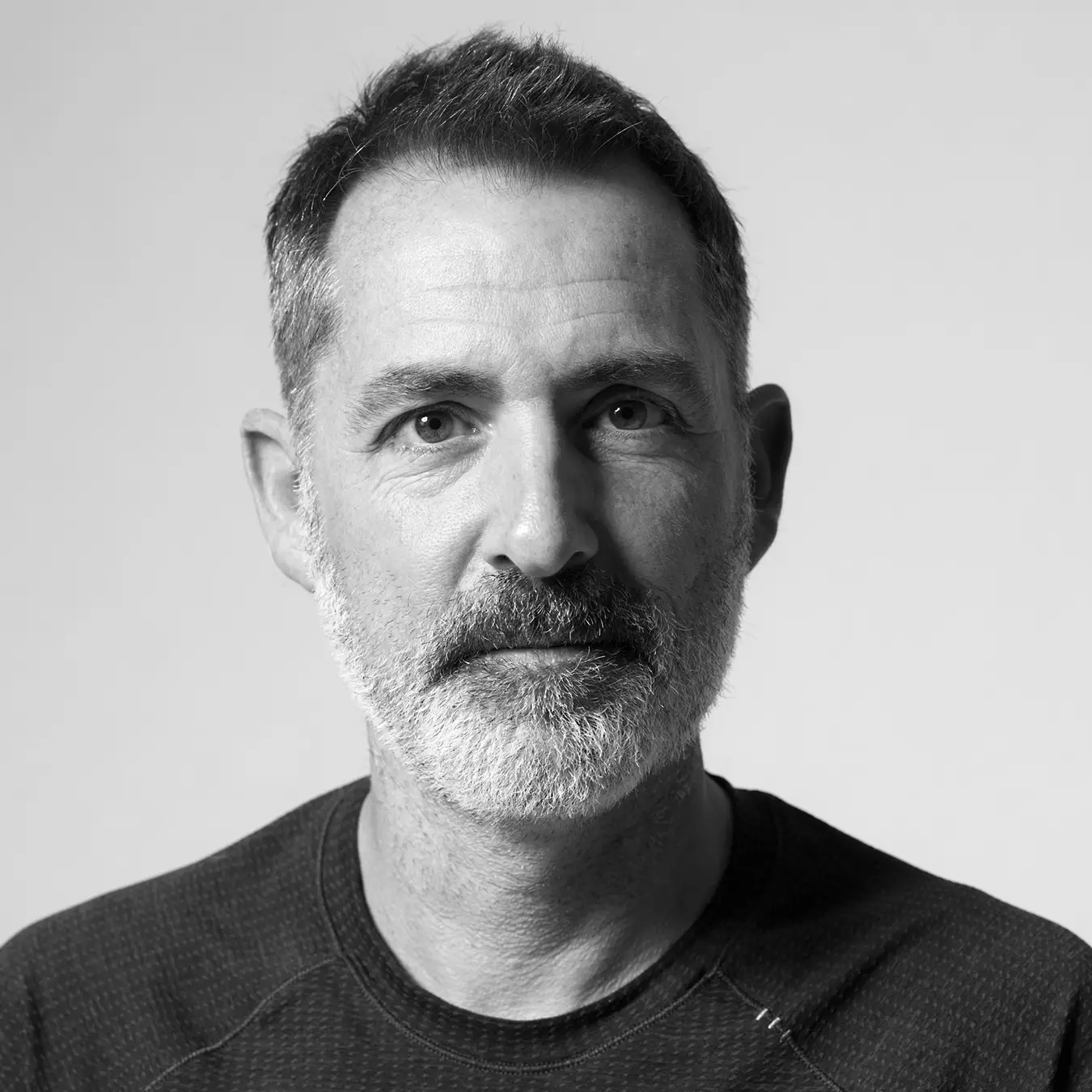 |
2024 | Andrew Singleton | United Kingdom | National Institute on Aging | |
for identifying GBA1 and LRRK2 as risk genes for Parkinson's disease, implicating autophagy and lysosomal biology as critical contributors to the pathogenesis of the disease. |
|||||
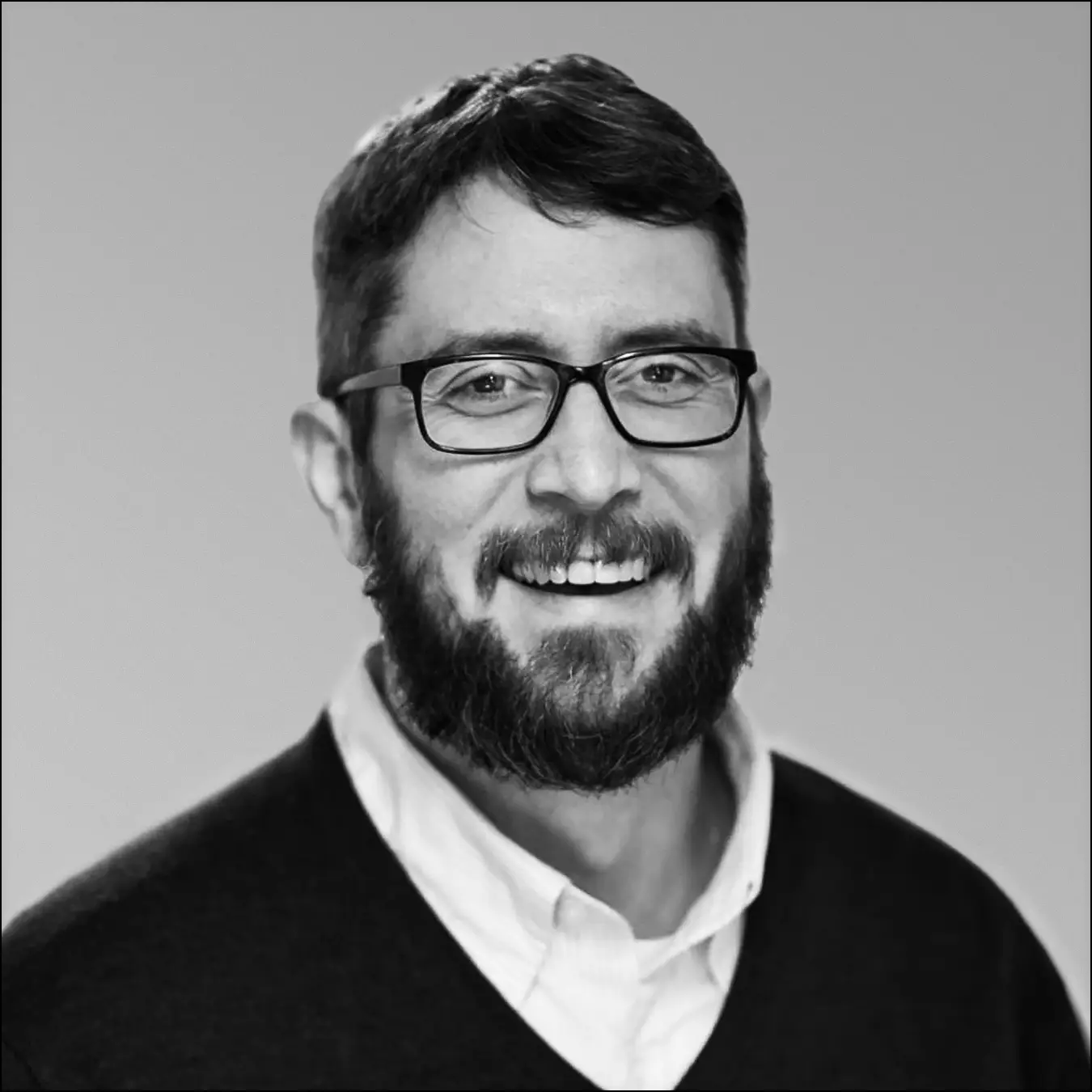 |
2023 | Clifford P. Brangwynne | United States | Princeton University, Howard Hughes Medical Institute, Marine Biological Laboratory | |
for discovering a fundamental mechanism of cellular organization mediated by phase separation of proteins and RNA into membraneless liquid droplets. |
|||||
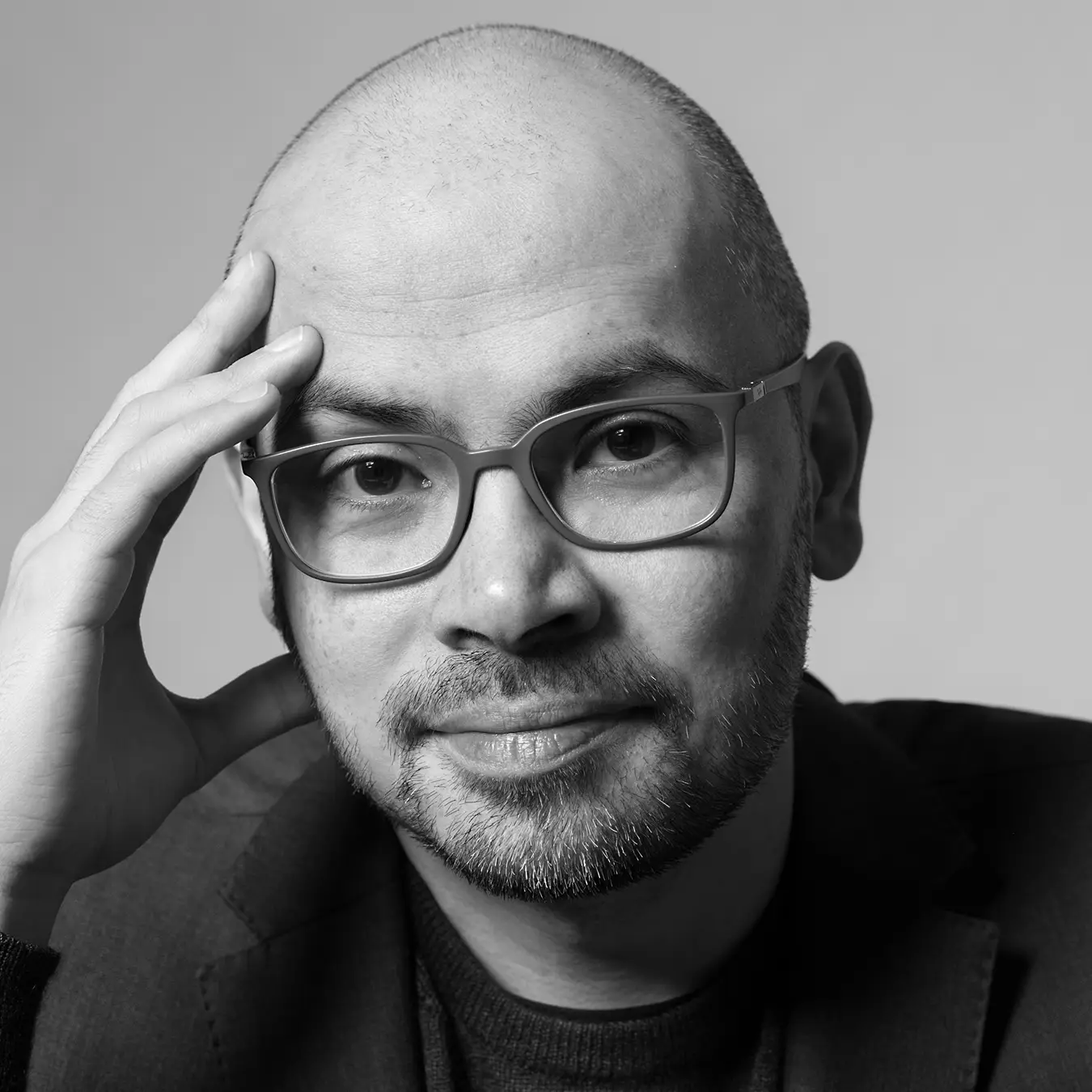 |
2023 | Demis Hassabis | United Kingdom | Google DeepMind | |
for developing a deep learning AI method that rapidly and accurately predicts the three-dimensional structure of proteins from their amino acid sequence.. |
|||||
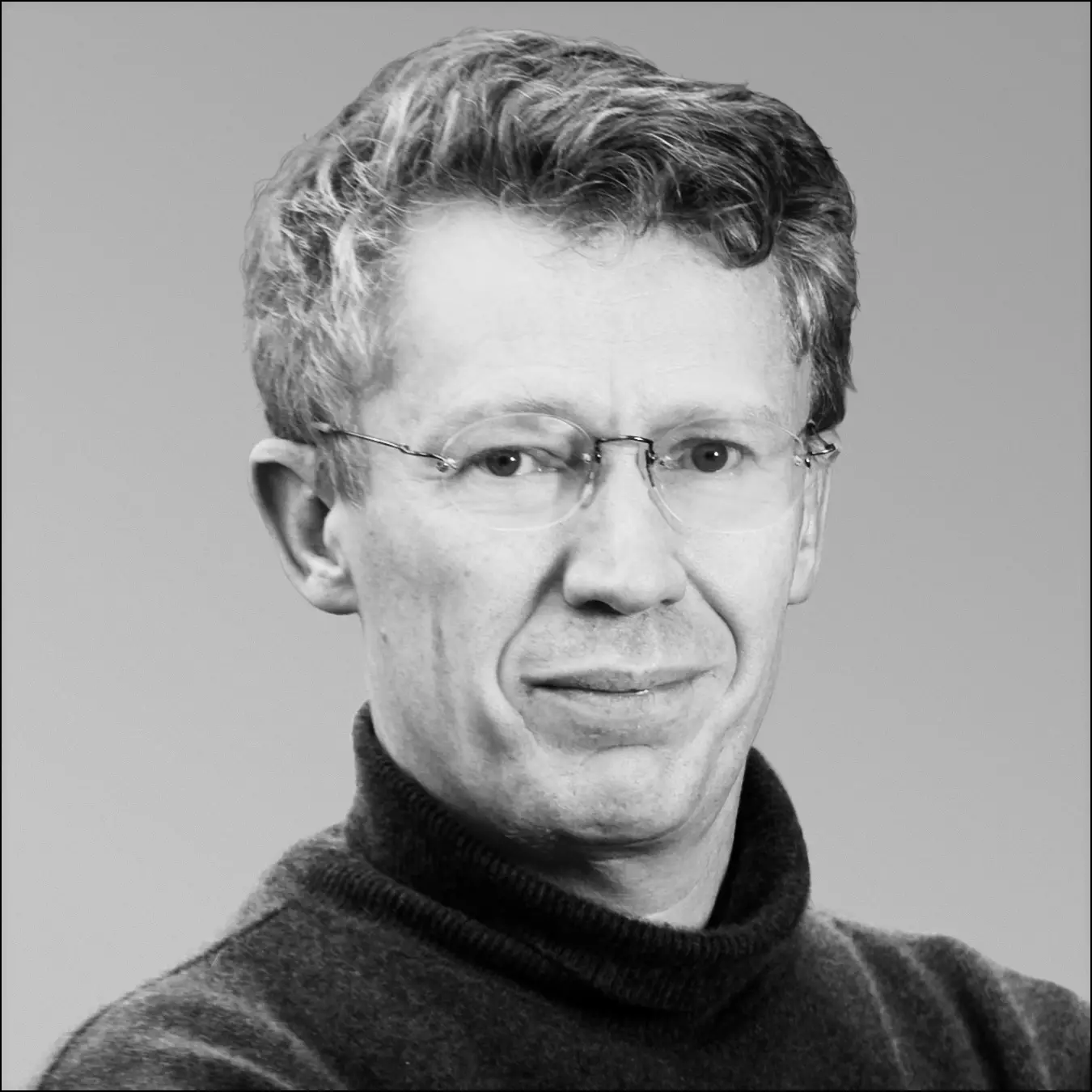 |
2023 | Emmanuel Mignot | United States | Stanford University School of Medicine | |
for discovering that narcolepsy is caused by the loss of a small population of brain cells that make a wake-promoting substance, paving the way for the development of new treatments for sleep disorders.. |
|||||
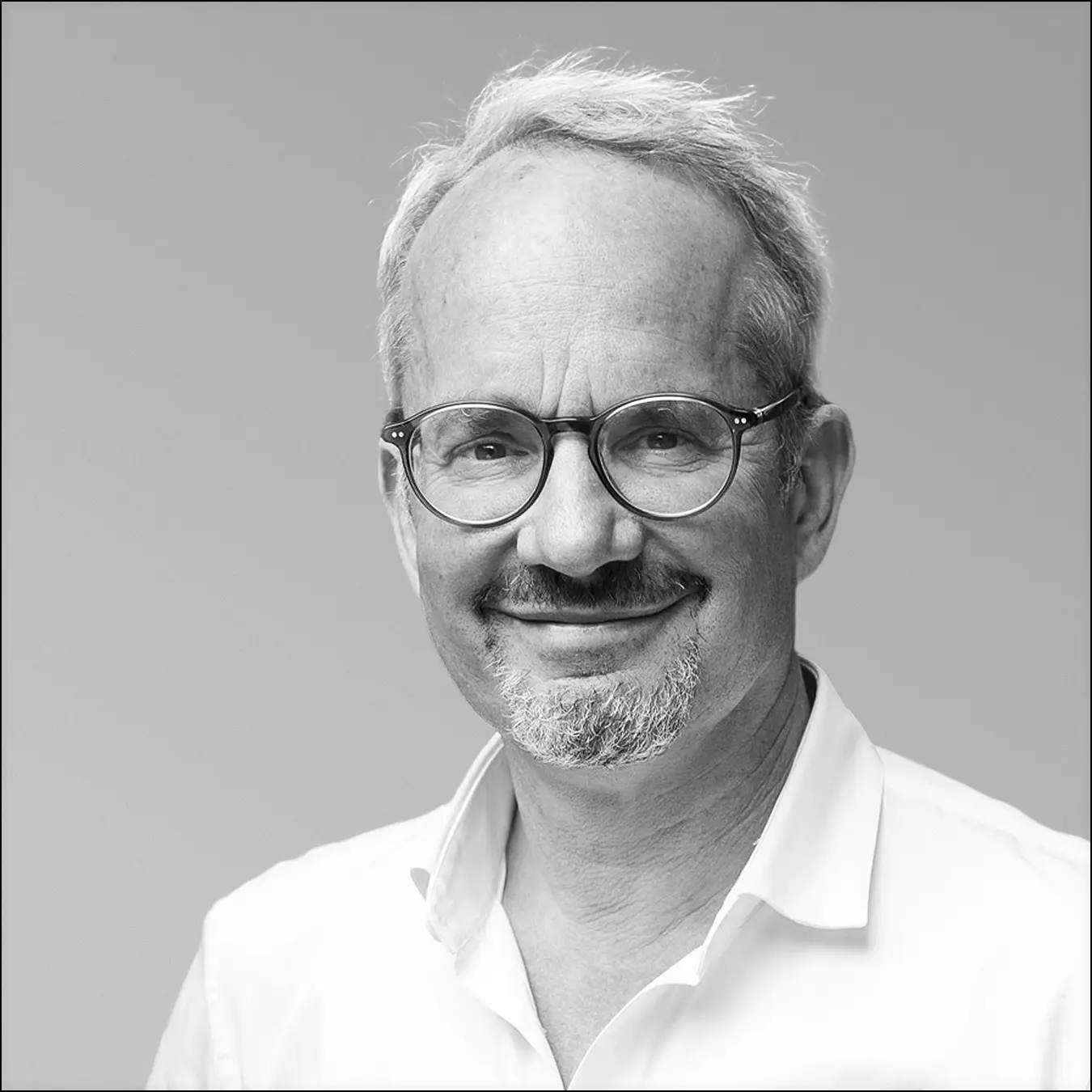 |
2023 | Anthony A. Hyman | United Kingdom | Max Planck Institute of Molecular Cell Biology and Genetics | |
for discovering a fundamental mechanism of cellular organization mediated by phase separation of proteins and RNA into membraneless liquid droplets. |
|||||
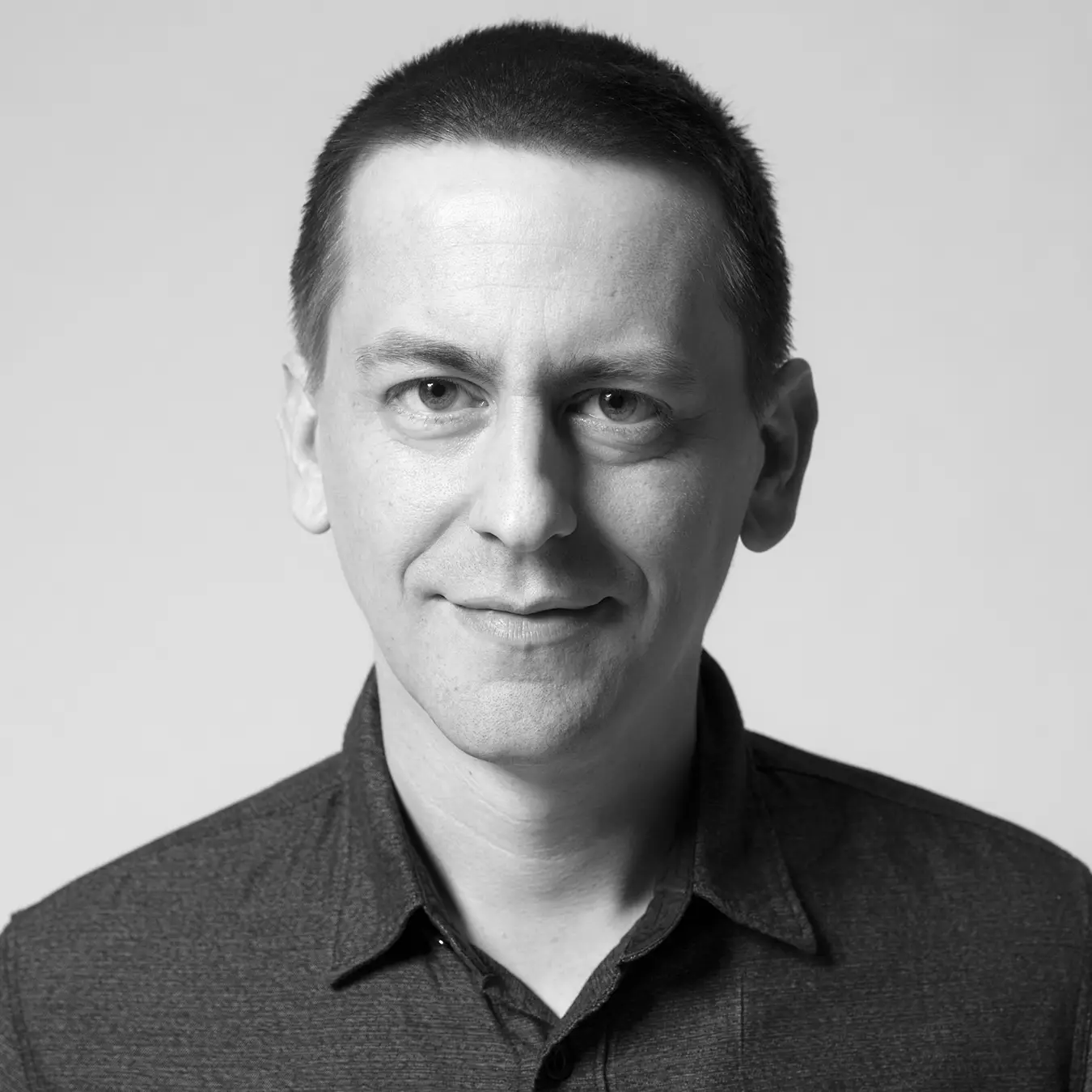 |
2023 | John Jumper | United States | DeepMind | |
for developing a deep learning AI method that rapidly and accurately predicts the three-dimensional structure of proteins from their amino acid sequence.. |
|||||
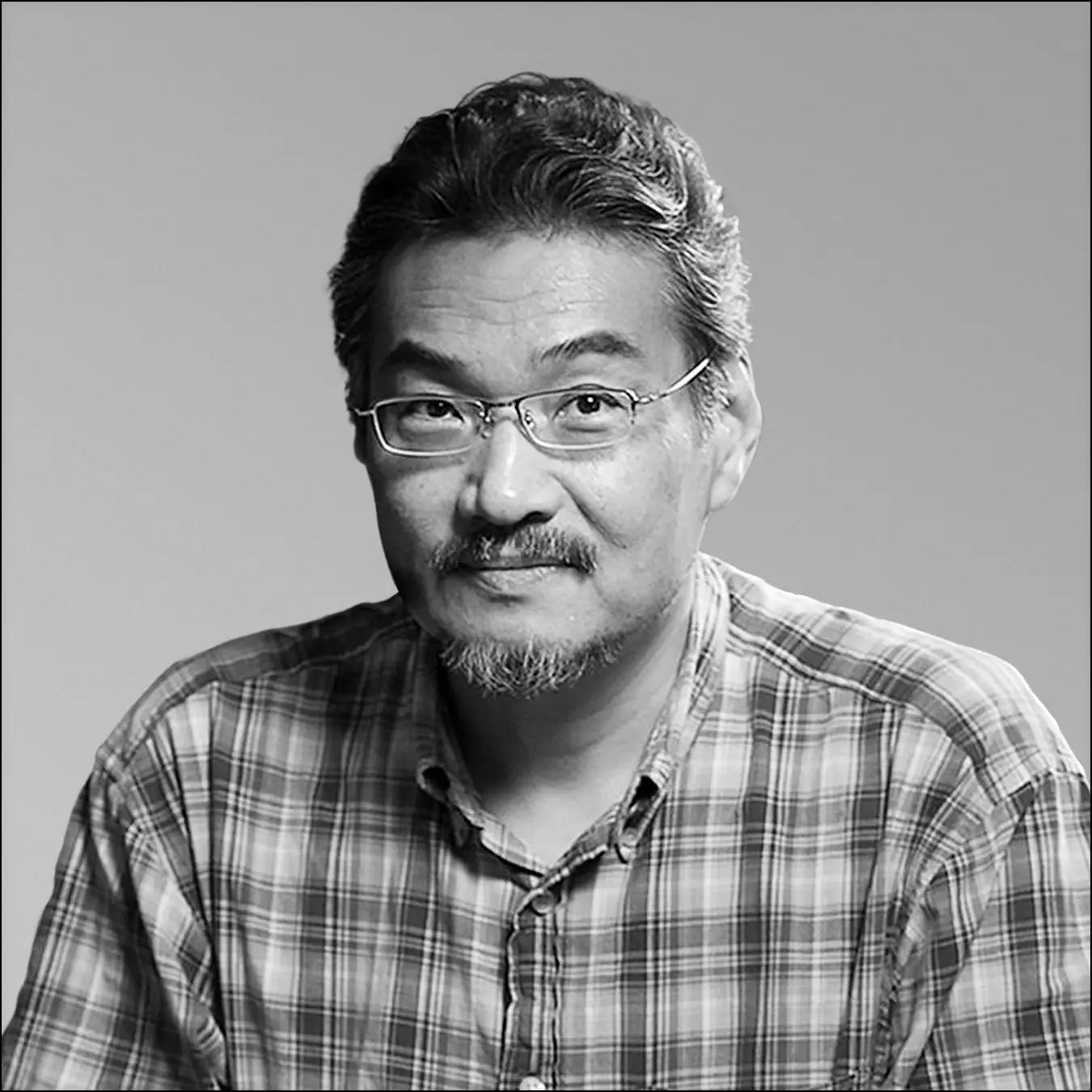 |
2023 | Masashi Yanagisawa | Japan, United States | University of Tsukuba, University of Texas Southwestern Medical Center | |
for discovering that narcolepsy is caused by the loss of a small population of brain cells that make a wake-promoting substance, paving the way for the development of new treatments for sleep disorders.. |
|||||
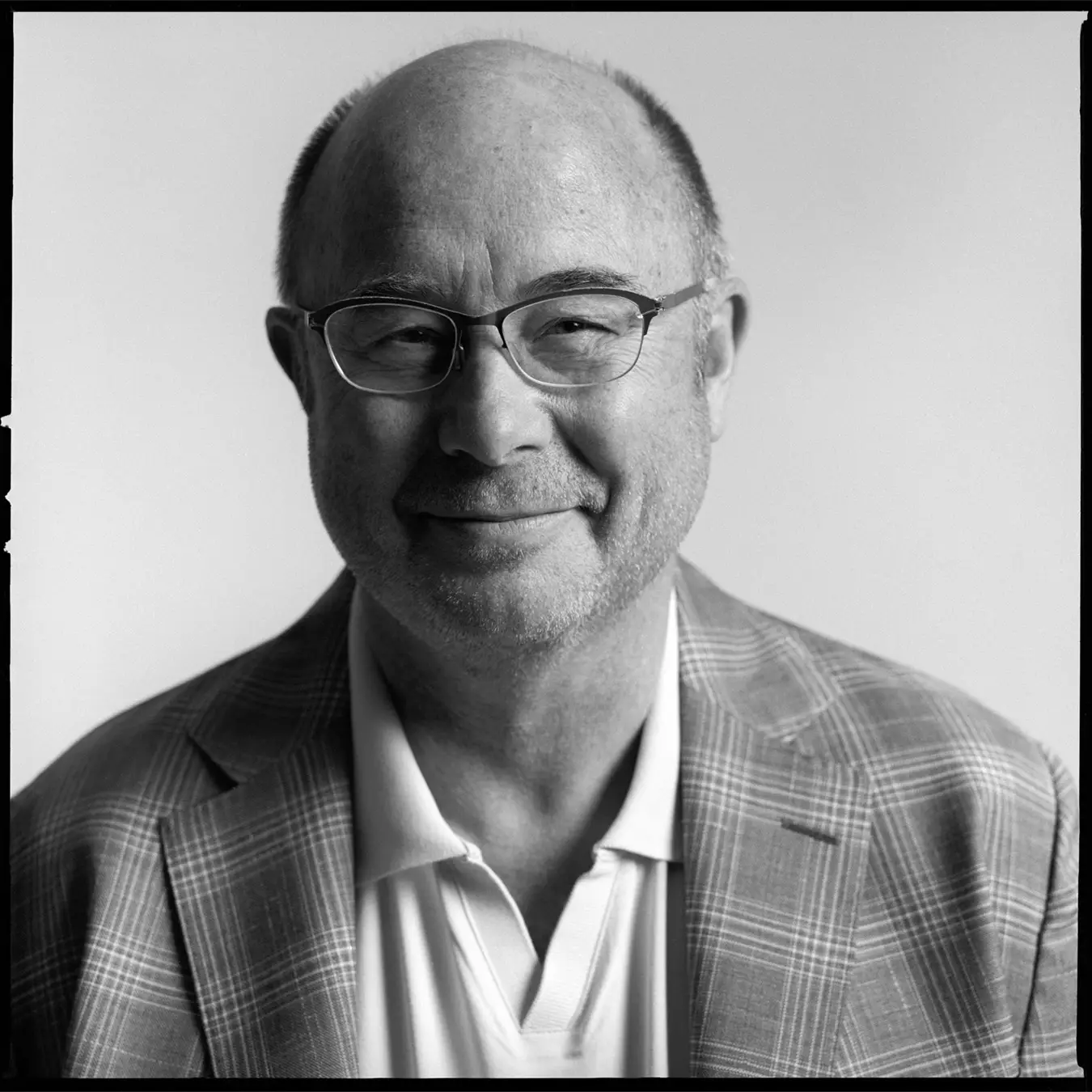 |
2022 | Jeffery W. Kelly | United States | Scripps Research Institute | |
for elucidating the molecular basis of neurodegenerative and cardiac transthyretin diseases, and for developing tafamidis, a drug that slows their progression. |
|||||
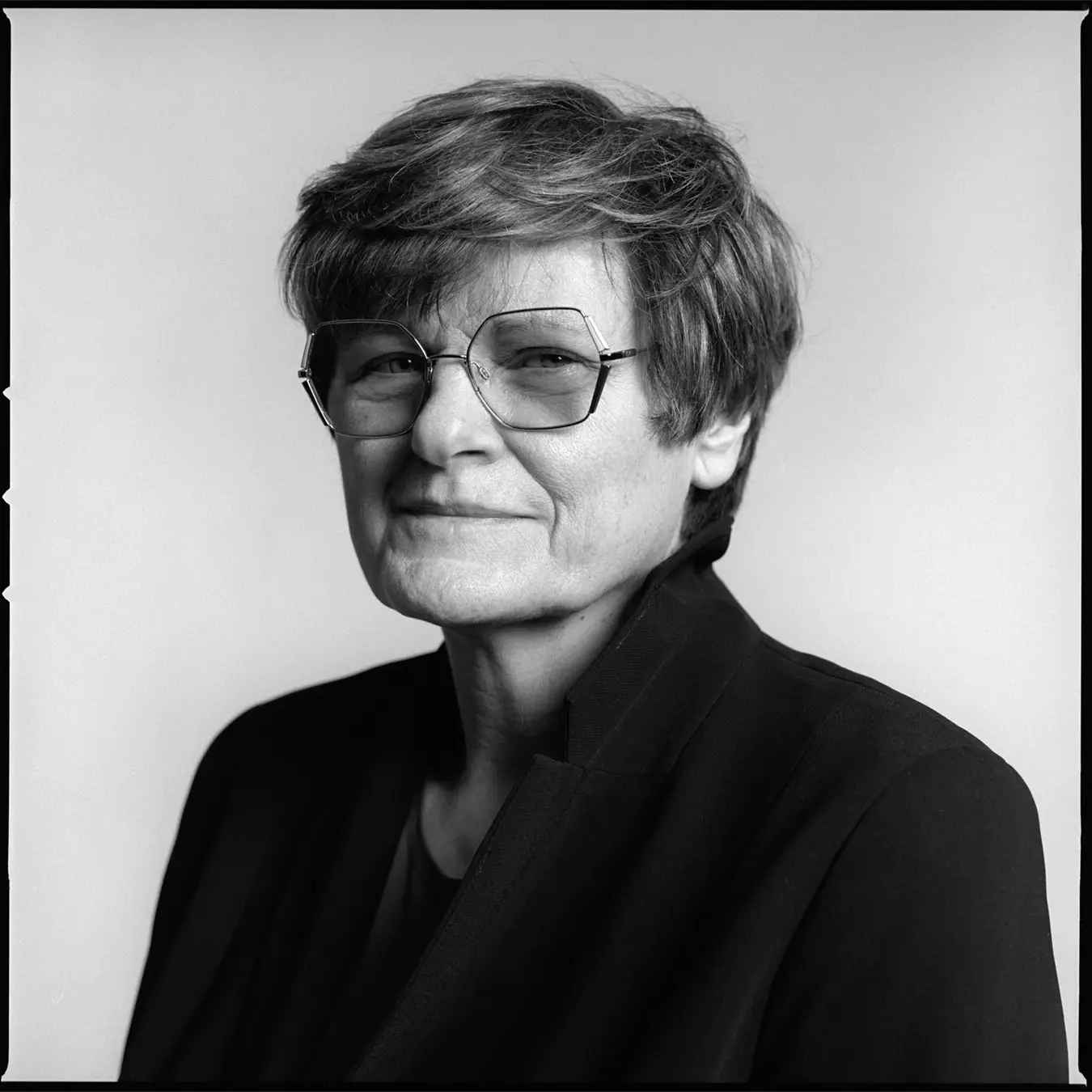 |
2022 | Katalin Karikó | Hungary, United States | University of Pennsylvania, BioNTech (Biotechnology Company) | |
for engineering modified RNA technology which enabled rapid development of effective COVID-19 vaccines. |
|||||
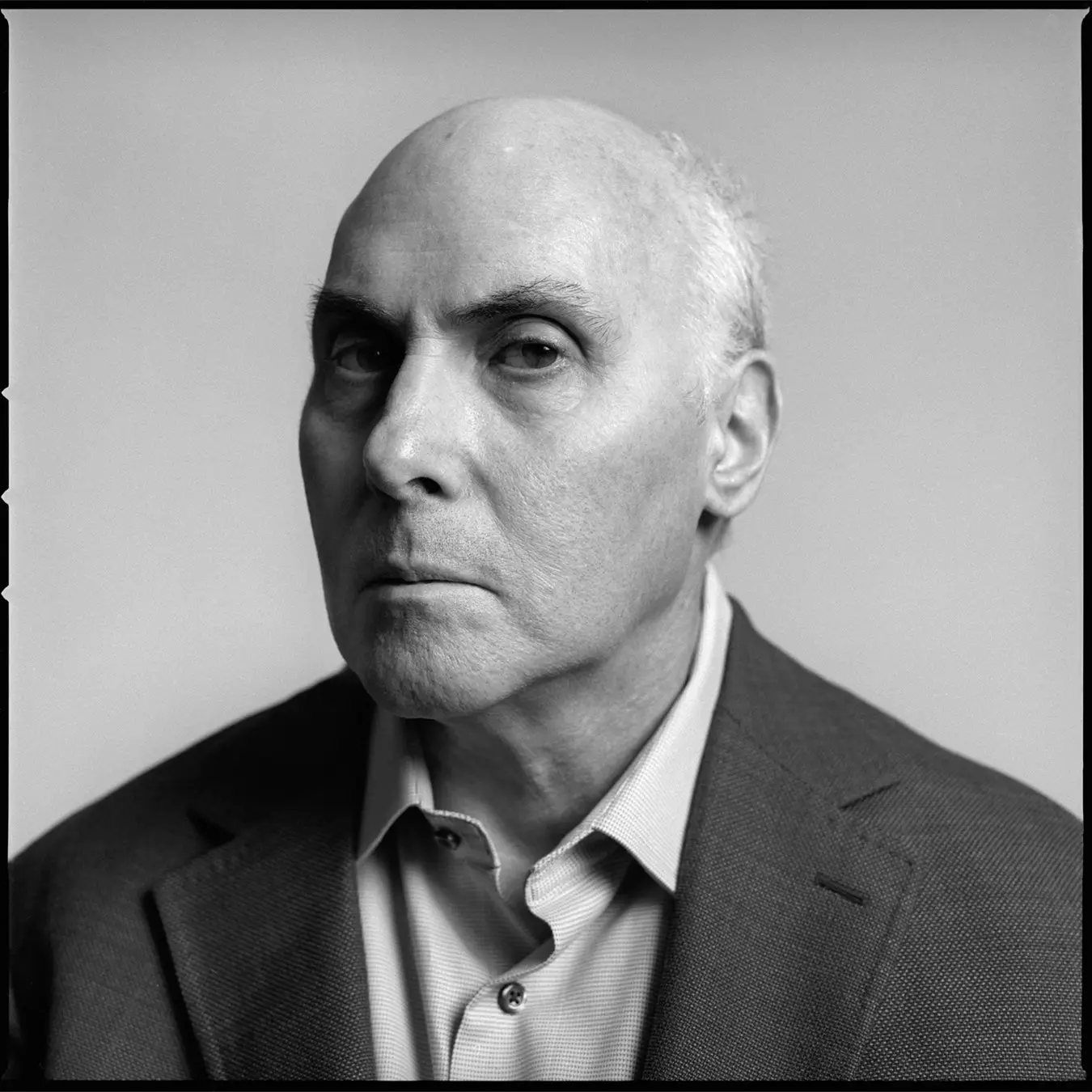 |
2022 | Drew Weissman | United States | University of Pennsylvania | |
for engineering modified RNA technology which enabled rapid development of effective COVID-19 vaccines. |
|||||
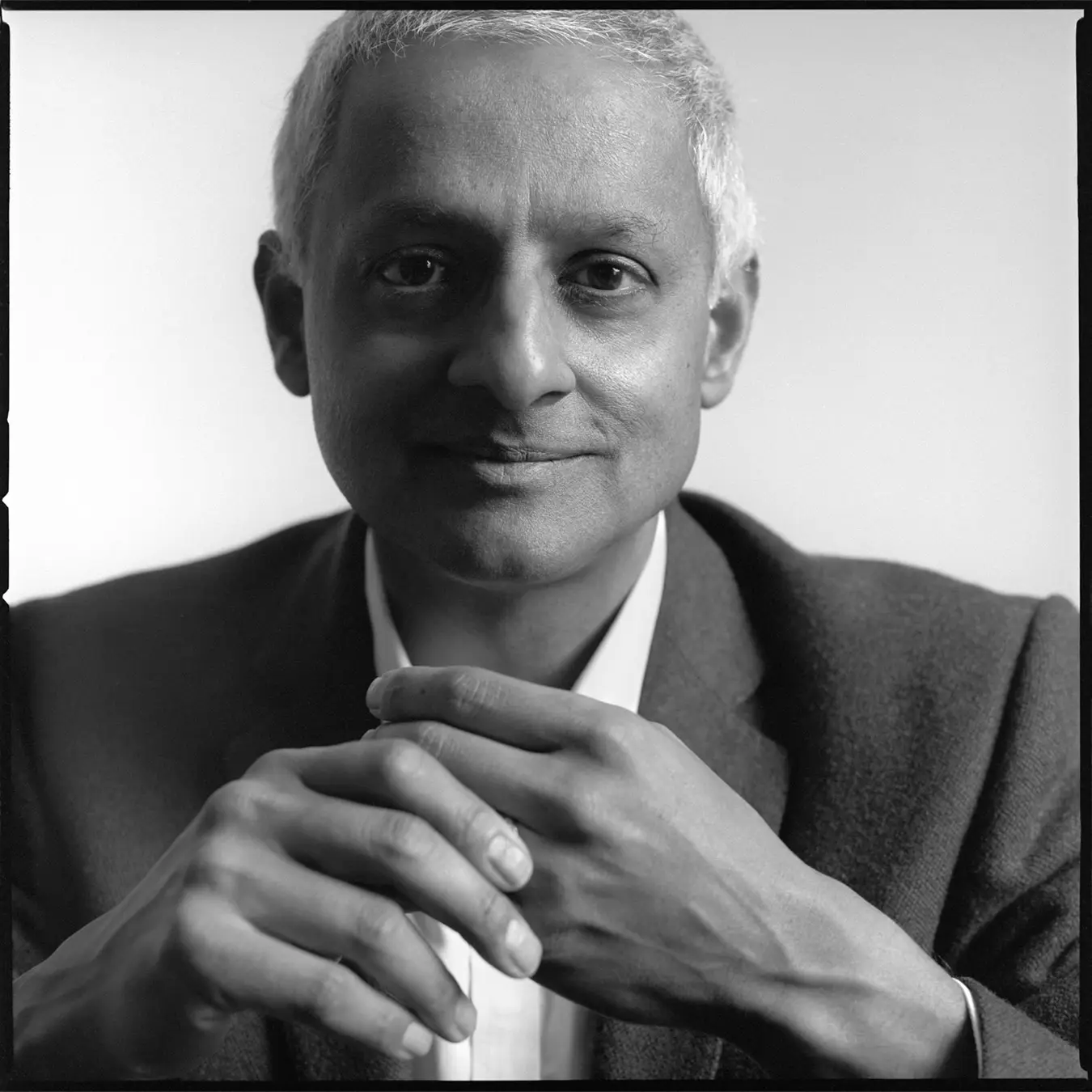 |
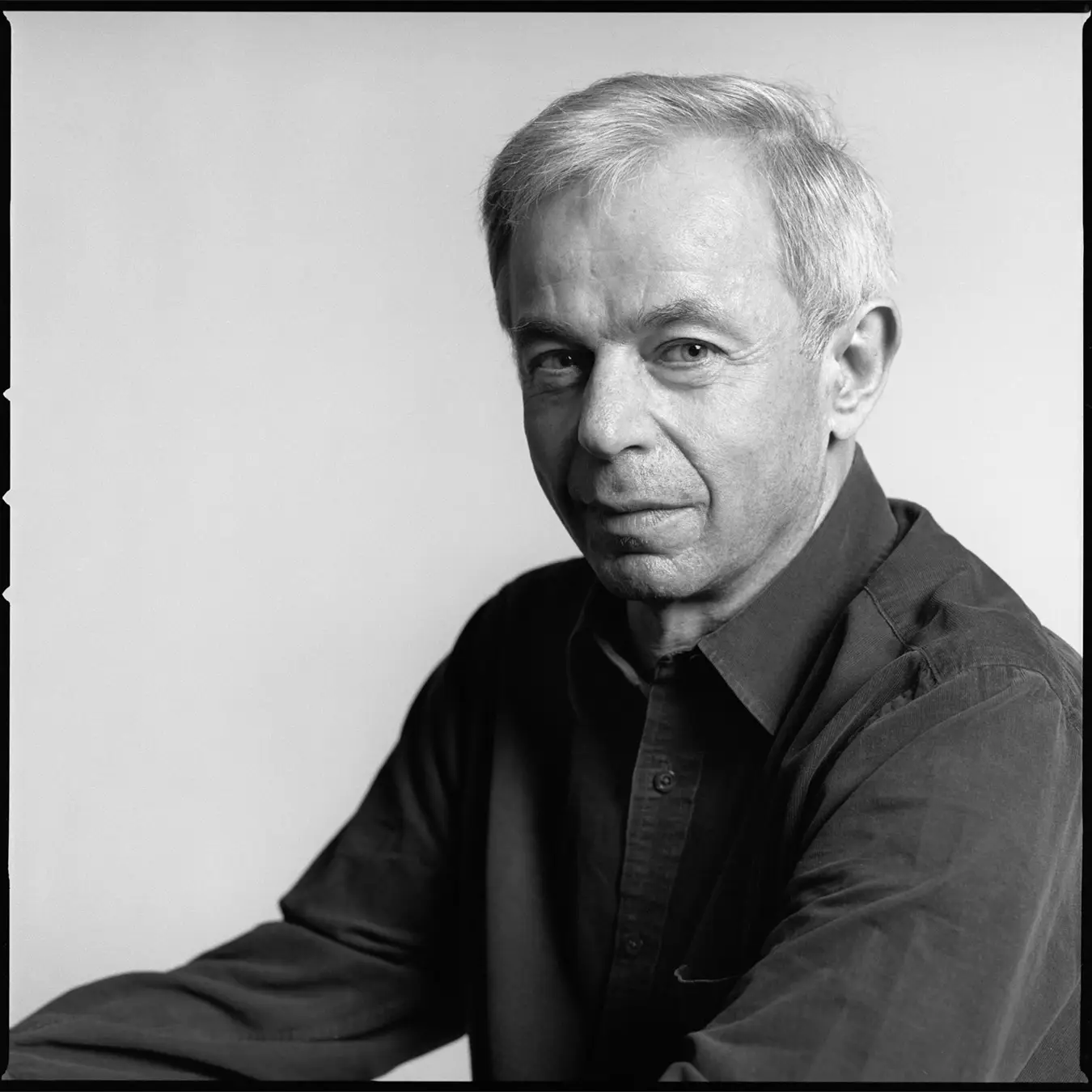
2022 | Shankar Balasubramanian | India, United Kingdom | University of Cambridge | |
for the development of a robust and affordable method to determine DNA sequences on a massive scale, which has transformed the practice of science and medicine. |
|||||
 |
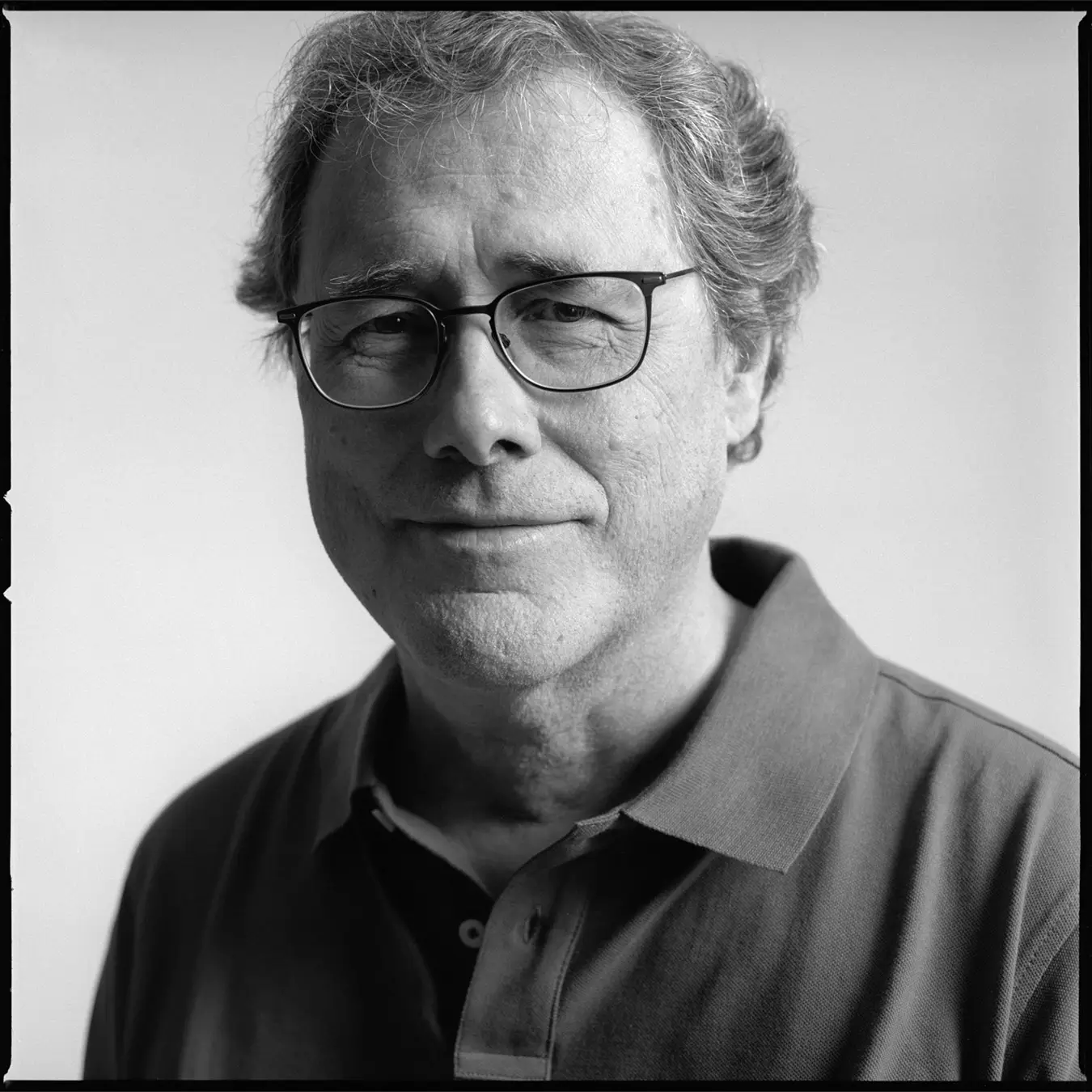
2022 | David Klenerman | United Kingdom | University of Cambridge | |
for the development of a robust and affordable method to determine DNA sequences on a massive scale, which has transformed the practice of science and medicine. |
|||||
 |
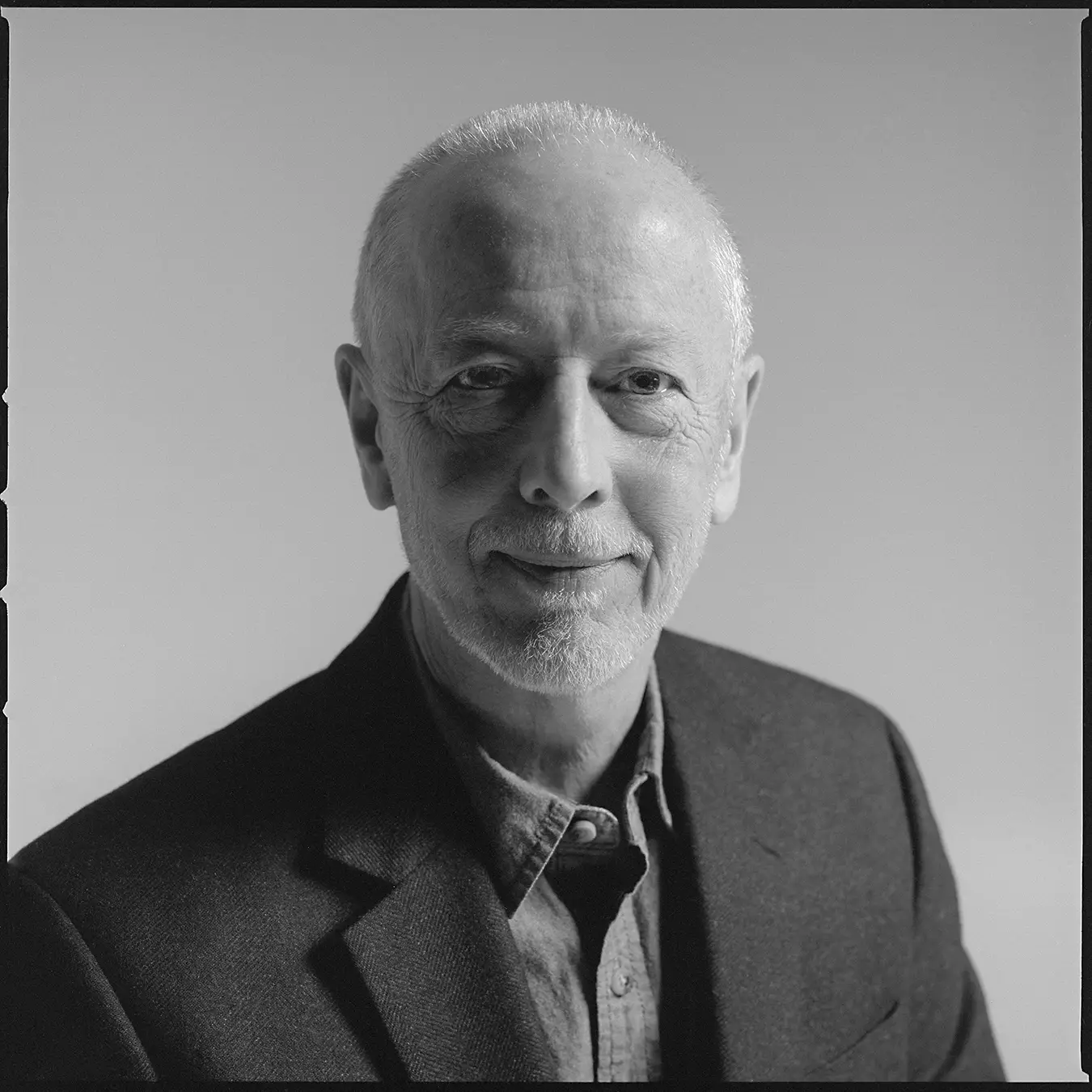
2022 | Pascal Mayer | France | Alphanosos: Accueil | |
for the development of a robust and affordable method to determine DNA sequences on a massive scale, which has transformed the practice of science and medicine. |
|||||
 |
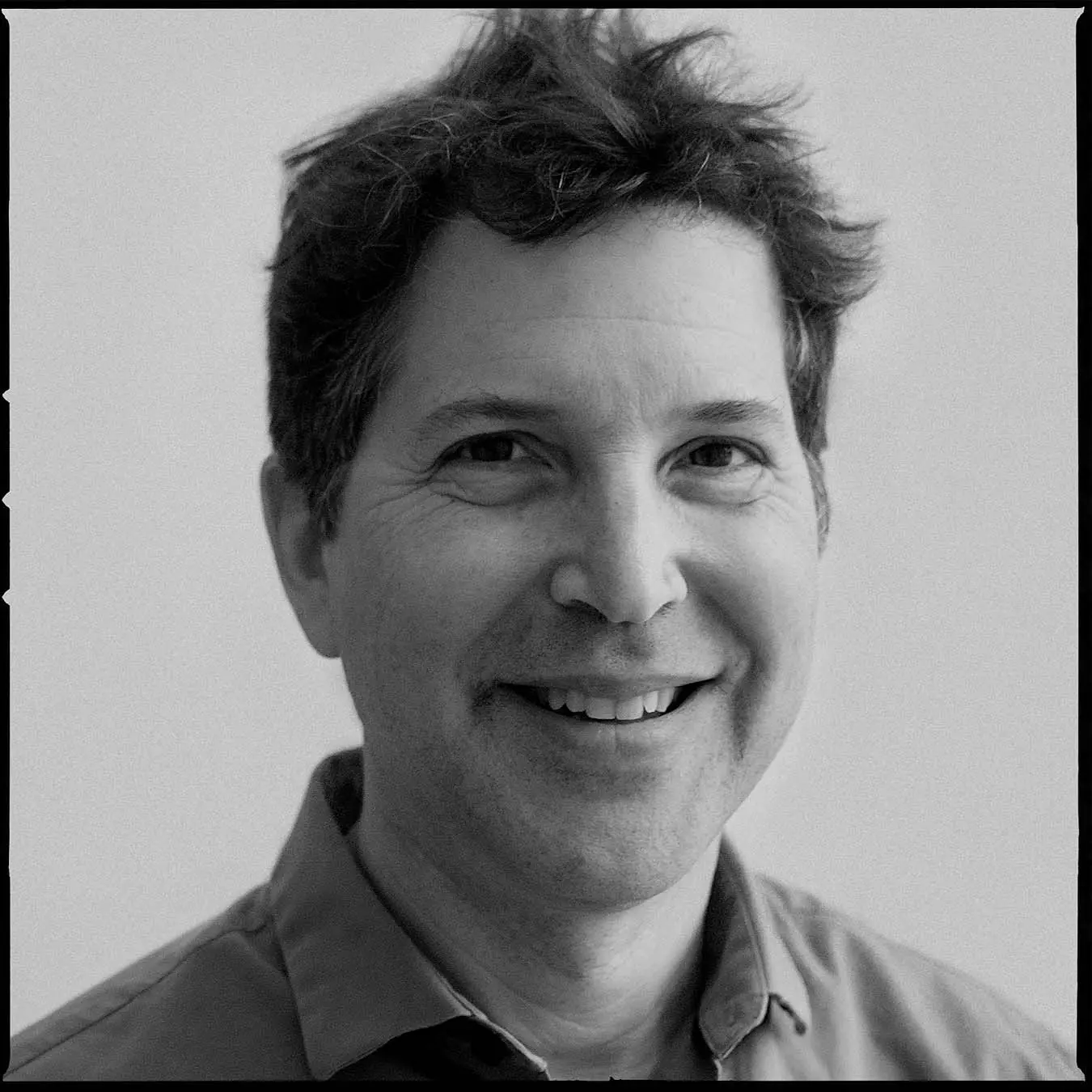
2021 | Richard J. Youle | United States | National Institutes of Health | |
for elucidating a quality control pathway that clears damaged mitochondria and thereby protects against Parkinson's Disease. |
|||||
 |
2021 | David Baker | United States | University of Washington, Howard Hughes Medical Institute | |
for developing technology that allowed the design of proteins never seen before in nature, including novel proteins that have the potential for therapeutic intervention in human diseases. |
|||||
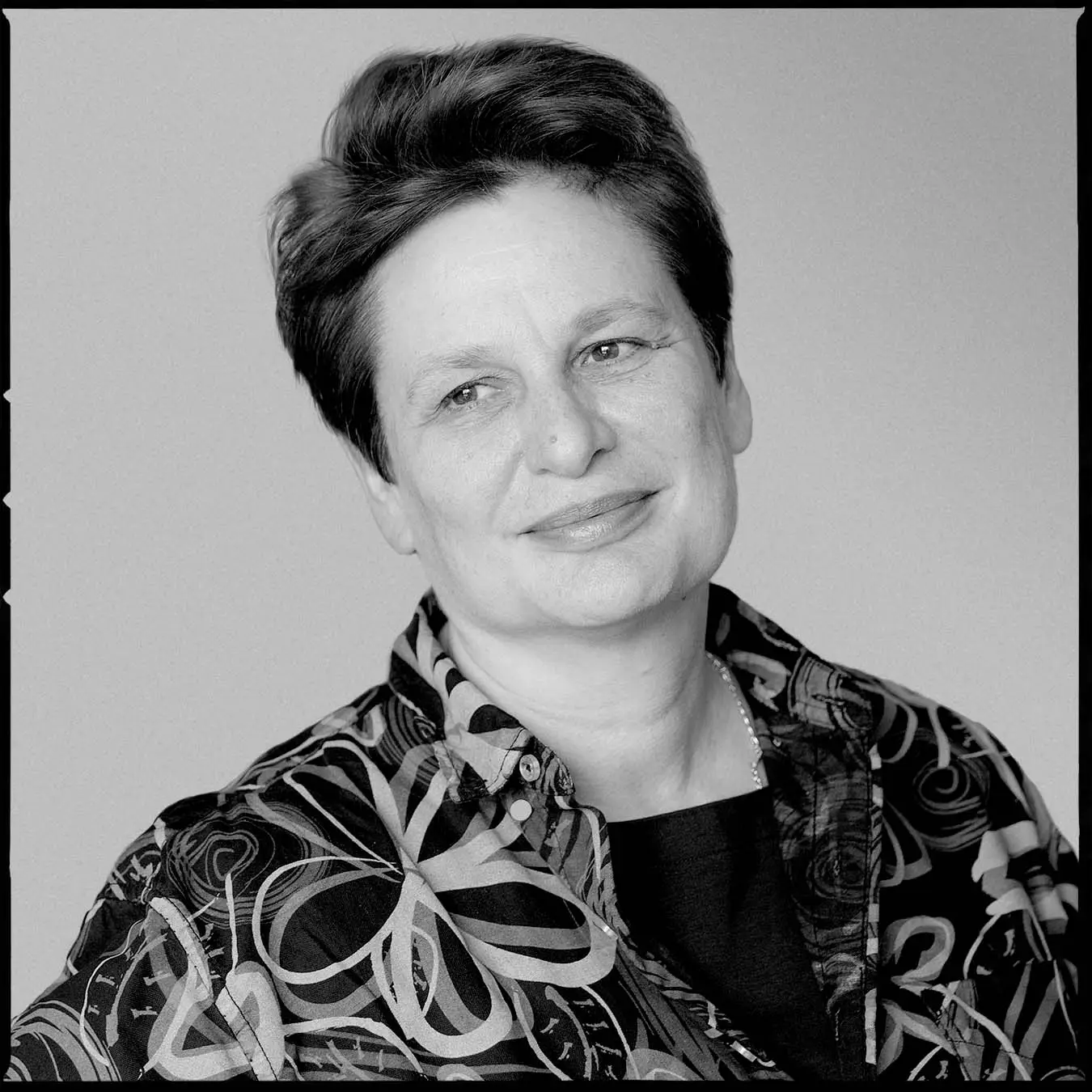 |
2021 | Catherine Dulac | France, United States | Harvard University, Howard Hughes Medical Institute | |
for deconstructing the complex behavior of parenting to the level of cell-types and their wiring, and demonstrating that the neural circuits governing both male and female-specific parenting behaviors are present in both sexes. |
|||||
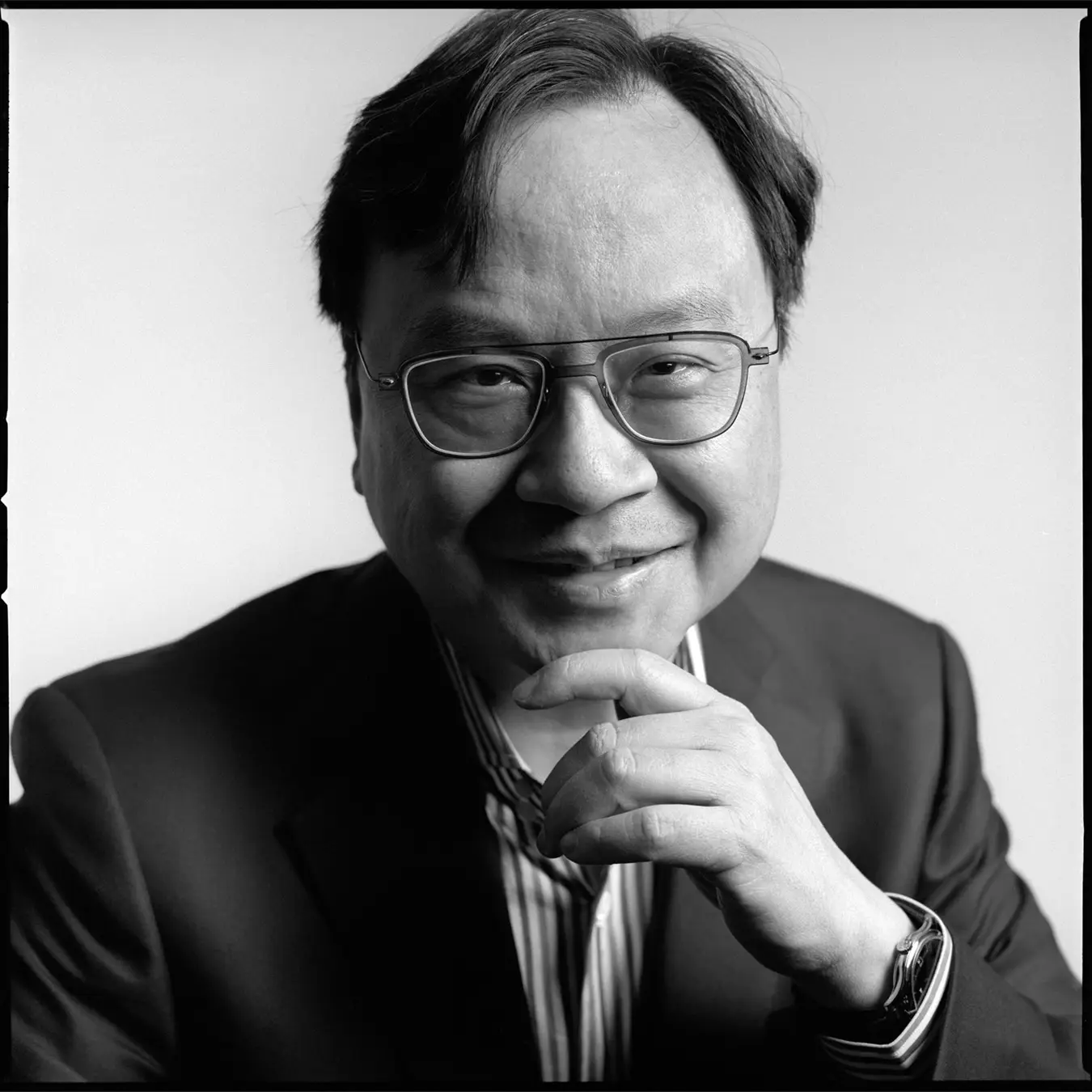 |
2021 | Yuk Ming Dennis Lo | Hong Kong | The Chinese University of Hong Kong | |
for discovering that fetal DNA is present in maternal blood and can be used for the prenatal testing of trisomy 21 and other genetic disorders |
|||||
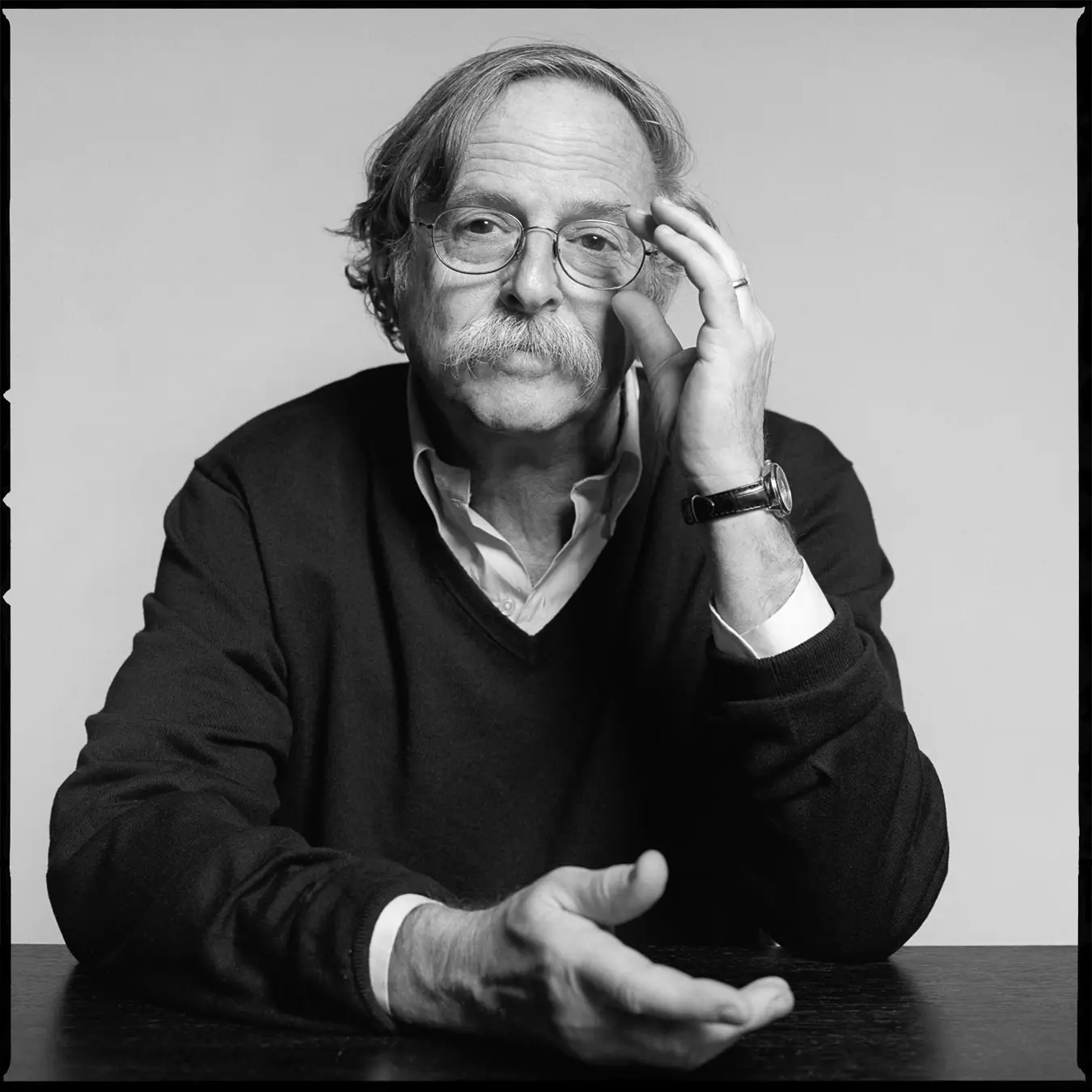 |
2020 | Arthur L. Horwich | United States | Yale School of Medicine, Howard Hughes Medical Institute | |
for discovering functions of molecular chaperones in mediating protein folding and preventing protein aggregation. |
|||||
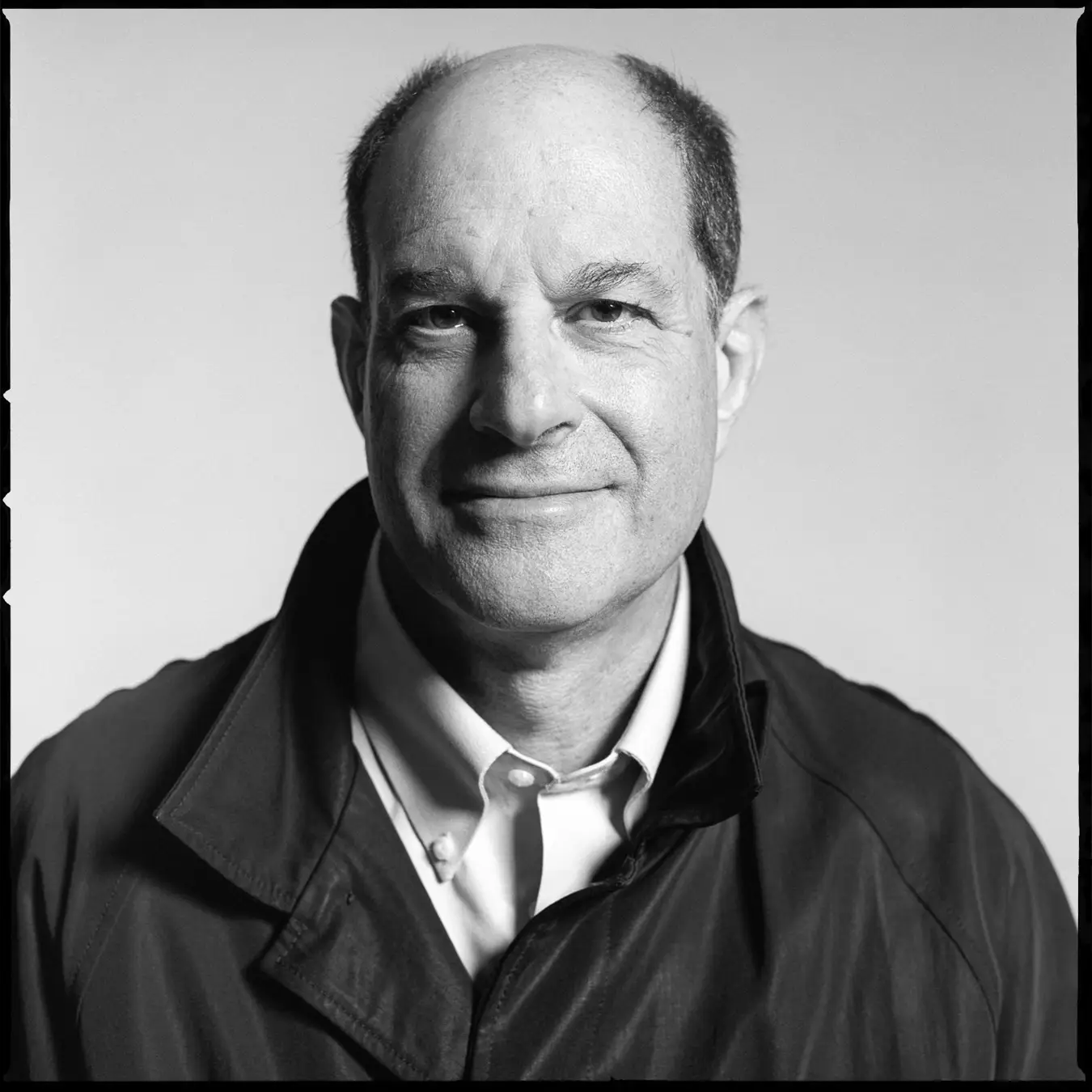 |
2020 | David Julius | United States | University of California San Francisco | |
for discovering molecules, cells, and mechanisms underlying pain sensation. |
|||||
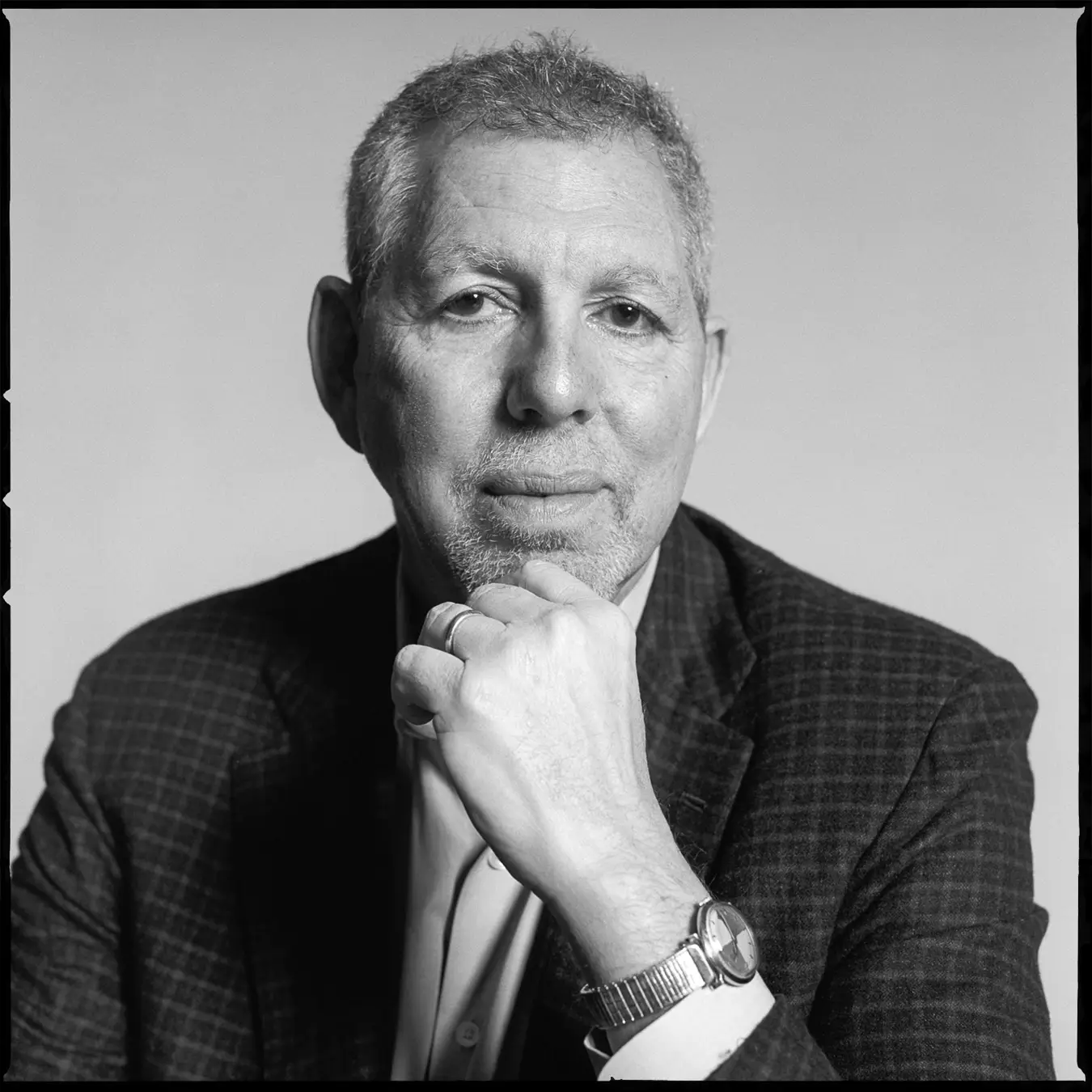 |
2020 | Jeffrey M. Friedman | United States | Rockefeller University, Howard Hughes Medical Institute | |
for the discovery of a new endocrine system through which adipose tissue signals the brain to regulate food intake. |
|||||
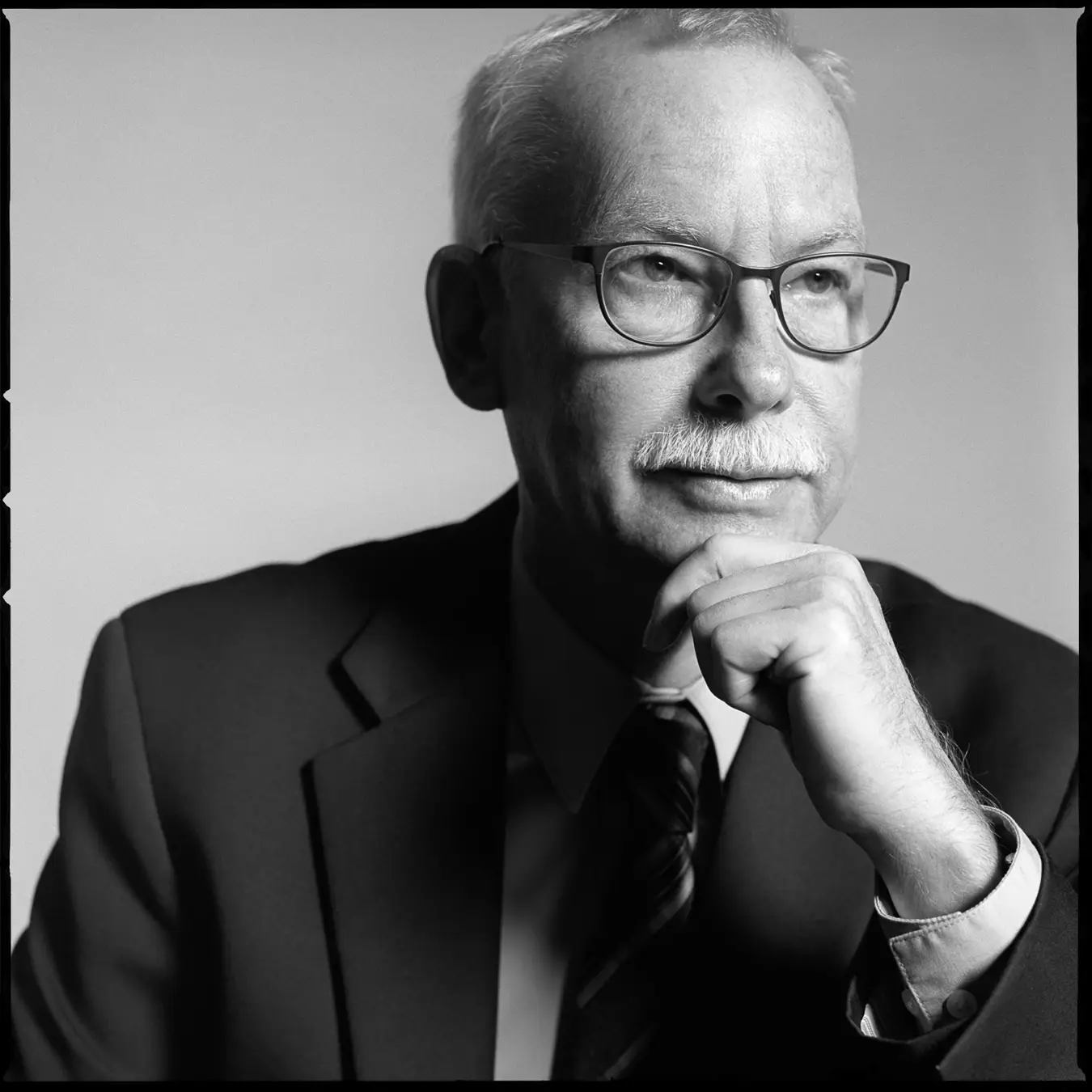 |
2020 | F. Ulrich Hartl | Germany | Max Planck Institute of Biochemistry | |
for discovering functions of molecular chaperones in mediating protein folding and preventing protein aggregation. |
|||||
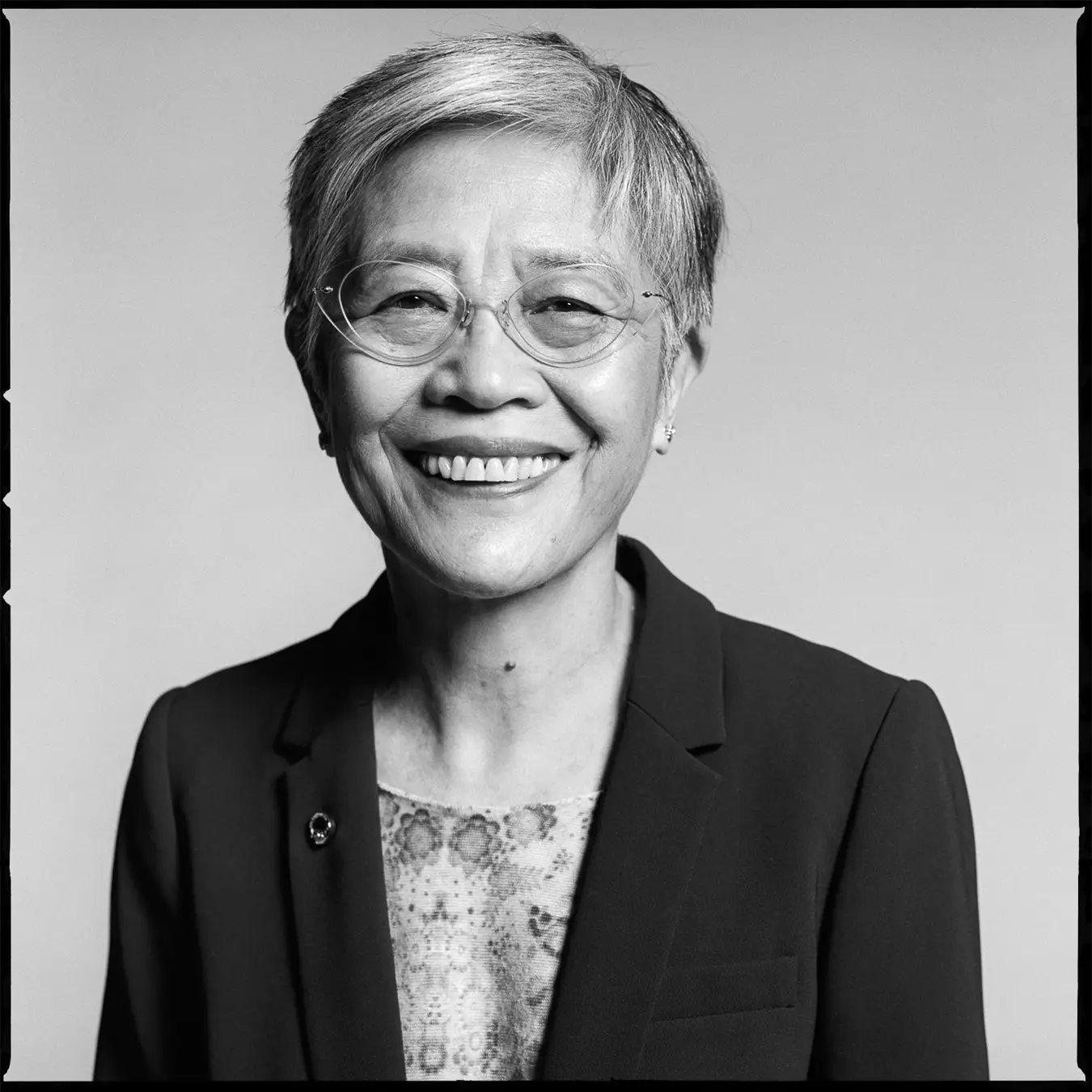 |
2020 | Virginia Man-Yee Lee | China, United States | University of Pennsylvania | |
for discovering TDP43 protein aggregates in frontotemporal dementia and amyotrophic lateral sclerosis, and revealing that different forms of alpha-synuclein, in different cell types, underlie Parkinson's disease and Multiple System Atrophy. |
|||||
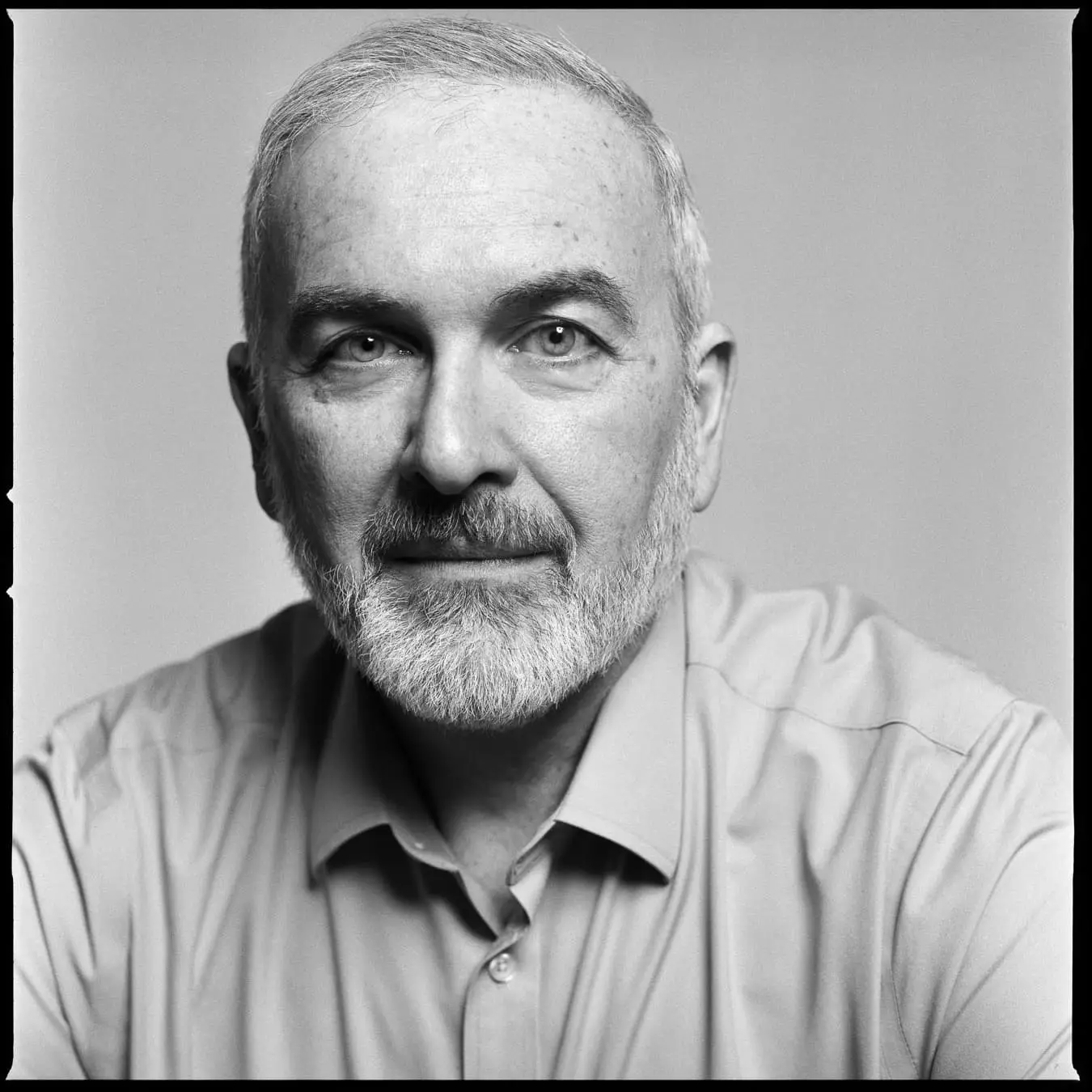 |
2019 | Adrian R. Krainer | United States | Cold Spring Harbor Laboratory | |
for the development of an effective antisense oligonucleotide therapy for children with the neurodegenerative disease spinal muscular atrophy. |
|||||
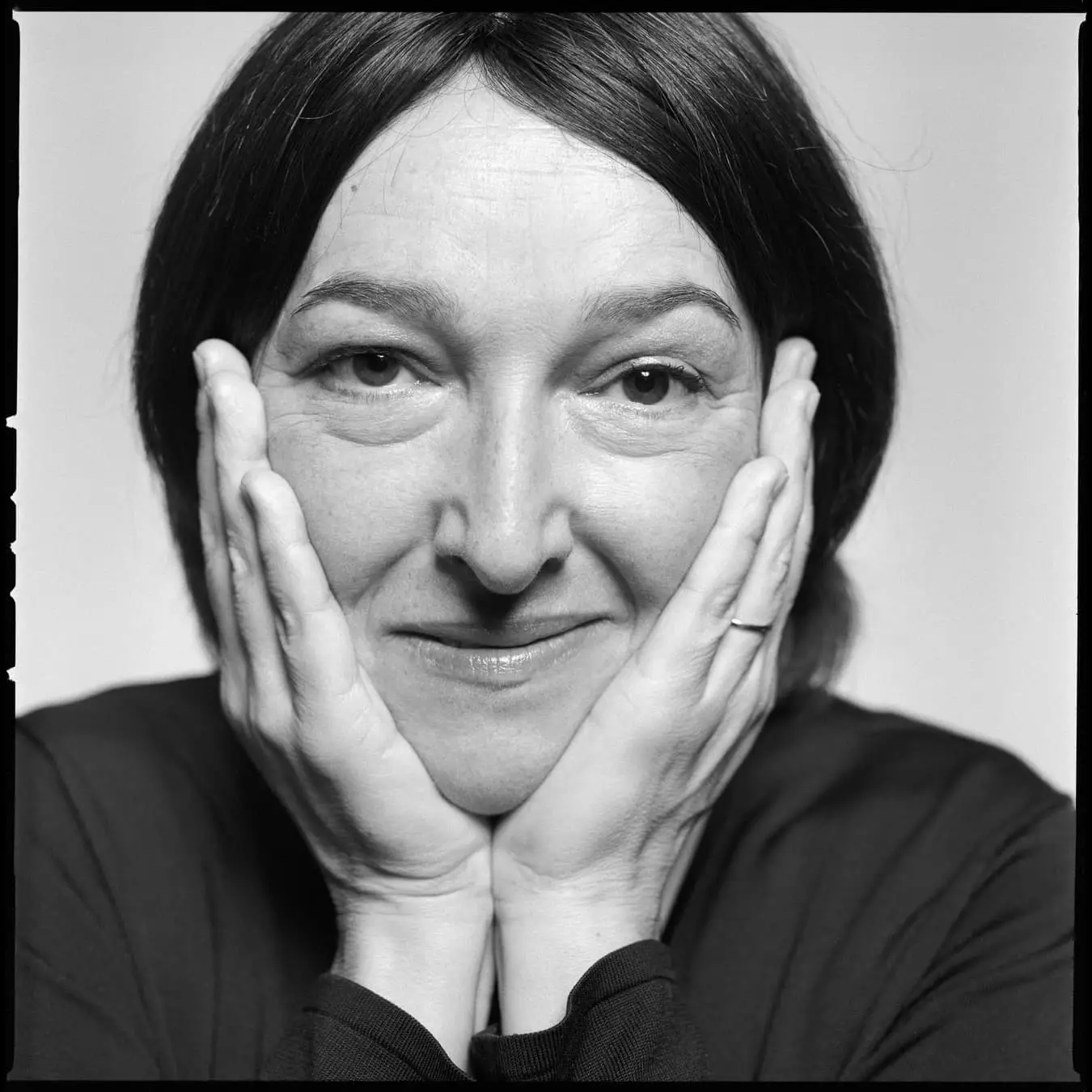 |
2019 | Angelika Amon | Austria, United States | Massachusetts Institute of Technology | |
for determining the consequences of aneuploidy, an abnormal chromosome number resulting from chromosome mis-segregation. |
|||||
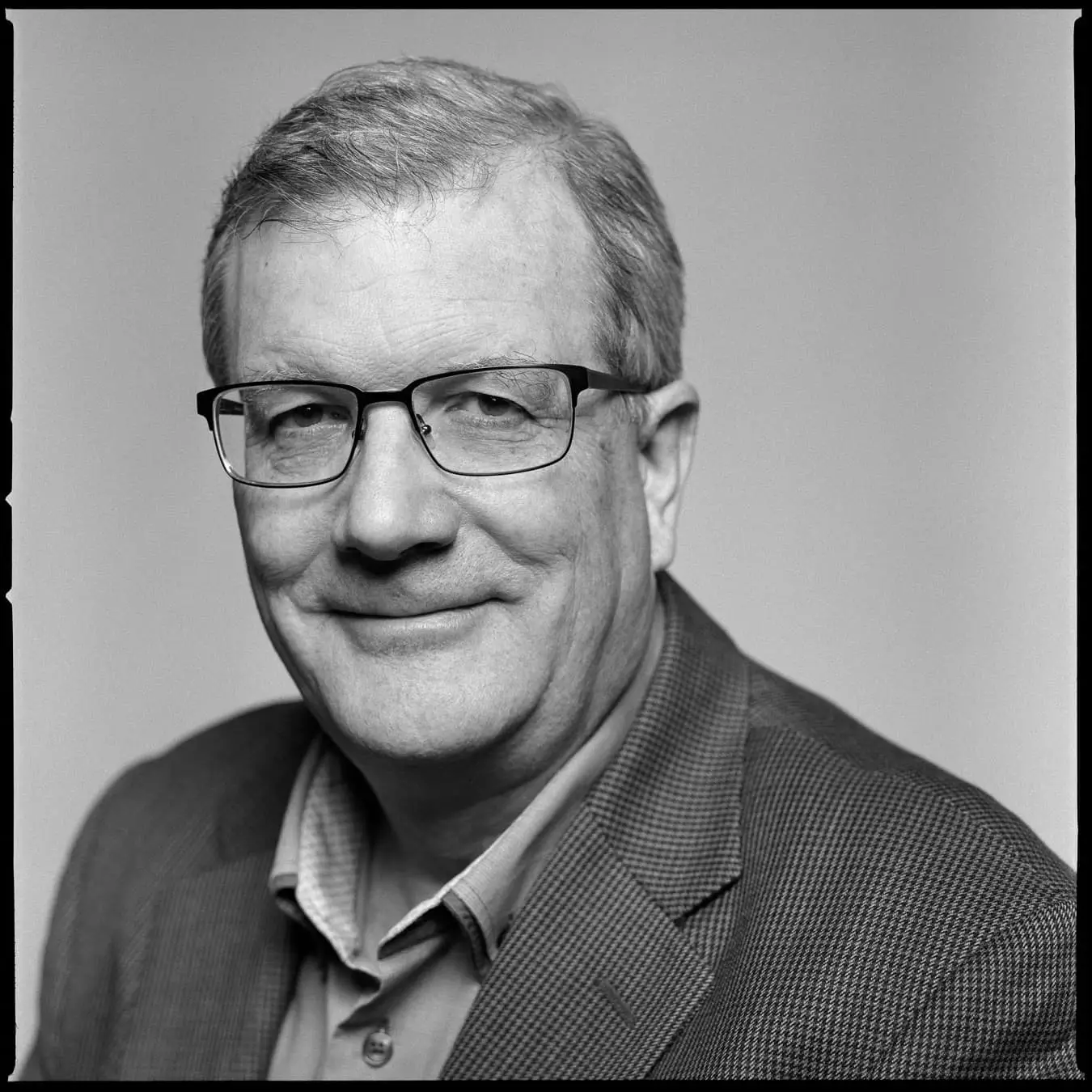 |
2019 | C. Frank Bennett | United States | Ionis Pharmaceuticals | |
for the development of an effective antisense oligonucleotide therapy for children with the neurodegenerative disease spinal muscular atrophy. |
|||||
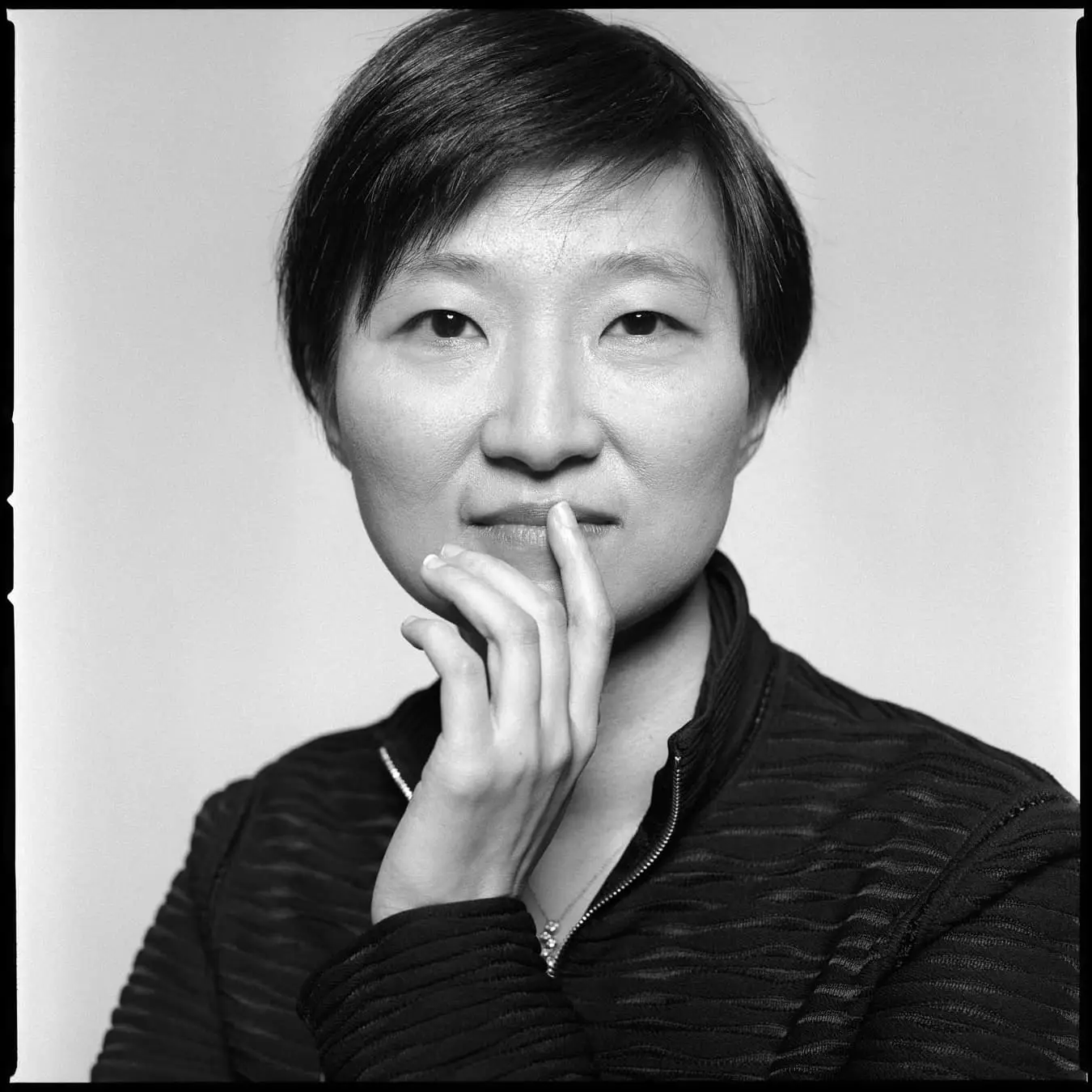 |
2019 | Xiaowei Zhuang | China, United States | Harvard University, Howard Hughes Medical Institute | |
for discovering hidden structures in cells by developing super-resolution imaging – a method that transcends the fundamental spatial resolution limit of light microscopy. |
|||||
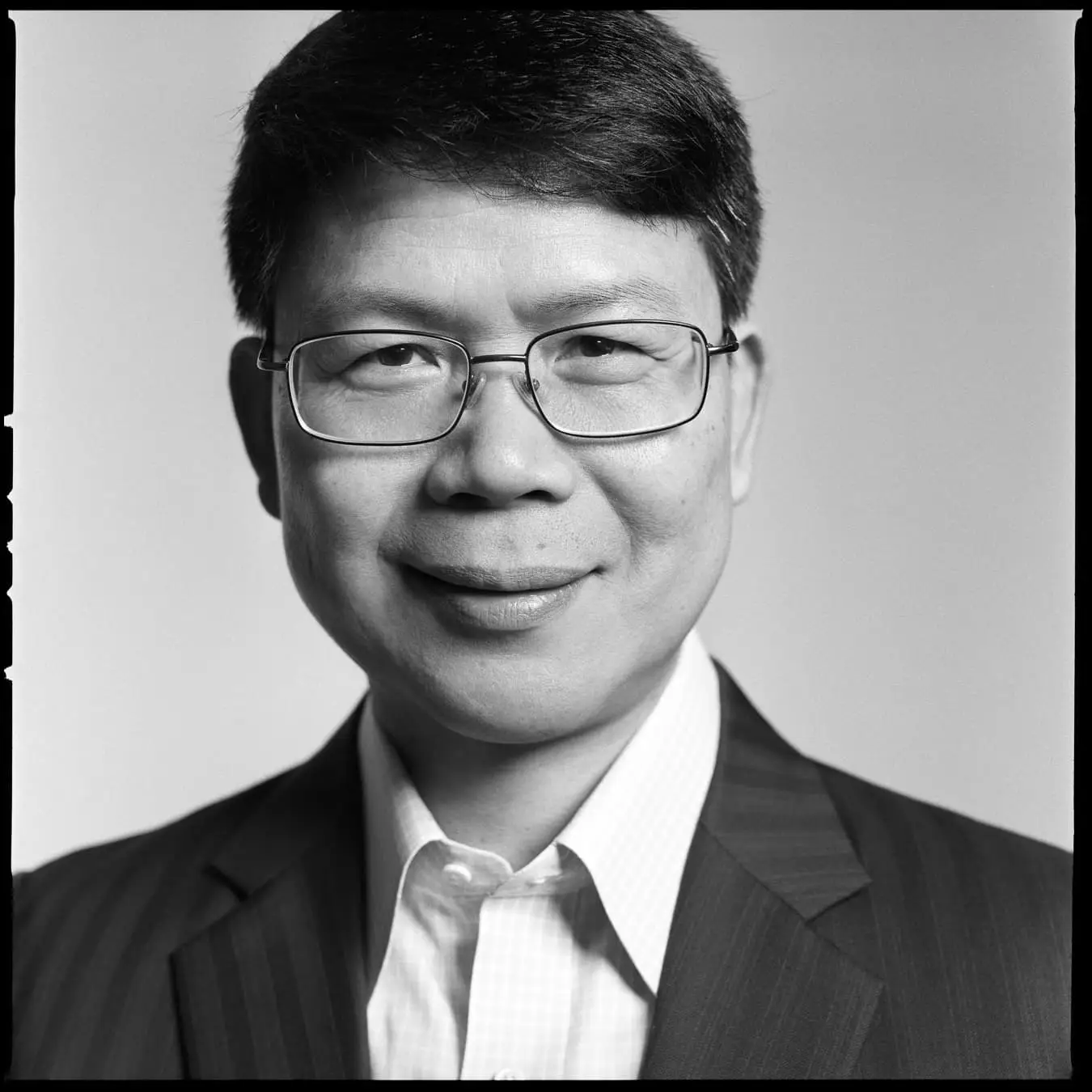 |
2019 | Zhijian “James” Chen | China, United States | UT Southwestern Medical Center, Howard Hughes Medical Institute | |
for elucidating how DNA triggers immune and autoimmune responses from the interior of a cell through the discovery of the DNA-sensing enzyme cGAS. |
|||||
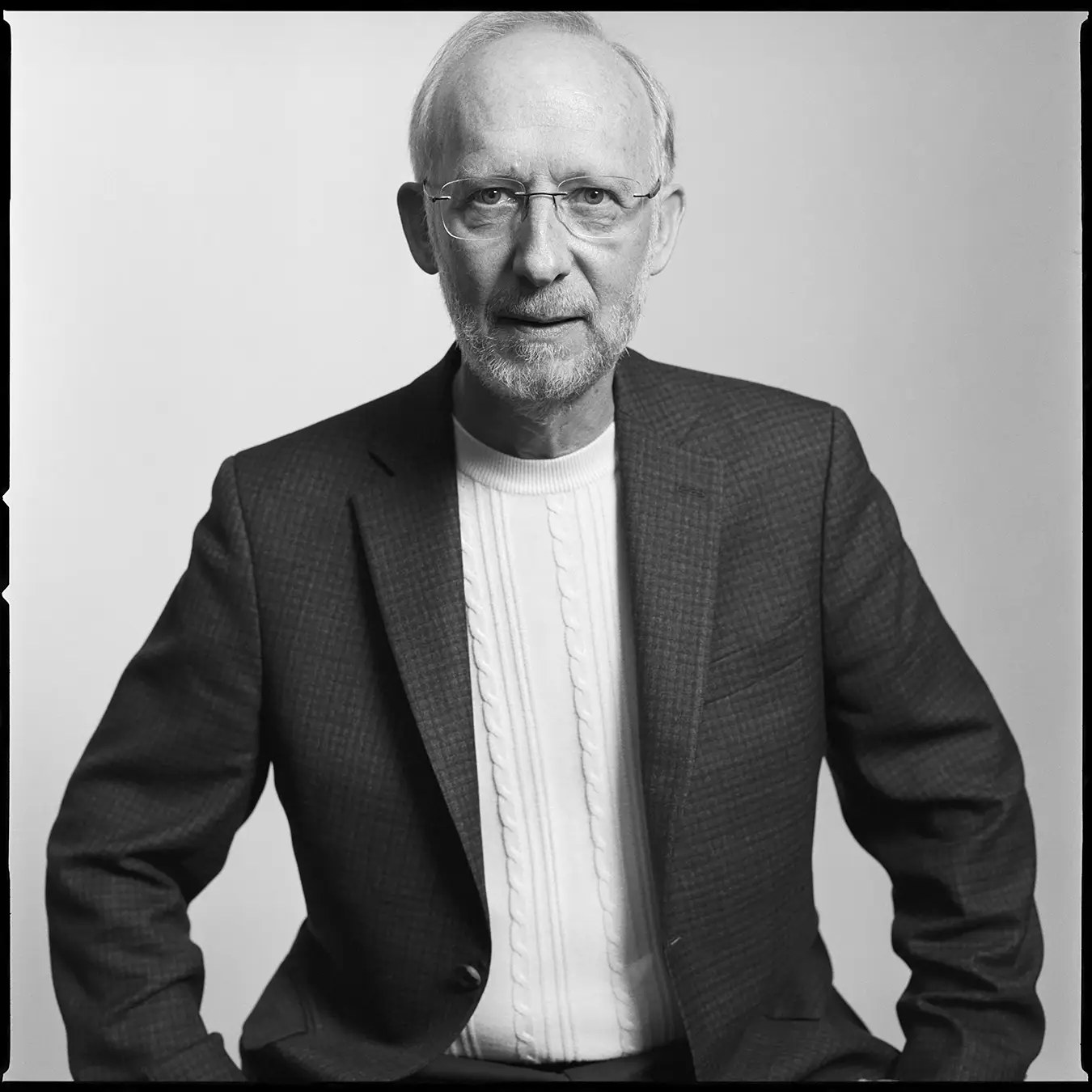 |
2018 | Don W. Cleveland | United States | University of California San Diego | |
for elucidating the molecular pathogenesis of a type of inherited ALS, including the role of glia in neurodegeneration, and for establishing antisense oligonucleotide therapy in animal models of ALS and Huntington disease. |
|||||
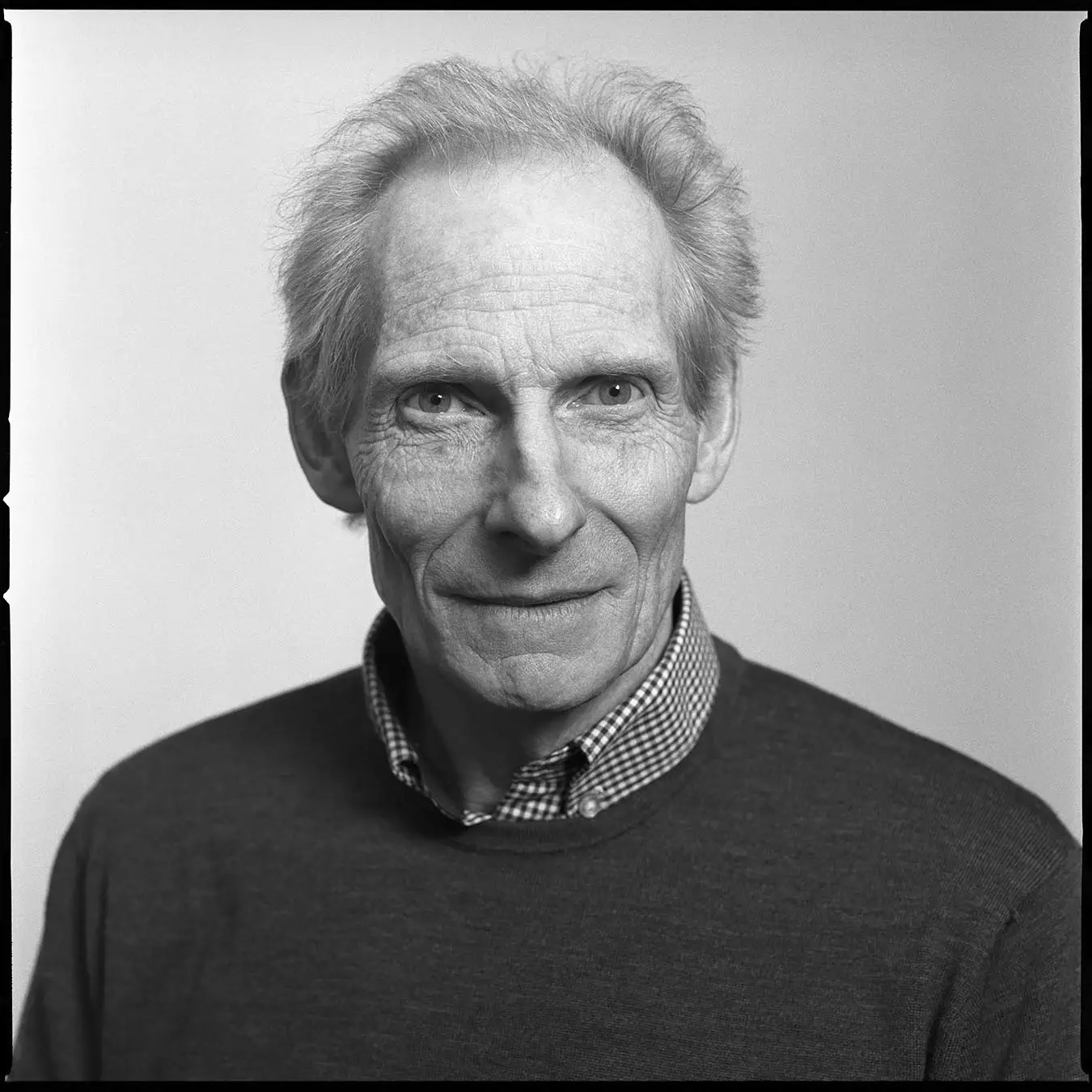 |
2018 | Kim Nasmyth | United Kingdom | University of Oxford | |
for elucidating the sophisticated mechanism that mediates the perilous separation of duplicated chromosomes during cell division and thereby prevents genetic diseases such as cancer. |
|||||
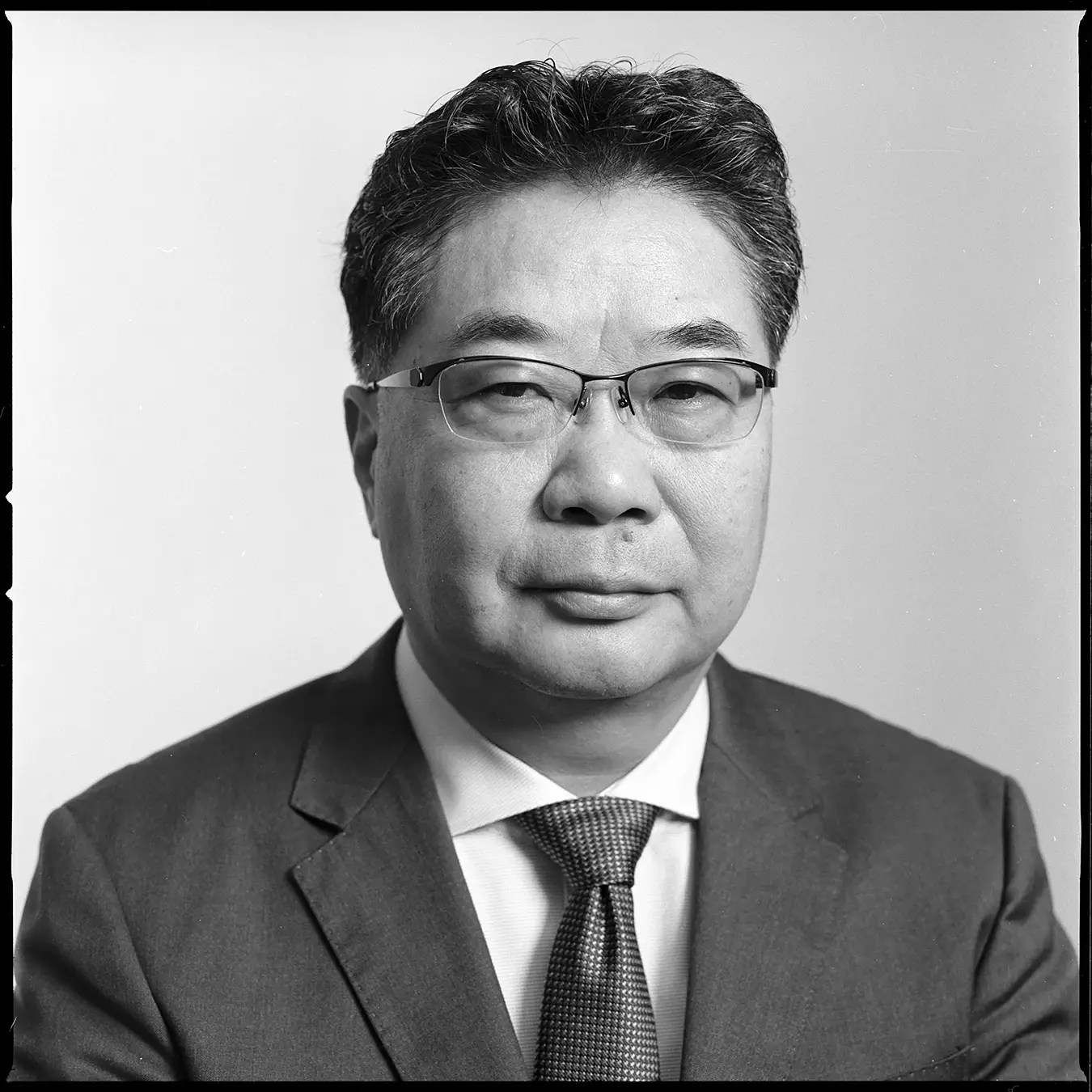 |
2018 | Kazutoshi Mori | Japan | Kyoto University | |
for elucidating the unfolded protein response, a cellular quality-control system that detects disease-causing unfolded proteins and directs cells to take corrective measures. |
|||||
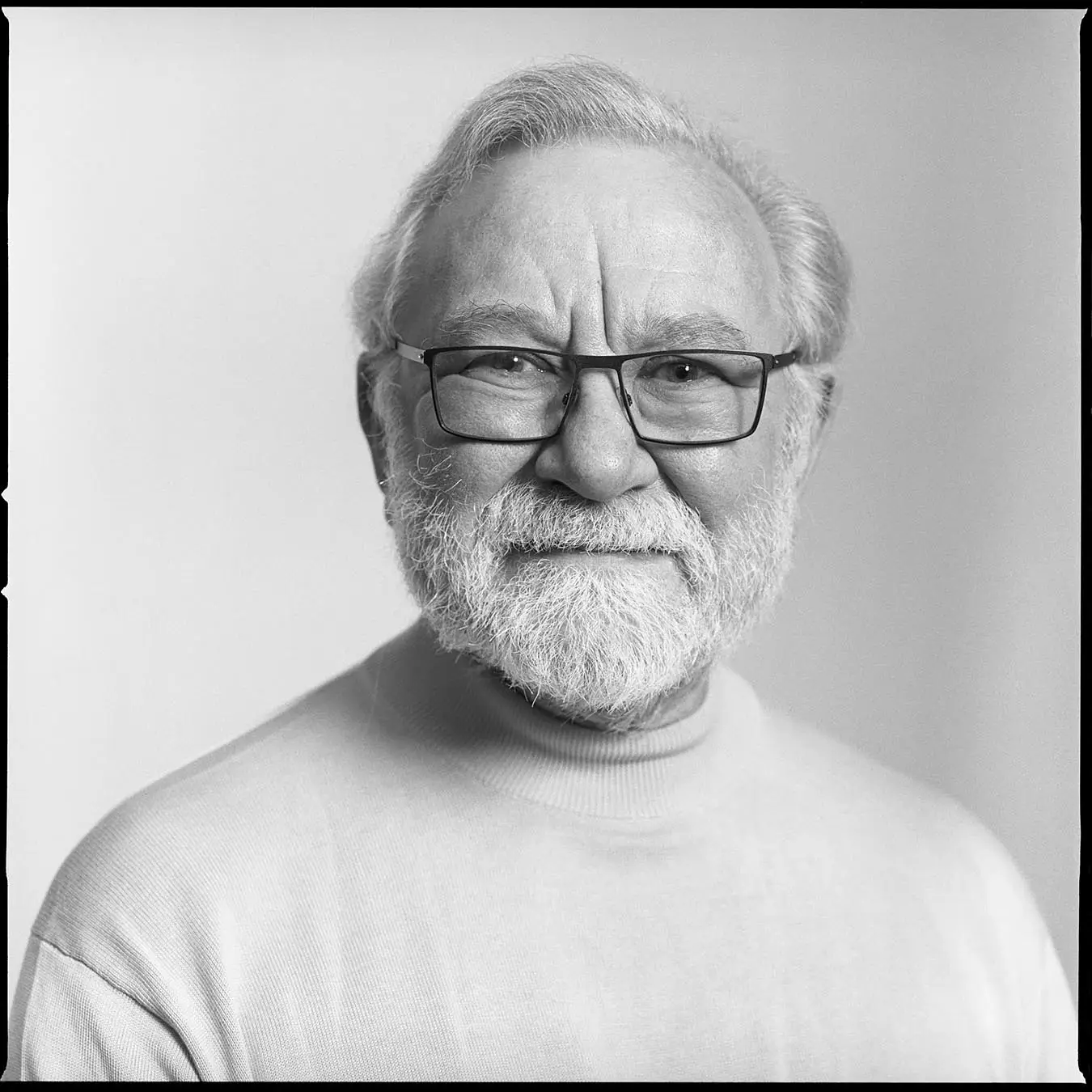 |
2018 | Peter Walter | Germany, United States | University of California San Francisco, Howard Hughes Medical Institute | |
for elucidating the unfolded protein response, a cellular quality-control system that detects disease-causing unfolded proteins and directs cells to take corrective measures. |
|||||
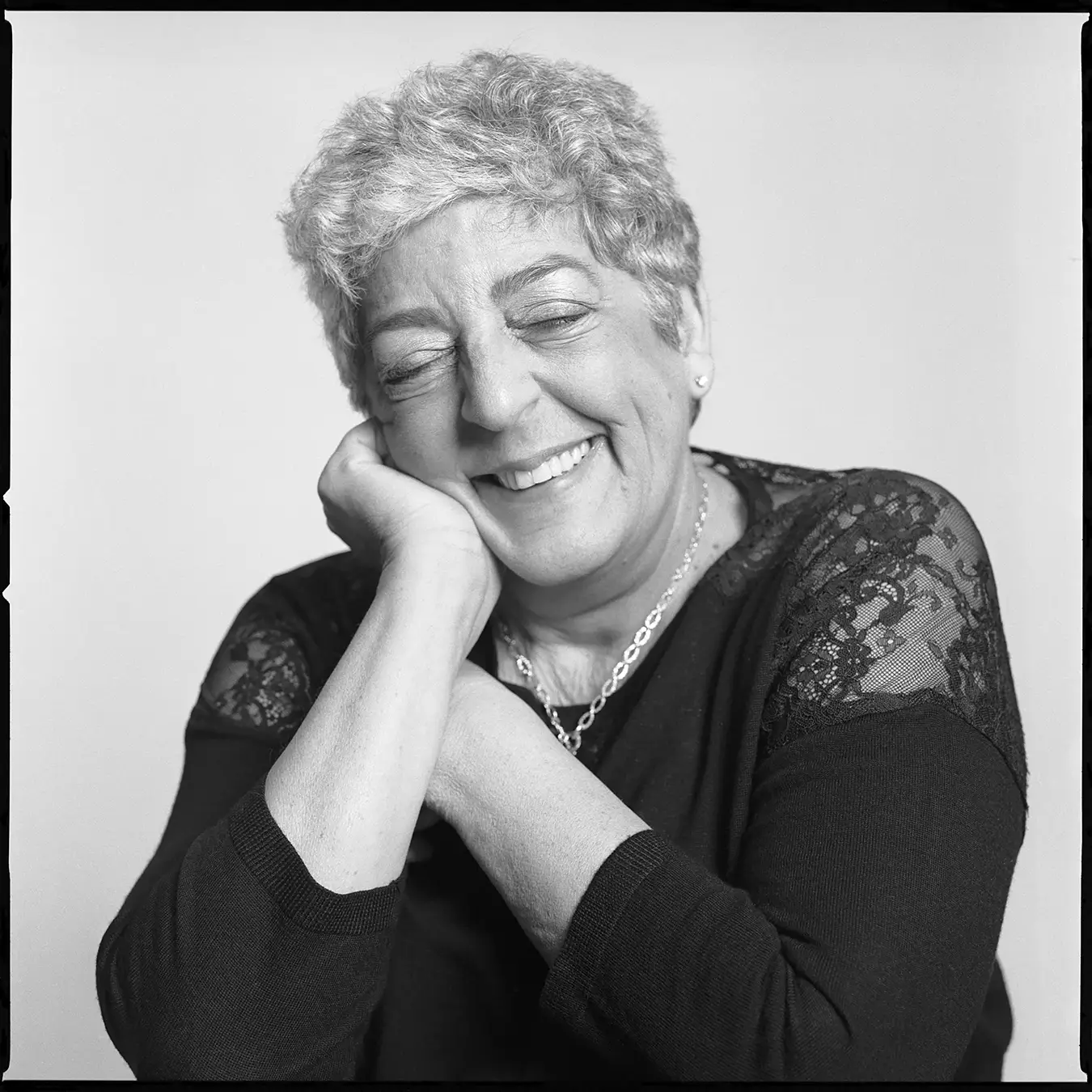 |
2018 | Joanne Chory | United States | Salk Institute for Biological Studies, Howard Hughes Medical Institute | |
for discovering how plants optimize their growth, development, and cellular structure to transform sunlight into chemical energy. |
|||||
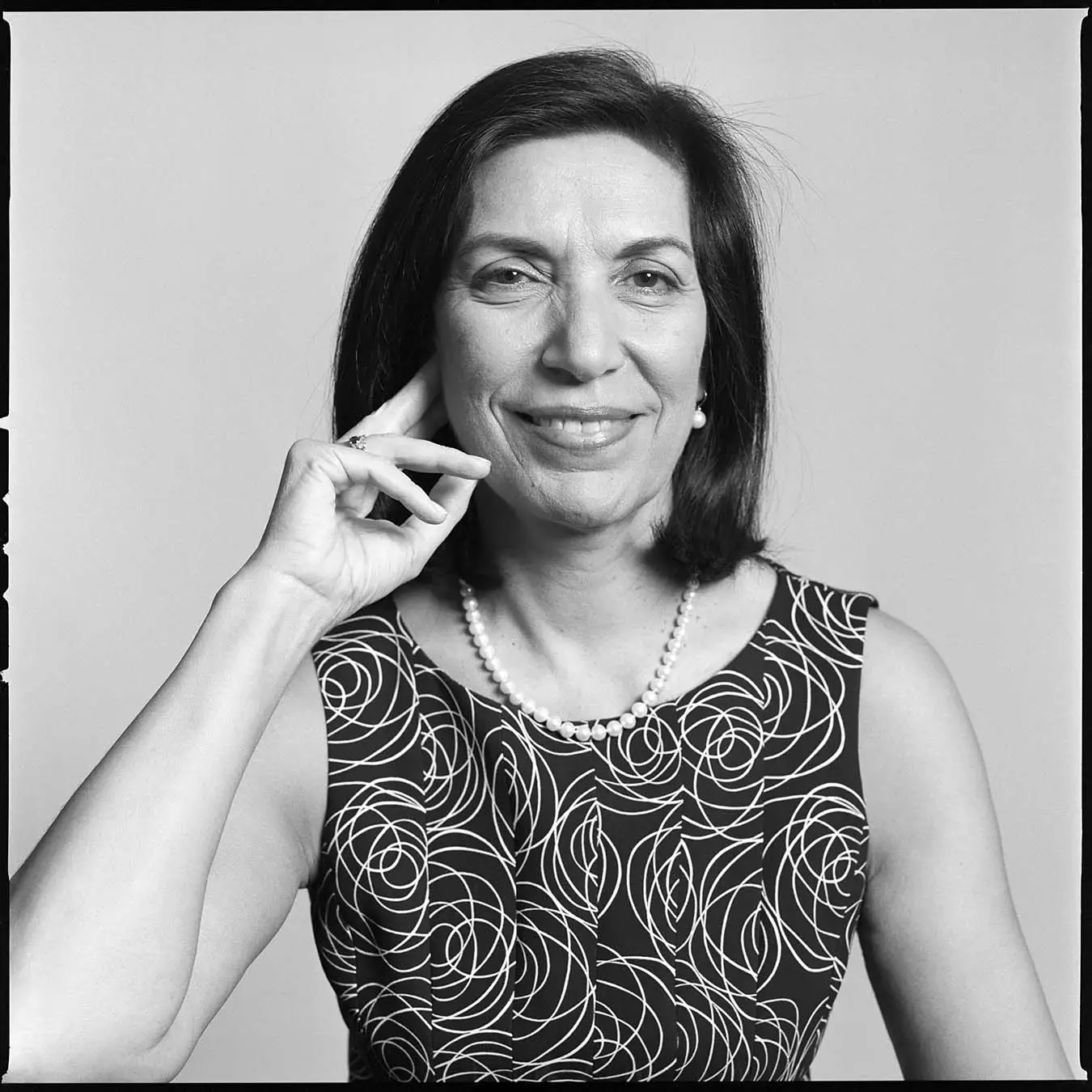 |
2017 | Huda Yahya Zoghbi | Lebanon, United States | Baylor College of Medicine, Howard Hughes Medical Institute, Texas Children's Hospital | |
for discoveries of the genetic causes and biochemical mechanisms of spinocerebellar ataxia and Rett syndrome, findings that have provided insight into the pathogenesis of neurodegenerative and neurological diseases. |
|||||
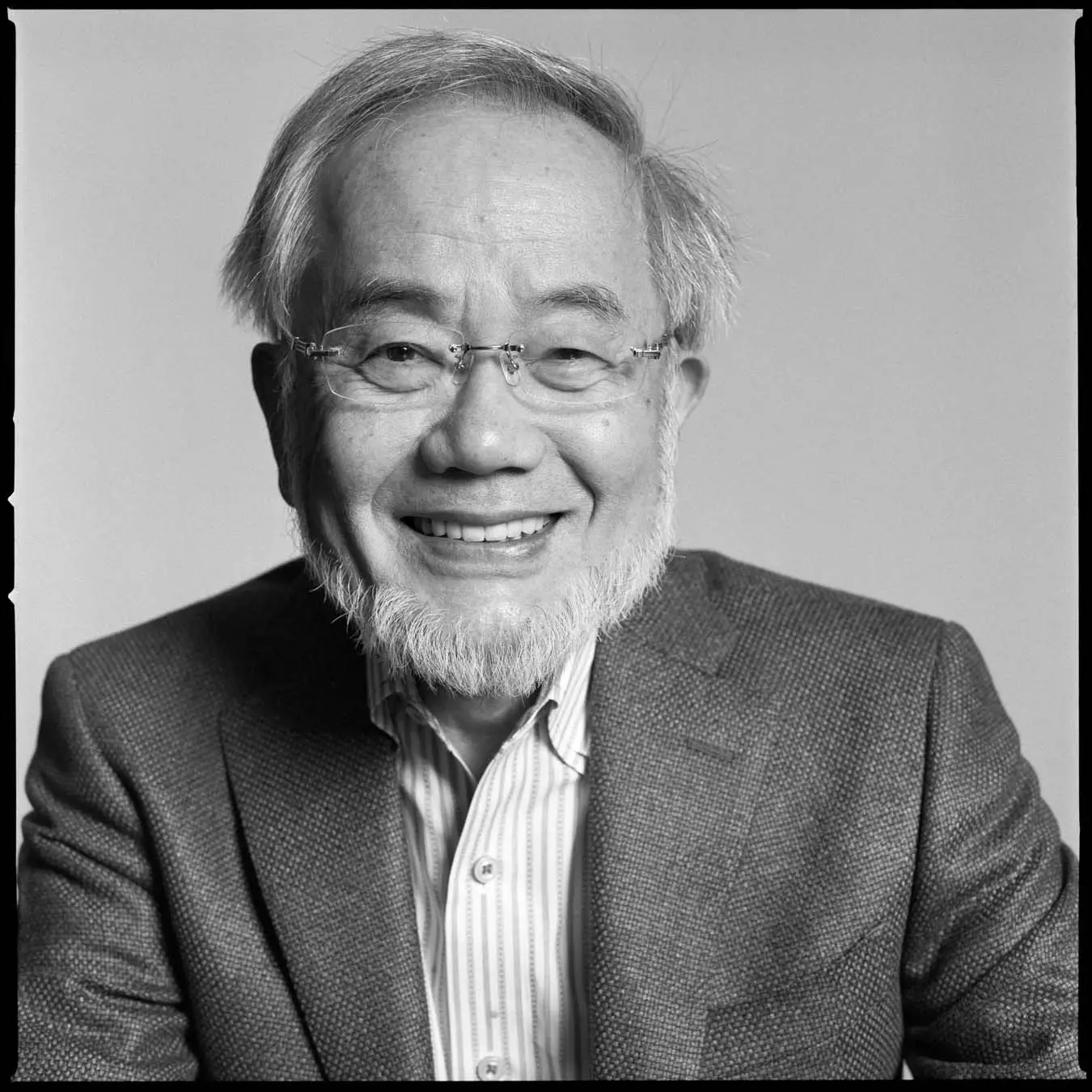 |
2017 | Yoshinori Ohsumi | Japan | Tokyo Institute of Technology | |
for elucidating autophagy, the recycling system that cells use to generate nutrients from their own inessential or damaged components. |
|||||
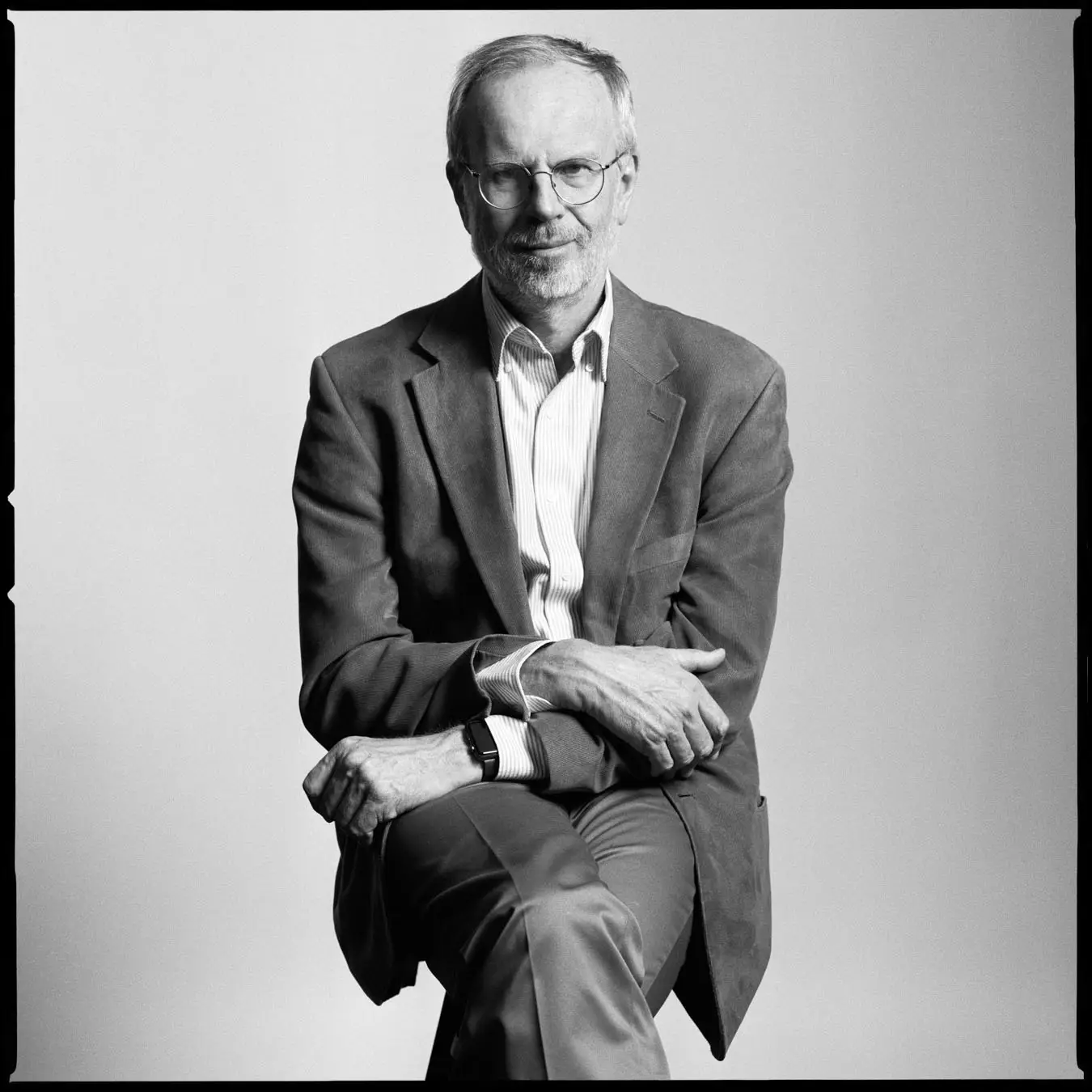 |
2017 | Roeland Nusse | Netherlands | Stanford University, Howard Hughes Medical Institute | |
for pioneering research on the Wnt pathway, one of the crucial intercellular signaling systems in development, cancer and stem cell biology. |
|||||
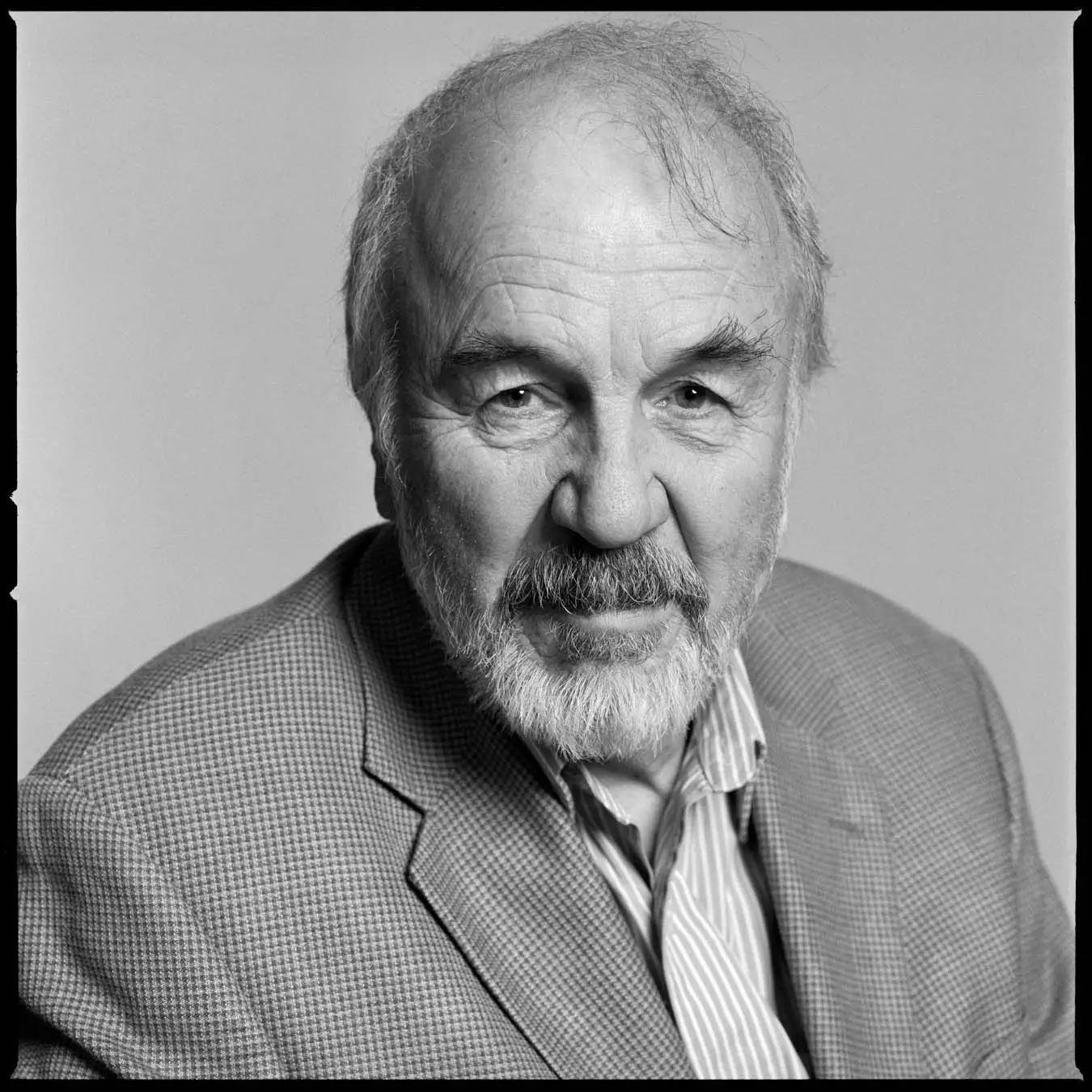 |
2017 | Harry F. Noller | United States | University of California Santa Cruz | |
for discovering the centrality of RNA in forming the active centers of the ribosome, the fundamental machinery of protein synthesis in all cells, thereby connecting modern biology to the origin of life and also explaining how many natural antibiotics disrupt protein synthesis. |
|||||
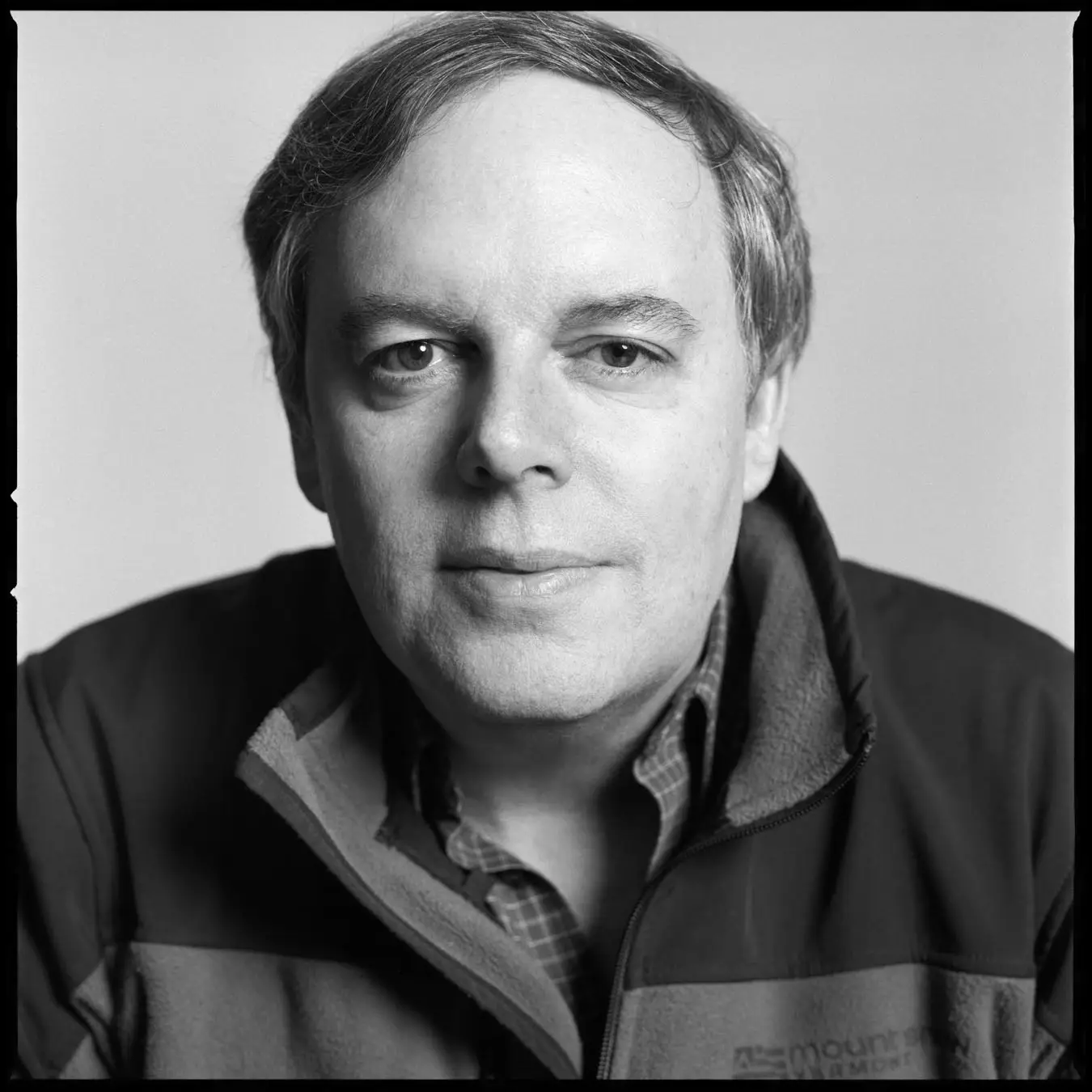 |
2017 | Stephen J. Elledge | United States | Brigham and Women's Hospital, Howard Hughes Medical Institute, Harvard Medical School | |
for elucidating how eukaryotic cells sense and respond to damage in their DNA and providing insights into the development and treatment of cancer. |
|||||
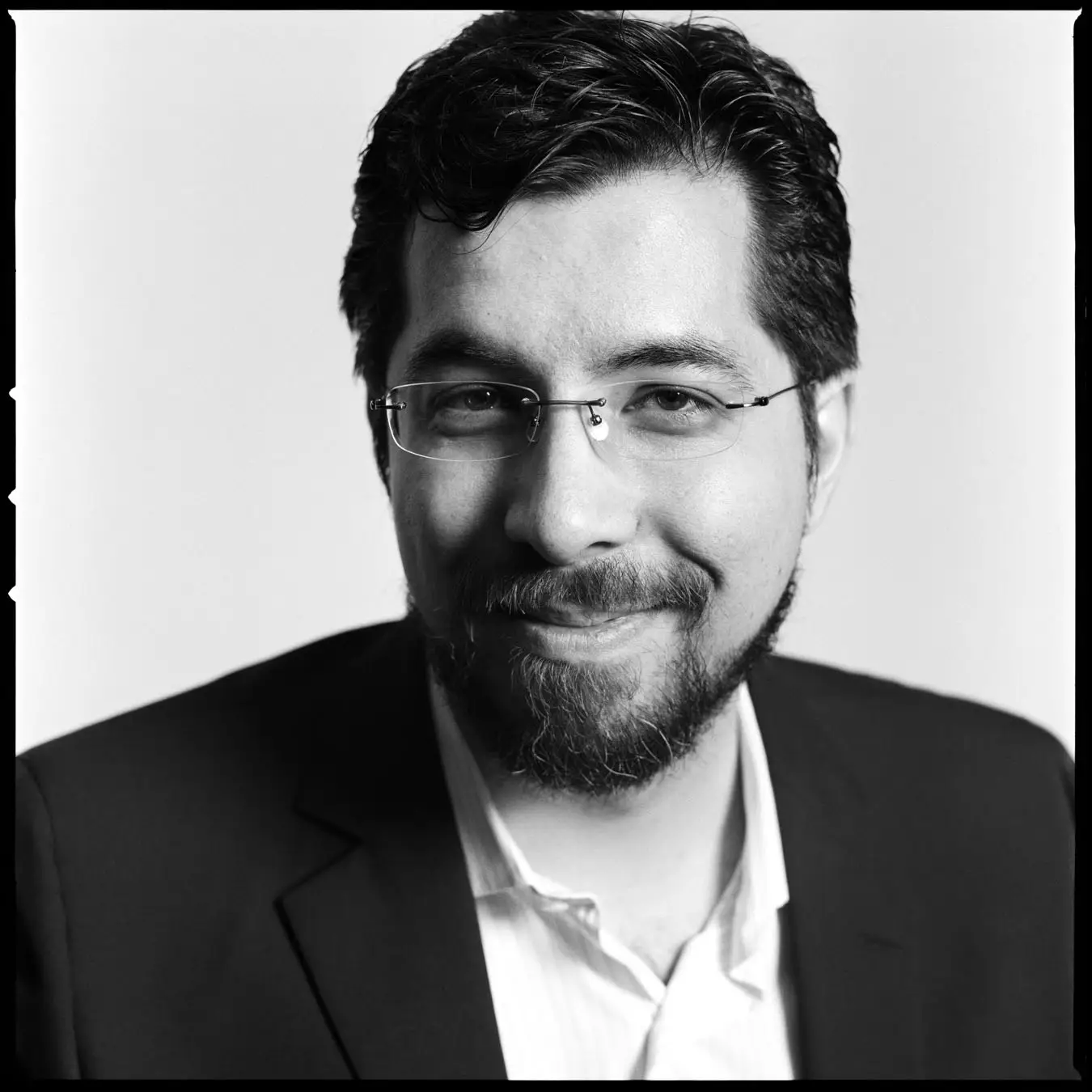 |
2016 | Edward S. Boyden | United States | Massachusetts Institute of Technology | |
for the development and implementation of optogenetics – the programming of neurons to express light-activated ion channels and pumps, so that their electrical activity can be controlled by light. |
|||||
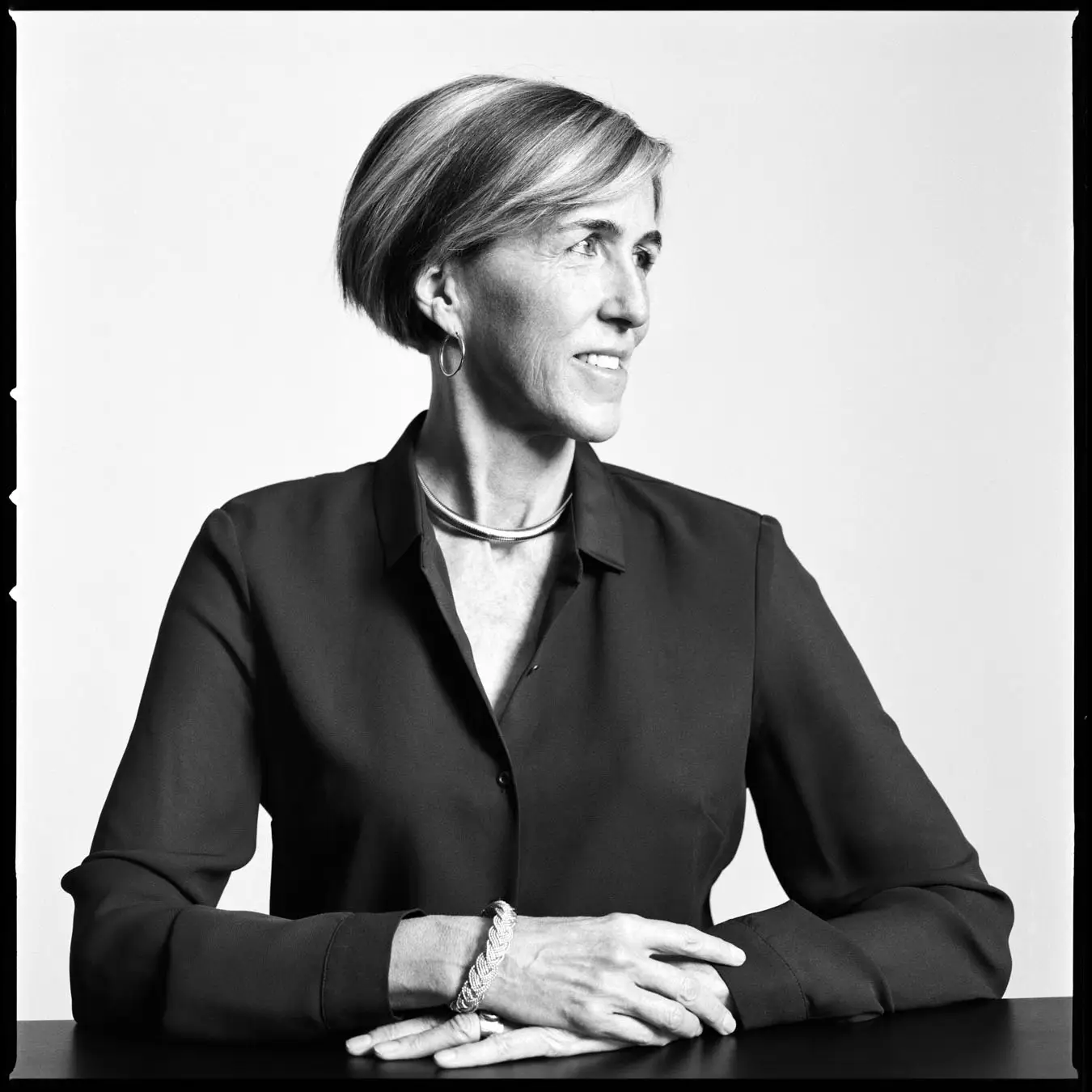 |
2016 | Helen Hobbs | United States | University of Texas Southwestern Medical Center, Howard Hughes Medical Institute | |
for the discovery of human genetic variants that alter the levels and distribution of cholesterol and other lipids, inspiring new approaches to the prevention of cardiovascular and liver disease. |
|||||
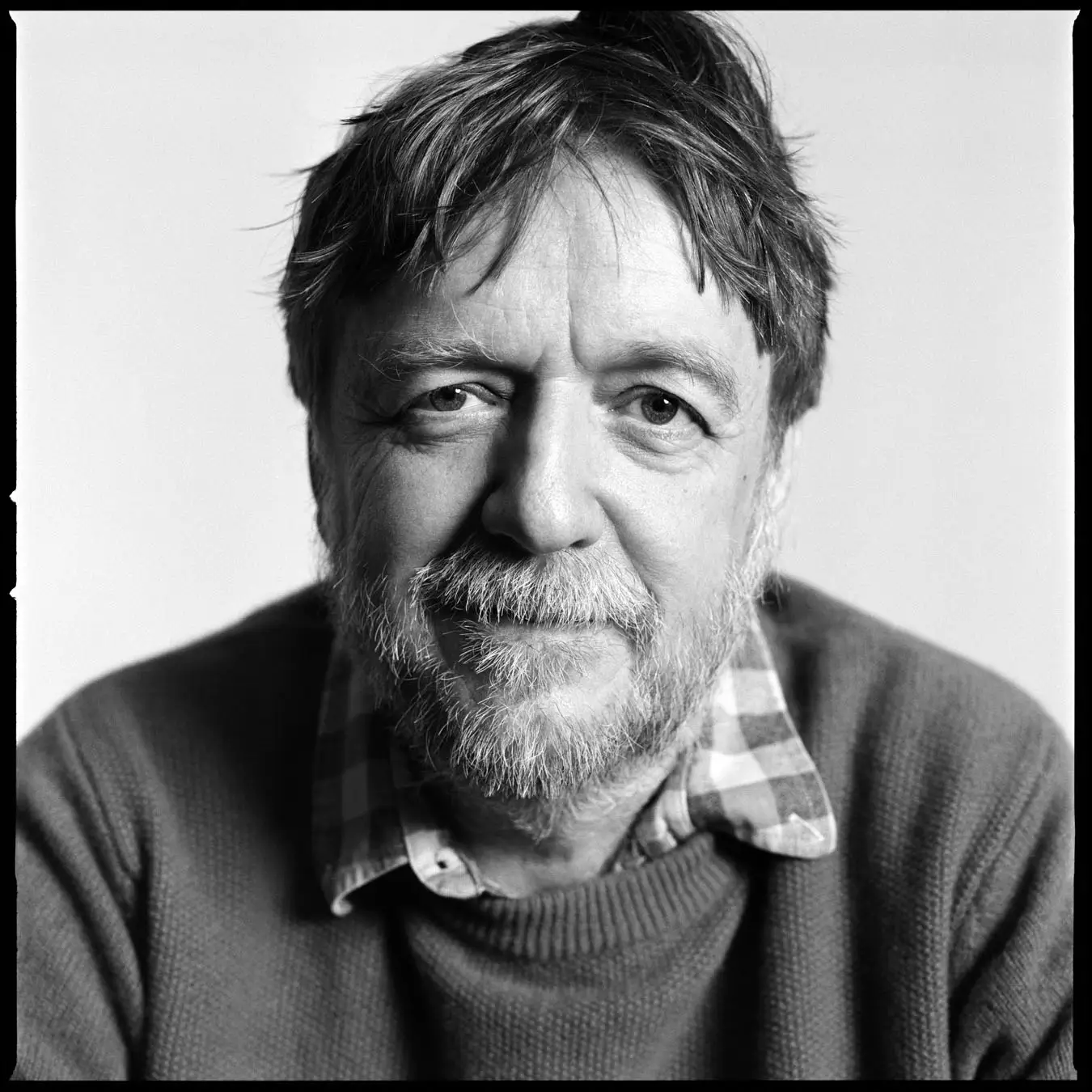 |
2016 | John Hardy | United Kingdom | University College London | |
for discovering mutations in the amyloid precursor protein (APP) gene that cause early onset Alzheimer's disease, linking accumulation of APP-derived beta-amyloid peptide to Alzheimer's pathogenesis and inspiring new strategies for disease prevention. |
|||||
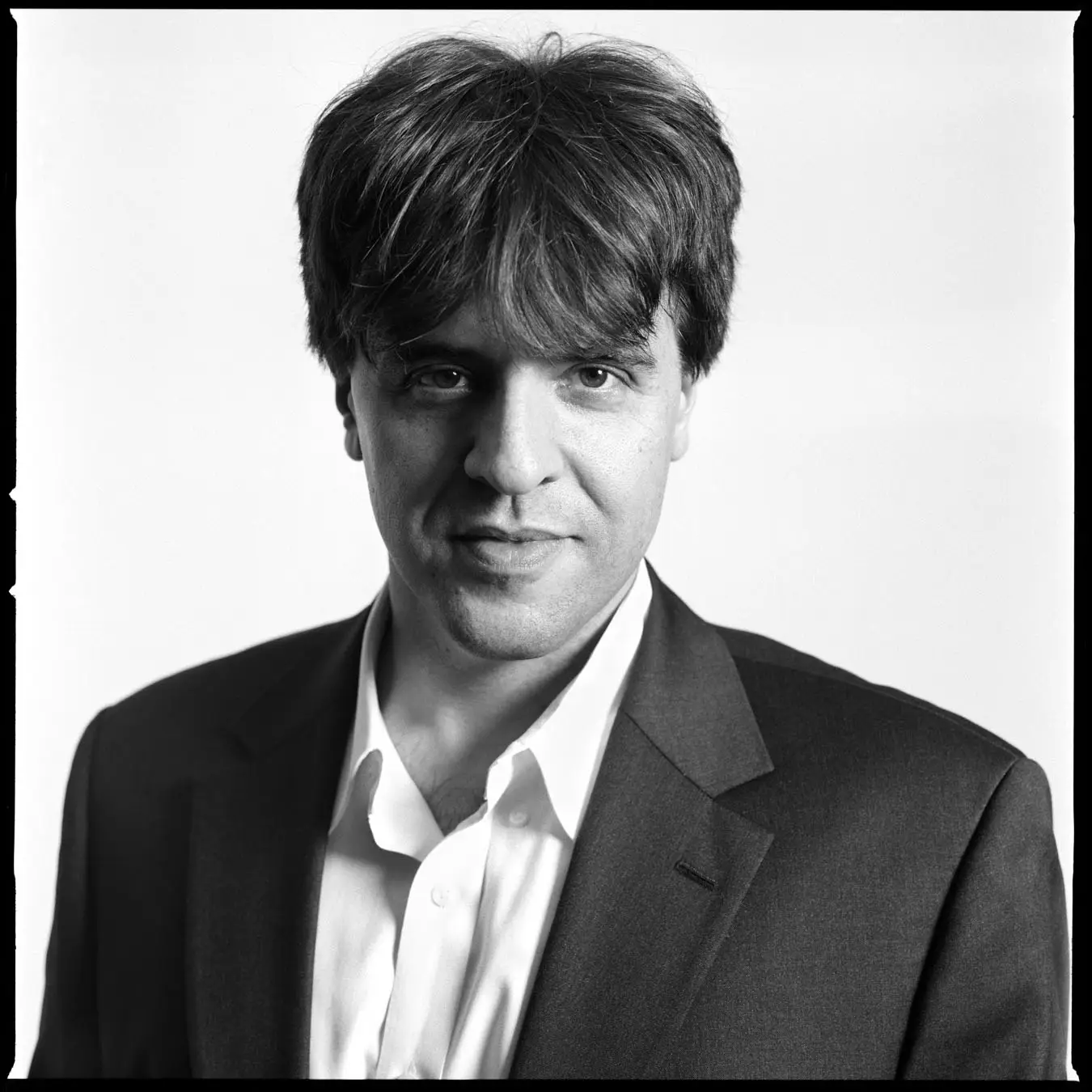 |
2016 | Karl Deisseroth | United States | Stanford University, Howard Hughes Medical Institute | |
for the development and implementation of optogenetics – the programming of neurons to express light-activated ion channels and pumps, so that their electrical activity can be controlled by light. |
|||||
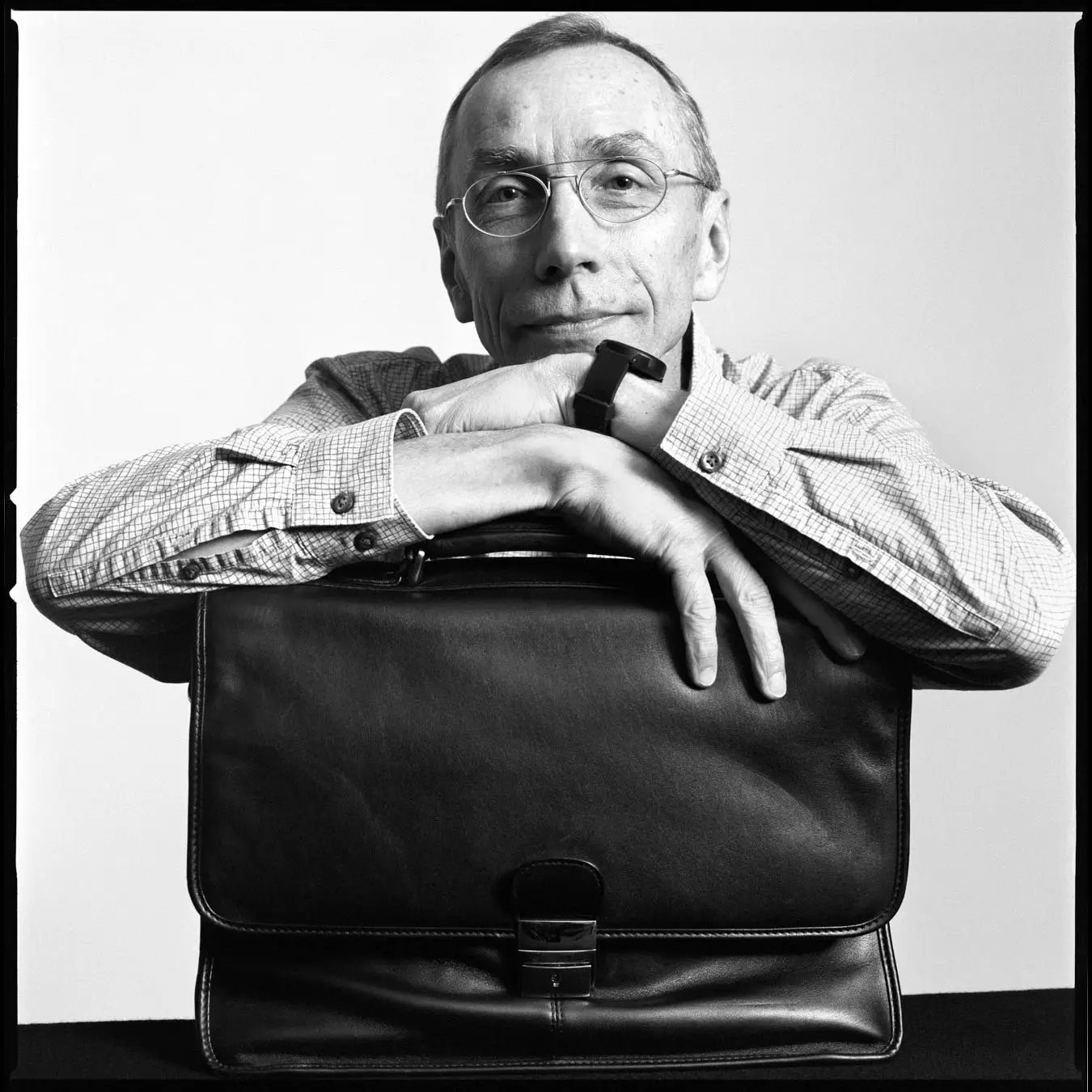 |
2016 | Svante Pääbo | Sweden | Max Planck Institute for Evolutionary Anthropology | |
for pioneering the sequencing of ancient DNA and ancient genomes, thereby illuminating the origins of modern humans, our relationships to extinct relatives such as Neanderthals, and the evolution of human populations and traits. |
|||||
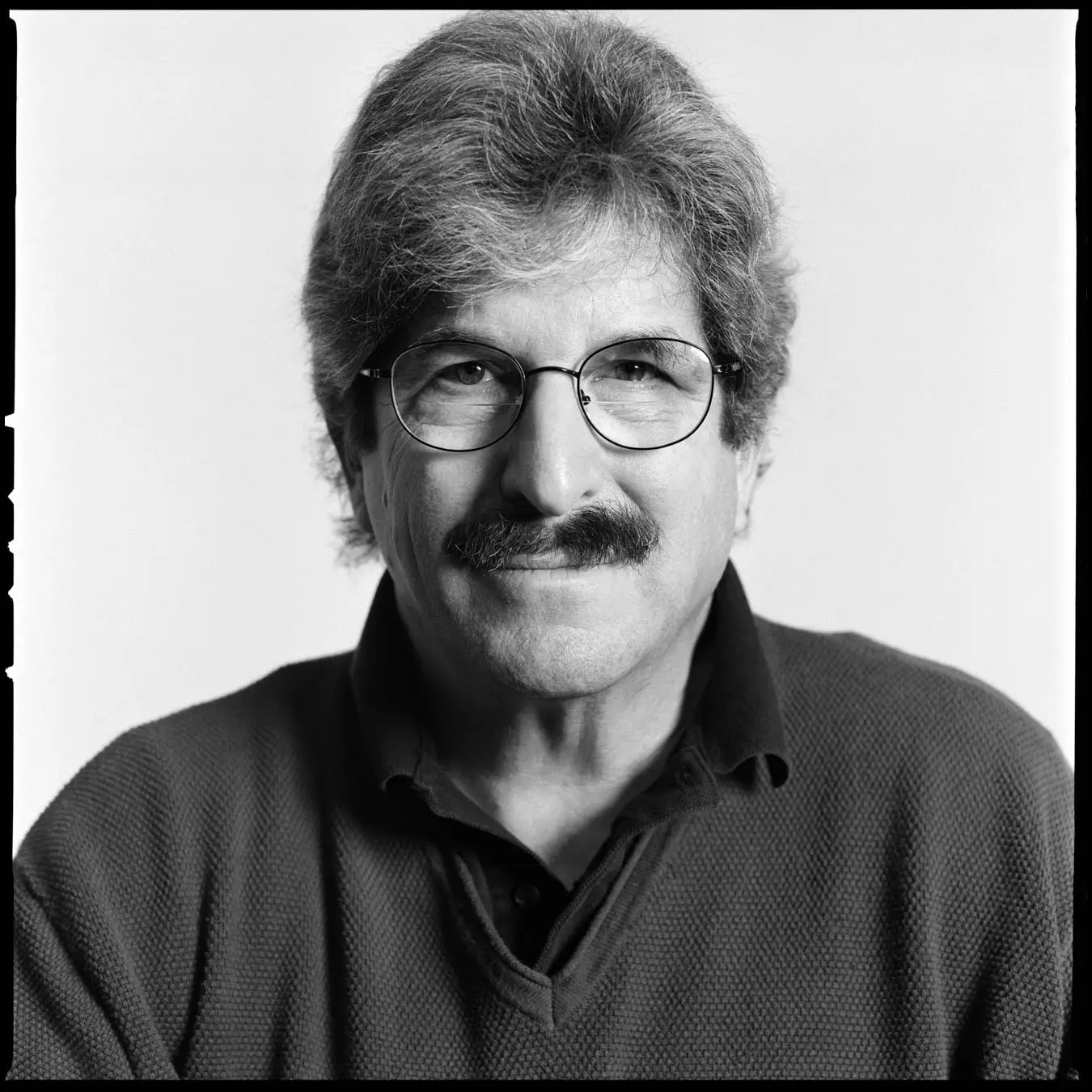 |
2015 | Gary Ruvkun | United States | Massachusetts General Hospital, Harvard Medical School | |
for the discovery of a new world of genetic regulation by microRNAs, a class of tiny RNA molecules that inhibit translation or destabilize complementary mRNA targets. |
|||||
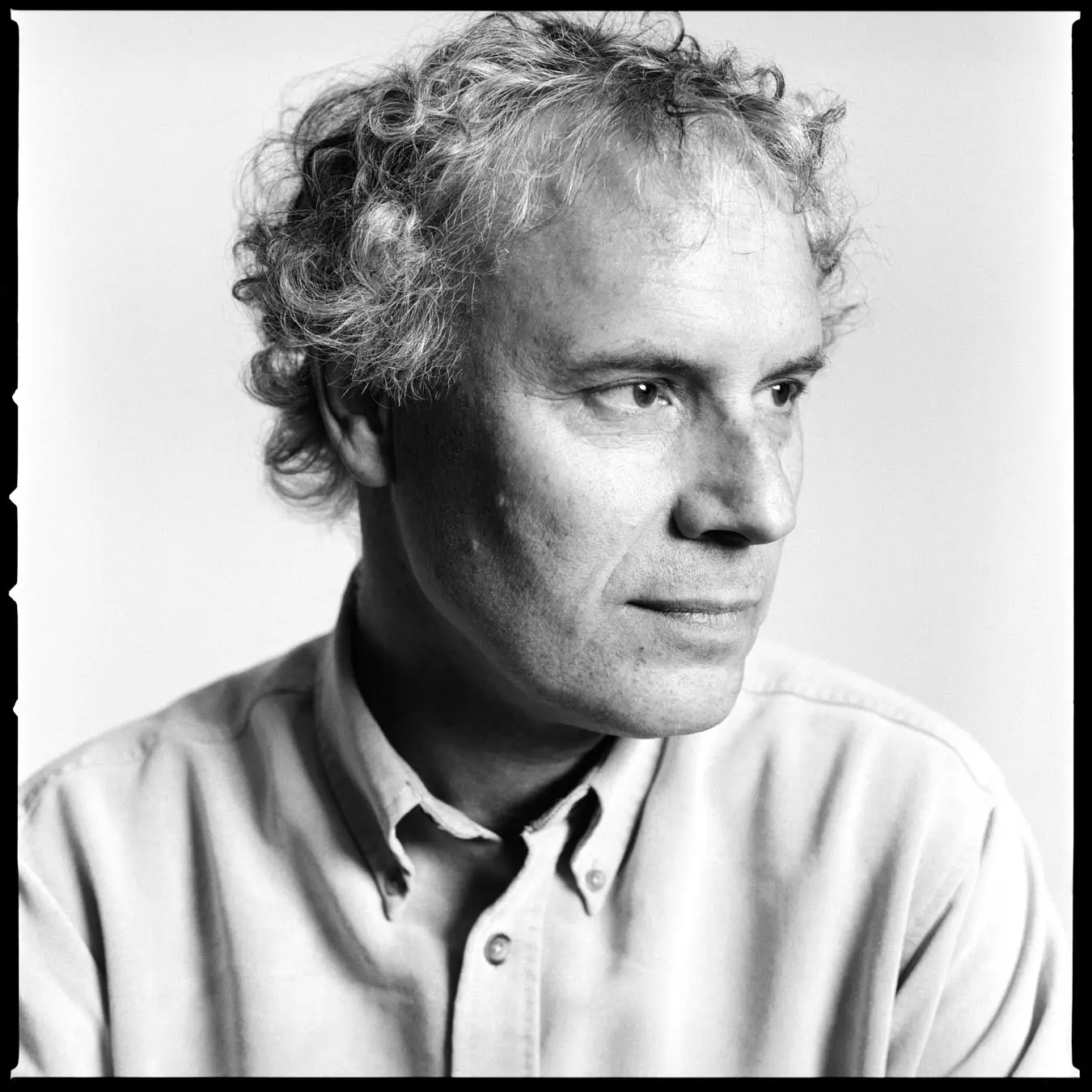 |
2015 | Victor Ambros | United States | University of Massachusetts Medical School | |
for the discovery of a new world of genetic regulation by microRNAs, a class of tiny RNA molecules that inhibit translation or destabilize complementary mRNA targets. |
|||||
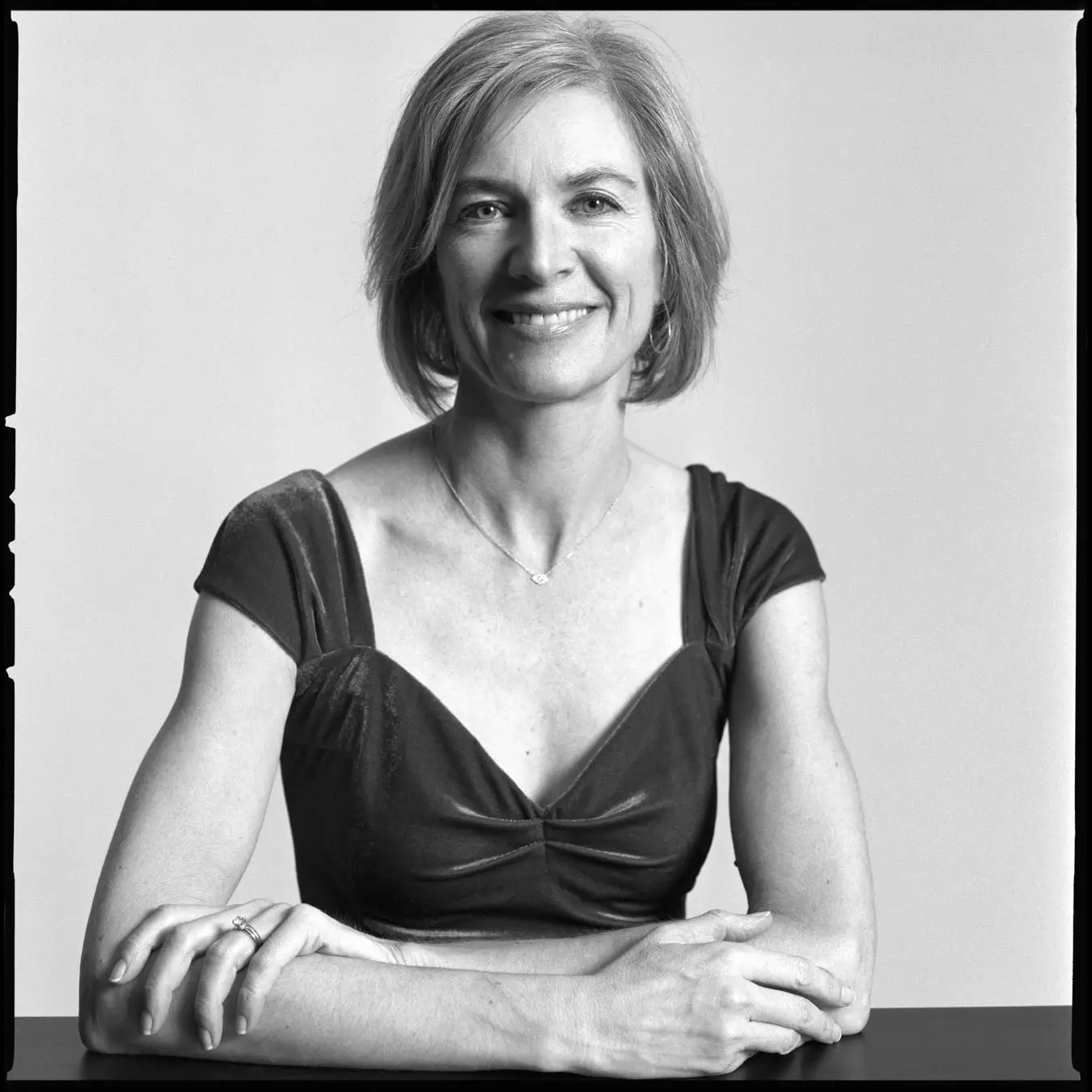 |
2015 | Jennifer A. Doudna | United States | University of California Berkeley, Howard Hughes Medical Institute, Lawrence Berkeley National Laboratory | |
for harnessing an ancient mechanism of bacterial immunity into a powerful and general technology for editing genomes, with wide-ranging implications across biology and medicine. |
|||||
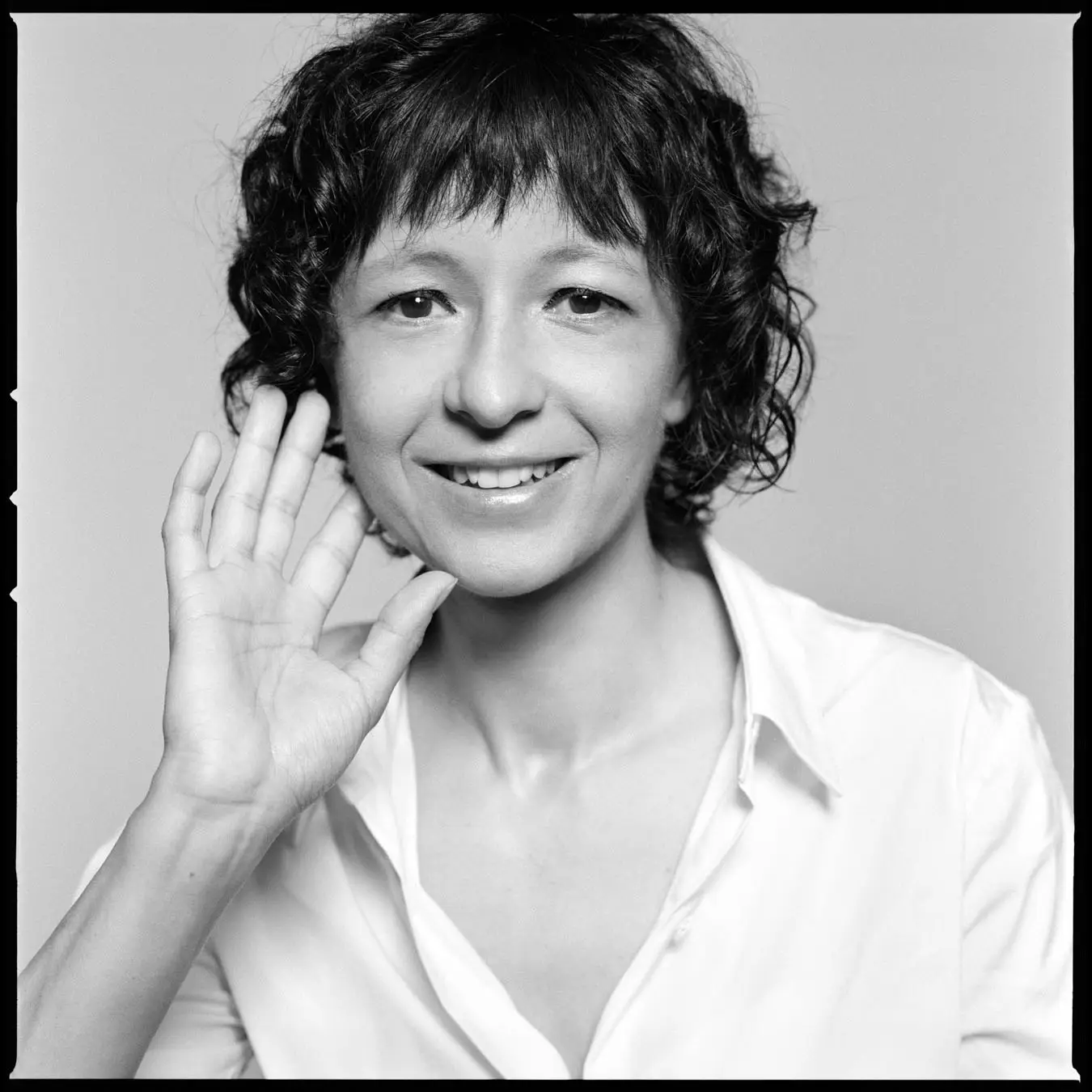 |
2015 | Emmanuelle Charpentier | France | Helmholtz Centre for Infection Research, Umeå University | |
for harnessing an ancient mechanism of bacterial immunity into a powerful and general technology for editing genomes, with wide-ranging implications across biology and medicine. |
|||||
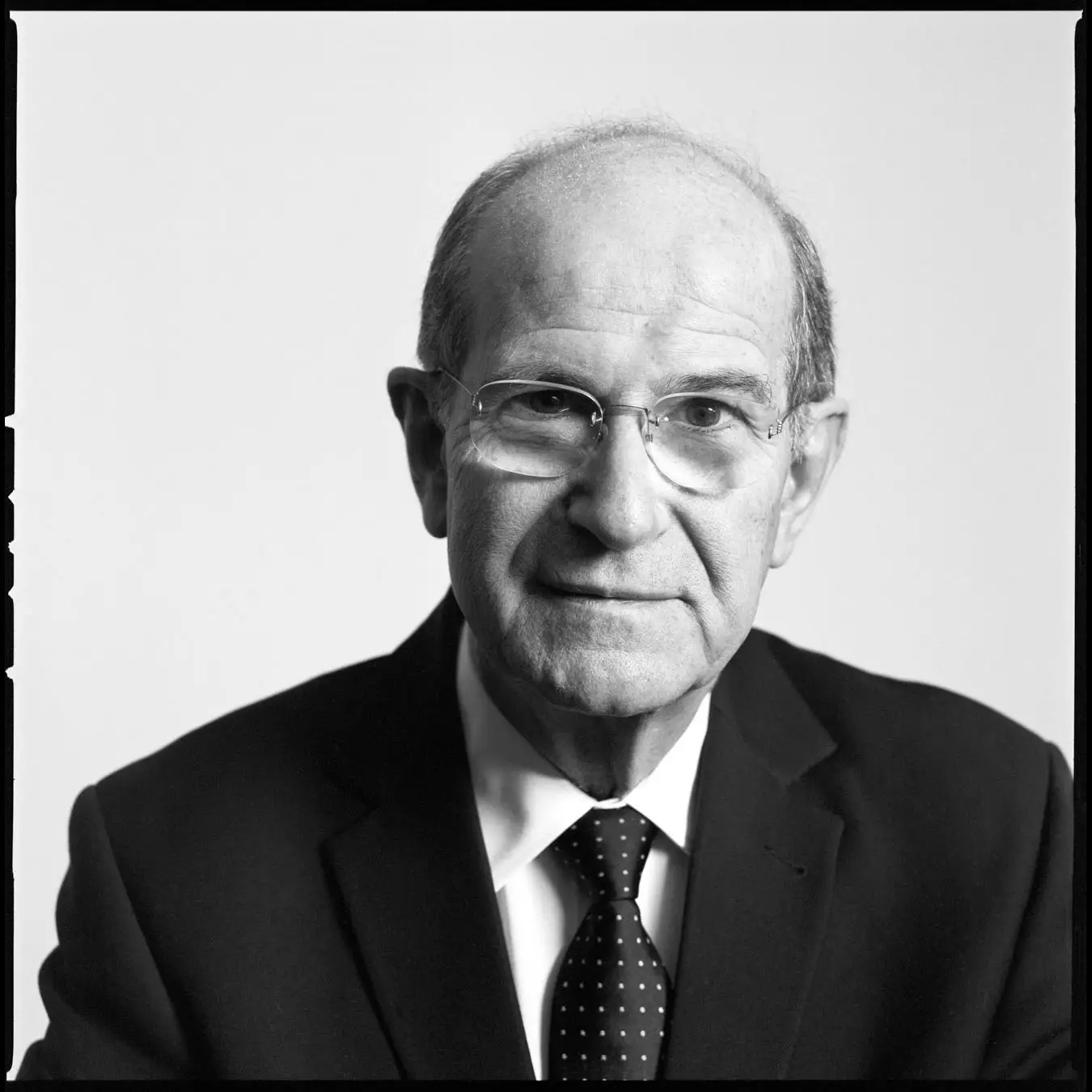 |
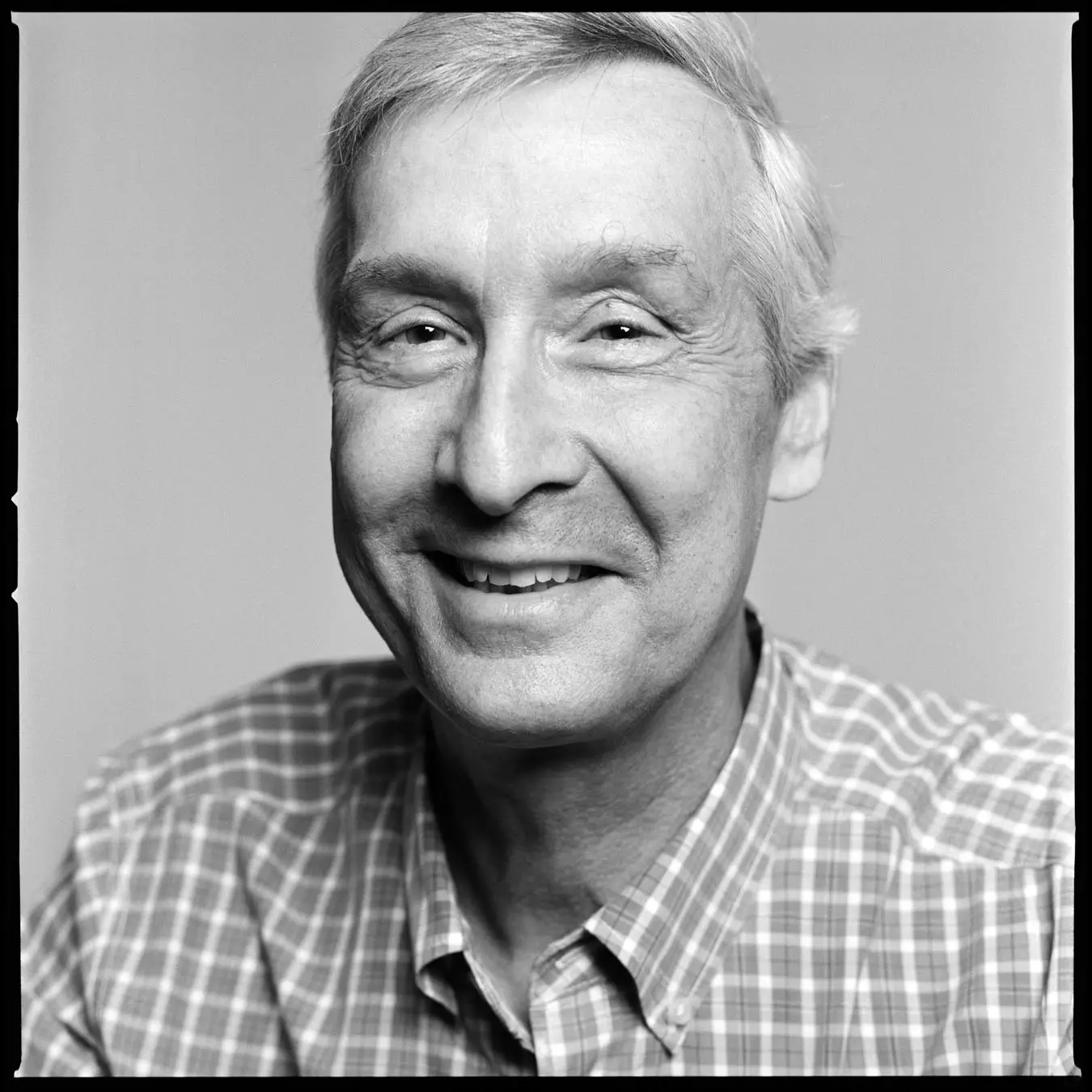
2015 | Alim Louis Benabid | France | Joseph Fourier University | |
for the discovery and pioneering work on the development of high-frequency deep brain stimulation (DBS), which has revolutionized the treatment of Parkinson's disease. |
|||||
 |
2015 | C. David Allis | United States | Rockefeller University | |
for the discovery of covalent modifications of histone proteins and their critical roles in the regulation of gene expression and chromatin organization, advancing the understanding of diseases ranging from birth defects to cancer. |
|||||
 |
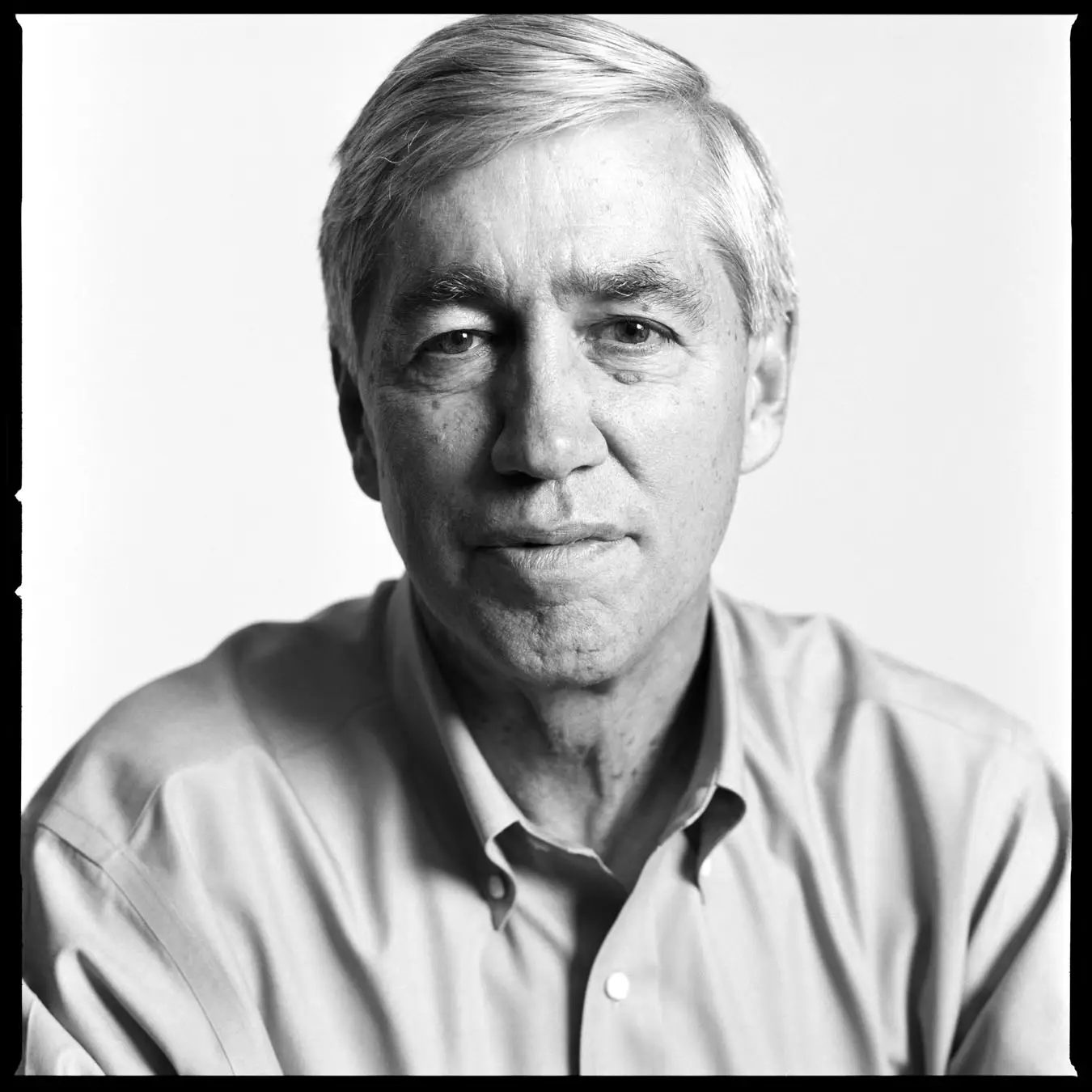
2014 | Alexander Varshavsky | Russia, United States | Caltech | |
for discovering critical molecular determinants and biological functions of intracellular protein degradation. |
|||||
 |
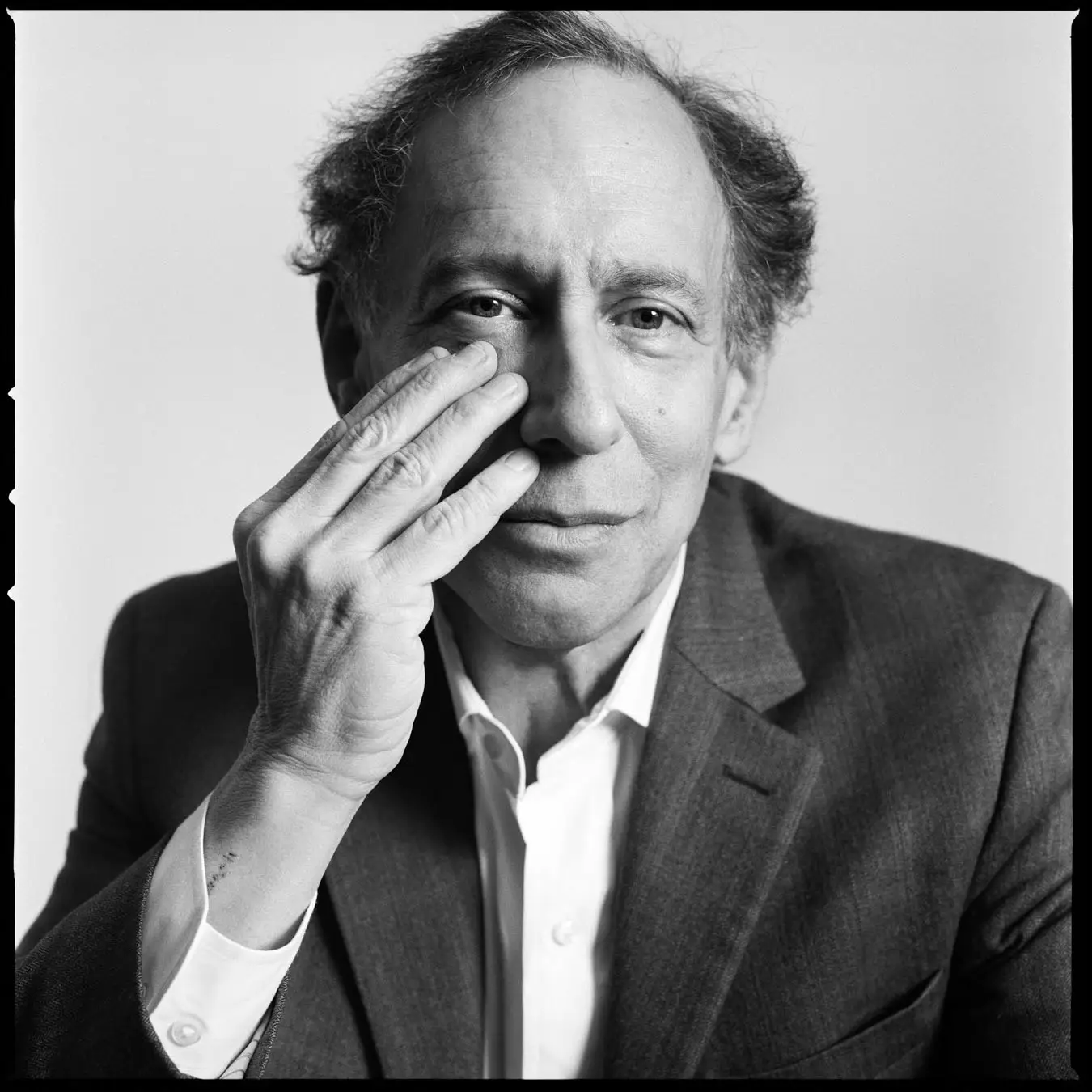
2014 | Richard P. Lifton | United States | Yale University School of Medicine | |
for the discovery of genes and biochemical mechanisms that cause hypertension. |
|||||
 |
2014 | Robert Langer | United States | Massachusetts Institute of Technology | |
for discoveries leading to the development of controlled drug-release systems and new biomaterials. |
|||||
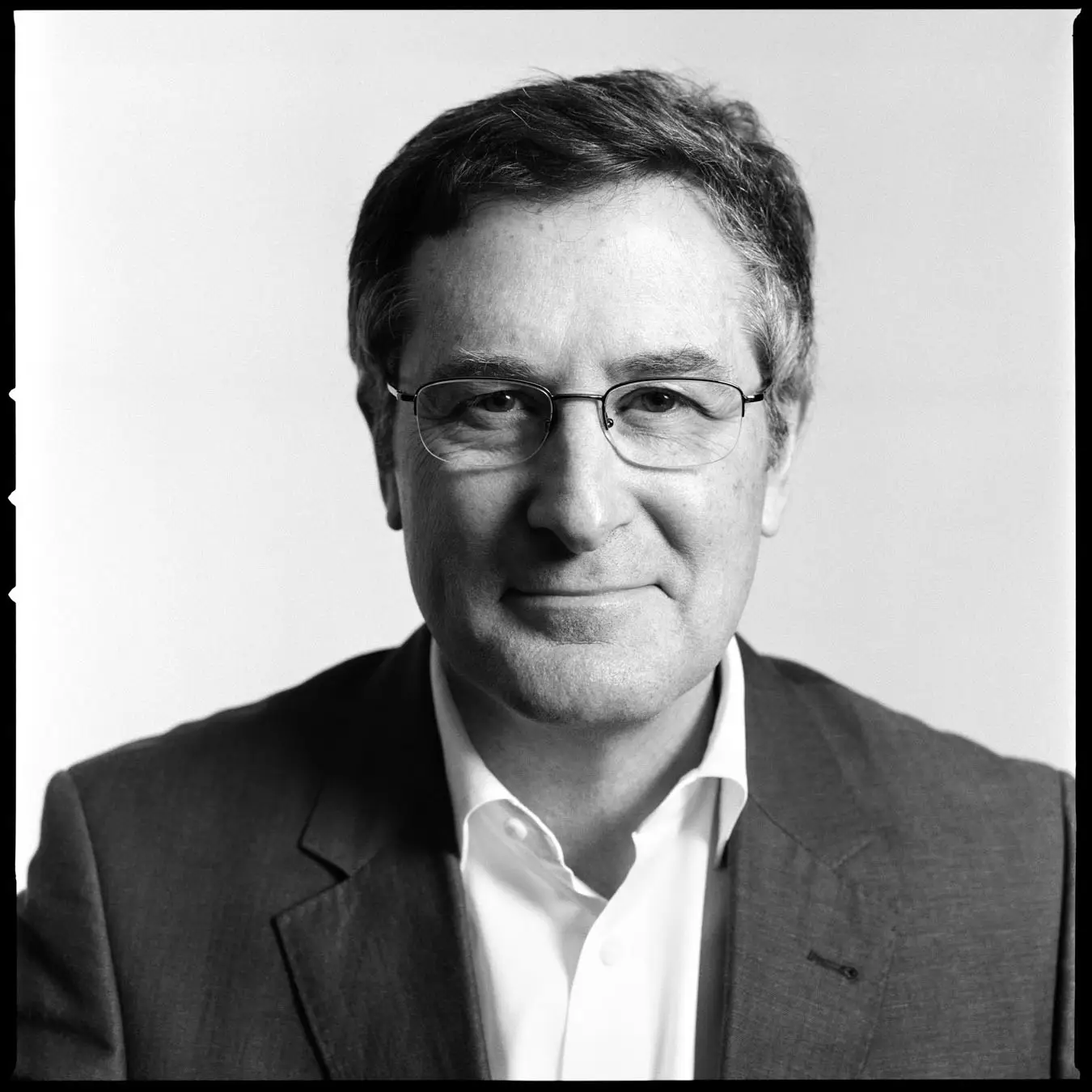 |
2014 | Michael N. Hall | Switzerland, United States | Biozentrum University of Basel | |
for the discovery of Target of Rapamycin (TOR) and its role in cell growth control. |
|||||
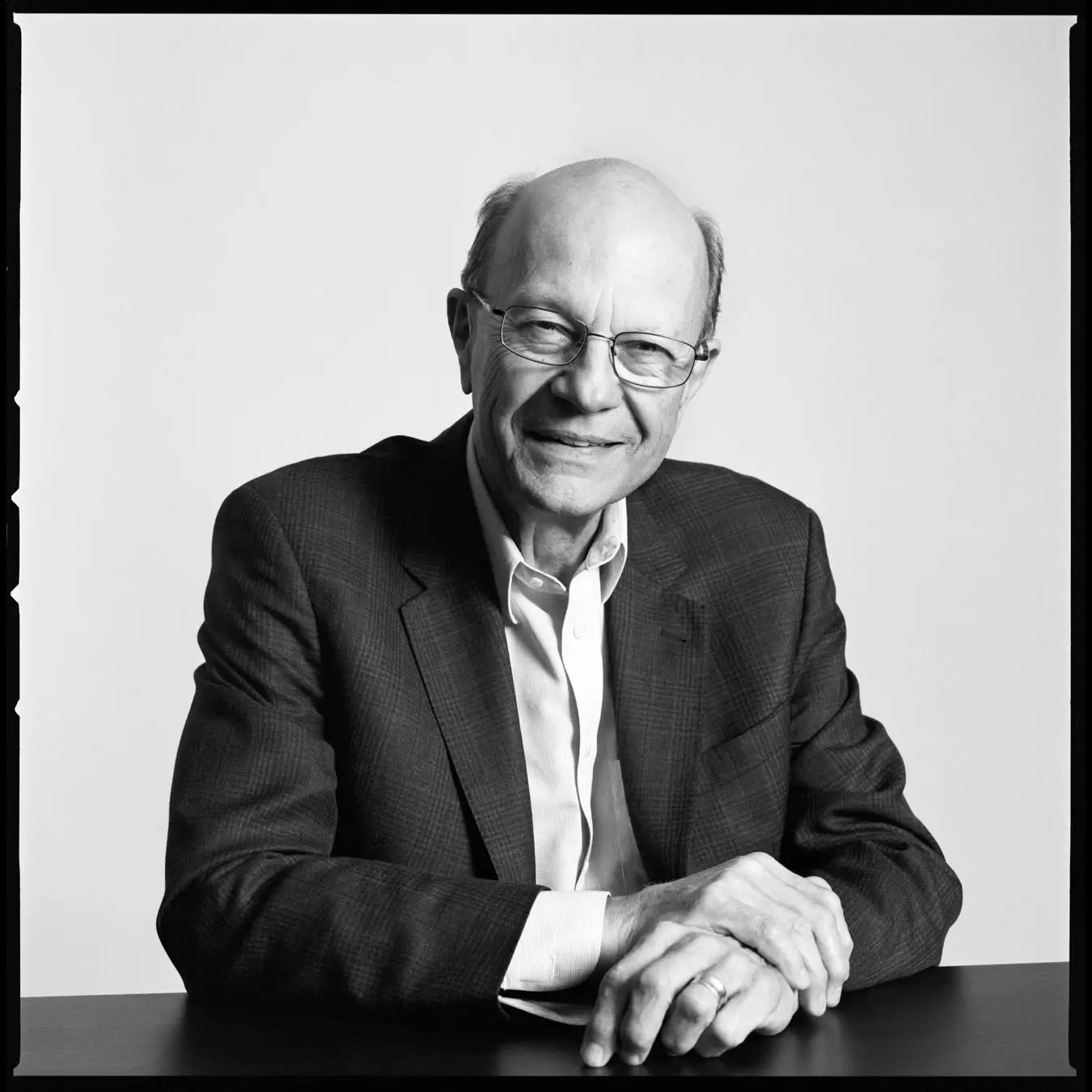 |
2014 | Mahlon R. DeLong | United States | Emory University | |
for defining the interlocking circuits in the brain that malfunction in Parkinson's disease – this scientific foundation underlies the circuit-based treatment of Parkinson's disease by deep brain stimulation. |
|||||
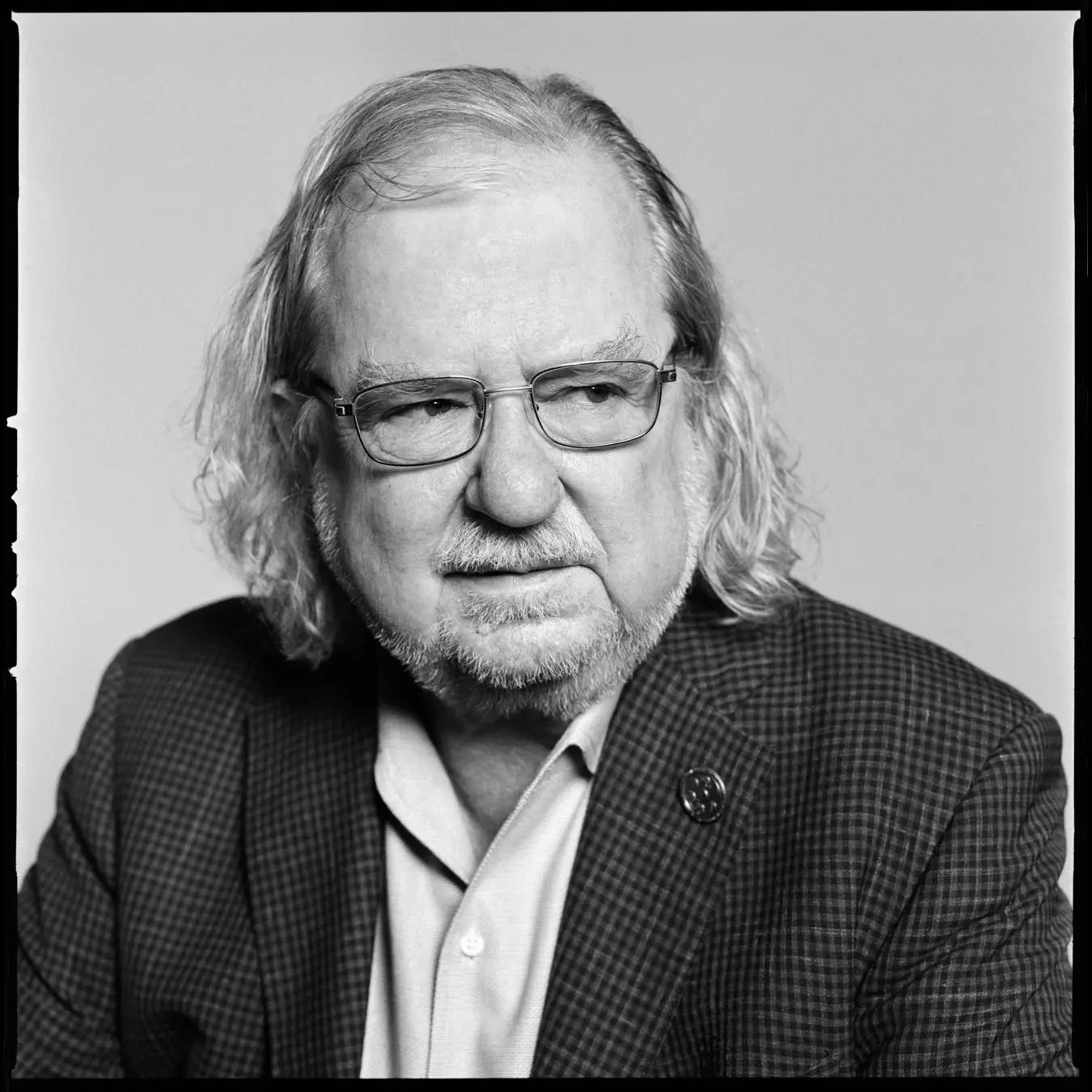 |
2014 | James P. Allison | United States | M. D. Anderson Cancer Center | |
for the discovery of T cell checkpoint blockade as effective cancer therapy. |
|||||
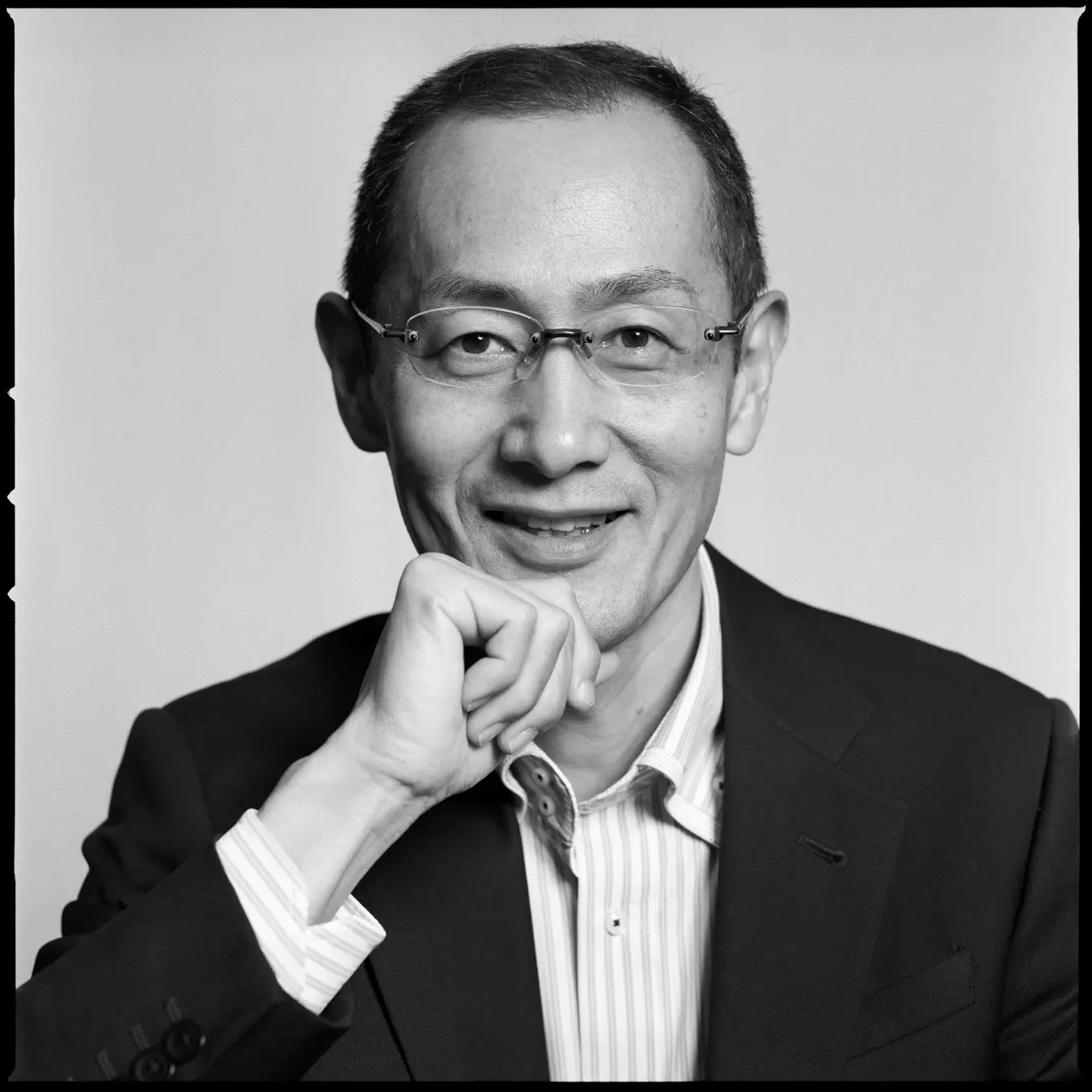 |
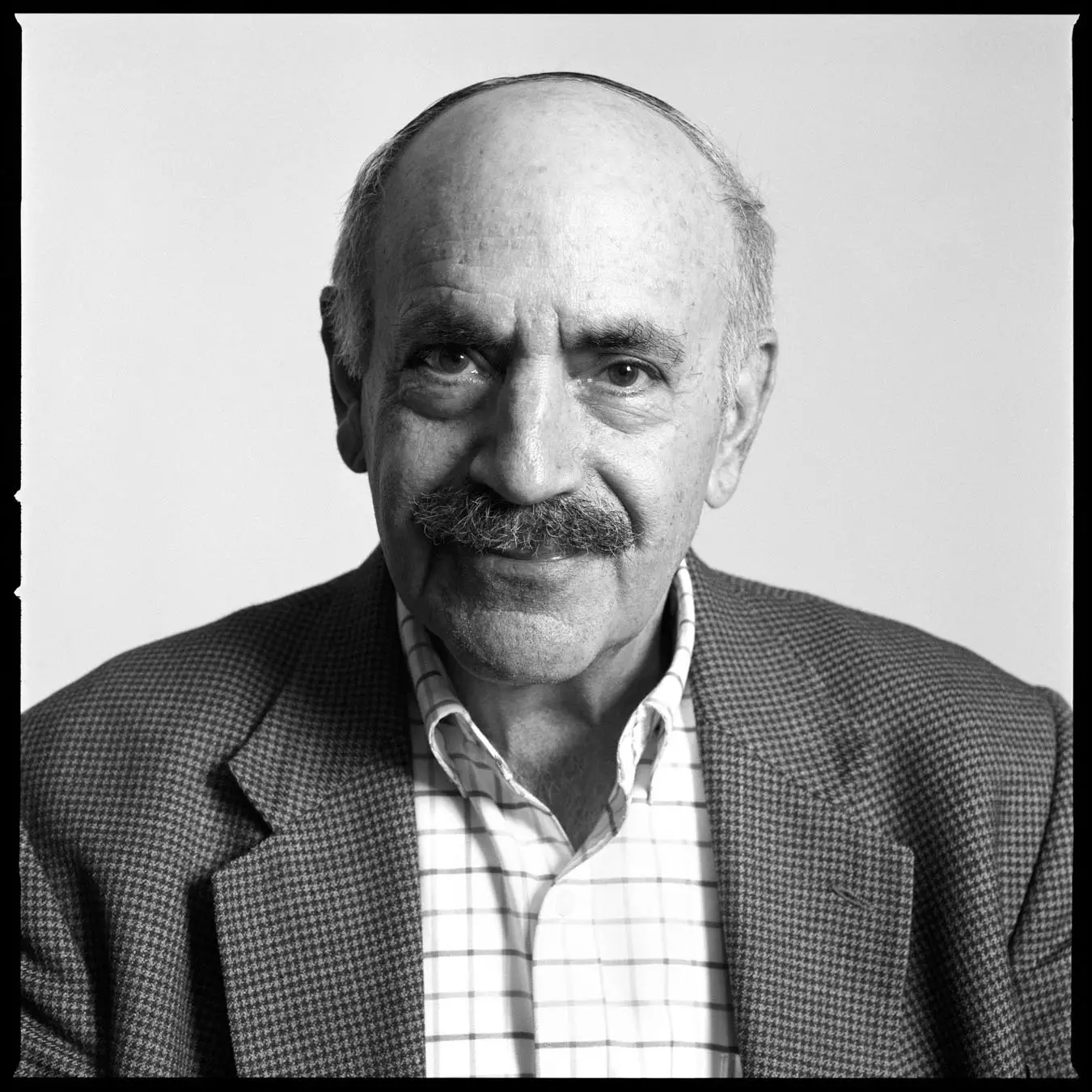
2013 | Shinya Yamanaka | Japan | Kyoto University, Gladstone Institutes | |
For induced pluripotent stem cells. |
|||||
 |
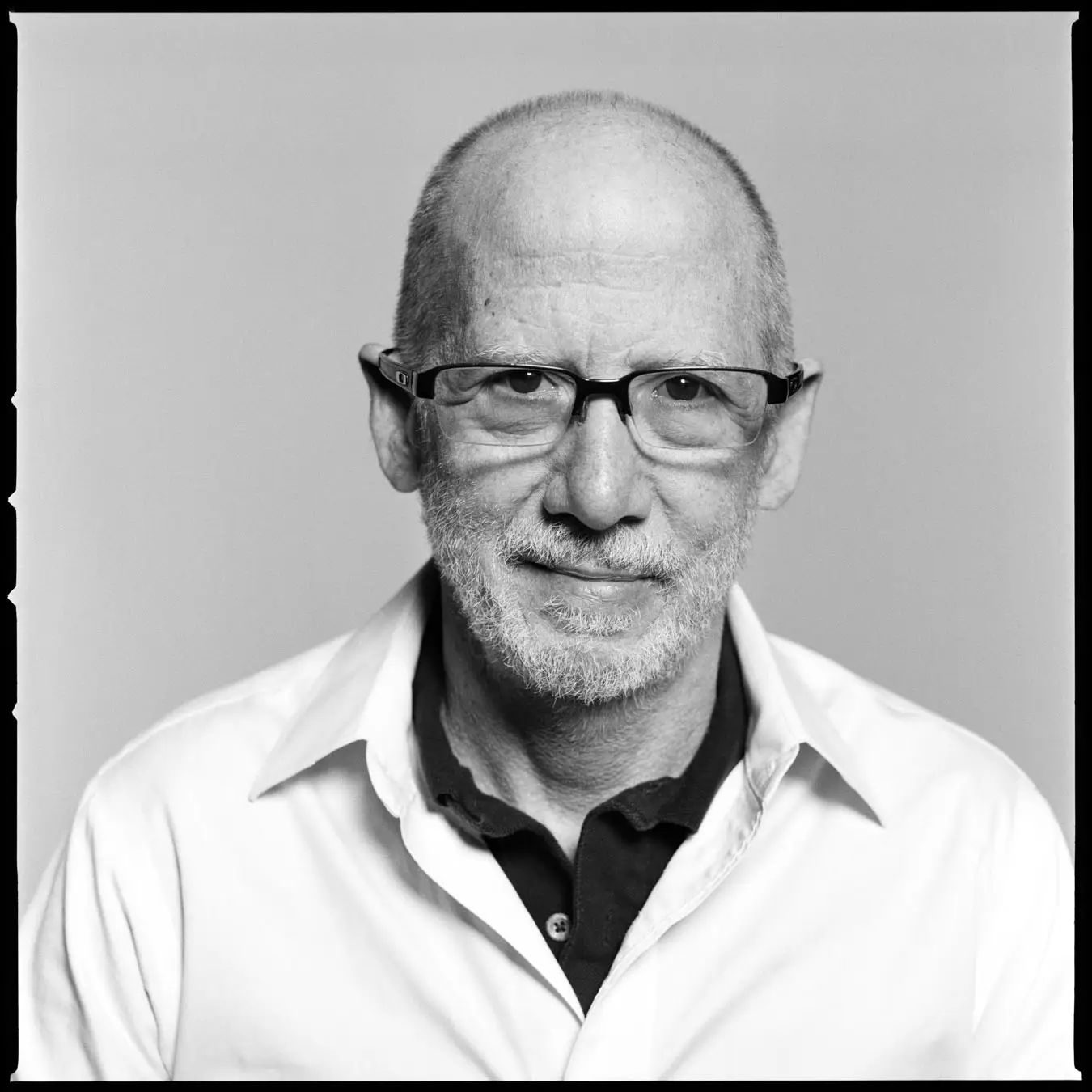
2013 | Robert Weinberg | United States | Massachusetts Institute of Technology, Whitehead Institute | |
for characterization of human cancer genes. |
|||||
 |
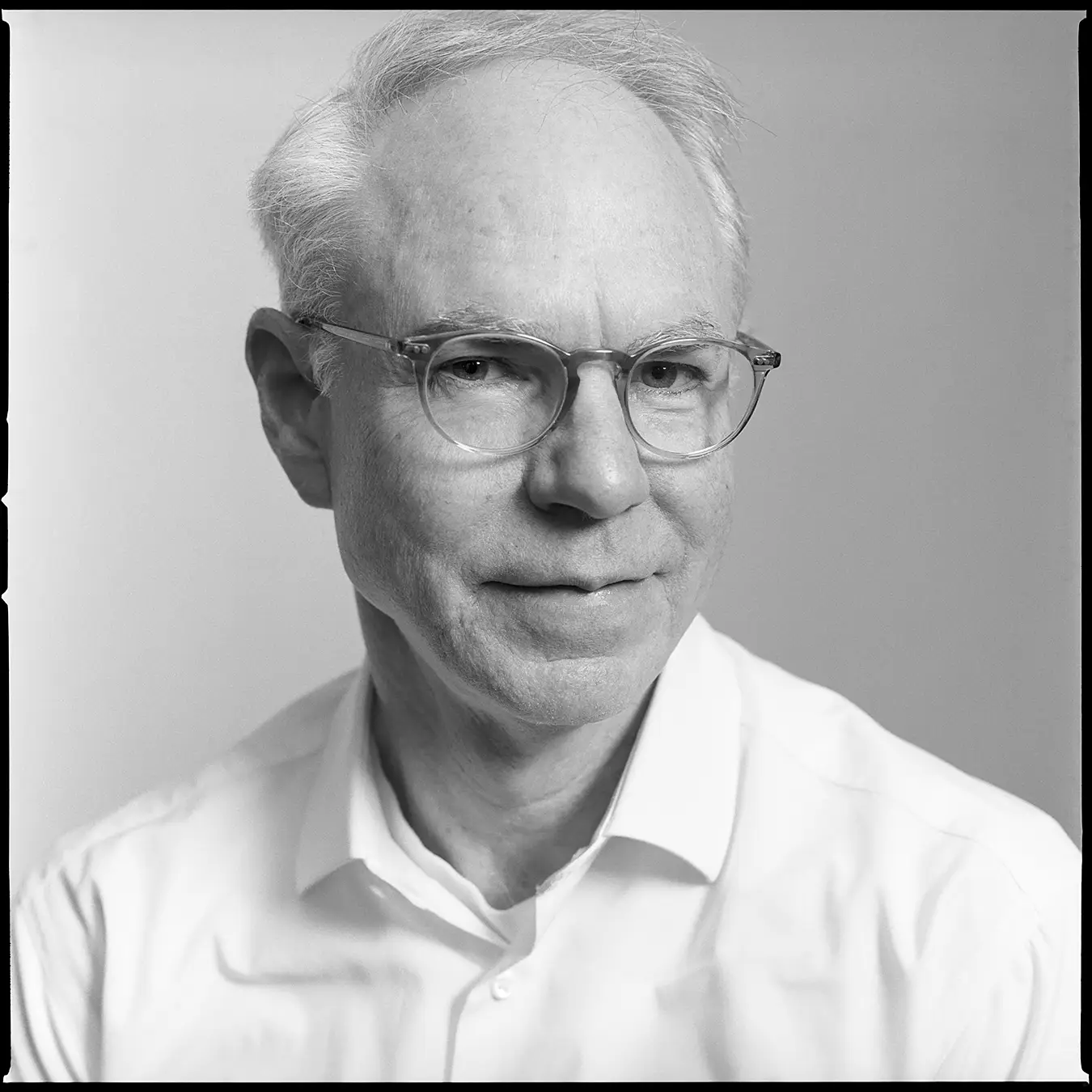
2013 | Bert Vogelstein | United States | Howard Hughes Medical Institute, Johns Hopkins University | |
for cancer genomics and tumor suppressor genes. |
|||||
 |
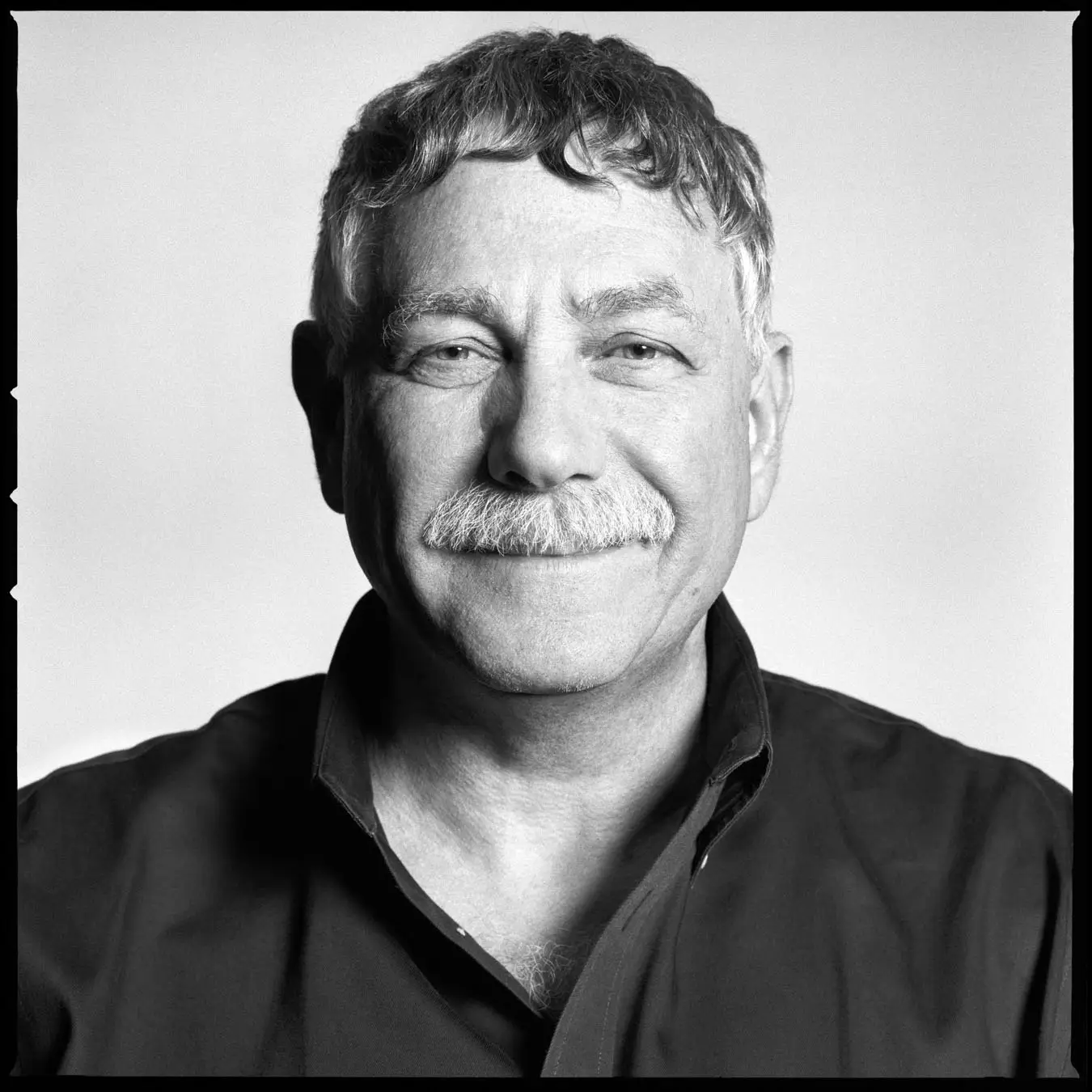
2013 | Charles L. Sawyers | United States | Howard Hughes Medical Institute, Memorial Sloan-Kettering Cancer Center | |
for cancer genes and targeted therapy. |
|||||
 |
2013 | Eric S. Lander | United States | Massachusetts Institute of Technology, Broad Institute | |
for the discovery of general principles for identifying human disease genes, and enabling their application to medicine through the creation and analysis of genetic, physical and sequence maps of the human genome. |
|||||
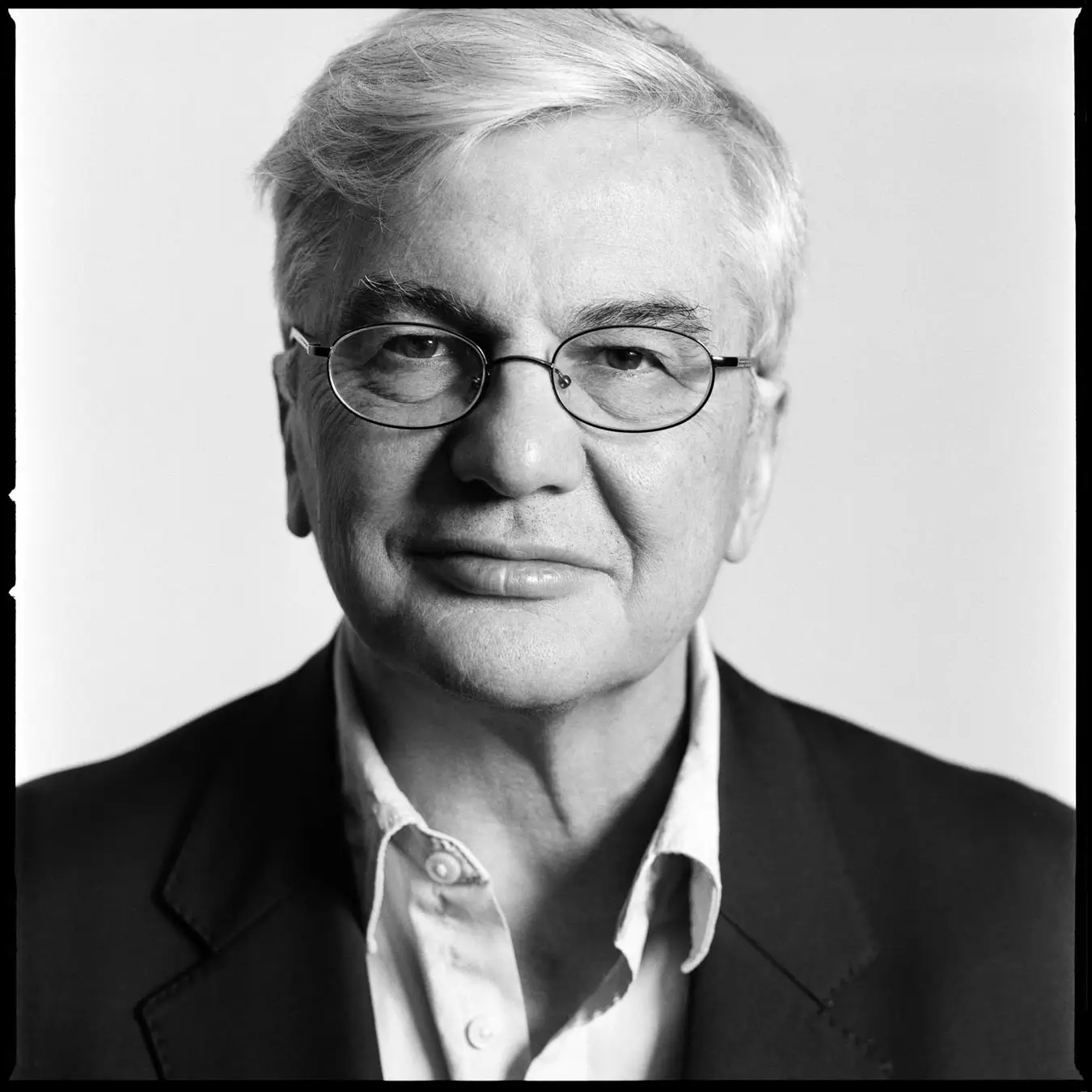 |
2013 | Napoleone Ferrara | Italy, United States | University of California San Diego | |
for discoveries in the mechanisms of angiogenesis that led to therapies for cancer and eye diseases. |
|||||
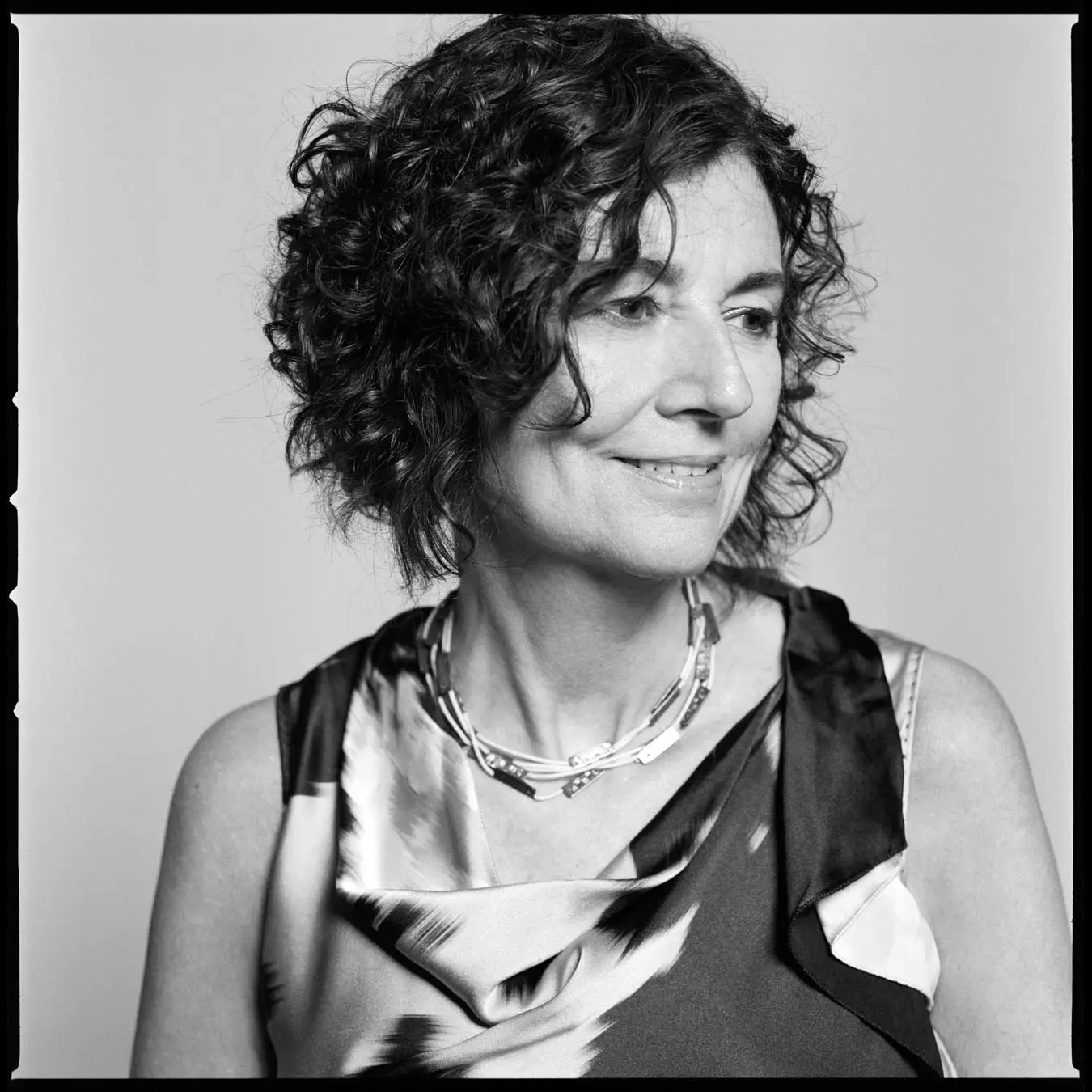 |
2013 | Titia de Lange | Netherlands, United States | Rockefeller University | |
for research on telomeres, illuminating how they protect chromosome ends and their role in genome instability in cancer. |
|||||
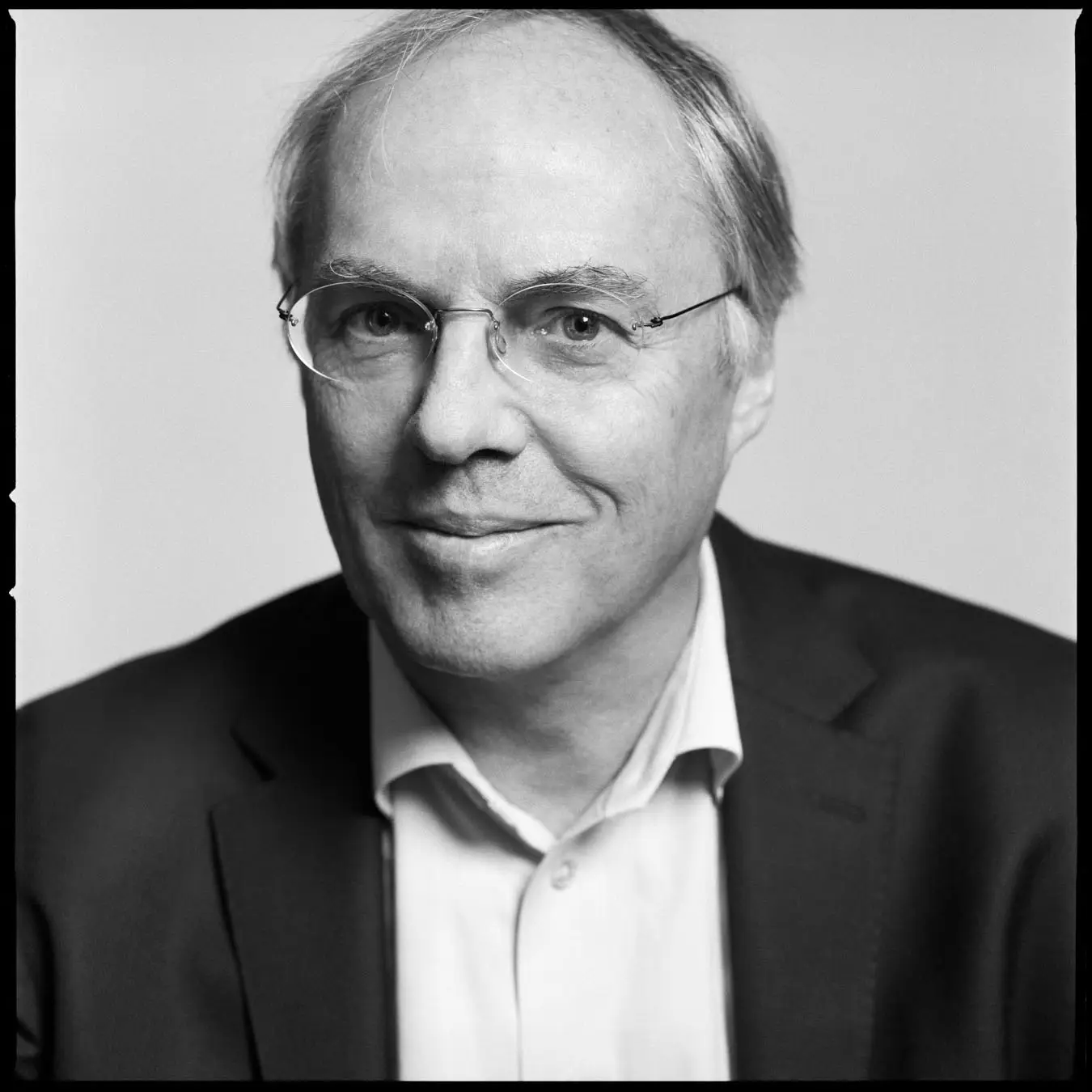 |
2013 | Hans Clevers | Netherlands | Hubrecht Institute | |
for describing the role of Wnt signaling in tissue stem cells and cancer. |
|||||
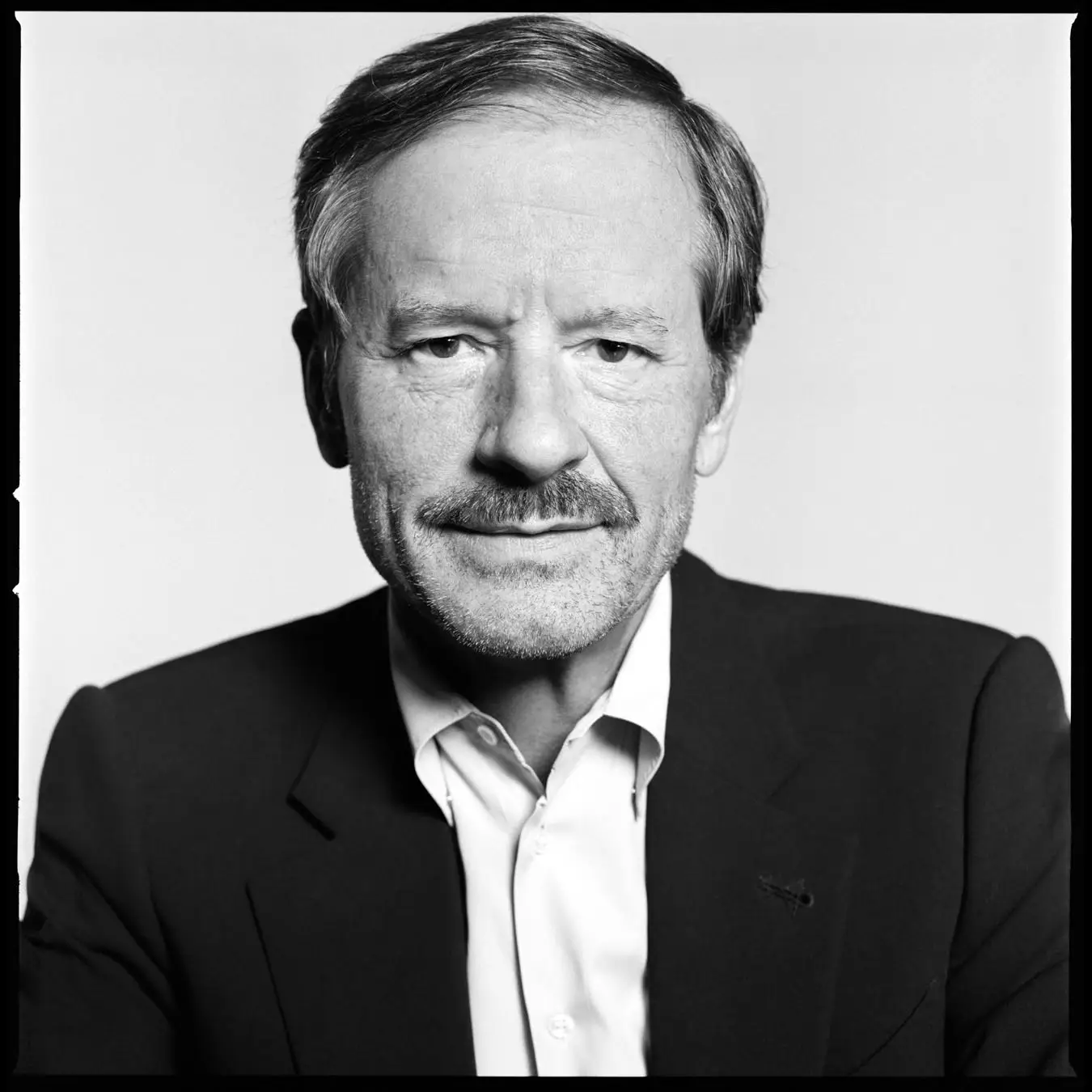 |
2013 | Lewis C. Cantley | United States | Harvard Medical School, Weill Cornell Medical College | |
for the discovery of PI 3-Kinase and its role in cancer metabolism. |
|||||
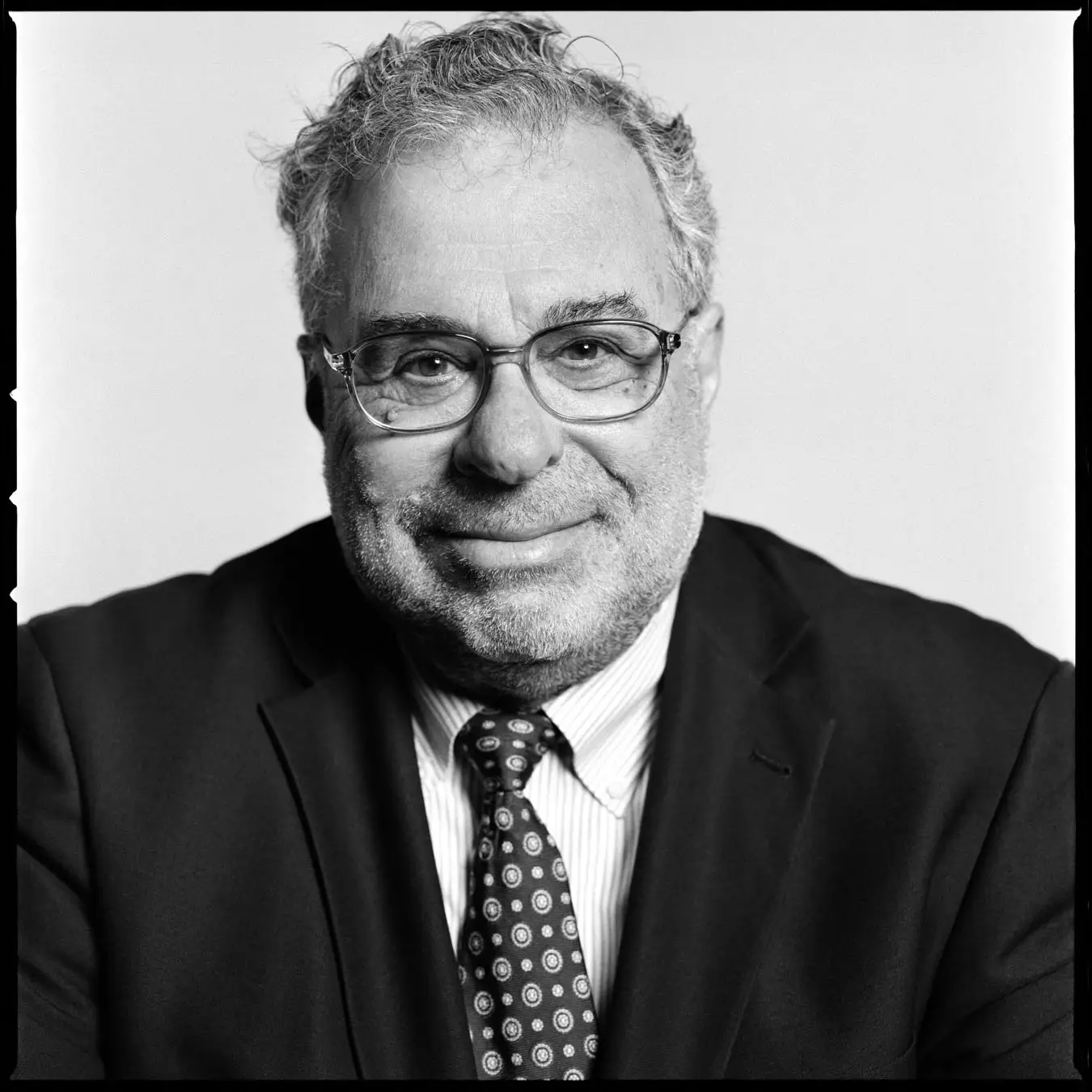 |
2013 | David Botstein | Switzerland, United States | Princeton University | |
for linkage mapping of Mendelian disease in humans using DNA polymorphisms. |
|||||
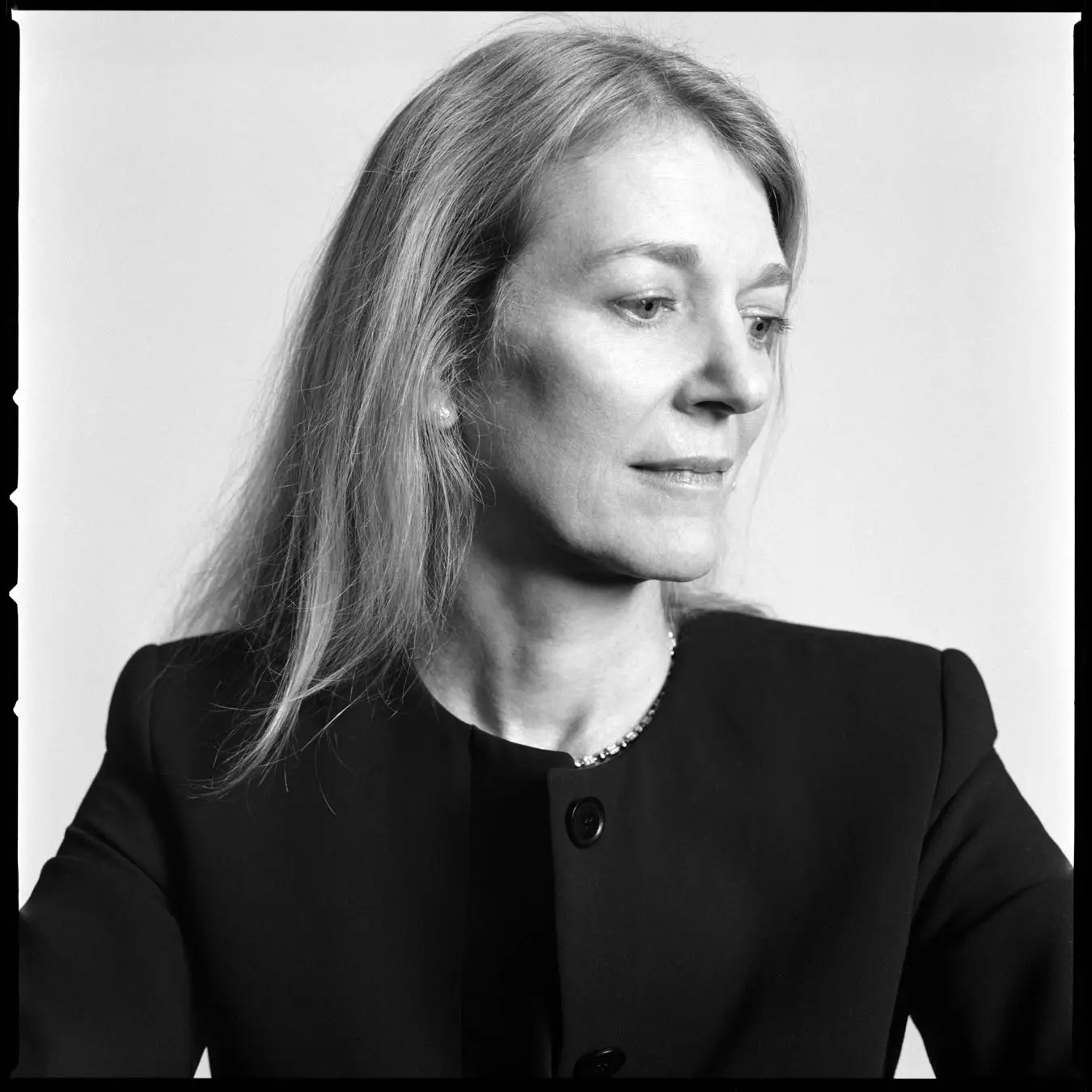 |
2013 | Cornelia I. Bargmann | United States | Rockefeller University | |
for the genetics of neural circuits and behavior, and synaptic guidepost molecules. |
|||||
Frequently Asked Questions
Award research specialist focused on news analysis, fact-checking, and creating accurate content about national and international awards.
Rohit Chauhan has extensive experience in researching awards, honors, recognitions, and achievement-based news. He specializes in verifying information from trusted sources, analyzing award records, and creating well-structured, informative content for readers. His work focuses on delivering accurate and up-to-date information about award winners, award histories, nominations, and notable achievements across various fields.