About Breakthrough New Horizons in Mathematics Prize
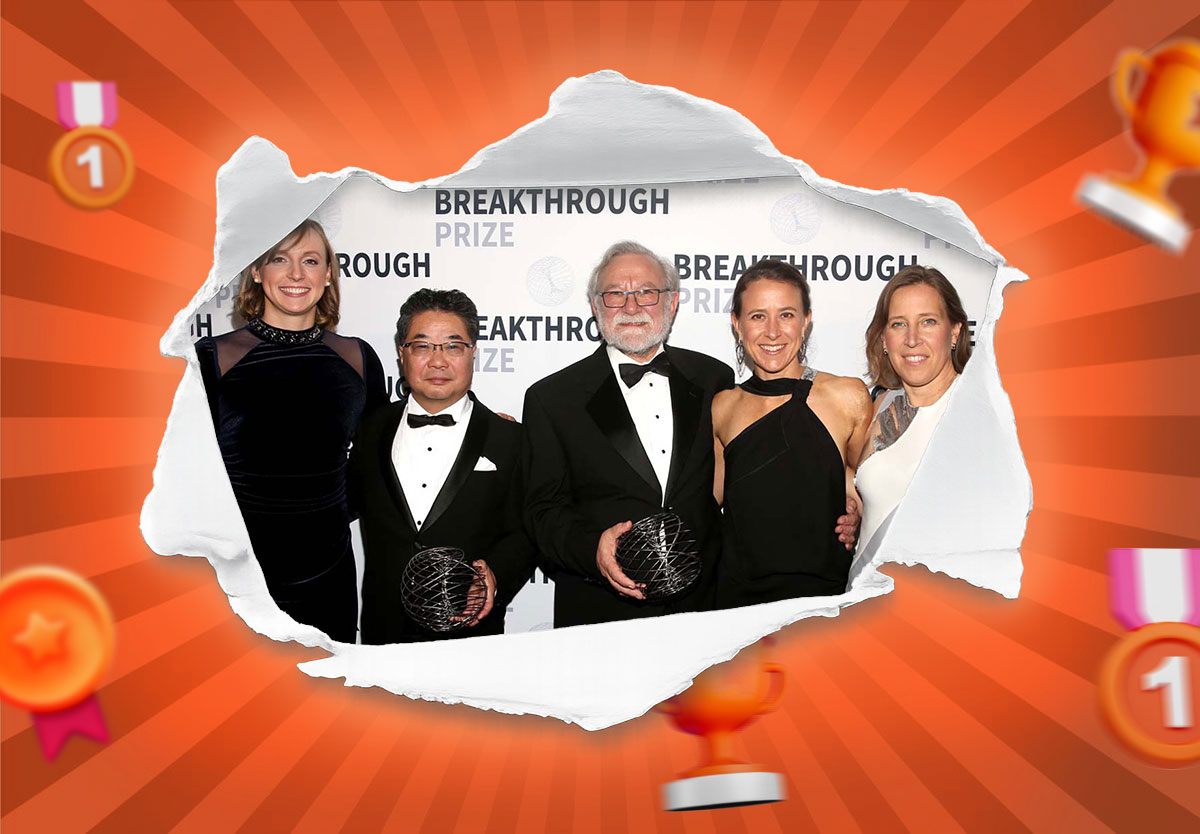
The New Horizons in Mathematics Prize of $100,000 is awarded to promising early-career researchers who have already produced important work. Each year, up to three New Horizons in Mathematics Prizes are awarded.
List of Breakthrough New Horizons in Mathematics Prize Winners (2012-2025)
The Breakthrough New Horizons in Mathematics Prize category has honored 34 recipients between 2012 and 2025 under the Breakthrough Prize, presented by the Breakthrough Prize Organization. Explore the complete list of award winners, recipients, and year-wise details.
| Images | Year | Winner Name | Country | Affiliation | |
|---|---|---|---|---|---|
 |
2025 | Ewain Gwynne | N/A | University of Chicago | |
For contributions to conformal probability, in particular to the understanding of the LQG metric. |
|||||
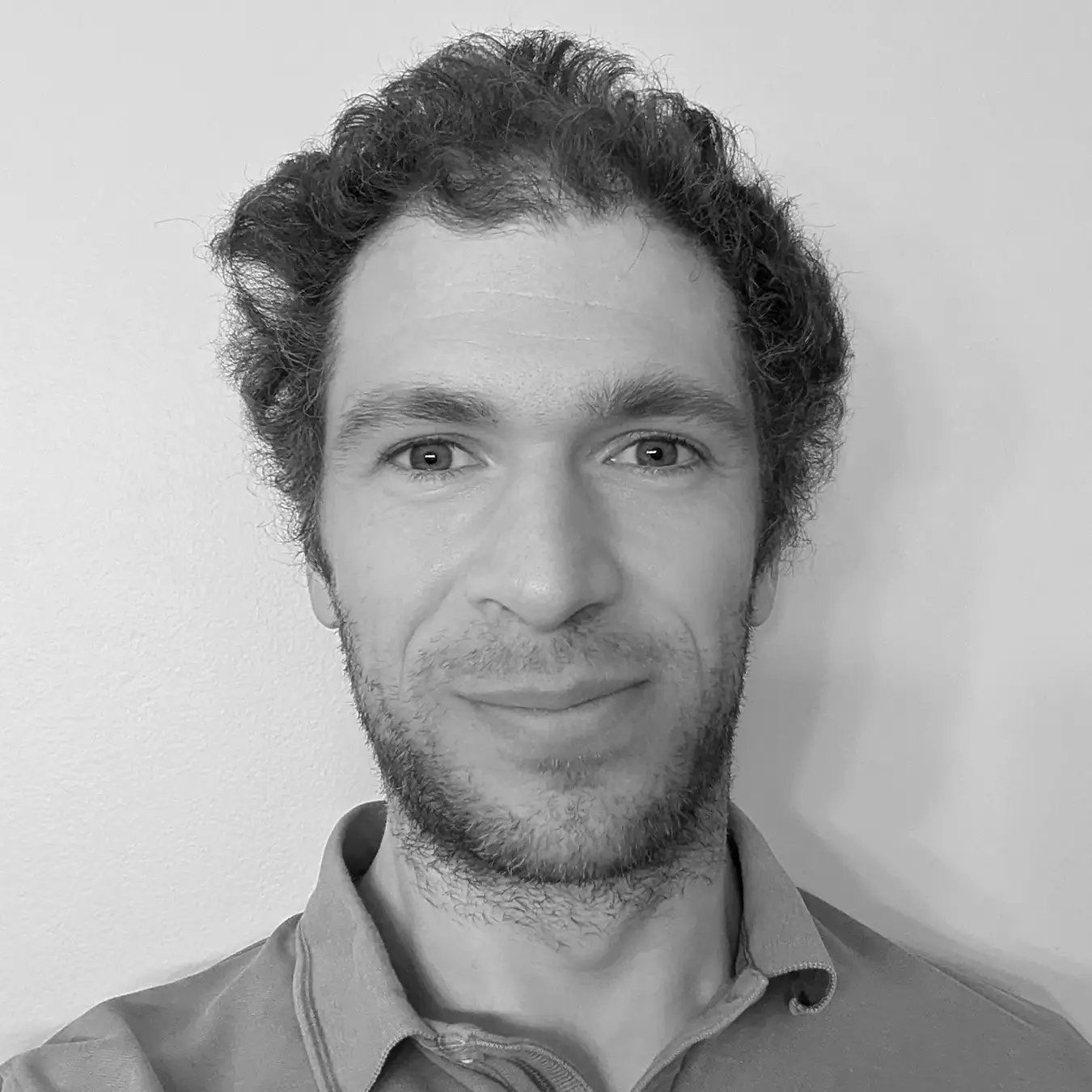 |
2025 | John Pardon | United States | Stony Brook University | |
For contributions to symplectic topology and other areas of geometry and topology. |
|||||
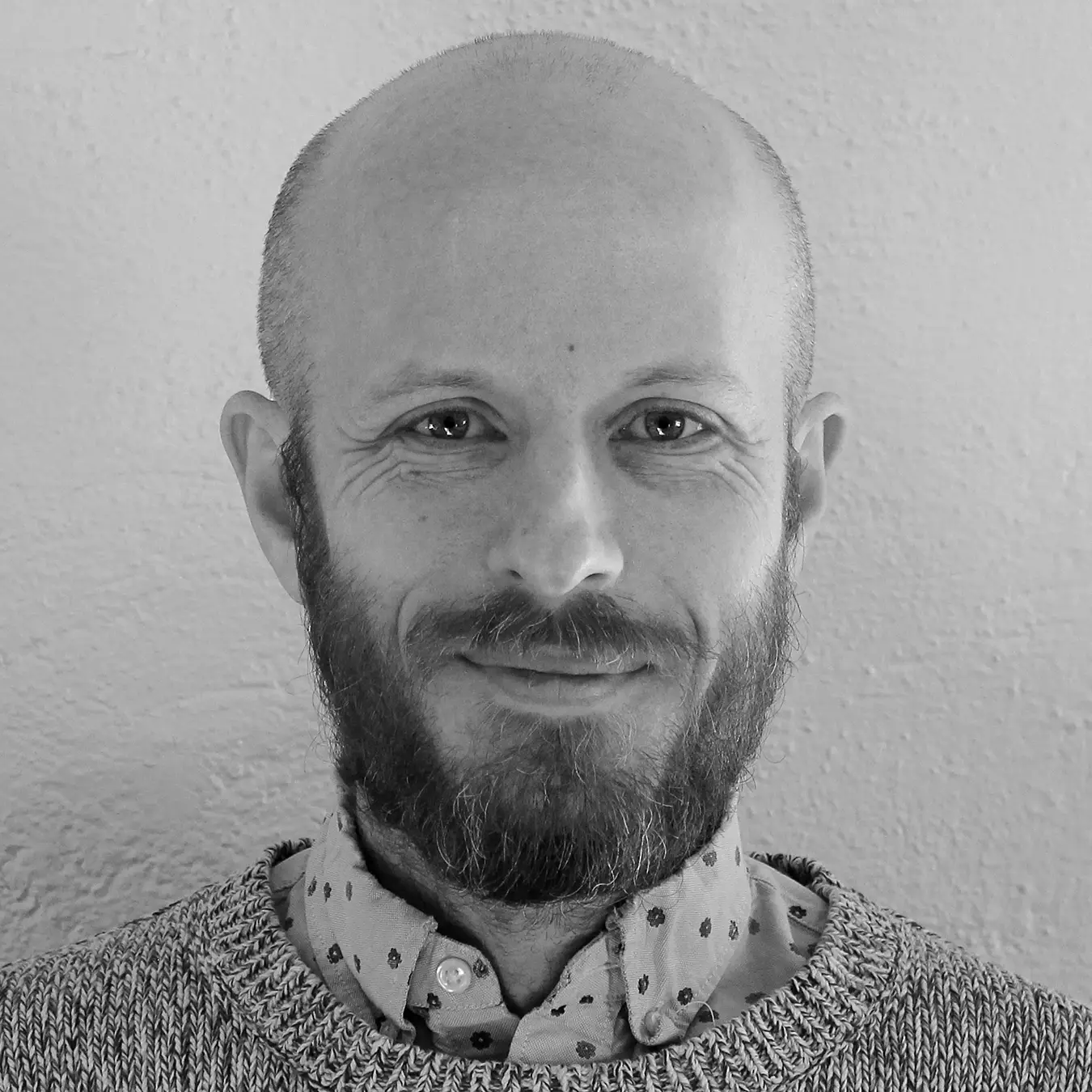 |
2025 | Sam Raskin | N/A | Yale University | |
For contributions to the geometric Langlands program, including the theory of the Whittaker model and the proof of the geometric Langlands conjecture in characteristic 0. |
|||||
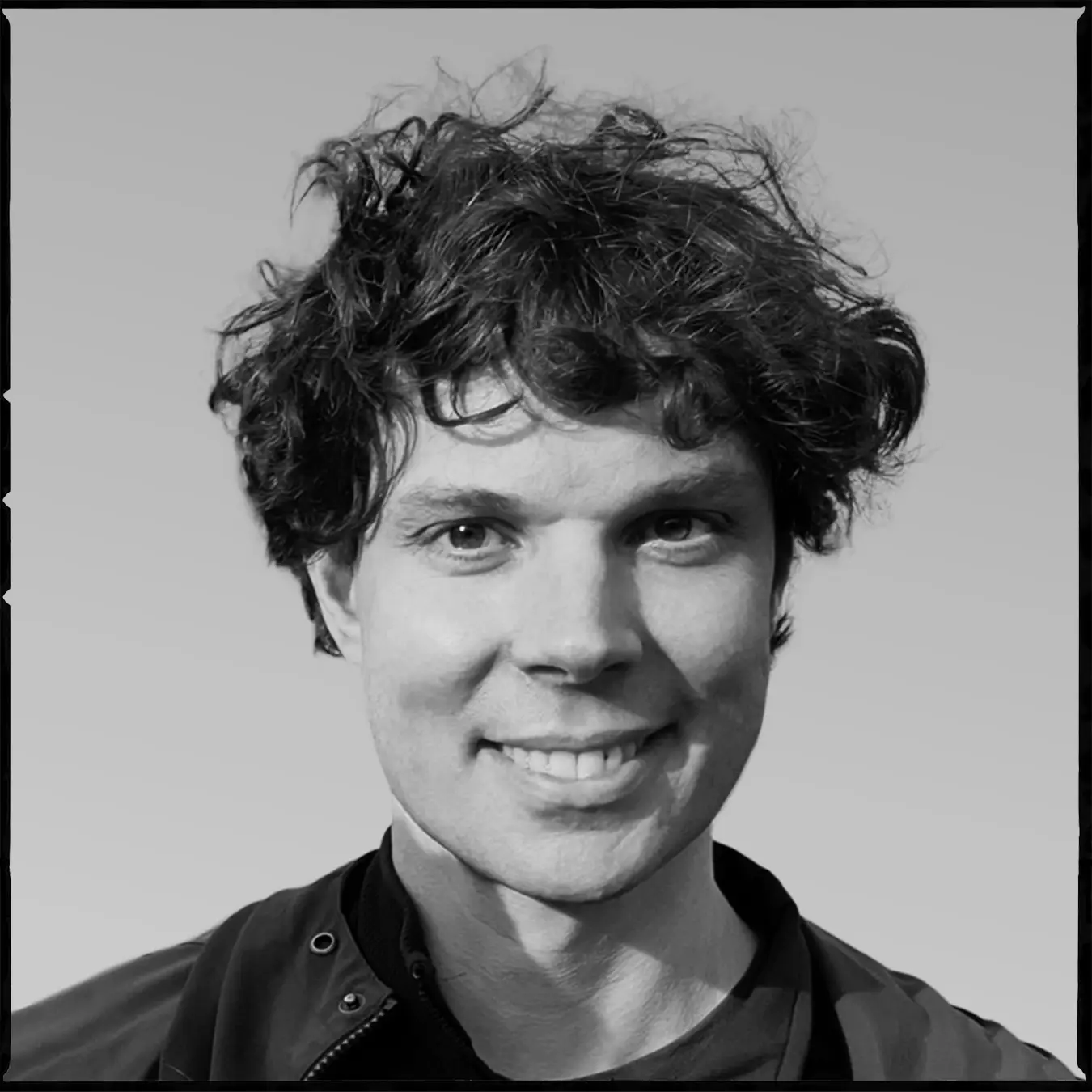 |
2024 | Roland Bauerschmidt | N/A | New York University | |
For outstanding contributions to probability theory and the development of renormalisation group techniques. |
|||||
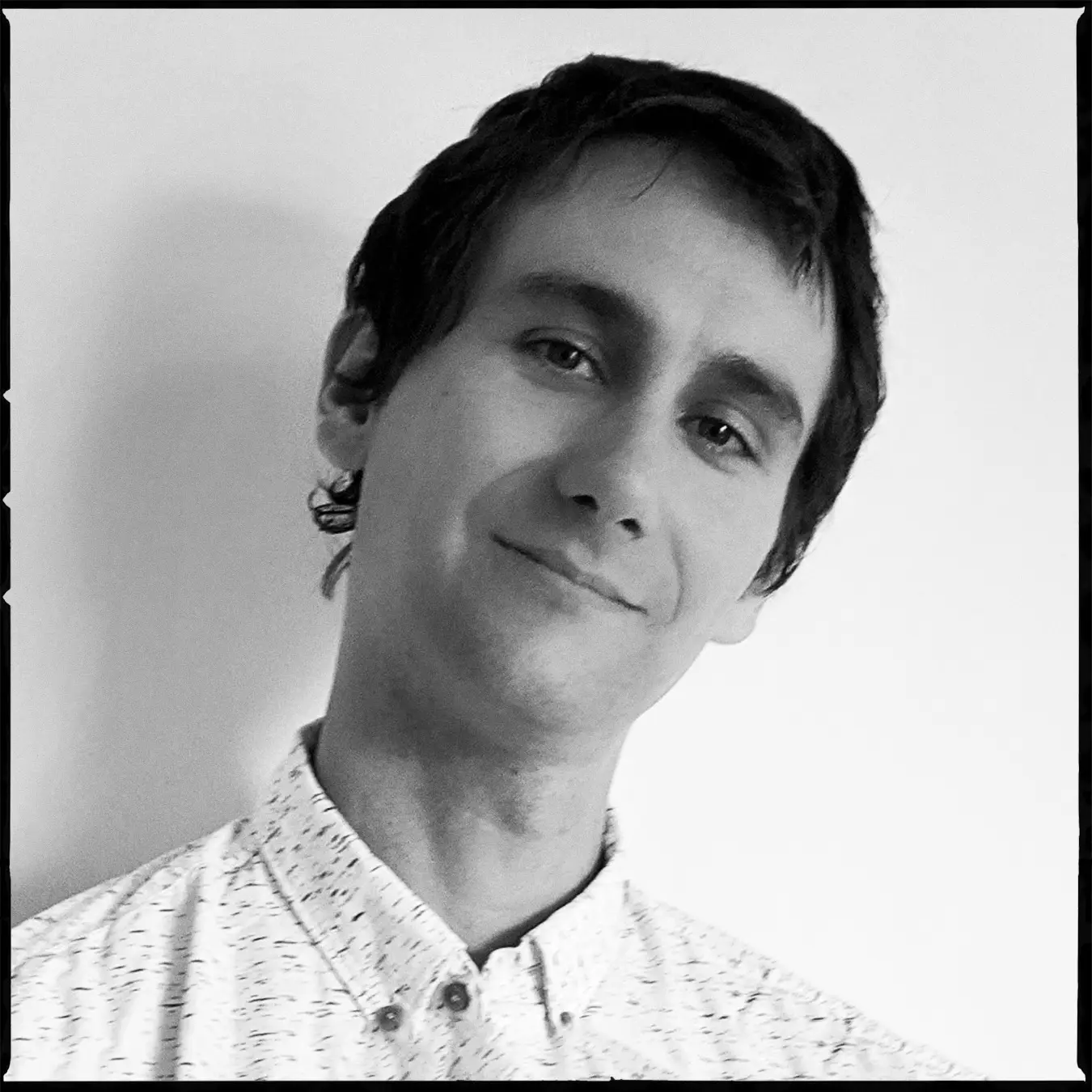 |
2024 | Michael Groechenig | N/A | University of Toronto | |
For contributions to the theory of rigid local systems and applications of p-adic integration to mirror symmetry and the fundamental lemma. |
|||||
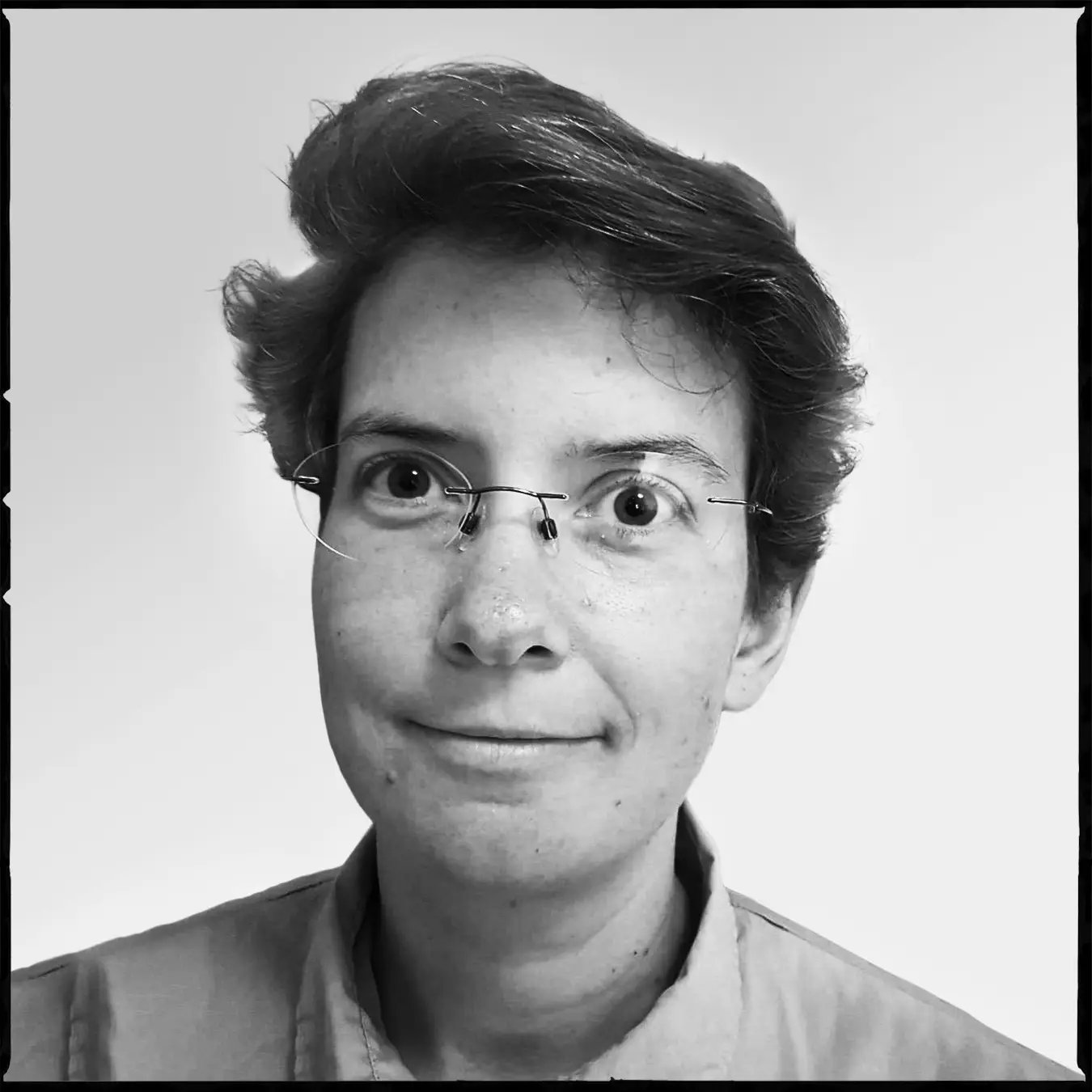 |
2024 | Angkana Rüland | N/A | University of Bonn | |
For contributions to applied analysis, in particular the analysis of microstructure in solid-solid phase transitions and the theory of inverse problems. |
|||||
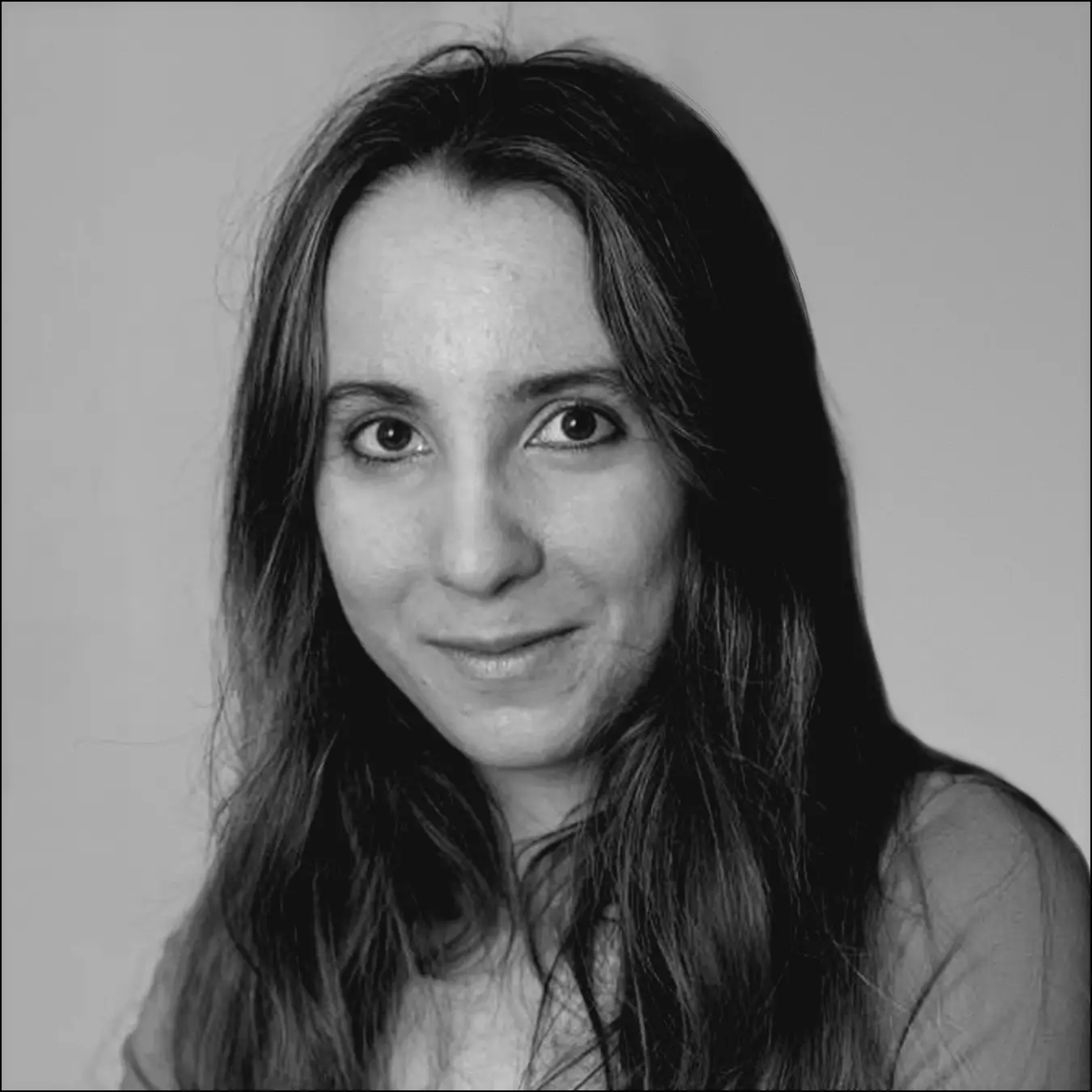 |
2023 | Ana Caraiani | Romania, United States | University of Bonn, Imperial College London | |
For diverse transformative contributions to the Langlands program, and in particular for work with Peter Scholze on the Hodge-Tate period map for Shimura varieties and its applications. |
|||||
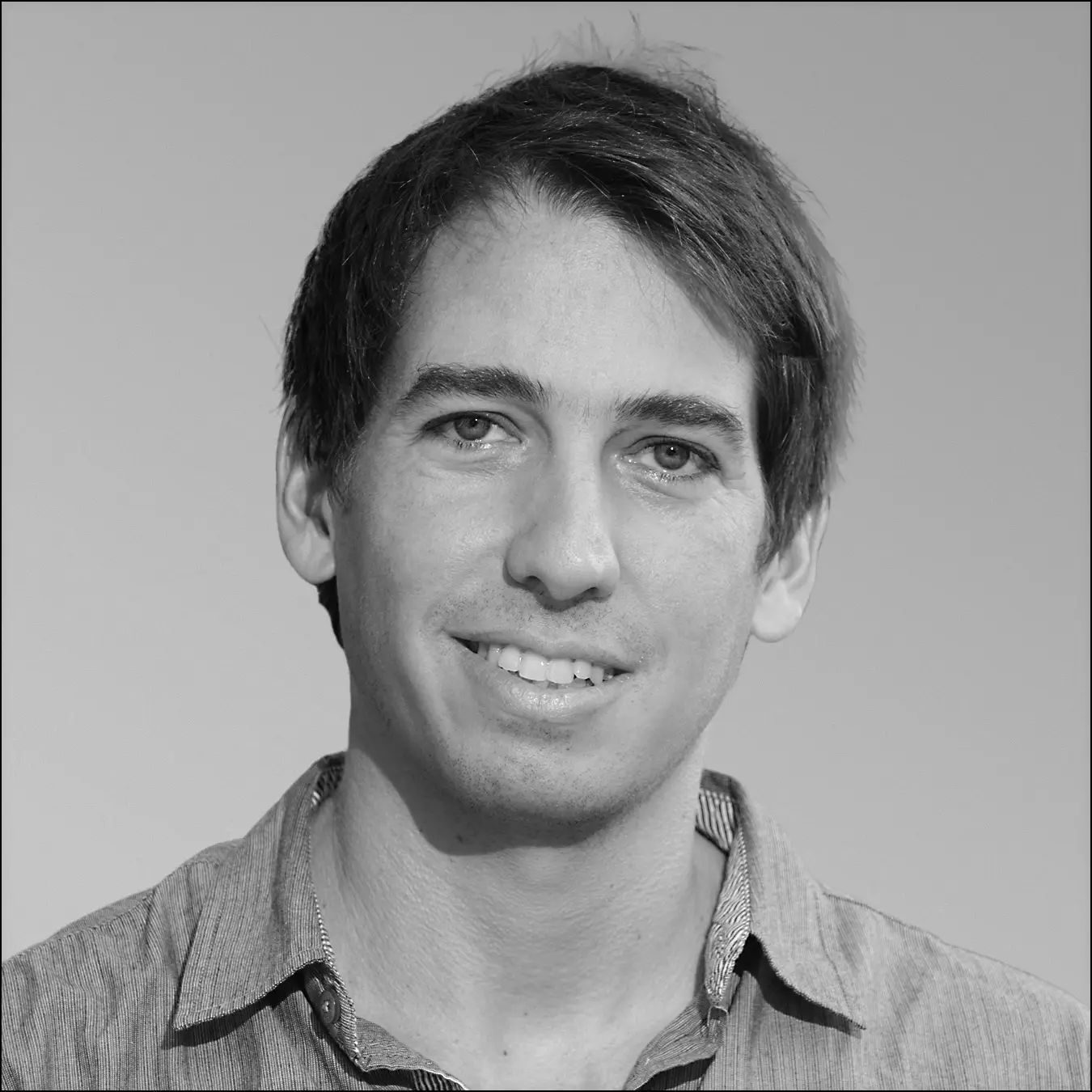 |
2023 | Ronen Eldan | Israel | Weizmann Institute of Science, Microsoft Research | |
For the creation of the stochastic localization method, that has led to significant progress in several open problems in high-dimensional geometry and probability, including Jean Bourgain's slicing problem and the KLS conjecture. |
|||||
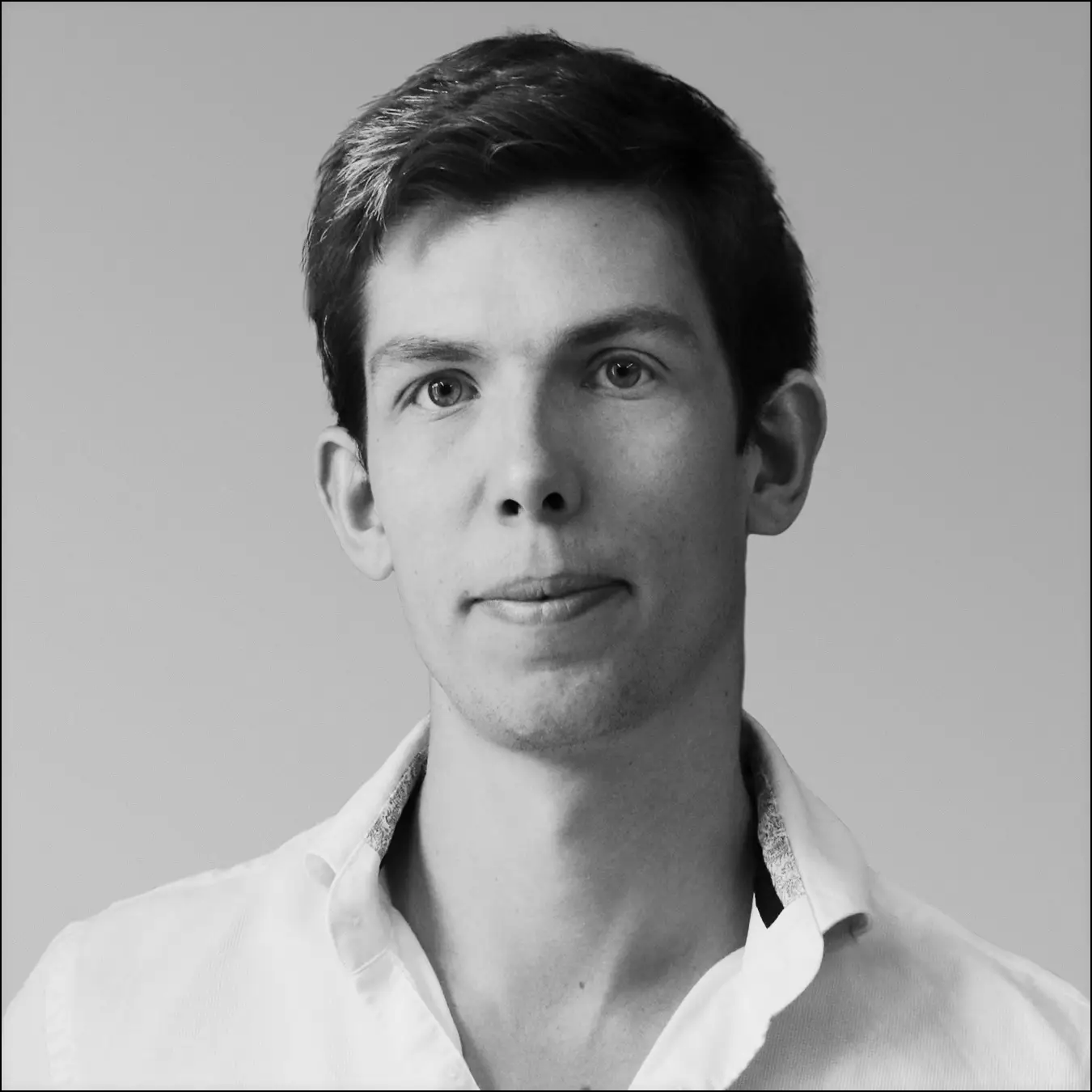 |
2023 | James Maynard | England | Institute for Advanced Study, Oxford University | |
For multiple contributions to analytic number theory, and in particular to the distribution of prime numbers. |
|||||
 |
2022 | Aaron Brown | N/A | Northwestern University | |
For contributions to the proof of Zimmer’s conjecture. |
|||||
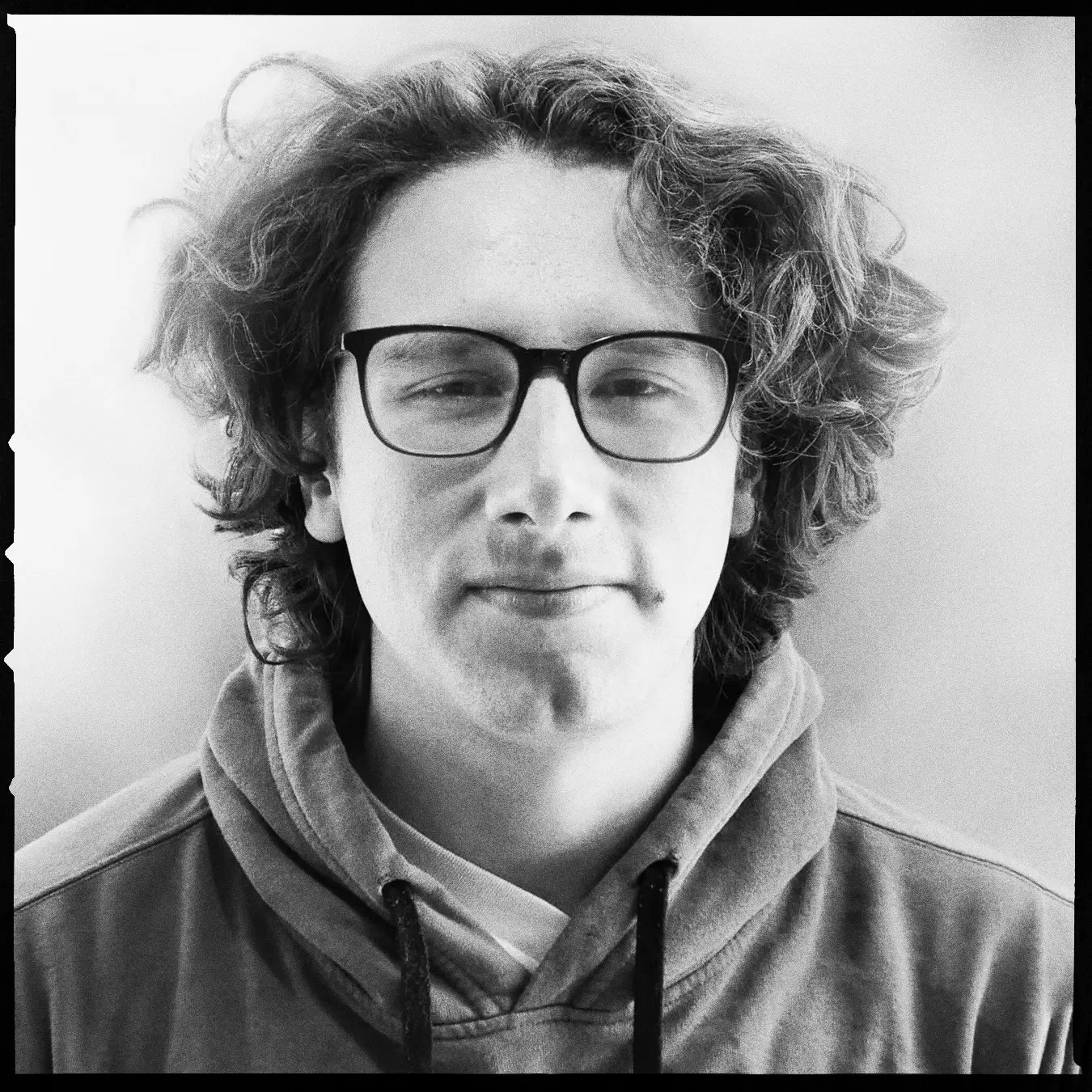 |
2022 | Sebastian Hurtado Salazar | N/A | University of Chicago | |
For contributions to the proof of Zimmer’s conjecture. |
|||||
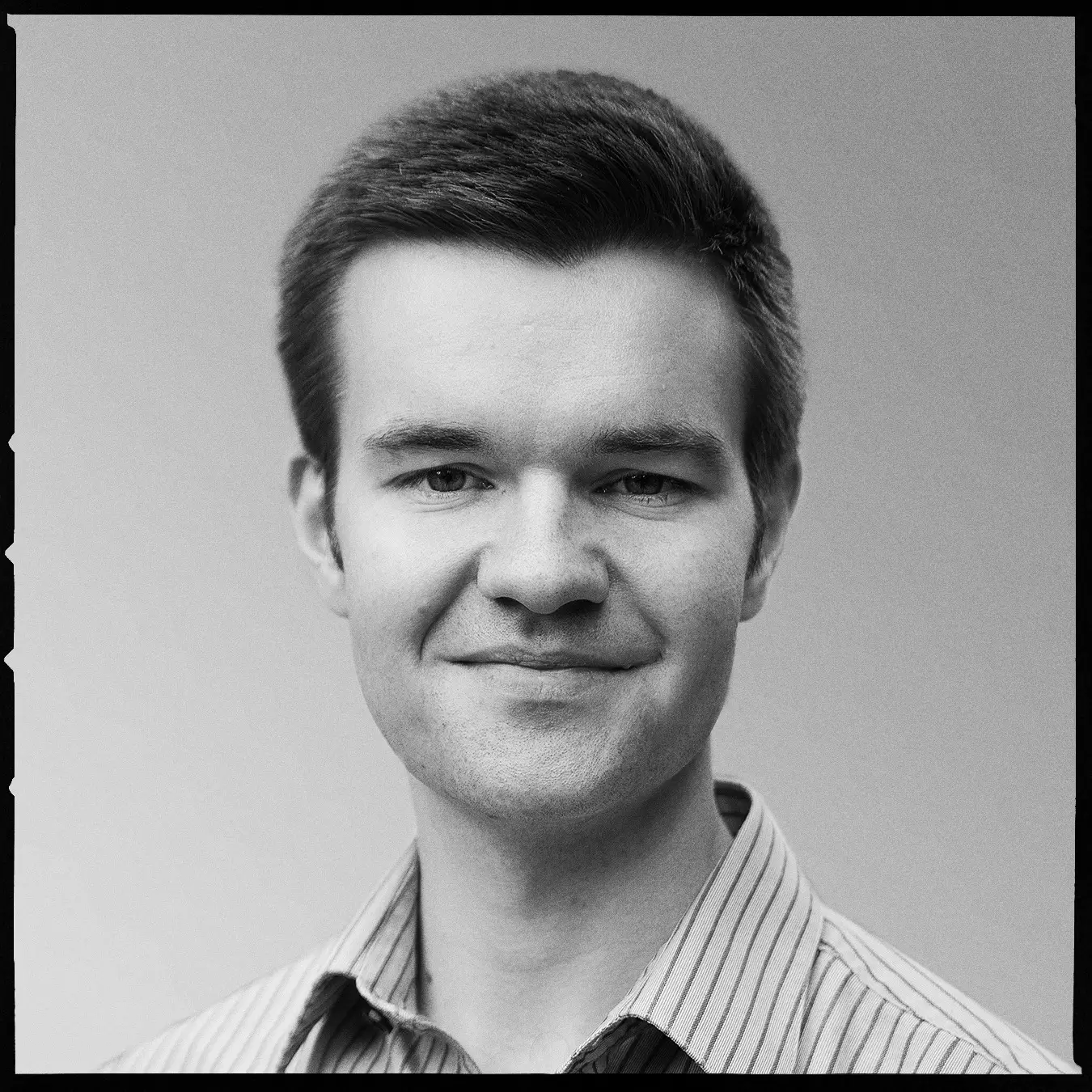 |
2022 | Jack Thorne | United Kingdom | University of Cambridge | |
For transformative contributions to diverse areas of algebraic number theory, and in particular for the proof, in collaboration with James Newton, of the automorphy of all symmetric powers of a holomorphic modular newform. |
|||||
 |
2022 | Jacob Tsimerman | Canada, Russia | University of Toronto | |
For outstanding work in analytic number theory and arithmetic geometry, including breakthroughs on the André-Oort and Griffiths conjectures. |
|||||
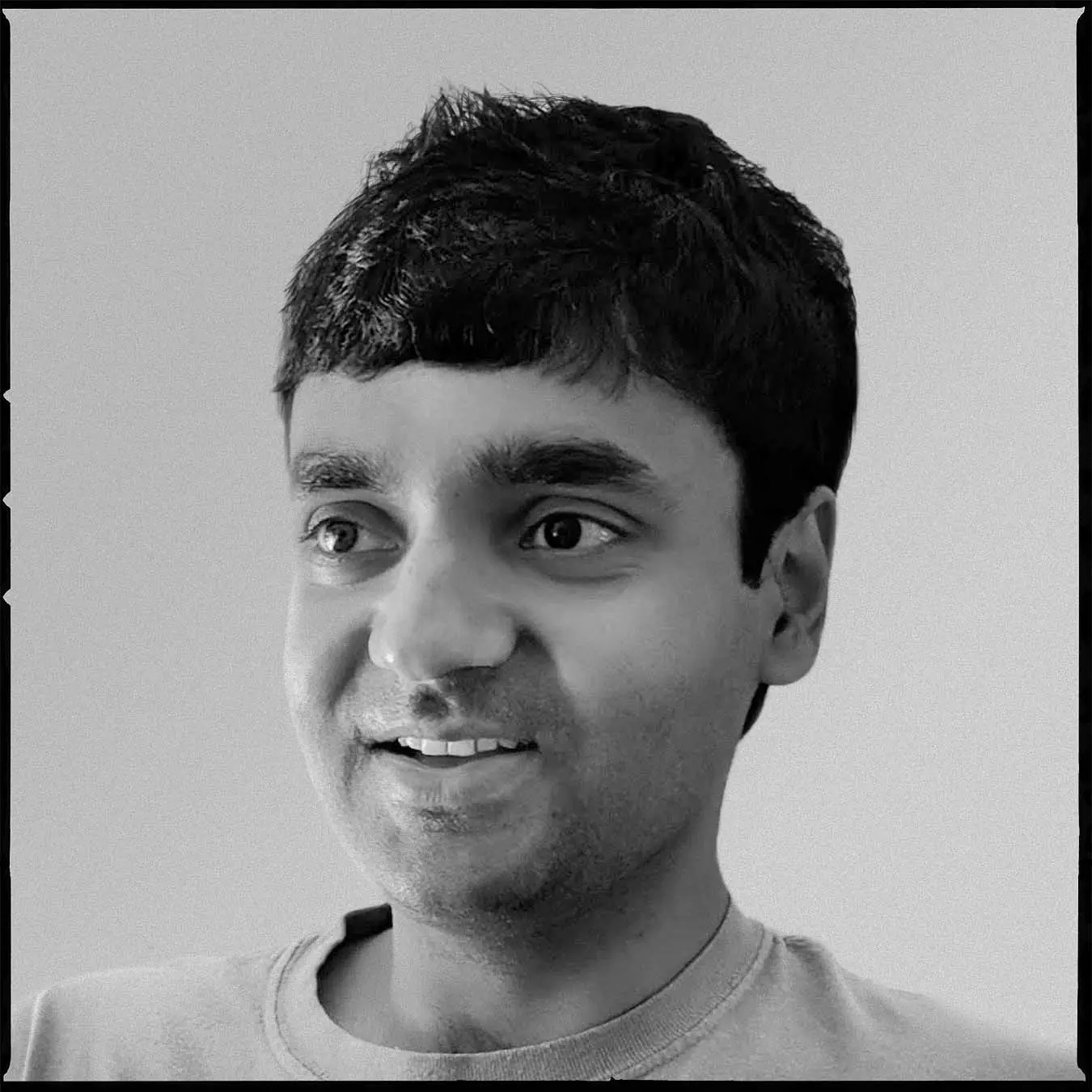 |
2021 | Bhargav Bhatt | India, United States | University of Michigan | |
For outstanding work in commutative algebra and arithmetic algebraic geometry, particularly on the development of p-adic cohomology theories. |
|||||
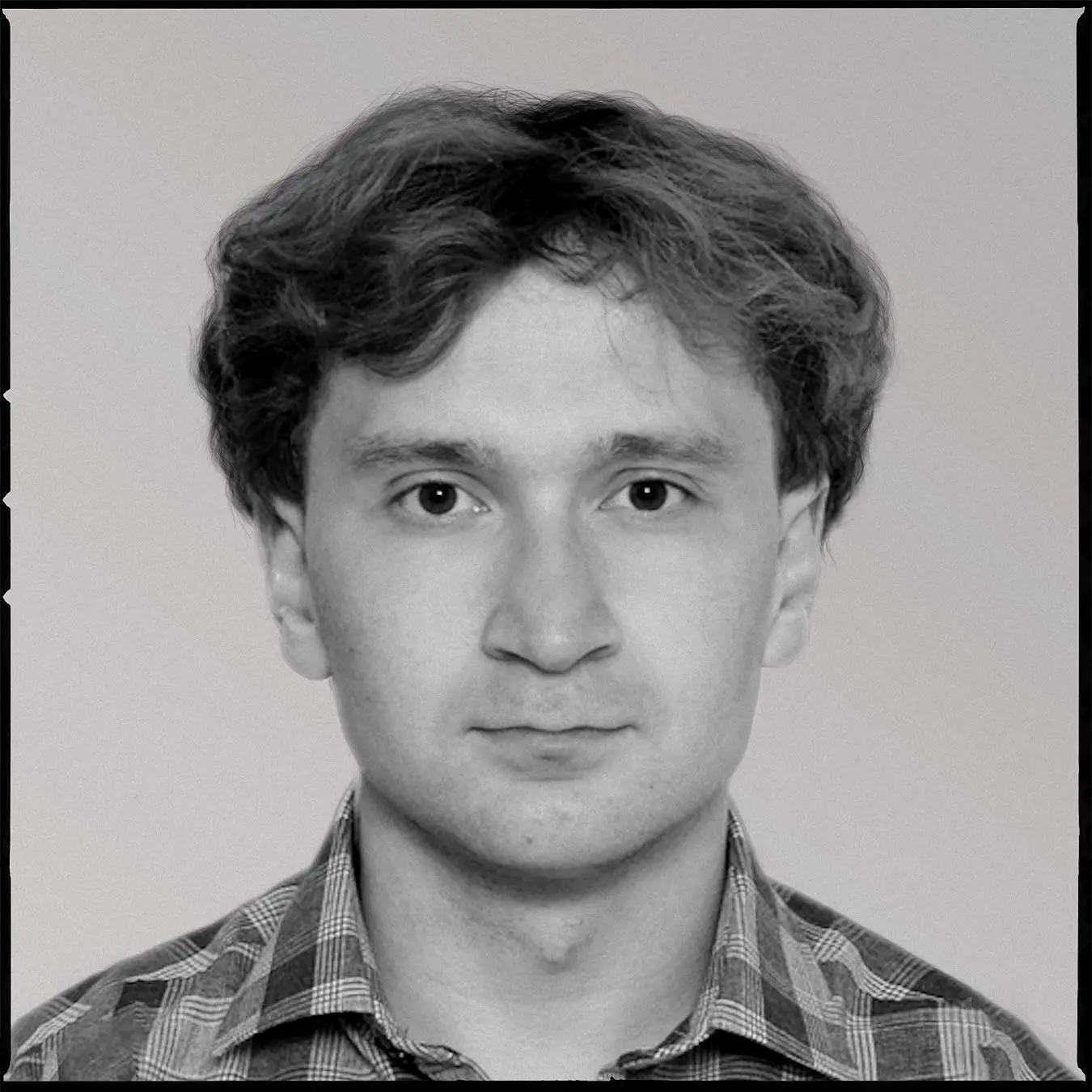 |
2021 | Aleksandr Logunov | Russia | Princeton University | |
For novel techniques to study solutions to elliptic equations, and their application to long-standing problems in nodal geometry. |
|||||
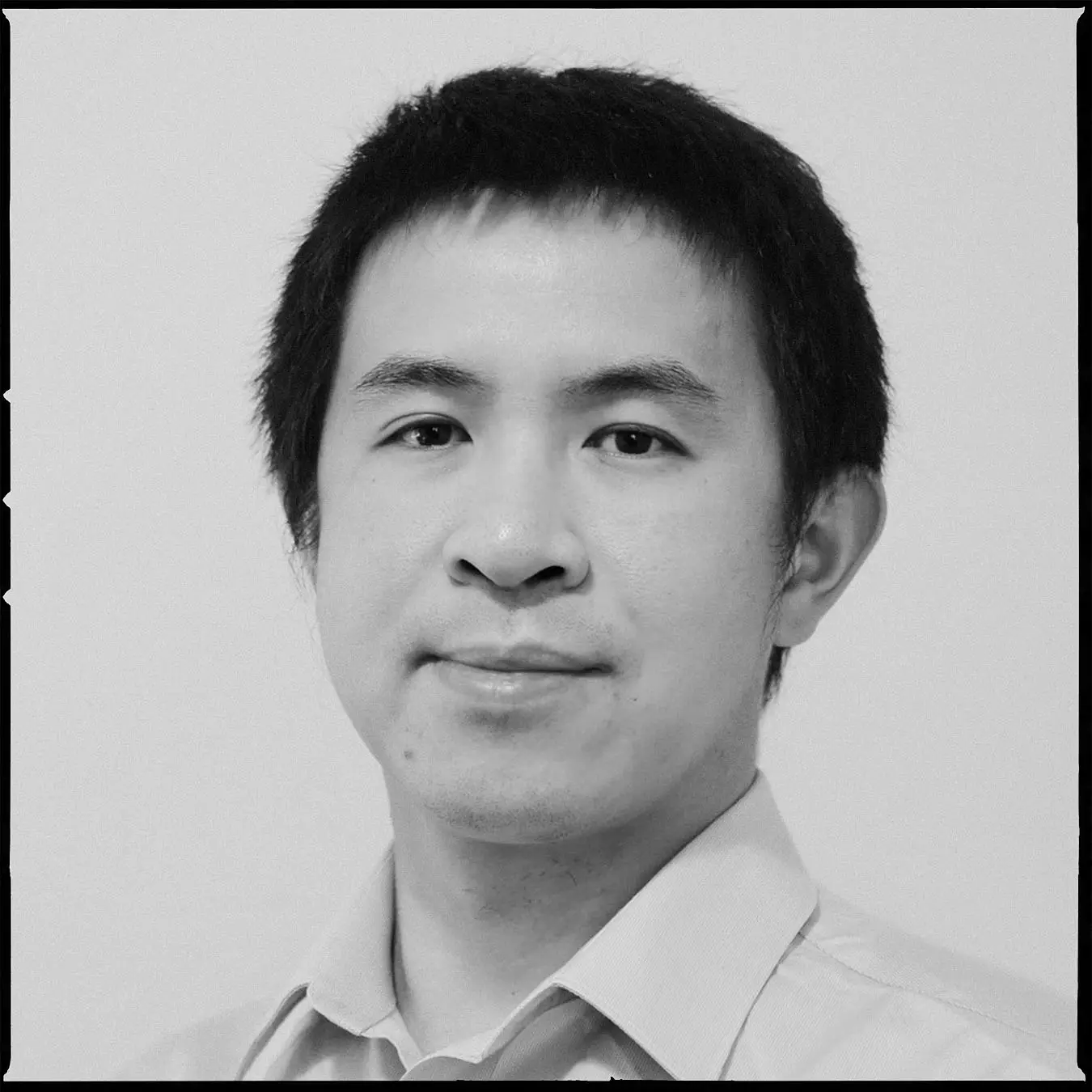 |
2021 | Song Sun | China | University of California Berkeley | |
For many groundbreaking contributions to complex differential geometry, including existence results for Kahler-Einstein metrics and connections with moduli questions and singularities. |
|||||
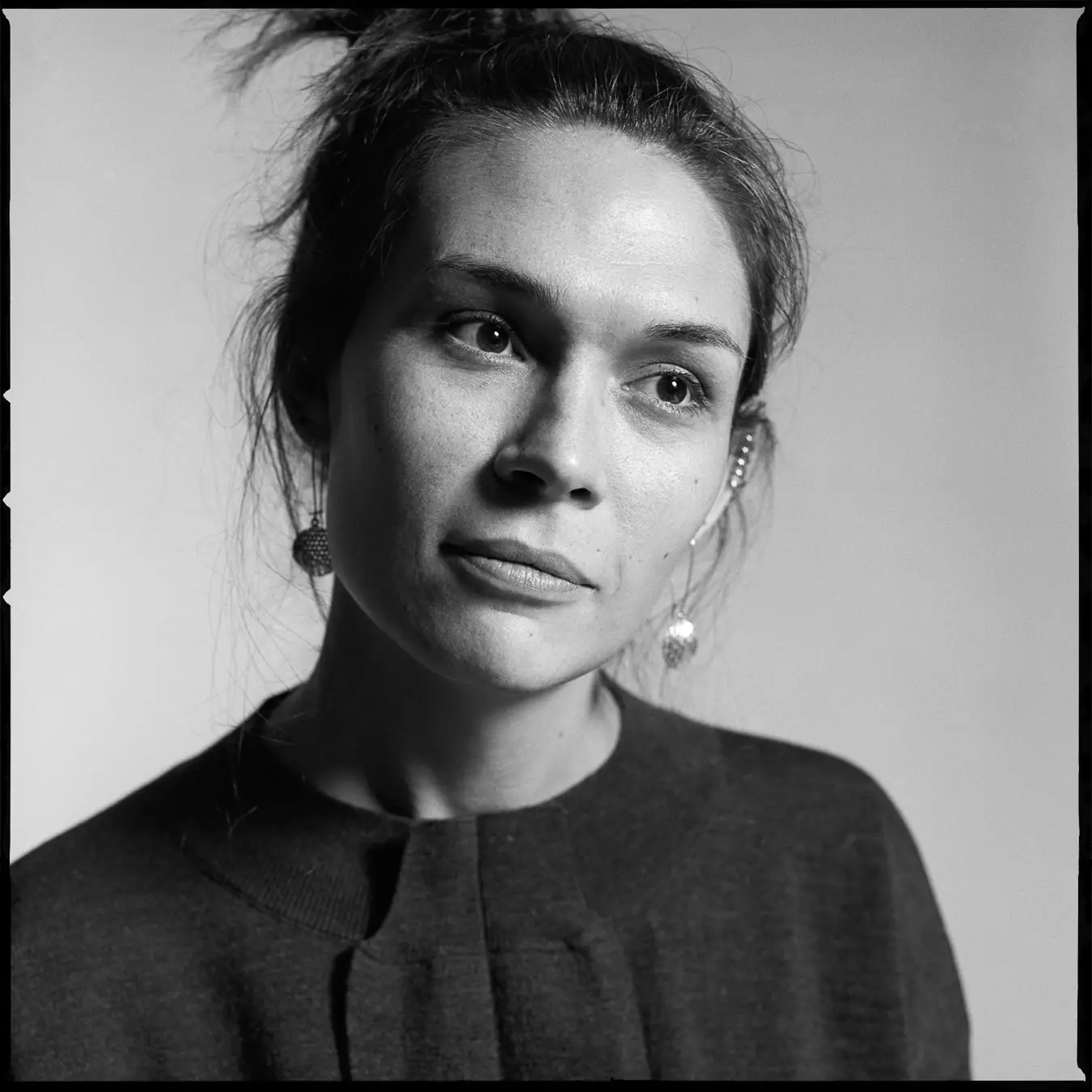 |
2020 | Emmy Murphy | United States | Northwestern University | |
For contributions to symplectic and contact geometry, in particular the introduction of notions of loose Legendrian submanifolds and, with Matthew Strom Borman and Yakov Eliashberg, overtwisted contact structures in higher dimensions. |
|||||
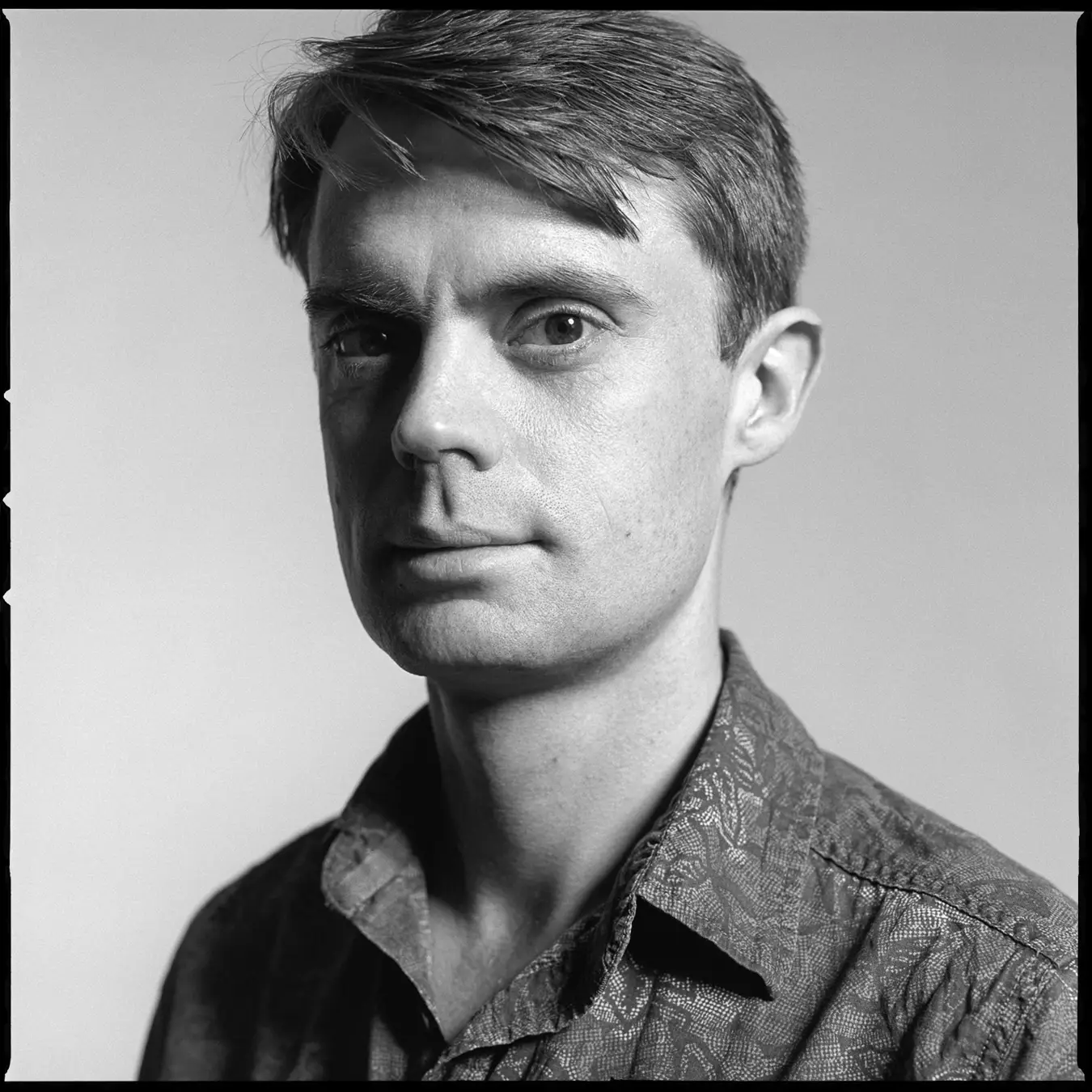 |
2020 | Tim Austin | N/A | University of California Los Angeles | |
For multiple contributions to ergodic theory, most notably the solution of the weak Pinsker conjecture. |
|||||
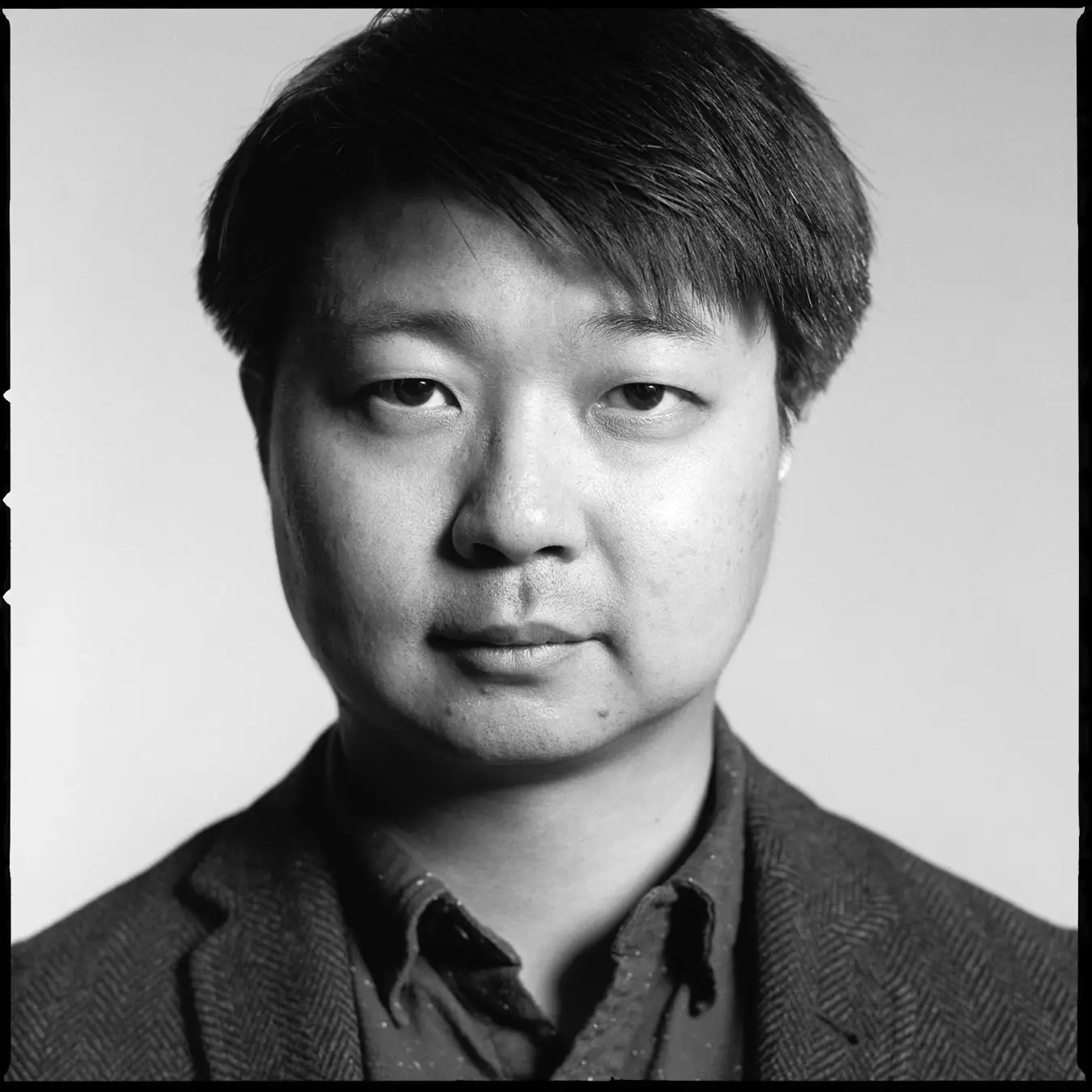 |
2020 | Xinwen Zhu | United States | California Institute of Technology | |
For work in arithmetic algebraic geometry including applications to the theory of Shimura varieties and the Riemann-Hilbert problem for p-adic varieties. |
|||||
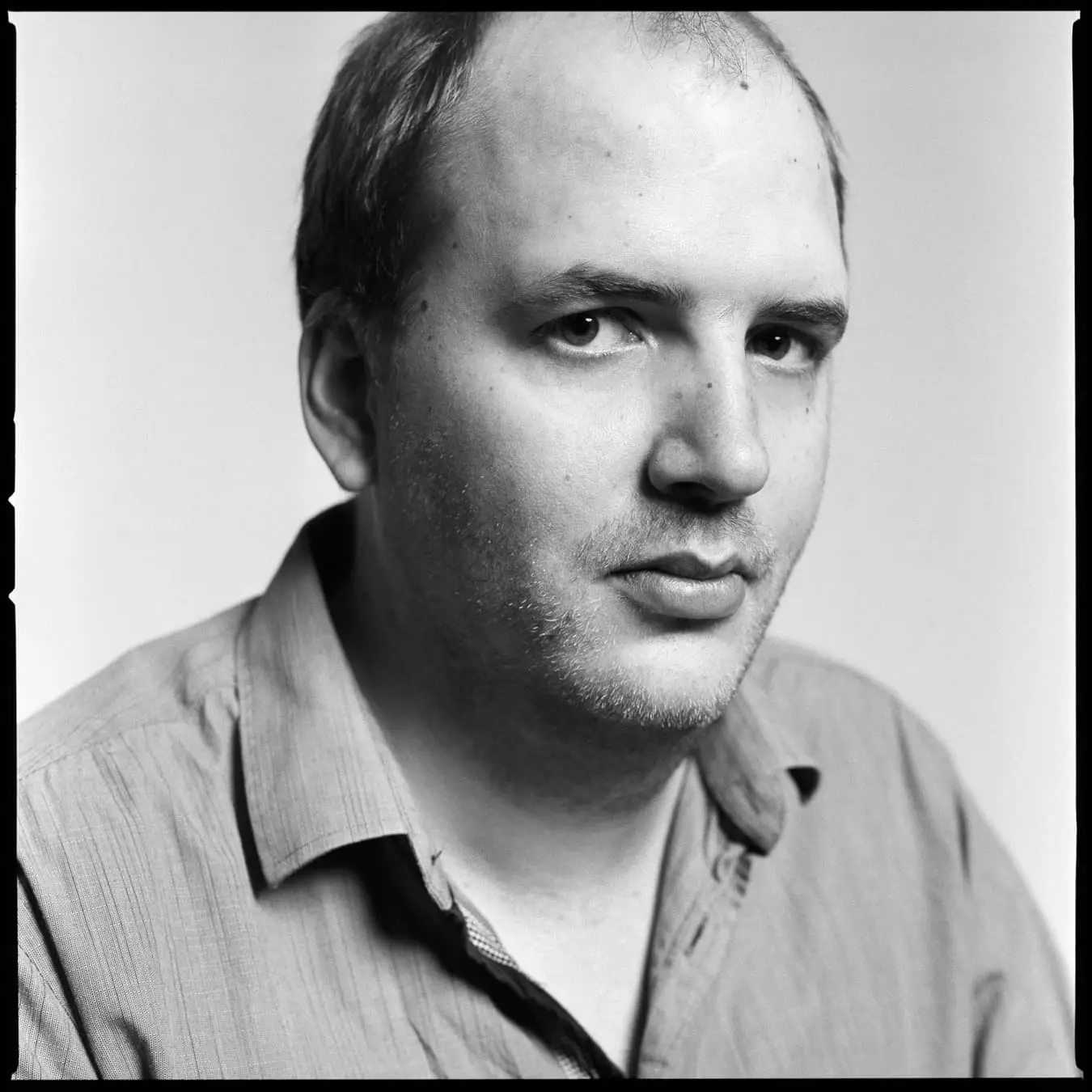 |
2019 | Karim Adiprasito | Germany | Hebrew University of Jerusalem | |
For the development, with Eric Katz, of combinatorial Hodge theory leading to the resolution of the log-concavity conjecture of Rota. |
|||||
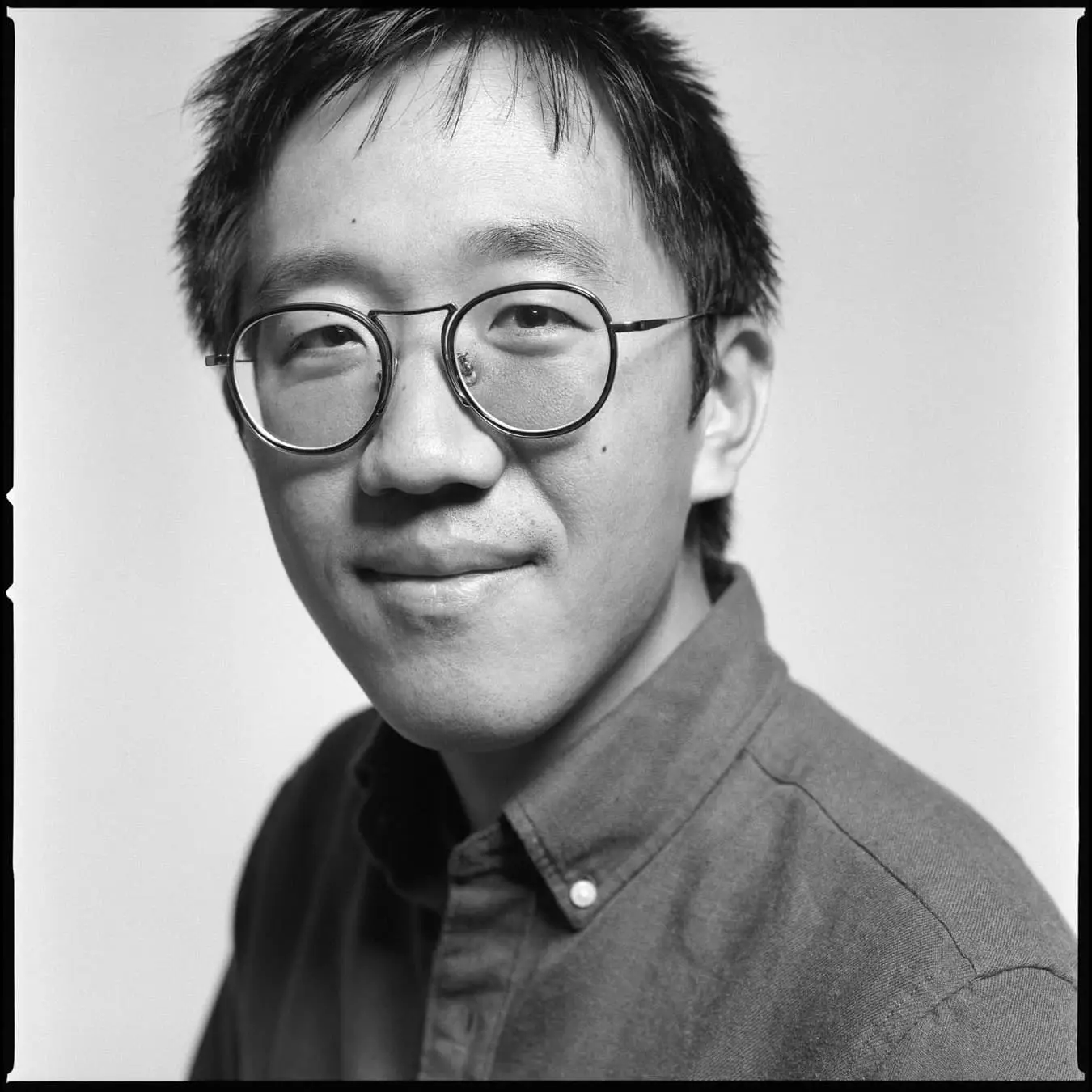 |
2019 | June Huh | United States | Institute for Advanced Study | |
For the development, with Eric Katz, of combinatorial Hodge theory leading to the resolution of the log-concavity conjecture of Rota. |
|||||
 |
2019 | Kaisa Matomäki | Finland | University of Turku | |
For fundamental breakthroughs in the understanding of local correlations of values of multiplicative functions. |
|||||
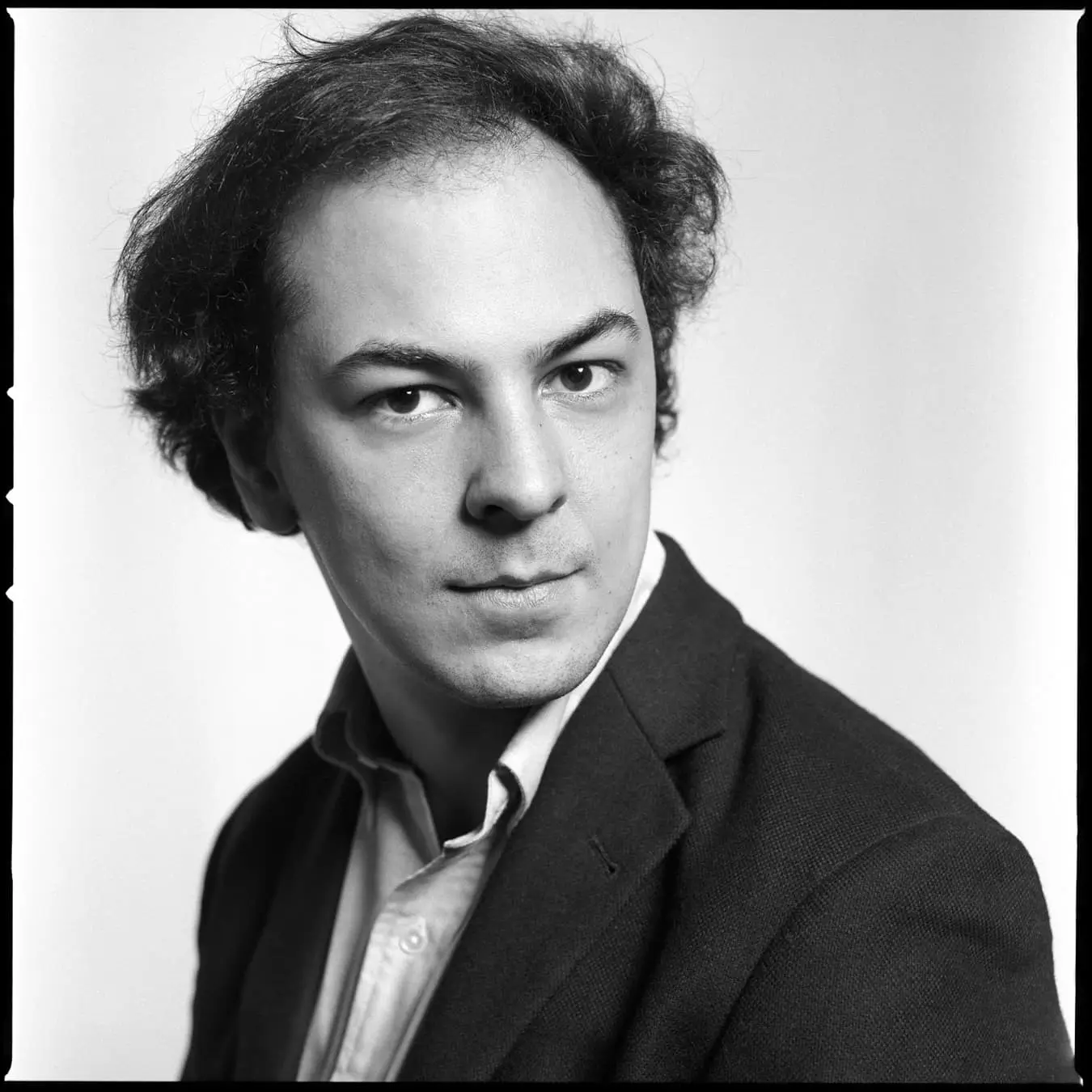 |
2019 | Maksym Radziwill | Russia | California Institute of Technology | |
For fundamental breakthroughs in the understanding of local correlations of values of multiplicative functions. |
|||||
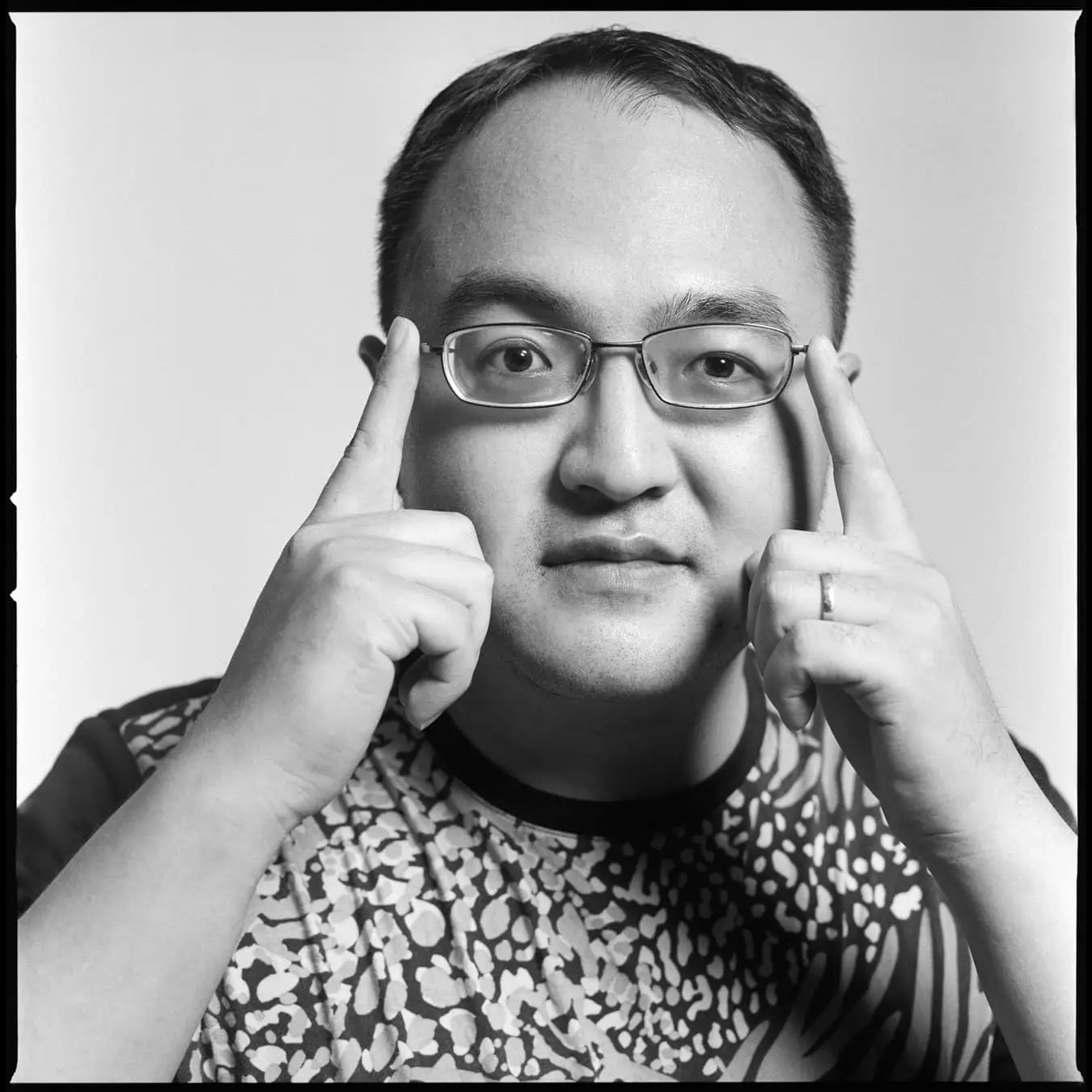 |
2019 | Chenyang Xu | China | Massachusetts Institute of Technology, Beijing International Center for Mathematical Research | |
For major advances in the minimal model program and applications to the moduli of algebraic varieties. |
|||||
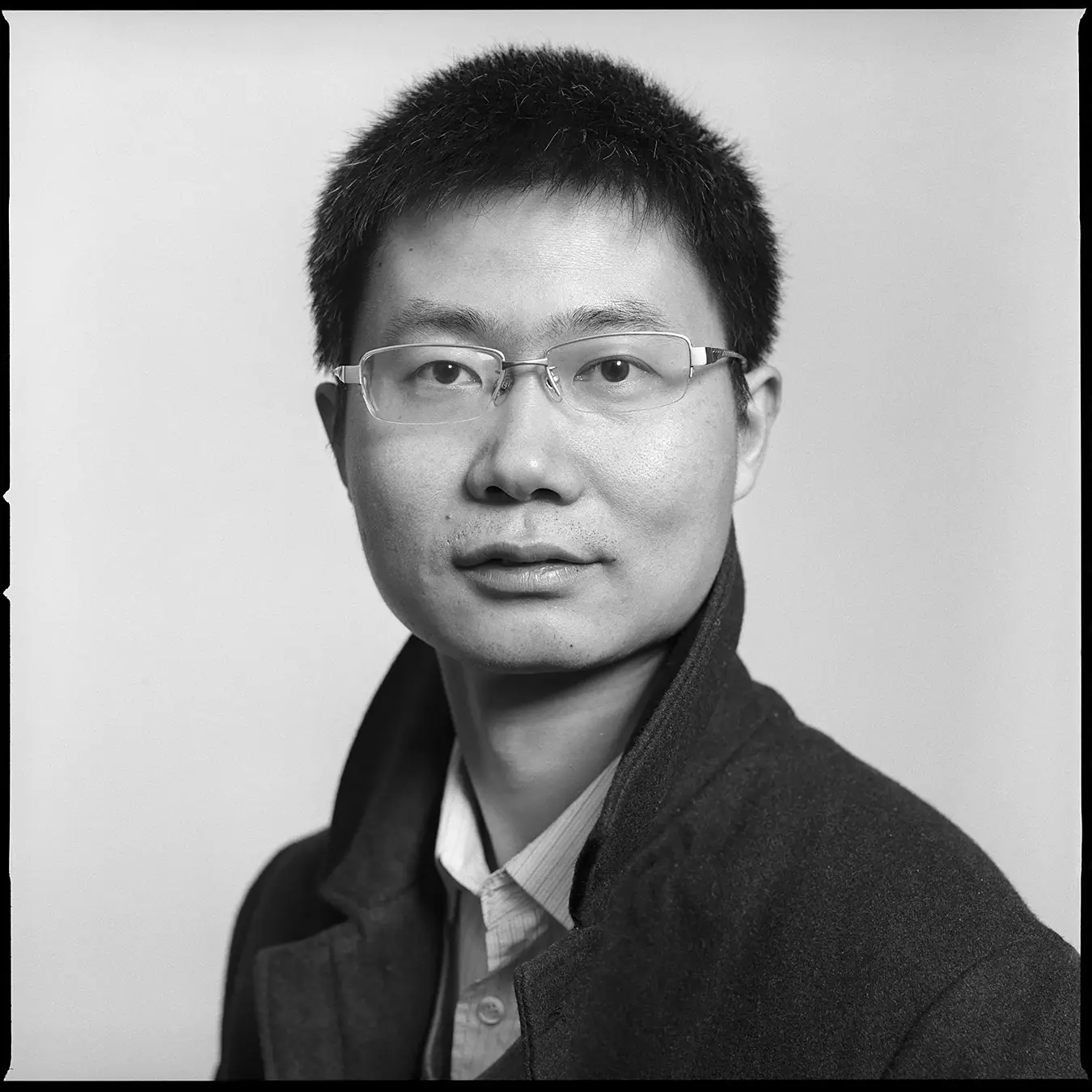 |
2018 | Zhiwei Yun | China | Yale University | |
For deep work on the global Gan-Gross-Prasad conjecture and the discovery of geometric interpretations for the higher derivatives of L-functions in the function field case. |
|||||
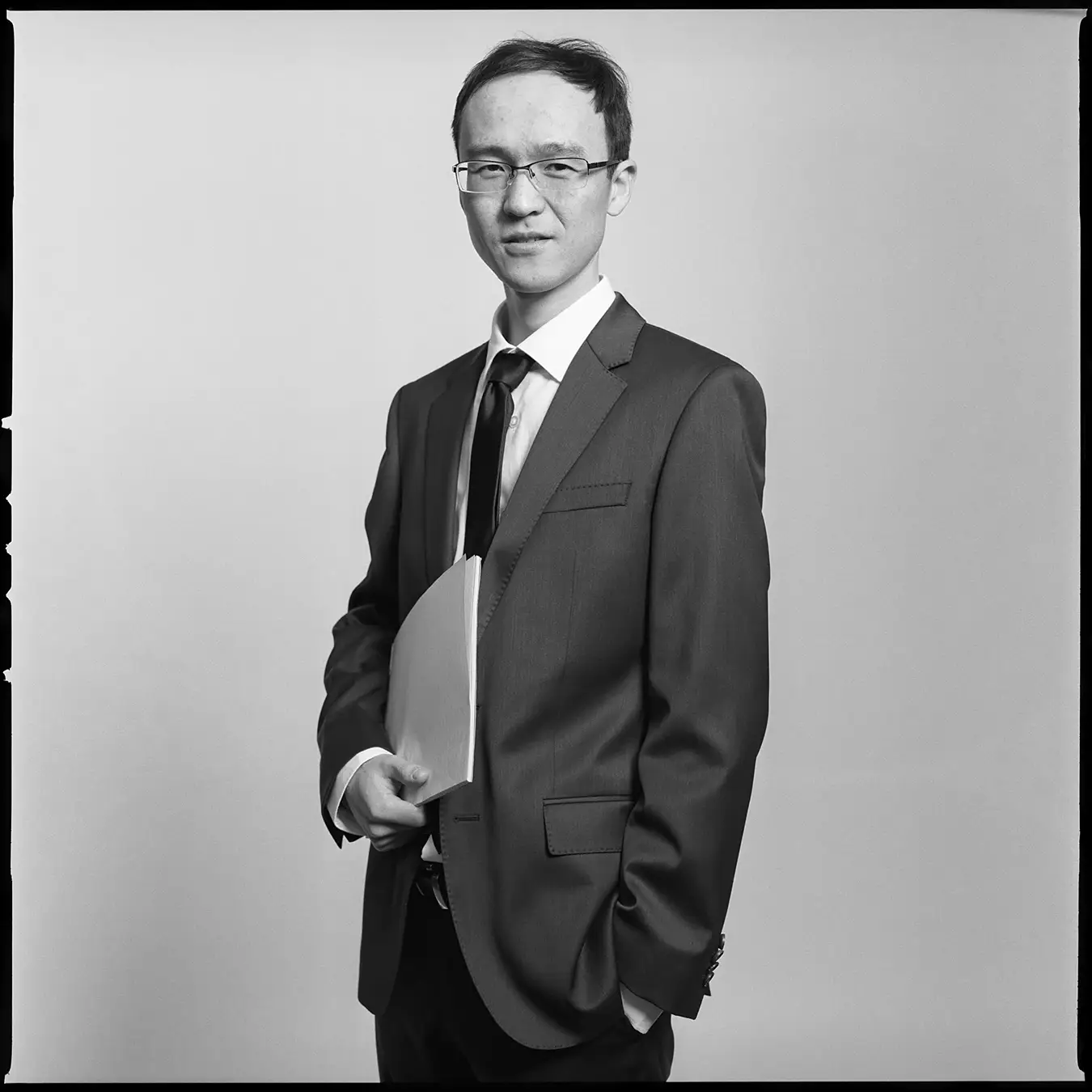 |
2018 | Wei Zhang | China | Massachusetts Institute of Technology, Columbia University | |
For deep work on the global Gan-Gross-Prasad conjecture and the discovery of geometric interpretations for the higher derivatives of L-functions in the function field case. |
|||||
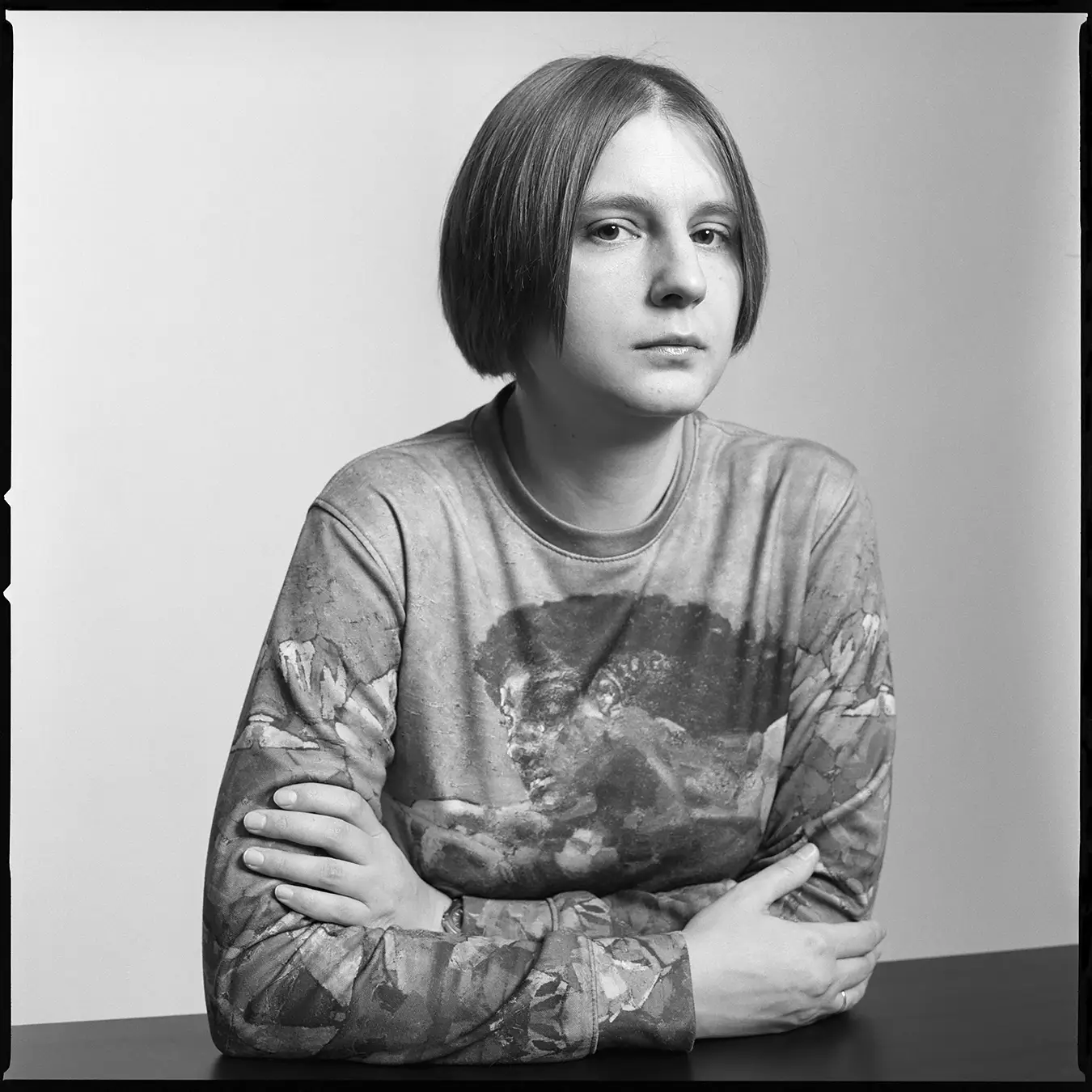 |
2018 | Maryna Viazovska | Ukraine | École Polythechnique Fédérale de Lausanne | |
For remarkable application of the theory of modular forms to the sphere packing problem in special dimensions. |
|||||
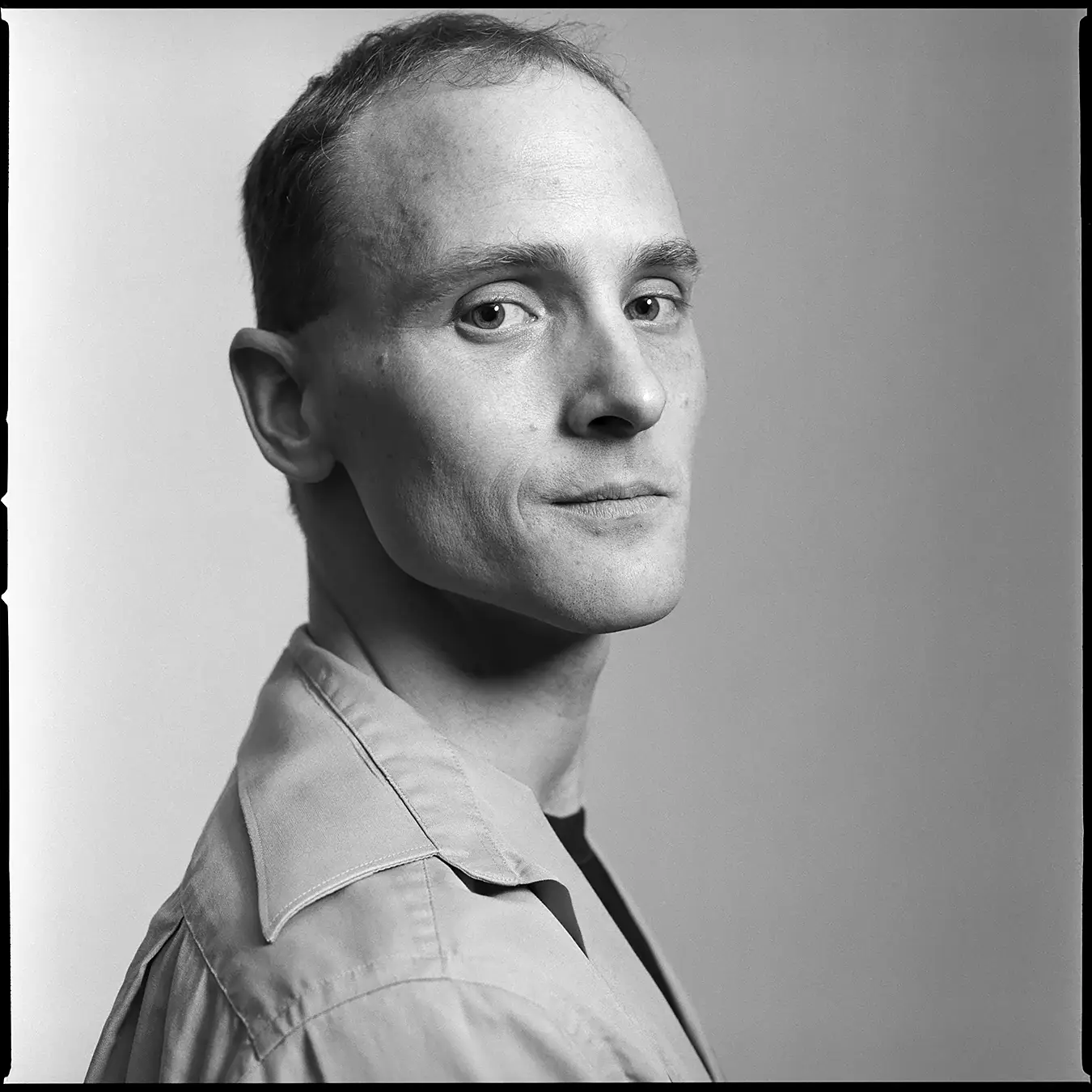 |
2018 | Aaron Naber | United States | Northwestern University | |
For work in geometric analysis and Riemannian geometry, introducing powerful new techniques to solve outstanding problems, particularly for manifolds with Ricci curvature bounds. |
|||||
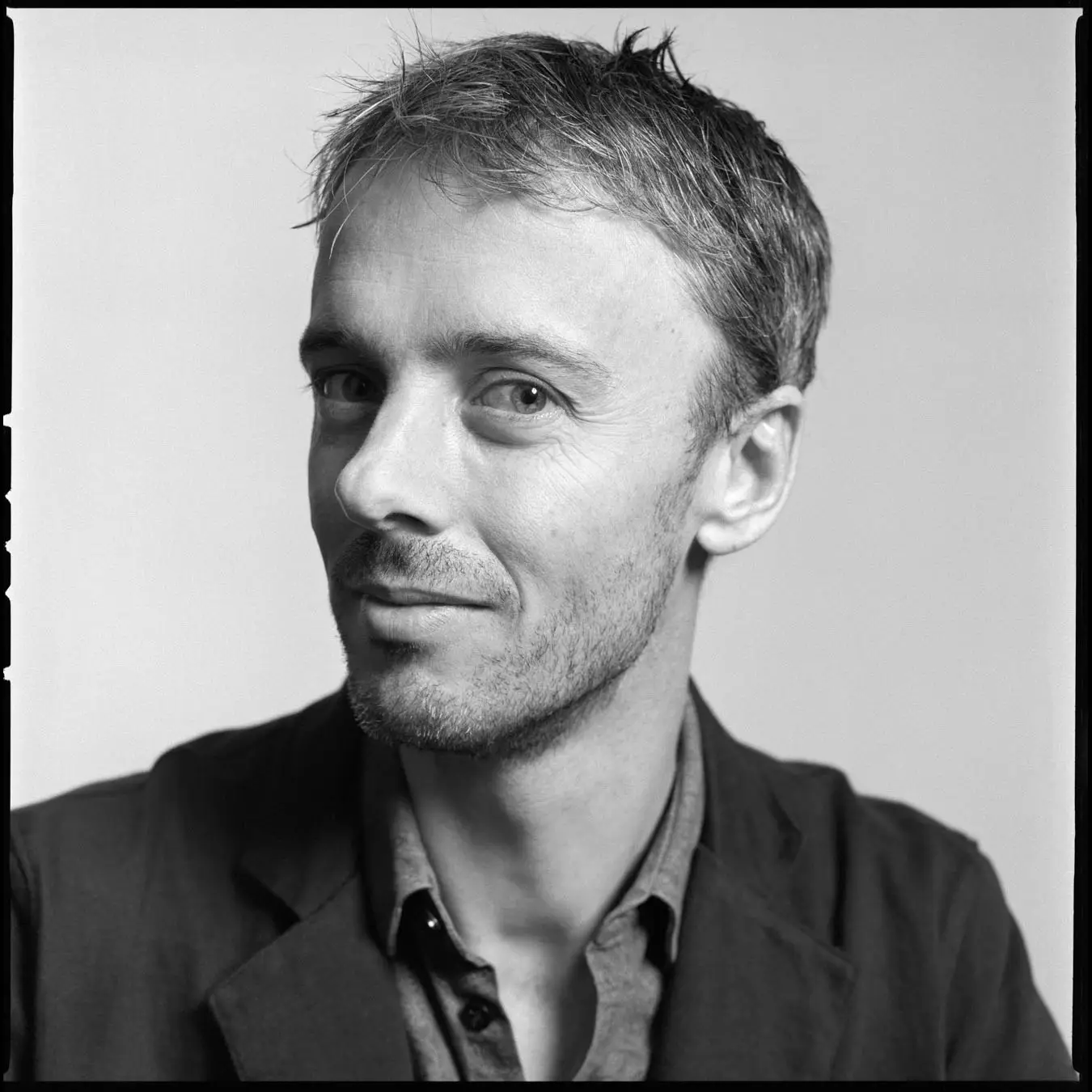 |
2017 | Geordie Williamson | Australia | Kyoto University (Research Institute for Mathematical Sciences), University of Sydney | |
For pioneering work in geometric representation theory, including the development of Hodge theory for Soergel bimodules and the proof of the Kazhdan-Lusztig conjectures for general Coxeter groups. |
|||||
 |
2017 | Benjamin Elias | N/A | University of Oregon | |
For pioneering work in geometric representation theory, including the development of Hodge theory for Soergel bimodules and the proof of the Kazhdan-Lusztig conjectures for general Coxeter groups. |
|||||
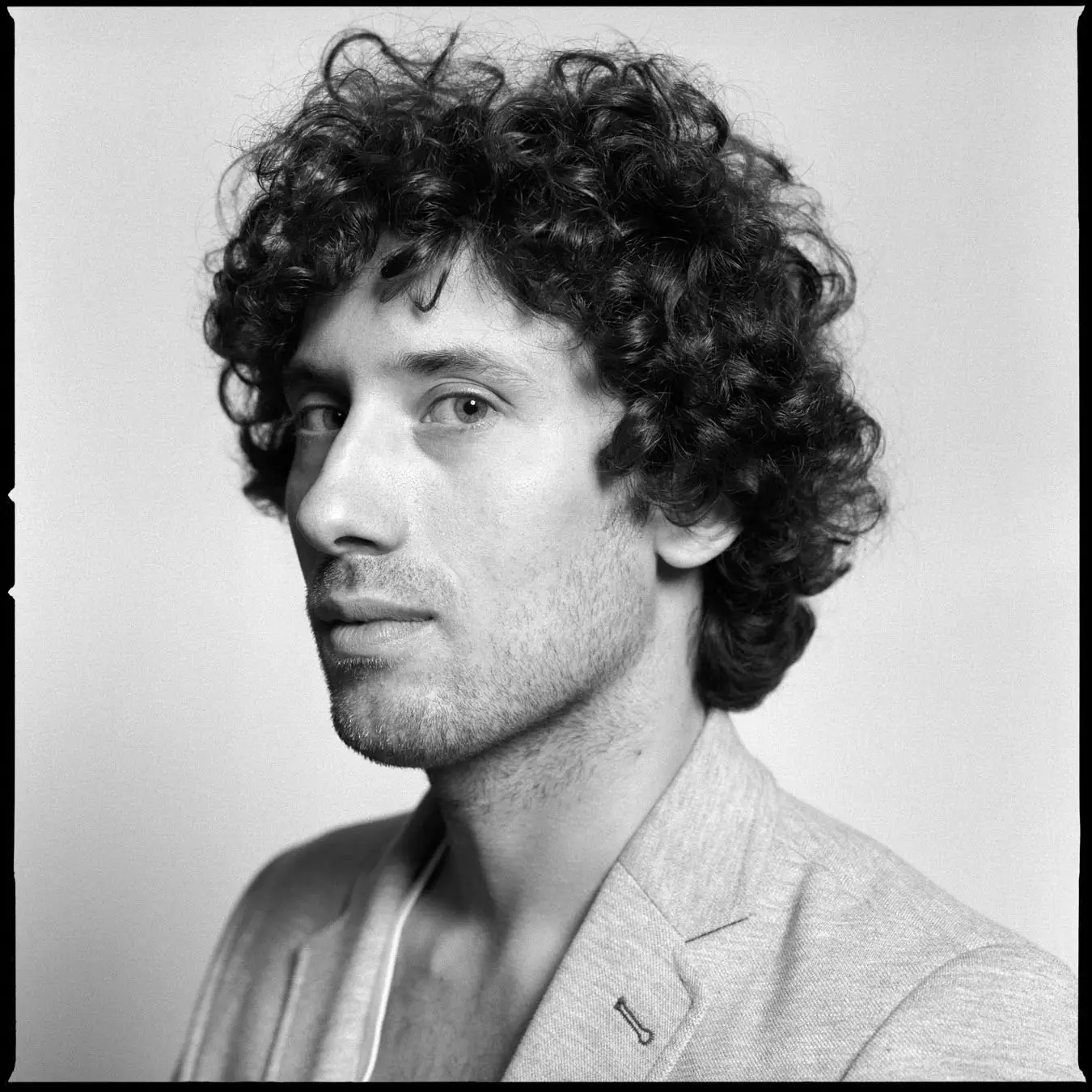 |
2017 | Hugo Duminil-Copin | France | Institut des Hautes Études Scientifiques, University of Geneva | |
For brilliant solutions to multiple landmark problems in probability, particularly regarding critical phenomena for Ising-type models. |
|||||
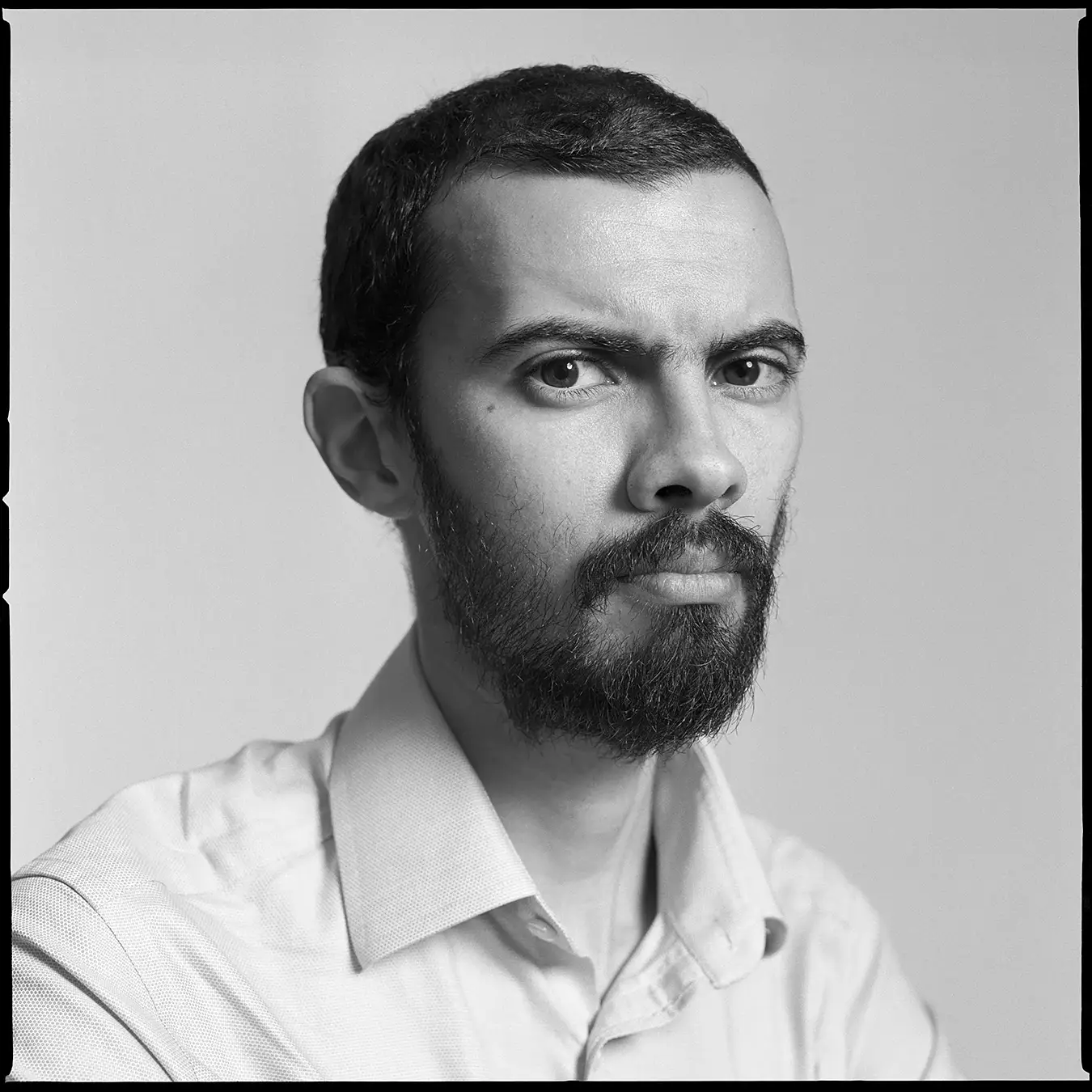 |
2017 | Mohammed Abouzaid | N/A | Columbia University | |
For distinguishing cotangent bundles of exotic spheres, constructing the wrapped Fukaya category with Paul Seidel, and other decisive contributions to symplectic topology and mirror symmetry. |
|||||
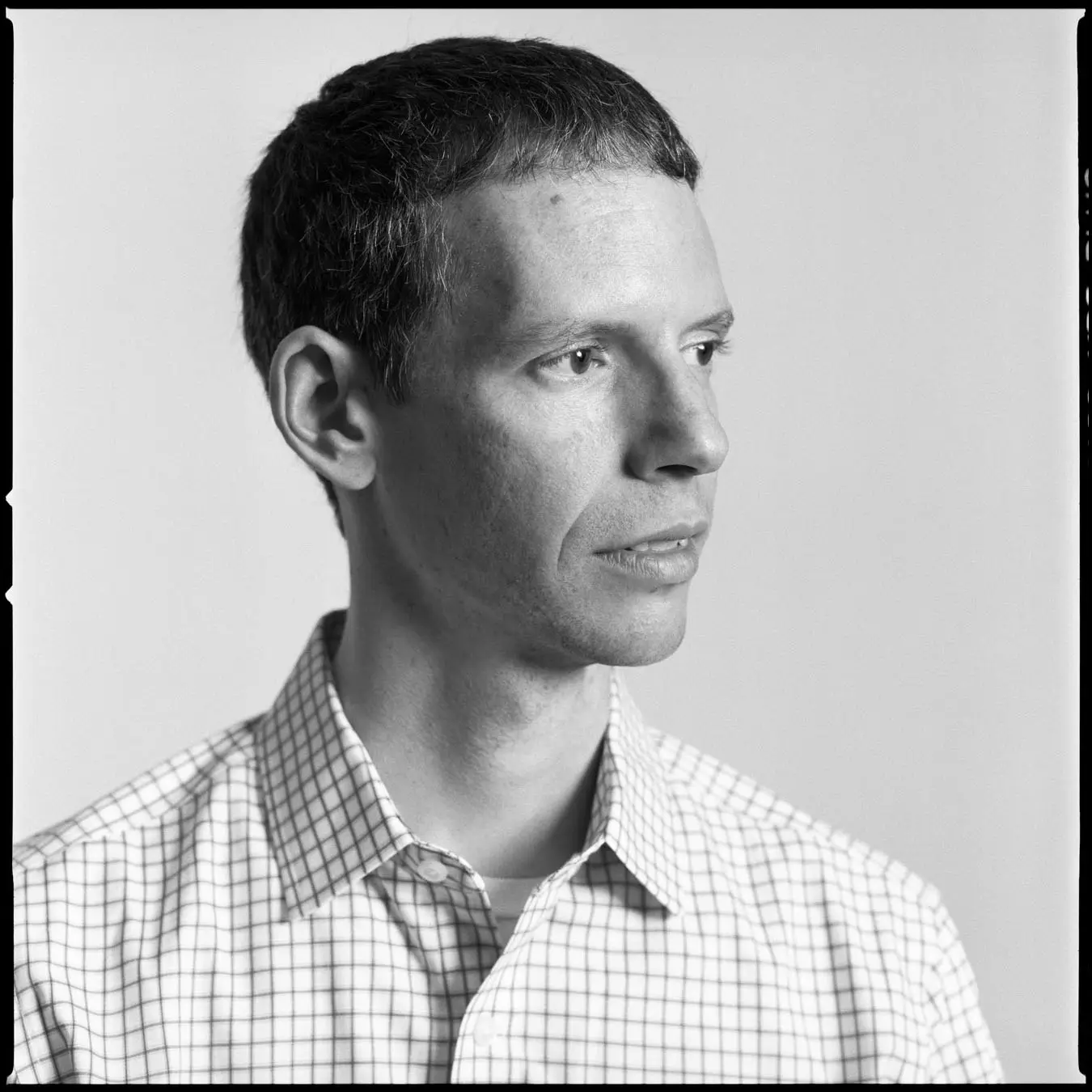 |
2016 | Larry Guth | United States | Massachusetts Institute of Technology | |
For ingenious and surprising solutions to long standing open problems in symplectic geometry, Riemannian geometry, harmonic analysis, and combinatorial geometry. |
|||||
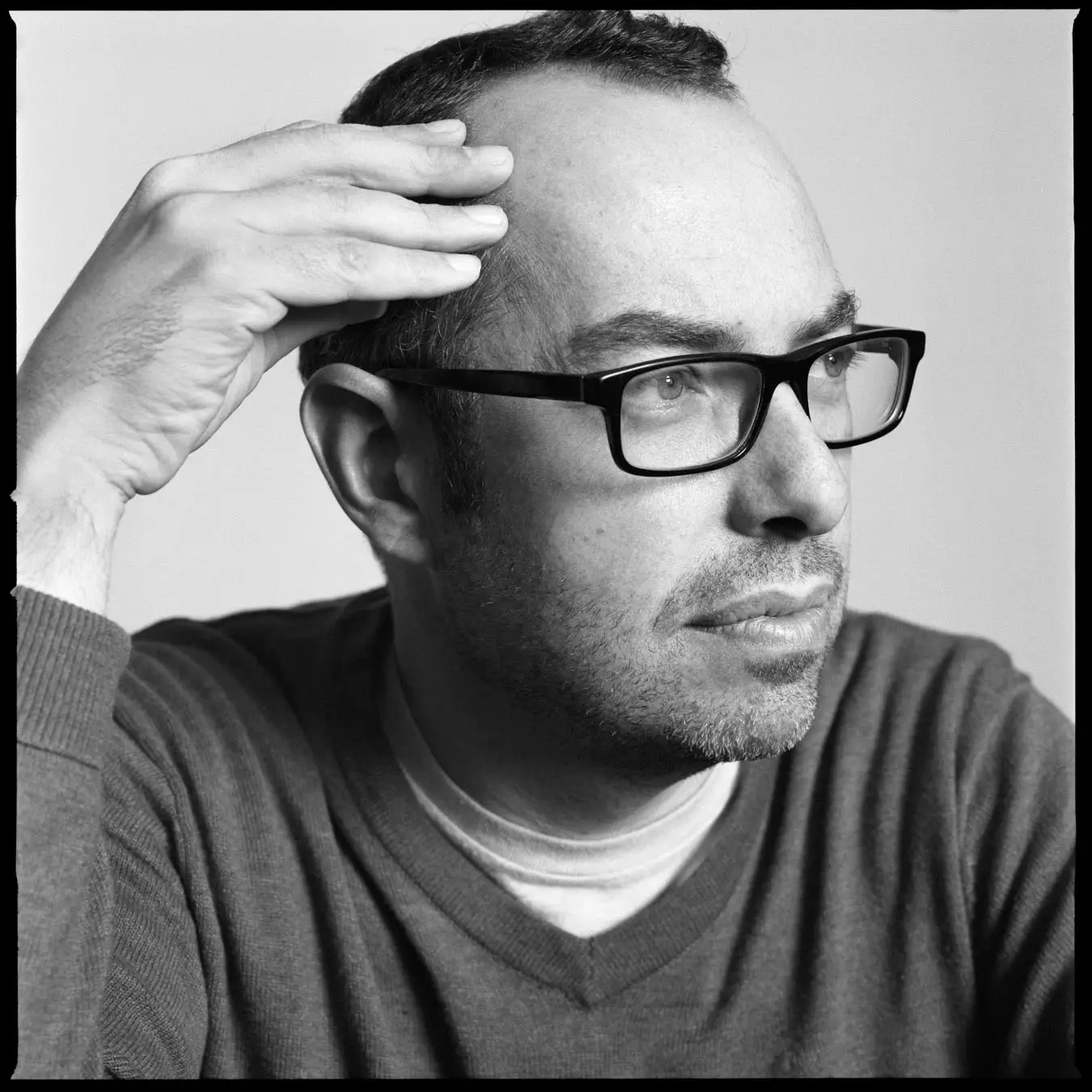 |
2016 | André Arroja Neves | Portugal | Imperial College London | |
For outstanding contributions to several areas of differential geometry, including work on scalar curvature, geometric flows, and his solution with Fernando Codá Marques of the 50-year-old Willmore Conjecture. |
|||||
Frequently Asked Questions
Award research specialist focused on news analysis, fact-checking, and creating accurate content about national and international awards.
Rohit Chauhan has extensive experience in researching awards, honors, recognitions, and achievement-based news. He specializes in verifying information from trusted sources, analyzing award records, and creating well-structured, informative content for readers. His work focuses on delivering accurate and up-to-date information about award winners, award histories, nominations, and notable achievements across various fields.