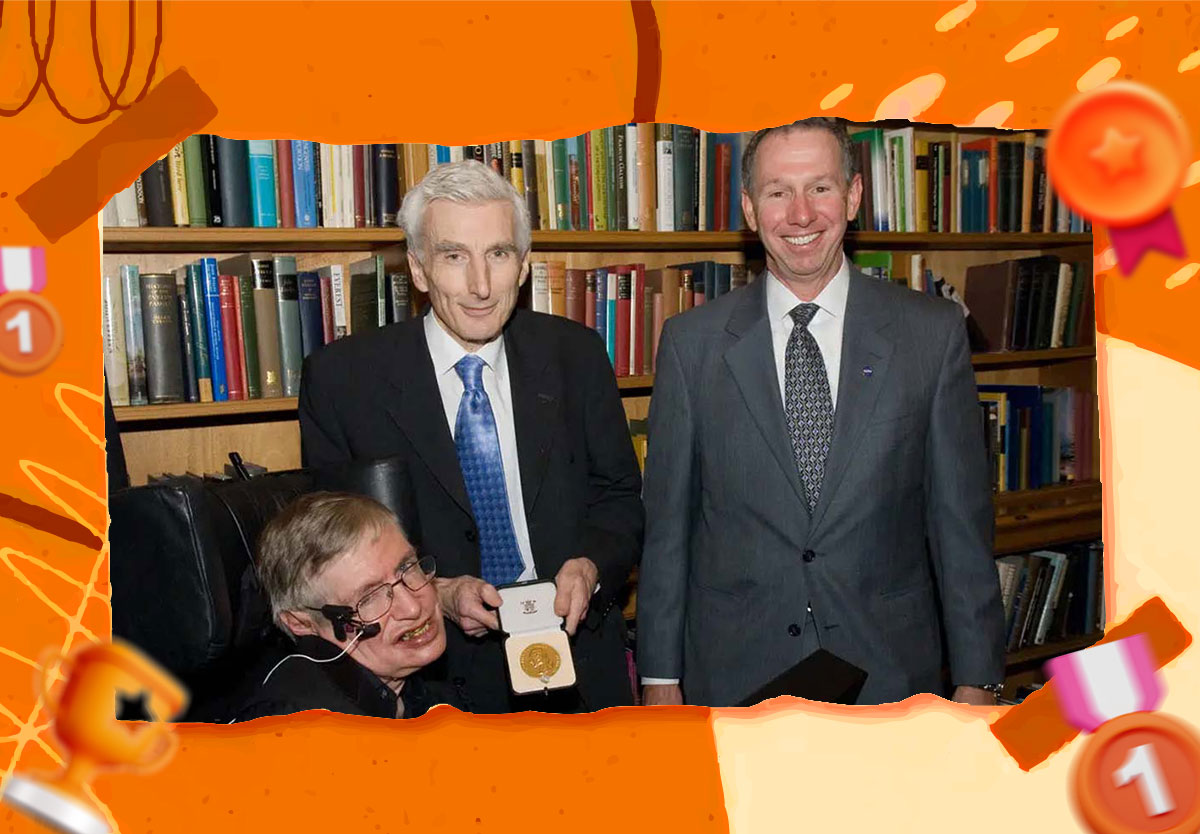
About Copley Medal
The Copley Medal is the most prestigious award of the Royal Society of the United Kingdom, conferred "for sustained, outstanding achievements in any field of science". The award alternates between the physical sciences or mathematics and the biological sciences.
Copley Medal Winners List (1731-2025)
| Images | Year | Winner Name | |
|---|---|---|---|
|
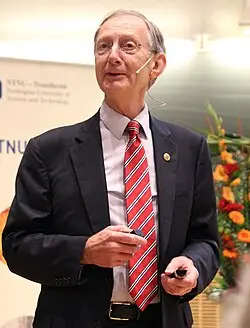
2025 | John Pendry | |
|
For pioneering protein engineering, especially antibody engineering for the successful production of therapeutic antibodies.
|
|||
|
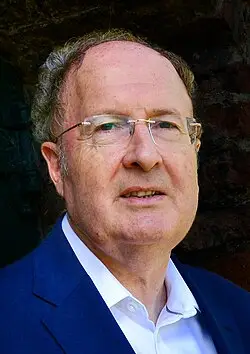
2024 | Gregory Paul Winter | |
|
For work on the concept and designs of metamaterials that represent the greatest advance in electromagnetism since Faraday and Maxwell.
|
|||
|
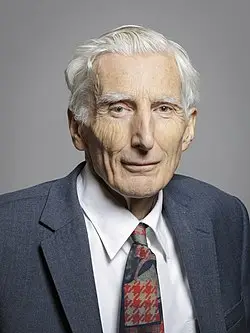
2023 | Martin Rees (The Lord Rees of Ludlow OM Kt HonFREng FRS) Albert Einstein World Award of ScienceThe Crafoord Prize | |
|
The Copley Medal 2023 is awarded to Martin Rees (The Lord Rees of Ludlow OM Kt HonFREng FRS) for being arguably the most distinguished theoretical astrophysicist of his generation, responsible for numerous and varied conceptual breakthroughs, with influence spreading far beyond the specialist academic community.
|
|||
|
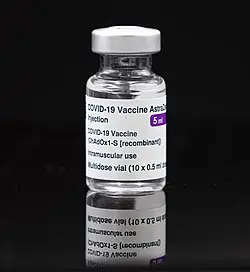
2022 | Oxford-AstraZeneca Vaccine Team | |
|
For rapidly developing and deploying a COVID-19 vaccine.
|
|||
|
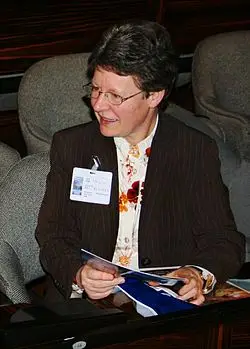
2021 | Dame Jocelyn Bell Burnell | |
|
For her work on the discovery of pulsars, one of the major astronomical discoveries of the 20th century.
|
|||
|
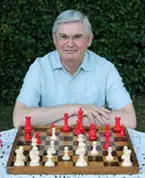
2020 | Sir Alan Fersht FMedSci FRS | |
|
He has developed and applied the methods of protein engineering to provide descriptions of protein folding pathways at atomic resolution, revolutionising our understanding of these processes.
|
|||
|
2019 | Professor John Goodenough ForMemRS | |
|
In recognition of his exceptional contributions to the science and technology of materials, including his discovery that led to rechargeable lithium batteries.
|
|||
|
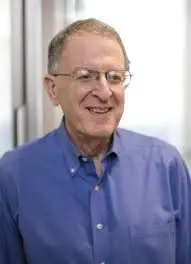
2018 | Professor Jeffrey Gordon | |
|
For his contributions to understanding the role of gut microbial communities to human health and disease.
|
|||
|
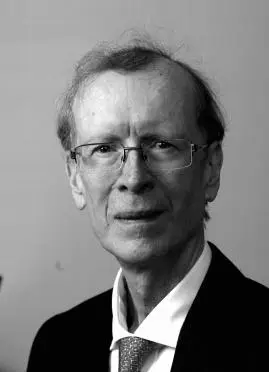
2017 | Sir Andrew J. Wiles Abel Prize | |
|
For his beautiful and unexpected proof of Fermat's Last Theorem which is one of the most important mathematical achievements of the 20th century.
|
|||
|
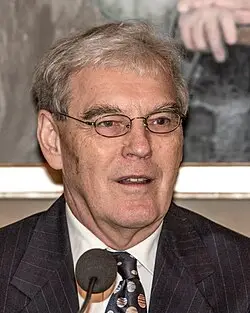
2016 | Dr Richard Henderson CH FMedSci FRS | |
|
For his fundamental and revolutionary contributions to the development of electron microscopy of biological materials, enabling their atomic structures to be deduced.
|
|||
|
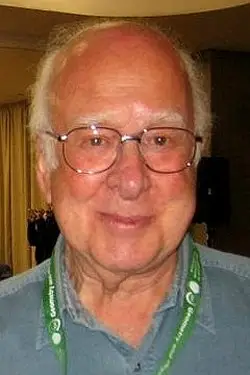
2015 | Professor Peter Higgs CH FRS | |
|
For his fundamental contribution to particle physics with his theory explaining the origin of mass in elementary particles, confirmed by the experiments at the Large Hadron Collider.
|
|||
|
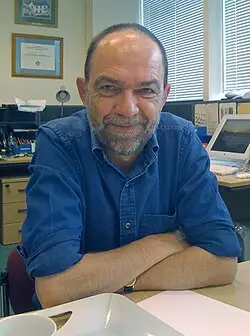
2014 | Sir Alec John Jeffreys Albert Einstein World Award of Science | |
|
For his pioneering work on variation and mutation in the human genome.
|
|||
|
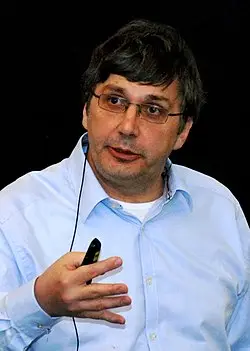
2013 | Sir Andre Geim FRS | |
|
For his numerous scientific contributions and, in particular, for initiating research on two‐dimensional atomic crystals and their artificial heterostructures.
|
|||
|
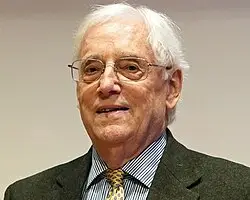
2012 | Sir John Walker FMedSci FRS | |
|
For his ground-breaking work on bioenergetics, discovering the mechanism of ATP synthesis in the mitochondrion.
|
|||
|
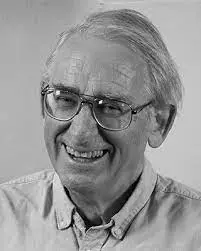
2011 | Dan McKenzie | |
|
For his seminal contributions to the understanding of geological and geophysical phenomena including tectonic plates.
|
|||
|
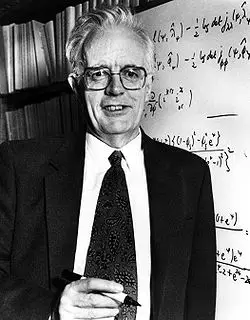
2010 | David Cox | |
|
For his seminal contributions to the theory and applications of statistics.
|
|||
|
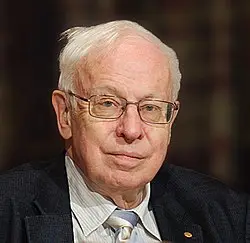
2010 | Tomas Lindahl | |
|
For his seminal contributions to the understanding of the biochemistry of DNA repair.
|
|||
|
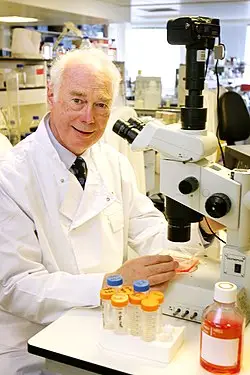
2009 | Martin Evans | |
|
For his seminal work on embryonic stem cells in mice, which revolutionised the field of genetics.
|
|||
|
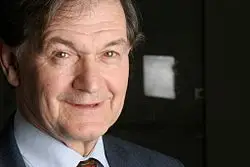
2008 | Roger Penrose | |
|
For his beautiful and original insights into many areas of mathematics and mathematical physics. Sir Roger has made outstanding contributions to general relativity theory and cosmology, most notably for his work on black holes and the Big Bang.
|
|||
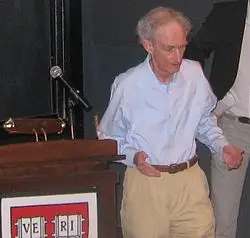
|
2007 | Robert May | |
|
For his seminal studies of interactions within and among biological populations that have reshaped our understanding of how species, communities and entire ecosystems respond to natural or human created disturbance.
|
|||
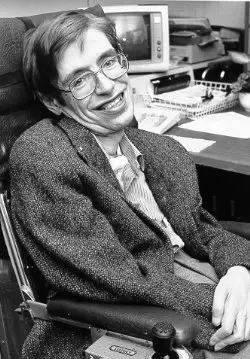
|
2006 | Stephen Hawking | |
|
For his outstanding contribution to theoretical physics and theoretical cosmology.
|
|||
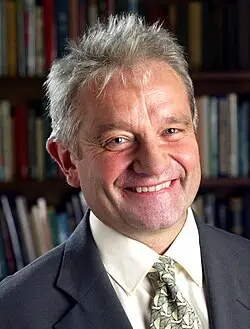
|
2005 | Paul Nurse | |
|
For his contributions to cell biology in general, and to the elucidation of the control of cell division.
|
|||
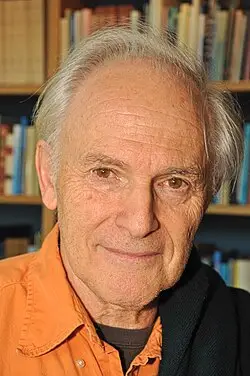
|
2004 | Harold Kroto | |
|
In recognition of his seminal contributions to understanding the fundamental dynamics of carbon chain molecules, leading to the detection of these species (polyynes) in the interstellar medium by radioastronomy.
|
|||
|
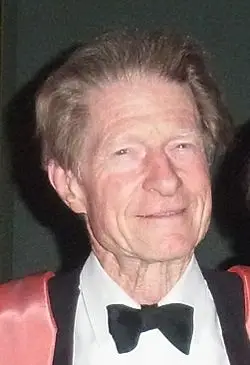
2003 | John Gurdon | |
|
For his unique range of groundbreaking discoveries in the fields of cell and developmental biology.
|
|||

|
2002 | John Pople | |
|
For his development of computational methods in quantum chemistry. His work transformed density functional theory into a powerful theoretical tool for chemistry, chemical physics and biology.
|
|||
|
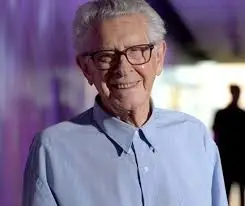
2001 | Jacques Francis Albert Pierre Miller | |
|
For his work on the immunological function of the thymus and of T cells, which has revolutionised the science of immunology.
|
|||
|
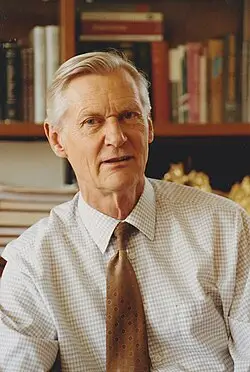
2000 | Alan Rushton Battersby | |
|
In recognition of his pioneering work in elucidating the detailed biosynthetic pathways to all the major families of plant alkaloids.
|
|||
|
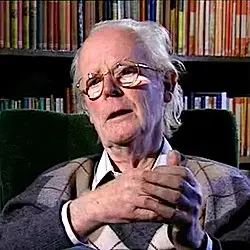
1999 | John Maynard Smith | |
|
In recognition of his seminal contributions to evolutionary biology.
|
|||
|
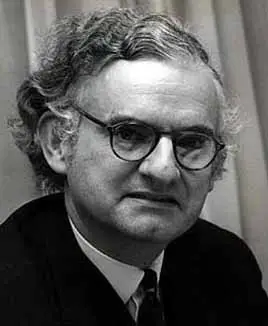
1998 | James Michael Lighthill | |
|
In recognition of his profound contributions to many fields within fluid mechanics including important aspects of the interaction of sound and fluid flow and numerous other contributions which have had practical applications in aircraft engine design.
|
|||
|
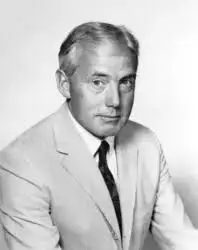
1997 | Hugh Esmor Huxley | |
|
In recognition of his pioneering work on the structure of muscle and on the molecular mechanisms of muscle contraction, providing solutions to one of the great problems in physiology.
|
|||
|
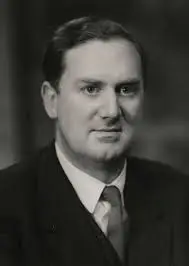
1996 | Alan Cottrell | |
|
In recognition of his contribution to the understanding of mechanical properties of materials and related topics through his pioneering studies on crystal plasticity, dislocation impurity interactions, fracture and irradiation effects.
|
|||
|
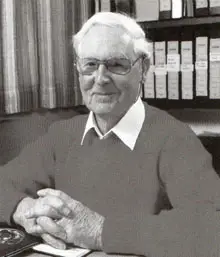
1995 | FJ Fenner | |
|
In recognition of his contribution to animal virology with special emphasis on the pox and myxomatosis viruses and their relationship with the host in causing disease.
|
|||
|
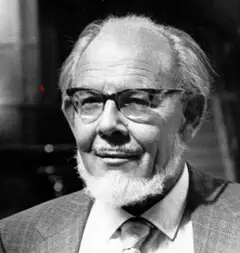
1994 | Charles Frank | |
|
In recognition of his fundamental contribution to the theory of crystal morphology.
|
|||
|
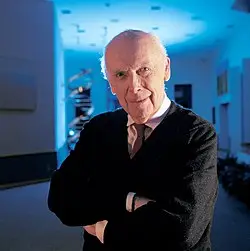
1993 | JD Watson | |
|
In recognition of his tireless pursuit of DNA, from the elucidation of its structure to the social and medical implications of the sequencing of the human genome.
|
|||
|
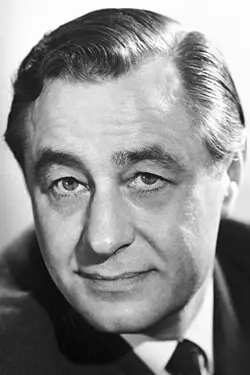
1992 | Lord Porter of Luddenham | |
|
In recognition of his contributions to fundamental understanding of fast photochemical and photophysical processes and their role in chemistry and biology.
|
|||
|
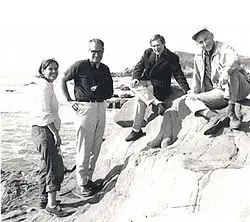
1991 | Sydney Brenner | |
|
In recognition of his many contributions to molecular genetics and developmental biology, and his recent role in the Human Genome mapping project.
|
|||
|
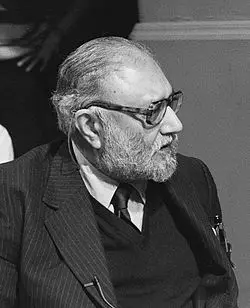
1990 | Abdus Salam | |
|
In recognition of his work on the symmetries of the laws of nature, and especially the unification of the electromagnetic and weak forces.
|
|||
|
1989 | Cesar Milstein | |
|
In recognition of his outstanding contributions to immunology, in particular to the discovery of monoclonal antibodies and to the understanding of the role of somatic mutations in the maturation of the immune response.
|
|||
|
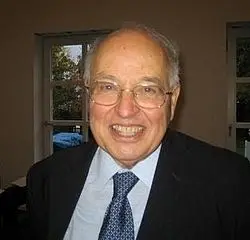
1988 | Michael Atiyah | |
|
In recognition of his fundamental contributions to a wide range of topics in geometry, topology, analysis and theoretical physics.
|
|||
|
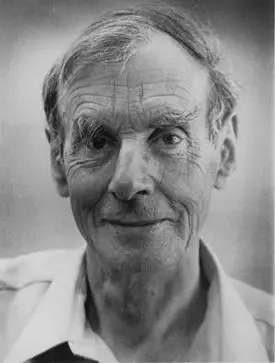
1987 | Robert Hill | |
|
In recognition of his pioneering contributions to the understanding of the nature and mechanism of the main pathway of electron transport in photosynthesis.
|
|||
|
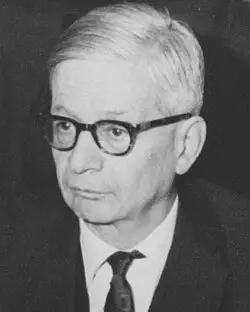
1986 | Rudolf Peierls | |
|
In recognition of his fundamental contributions to a very wide range of theoretical physics, and signal advances in proposing the probable existence of nuclear chain reactions in fissile materials.
|
|||
|
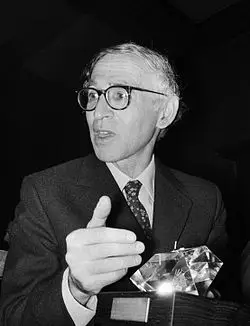
1985 | Aaron Klug | |
|
In recognition of his outstanding contributions to our understanding of complex biological structures and the methods used for determining them.
|
|||
|
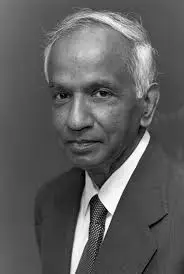
1984 | Subrahmanyan Chandrasekhar | |
|
In recognition of his distinguished work on theoretical physics, including stellar structure, theory of radiation, hydrodynamic stability and relativity.
|
|||
|
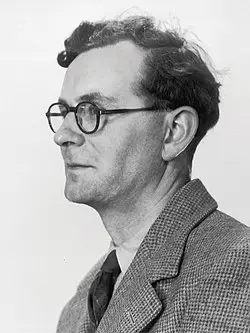
1983 | Rodney Robert Porter | |
|
In recognition of his elucidation of the structure of immunoglobulins and of the reactions involved in activating the complement system of proteins.
|
|||

|
1982 | John Cornforth | |
|
In recognition of his distinguished research on the stereochemically-controlled synthesis and biosynthesis of biologically important molecules.
|
|||
|
|
1981 | Peter Dennis Mitchell | |
|
In recognition of his distinguished contribution to biology in his formulation and development of the chemiosmotic theory of energy transduction.
|
|||
|
|
1980 | Peter Dennis Mitchell | |
|
In recognition of his distinguished contributions to a wide range of problems in structural and synthetic organic chemistry and , in particular, his introduction of conformational analysis into stereochemistry.
|
|||
|
|
1979 | Max Ferdinand Perutz | |
|
In recognition of his distinguished contributions to molecular biology through his own studies of the structure and biological activity of haemoglobin and his leadership in the development of the subject.
|
|||
|
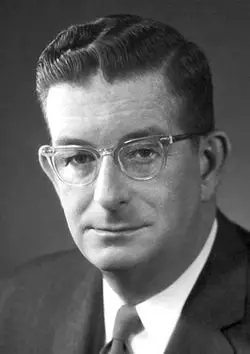
1978 | Robert Burns Woodward | |
|
In recognition of his masterly contributions to the synthesis of complex natural products and his discovery of the importance of orbital symmetry.
|
|||
|
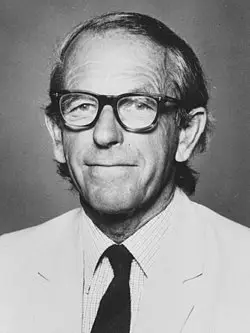
1977 | Frederick Sanger | |
|
In recognition of his distinguished work on the chemical structure of proteins and his studies on the sequences of nucleic acids.
|
|||
|
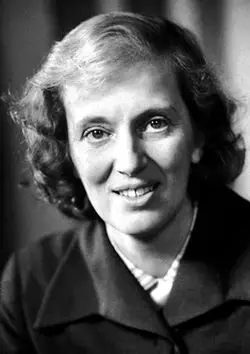
1976 | Dorothy Mary Crowfoot Hodgkin | |
|
In recognition of her outstanding work on the structures of complex molecules, particularly Penicillin, vitamin B12 and insulin.
|
|||
|
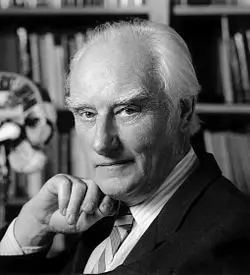
1975 | Francis Crick | |
|
In recognition of his elucidation of the structure of DNA and his continuing contribution to molecular biology.
|
|||
|
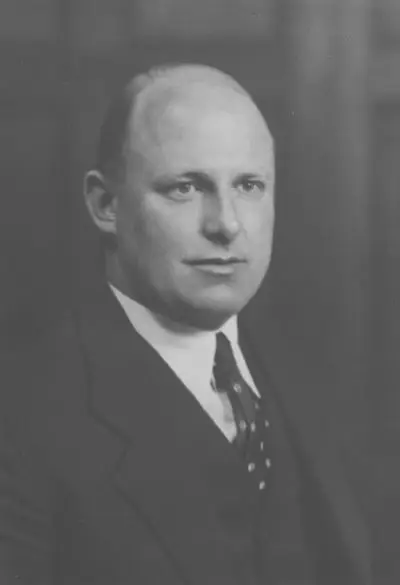
1974 | William Hodge | |
|
In recognition of his pioneering work in algebraic geometry, notably in his theory of harmonic integrals.
|
|||

|
1973 | AF Huxley | |
|
In recognition of his outstanding studies on the mechanisms of the nerve impulse and of activation of muscular contraction.
|
|||
|
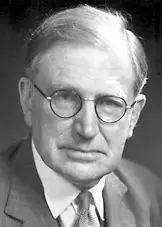
1972 | Nevill Mott | |
|
In recognition of his original contributions over a long period to atomic and solid state physics.
|
|||
|
1971 | Norman Wingate Pirie | |
|
In recognition of his distinguished contributions to biochemistry and especially for his elucidation of the nature of plant viruses.
|
|||
|
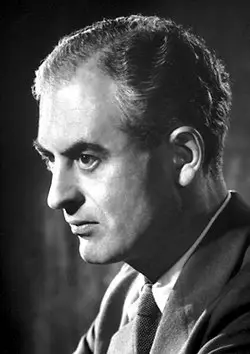
1969 | Peter Medawar | |
|
In recognition of his distinguished studies of tissue transplantation and immunological tolerance.
|
|||
|
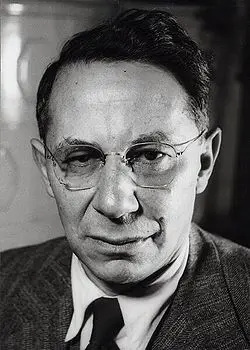
1968 | T Reichstein | |
|
In recognition of his distinguished work on the chemistry of vitamin C and his authoritative studies of the cortico-steroids.
|
|||
|
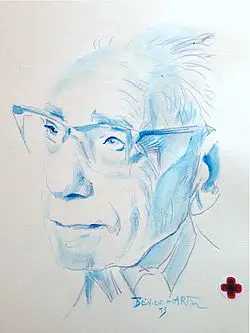
1967 | B Katz | |
|
In recognition of his distinguished contributions to knowledge of the fundamental processes involved in transmission across the neuromuscular junction.
|
|||
|
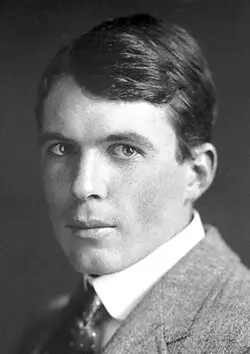
1966 | Lawrence Bragg | |
|
In recognition of his distinguished contributions to the development of methods of structural determination by X-ray diffraction.
|
|||
|
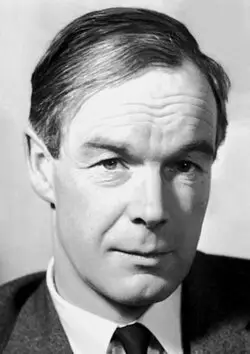
1965 | AL Hodgkin | |
|
In recognition of his discovery of the mechanism of excitation and impulse conduction in nerve, and his outstanding leadership in the development of neurophysiology.
|
|||
|
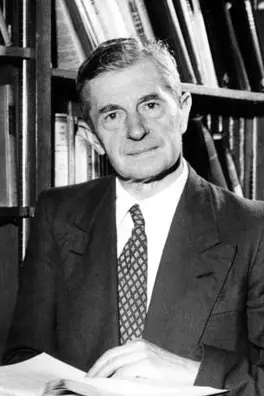
1964 | Sydney Chapman Adams Prize | |
|
In recognition of his theoretical contributions to terrestrial and interplanetary magnetism, the ionosphere and the aurora borealis.
|
|||
|
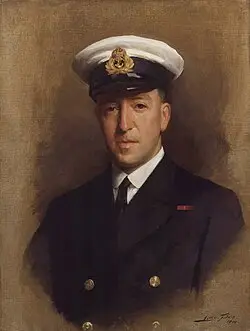
1963 | Paul Fildes | |
|
In recognition of his pioneering contributions to bacteriology.
|
|||
|
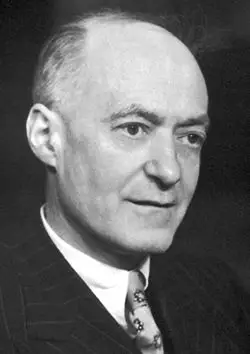
1962 | Cyril Hinshelwood | |
|
In recognition of his distinguished researches in the field of chemical kinetics, including the study of biological reaction mechanisms, and of his outstanding contributions to natural philosophy.
|
|||
|
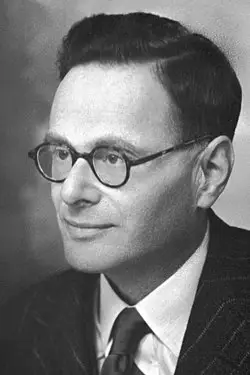
1961 | Hans Krebs | |
|
In recognition of his distinguished contributions to biochemistry, in particular his work on the ornithine, tricarboxylic acid and glyoxylate cycles.
|
|||
|
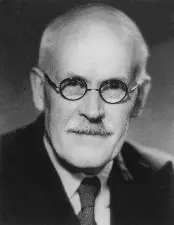
1960 | Sir Harold Jeffreys Adams Prize | |
|
In recognition of his distinguished work in many branches of geophysics, and also in the theory of probability and astronomy.
|
|||
|
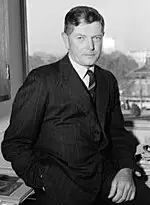
1959 | Macfarlane Burnet | |
|
In recognition of his distinguished contributions to knowledge of viruses and of immunology.
|
|||
|
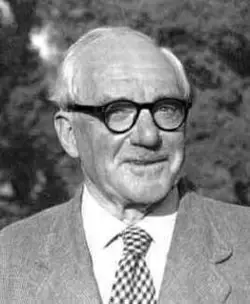
1958 | John Edensor Littlewood | |
|
In recognition of his distinguished contributions to many branches of analysis, including Tauberian theory, the Riemann zeta function, and non-linear differential equations.
|
|||
|
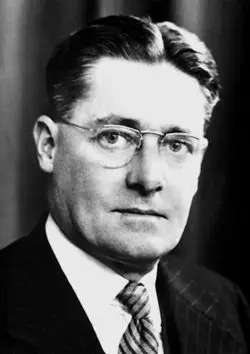
1957 | Howard Florey | |
|
In recognition of his distinguished contributions to experimental pathology and medicine.
|
|||
|
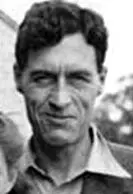
1956 | Patrick Maynard Stuart Blackett | |
|
In recognition of his outstanding studies of cosmic ray showers and heavy mesons and in the field of palaeomagnetism.
|
|||
|
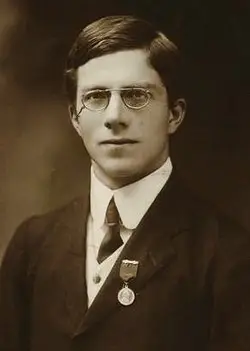
1955 | Ronald Fisher | |
|
In recognition of his numerous and distinguished contributions to developing the theory and application of statistics for making quantitative a vast field of biology.
|
|||
|
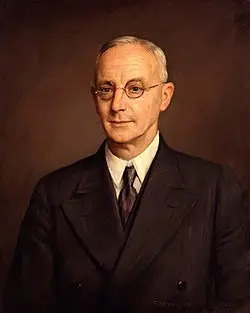
1954 | Edmund Whittaker | |
|
For his distinguished contributions to both pure and applied mathematics and to theoretical physics.
|
|||
|
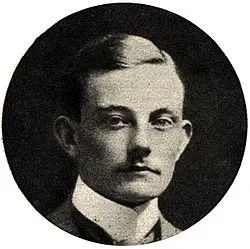
1953 | Albert Jan Kluyver | |
|
For his distinguished contributions of a fundamental character to the science of microbiology.
|
|||
|
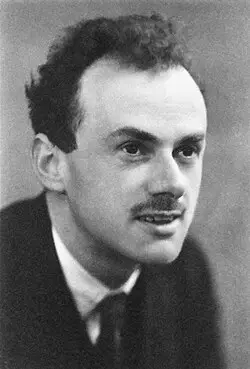
1952 | Paul Adrian Maurice Dirac | |
|
In recognition of his remarkable contributions to relativistic dynamics of a particle in quantum mechanics.
|
|||
|
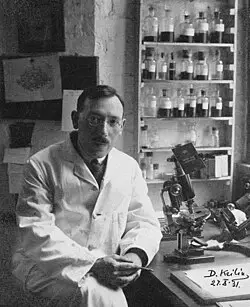
1951 | David Keilin | |
|
For his fundamental researches in the fields of protozoology, entomology and the biochemistry of enzymes.
|
|||
|
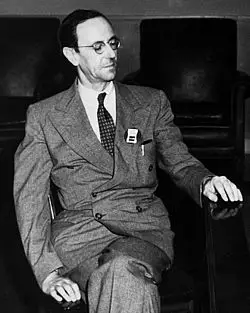
1950 | James Chadwick | |
|
For his outstanding work in nuclear physics and in the development of atomic energy, especially for his discovery of the neutron.
|
|||
|
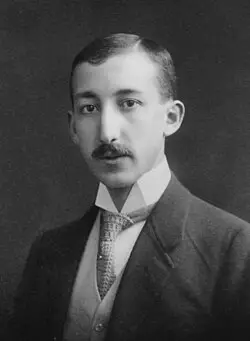
1949 | George Charles De Hevesy | |
|
For his distinguished work on the chemistry of radioactive elements and especially for his development of the radioactive tracer techniques in the investigation of biological processes.
|
|||
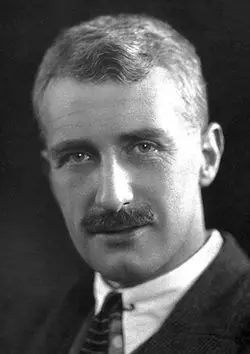
|
1948 | Archibald Vivian Hill | |
|
For his distinguished researches on myothermal problems and on biophysical phenomena in nerve and other tissues.
|
|||
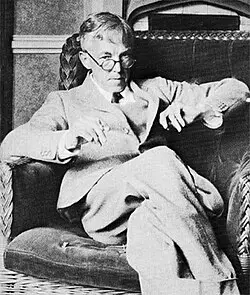
|
1947 | Godfrey Harold Hardy | |
|
For his distinguished part in the development of mathematical analysis in England during the last thirty years.
|
|||
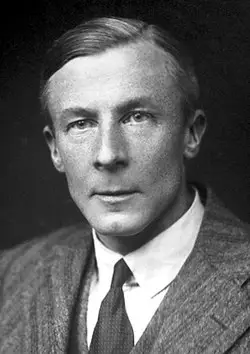
|
1946 | Edgar Douglas Adrian | |
|
For his distinguished researches on the fundamental nature of nervous activity, and recently on the localization of certain nervous functions.
|
|||
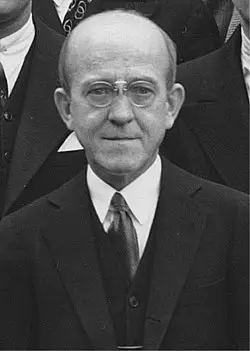
|
1945 | Oswald Theodore Avery | |
|
For his success in introducing chemical methods in the study of immunity against infective diseases.
|
|||
|
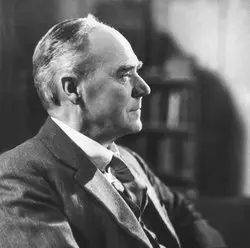
1944 | Geoffrey Taylor | |
|
For his many contributions to aerodynamics, hydrodynamics, and the structure of metals, which have had a profound influence on the advance of physical science and its applications.
|
|||
|
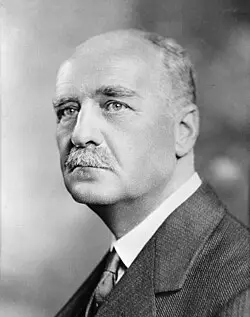
1943 | Joseph Barcroft | |
|
For his distinguished work on respiration and the respiratory function of the blood.
|
|||
|
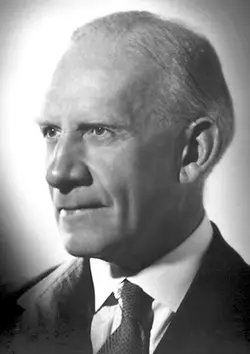
1942 | Robert Robinson | |
|
For his research work of outstanding originality and brilliance which has influenced the whole field of organic chemistry.
|
|||
|
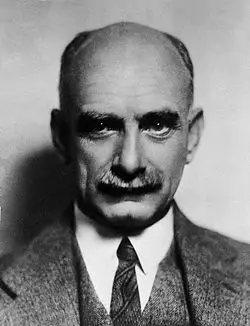
1941 | Thomas Lewis | |
|
For his clinical and experimental investigations upon the mammalian heart.
|
|||
|
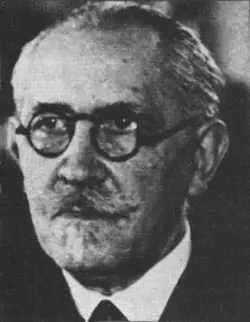
1940 | Paul Langevin | |
|
For his pioneer work on the electron theory of magnetism, his fundamental contributions to discharge of electricity in gases, and his important work in many branches of theoretical physics.
|
|||
|
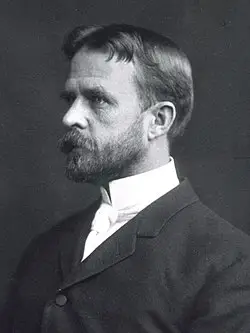
1939 | Thomas Hunt Morgan | |
|
For his establishment of the modern science of genetics which had revolutionized our understanding, not only of heredity, but of the mechanism and nature of evolution.
|
|||
|
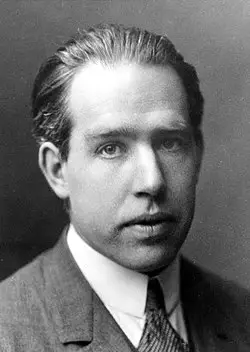
1938 | Niels Bohr | |
|
In recognition of his distinguished work in the development of the quantum theory of atomic structure.
|
|||
|
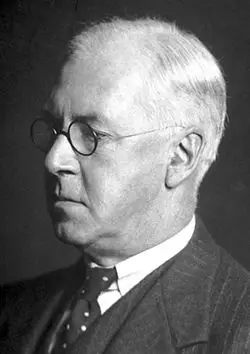
1937 | Henry Dale | |
|
In recognition of his important contributions to physiology and pharmacology, particularly in relation to the nervous and neuro-muscular systems.
|
|||
|
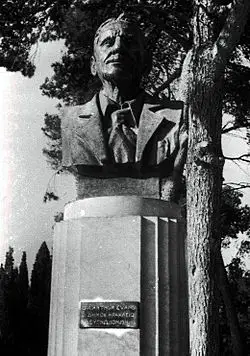
1936 | Arthur Evans | |
|
In recognition of his pioneer work in Crete, particularly his contributions to the history and civilization of its Minoan age.
|
|||
|
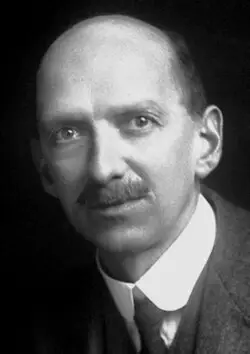
1935 | Charles Thomson Rees Wilson | |
|
For his work on the use of clouds in advancing our knowledge of atoms and their properties.
|
|||
|
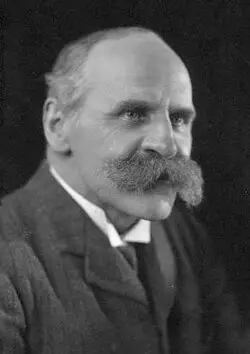
1934 | John Scott Haldane | |
|
In recognition of his discoveries in human physiology and of their application to medicine, mining, diving and engineering.
|
|||
|
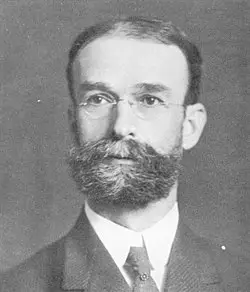
1933 | Theobald Smith | |
|
For his original research and observation on diseases of animals and man.
|
|||
|
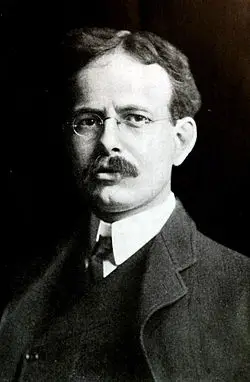
1932 | George Ellery Hale | |
|
For his distinguished work on the solar magnetic phenomena and for his eminence as a scientific engineer, especially in connexion with Mount Wilson Observatory.
|
|||
|
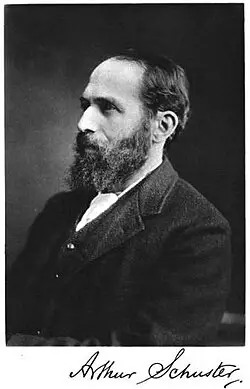
1931 | Arthur Schuster | |
|
For his distinguished researches in optics and terrestrial magnetism.
|
|||
|
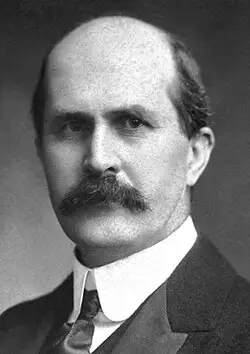
1930 | William Bragg | |
|
For his distinguished contributions to crystallography and radioactivity.
|
|||
|
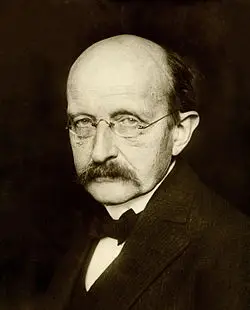
1929 | Max Planck | |
|
For his contributions to theoretical physics and especially as the originator of the quantum theory.
|
|||
|
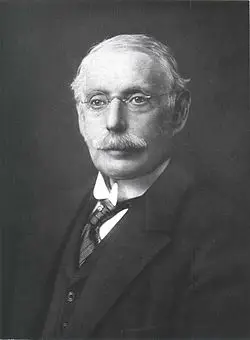
1928 | Charles Parsons | |
|
For his contributions to engineering science.
|
|||
|
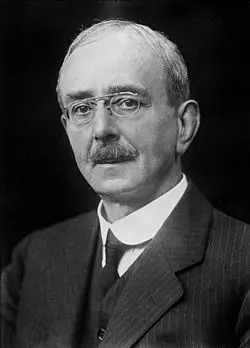
1927 | Charles Sherrington | |
|
For his distinguished work on neurology.
|
|||
|
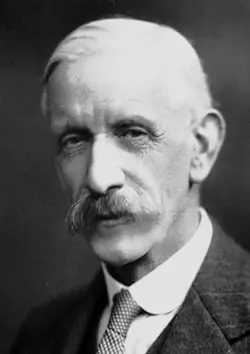
1926 | Frederick Hopkins | |
|
For his distinguished and fruitful work in biochemistry.
|
|||
|
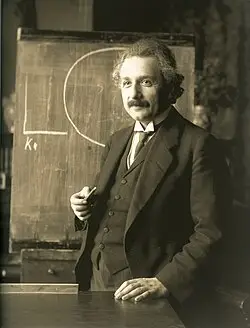
1925 | Albert Einstein | |
|
For his theory of relativity and his contributions to the quantum theory.
|
|||
|
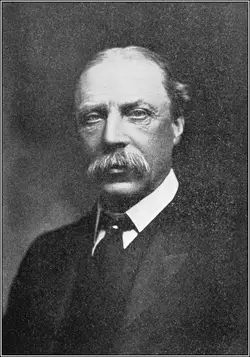
1924 | E Sharpey-Schafer | |
|
For the valuable work he has done in physiology and histology and the position he now occupies as a leader in these sciences.
|
|||
|
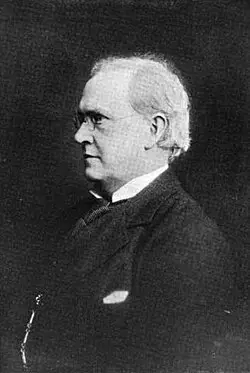
1923 | Horace Lamb | |
|
For his researches in mathematical physics.
|
|||
|
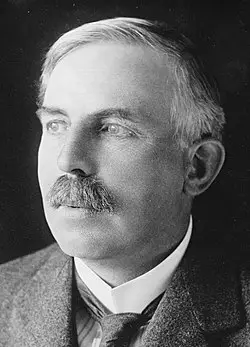
1922 | Ernest Rutherford | |
|
For his researches in radio activity & atomic structure.
|
|||
|
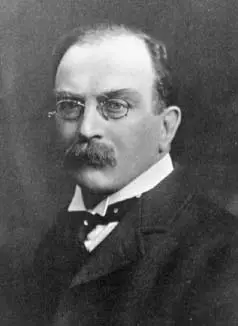
1921 | Joseph Larmor Adams Prize | |
|
For his researches in mathematical physics.
|
|||
|
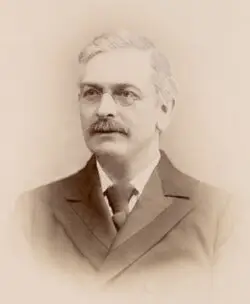
1920 | Horace Brown | |
|
On the ground of his work on the chemistry of carbohydrates.
|
|||
|
1919 | William M Bayliss | |
|
On the ground of his researches in general physiology & biophysics.
|
|||
|
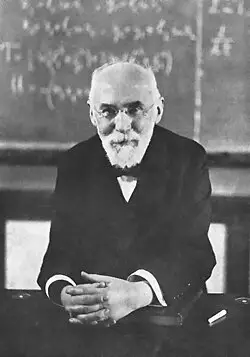
1918 | Hendrik Antoon Lorentz | |
|
On the ground of his distinguished researches in mathematical physics.
|
|||
|
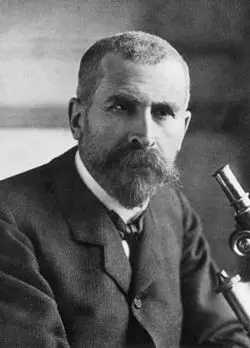
1917 | Emil Roux | |
|
On the ground of his eminence as a bacteriologist, and as a pioneer in serum therapy.
|
|||
|
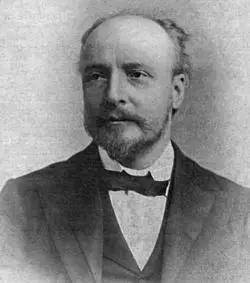
1916 | James Dewar | |
|
For his important investigations in physical chemistry, more especially his researches on the liquefaction of gases.
|
|||
|
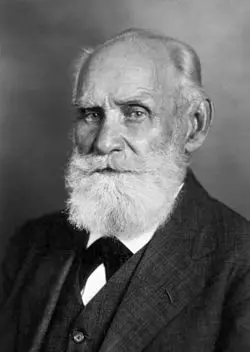
1915 | Ivan Petrovich Pavlov | |
|
On the ground of his investigations in the physiology of digestion and of the higher centres of the nervous system.
|
|||
|
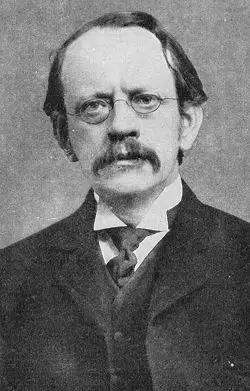
1914 | Joseph John Thomson | |
|
On the ground of his discoveries in physical science
|
|||
|
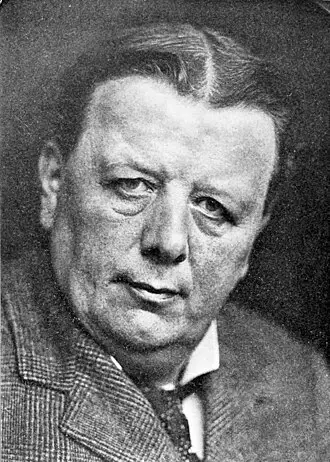
1913 | Ray Lankester | |
|
On the ground of the high scientific value of the researches in zoology carried out by him.
|
|||
|
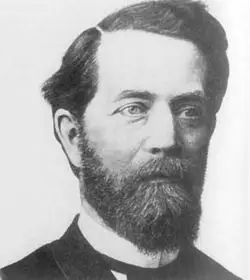
1912 | Felix Klein | |
|
On the ground of his researches in mathematics.
|
|||
|
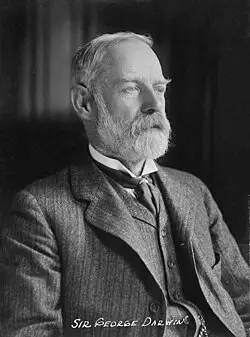
1911 | George Howard Darwin | |
|
On the ground of his researches on tidal theory, the figures of the planets, and allied subjects.
|
|||
|
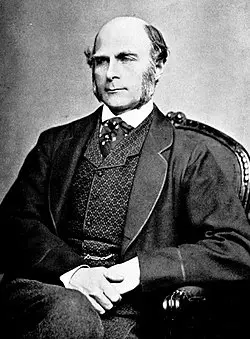
1910 | Francis Galton | |
|
On the ground of his researches in heredity.
|
|||
|
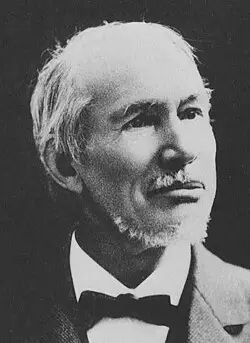
1909 | George William Hill | |
|
On the ground of his researches in mathematical astronomy.
|
|||
|
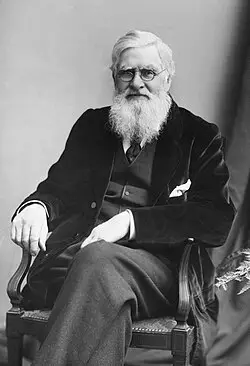
1908 | Alfred Russel Wallace | |
|
On the ground of the great value of his numerous contributions to natural history, and of the part he took in working out the theory of the origin of species by natural selection.
|
|||
|
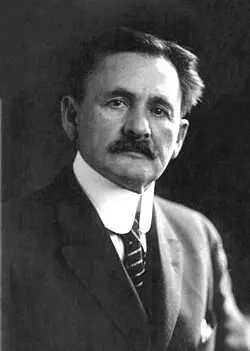
1907 | Albert Abraham Michelson | |
|
On the ground of his investigations in optics.
|
|||
|
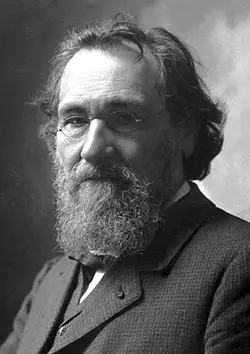
1906 | Elias Metchnikoff | |
|
On the ground of the importance of his work in zoology and in pathology.
|
|||
|
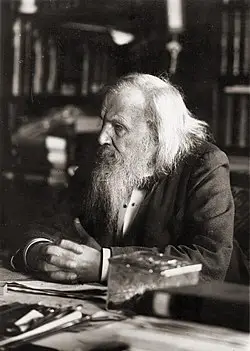
1905 | Dmitri Ivanovitch Mendeleeff | |
|
For his contributions to chemical and physical science.
|
|||
|
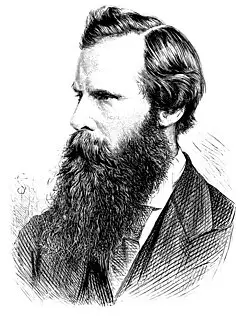
1904 | William Crookes | |
|
For his long-continued researches in spectroscopic chemistry, on electrical & mechanical phenomena in highly-rarefied gases, on radio-active phenomena, and other subjects.
|
|||
|
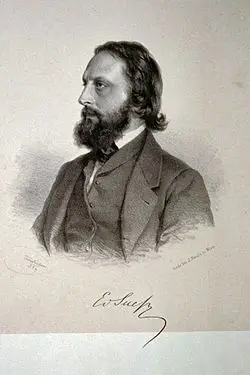
1903 | Eduard Suess | |
|
For his eminent geological services, & especially for the original researches & conclusions published in his great work "Das Antlitz der Erde".
|
|||
|
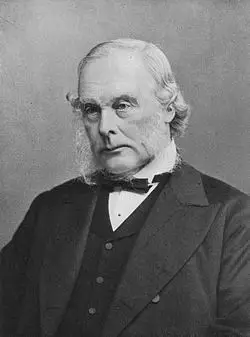
1902 | Lord Lister | |
|
In recognition of the value of his physiological and pathological researches in regard to their influence on the modern practice of surgery.
|
|||
|
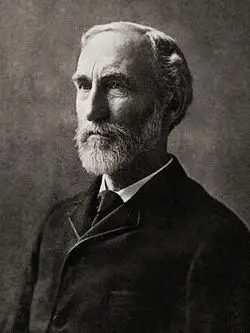
1901 | J Willard Gibbs | |
|
For his contributions to mathematical physics.
|
|||
|
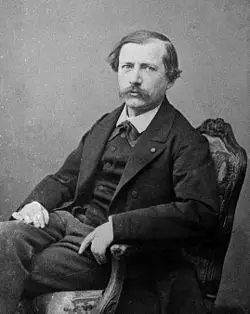
1900 | Marcellin Berthelot | |
|
For his brilliant services to chemical science.
|
|||
|
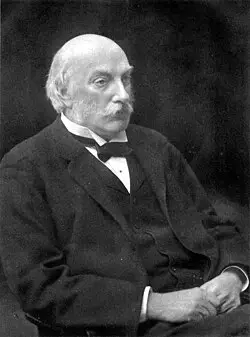
1899 | Lord Rayleigh | |
|
In recognition of his contributions to physical science.
|
|||
|
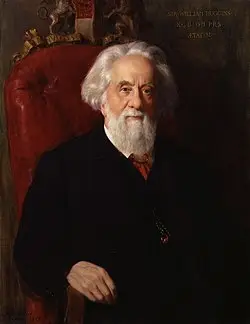
1898 | William Huggins | |
|
For his researches in spectrum analysis applied to the heavenly bodies.
|
|||
|
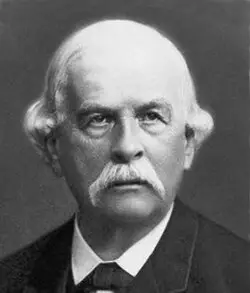
1897 | Albert von Kolliker | |
|
In recognition of his important work in embryology, comparative anatomy, and physiology, and especially for his eminence as a histologist.
|
|||
|
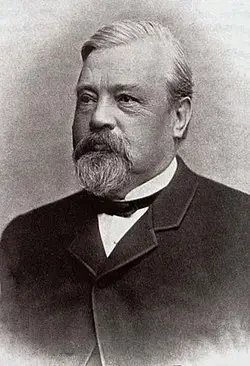
1896 | Karl Gegenbaur | |
|
For his life-long researches in comparative anatomy in all branches of the animal kingdom.
|
|||
|
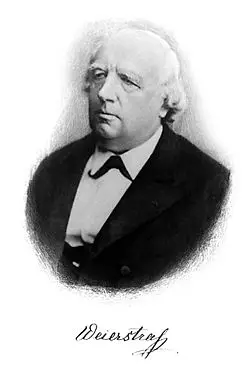
1895 | Karl Weierstrass | |
|
For his investigations in pure mathematics.
|
|||
|
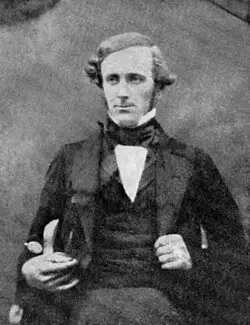
1894 | Edward Frankland | |
|
For his eminent services to theoretical & applied chemistry.
|
|||
|
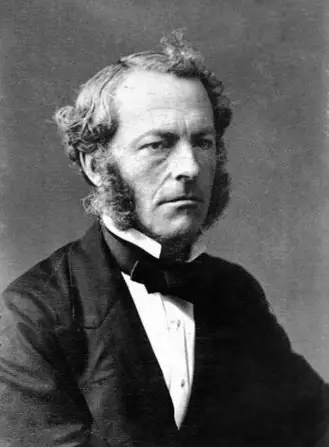
1893 | George Gabriel Stokes | |
|
For his researches and discoveries in physical science.
|
|||
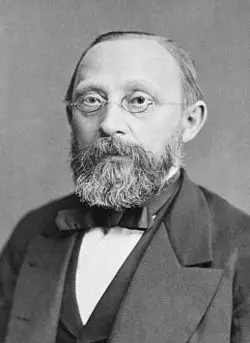
|
1892 | Rudolf Virchow | |
|
For his investigations in pathology, pathological anatomy, and prehistoric archaeology.
|
|||
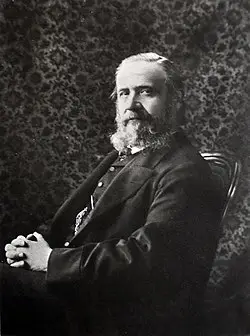
|
1891 | Stanislao Cannizzaro | |
|
For his contributions to chemical philosophy especially for his application of Avogadros theory.
|
|||
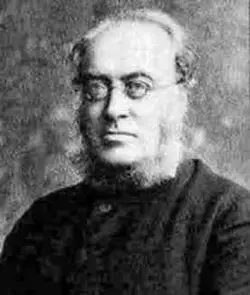
|
1889 | George Salmon | |
|
For his various papers on subjects of pure mathematics, and for the valuable mathematical treatises of which he is the author.
|
|||

|
1888 | Thomas Henry Huxley | |
|
For his investigations on the morphology and histology of vertebrate and invertebrate animals, and for his services to biological science in general during many past years.
|
|||
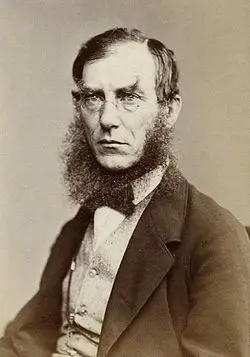
|
1887 | Joseph Dalton Hooker | |
|
For his services to botanical science as an investigator, author, and traveller.
|
|||
|
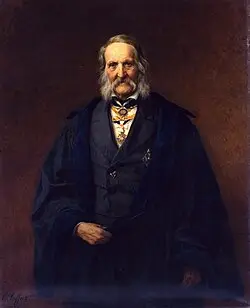
1886 | Franz Ernst Neumann | |
|
For his researches in theoretical optics and electro-dynamics.
|
|||
|
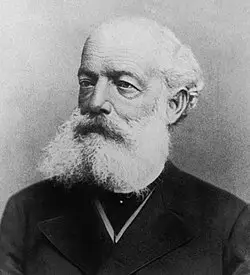
1885 | August Kekule | |
|
For his researches in organic chemistry.
|
|||

|
1884 | Carl Ludwig | |
|
For his investigations in physiology, and the great services which he has rendered to physiological science.
|
|||
|
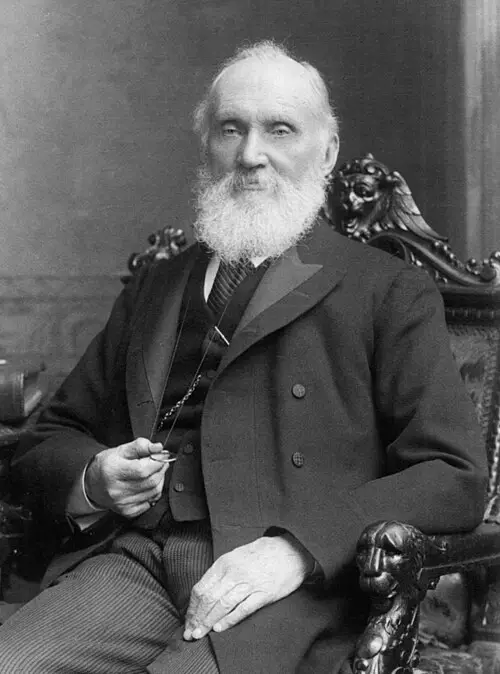
1883 | William Thomson | |
|
For (1) his discovery of the law of the universal dissipation of energy; (2) his researches and eminent services in physics, both experimental & mathematical, especially in the theory of electricity and thermodynamics.
|
|||
|
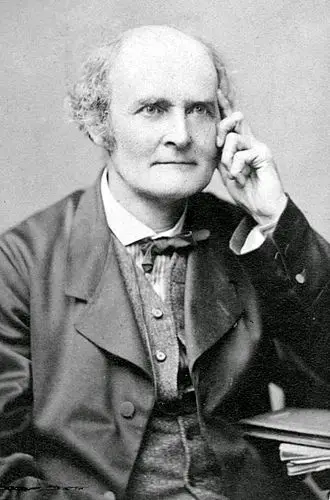
1882 | Arthur Cayley | |
|
For his numerous profound and comprehensive researches in pure mathematics.
|
|||
|
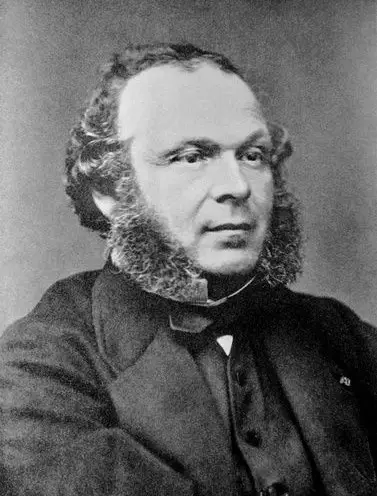
1881 | Charles-Adolphe Wurtz | |
|
For his discovery of the organic ammonias, the glycols, and other investigations which have exercised considerable influence on the progress of chemistry.
|
|||
|
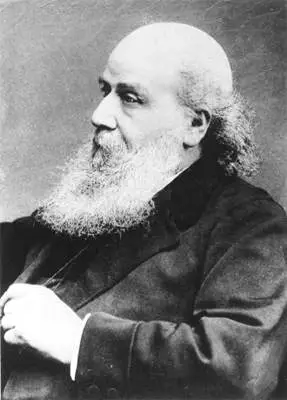
1880 | James Joseph Sylvester | |
|
For his long continued investigations & discoveries in mathematics.
|
|||
|
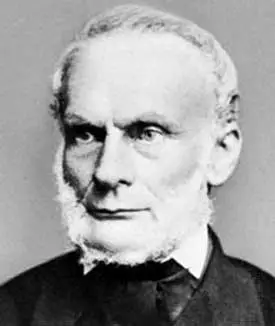
1879 | Rudolph Julius Emmanuel Clausius | |
|
For his well-known researches upon heat.
|
|||
|
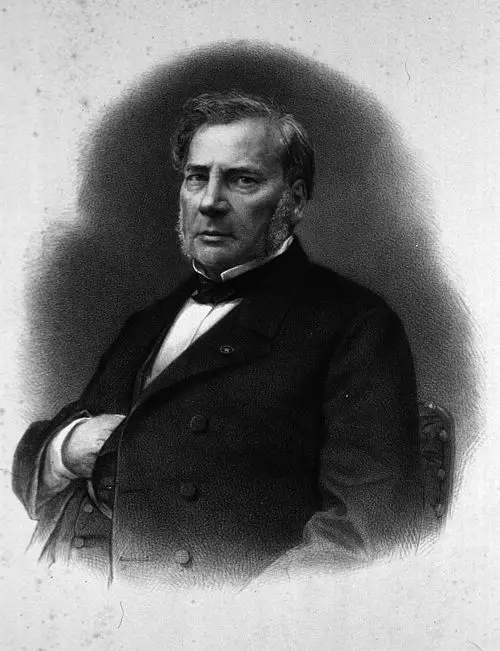
1878 | Jean Baptiste Boussingault | |
|
For his long-continued and important researches and discoveries in agricultural chemistry.
|
|||
|
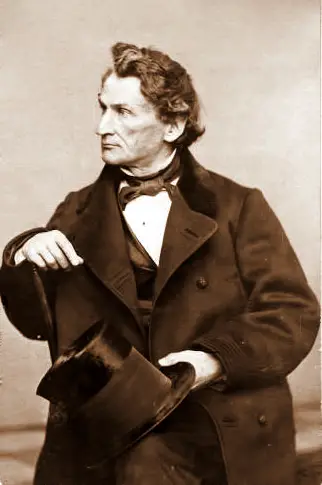
1877 | James Dwight Dana | |
|
For his biological, geological, and mineralogical investigations, carried on through half a century, and for the valuable works in which his conclusions and discoveries have been published.
|
|||
|
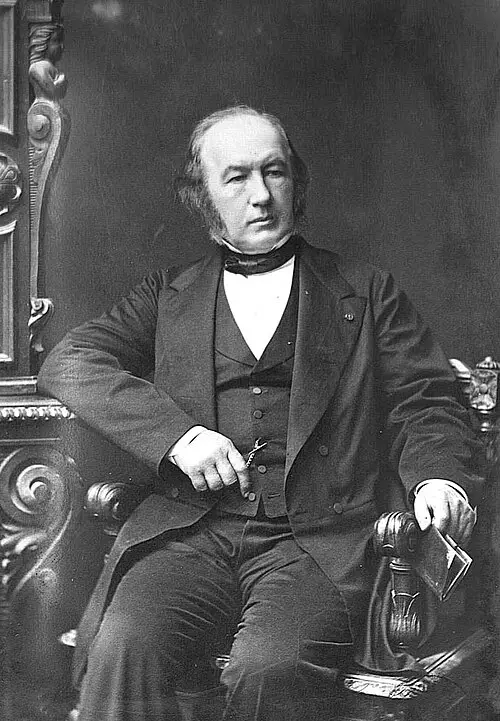
1876 | Claude Bernard | |
|
For his numerous contributions to the science of physiology.
|
|||
|
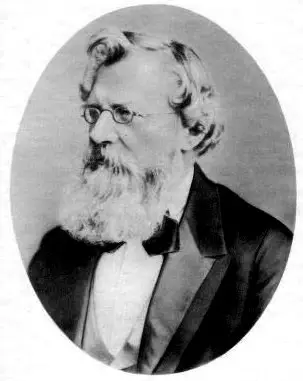
1875 | August Wilhelm Hofmann | |
|
For his numerous contributions to the science of chemistry, and especially for his researches on the derivatives of ammonia.
|
|||
|
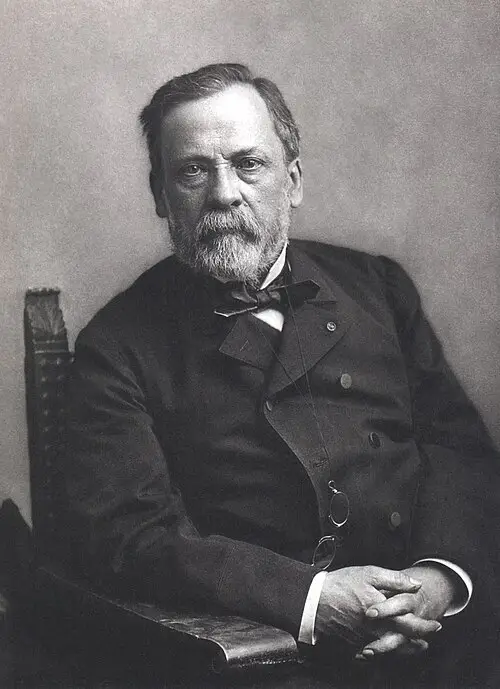
1874 | Louis Pasteur | |
|
For his researches on fermentation and on pelerine.
|
|||
|
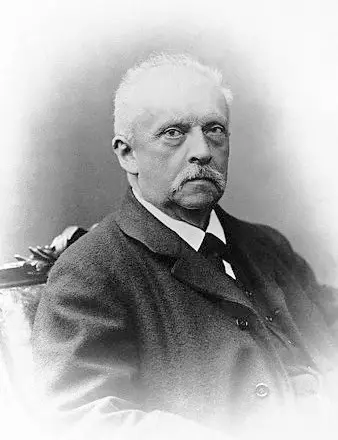
1873 | Hermann Ludwig Ferdinand Helmholtz | |
|
For his researches in physics and physiology.
|
|||
|
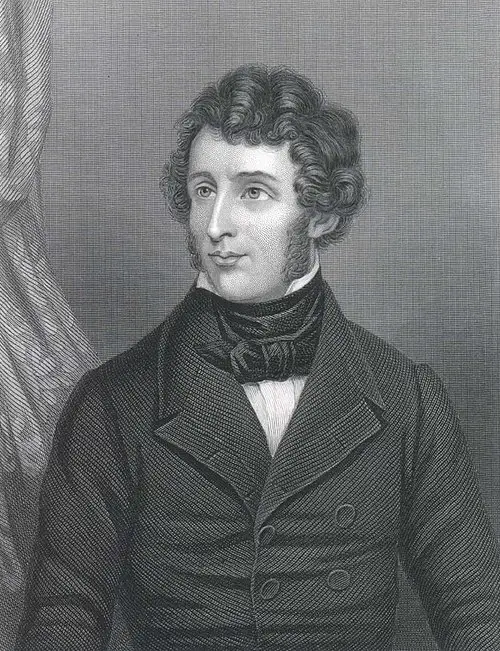
1872 | Friedrich Wohler | |
|
For his numerous contributions to the science of chemistry.
|
|||

|
1871 | Julius Robert von Mayer | |
|
For his researches on the mechanics of heat; including essays on: - 1. The force of inorganic nature. 2. Organic motion in connection with nutrition. 3. Fever. 4. Celestial dynamics. 5. The mechanical equivalent of heat.
|
|||
|
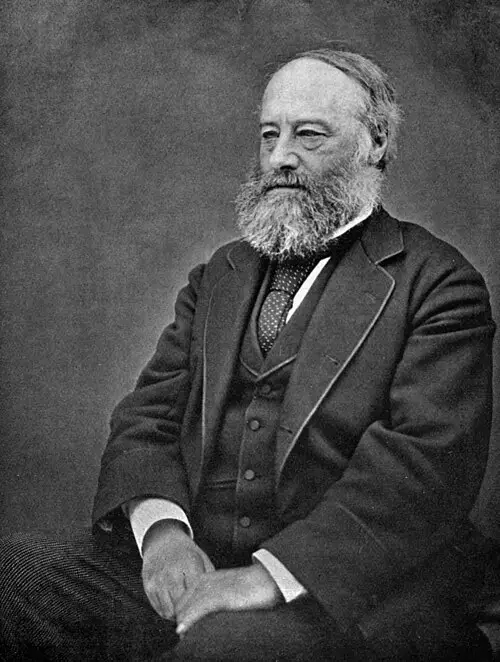
1870 | James Prescott Joule | |
|
For his experimental researches on the dynamical theory of heat.
|
|||
|
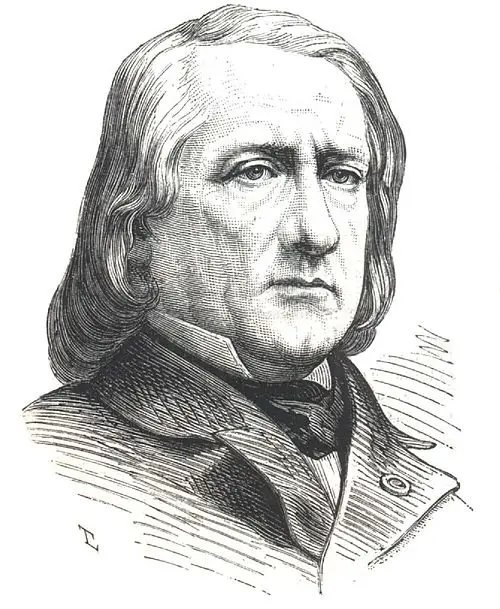
1869 | Henri Victor Regnault | |
|
For the second volume of his Relation des Experiences pour determiner les lois et les donnees physiques necessaries au calcul des machines a feu.
|
|||
|
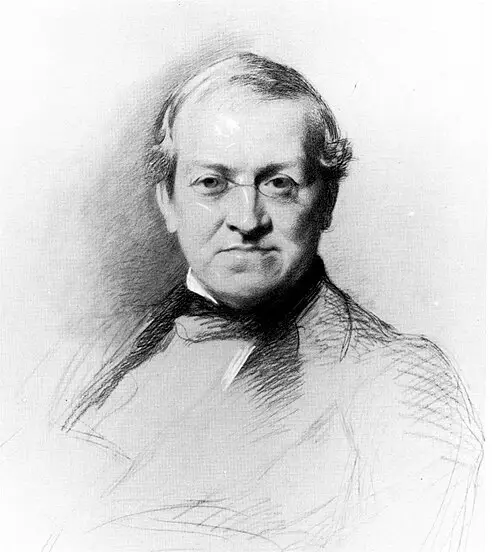
1868 | Charles Wheatstone | |
|
For his researches in acoustics, optics, electricity and magnetism.
|
|||
|
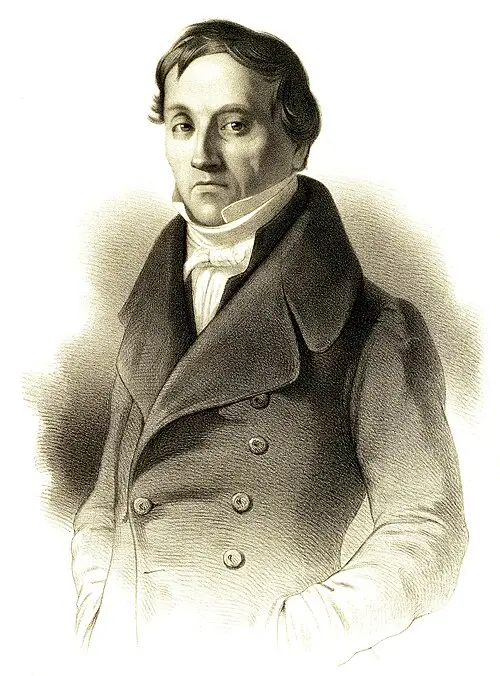
1867 | Karl Ernst von Baer | |
|
For his discoveries in embryology and comparative anatomy, and for his contributions to the philosophy of zoology.
|
|||
|
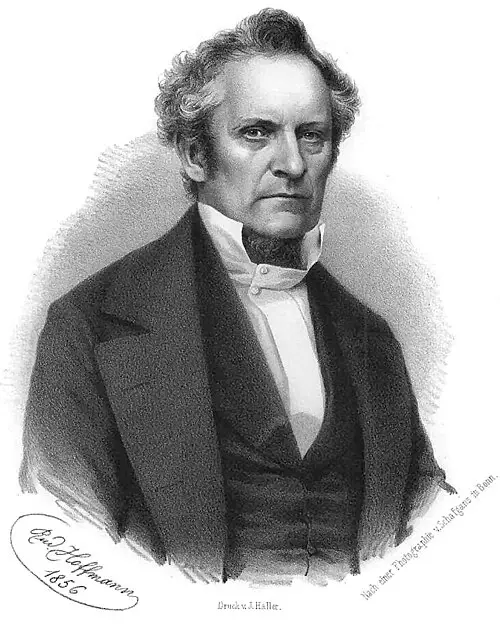
1866 | Julius Plucker | |
|
For his researches in analytical geometry, magnetism, & spectral analysis.
|
|||
|
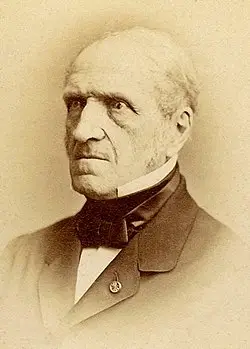
1865 | Michel Chasles | |
|
For his historical and original researches in pure geometry.
|
|||
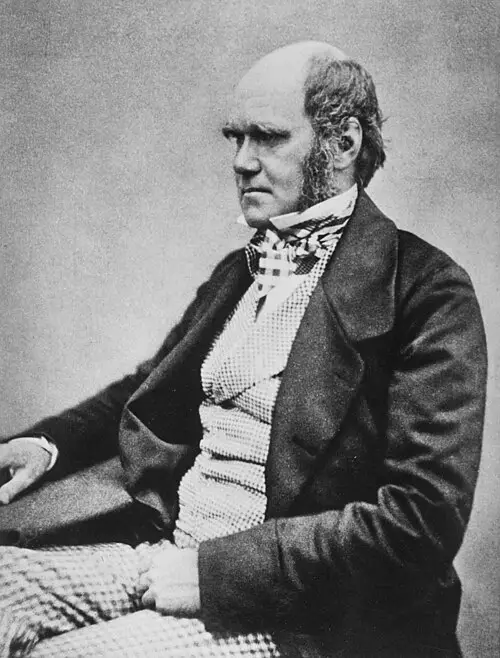
|
1864 | Charles Darwin | |
|
For his important researches in geology, zoology, and botanical physiology.
|
|||
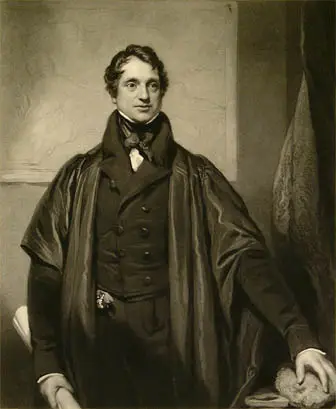
|
1863 | Adam Sedgwick | |
|
For his original observations and discoveries in the geology of the Palaeozoic Series of rocks.
|
|||
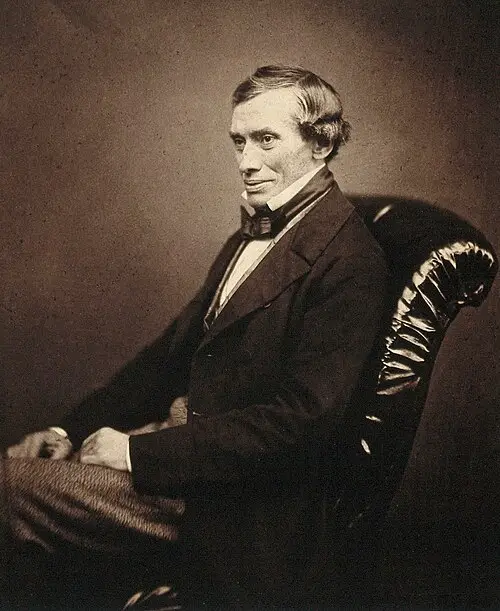
|
1862 | Thomas Graham | |
|
For three memoirs of the diffusion of liquids, published in the Philosophical Transactions for 1850 and 1851; for a memoir on osmotic force in the Philosophical Transactions for 1854; and particularly for a paper on liquid diffusion.
|
|||
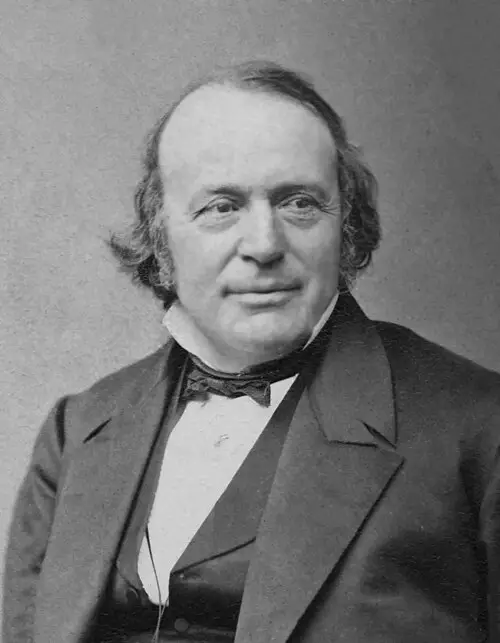
|
1861 | Louis Agassiz | |
|
For his eminent researches in palaeontology and other branches of science, and particularly for his great works the Poissons Fossiles, and his Poissons du Vieux Gres Rouge dEcosse.
|
|||
|
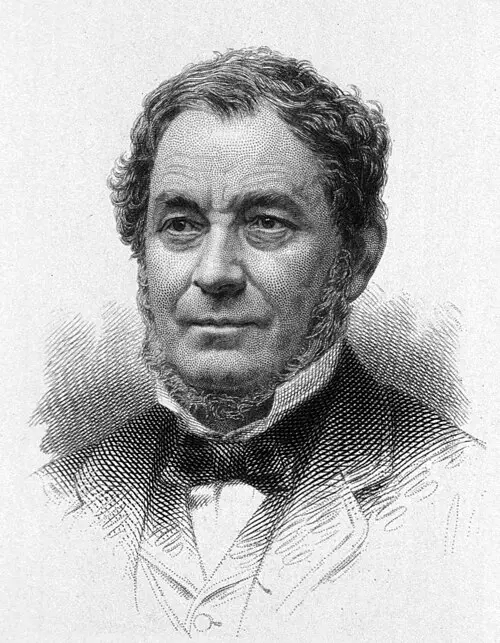
1860 | Robert Wilhelm Bunsen | |
|
For his researches on cacodyls, gaseous analysis, the volcanic phenomena of Iceland; and other researches.
|
|||
|
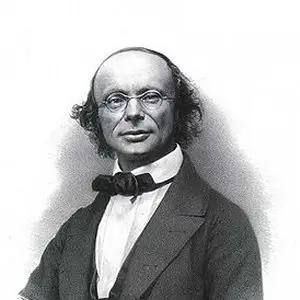
1860 | Wilhelm Eduard Weber | |
|
For the investigations contained in his Maasbestimmungen and other researches.
|
|||
|
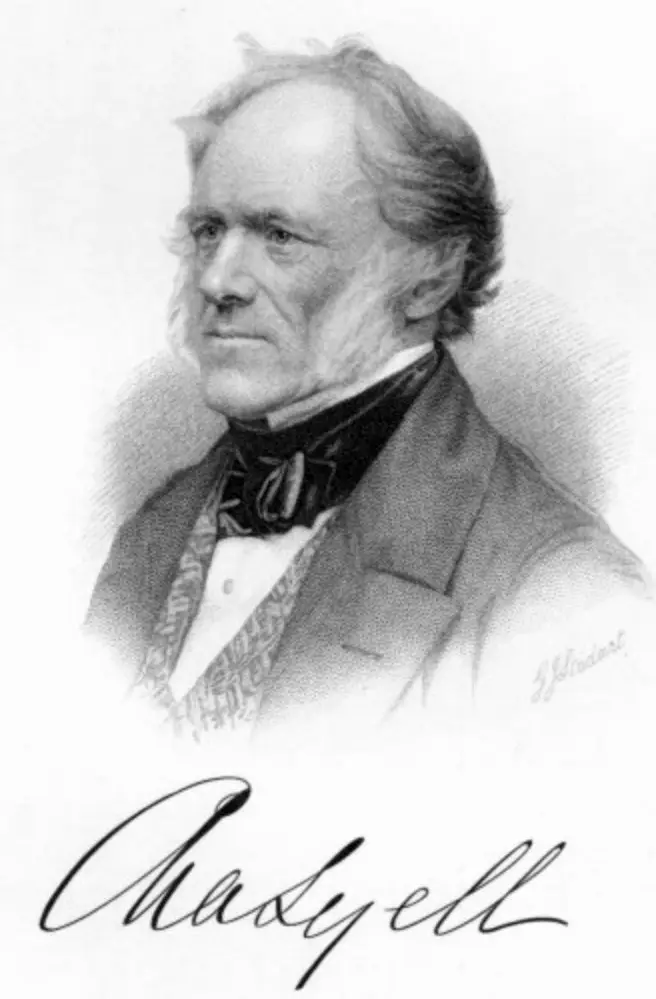
1858 | Charles Lyell | |
|
For his various researches and writings by which he has contributed to the advance of geology.
|
|||
|
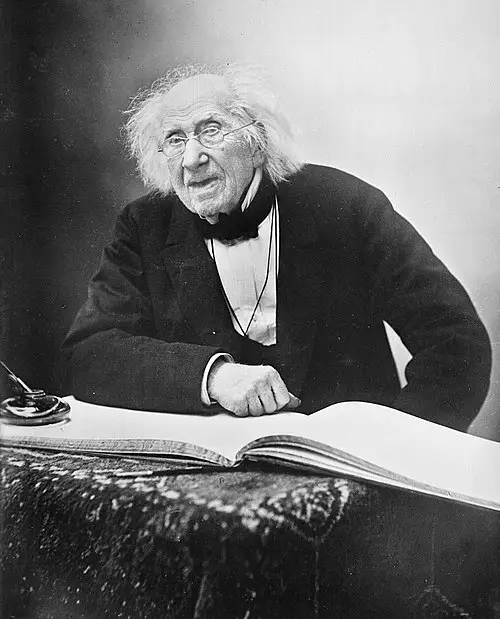
1857 | Michael Eugene Chevreul | |
|
For his researches in organic chemistry, particularly on the composition of the fats, andf for his researches on the contrast of coulours.
|
|||
|
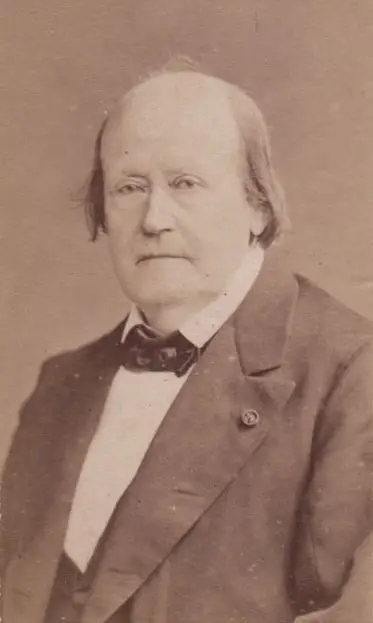
1856 | Henry Milne-Edwards | |
|
For his researches in comparative anatomy and zoology.
|
|||
|
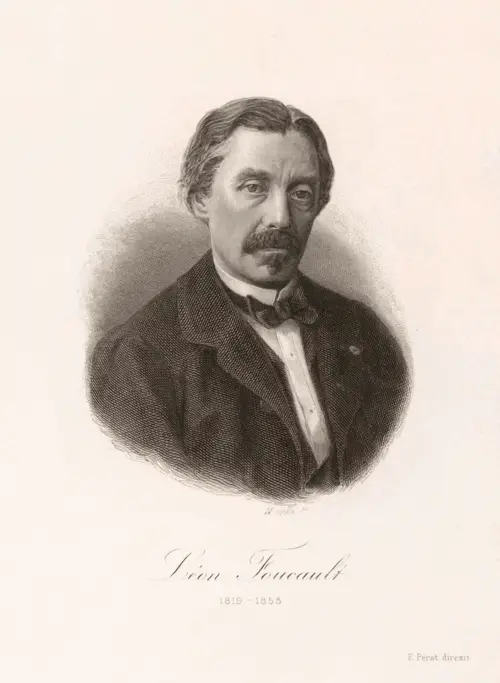
1855 | Jean Bernard Leon Foucault | |
|
For his various researches in experimental physics.1854 Johannes Muller. For his important contributions to different branches of physiology and comparative anatomy, and particularly for his researches on the embryology of the Echinodermata.
|
|||
|
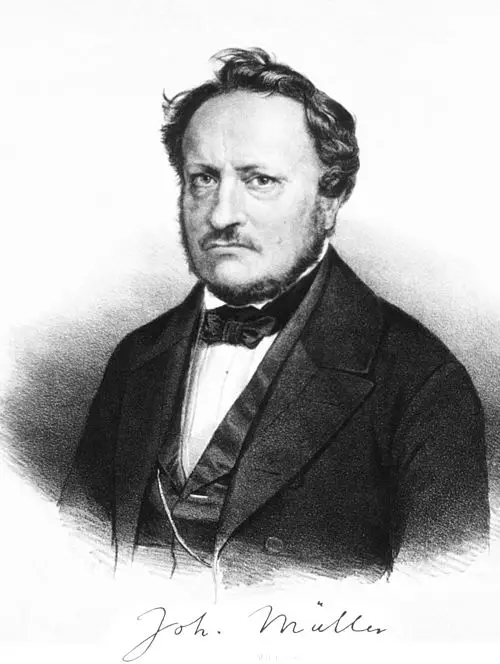
1854 | Johannes Peter Müller | |
|
For his important contributions to different branches of physiology and comparative anatomy, and particularly for his researches on the embryology of the Echinodermata, contained in a series of memoirs published in the Transactions of the Royal Academy of Sciences of Berlin
|
|||
|
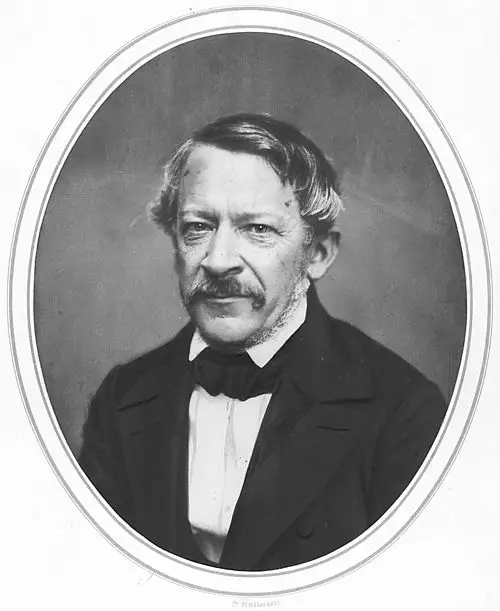
1853 | Heinrich Wilhelm Dove | |
|
For his work on the distribution of heat over the surface of the Earth.
|
|||
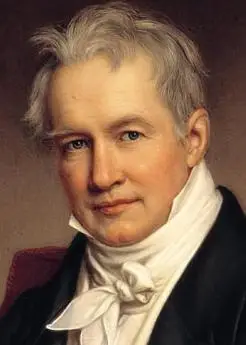
|
1852 | Alexander von Humboldt | |
|
For his eminent services in terrestrial physics, during a series of years.
|
|||
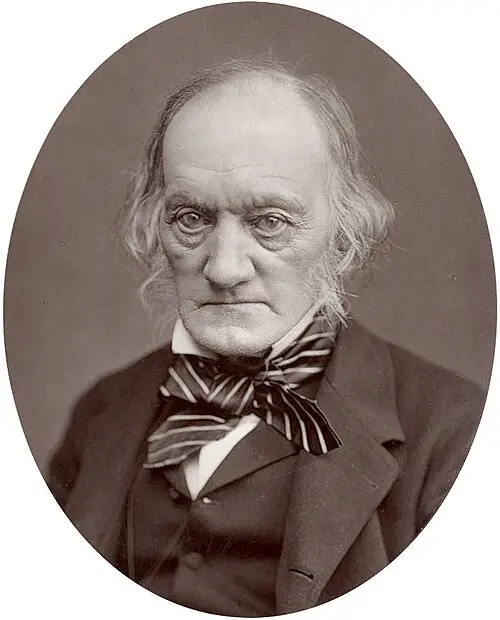
|
1851 | Richard Owen | |
|
On account of his important discoveries in comparative anatomy & palaeontology, contained in the Philosophical Transactions and numerous other works.
|
|||
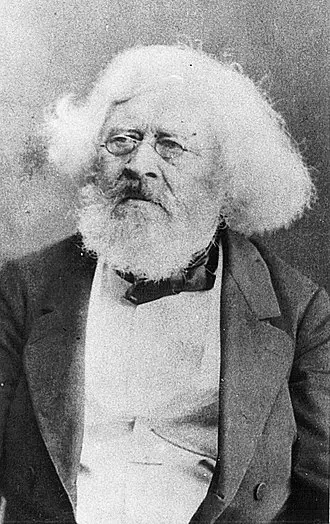
|
1850 | Peter Andreas Hansen | |
|
For his researches in physical astronomy.
|
|||
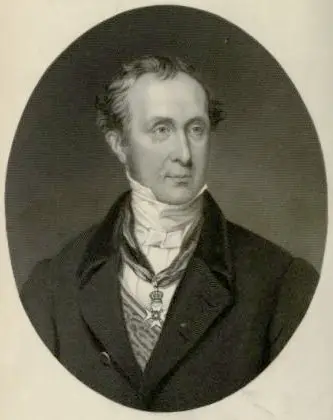
|
1849 | Roderick Impey Murchison | |
|
For the eminent services he has rendered to geological science during many years of active observation in several parts of Europe.
|
|||
|
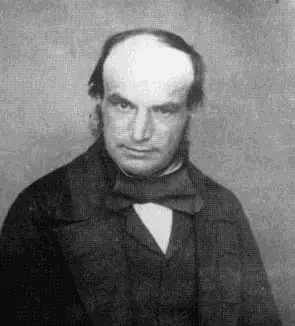
1848 | John Couch Adams | |
|
For his investigations relative to the disturbances of Uranus, and for his application of the inverse problem of perturbations thereto.
|
|||
|
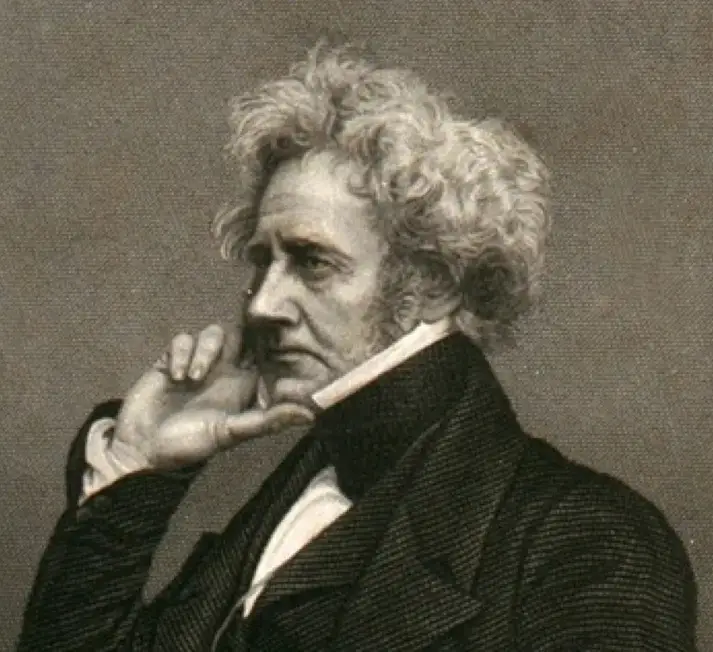
1847 | John Frederick William Herschel | |
|
For his work entitled Results of Astronomical Observations made during the years 1834, 1835, 1836, 1837 and 1838, at the Cape of Good Hope; being a completion of a telescopic survey of the whole surface of the visible heavens, commenced in 1825.
|
|||
|
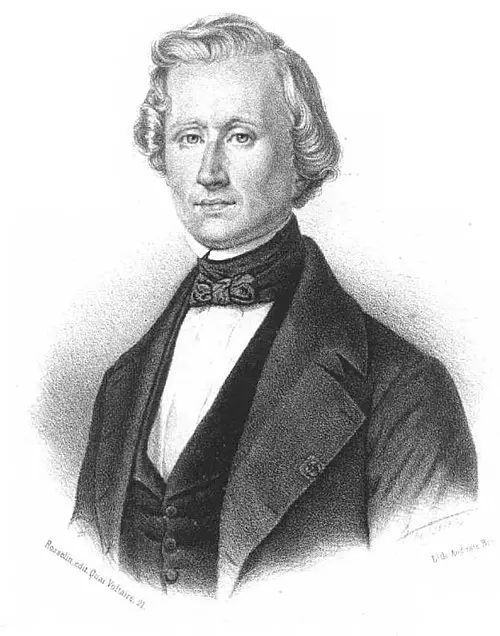
1846 | Urbain Jean Joseph Le Verrier | |
|
For his investigations relative to the disturbances of Uranus by which he proved the existence and predicted the place of the new Planet.
|
|||
|
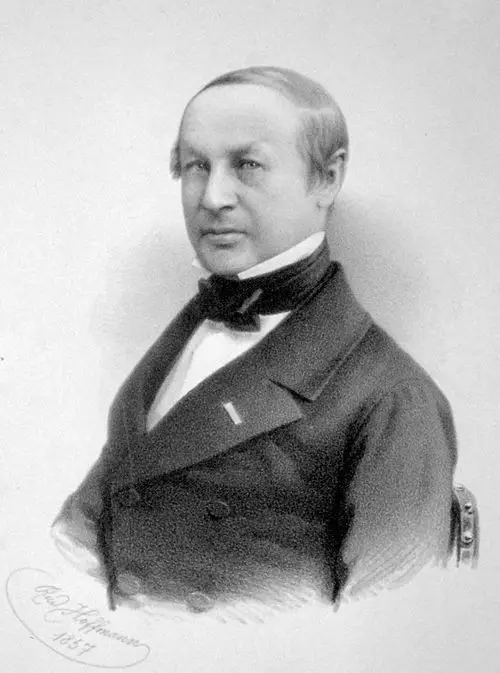
1845 | Theodor Schwann | |
|
For his physiological researches on the development of animal & vegetable textures, published in his work entitled Mikroskopische Untersuchungen uber die Uebereinstimmung in der Struktur u. dem Wachsthun der Thiese u. Bflanzen.
|
|||
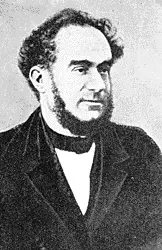
|
1844 | Carlo Matteucci | |
|
Show less
|
|||
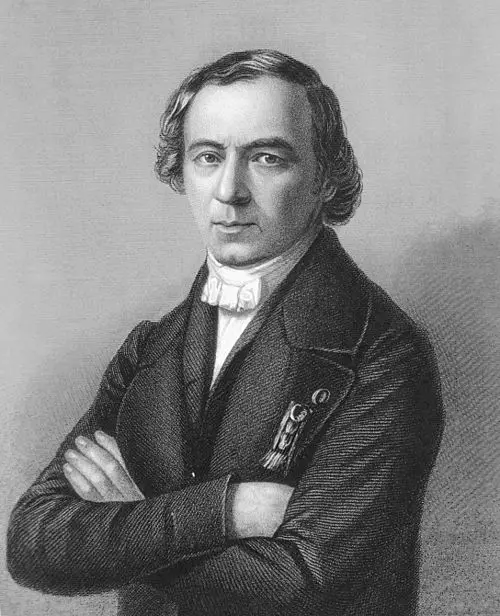
|
1843 | Jean Baptiste Dumas | |
|
For his late valuable researches in organic chemistry.
|
|||
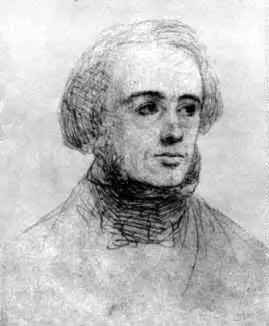
|
1842 | James MacCullagh | |
|
For his researches connected with the wave theory of light, contained in the Transactions of the Royal Irish Academy.
|
|||
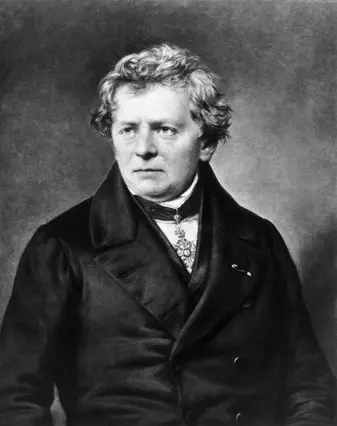
|
1841 | George Simon Ohm | |
|
For his researches into the laws of electric currents contained in various memoirs published in Schweiggers Journal, Poggendorffs Annalen and in a separate work entitled Die galvanische Kette mathematisch bearbeitet.
|
|||
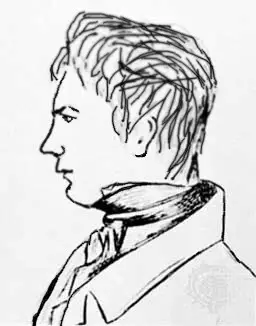
|
1840 | Jacques Charles Francois Sturm | |
|
For his "Memoire sur la Resolution des Equations Numeriques," published in the Memoires des Savans Etrangers for 1835.
|
|||
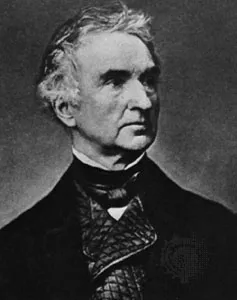
|
1840 | Justus Liebig | |
|
For his discoveries in organic chemistry, and particularly for his development of the composition and theory of organic radicals.
|
|||
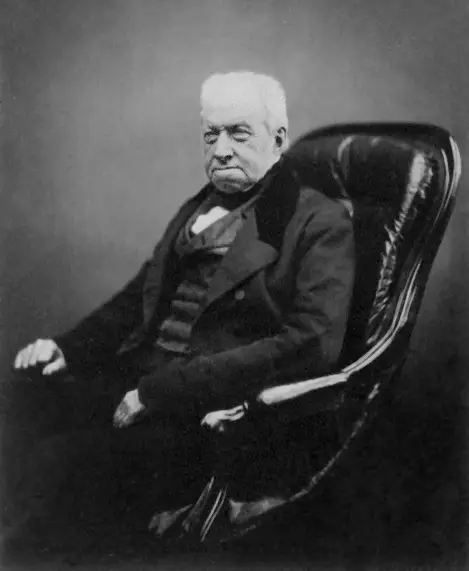
|
1839 | Robert Brown | |
|
For his discoveries during a series of years, on the subject of vegetable impregnation.
|
|||
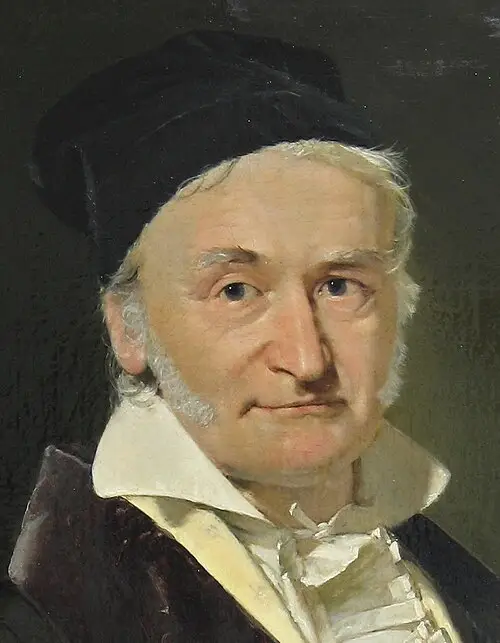
|
1838 | Karl Friedrich Gauss | |
|
For his inventions and mathematical researches in magnetism.
|
|||
|
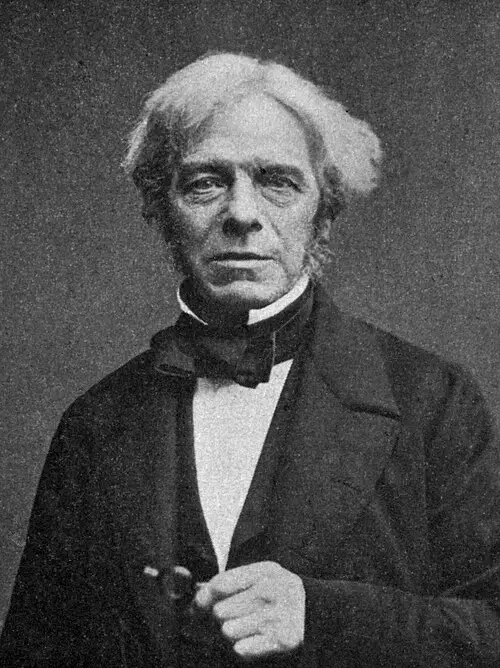
1838 | Michael Faraday | |
|
For his researches in specific electrical induction.
|
|||

|
1837 | Antoine César Becquerel | |
|
For his various memoirs on the subject of electricity, published in the Memoires deacademie Royale des Sciences de lInstitut de France, and particularly for those on the production of crystals of metallic sulphurets and of sulphur, by the long-continued action of electricity of very low tension, and published in the tenth volume of those Memoires.
|
|||
|
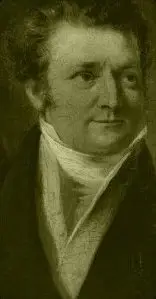
1837 | John Frederic Daniell | |
|
John Frederic Daniell. For his various memoirs on the subject of electricity, published in the Memoires deacademie Royale des Sciences de lInstitut de France.
|
|||
|
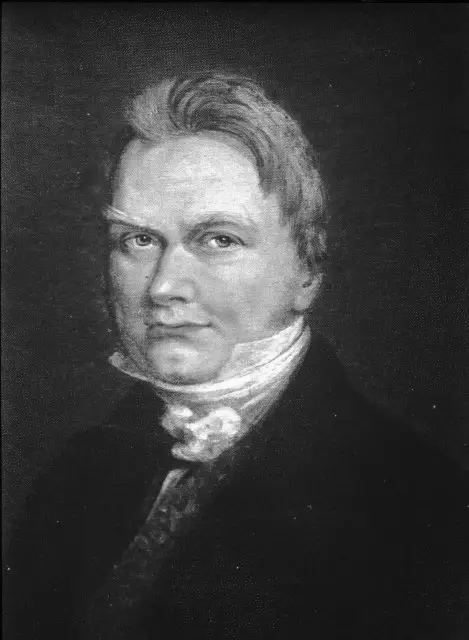
1836 | Jons Jacob Bezelius | |
|
For his systematic application of the doctrine of definite proportions to the analysis of mineral bodies, as contained in his Nouveau Systeme de Mineralogie, and in other of his works.
|
|||
|
|
1836 | Francis Kiernan | |
|
For his discoveries relating to the structure of the liver, as detailed in his paper communicated to the Royal Society, and published in the Philosophical Transactions for 1833.
|
|||
|
|
1835 | William Snow Harris | |
|
For his experimental investigations of the force of electricity of high intensity contained in the Philosophical Transactions of 1834.
|
|||
|
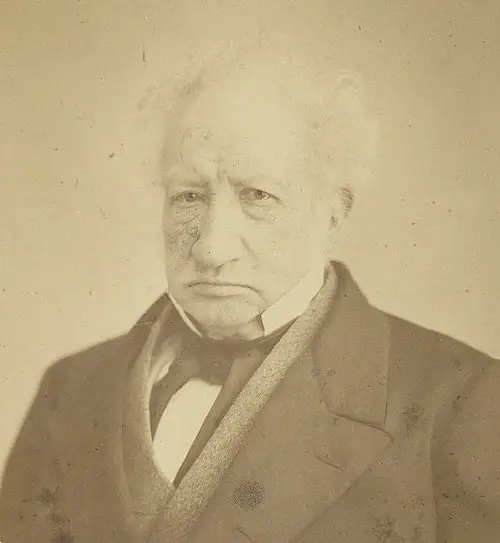
1834 | Giovanni Plana | |
|
For his work entitled, Theorie du Mouvement de la Lune.
|
|||
|
|
1832 | Michael Faraday | |
|
For his discovery of Magneto-Electricity as detailed in his Experimental Researches in Electricity, published in the Philosophical Transactions for the present year.
|
|||
|
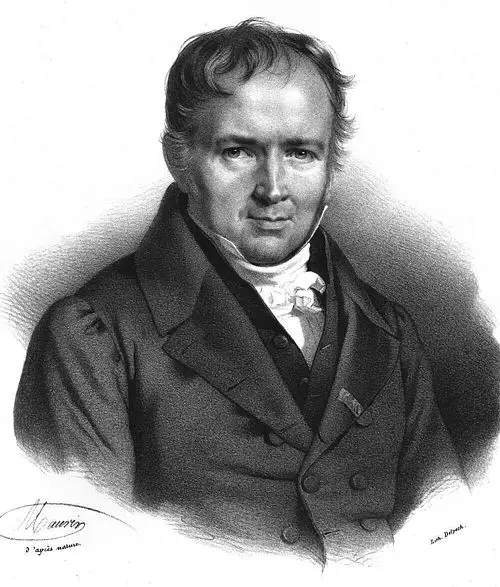
1832 | Simeon Denis Poisson | |
|
For his work entitled, Nouvelle Theorie de lAction Capillaire.
|
|||
|
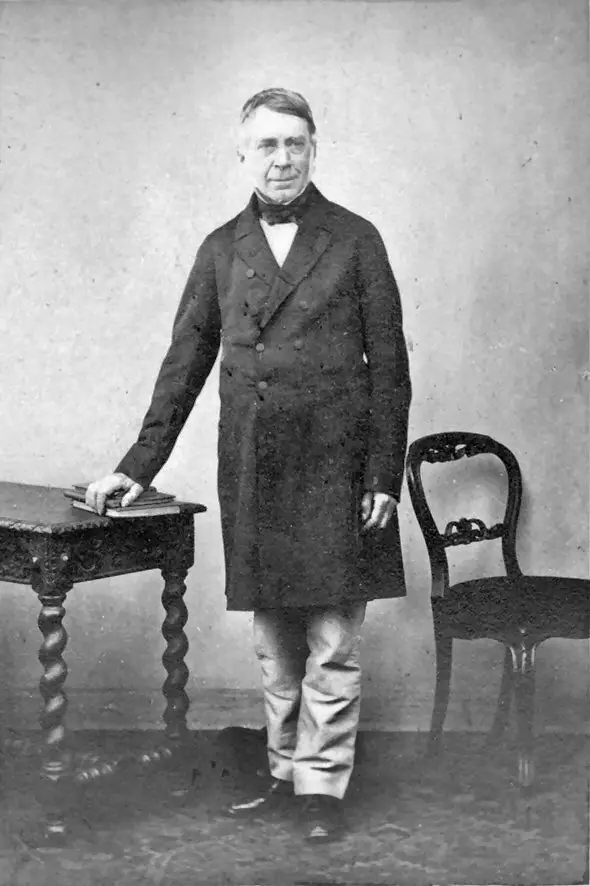
1831 | George Biddell Airy | |
|
For his Papers, On the principle of the construction of the Achromatic Eye-pieces of Telescopes, - On the Spherical Aberration of the Eye-pieces of Telescopes, and for other Papers on Optical Subjects.
|
|||
|
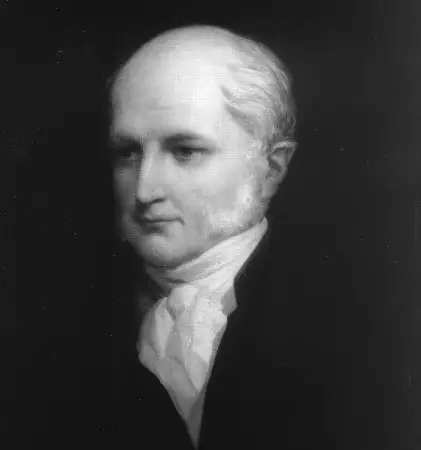
1827 | William Prout and Henry Foster | |
|
Show less
|
|||
|
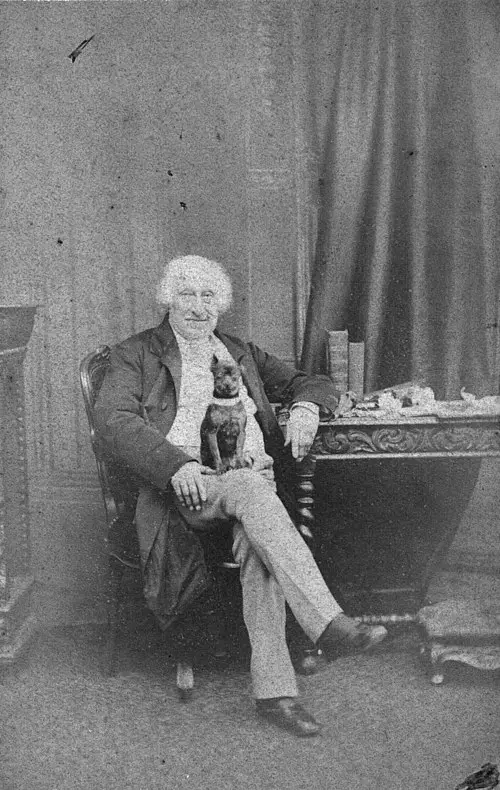
1826 | James South | |
|
For his observations of Double Stars, and his Paper on the Discordances between the Suns observed and computed Right Ascensions, published in the Transactions of the Society.
|
|||
|
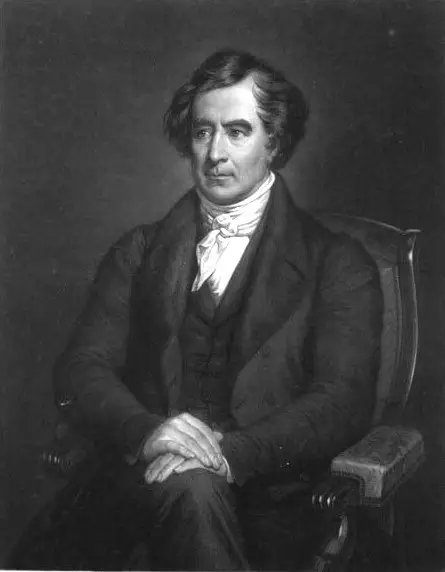
1825 | Francois Arago | |
|
For the Discovery of the Magnetic Properties of substances not containing Iron. For the Discovery of the power of various bodies, principally metallic.
|
|||
|
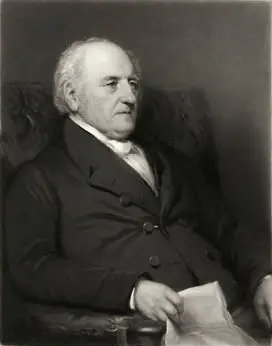
1825 | Peter Barlow | |
|
For his various Communications on the subject of Magnetism.
|
|||
|
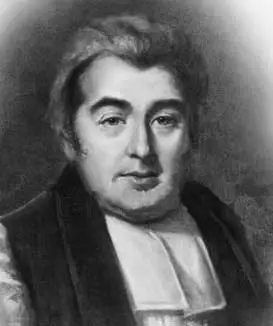
1824 | John Brinkley | |
|
For his various Communications to the Royal Society.
|
|||
|
|
1823 | John Pond | |
|
For his various Communications to the Royal Society.
|
|||
|
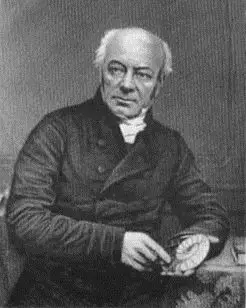
1822 | William Buckland | |
|
For his Paper on the Fossil Teeth and Bones discovered in a Cave at Kirkdale.
|
|||
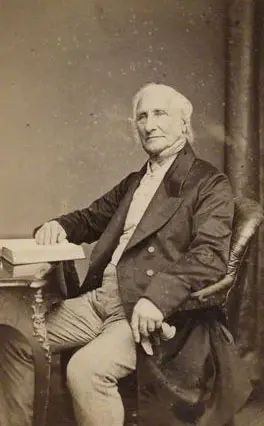
|
1821 | Edward Sabine | |
|
For his various Communications to the Royal Society relating to his researches made in the late Expedition to the Arctic Regions.
|
|||
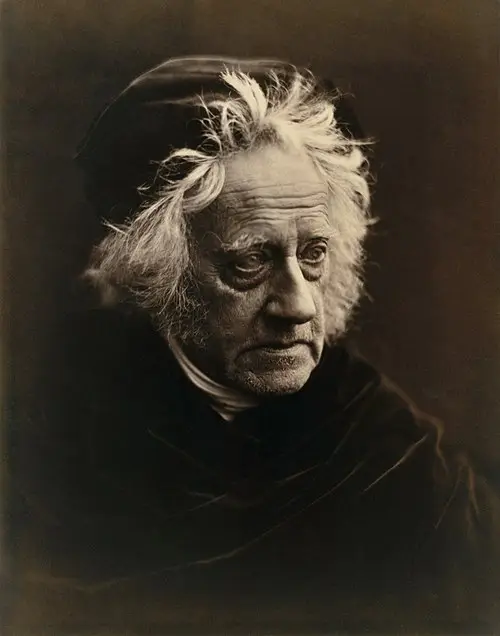
|
1821 | John FW Herschel | |
|
For his Papers printed in the Philosophical Transactions.
|
|||
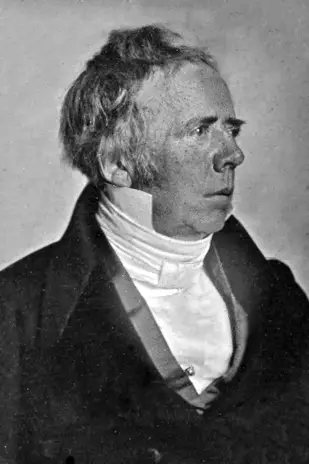
|
1820 | John Christian Oersted | |
|
For his Electro-magnetic Discoveries.
|
|||
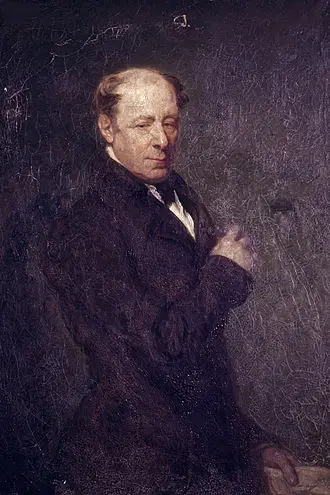
|
1818 | Robert Seppings | |
|
For his Papers on the construction of Ships of War, printed in the Philosophical Transactions.
|
|||
|
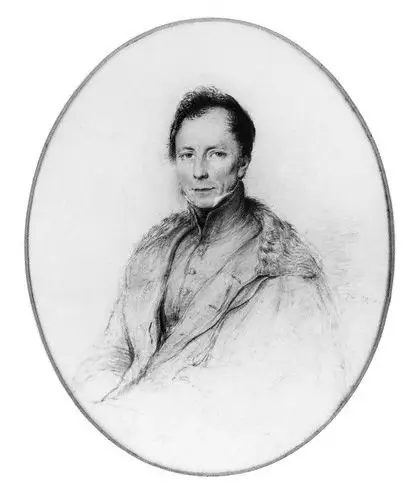
1817 | Henry Kater | |
|
For his Experiments on the Pendulum.
|
|||
|
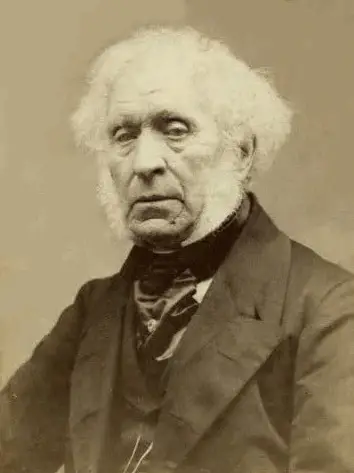
1815 | David Brewster | |
|
For his Paper on the Polarization of Light by Reflection from Transparent Bodies.
|
|||
|
|
1814 | James Ivory | |
|
For his various Mathematical Contributions printed in the Philosophical Transactions.
|
|||
|
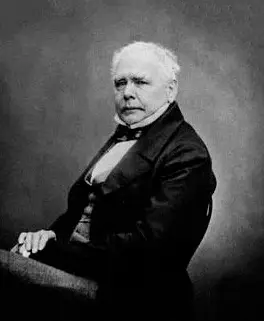
1813 | William Thomas Brande | |
|
For his Communications concerning the Alcohol contained in Fermented Liquors and other Papers, printed in the Philosophical Transactions.
|
|||
|
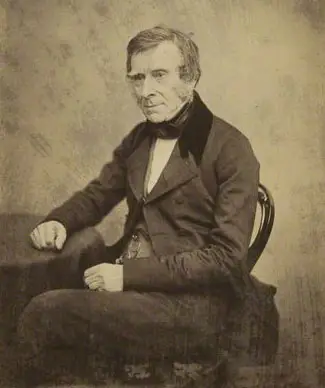
1811 | Benjamin Collins Brodie | |
|
For his Papers printed in the Philosophical Transactions. On the influence of the Brain on the action of the Heart, and the generation of Animal Heat; and on the different modes in which death is brought on by certain Vegetable Poisons.
|
|||
|
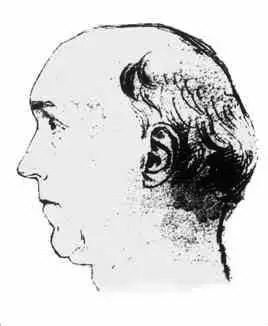
1809 | Edward Troughton | |
|
For the Account of his Method of dividing Astronomical Instruments, printed in the last volume of the Philosophical Transactions.
|
|||
|
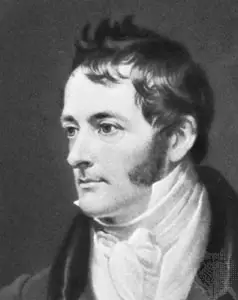
1808 | William Henry | |
|
For his various papers communicated to the society, and printed in the Philosophical Transactions.
|
|||
|
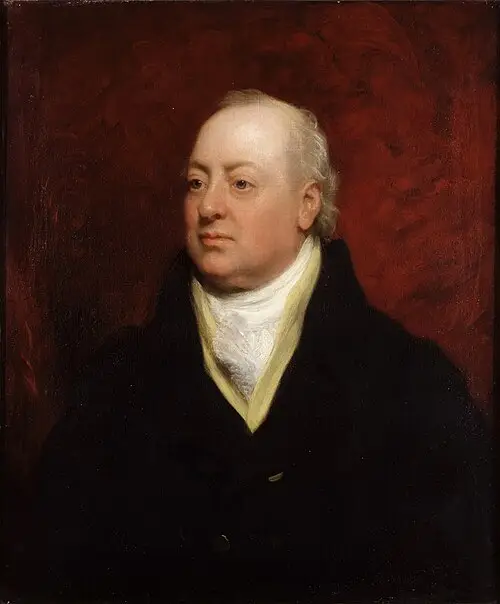
1807 | Everard Home | |
|
For his various Papers on Anatomy and Physiology, printed in the Philosophical Transactions.
|
|||
|
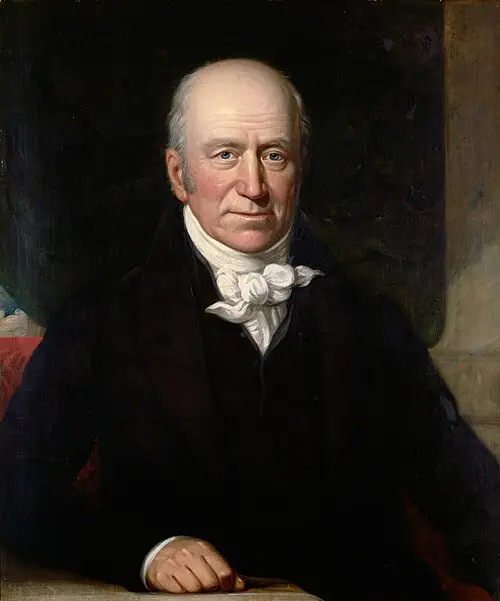
1806 | Thomas Andrew Knight | |
|
For his various Papers on Vegetation, printed in the Philosophical Transactions.
|
|||
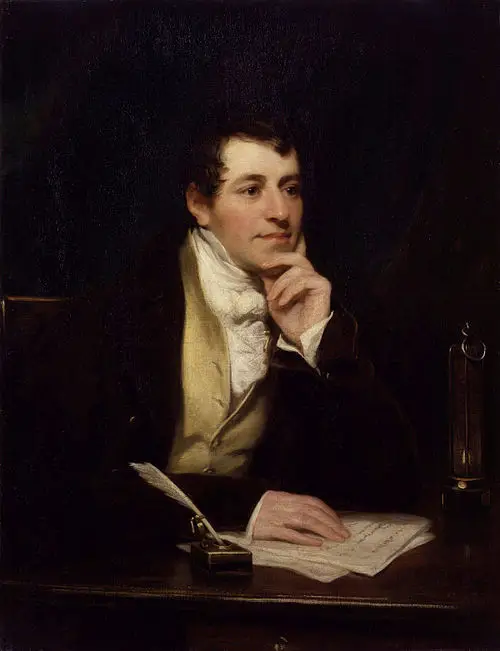
|
1805 | Humphry Davy | |
|
For his various Communications published in the Philosophical Transactions.
|
|||
|
|
1804 | Smithson Tennant | |
|
For his various Chemical Discoveries communicated to the Society, and printed in several volumes of the Philosophical Transactions.
|
|||
|
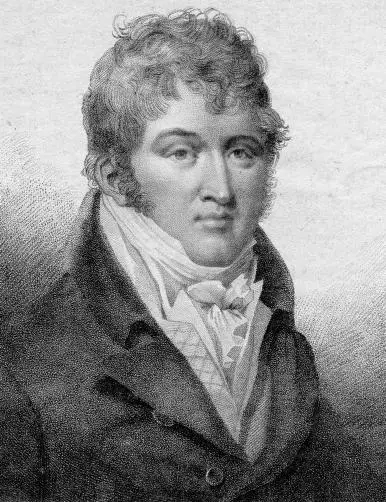
1803 | Richard Chenevix | |
|
For his various Chemical Papers printed in the Philosophical Transactions.
|
|||
|
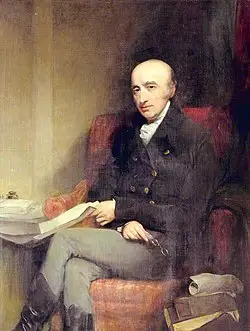
1802 | William Hyde Wollaston | |
|
For his various Papers printed in the Philosophical Transactions.
|
|||
|
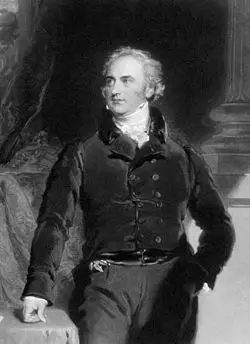
1801 | Astley Paston Cooper | |
|
For his Papers - on the effects which take place from the destruction of the Membrana Tympani of the Ear; with an account of an operation for the removal of a particular species of Deafness.
|
|||
|
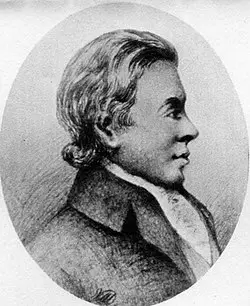
1800 | Edward Howard | |
|
For his Paper on a New Fulminating Mercury.
|
|||
|
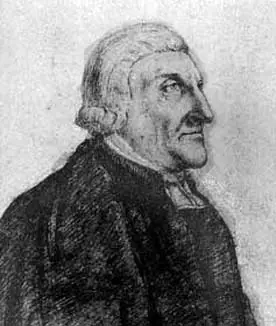
1799 | John Hellins | |
|
For his improved Solution of a problem in Physical Astronomy, &c. printed in the Philosophical Transactions for the year 1798; and his other Mathematical Papers.
|
|||
|
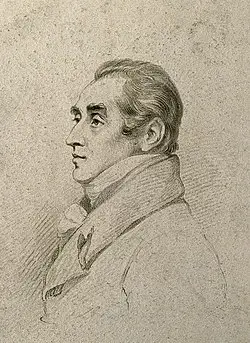
1798 | Charles Hatchett | |
|
For his Chemical Communications printed in the Philosophical Transactions.
|
|||
|
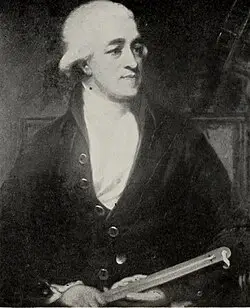
1798 | George Shuckburgh Evelyn | |
|
For his various Communications printed in the Philosophical Transactions.
|
|||
|
|
1796 | George Attwood | |
|
For his Paper on the construction and analysis of geometrical propositions determining the positions assumed by homogeneal bodies which float freely, and at rest; and also determining the Stability of Ships and other floating bodies.
|
|||
|
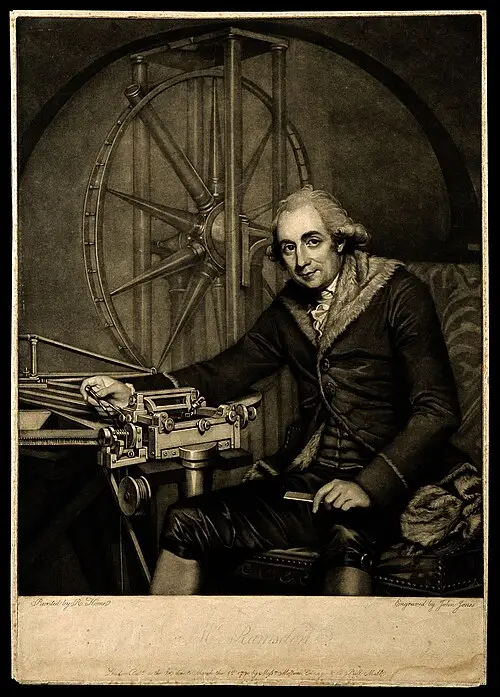
1795 | Jesse Ramsden | |
|
For his various inventions and improvements in the construction of the Instruments for the Trigonometrical measurements carried on by the late Major General Roy, and by Lieut. Col. Williams and his associates.
|
|||
|
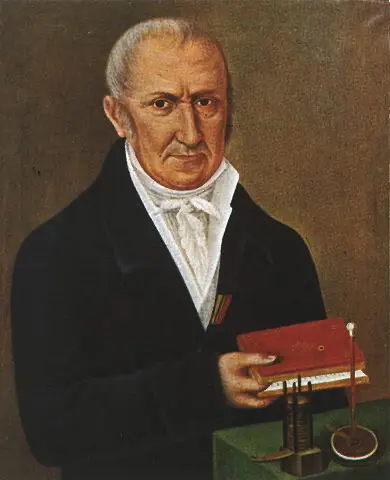
1794 | Volta, of Pavia | |
|
For his several Communications explanatory of certain Experiments published by Professor Galvani.
|
|||
|
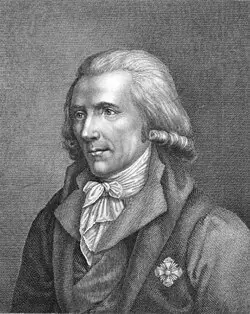
1792 | Benjamin, Count of Rumford | |
|
For his various Papers on the Properties and Communication of Heat.
|
|||
|
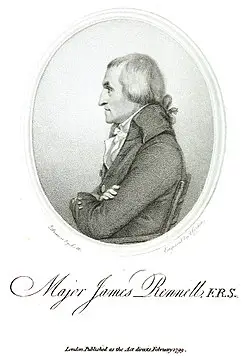
1791 | James Rennell | |
|
For his Paper on the Rate of Travelling as performed by Camels, printed in the last (81st) volume of the Philosophical Transactions.
|
|||
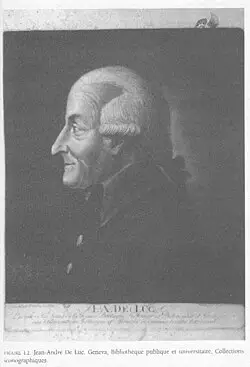
|
1791 | John Andrew de Luc | |
|
For his Improvements in Hygrometry.
|
|||
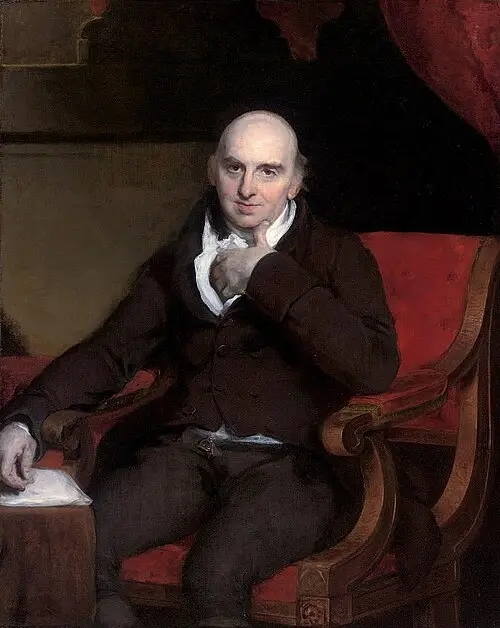
|
1789 | William Morgan | |
|
For his two Papers on the values of Reversions and Survivorships, printed in the two last volumes of the Philosophical Transactions.
|
|||
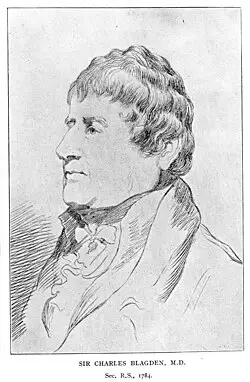
|
1788 | Charles Blagden | |
|
For his two Papers on Congelation, printed in the last (78th) volume of the Philosophical transactions.
|
|||
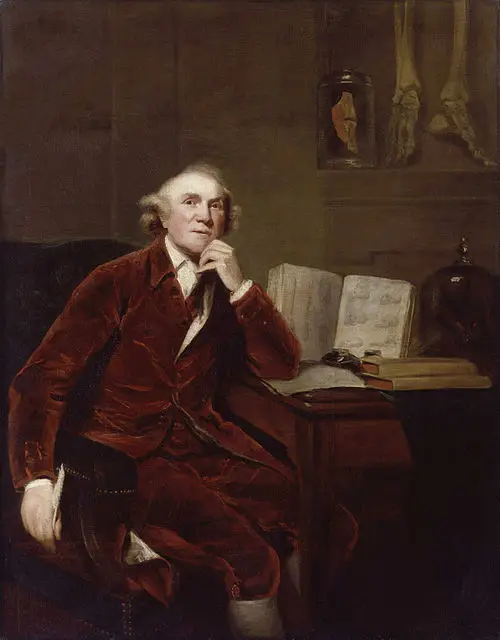
|
1787 | John Hunter | |
|
For his three Papers, - On the Ovaria, On the identity of the dog, wolf, and jackall species, and On the anatomy of Whales, printed in the Philosophical Transactions for 1787.
|
|||
|
|
1785 | William Roy | |
|
For his Measurement of a Base on Hounslow Heath.
|
|||
|
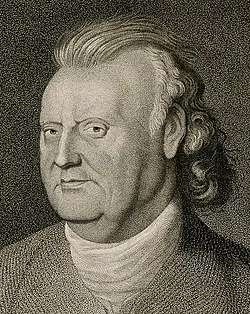
1784 | Edward Waring | |
|
For his Mathematical Communications to the Society. For his Paper On the Summation of Series, whose general term is a determinate function of z the distance from the first term of the series.
|
|||
|
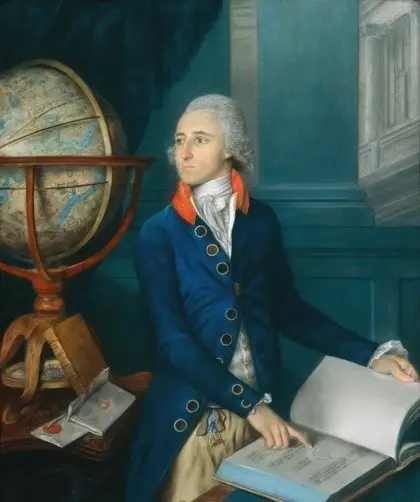
1783 | John Goodricke | |
|
For his discovery of the Period of the Variation of Light in the Star Algol.
|
|||
|
|
1783 | Thomas Hutchins | |
|
For his Experiments to ascertain the point of Mercurial Congelation.
|
|||
|
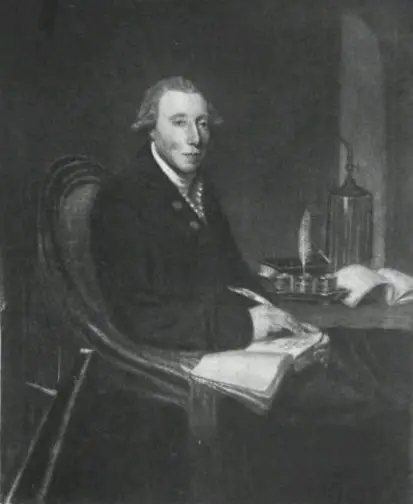
1782 | Richard Kirwan | |
|
As a reward for the merit of his labours in the science of Chemistry. For his chemical analyses of Salts.
|
|||
|
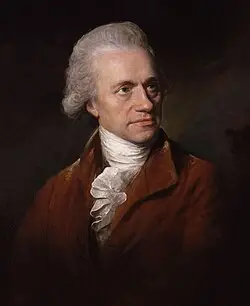
1781 | William Herschel | |
|
For the Communication of his Discovery of a new and singular Star; a discovery which does him particular honour, as, in all probability, this start has been for many years, perhaps ages, within the bounds of astronomic vision.
|
|||
|
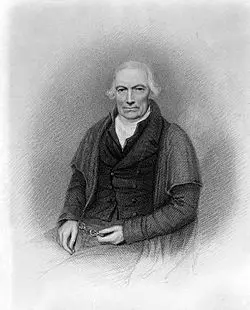
1780 | Samuel Vince | |
|
For his paper, entitled, An investigation of the Principles of Progressive and Rotatory Motion, printed in the Philosophical Transactions.
|
|||
|
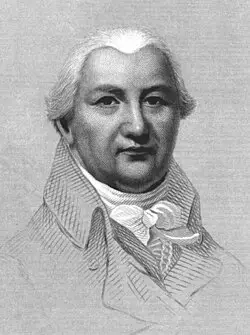
1778 | Charles Hutton | |
|
For his paper, entitled, The force of Fired Gunpowder, and the initial velocity of Cannon Balls, determined by Experiments.
|
|||
|
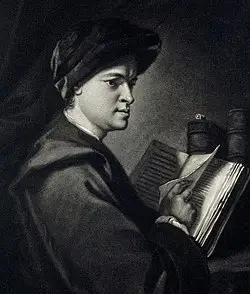
1777 | John Mudge | |
|
On account of his valuable Paper containing directions for making the best Composition for the metals of Reflecting Telescopes; together with a description of the process for grinding, polishing, and giving the best speculum the true parabolic form.
|
|||
|
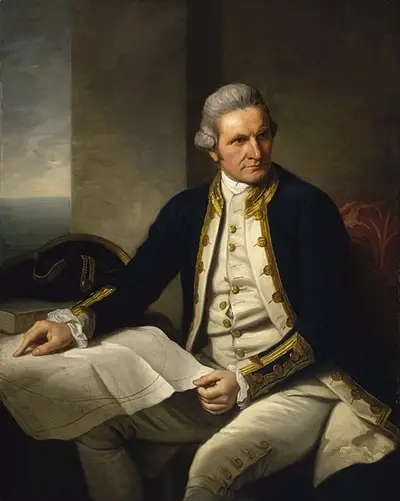
1776 | James Cook | |
|
For his Paper, giving an account of the method he had taken to preserve the health of the crew of H.M. Ship the Resolution, during her late voyage round the world. Whose communication to the Society was of such importance to the public.
|
|||
|
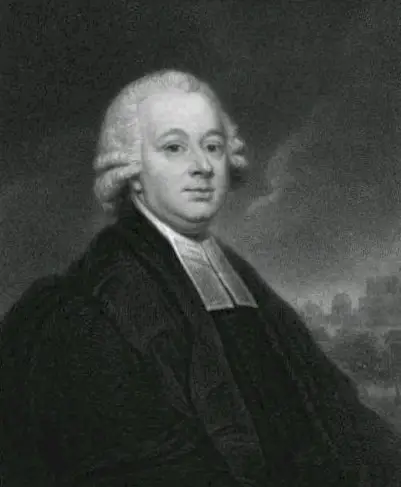
1775 | Nevil Maskelyne | |
|
In consideration of his curious and laborious Observations on the Attraction of Mountains, made in Scotland, - on Schehallien.
|
|||
|
|
1773 | John Walsh | |
|
For his Paper on the Torpedo.
|
|||
|
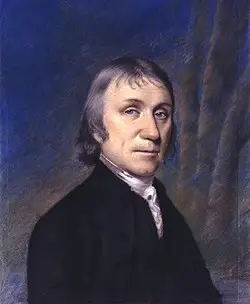
1772 | Joseph Priestley | |
|
On account of the many curious and useful Experiments contained in his observations on different kinds of Air, read at the Society in March, 1772, and printed in the Philosophical Transactions.
|
|||
|
|
1771 | Matthew Raper | |
|
For his paper entitled, An Enquiry into the value of ancient Greek and Roman Money.
|
|||
|
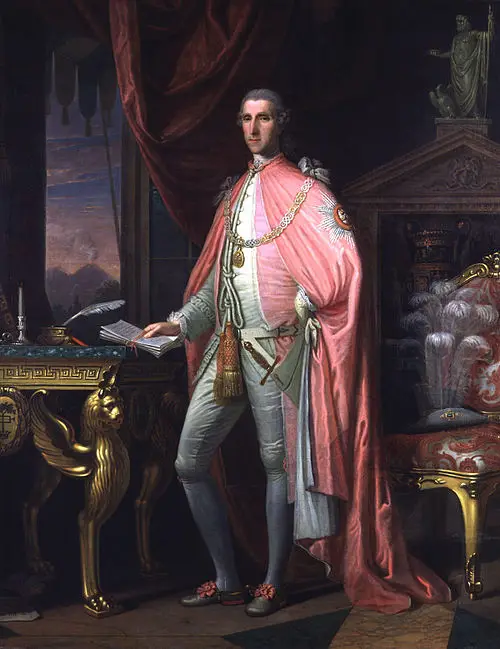
1770 | William Hamilton | |
|
For his Paper, entitled, An Account of a Journey to Mount Etna.
|
|||
|
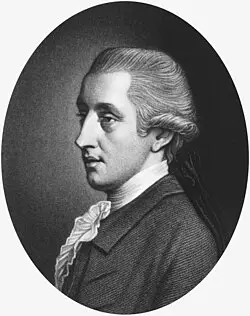
1769 | William Hewson | |
|
For his Two Papers, entitled, An Account of the Lymphatic System in Amphibious Animals, - and An Account of the Lymphatic System in Fish.
|
|||
|
|
1768 | Peter Woulfe | |
|
For his Experiments on the Distillation of Acids, Volatile Alkalies, and other substances.
|
|||
|
|
1767 | John Ellis | |
|
For his Papers of the year 1767, On the animal nature of the Genus of Zoophytes called Corallina, and the Actinia Sociata, or Clustered Animal Flower, lately found on the sea coasts of the new-ceded Islands.
|
|||
|
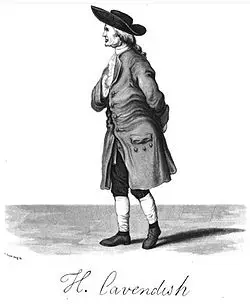
1766 | Henry Cavendish | |
|
For his Paper communicated this present year, containing his Experiments relating to Fixed Air.
|
|||
|
|
1766 | William Brownrigg | |
|
For an experimental enquiry into the Mineral Elastic Spirit, or Air, contained in Spa-Water; as well as into the Mephitic qualities of this Spirit.
|
|||
|
|
1766 | Edward Delaval | |
|
For his Experiments and Observations on the agreement between the specific gravities of the several Metals, and their colours when united to glass, as well as those of their other preparations.
|
|||
|
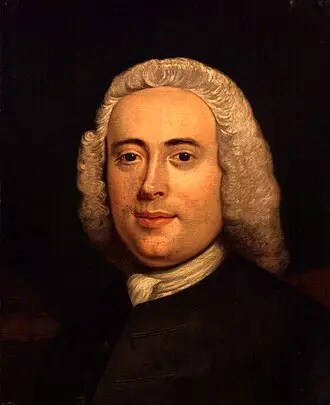
1764 | John Canton | |
|
For his very ingenious and elegent Experiments in the Air Pump and Condensing Engine, to prove the Compressibility of Water, and some other Fluids.
|
|||
|
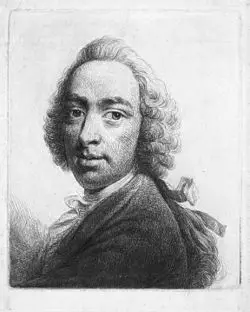
1760 | Benjamin Wilson | |
|
For his many curious Experiments in Electricity, communicated to the Society within the year.
|
|||
|
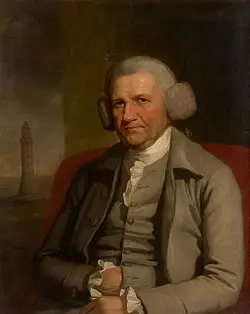
1759 | John Smeaton | |
|
On account of his curious Experiments concerning Water-wheels and Wind-mill Sails, communicated to the Society.
|
|||
|
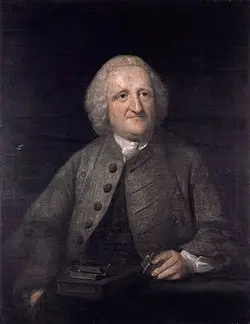
1758 | John Dollond | |
|
On account of his curious Experiments and Discoveries concerning the different refrangibility of the Rays of Light, communicated to the Society.
|
|||
|
|
1757 | Charles Cavendish | |
|
On account of his very curious and useful invention of making Thermometers, showing respectively the greatest degrees of heat and cold which have happened at any time during the absence of the observer.
|
|||
|
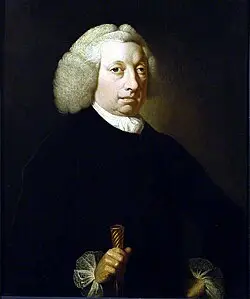
1755 | John Huxham | |
|
For his many useful Experiments on Antimony, of which an account had been read to the Society.
|
|||
|
|
1754 | William Lewis | |
|
For the many Experiments made by him on Platina, which tend to the discovery of the sophistication of gold: - which he would have entirely completed, but was obliged to put a stop to his further enquiries for want of materials.
|
|||
|
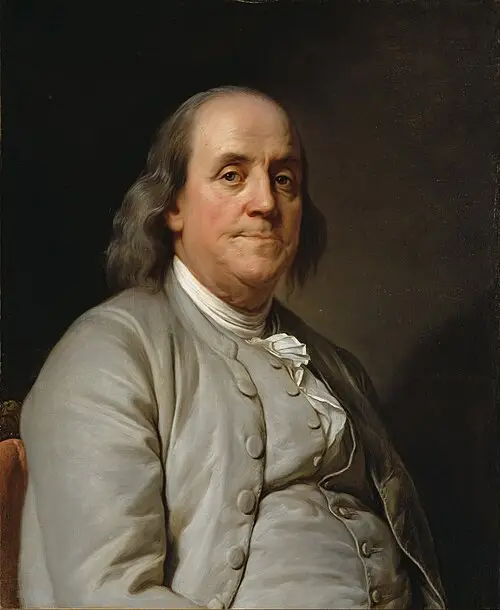
1753 | Benjamin Franklin | |
|
On account of his curious Experiments and Observations on Electricity.
|
|||
|
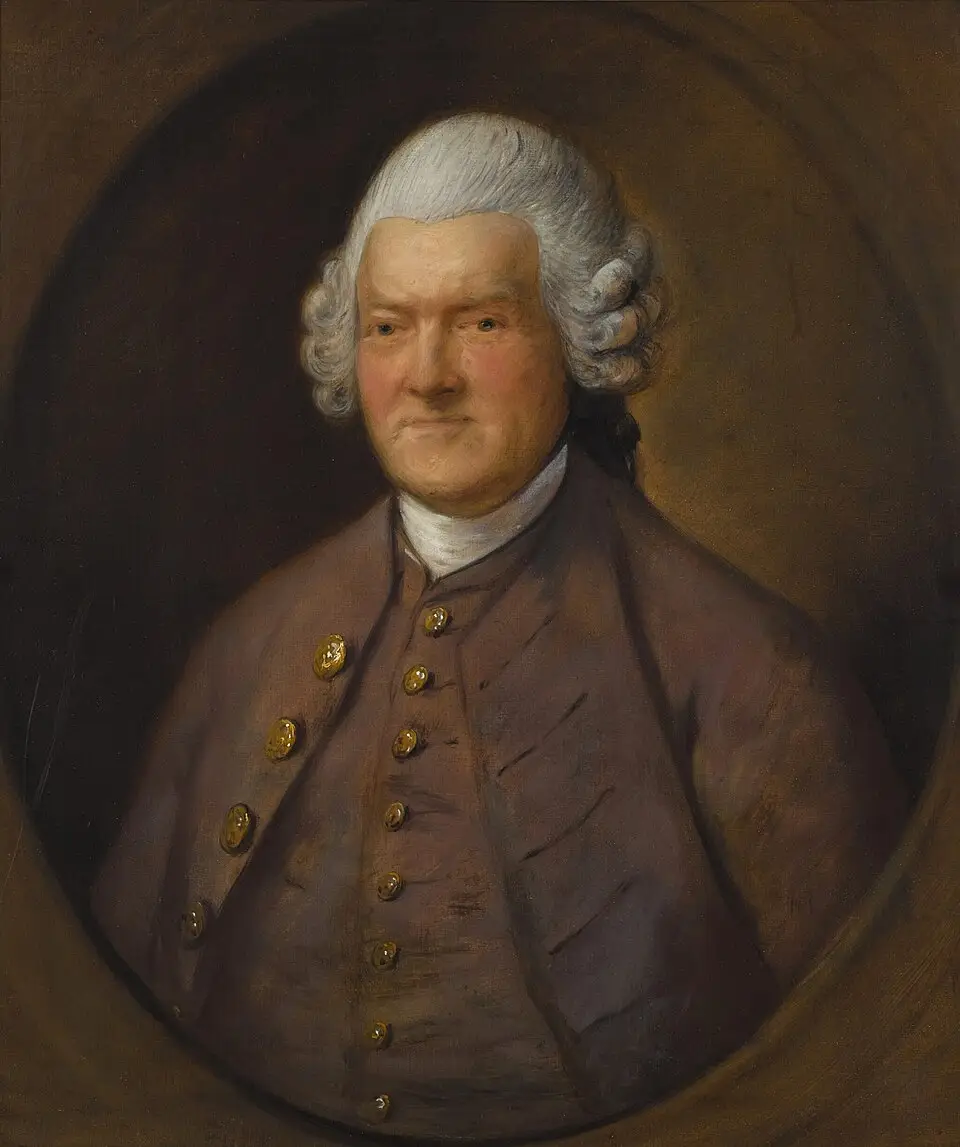
1752 | John Pringle | |
|
On account of his very curious and useful Experiments and Observations on Septic and Anti-septic Substances, communicated to the Society.
|
|||
|
|
1751 | John Canton | |
|
On account of his communicating to the Society, and exhibiting before them, his curious method of making Artificial Magnets without the use of Natural ones.
|
|||
|
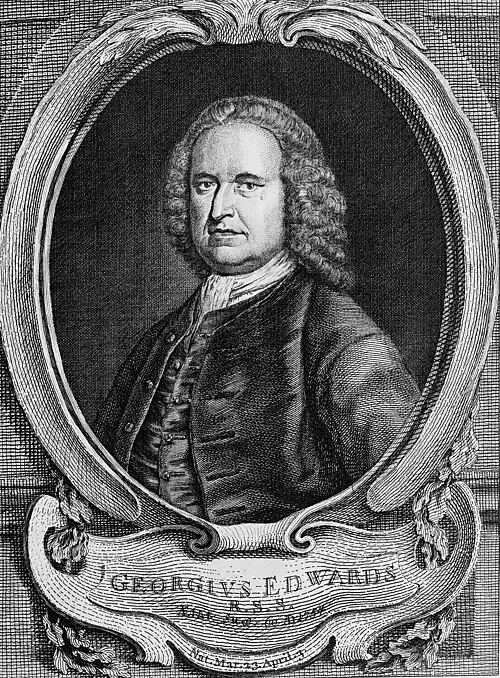
1750 | George Edwards | |
|
On account of a very curious Book lately published by him, and intiyled, A Natural History of Birds.
|
|||
|
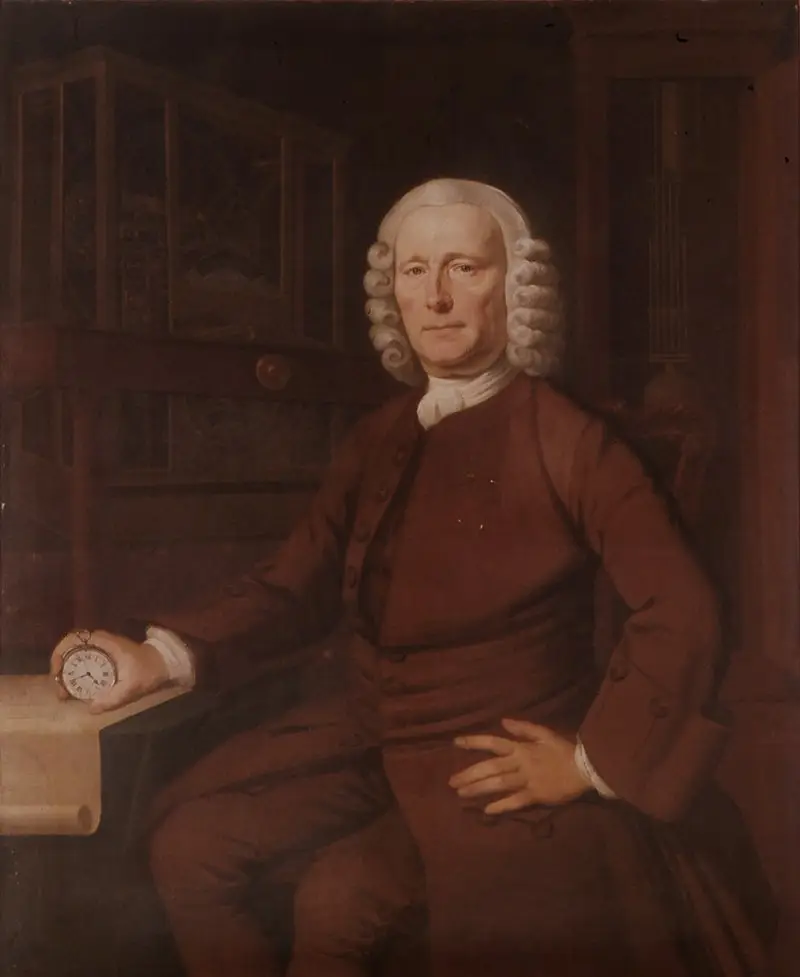
1749 | John Harrison | |
|
On account of those very curious Instruments, invented and made by him, for the exact mensuration of Time.
|
|||
|
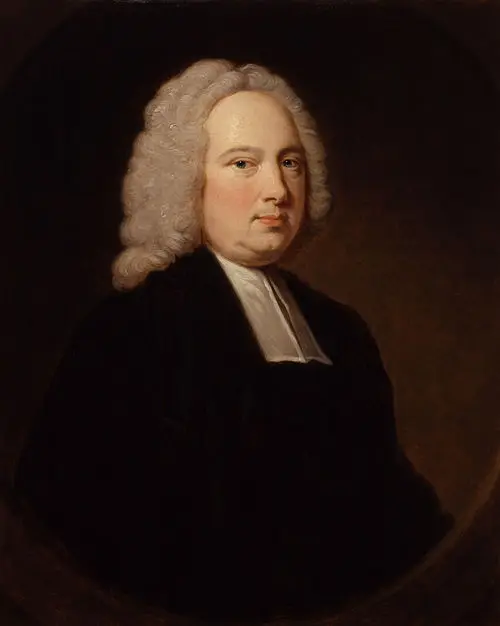
1748 | James Bradley | |
|
On account of his very curious and wonderful discoveries in the apparent motion of the Fixed Stars, and the causes of such apparent motion.
|
|||
|
1747 | Gowin Knight | |
|
On account of several very curious Experiments exhibited by him, both with Natural and Artificial Magnets.
|
|||
|
|
1746 | Benjamin Robins | |
|
On account of his curious Experiments for showing the resistance of the Air, and his rules for establishing his doctrine thereon for the motion of Projectiles.
|
|||
|
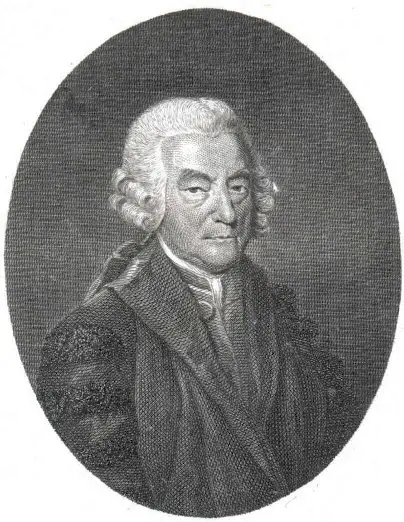
1745 | William Watson | |
|
On account of the surprising discoveries in the phenomena of Electricity, exhibited in his late Experiments.
|
|||
|
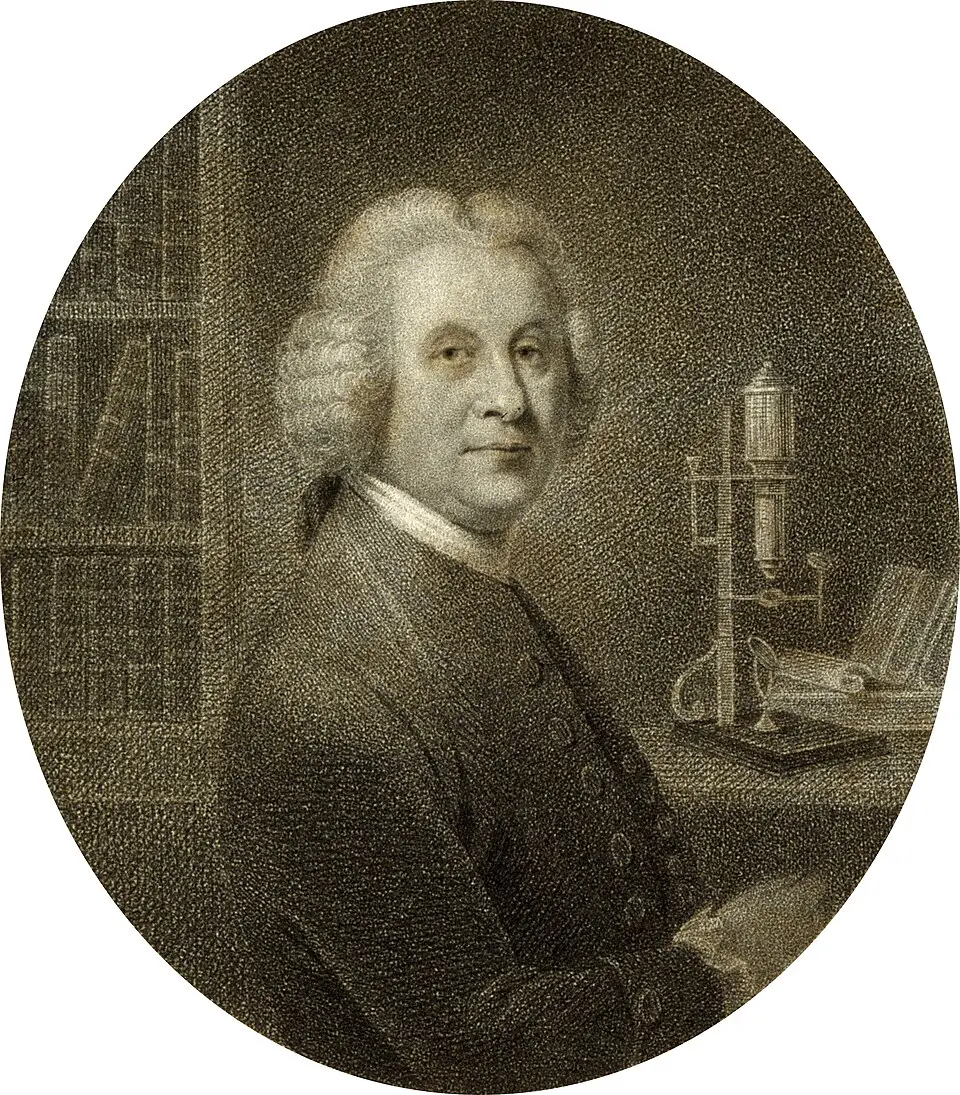
1744 | Henry Baker | |
|
For his curious Experiments relating to the Crystallization or Configuration of the minute particles of Saline Bodies dissolved in a menstruum.
|
|||
|
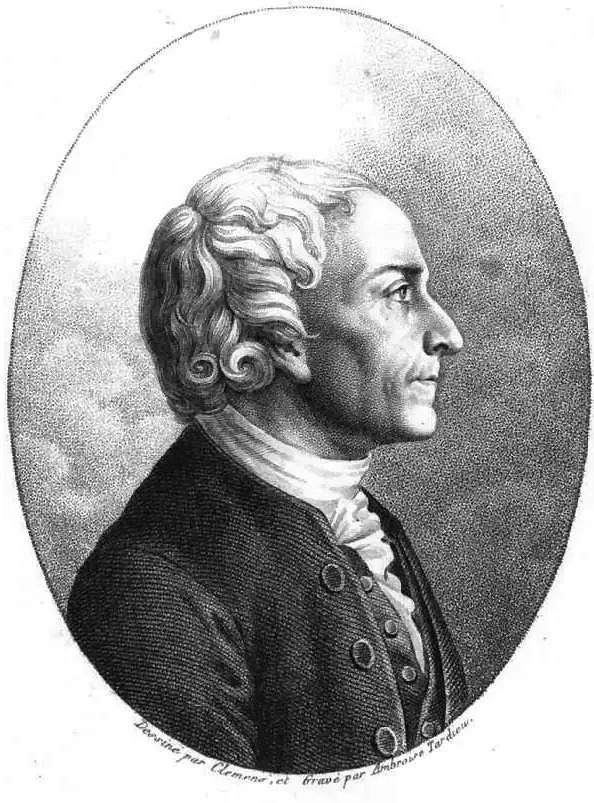
1743 | Abraham Trembley | |
|
For his Experiments on the Polypus.
|
|||
|
|
1742 | Christopher Middleton | |
|
For the communication of his Observations in the attempt of discovering a North-West passage to the East Indies through Hudsons Bay.
|
|||
|
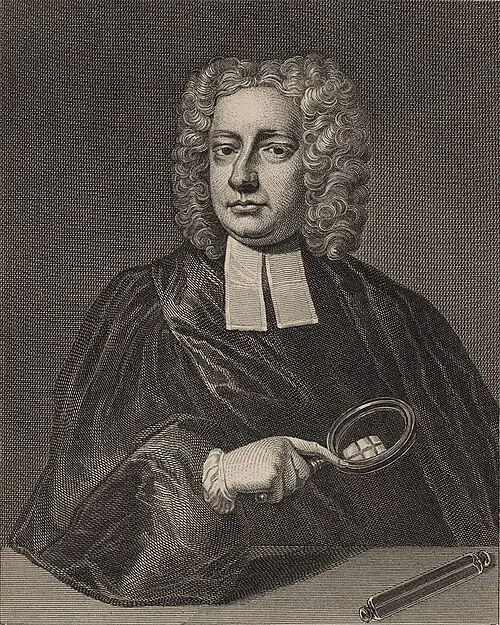
1741 | John Theophilus Desaguliers | |
|
For his Experiments towards the discovery of the properties of Electricity. As an addition to his allowance (as Curator) for the present year.
|
|||
|
|
1740 | Alexander Stuart | |
|
For his Lectures on Muscular Motion.
|
|||
|
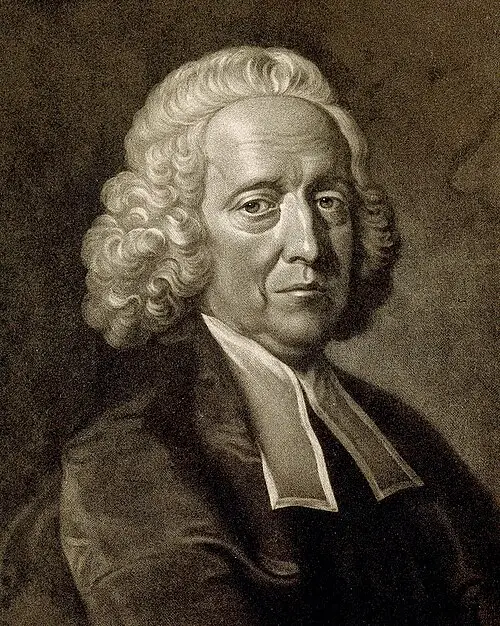
1739 | Stephen Hales | |
|
For his Experiments towards the Discovery of Medicines for dissolving the Stone; and Preservatives for keeping Meat in long voyages at Sea.
|
|||
|
|
1738 | James Valoue | |
|
For his invention of an Engine for driving the Piles to make a Foundation for the Bridge to be erected at Westminster.
|
|||
|
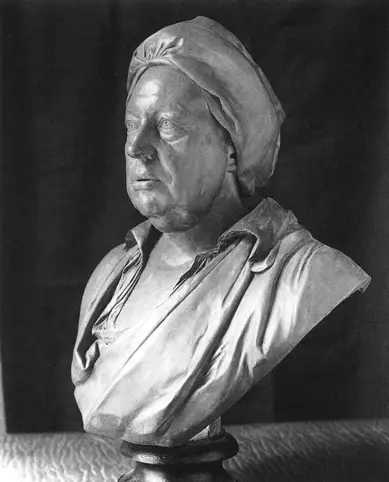
1737 | John Belchier | |
|
For his Experiment to show the property of a Diet of Madder Root in dyeing the Bones of living animals of a red colour.
|
|||
|
|
1736 | John Theophilus Desaguliers | |
|
For his experiments made during the year.
|
|||
|
|
1734 | John Theophilus Desaguliers | |
|
In consideration of his several Experiments performed before the Society.
|
|||
|
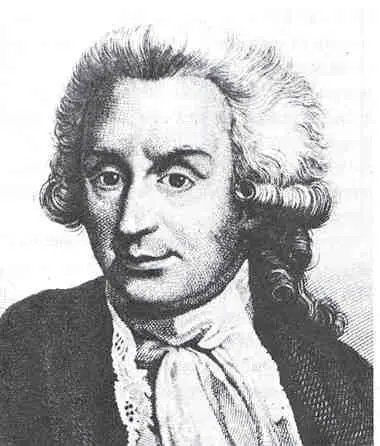
1732 | Stephen Gray | |
|
For the Experiments he made for the year 1732.
|
|||
|
|
1731 | Stephen Gray | |
|
For his new Electrical Experiments: - as an encouragement to him for the readiness he has always shown in obliging the Society with his discoveries and improvements in this part of Natural Knowledge.
|
|||
Copley Medal FAQs
Copley Medal is a recognized award honoring excellence and achievements in Science category, awarded to deserving individuals or organizations worldwide.
It is a Science award category, recognizing outstanding contributions, performance, and excellence in Science field or domain globally.
This award is given for Outstanding research in any branch of science, honoring individuals or groups who have demonstrated exceptional achievements and contributions in this area.
The Copley Medal is presented by Royal Society of London for Improving Natural Knowledge, recognizing excellence and honoring individuals for their significant achievements and contributions.
Copley Medal was first awarded in 1731, marking the beginning of recognizing excellence and achievements in its respective category.
The most recent Copley Medal was awarded in 27 August 2025, continuing its tradition of recognizing excellence and outstanding achievements globally.
Currently, the Copley Medal is Continue, indicating whether the award is actively presented or has been discontinued officially.
Copley Medal is awarded by International, recognizing achievements and honoring individuals or organizations associated with International country and its excellence.