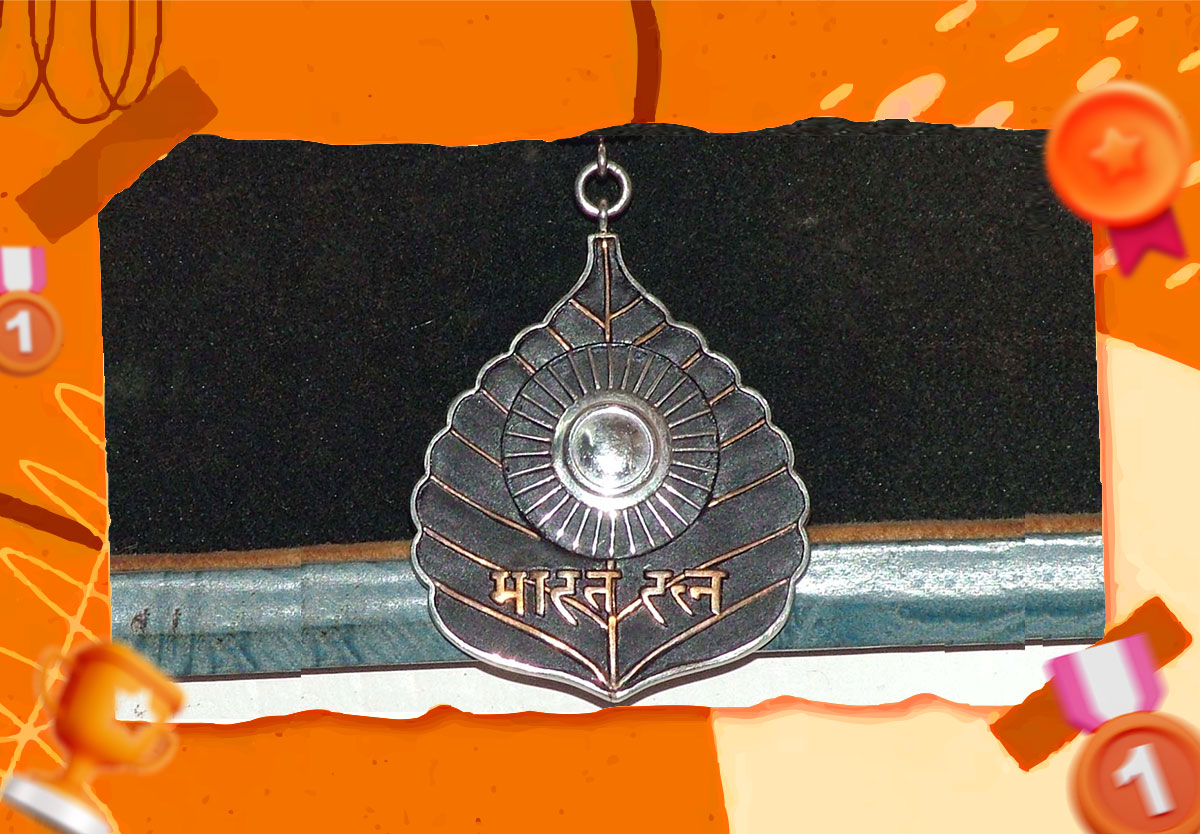
About Bharat Ratna
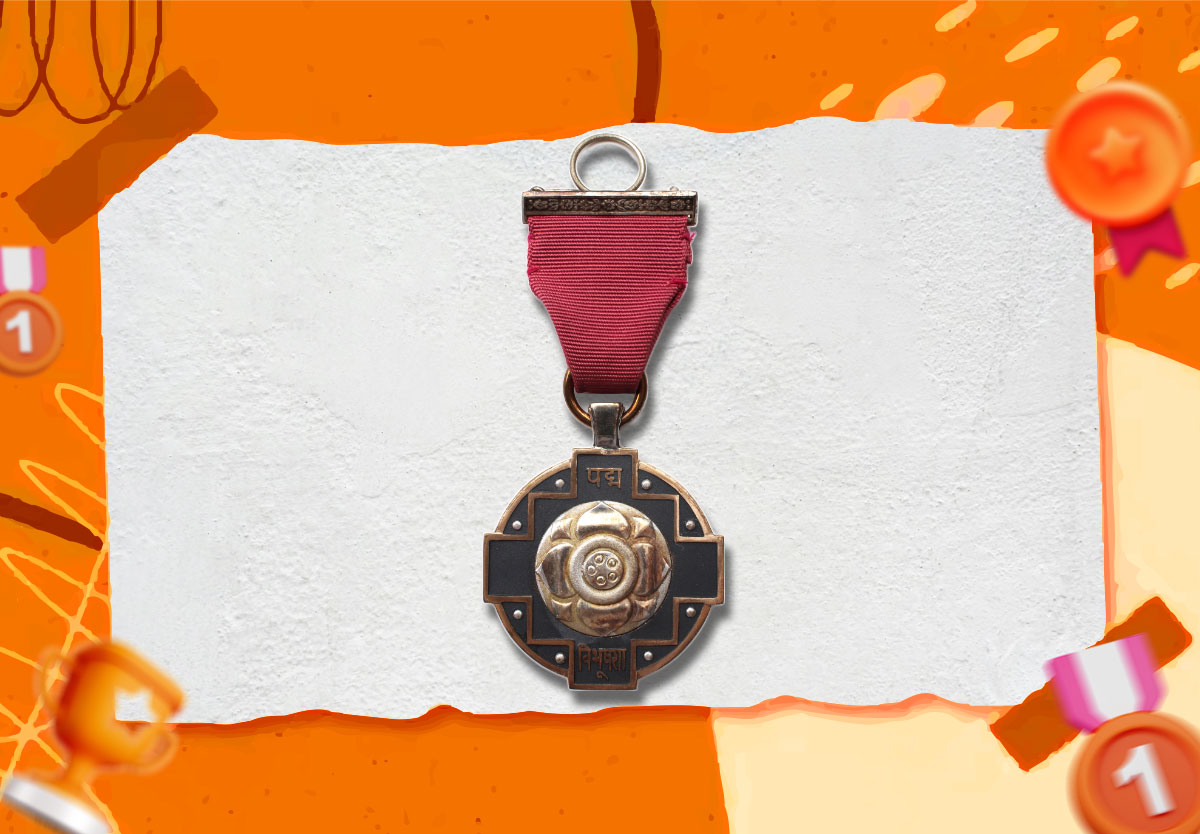
The Bharat Ratna is the highest civilian award of the Republic of India. Instituted on 2 January 1954, the award is conferred in recognition of "exceptional service/performance of the highest order", without distinction of race, occupation, position or gender.
Bharat Ratna Winners List (1954-2024)
| Images | Year | Recipient Name | State/Country | |
|---|---|---|---|---|
|
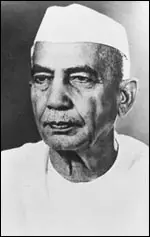
2024 | Chaudhary Charan Singh (Posthumous) | Uttar Pradesh India | |
|
Charan Singh was an Indian politician and a independence activist who served as the 5th prime minister from 1979 to 1980. He is known as the "Champion of India's peasants". He is credited for bringing radical land reform measures and bringing uniformity in the farm sector. These reforms were implemented through the Debt Redemption Bill, the Land Holding Act, and the Zamindari Abolition Act. He was the founder of the political party Lokdal in 1980.
|
||||
|
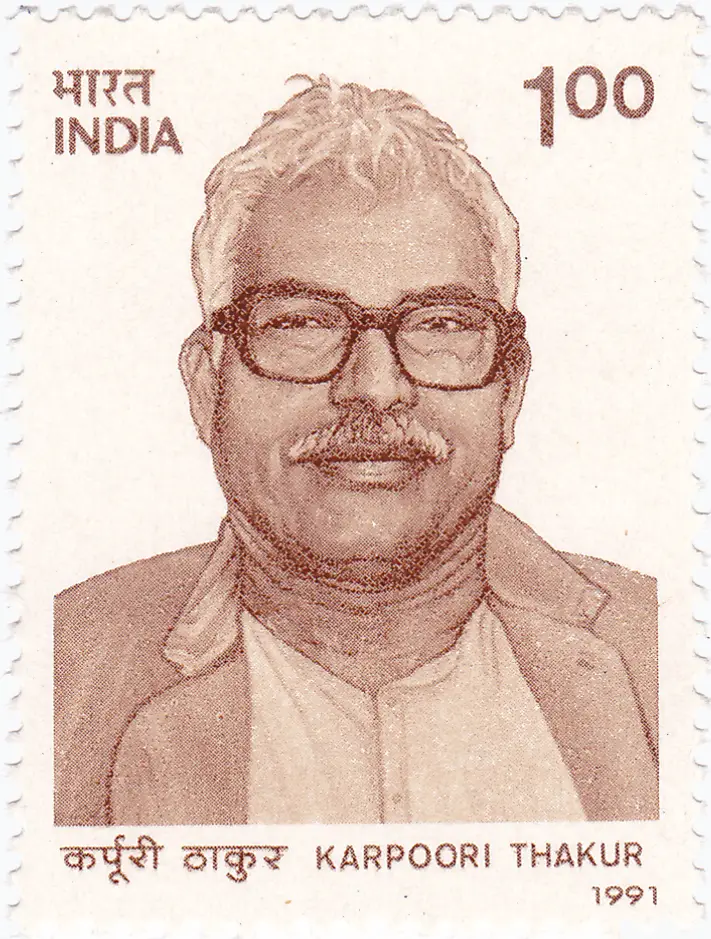
2024 | Karpoori Thakur (Posthumous) | Bihar India | |
|
Thakur was a politician, who served two terms as the 11th Chief Minister of Bihar, from 1970 to 1971, and from 1977 to 1979. In 1978, he introduced the reservation policy in state government jobs.
|
||||
|
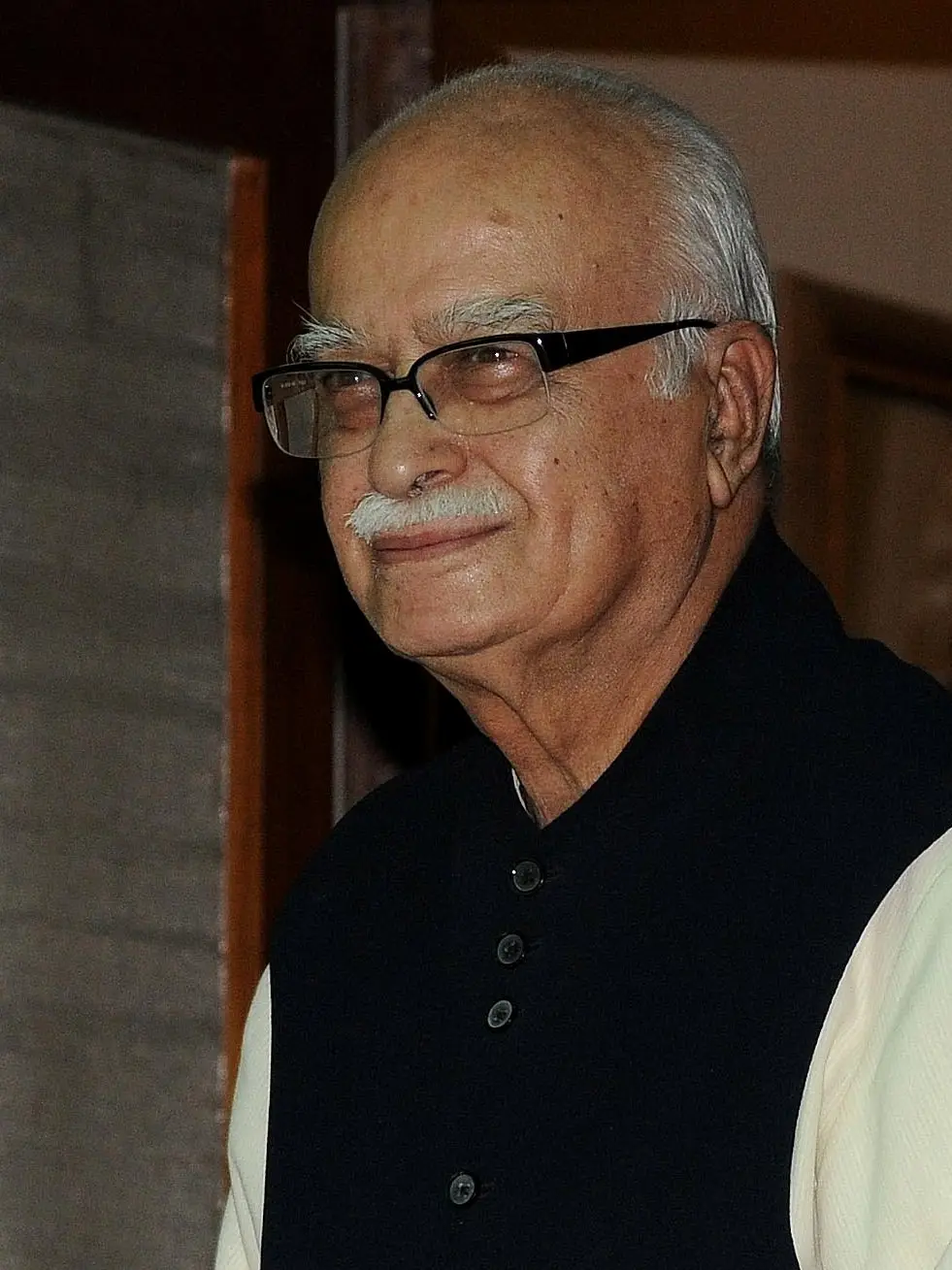
2024 | Lal Kishinchand Advani | Delhi India | |
|
Advani is a politician who served as the 7th Deputy Prime Minister of India from 2002 to 2004. He is one of the co-founders of Bharatiya Janata Party and is credited with scripting the rise of the BJP as a major political force through the Ram Janmabhoomi Movement. He is popularly known as "Loh Purush" (Iron Man).
|
||||
|
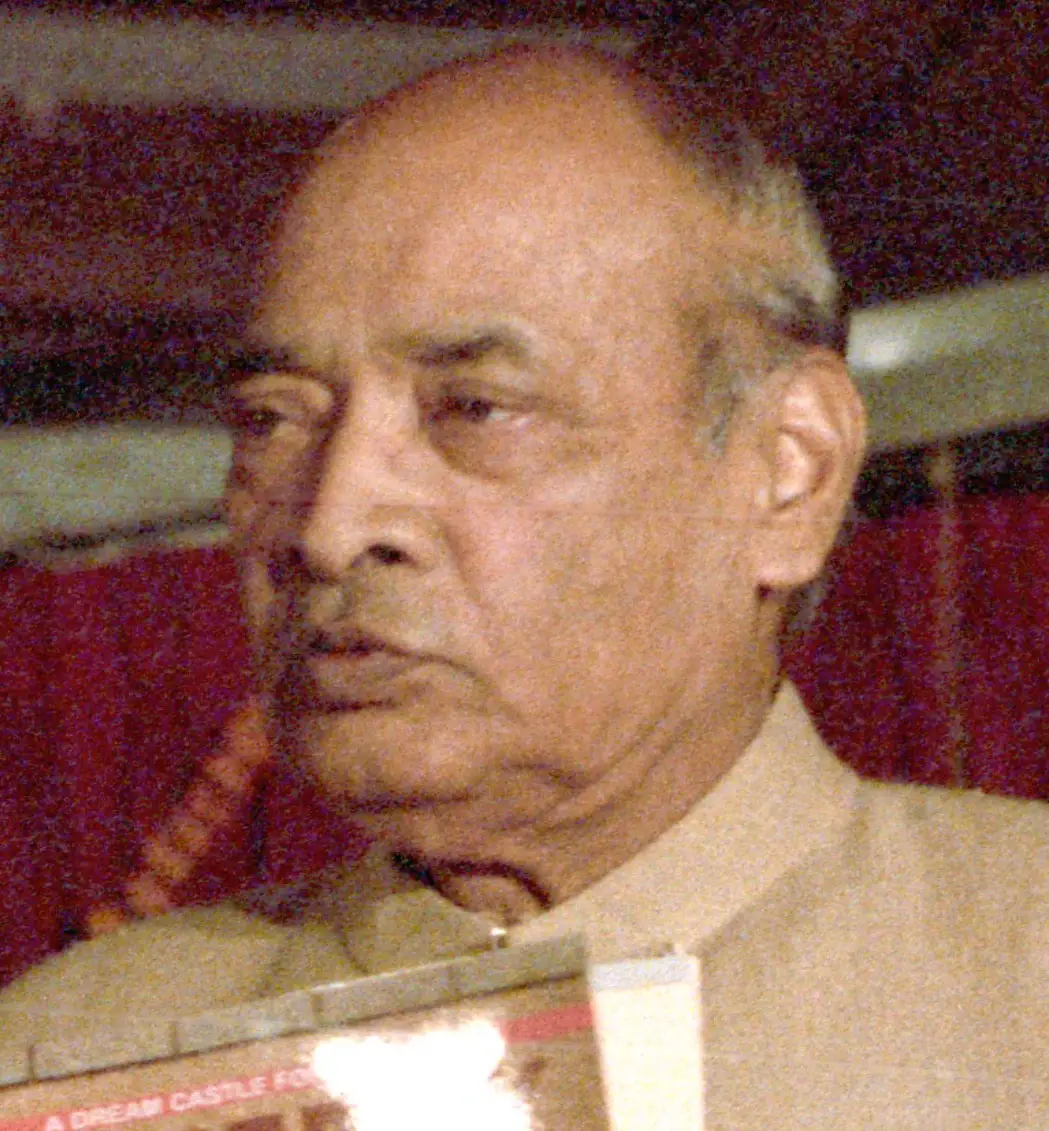
2024 | P. V. Narasimha Rao (Posthumous) | Telangana India | |
|
Narasimha Rao, was an Indian lawyer and politician who served as the 9th prime minister from 1991 to 1996. He was the first Prime Minister from South India. He is known for introducing various liberal reforms to India's economy.
|
||||
|
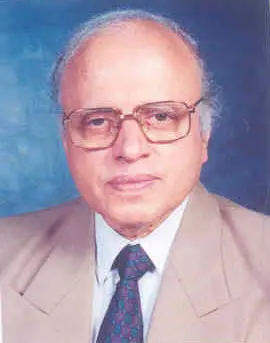
2024 | Dr. Monkombu Sambasiva Swaminathan Ramon Magsaysay AwardWorld Food PrizeIndira Gandhi Prize | Tamil Nadu India | |
|
Swaminathan was an Indian agronomist, geneticist and administrator, who was as a global leader of the green revolution. He was one of the major architects of green revolution in India known for his leadership and role in introducing and further developing high-yielding varieties of wheat and rice.
|
||||
|
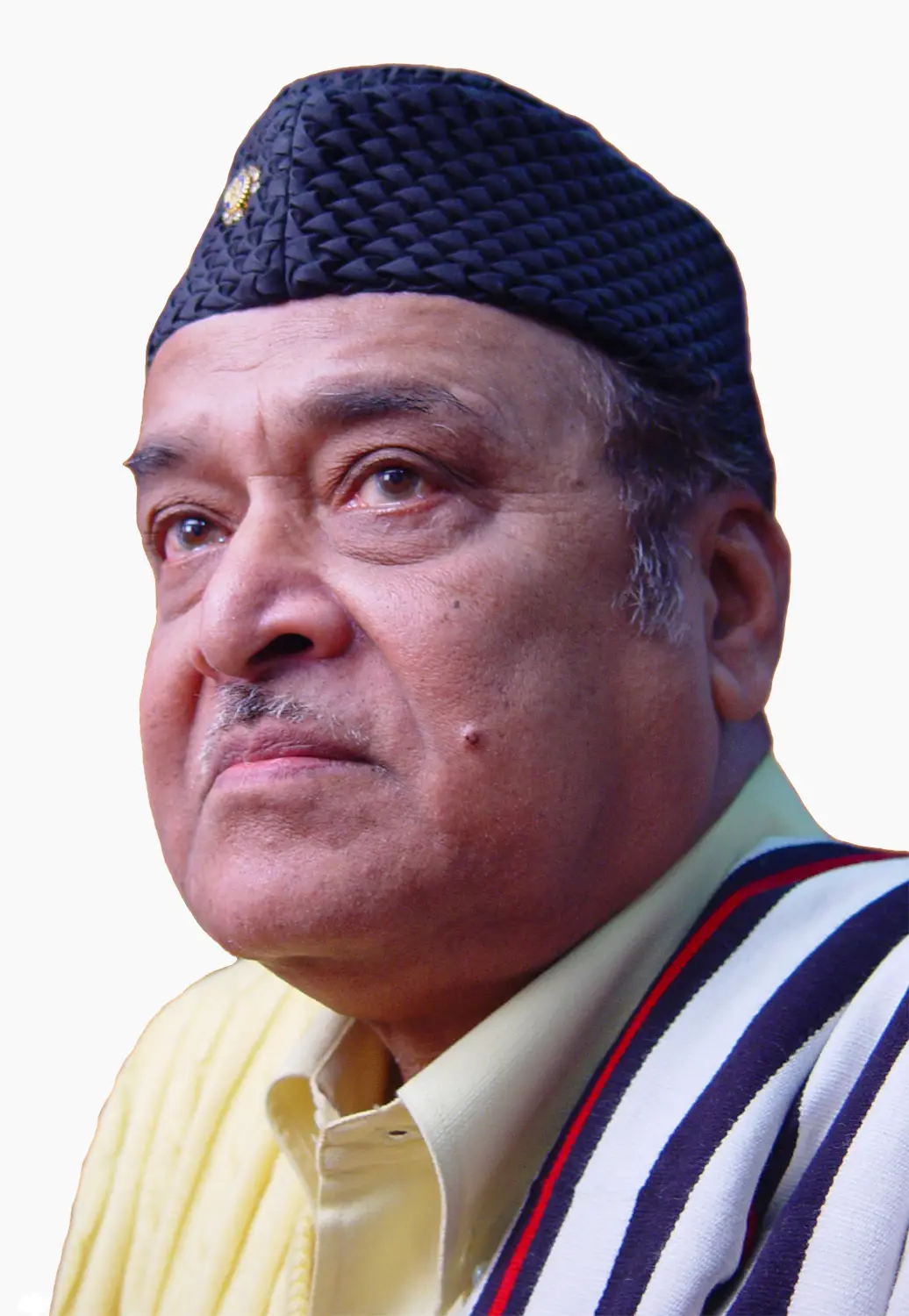
2019 | Dr. Bhupendra Kumar Hazarika (Posthumous) | Assam India | |
|
Hazarika was a playback singer, lyricist, musician, poet and film-maker, widely known as Sudhakantha. His songs, written and sung mainly in the Assamese language by himself, are themed around universal justice and peace and have been translated and sung in many languages.
|
||||
|
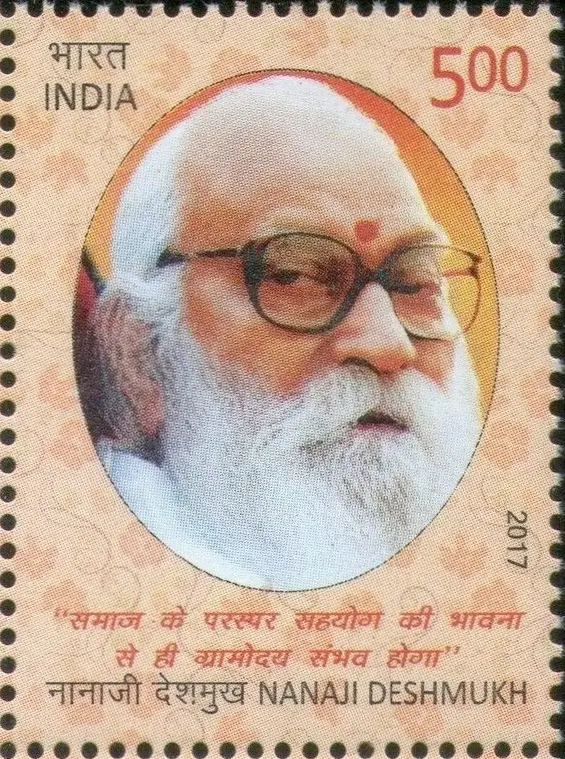
2019 | Nanaji Deshmukh (Posthumous) | Maharashtra India | |
|
Deshmukh was a social activist and politician, who worked in the fields of education, health, and rural self-reliance. He was a leader of the Bharatiya Jana Sangh and also served as a member of the Rajya Sabha.
|
||||
|
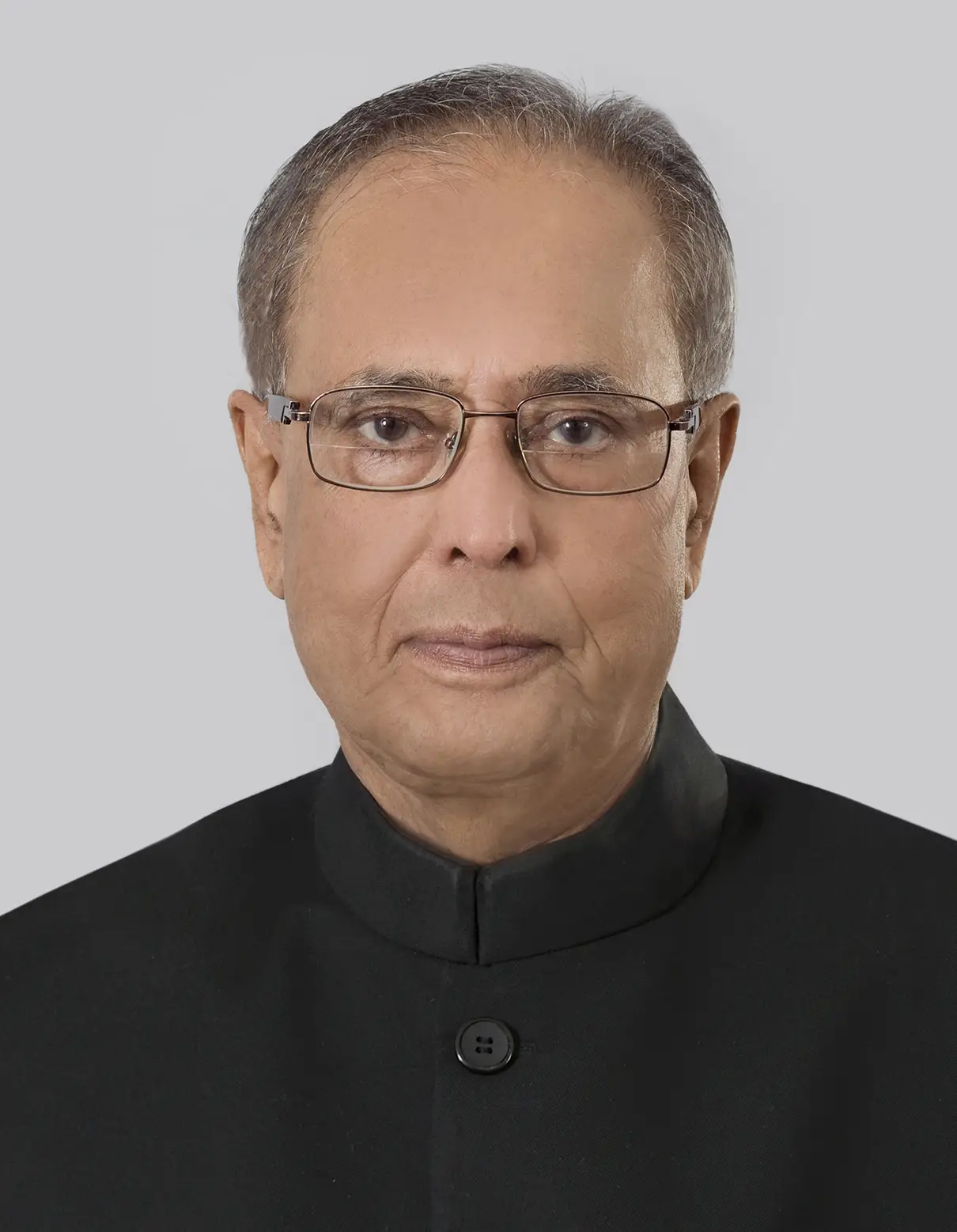
2019 | Pranab Mukherjee | West Bengal India | |
|
Mukherjee was a politician who served as the 13th President of India from 2012 until 2017. In a career spanning five decades, Mukherjee had been a leader of the Indian National Congress and had occupied several ministerial portfolios in the Government of India. Prior to his election as President, he was finance minister from 2009 to 2012.
|
||||
|
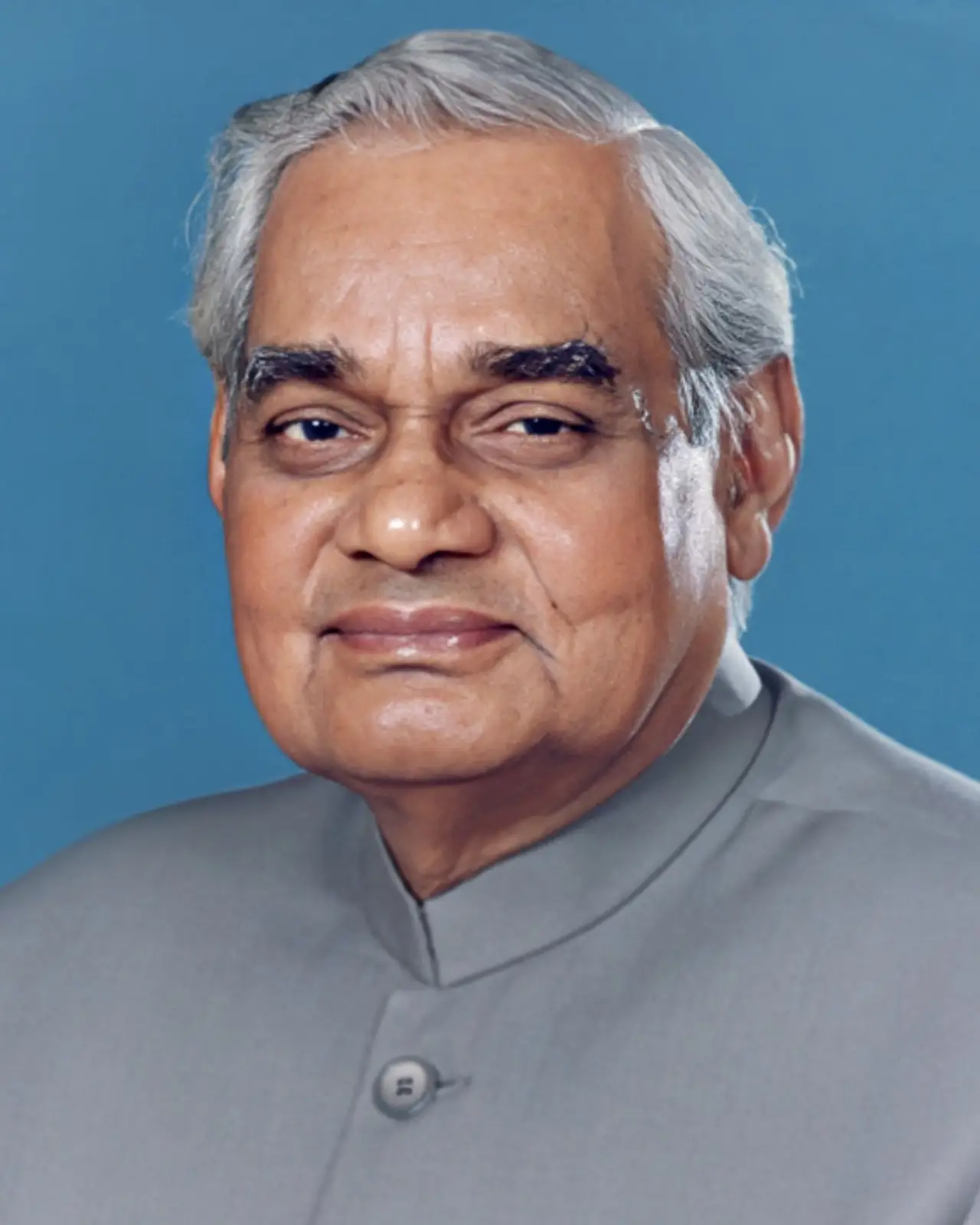
2015 | Atal Bihari Vajpayee | Madhya Pradesh India | |
|
Vajpayee was a politician, who served as the Prime Minister of India three times in 1996, 1998 and from 1999 to 2004. He was a parliamentarian for over four decades and was elected nine times to the Lok Sabha, twice to the Rajya Sabha, also serving as the minister of external affairs during 1977–79.
|
||||
|
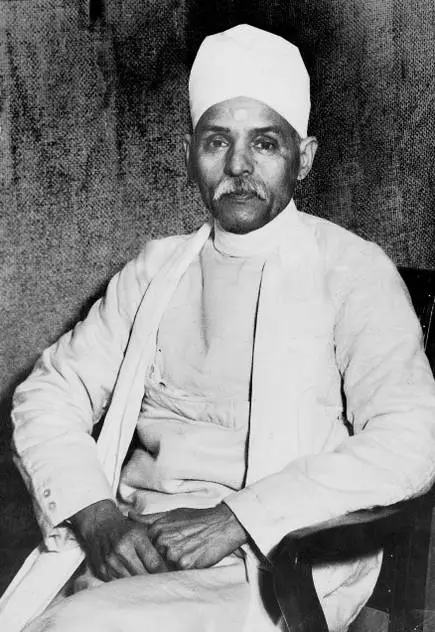
2015 | Pandit Madan Mohan Malaviya (Posthumous) | Uttar Pradesh India | |
|
Malaviya was a scholar and educational reformer, who founded the Akhil Bharatiya Hindu Mahasabha (1906) and Banaras Hindu University, while serving as the university's vice-chancellor from 1919 until 1938. He was the President of Indian National Congress for four terms and was the chairman of Hindustan Times from 1924 to 1946.
|
||||
|
2014 | Prof. Chintamani Nagesa Ramachandra Rao | Karnataka India | |
|
Rao is a chemist and a scientist specializing in solid state chemistry. He has honorary doctorates from 86 universities and has authored around 1,800 research publications and 56 books.
|
||||
|
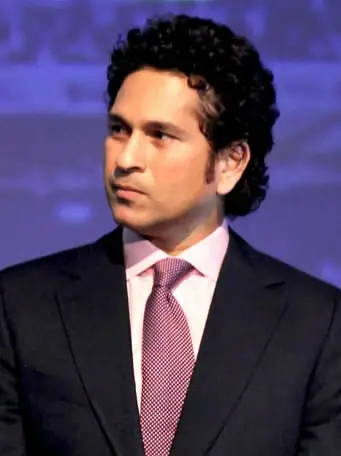
2014 | Sachin Ramesh Tendulkar | Maharashtra India | |
|
Tendulkar is a cricketer, who is regarded as one of the greatest batters of all-time. Having debuted in 1989, Tendulkar played 664 international cricket matches, scoring more than 34,000 in a career spanning over two decades and holds various cricket records.
|
||||
|
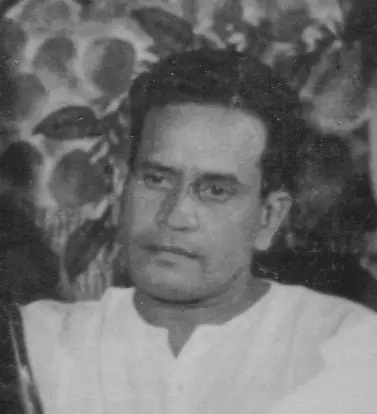
2009 | Pandit Bhimsen Gururaj Joshi | Karnataka India | |
|
Joshi was a Hindustani classical vocalist, who was a disciple of Kirana gharana and is widely known for the Khyal genre of singing.
|
||||
|
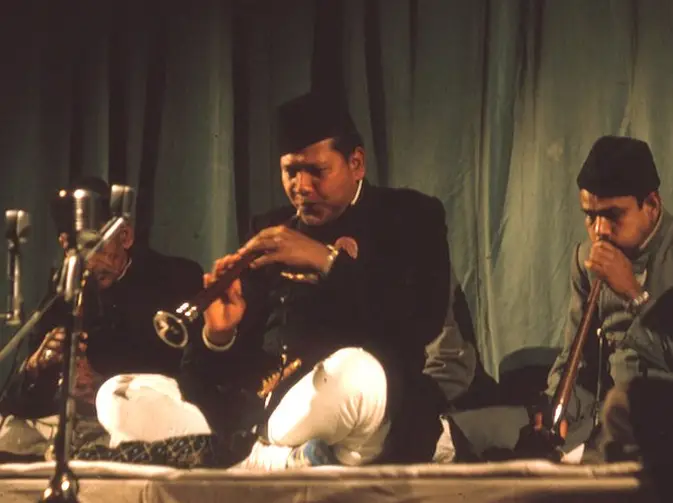
2001 | Ustad Bismillah Khan | Bihar India | |
|
Khan was a Hindustani classical shehnai player, who played the instrument for more than eight decades and is credited to have brought the instrument to the centre stage of Indian music.
|
||||
|
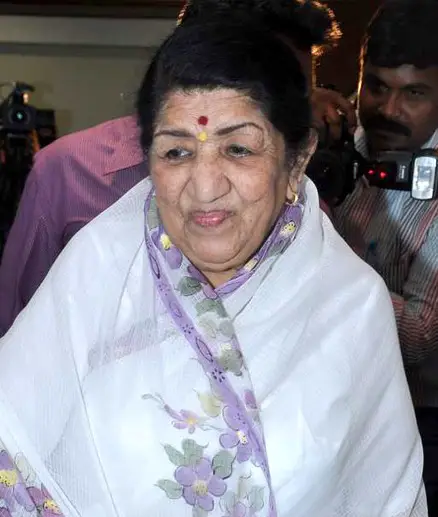
2001 | Ms. Lata Dinanath Mangeshkar | Maharashtra India | |
|
Mangeshkar was a playback singer, known as the "nightingale of India". She started her career in the 1940s and has sung songs in over 36 languages. In 1989, Mangeshkar was awarded the Dadasaheb Phalke Award, India's highest award in cinema.
|
||||
|
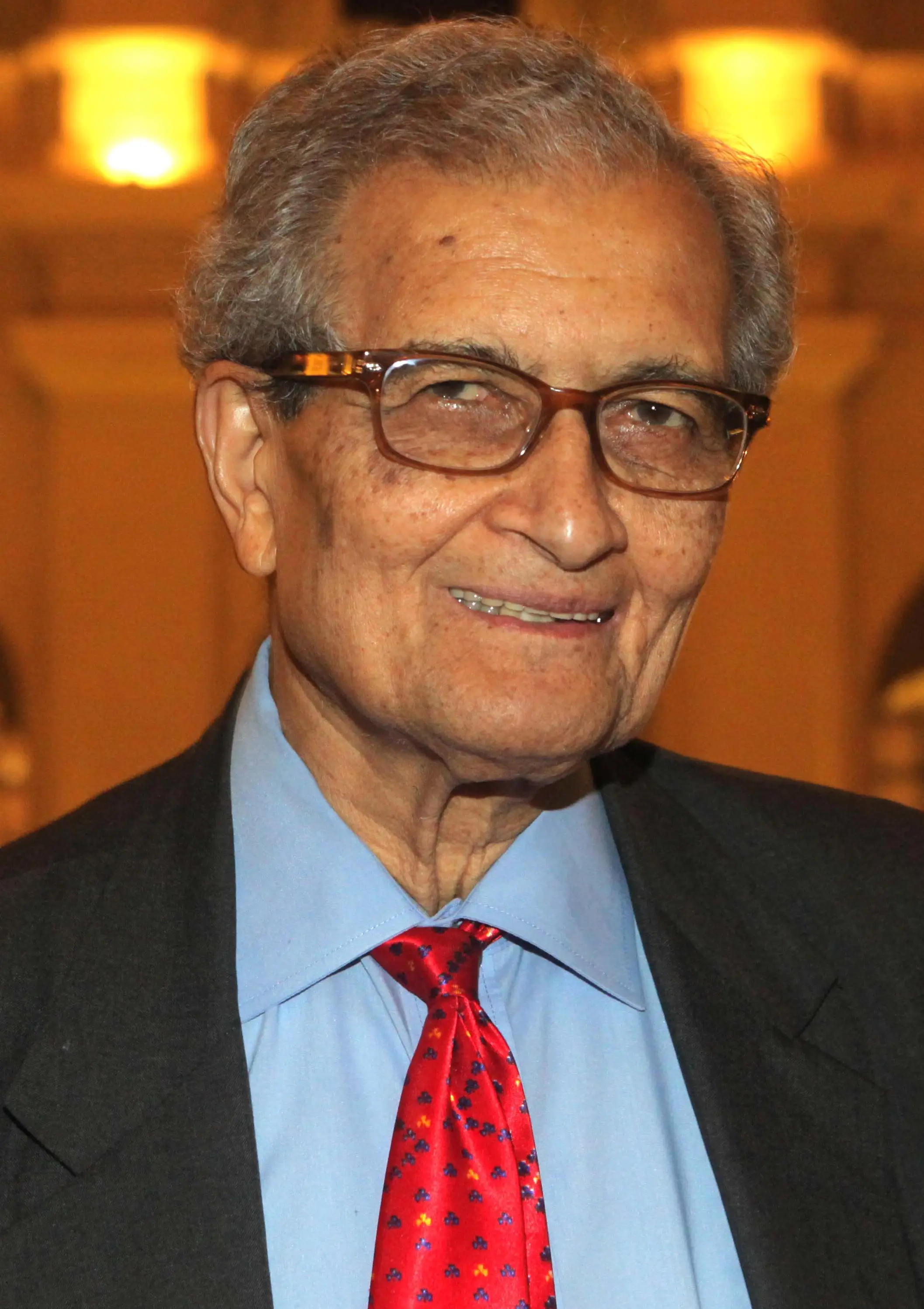
1999 | Prof. Amartya Sen | West Bengal India | |
|
Sen is an economist and the winner of the Nobel memorial prize in economic sciences in 1998.
|
||||
|
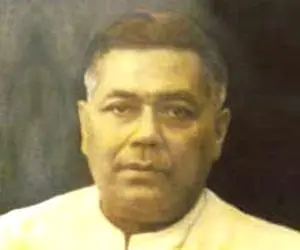
1999 | Late Gopinath Bordoloi(Posthumous) | Assam India | |
|
Bordoloi was an independence activist and politician, who served as the first chief minister of Assam (1946 to 1950). His was instrumental in uniting Assam with India when parts of it wanted to accede to Pakistan.
|
||||
|
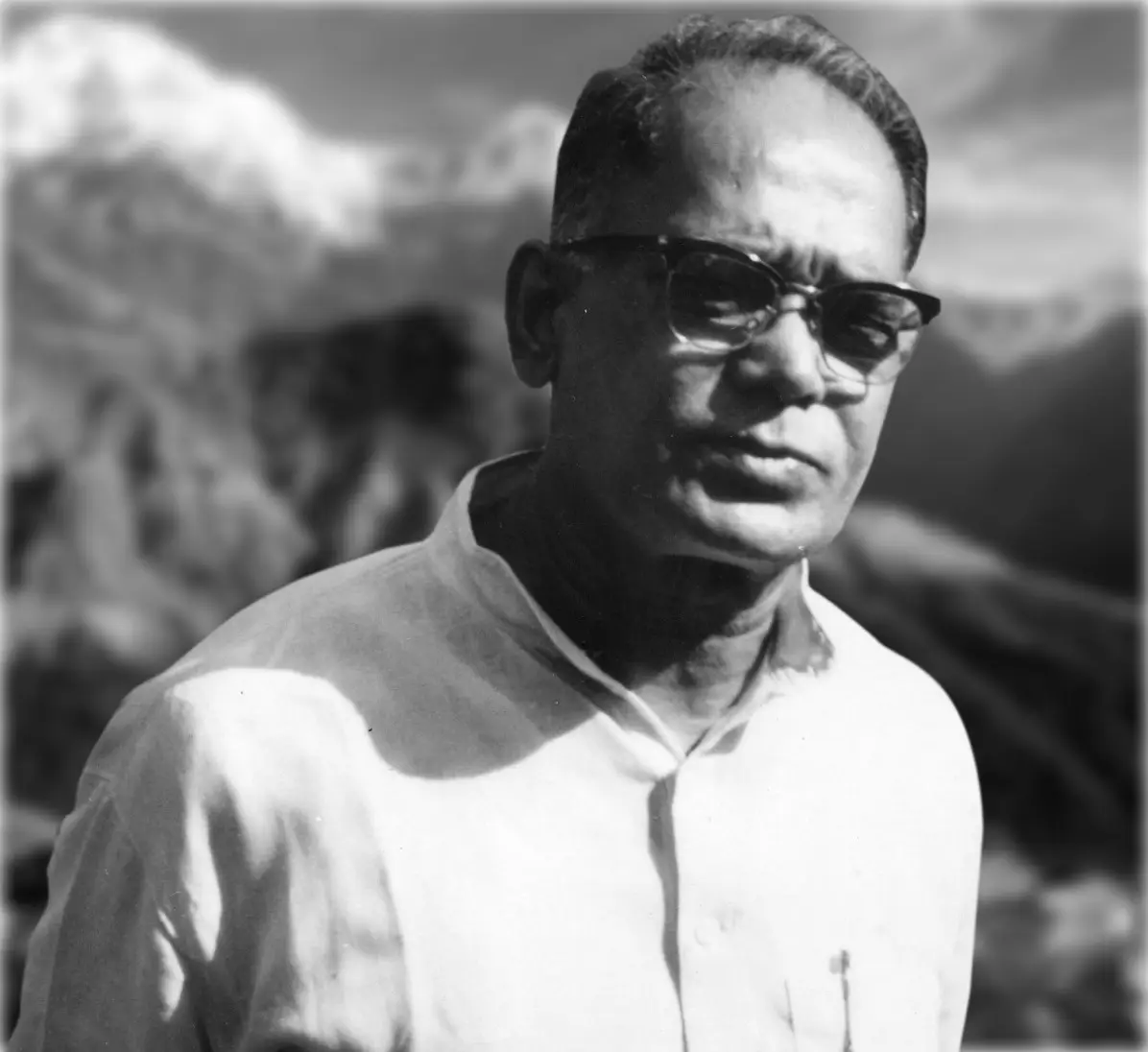
1999 | Jayaprakash Narayan Ramon Magsaysay Award | Bihar India | |
|
Narayan was an independence activist and social reformer. He was commonly referred as "Loknayak" ("People's Leader") and is known for the Total Revolution Movement initiated during the mid-1970s against the then government of India.
|
||||
|
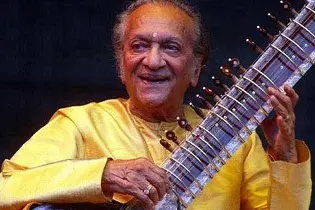
1999 | Ravi Shankar Ramon Magsaysay Award | Uttar Pradesh India | |
|
Ravi Shankar was a musician and sitar player. He has won four Grammy Awards and is often considered "the world's best-known exponent of Hindustani classical music".
|
||||
|
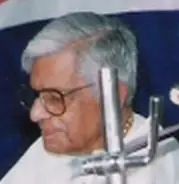
1998 | Chidambaram Subramaniam | Tamil Nadu India | |
|
Subramaniam was an independence activist and politician, who served as the minister of agriculture from 1964 to 1966 and later as minister of finance and defence. He is known for his contribution towards the Green Revolution in India.
|
||||
|
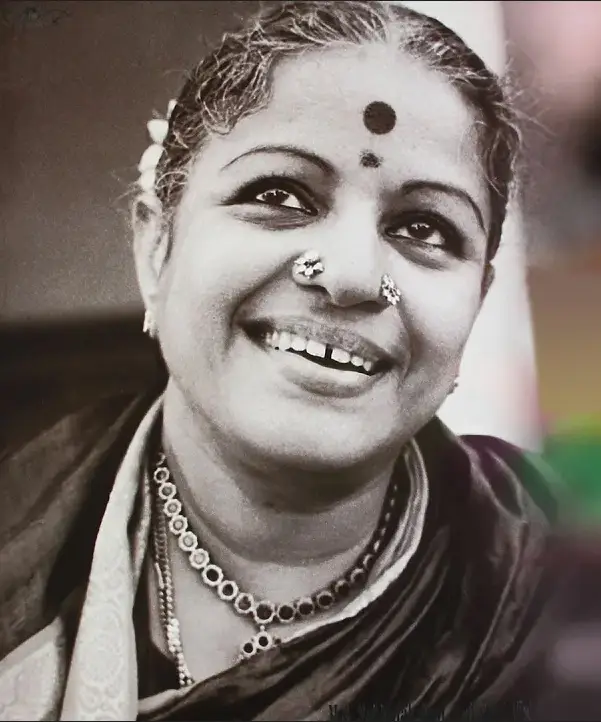
1998 | Madurai Shanmukhavadivu Subbalakshmi | Tamil Nadu India | |
|
Subbulakshmi was a Carnatic classical vocalist, known for her songs, religious chantings and compositions. She was the first Indian musician to receive the Ramon Magsaysay award for her public service.
|
||||
|
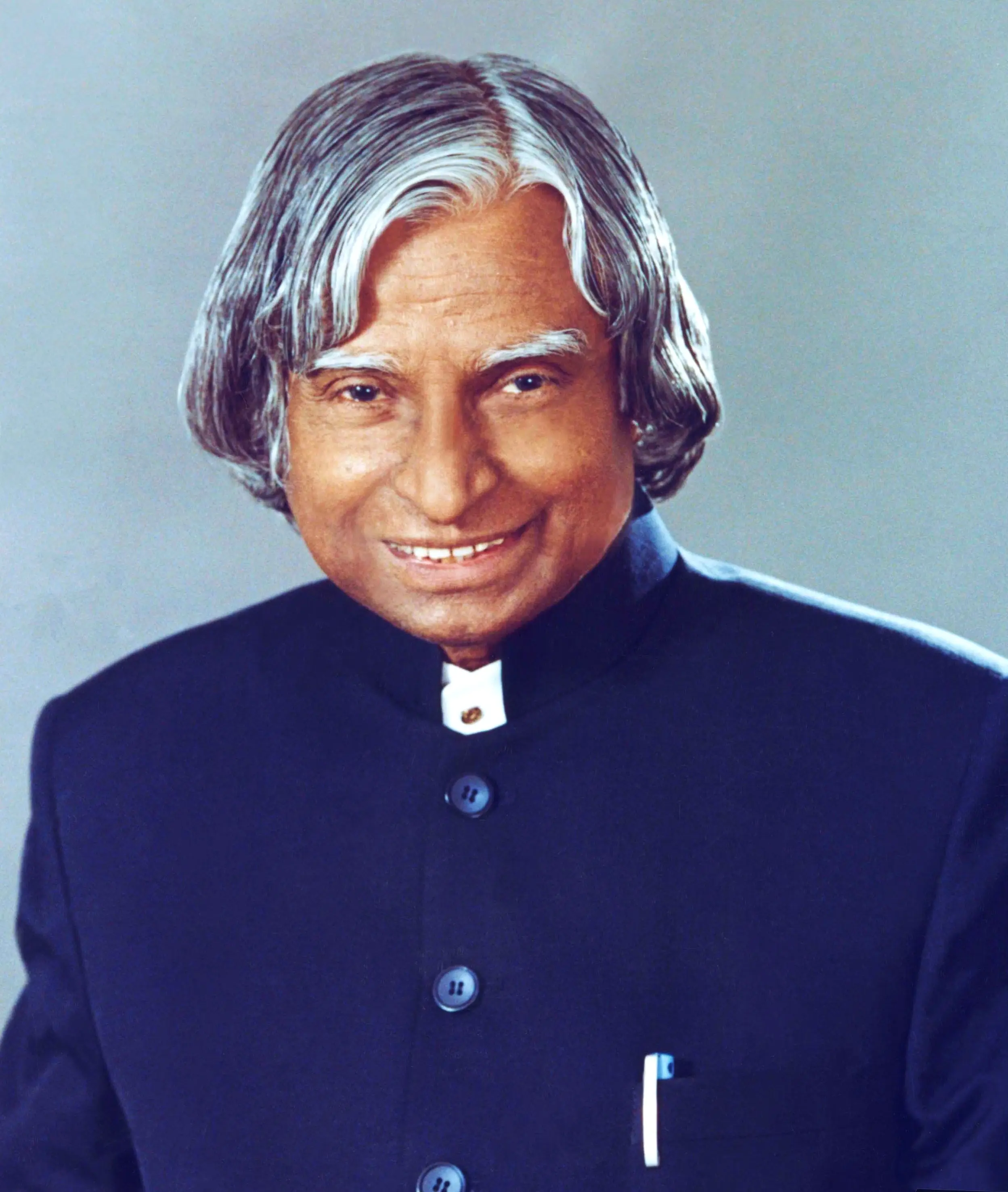
1997 | Dr. Avul Pakir Jainulabdeen Abdul Kalam | Tamil Nadu India | |
|
Kalam was an aerospace and defence scientist, who later served as the eleventh President of India from 2002 until 2007. He was involved in the development of India's first satellite launch vehicle SLV III and the Integrated Guided Missile Development Program, while working for various space and defence research agencies and has served as the scientific advisor to the defence minister, Secretary for defence research and director of Defence Research and Development Organisation.
|
||||
|
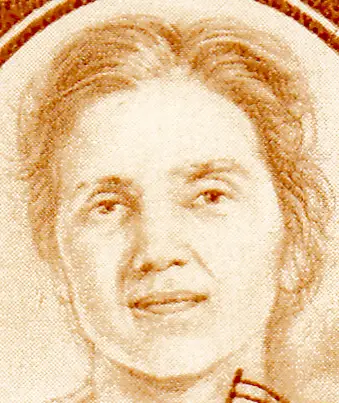
1997 | Aruna Asaf Ali (Posthumous) | West Bengal India | |
|
Ali was an independence activist, known for hoisting the tricolor flag of India in Bombay during the Quit India Movement in 1942. Post Independence, she was elected as Delhi's first mayor in 1958.
|
||||
|
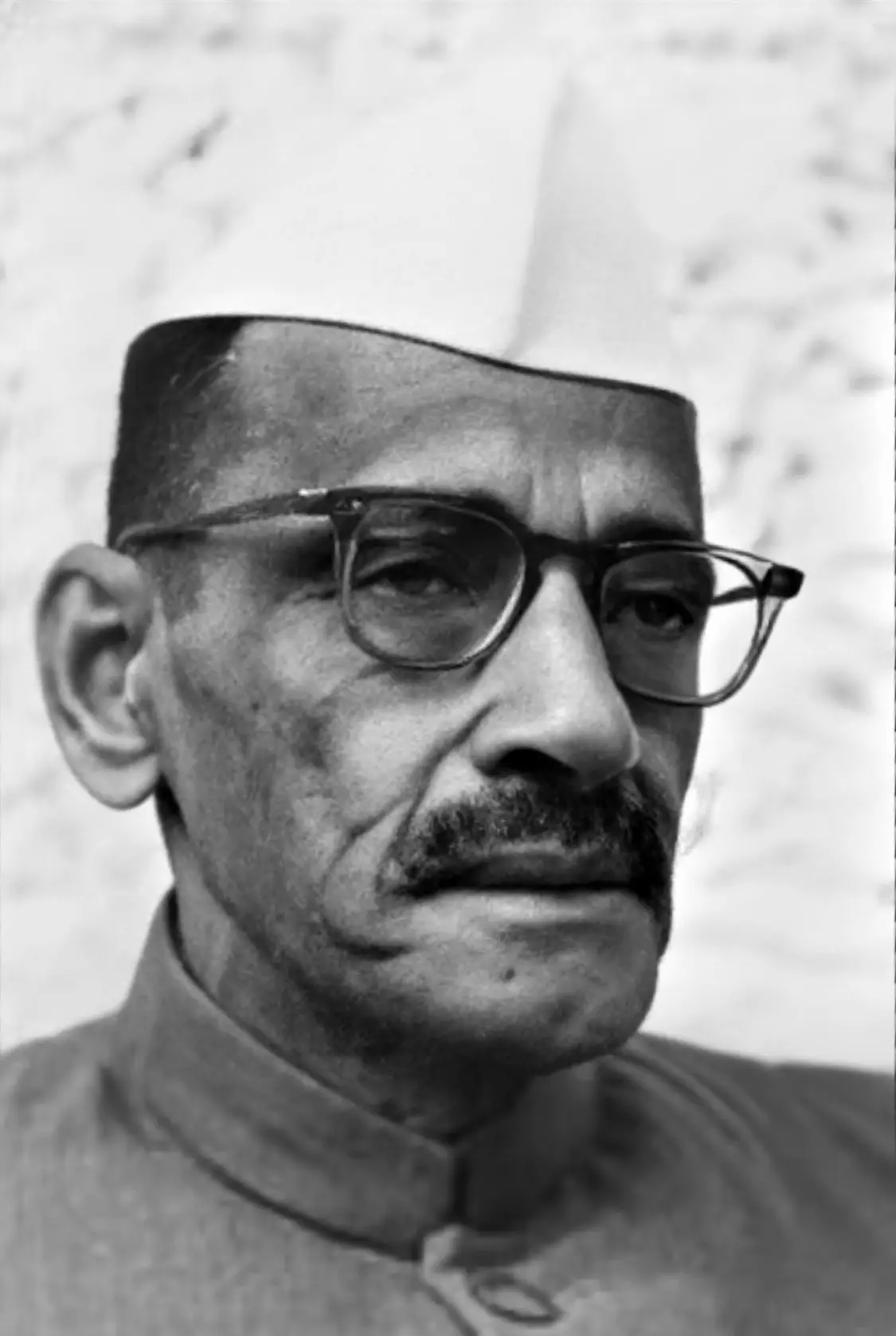
1997 | Gulzari Lal Nanda (Posthumous) | Punjab India | |
|
Nanda was an independence activist and politician, who served as the interim Prime Minister of India in 1964 and 1966 and as the deputy chairman of the Planning Commission.
|
||||
|
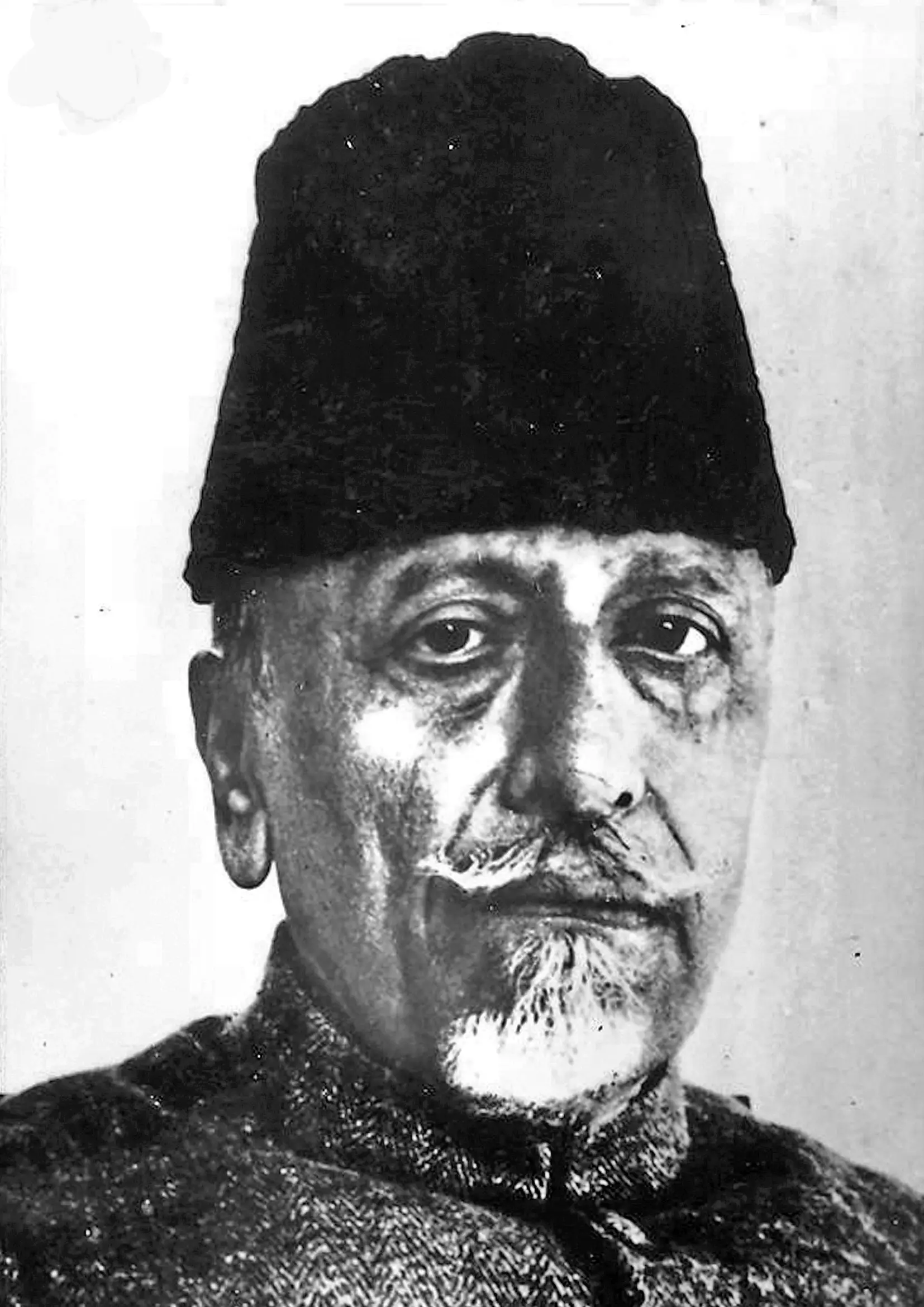
1992 | Maulana Abul Kalam Azad (Posthumous) | West Bengal India | |
|
Azad was an independence activist and politician, who served as the first education minister of India. His birthday on 11 November is observed annually as the National Education Day in India.
|
||||
|
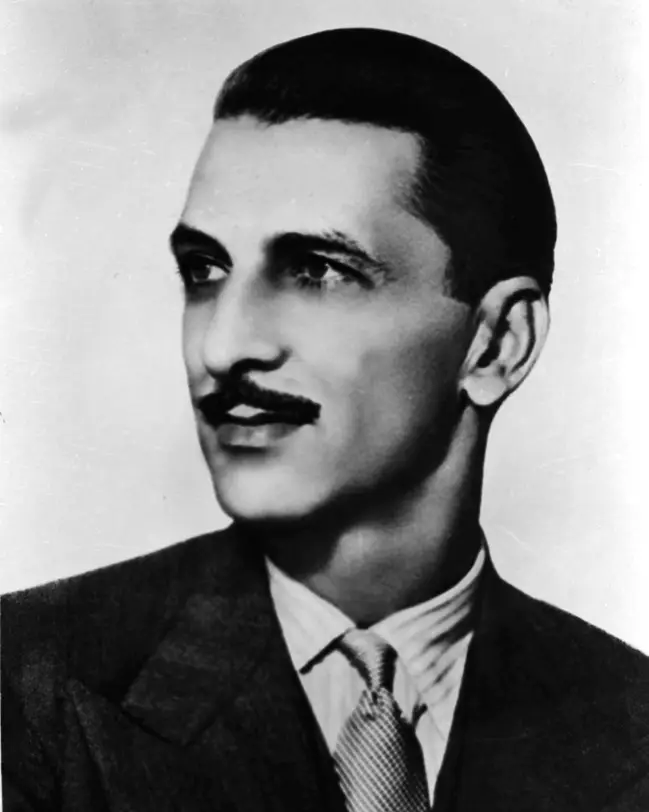
1992 | Jehangir Ratanji Dadabhai Tata | Maharashtra India | |
|
Tata was an industrialist, philanthropist, and aviation pioneer, who served as the chairman of the business conglomerate Tata Group. He is the founder of various educational and research institutes and businesses.
|
||||
|
1992 | Satyajit Ray Ramon Magsaysay Award | West Bengal India | |
|
Ray was a film director. He directed his first film Pather Panchali in 1955 and is credited with bringing world recognition to Indian cinema. In 1984, Ray was awarded the Dadasaheb Phalke Award, India's highest award in cinema and in 1991, he received Academy Honorary Award.
|
||||

|
1991 | Morarji Ranchhodji Desai | Gujarat India | |
|
Desai was an independence activist and politician, who served as the fourth Prime Minister of India from 1977 to 1979 and was the first to be not from the Indian National Congress. He was also awarded the Nishan-e-Pakistan, the second highest civilian award given by the Government of Pakistan. Desai had earlier abolished the awards while he was in the office of Prime Minister for it being "worthless and politicised".
|
||||
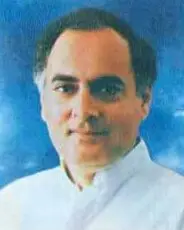
|
1991 | Rajiv Gandhi (Posthumous) | Uttar Pradesh India | |
|
Rajiv Gandhi was a pilot turned politician, who served as the sixth Prime Minister of India serving from 1984 to 1989.
|
||||
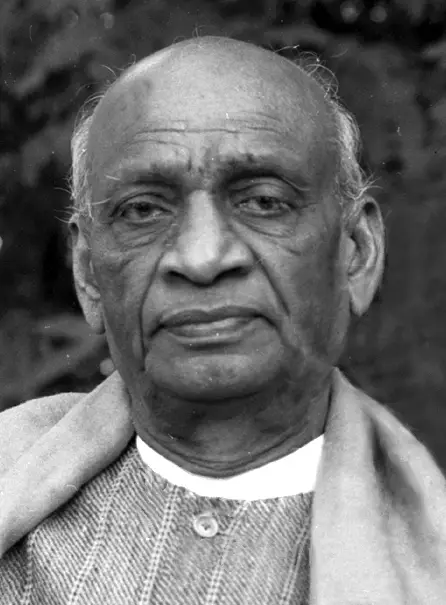
|
1991 | Sardar Vallabhbhai Patel (Posthumous) | Gujarat India | |
|
Patel was an independence activist, who served as the first Deputy Prime Minister of India (1947 to 1950) and home minister. Patel was known as the "Iron Man of India" and by the title of "Sardar" ("Leader") Patel and was instrumental in the accession of the princely states into the Indian union.
|
||||
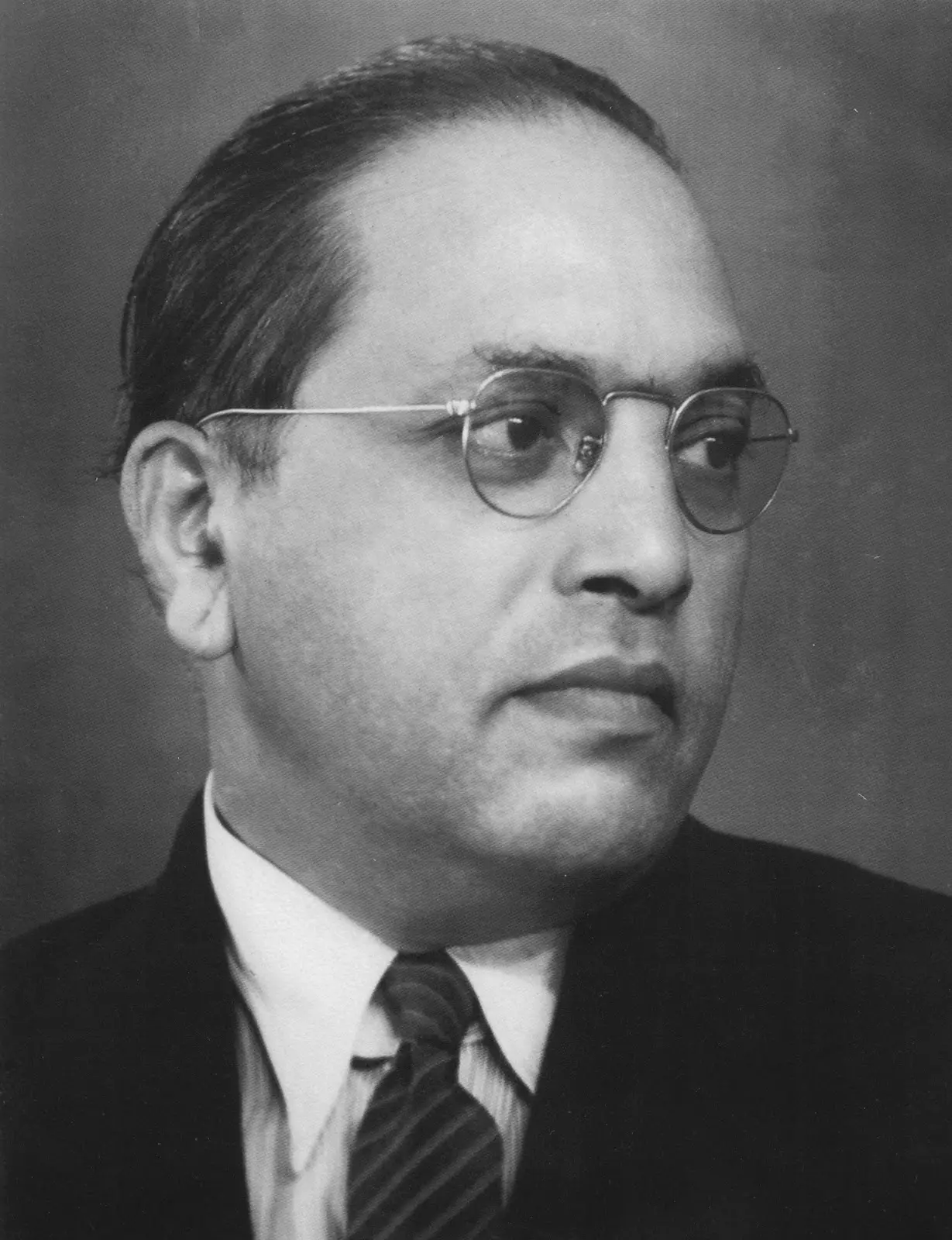
|
1990 | Dr. Bhimrao Ramji Ambedkar (Posthumous) | Madhya Pradesh India | |
|
Ambedkar was a social reformer, lawyer and a Dalit leader, who headed the committee drafting the Indian Constitution while also serving as the first Law Minister of India later. Ambedkar campaigned against the social discrimination of Dalits and the caste system in India. He was associated with the Dalit Buddhist movement after converting to Buddhism on 14 October 1956.
|
||||
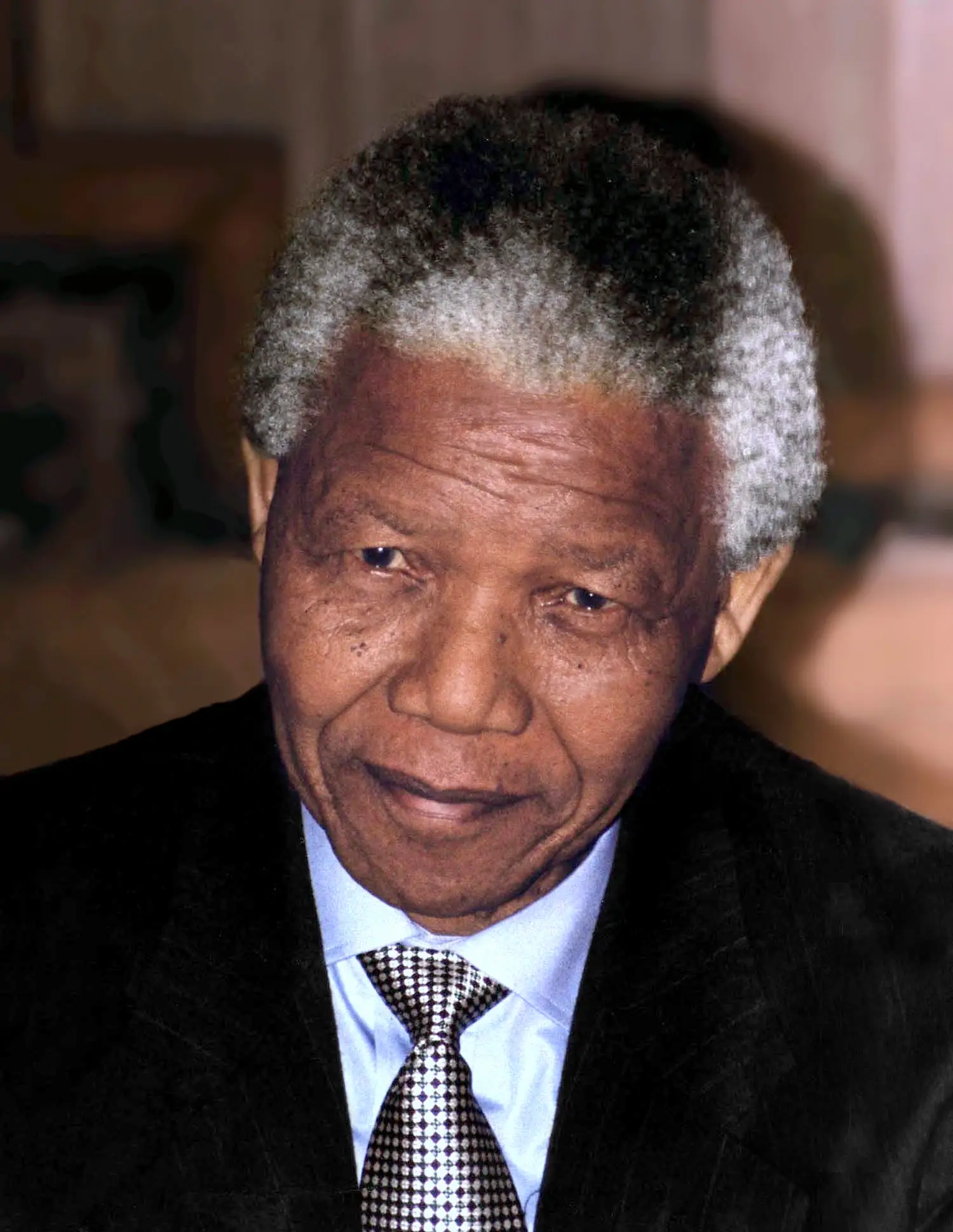
|
1990 | Dr. Nelson Rolihlahla Mandela | Eastern Cape South Africa | |
|
Mandela was the leader of the Anti-Apartheid Movement in South Africa and later served as the President of South Africa (1994 to 1999). Often called as the "Gandhi of South Africa", Mandela's African National Congress movement was influenced by Gandhian philosophy. In 1993, he was awarded the Nobel Peace Prize.
|
||||
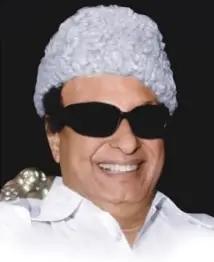
|
1988 | Manidur Gopalan Ramachandran (posthumous) | Tamil Nadu India | |
|
M. G. Ramachandran (M.G.R.), the first actor to become the chief minister in the Republic of India, served as the chief minister of Tamil Nadu for over ten years, between 1977 and 1987. Considered one of the greatest political leaders and actors of the state, his followers idolize him as "Puratchi Thalaivar" (Revolutionary Leader). He is the founder of the Indian political party All India Anna Dravida Munnetra Kazhagam.
|
||||
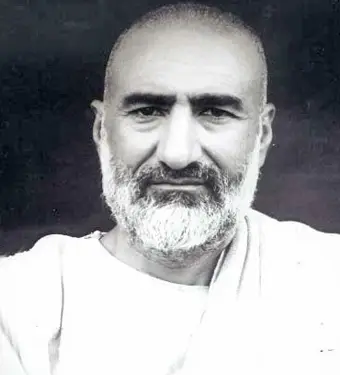
|
1987 | Khan Abdul Ghaffar Khan | Khyber Pakhtunkhwa Pakistan | |
|
Khan was a independence activist, a follower of Mahatma Gandhi and an advocate of Hindu–Muslim unity in the subcontinent. He was known as "Frontier Gandhi" and was part of the Khilafat Movement in 1920 and founded the Khudai Khidmatgar ("Red Shirt movement") in 1929.
|
||||
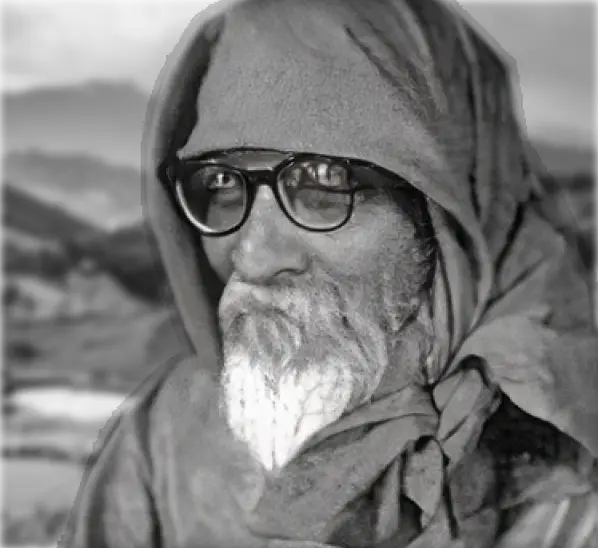
|
1983 | Acharya Vinoba Bhave Ramon Magsaysay Award | Maharashtra India | |
|
Bhave was an independence activist, social reformer and an associate of Mahatma Gandhi, known for his Bhoodan movement. He was known by the honorific title "Acharya" ("teacher") and was awarded the Ramon Magsaysay Award (1958) for his humanitarian work.
|
||||

|
1980 | Mother Mary Teresa Bojaxhiu | West Bengal India | |
|
Mother Teresa was a Catholic nun and founder of the Missionaries of Charity, a religious congregation, which manages homes for diseased people. She was the recipient of the Nobel Peace Prize for her humanitarian work in 1979. She was beatified on 19 October 2003 by Pope John Paul II and canonised on 4 September 2016 by Pope Francis.
|
||||
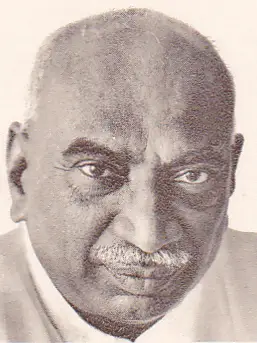
|
1976 | Kumaraswamy Kamraj (Posthumous) | Tamil Nadu India | |
|
Kamaraj was an independence activist, freedom fighter, and politician who served as the chief minister of Tamil Nadu for over nine years, between 1954 and 1963. He was known as the "King Maker", as he was the president of the Indian National Congress, when electing Lal Bahadur Shastri the prime minister after Nehru's death and Indira Gandhi after Shastri's death, his followers idolized him as "Perunthalaivar" (Great Leader). He is the founder of the Indian political party Indian National Congress (Organisation).
|
||||
|
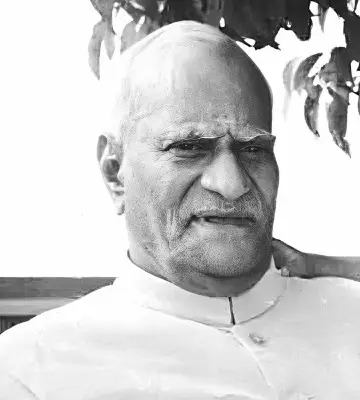
1975 | Varahagiri Venkata Giri | Odisha India | |
|
Giri was an independence activist, who organized trade unions and facilitated their participation in the fight for independence. Post-independence, Giri held positions of Governor of Uttar Pradesh, Kerala and Mysore state and other cabinet ministries. He became the first acting president and was eventually elected as the fourth President of India, serving from 1969 to 1974.
|
||||
|
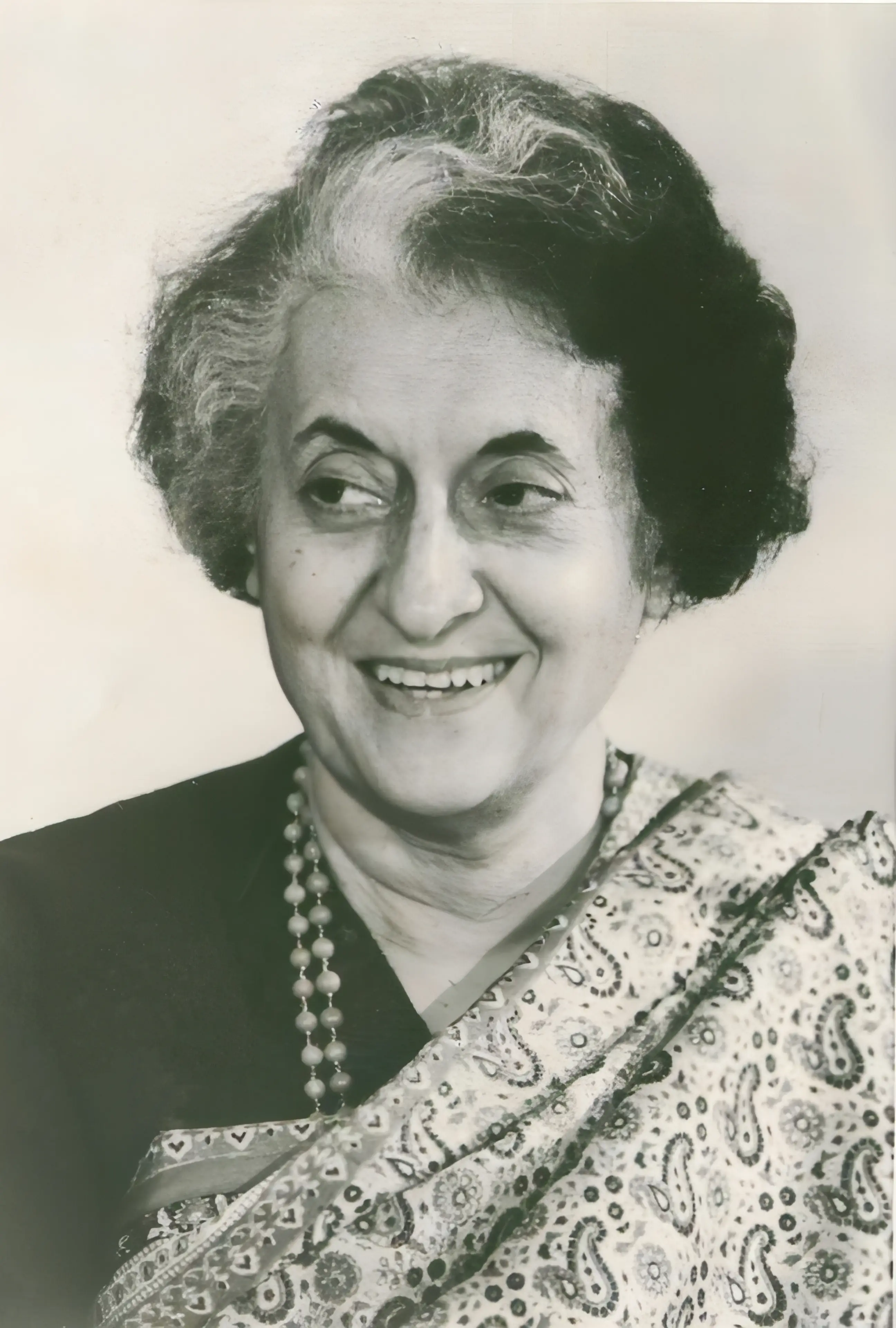
1971 | Indira Gandhi | Uttar Pradesh India | |
|
Indira Gandhi was the Prime Minister of India during 1966 to 1977 and 1980 to 1984. She is known as the "Iron Lady of India", as she led India during the Indo-Pakistani War of 1971 and the concurrent Bangladesh Liberation War which led to the formation of Bangladesh.
|
||||
|
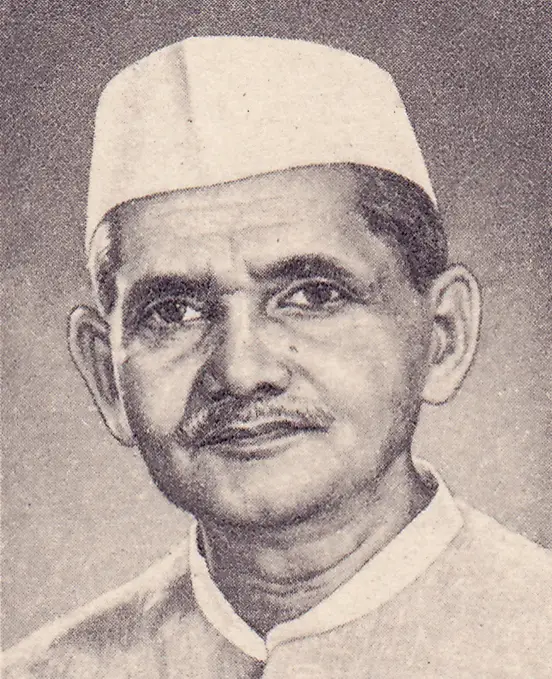
1966 | Lal Bahadur Shastri (Posthumously) | Uttar Pradesh India | |
|
Shastri was an independence activist, known for his slogan "Jai Jawan Jai Kisan" ("Hail to the Soldier, hail to the Farmer"). He served as second Prime Minister of India (1964–66) and led the country during the Indo-Pakistani War of 1965.
|
||||
|
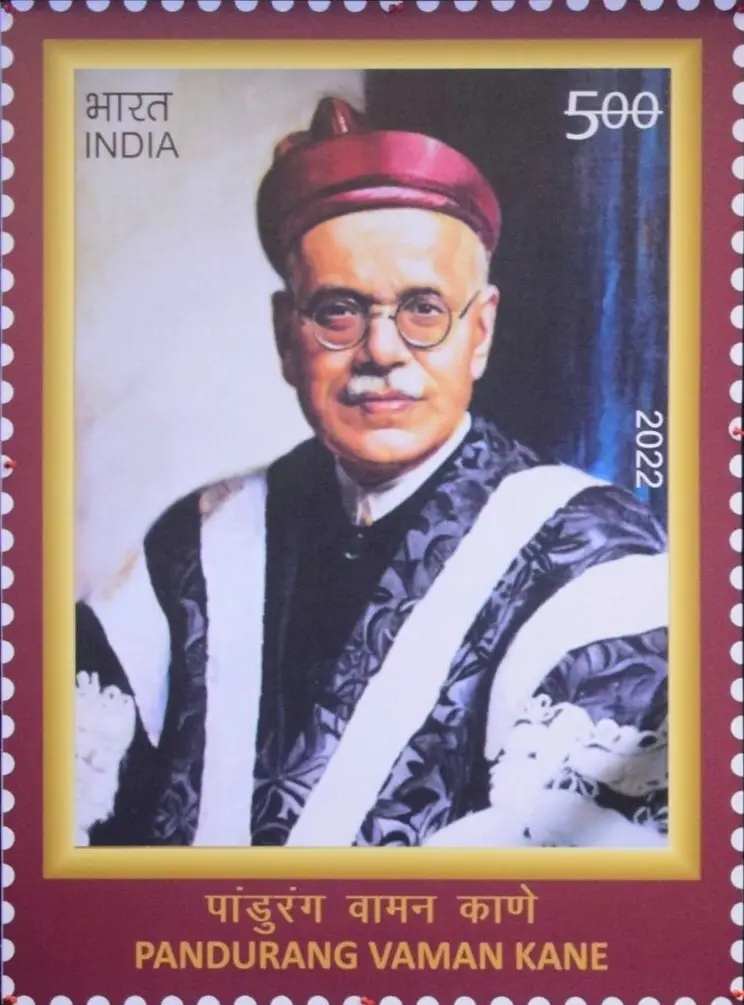
1963 | Dr. Pandurang Vaman Kane | Maharashtra India | |
|
Kane was an indologist and Sanskrit scholar, known for his five volume literary work, History of Dharmaśāstra: Ancient and Medieval Religious and Civil Law in India.
|
||||
|
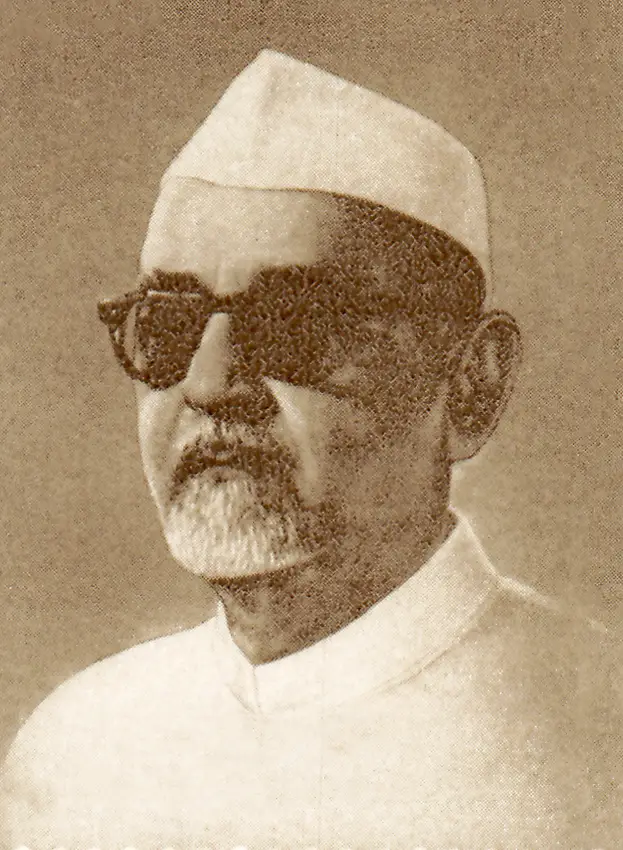
1963 | Dr. Zakir Husain | Telangana India | |
|
Husain was an independence activist and philosopher, who served as the Vice Chancellor of Aligarh Muslim University (1948–56) and the Governor of Bihar (1957–62). Later, he was elected as second vice-president of India (1962–67) and went on to become the third President of India (1967–69).
|
||||
|
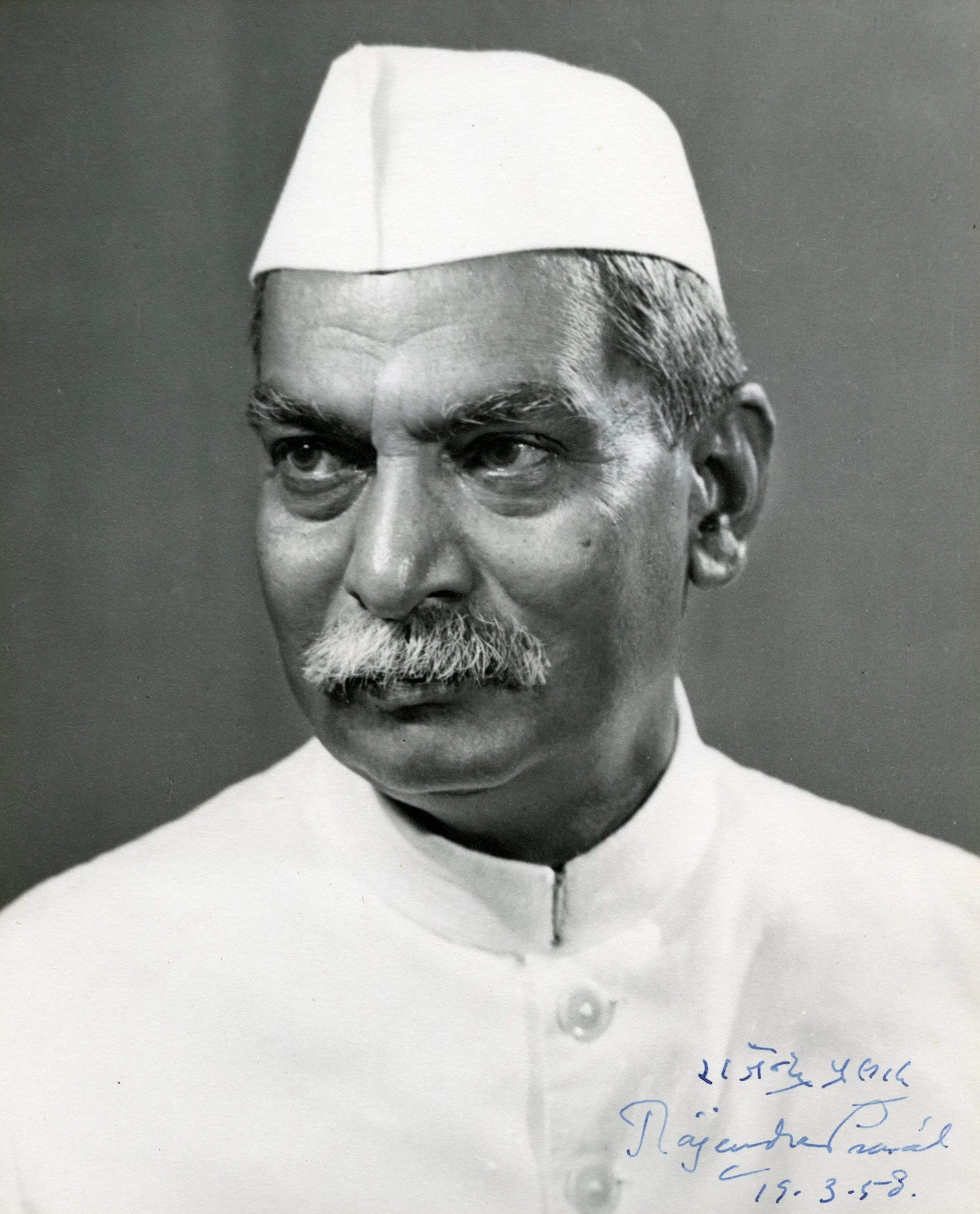
1962 | Dr. Rajendra Prasad | Bihar India | |
|
Prasad was an independence activist, lawyer and statesman, who was associated with Mahatma Gandhi in the Champaran Satyagraha in Bihar and non-cooperation movement. Became the president of Constituent Assembly of India. He was later elected as the first President of India (1950–62).
|
||||
|
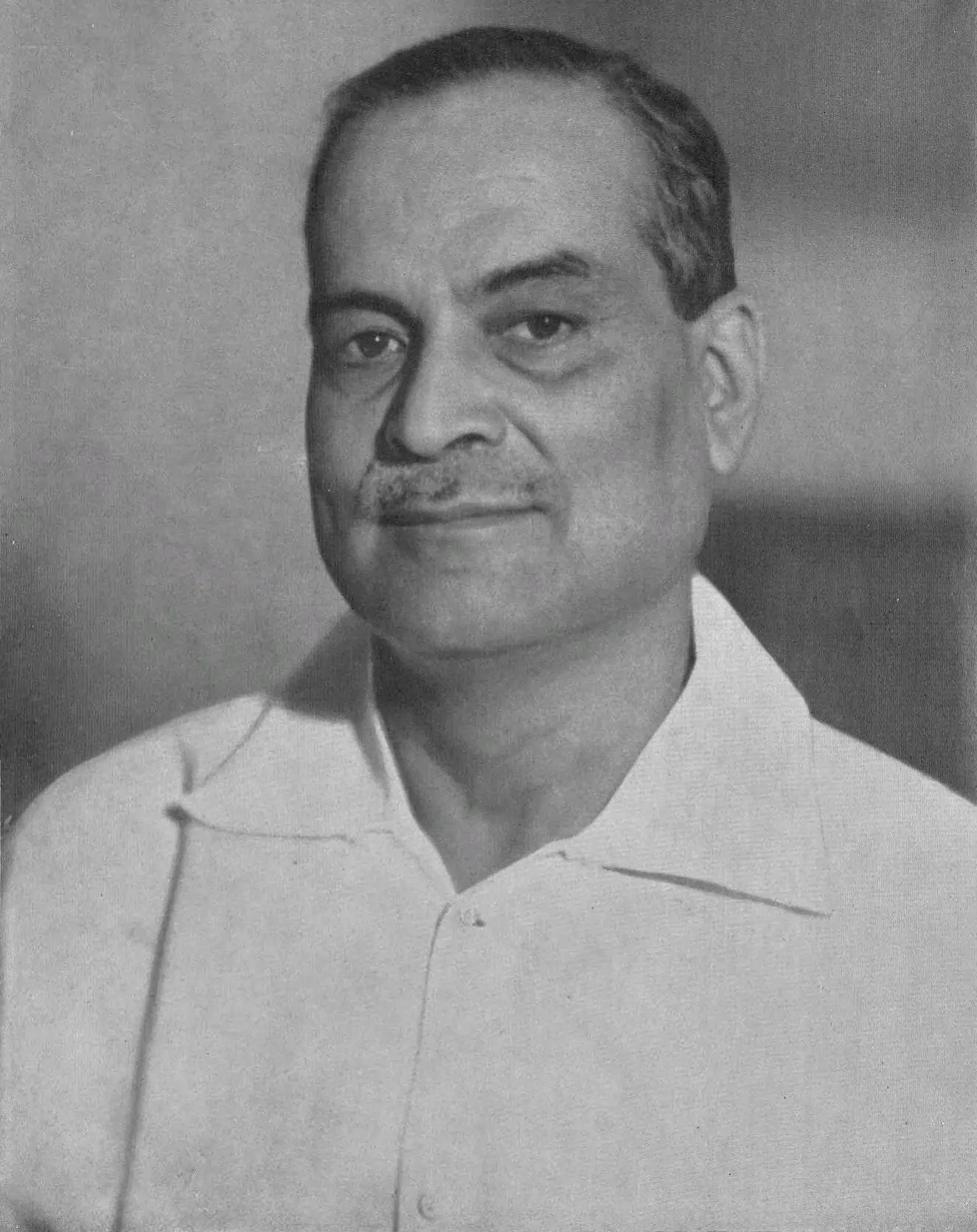
1961 | Bidhan Chandra Roy | West Bengal India | |
|
Roy was a physician, politician and educationist. He served as the second Chief Minister of West Bengal from 1948 to 1962 and is known as the "Maker of Modern West Bengal". His birthday on 1 July is observed annually as the National Doctors' Day in India.
|
||||
|
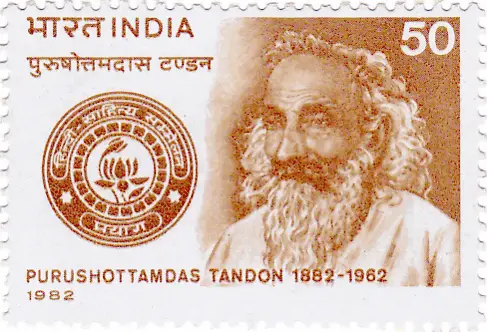
1961 | Purushottam Das Tandon | Uttar Pradesh India | |
|
Tandon was an independence activist and politician, who served as the speaker of the Uttar Pradesh Legislative Assembly from 1937 to 1950. He was actively involved in a campaign to get official language status to Hindi.
|
||||
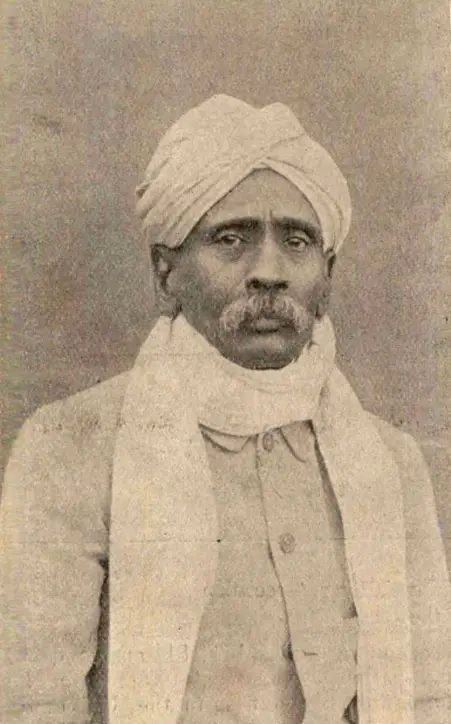
|
1958 | Dr. Dhondo Keshav Karve | Maharashtra India | |
|
Karve was a social reformer and educator, known for his work on education for women and remarriage of Hindu widows. He established the Widow Marriage Association (1883), Hindu Widows Home (1896), and started Shreemati Nathibai Damodar Thackersey Women's University in 1916.
|
||||
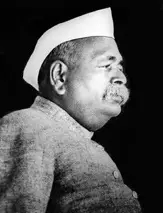
|
1957 | Govind Ballabh Pant | Uttar Pradesh India | |
|
Pant was an independence activist and politician, who served as the premier of United Provinces (1937 to 1939, 1946 to 1950) and as the first chief minister of Uttar Pradesh from 1950 to 1954. He served as Union Home Minister from 1955 to 1961.
|
||||
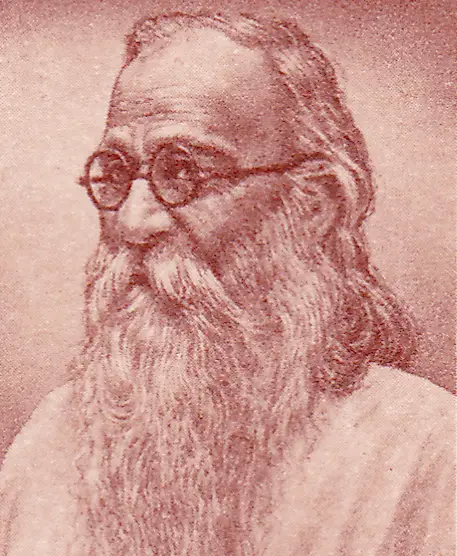
|
1955 | Dr. Bhagwan Das | Uttar Pradesh India | |
|
Bhagwan Das was an independence activist, theosophist and educationist. He co-founded Kashi Vidyapith and worked with Madan Mohan Malaviya to establish the Banaras Hindu University.
|
||||
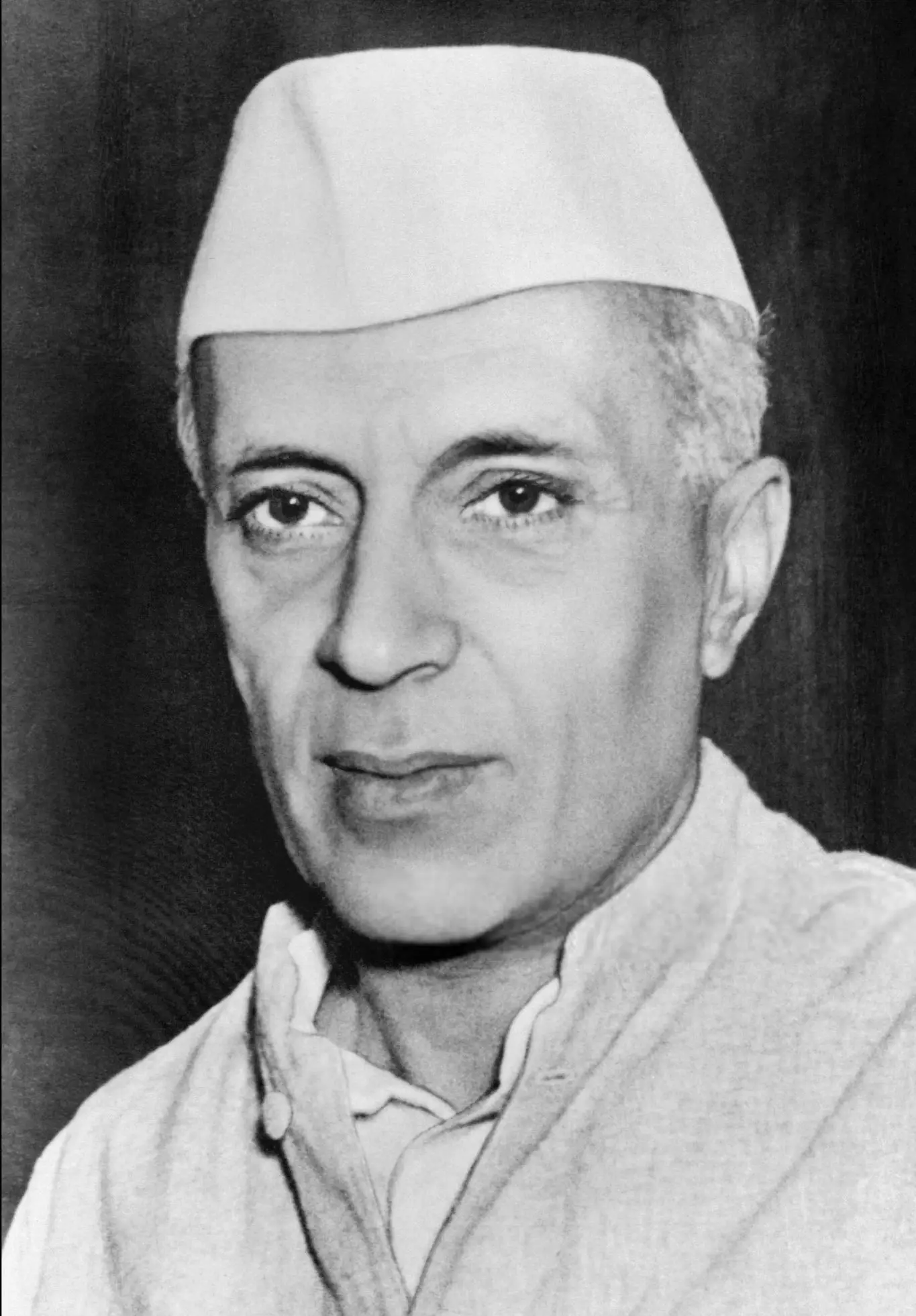
|
1955 | Jawaharlal Nehru | Uttar Pradesh India | |
|
Nehru was an independence activist and politician, who was the first and the longest-serving Prime Minister of India from 1947 to 1964.
|
||||
|
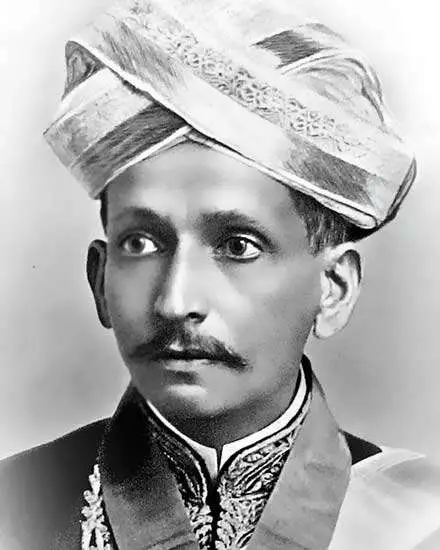
1955 | Mokshagundam Visvesvaraya | Karnataka India | |
|
Visvesvaraya was a civil engineer and statesman. He served as the 19th Diwan of Mysore from 1912 to 1918. His birthday, 15 September, is observed annually as Engineer's Day in India.
|
||||
|
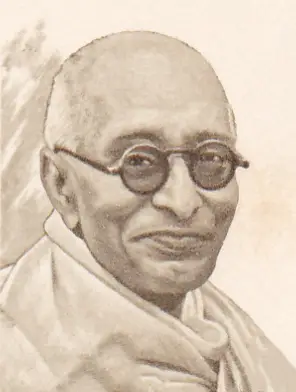
1954 | Chakravarti Rajagopalachari | Tamil Nadu India | |
|
Rajagopalachari was an independence activist, who served as the last Governor-General of India from 1948 to 1950. Earlier, he served as the first governor of West Bengal in 1947 to 1948. He was the home minister in the first Nehru cabinet succeeding Sardar Vallabhai Patel in 1950. He served as the chief minister of Madras Presidency from 1937 to 1939 and later as the chief minister of Tamil Nadu between 1952 and 1954. He founded the Swatantra Party in 1959.
|
||||
|
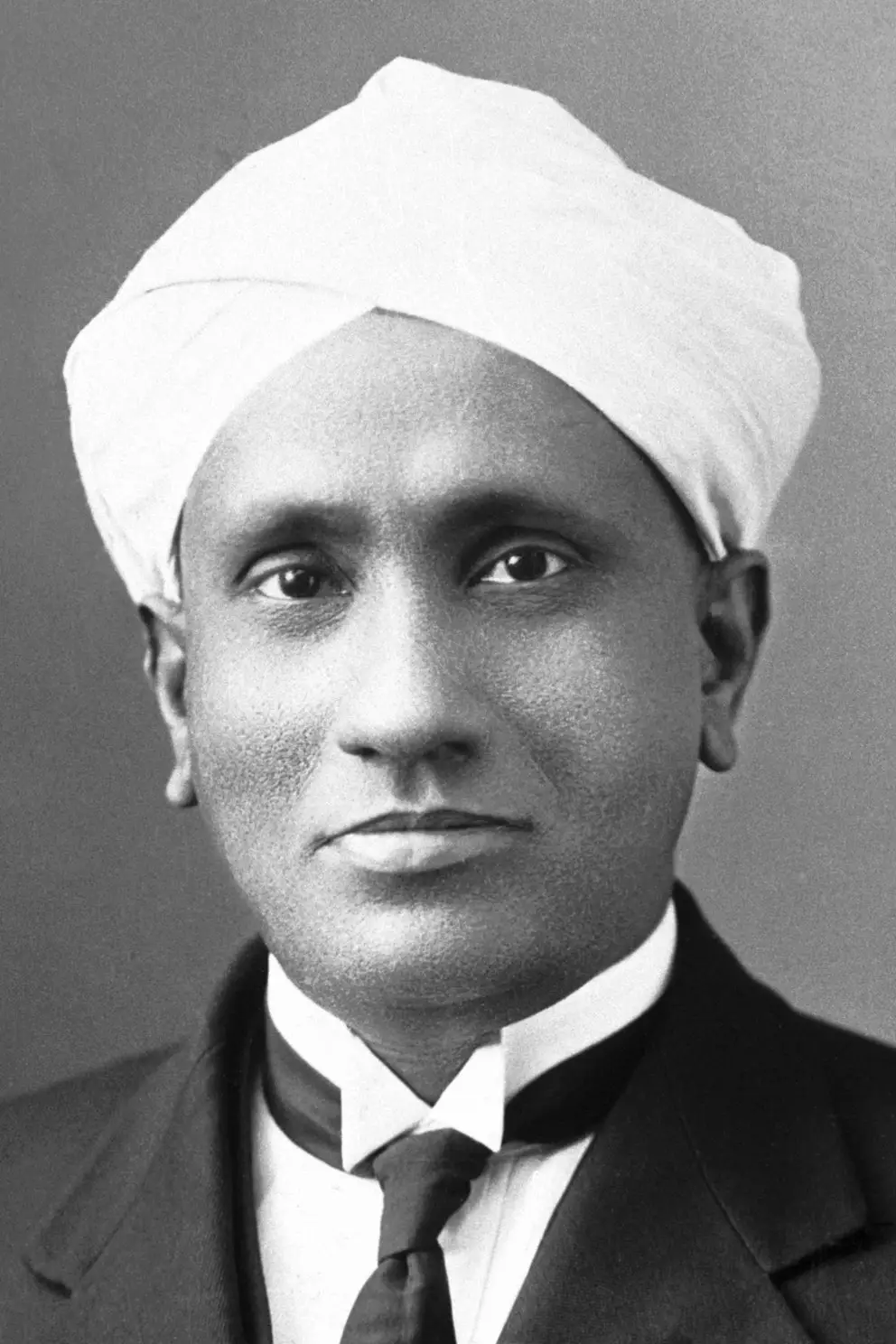
1954 | Chandrasekhara Venkata Raman | Tamil Nadu India | |
|
Raman was a physicist known for his work in the field of light scattering. He is known for the discovery of Raman scattering and Raman spectroscopy and was presented the Nobel Prize in Physics in 1930.
|
||||
|
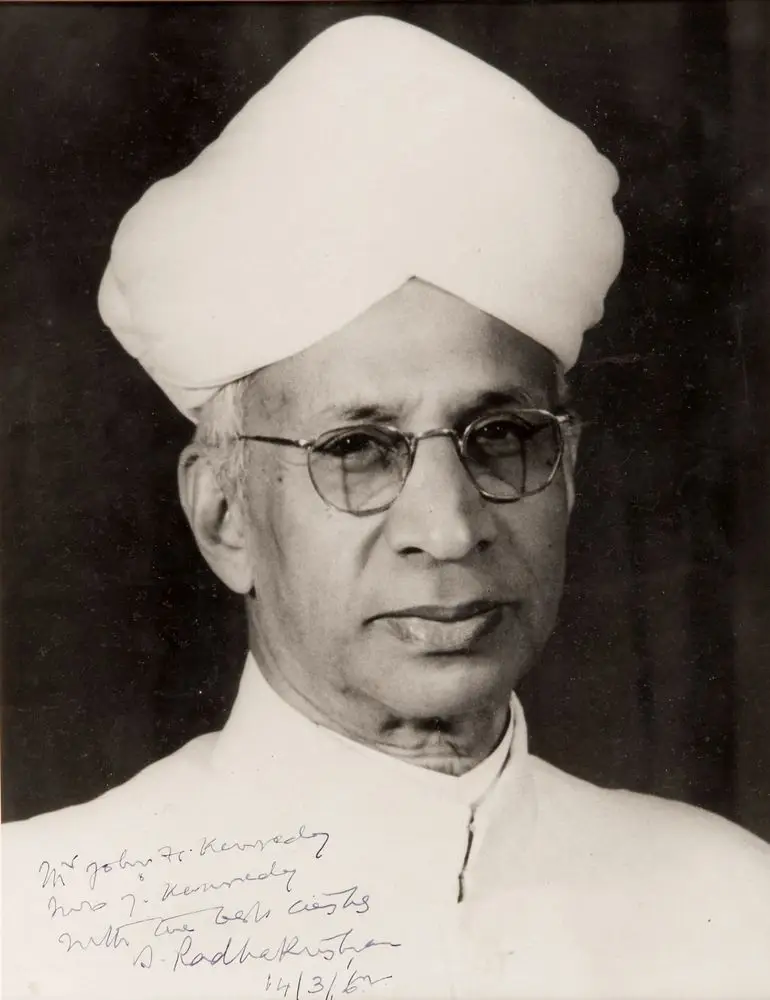
1954 | Sarvapalli Radhakrishnan | Tamil Nadu India | |
|
Radhakrishnan served as the first Vice-President of India from 1952 to 1962 and as the second President of India from 1962 to 1967. Since 1962, his birthday of 5 September is observed annually as Teachers' Day in India.
|
||||
Bharat Ratna FAQs
Bharat Ratna is a recognized award honoring excellence and achievements in Civilian category, awarded to deserving individuals or organizations worldwide.
It is a Civilian award category, recognizing outstanding contributions, performance, and excellence in Civilian field or domain globally.
This award is given for Exceptional service/performance of the highest order, honoring individuals or groups who have demonstrated exceptional achievements and contributions in this area.
The Bharat Ratna is presented by Goverment of India, recognizing excellence and honoring individuals for their significant achievements and contributions.
Bharat Ratna was first awarded in 1954, marking the beginning of recognizing excellence and achievements in its respective category.
The most recent Bharat Ratna was awarded in 2024, continuing its tradition of recognizing excellence and outstanding achievements globally.
Currently, the Bharat Ratna is Continue, indicating whether the award is actively presented or has been discontinued officially.
Bharat Ratna is awarded by India, recognizing achievements and honoring individuals or organizations associated with India country and its excellence.